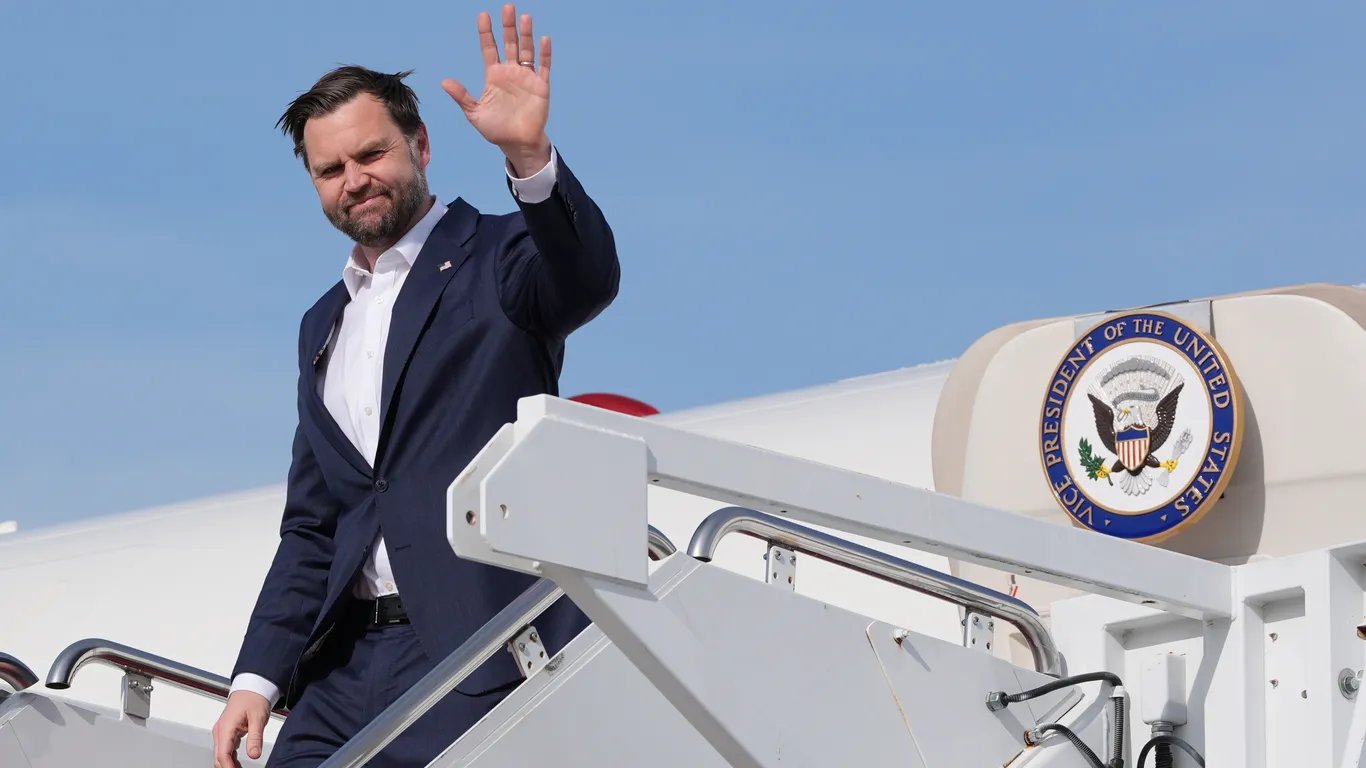
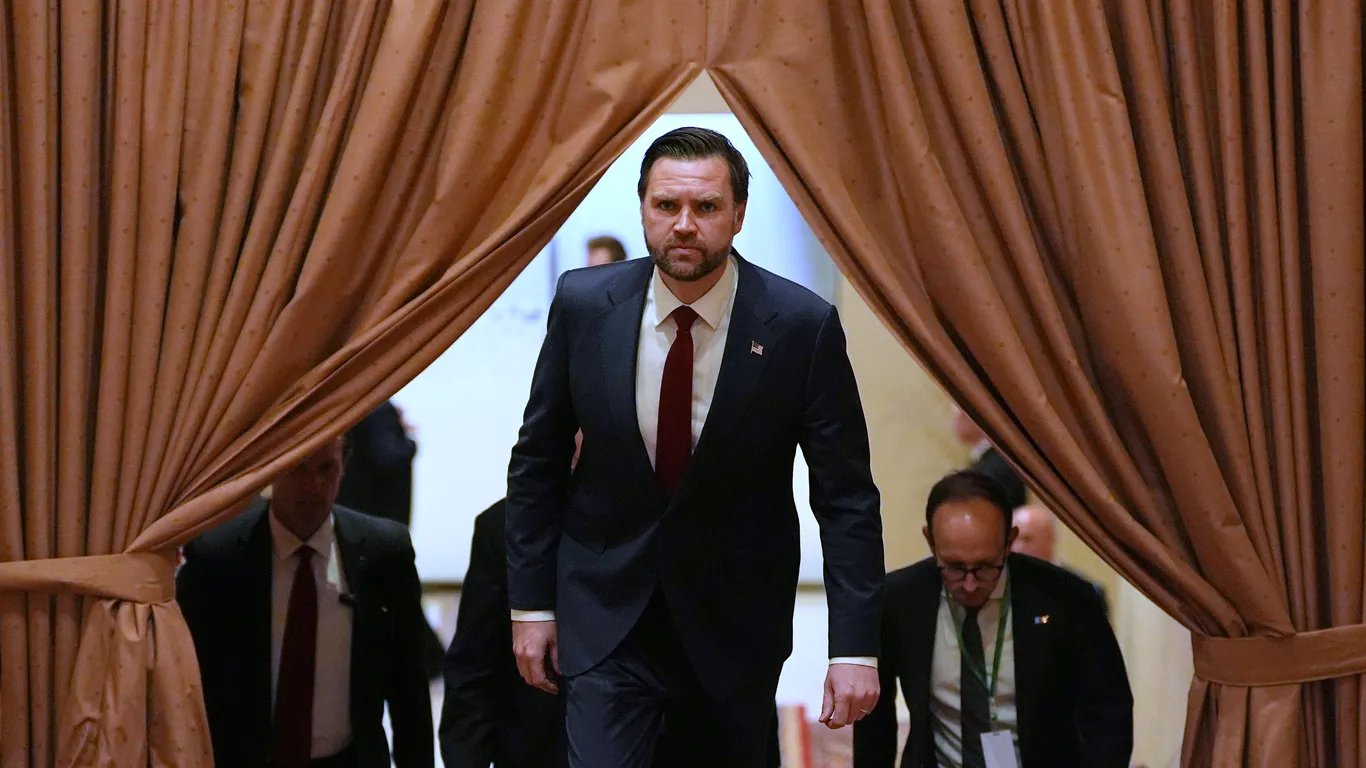
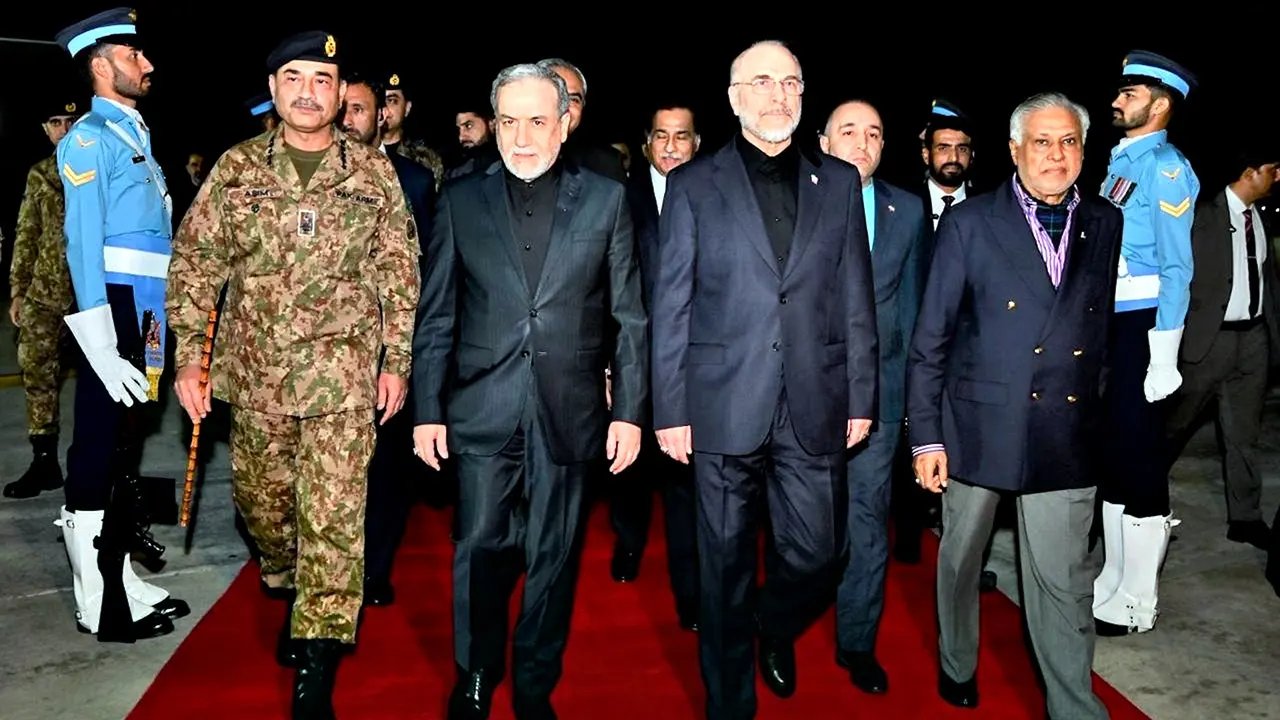
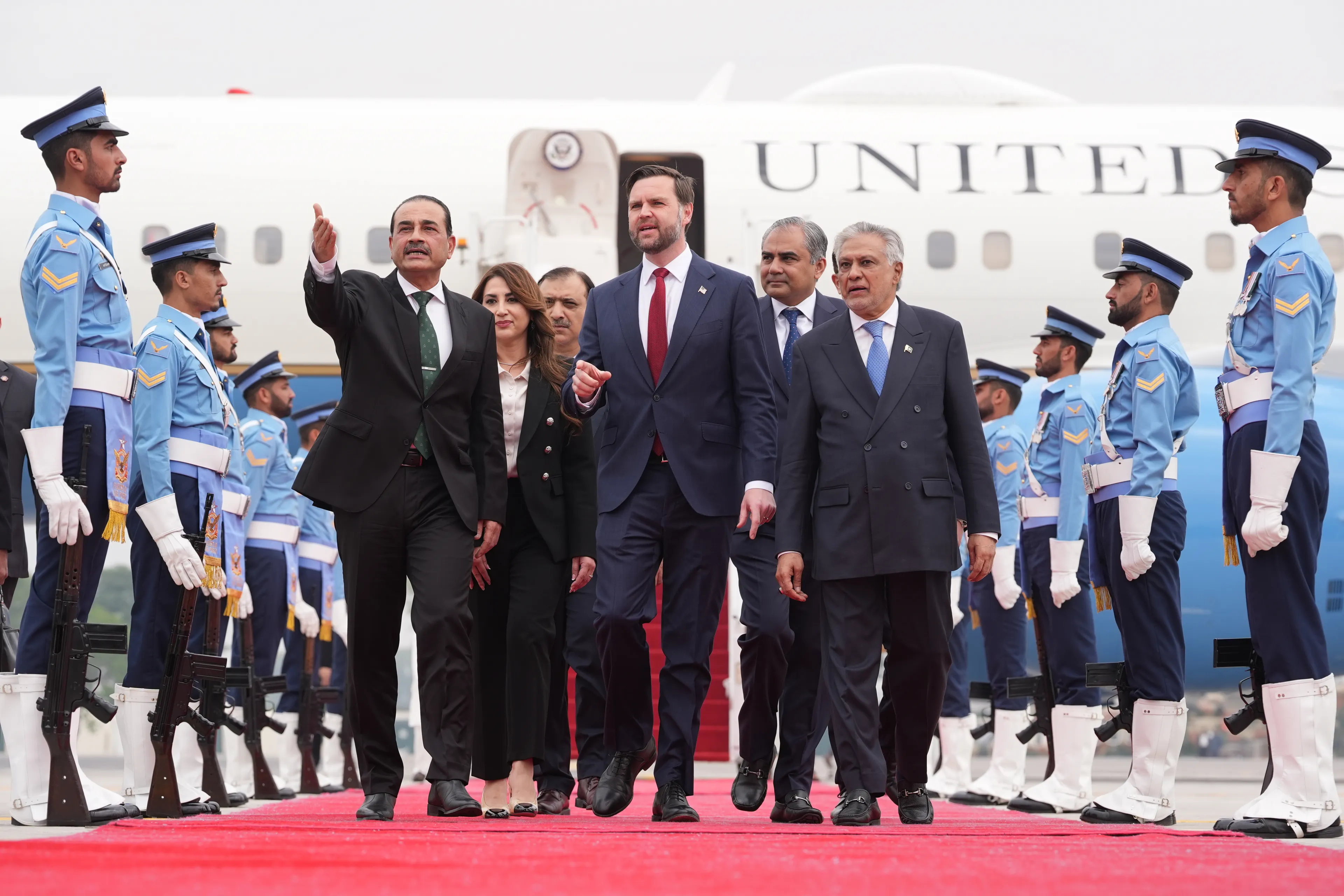
Vice President JD Vance and Iranian representatives concluded 21 hours of direct talks in Pakistan on Sunday without reaching a deal. The collapse of diplomacy sent shockwaves through currency and energy markets, with the British pound dipping as traders fled to safer assets and oil prices jumped over 7 percent to well above $100 per barrel.
The main gaps during negotiations centered on Iran's nuclear program. U.S. officials and regional sources said the disagreements focused on Washington's demands that Iran freeze uranium enrichment and surrender its stockpile of highly enriched uranium. A second sticking point was the amount of frozen money Iran wanted the U.S. to release in return for nuclear concessions. Iranian foreign minister Abbas Araghchi claimed the parties were "inches away" from a deal before the U.S. "shifted the goalposts," though U.S. officials and regional sources did not confirm that characterization.
After the 21 hours of talks concluded, Trump claimed that U.S. negotiators "became very friendly and respectful of Iran's Representatives" and that "most points were agreed to." He stressed there was no agreement on the nuclear issue, which he called the "only point that really mattered." Trump also claimed that Iranian negotiators "were very unyielding" about the nuclear program, writing that "IRAN IS UNWILLING TO GIVE UP ITS NUCLEAR AMBITIONS!"
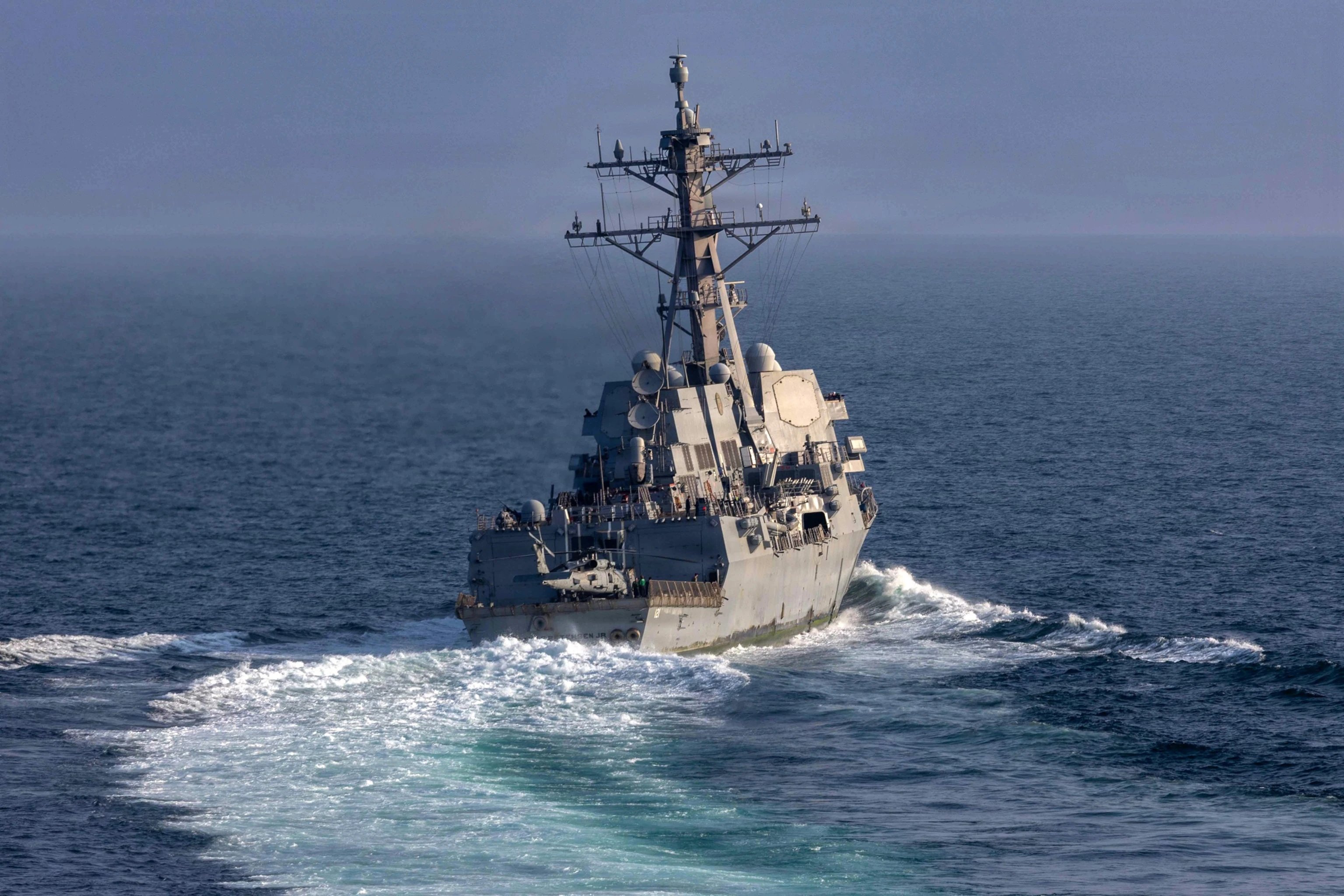
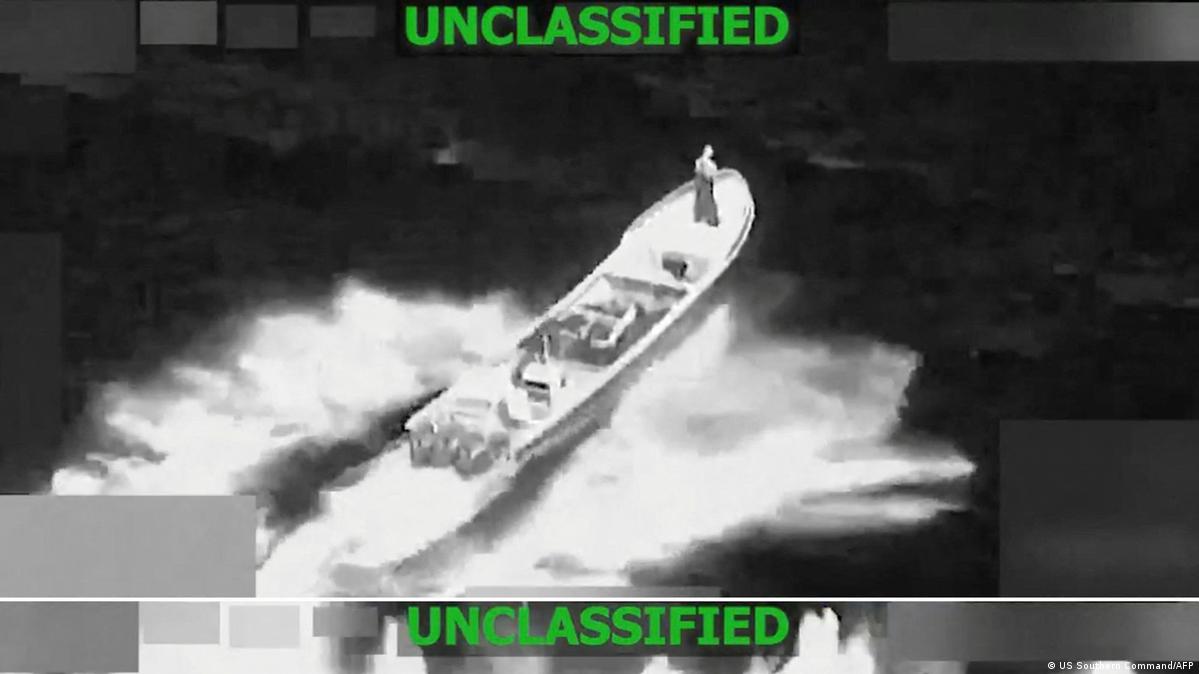
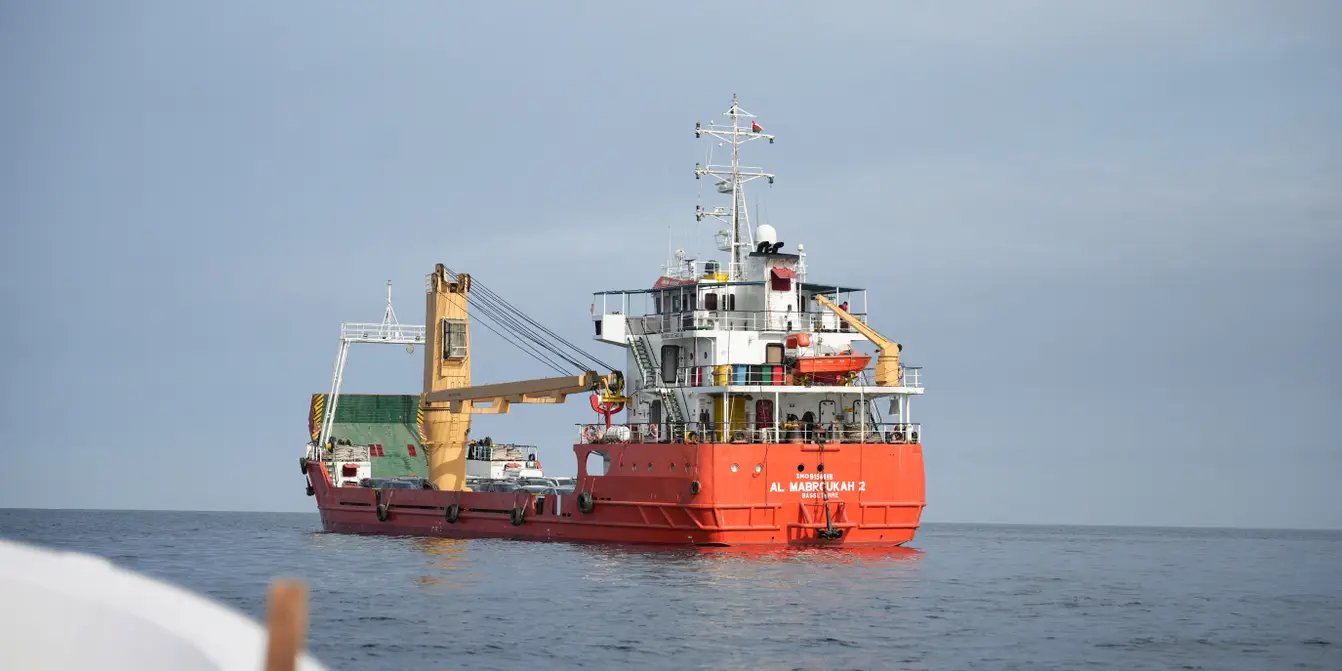
Hours after the talks ended, President Trump announced the U.S. Navy would begin blockading ships entering or exiting the Strait of Hormuz, effective Monday at 10 a.m. EDT. U.S. Central Command said the blockade would be "enforced impartially against vessels of all nations" but added that the U.S. "will not impede freedom of navigation for vessels transiting the Strait of Hormuz to and from non-Iranian ports."
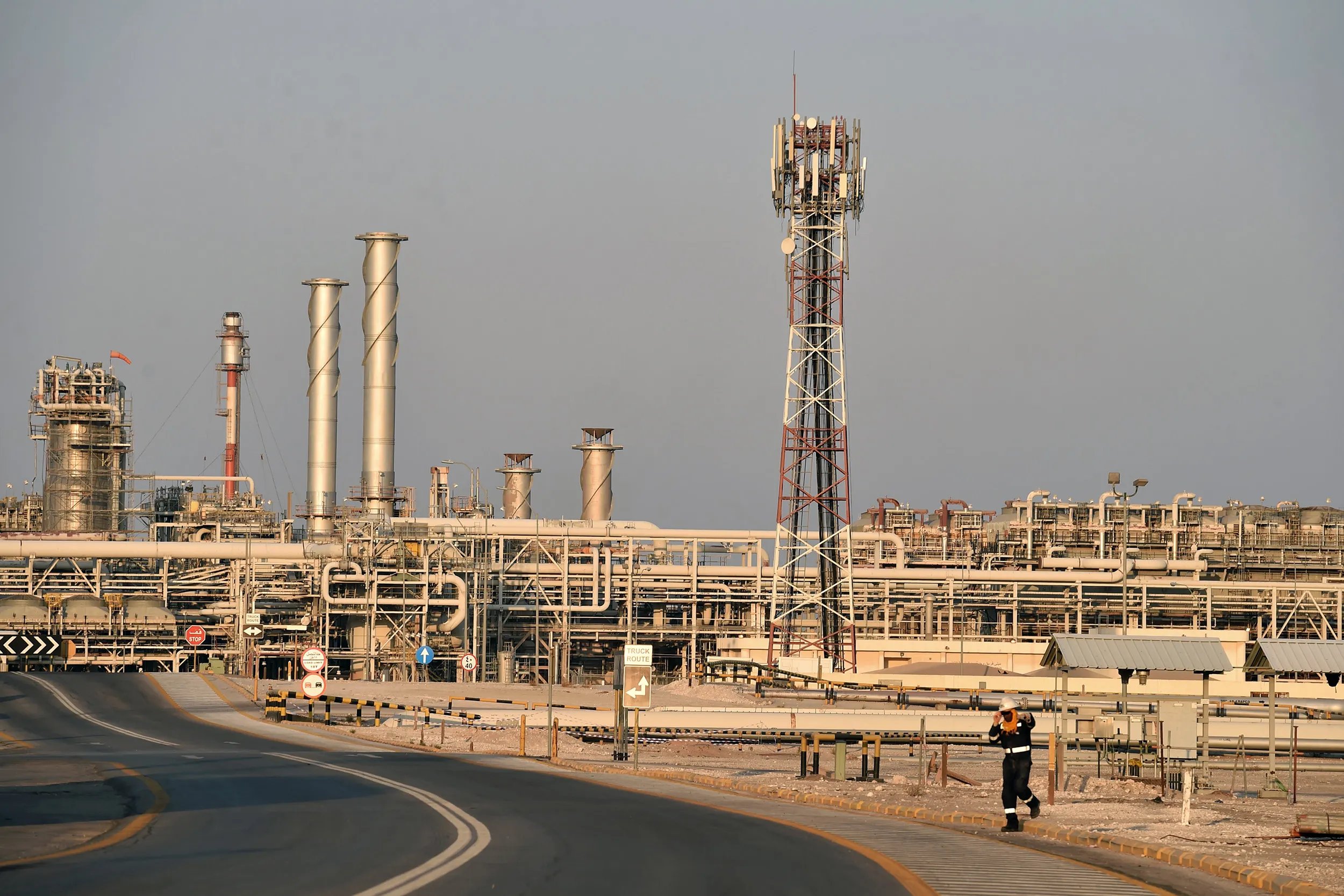
Oil markets reacted immediately. The global benchmark Brent crude jumped by over $7 per barrel to $102.29 on Sunday evening, while West Texas Intermediate, the main U.S. price, rose by roughly $8 to $104.56. Oil remained around these prices overnight and into Monday. Kuwait raised its May crude prices for Asia, according to a pricing document, reflecting the broader market shift.
Analysts said the blockade announcement would further discourage shipping through the strait. The Eurasia Group, a political risk consultancy, stated that "given the continued threat of Iranian attack against any ships that don't pay the toll, the US blockade announcement will further discourage shipping through the strait, keeping volumes below 10% of the prewar level and putting continued pressure on oil prices."
Sterling dipped as investors sought the safety of the U.S. dollar. The dollar jumped as failed U.S.-Iran peace talks sparked a fresh safe-haven push, with traders moving capital away from riskier assets. The South African rand also weakened as the blockade threat drove oil above $100.
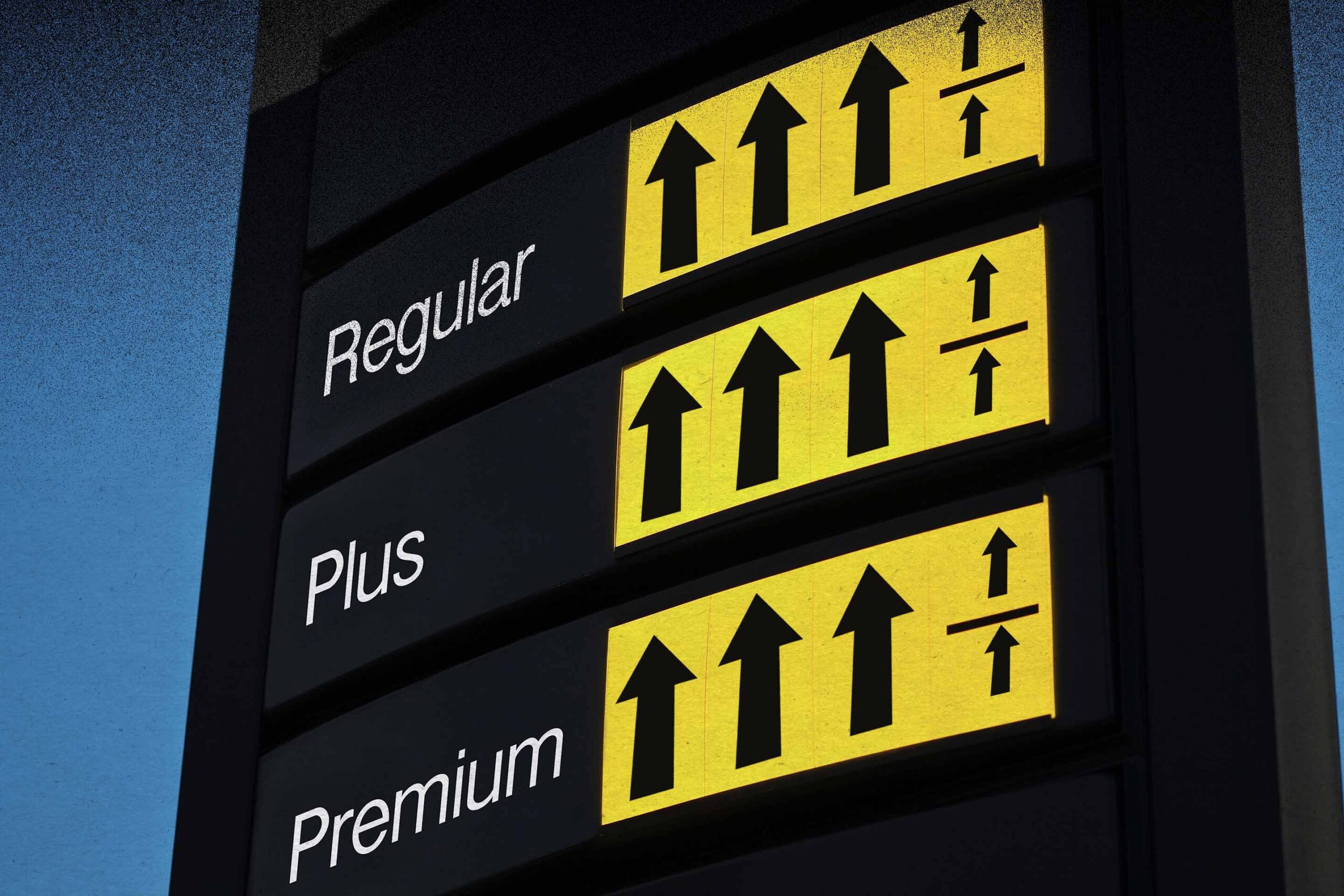
The energy price surge will delay relief at U.S. gasoline pumps. President Trump acknowledged the pressure, saying gas prices may remain high through the November midterm election.
Equities remained subdued as U.S.-Iran talks faltered and ceasefire concerns renewed.
Despite the breakdown, mediators have not abandoned hopes for a deal. Pakistani, Egyptian, and Turkish mediators will continue talks with the U.S. and Iran in the coming days to bridge remaining gaps, according to a regional source and a U.S. official. All parties still believe a deal is possible, with mediators hoping that narrowing the gaps could enable another round of negotiations before the ceasefire expires on April 21.
A regional source told reporters: "We are not in a complete deadlock. The door is not closed yet. Both sides are bargaining. It's a bazaar." A U.S. official agreed, adding that a deal could be reached if Iran shows more flexibility and recognizes that the Islamabad proposal is the best it will get.
Iran's ambassador to Pakistan, Reza Amiri Moghadam, who participated in the negotiations, wrote that the Islamabad talks did not fail but laid the foundation for a diplomatic process. "If trust and will are strengthened, we can create a sustainable framework for the interests of all parties," he said. Pakistan's Prime Minister Shehbaz Sharif will visit Saudi Arabia following an invitation from Crown Prince Mohammed bin Salman, a trip that occurs amidst the fragile ceasefire and will include discussions of regional developments.
Trump stressed that Iran's continued nuclear aspirations are the reason U.S. military operations need to continue "to conclusion." He wrote that at an appropriate moment, the U.S. is fully "LOCKED AND LOADED," and the military will "finish up the little that is left of Iran." Trump also said other countries will participate in the blockade and that during the blockade, U.S. forces will destroy mines the Iranians laid in the strait, though it remains unclear where these mines are located.
The blockade puts the U.S. on a collision course with multiple countries. Chinese, Indian, and Pakistani ships have been among the few to transit the strait under deals with Tehran, meaning Trump's interdiction order could escalate tensions beyond Iran. Tehran may increase attacks on regional energy facilities if Trump backs up his blockade threat with action, according to analysts at RBC Capital Markets.
Vice President JD Vance walked away from the negotiating table in Pakistan on Sunday after 21 hours of direct talks with Iranian representatives without reaching a deal. The collapse of diplomacy sent shockwaves through currency and energy markets, with the British pound dipping as traders fled to safer assets and oil prices jumped over 7 percent to well above $100 per barrel.
The main gaps during negotiations centered on Iran's nuclear program. U.S. officials and regional sources said the disagreements focused on Washington's demands that Iran freeze uranium enrichment and surrender its stockpile of highly enriched uranium. A second sticking point was the amount of frozen money Iran wanted the U.S. to release in return for nuclear concessions. Iranian foreign minister Abbas Araghchi claimed the parties were "inches away" from a deal before the U.S. "shifted the goalposts," though U.S. officials and regional sources did not confirm that characterization.
Trump claimed during the 21 hours of talks that U.S. negotiators "became very friendly and respectful of Iran's Representatives" and that "most points were agreed to." He stressed there was no agreement on the nuclear issue, which he called the "only point that really mattered." Trump also claimed that Iranian negotiators "were very unyielding" about the nuclear program, writing that "IRAN IS UNWILLING TO GIVE UP ITS NUCLEAR AMBITIONS!"
Hours after the talks ended, President Trump announced the U.S. Navy would begin blockading ships entering or exiting the Strait of Hormuz, effective Monday at 10 a.m. EDT. U.S. Central Command said the blockade would be "enforced impartially against vessels of all nations" but added that the U.S. "will not impede freedom of navigation for vessels transiting the Strait of Hormuz to and from non-Iranian ports."
Oil markets reacted immediately. The global benchmark Brent crude jumped by over $7 per barrel to $102.29 on Sunday evening, while West Texas Intermediate, the main U.S. price, rose by roughly $8 to $104.56. Oil remained around these prices overnight and into Monday. Kuwait raised its May crude prices for Asia, according to a pricing document, reflecting the broader market shift.
Analysts said the blockade announcement would further discourage shipping through the strait. The Eurasia Group, a political risk consultancy, stated that "given the continued threat of Iranian attack against any ships that don't pay the toll, the US blockade announcement will further discourage shipping through the strait, keeping volumes below 10% of the prewar level and putting continued pressure on oil prices."
Sterling dipped as investors sought the safety of the U.S. dollar. The dollar jumped as failed U.S.-Iran peace talks sparked a fresh safe-haven push, with traders moving capital away from riskier assets. The South African rand also weakened as the blockade threat drove oil above $100.
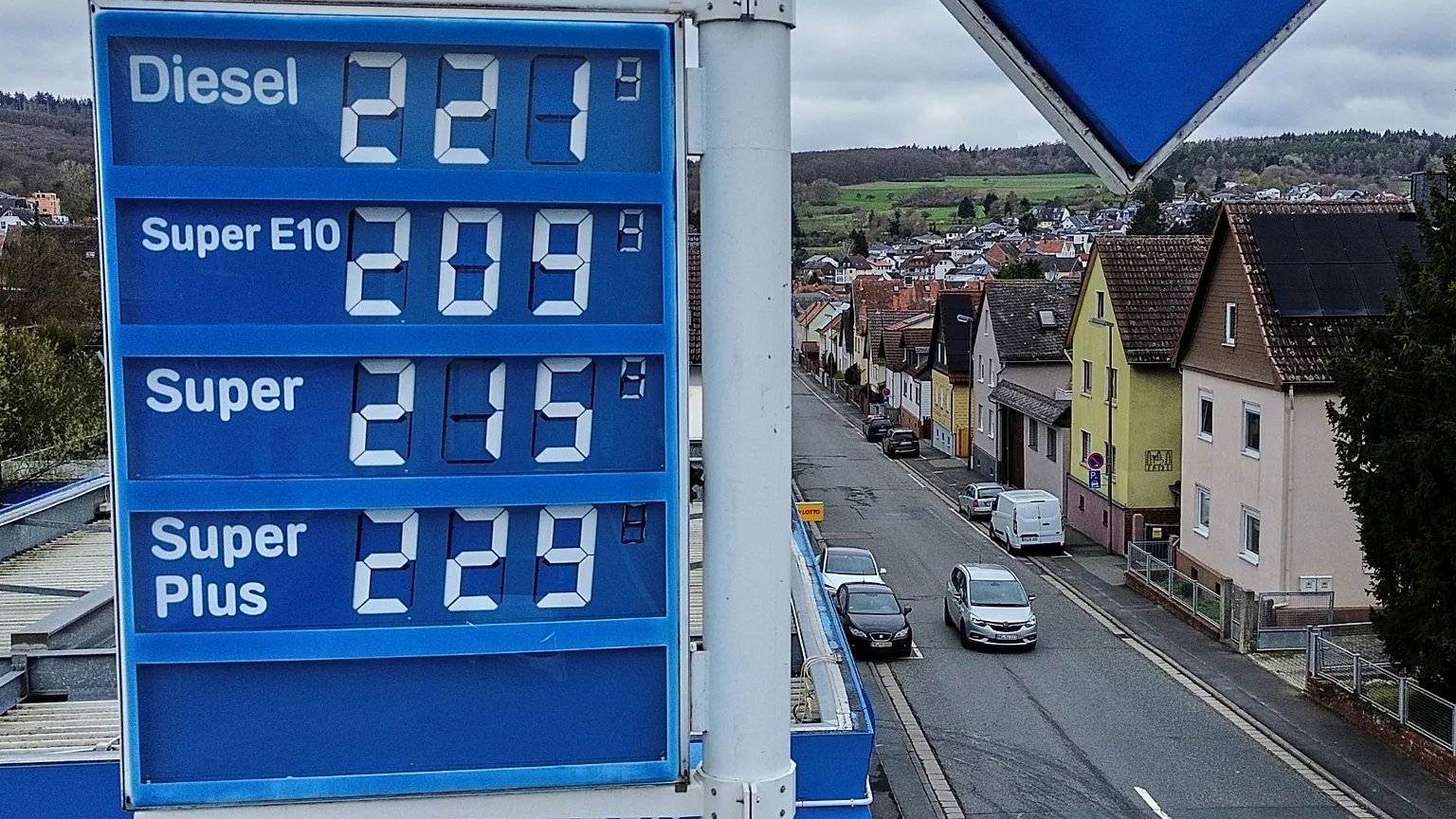
The energy price surge will delay relief at U.S. gasoline pumps. Regular gasoline prices currently average $4.13 per gallon, according to AAA, after dipping slightly in recent days. President Trump acknowledged the pressure, saying gas prices may remain high through the November midterm election.
The higher oil prices threaten to ripple through broader economies. Gold fell as renewed U.S.-Iran tensions dampened hopes for interest rate cuts, which typically support the precious metal. Equities remained subdued as U.S.-Iran talks faltered and ceasefire concerns renewed.
Despite the breakdown, mediators have not abandoned hopes for a deal. Pakistani, Egyptian, and Turkish mediators will continue talks with the U.S. and Iran in the coming days to bridge remaining gaps, according to a regional source and a U.S. official. All parties still believe a deal is possible, with mediators hoping that narrowing the gaps could enable another round of negotiations before the ceasefire expires on April 21.
A regional source told reporters: "We are not in a complete deadlock. The door is not closed yet. Both sides are bargaining. It's a bazaar." A U.S. official agreed, adding that a deal could be reached if Iran shows more flexibility and recognizes that the Islamabad proposal is the best it will get.
Iran's ambassador to Pakistan, Reza Amiri Moghadam, who participated in the negotiations, wrote that the Islamabad talks did not fail but laid the foundation for a diplomatic process. "If trust and will are strengthened, we can create a sustainable framework for the interests of all parties," he said. Pakistan's Prime Minister Shehbaz Sharif will visit Saudi Arabia following an invitation from Crown Prince Mohammed bin Salman, a trip that occurs amidst the fragile ceasefire and will include discussions of regional developments.
Trump stressed that Iran's continued nuclear aspirations are the reason U.S. military operations need to continue "to conclusion." He wrote that at an appropriate moment, the U.S. is fully "LOCKED AND LOADED," and the military will "finish up the little that is left of Iran." Trump also said other countries will participate in the blockade and that during the blockade, U.S. forces will destroy mines the Iranians laid in the strait, though it remains unclear where these mines are located.
The blockade puts the U.S. on a collision course with multiple countries. Chinese, Indian, and Pakistani ships have been among the few to transit the strait under deals with Tehran, meaning Trump's interdiction order could escalate tensions beyond Iran. Tehran may increase attacks on regional energy facilities if Trump backs up his blockade threat with action, according to analysts at RBC Capital Markets.
Highlighted text was flagged by the council. Tap to see feedback.