
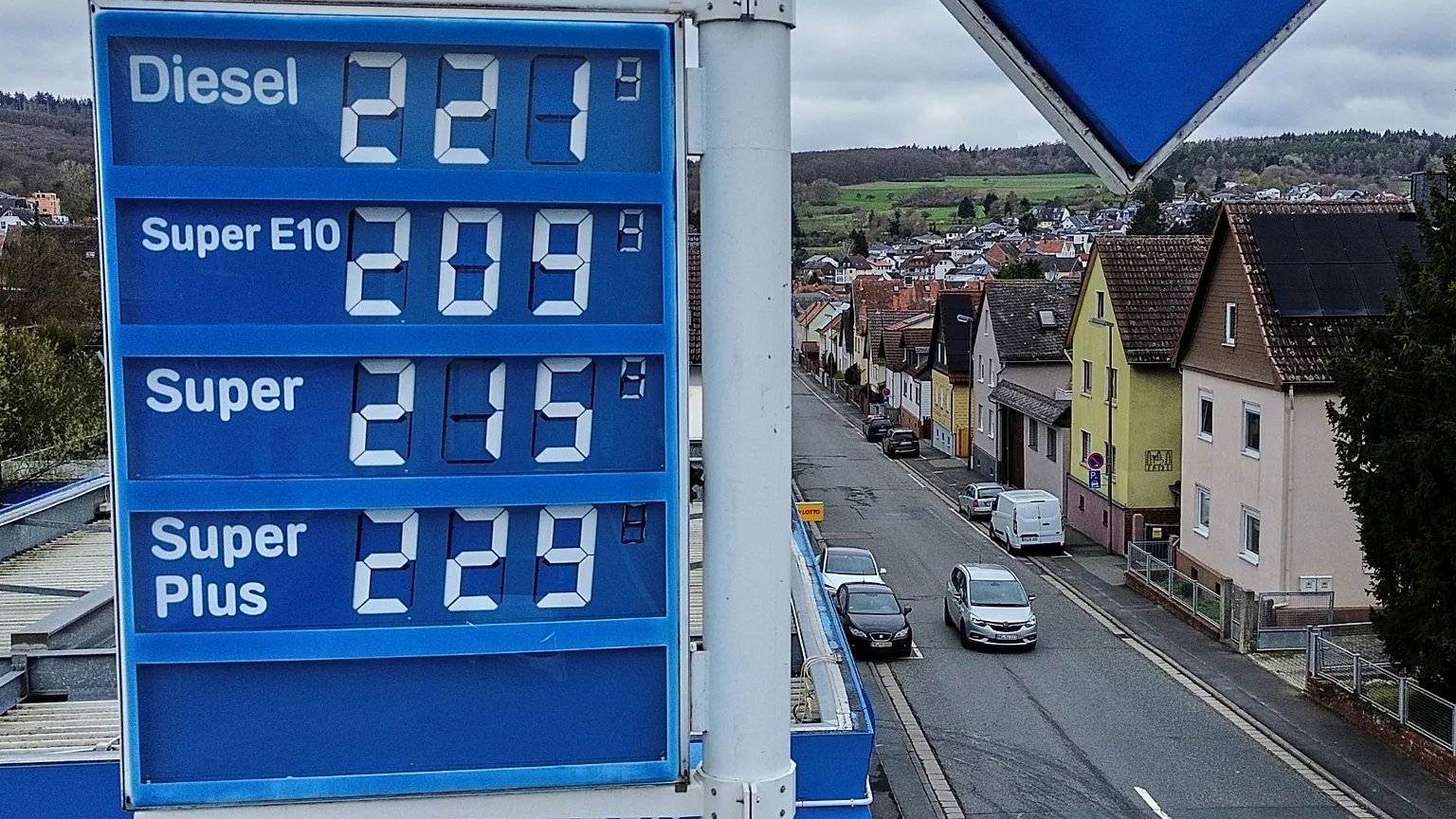





What the Cut Means at the Pump
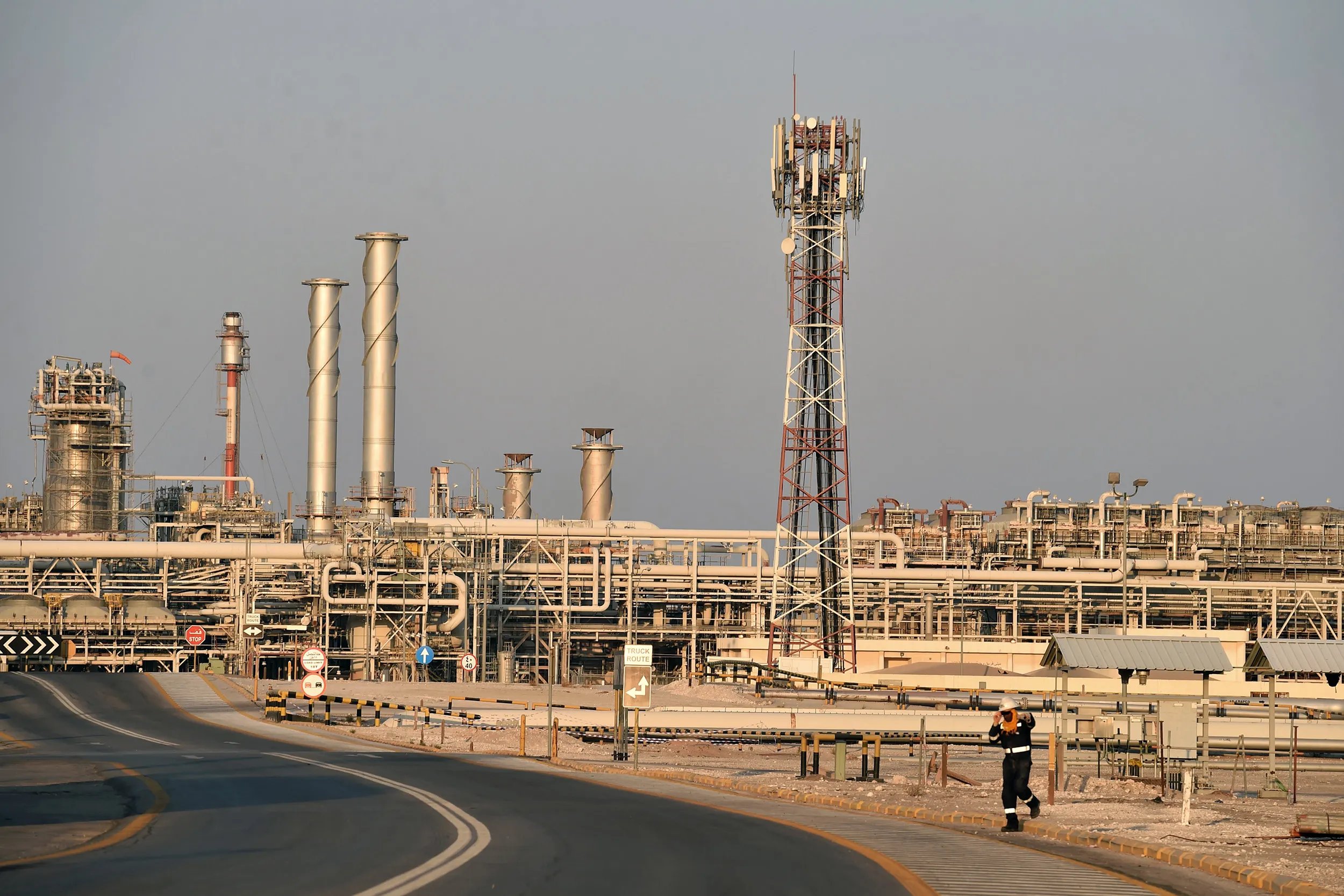
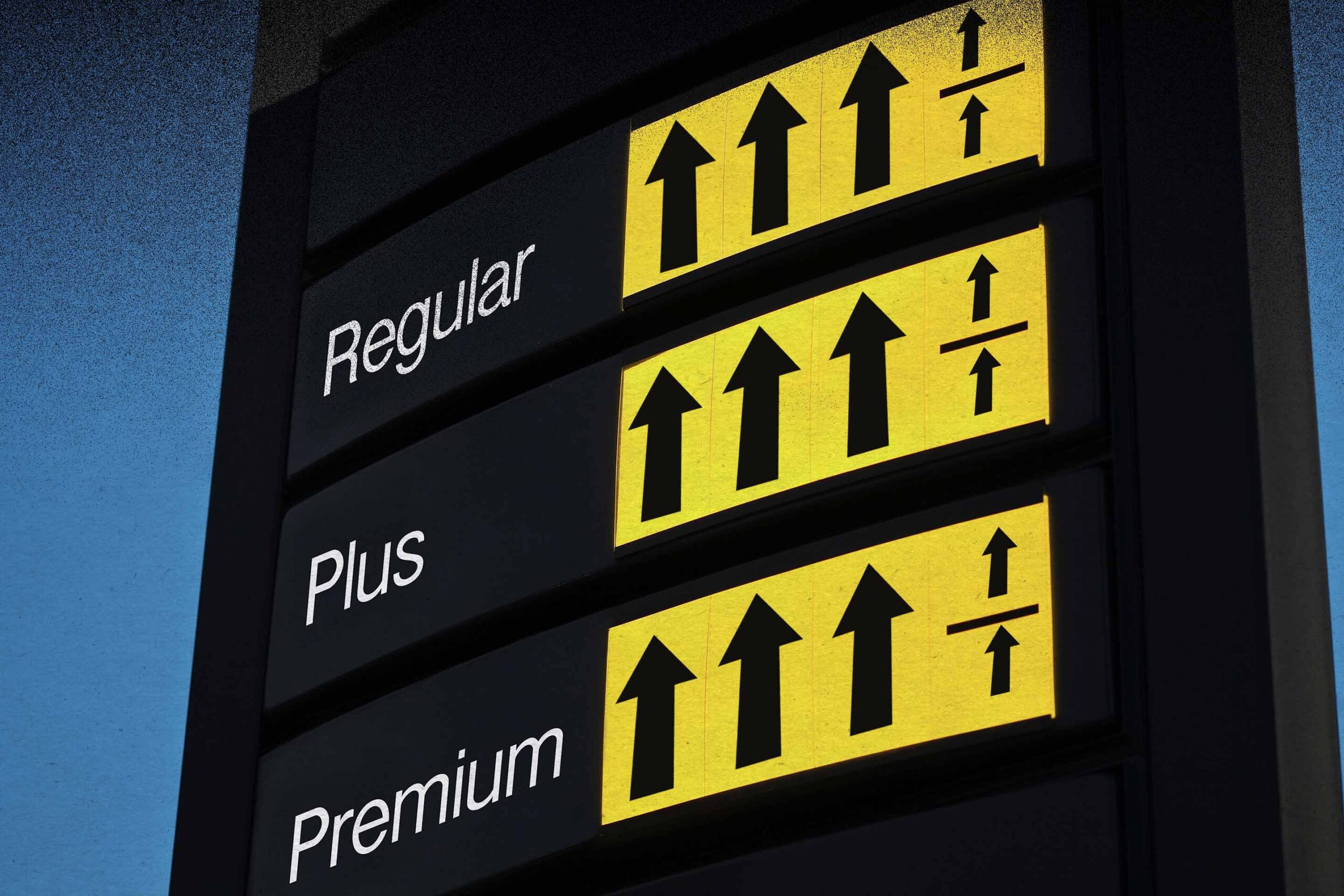
Chancellor Friedrich Merz said the energy tax on petrol and diesel will drop by 17 cents per liter for two months, a move he expects oil firms to pass on to drivers. The temporary cut translates to roughly 20 U.S. cents and is timed to counter prices that have soared since fighting in Iran blocked most oil tankers through the Strait of Hormuz. Merz spoke after overnight talks with Markus Söder of the Bavarian CSU and Social Democrat co-leaders Lars Klingbeil and Bärbel Bas.
The War Link Merz Won't Downplay
Merz blamed the Strait of Hormuz disruption for the price spike, calling the Iran conflict "the root cause of problems we also have in our own country." He warned that even if hostilities end soon, "The German economy will face a significant burden over an extended period." Merz said he and Foreign Minister Johann Wadephul were doing everything they could to work towards an end to the war.
How the Treasury Plans to Plug the Gap
To offset the lost fuel revenue, the coalition will let employers pay a tax- and contribution-free relief bonus of €1,000 in 2026 while raising tobacco taxes the same year. The package is part of a broader reform slate that also includes health-insurance changes and tax relief for lower- and middle-income earners starting in 2027. Merz called the measures "the start of a whole series of consultations."
Dublin's Blockades Crumble Under Police Push
While German drivers wait for cheaper fuel, Irish protesters who blockaded the Whitegate refinery and Dublin's O'Connell Street were cleared by police; pepper spray was used at the refinery, while elsewhere a military vehicle knocked down a barrier at the Galway docks. Commissioner Justin Kelly said blockades "are not a legitimate form of protest." A farmer spokesman claimed officers "ambushed" what had been a peaceful demonstration.
Why Your Next Fill-Up Still Depends on Tehran
Merz acknowledged that Berlin cannot control global oil routes; if Strait of Hormuz traffic remains restricted, German prices could climb again once the two-month tax cut expires. The chancellor urged oil companies to absorb part of the cost themselves, but he offered no enforcement mechanism if they refuse.









The sources also report that the coalition plans to raise tobacco taxes as early as 2026 to offset the resulting tax revenue shortfall from the relief bonus.