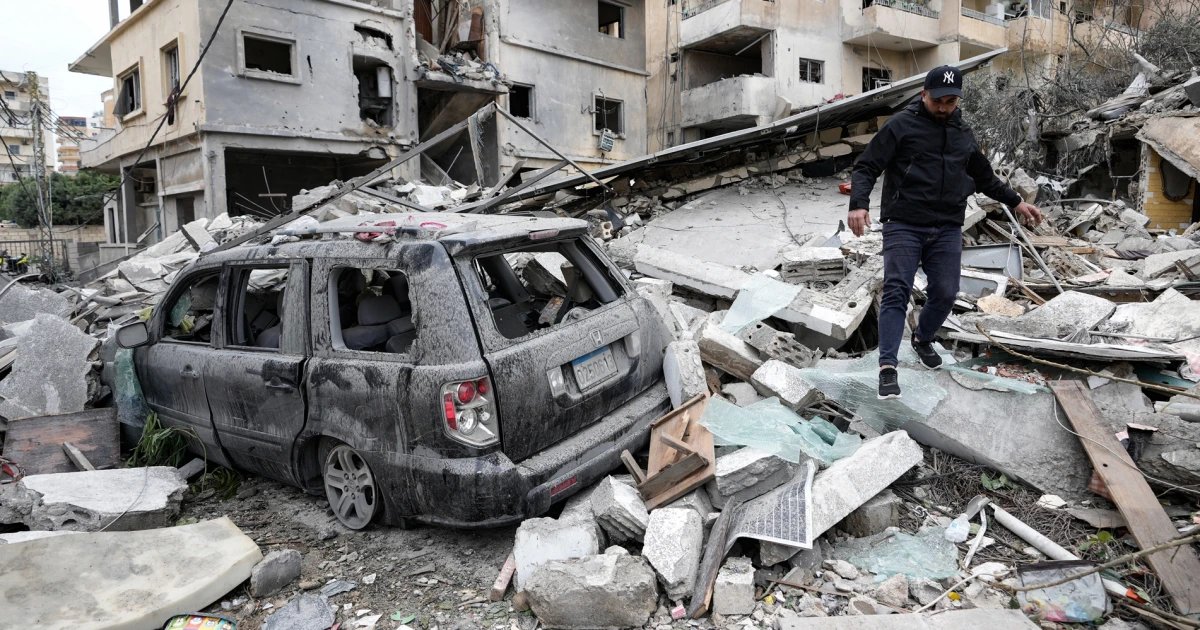
The Bank of Israel held its benchmark interest rate steady amid inflation concerns. This decision impacts borrowing costs for Israeli citizens and businesses as the cost of living increases. German state inflation also points to a national uptick as the Iran war heats up.
The war is embedding itself in the global economy, shaping what is produced, moved and ultimately affordable, according to an editorial. The closure of the Strait of Hormuz by Iran has seen oil prices increase, with knock-on effects visible across fuel, fertilizer and supply chains.
Oil prices climbed above $116 per barrel after markets opened Sunday, after Houthi militants fired missiles at Israel, promising further attacks. Brent crude rose 3.3% to $116.25 per barrel. WTI, the main U.S. reference, was also up about 3% to nearly $103 per barrel. U.S. oil prices ended Monday's session above $100 a barrel for the first time since the U.S. and Israel launched a war against Iran.
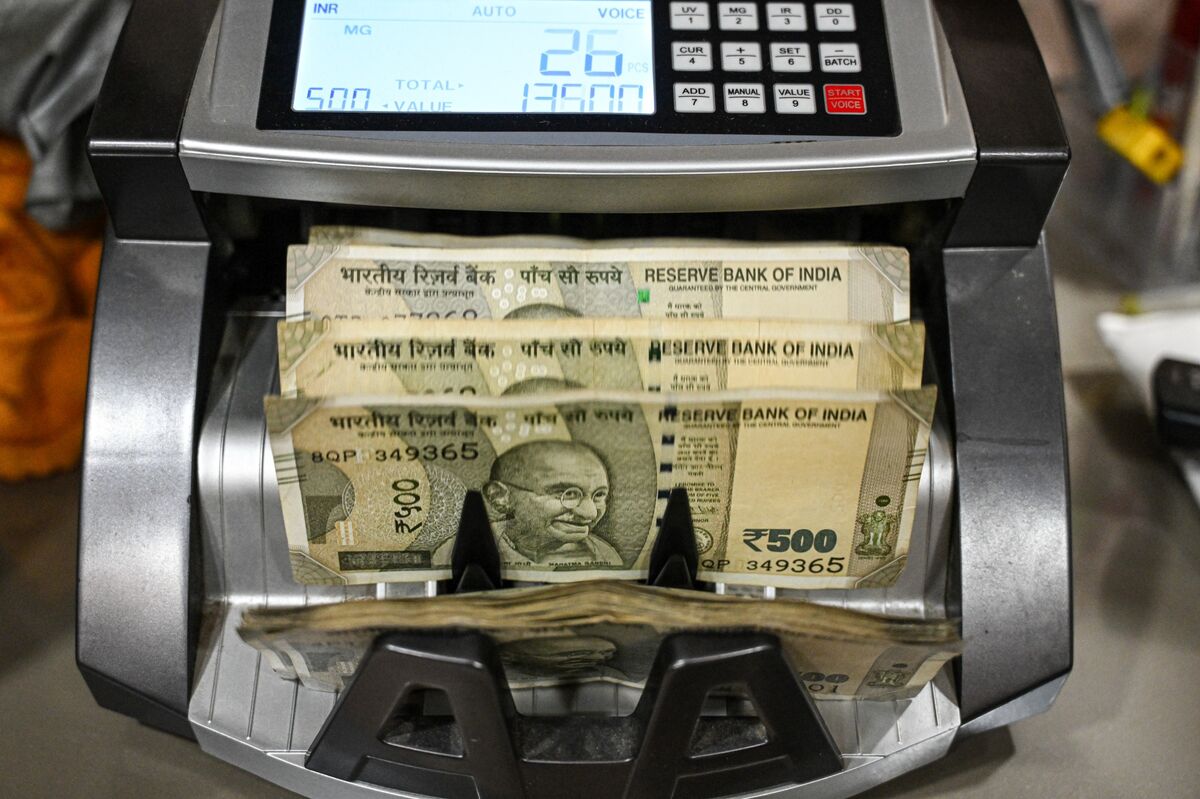
The Iran war is forcing Asian economies to confront sliding currencies and surging oil prices. Indian shares logged their worst fiscal performance since 2020 due to foreign exodus, the war, and trade concerns.
Turkey reported that NATO defenses downed a missile from Iran. Spain closed its airspace to U.S. planes involved in the Iran war, and denied the U.S. use of two jointly run military bases in Andalusia. Australia's Prime Minister Albanese called for clarity from Trump on the objectives of the Iran war.
Ukrainian President Volodymyr Zelensky told Axios that a long war in Iran would benefit Russia and negatively impact Ukraine. Zelensky stated that Russia's oil-dependent economy is getting a boost from surging oil prices and the loosening of U.S. sanctions. He also expressed concern that the U.S. is focusing on the Middle East and may decrease military help to Ukraine.
Oil prices are driving up costs across supply chains globally.
The Bank of Israel held its benchmark interest rate steady, despite rising inflation sparked by the ongoing conflict with Iran. This decision impacts borrowing costs for Israeli citizens and businesses as the cost of living increases. German state inflation also points to a national uptick as the Iran war heats up.
The war is embedding itself in the global economy, shaping what is produced, moved and ultimately affordable, according to an editorial. The closure of the Strait of Hormuz by Iran has seen oil prices increase, with knock-on effects visible across fuel, fertilizer and supply chains. The Organization for Economic Cooperation and Development forecasts a spike of inflation to 4.2% in the U.S., a 40% increase since Trump returned to office.
Oil prices climbed above $116 per barrel after markets opened Sunday, after Houthi militants fired missiles at Israel, promising further attacks. Brent crude rose 3.3% to $116.25 per barrel. WTI, the main U.S. reference, was also up about 3% to nearly $103 per barrel. U.S. oil prices ended Monday’s session above $100 a barrel for the first time since the U.S. and Israel launched a war against Iran.
The Iran war is forcing Asian economies to confront sliding currencies and surging oil prices. Indian shares logged their worst fiscal performance since 2020 due to foreign exodus, the war, and trade concerns.
Turkey reported that NATO defenses downed a missile from Iran. Spain closed its airspace to U.S. planes involved in the Iran war, and denied the U.S. use of two jointly run military bases in Andalusia. Australia's Prime Minister Albanese called for clarity from Trump on the objectives of the Iran war.
Ukrainian President Volodymyr Zelensky told Axios that a long war in Iran would benefit Russia and negatively impact Ukraine. Zelensky stated that Russia's oil-dependent economy is getting a boost from surging oil prices and the loosening of U.S. sanctions. He also expressed concern that the U.S. is focusing on the Middle East and may decrease military help to Ukraine.
Industry insiders warn that clothing prices may increase by 10 to 15 percent as South Asia’s $50 billion garment export industry reels from war-driven shocks. Gasoline prices edged closer to the $4-a-gallon mark on Sunday, rising from $3.976 to $3.98 a gallon, per AAA.
With the Bank of Israel holding rates steady, citizens should monitor their spending and savings, as economists expect continued market volatility until there are signs of de-escalation.
Highlighted text was flagged by the council. Tap to see feedback.