




A Surveillance Authority Lapses for the First Time
Section 702 of the Foreign Intelligence Surveillance Act will expire Friday after the House rejected a short-term extension in a 198-218 vote Thursday, falling far short of the two-thirds majority required. The Senate also failed in three separate attempts to pass a temporary renewal by unanimous consent. This marks the first time since the law passed in 2008 that Congress has allowed the authority to lapse.
The program grants the government power to spy on foreign nationals living abroad without warrants as part of counterterrorism efforts. Rep. Brian Fitzpatrick (R-Pa.) said Section 702 "is critical to the president's daily brief." Rep. Don Bacon (R-Neb.) said, "Fifty percent of our intelligence comes from FISA. That would be bad." He added: "We have stopped terrorism attacks from 702. Without it, we would have had many more people killed."
The Pulte Appointment Derails Negotiations
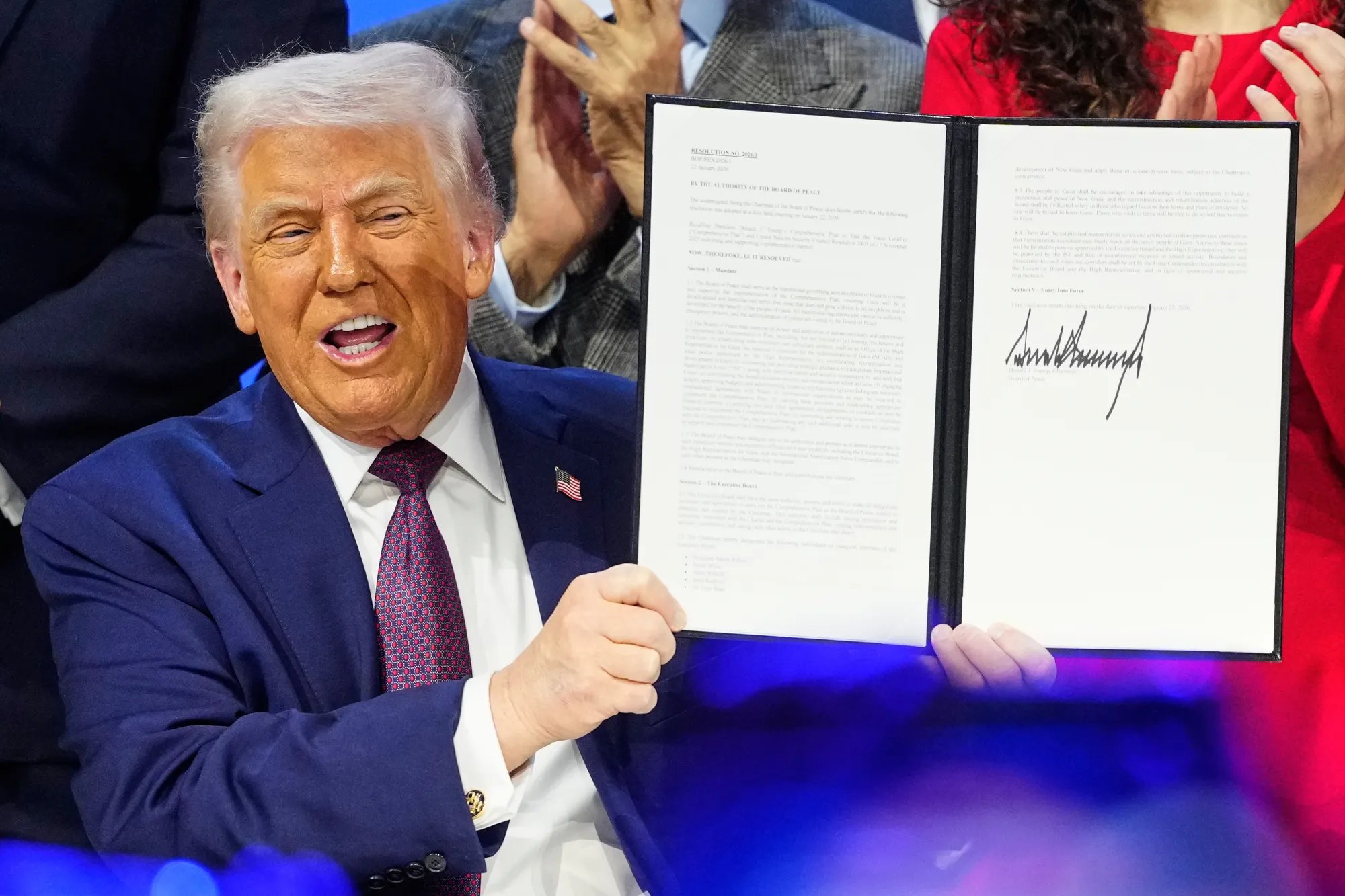
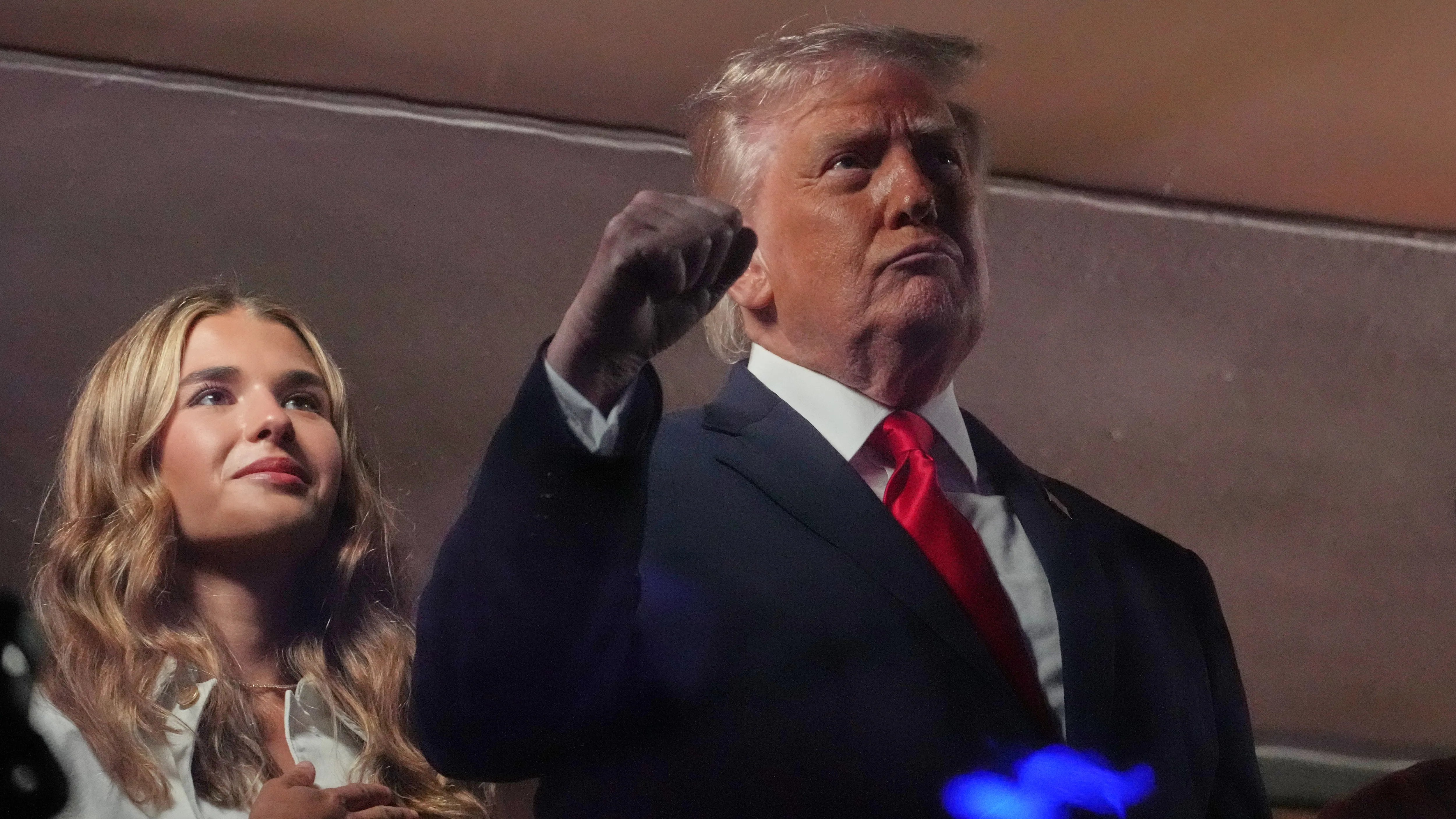
The breakdown stems directly from President Trump's decision to name Bill Pulte, director of the U.S. Federal Housing Finance Agency, as acting director of national intelligence. Democrats refused to extend FISA unless Trump reversed the appointment, arguing Pulte lacks any national security, law enforcement, or military experience.
Pulte is known in the Trump administration for launching investigations into several of the president's perceived political enemies. Targets include Federal Reserve Governor Lisa Cook, New York Attorney General Letitia James, Democratic Senator Adam Schiff, and former Democratic Representative Eric Swalwell. All have denied wrongdoing.
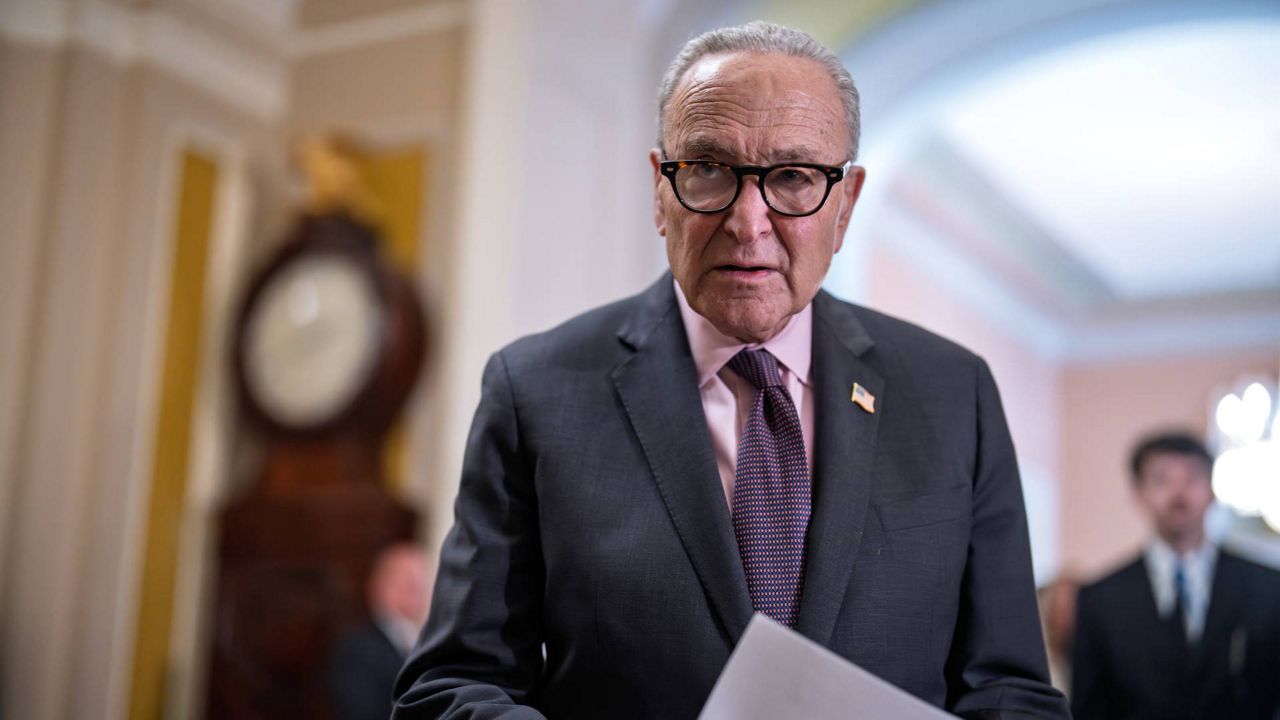
Senate Minority Leader Chuck Schumer stated flatly: "Pulte's got to go. The DNI role is too important. He cannot be there—no ands, ifs or buts." Senate Democrat Ron Wyden of Oregon objected to a one-week extension that would have kept FISA alive until Pulte officially took over on June 19.
Republicans Blame Democrats for Lapse
House Speaker Mike Johnson accused Democrats of using national security as a political weapon. "We did everything within our power to try to ensure that this statute does not expire, and the Democrats are using it as a political hostage now," Johnson said. He noted that the House had offered "a simple, clean, three-week extension" and that Democrats "applauded" when the bill failed.
Nineteen House Republicans joined 199 Democrats in voting against the extension. Only seven Democrats supported it. Johnson met with Trump twice this week attempting to hammer out a deal, but those efforts produced no resolution.
Senate Majority Leader John Thune led the effort to extend the program for one week, but that attempt also failed. "This is a program that saves American lives," Thune said. "I can't for the life of me figure out why the Democrats continue to support policies that make this country less safe."
Democrats Demand Safeguards and Leadership Change
House Minority Leader Hakeem Jeffries rejected Republican characterizations of the vote as merely political. "Bill Pulte has no national security experience, no law enforcement experience and no military experience," Jeffries said. He called Thursday's vote a "show vote" from Republicans designed to shift blame.
Democratic leaders stated they would not vote for reauthorization without significant reforms. In a joint statement, Jeffries, Whip Katherine Clark of Massachusetts, Democratic caucus chair Pete Aguilar of California, Intelligence ranking member Jim Himes of Connecticut, and Judiciary ranking member Jamie Raskin of Maryland said: "Section 702 is a critical foreign intelligence authority, but we cannot in good conscience vote for reauthorization without significant reforms to protect both national security and the constitutional privacy rights of Americans."
Senator Mark Warner of Virginia called Pulte a "huge national security risk" and expressed alarm at the prospect of him gaining access to intelligence agencies. "I'm frankly less worried about what he might do to 702 and more worried about him getting keys to the 18 intelligence agencies and his complete disregard of confidential information at the mortgage industry," Warner said.
Trump Nominates Clayton After Votes Fail
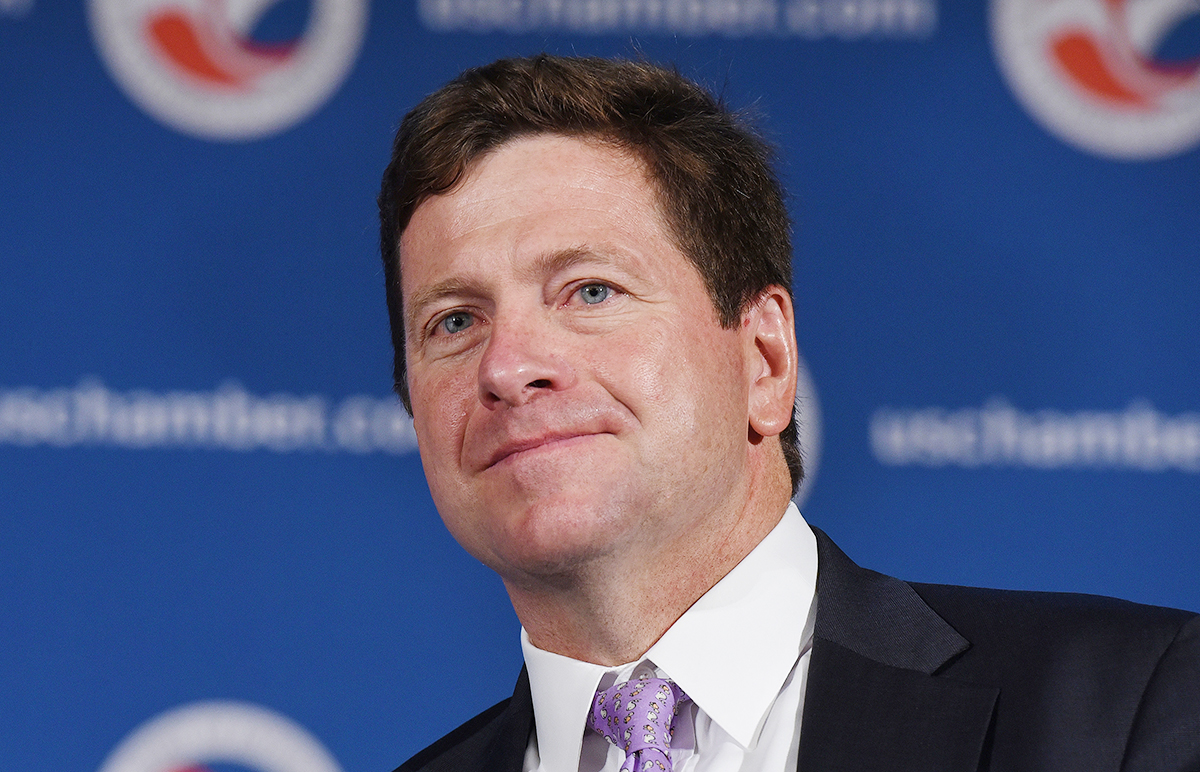
After the House vote failed Thursday afternoon, Trump announced he will nominate Jay Clayton as the permanent director of national intelligence. Clayton, a federal district judge in New York and former chairman of the Securities and Exchange Commission, is well respected even by Democrats. Rep. Jim Himes said Clayton's nomination "had this been made a week ago, lots of pain might have been avoided."
However, Clayton requires Senate confirmation, and Trump still plans to install Pulte temporarily until a permanent replacement takes office. The House and Senate adjourned without scheduling votes on either FISA extension or Clayton's nomination, with the House not expected to return until June 23.
Uncertainty Over the Practical Impact
The immediate consequences of the lapse remain disputed. Senator Wyden noted that most FISA powers will remain in effect until 2027 even if the program lapses. The Foreign Intelligence Surveillance Court had re-certified Section 702 procedures through 2027 earlier this year, and those certifications will remain valid through March even if the statute sunsets. Telecommunications companies will still face legal obligations to comply with directives to turn over targets' communications data.
But the absence of statutory authorization creates what intelligence officials warn will be a chaotic and largely untested period for one of the intelligence community's most heavily used authorities. Intelligence agencies and telecommunications companies will face immediate legal uncertainty over what collection activities may continue.