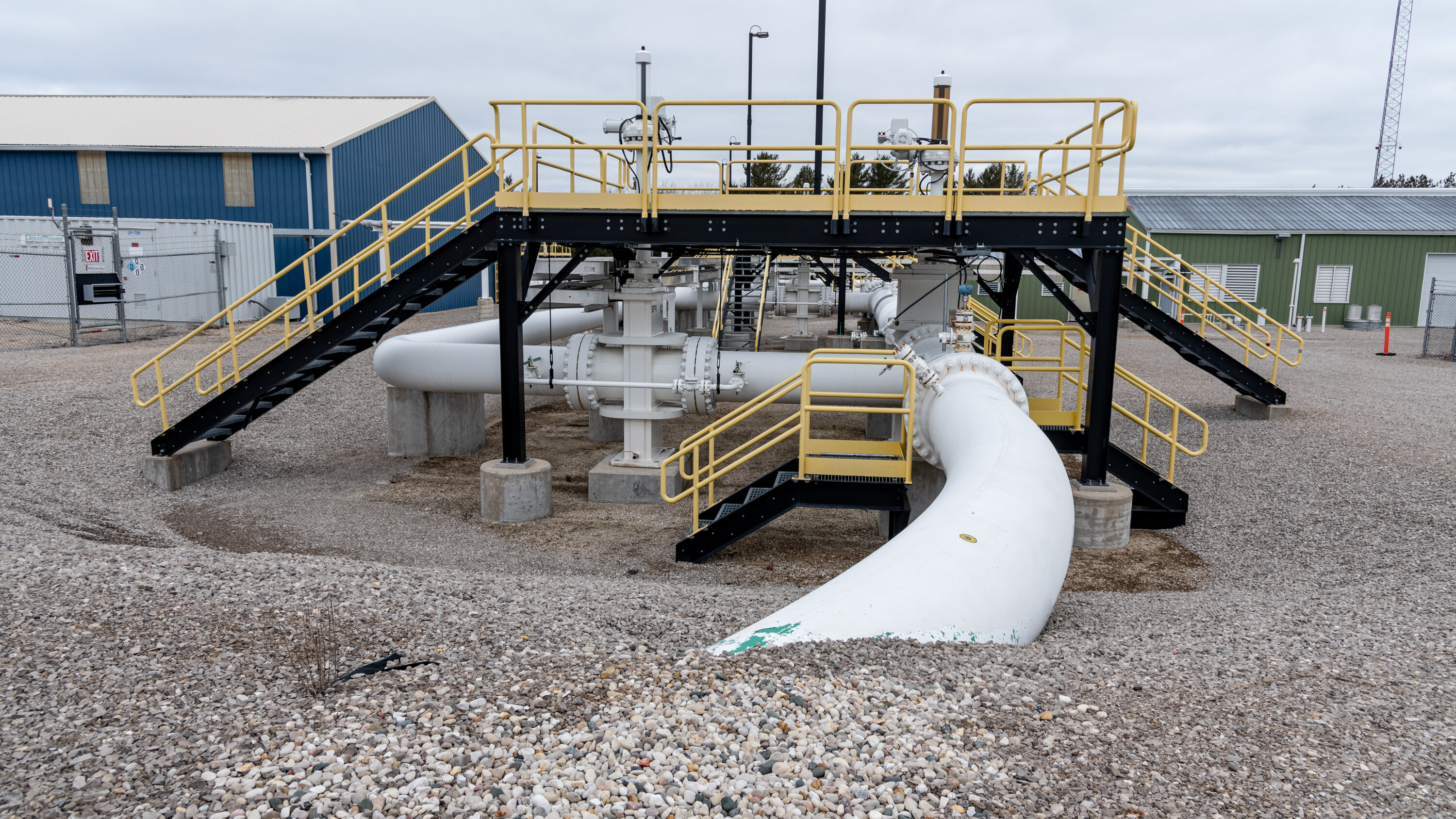
Viktor Orbán's loss in Hungary's April elections cleared the way for the European Union to approve a €90 billion loan to Ukraine that the outgoing prime minister had blocked for months. Orbán had demanded that Ukraine restart the Druzhba pipeline, which carries Russian oil to Hungary and Slovakia, before he would allow the funds to proceed. Ukraine completed repairs to the pipeline on Tuesday, and oil began flowing again at 12:35 local time on Wednesday, according to a Ukrainian government source. Peter Magyar, whose party won the election, is expected to take office next month and has said he will no longer block the loan.
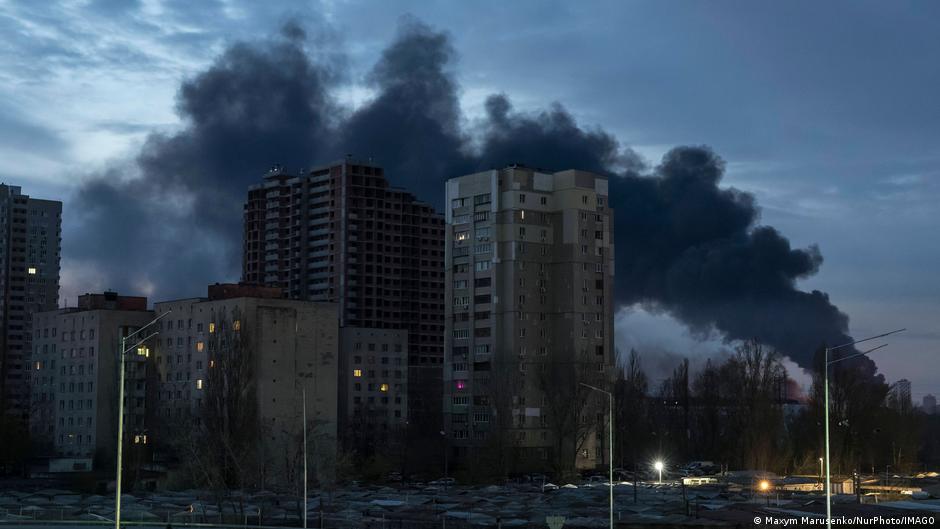
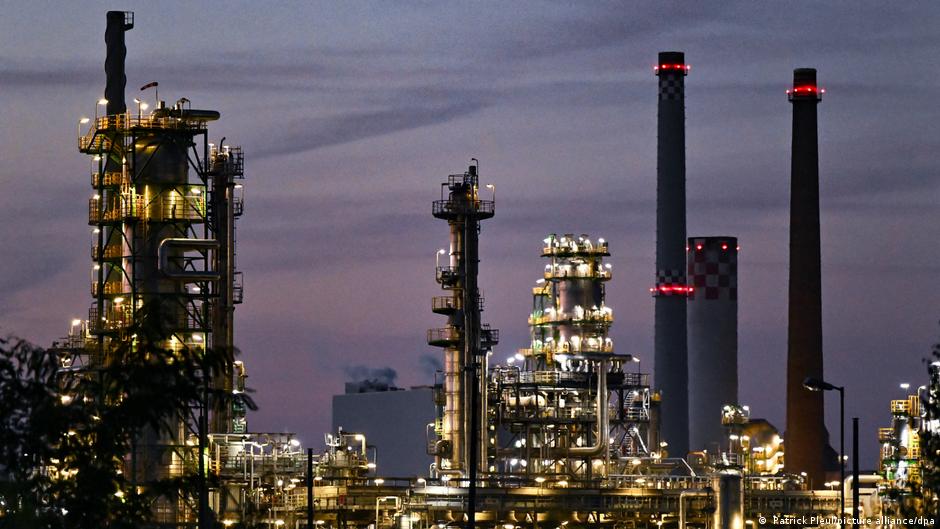
The Druzhba pipeline halted deliveries at the end of January. Orbán accused Ukraine of imposing an "oil blockade" on his country and neighboring Slovakia. Kyiv denied the accusation, citing substantial damage to a major oil tank at Brody and Russian attacks on its engineers conducting repairs. Slovak Economy Minister Denisa Sakova said energy operator Ukrtransnaft confirmed that pressurizing of the pipeline began Wednesday morning, with crude oil expected to flow into Slovakia by Thursday for the first time since January 27.
EU ambassadors meeting in Brussels gave preliminary approval to the loan on Wednesday, with final approval expected Thursday from all 27 member states. Ukrainian Deputy Prime Minister Taras Kachka described the funding as "a matter of life and death" for Kyiv. Two-thirds of the €90 billion will be spent on bolstering Ukraine's defense needs, while the rest will go toward broader financial assistance. The funding structure is heavily weighted toward military spending, reflecting a view that the war is far from over.
The EU simultaneously approved a 20th package of sanctions on Russia, which had also been delayed by Hungary's opposition. The sanctions package aims to curb the Russian economy and reduce Moscow's ability to finance its invasion. EU foreign policy chief Kaja Kallas said before the ambassadors' meeting that the loan was "a sign that Russia cannot outlast Ukraine." President Volodymyr Zelensky met with EU leaders in Cyprus on Thursday as the loan was finalized, saying that unblocking the funding was "the right signal under the current circumstances."
Though the EU has approved the loan, Ukrainian media report that it could still take weeks before funding arrives in Kyiv. Zelensky emphasized that "it is important that the European support package becomes operational swiftly."
Viktor Orbán's loss in Hungary's April elections cleared the way for the European Union to approve a €90 billion loan to Ukraine that the outgoing prime minister had blocked for months. Orbán had demanded that Ukraine restart the Druzhba pipeline, which carries Russian oil to Hungary and Slovakia, before he would allow the funds to proceed. Ukraine completed repairs to the pipeline on Tuesday, and oil began flowing again at 12:35 local time on Wednesday, according to a Ukrainian government source. Peter Magyar, who defeated Orbán in the election, has said he will no longer stand in the way of the loan once he takes office next month.
The Druzhba pipeline halted deliveries at the end of January after a Russian strike damaged infrastructure in western Ukraine. Orbán accused Ukraine of imposing an "oil blockade" on his country and neighboring Slovakia, a claim Kyiv denied. Satellite images showed substantial damage to a major oil tank at Brody in western Ukraine, and Ukrainian engineers faced Russian attacks while conducting repairs. Slovak Economy Minister Denisa Sakova said energy operator Ukrtransnaft confirmed that pressurizing of the pipeline began Wednesday morning, with crude oil expected to flow into Slovakia by Thursday for the first time since January 27.
EU ambassadors meeting in Brussels gave preliminary approval to the loan on Wednesday, with final approval expected Thursday from all 27 member states. Ukrainian Deputy Prime Minister Taras Kachka described the funding as "a matter of life and death" for Kyiv. Two-thirds of the €90 billion will be spent on bolstering Ukraine's defense needs, while the rest will go toward broader financial assistance. The funding structure reflects a view that the war is far from over and requires sustained military investment.
The EU simultaneously approved a 20th package of sanctions on Russia, which had also been delayed by Hungary's opposition. The sanctions package aims to curb the Russian economy and reduce Moscow's ability to finance its invasion. EU foreign policy chief Kaja Kallas said before the ambassadors' meeting that the loan was "a sign that Russia cannot outlast Ukraine." President Volodymyr Zelensky met with EU leaders in Cyprus on Thursday as the loan was finalized, saying that unblocking the funding was "the right signal under the current circumstances."
Though the EU has approved the loan, Ukrainian media report that it could still take weeks before funding arrives in Kyiv. Hungary and Slovakia could theoretically still halt approval if oil does not arrive by Thursday, though Magyar's electoral victory makes such action unlikely. Zelensky emphasized that "it is important that the European support package becomes operational swiftly."
Highlighted text was flagged by the council. Tap to see feedback.