





Crude supply tightens for world's third-largest importer
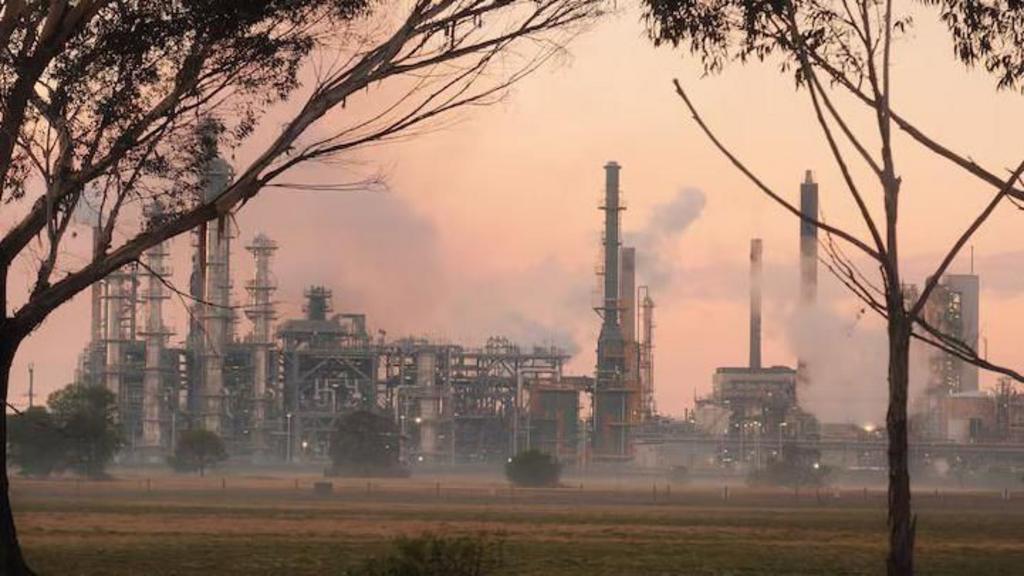
India faces an immediate energy squeeze after the United States declined to renew temporary waivers that allowed the country to import oil from Iran and Russia. The decision threatens crude supplies for the world's fourth-largest economy and third-biggest oil importer and consumer, creating pressure on fuel costs and energy availability for Indian consumers and businesses.
The expiration of these waivers removes a critical lifeline that New Delhi had relied upon to sustain imports from both countries despite US sanctions. Without the temporary relief, India must now source crude from alternative suppliers or reduce overall imports, both options carrying economic consequences.
Nuclear energy emerges as longer-term solution
India is pursuing advanced nuclear technology as part of a broader energy security strategy. The Prototype Fast Breeder Reactor has achieved criticality, marking a pivotal advancement in the country's three-stage nuclear program and positioning India as a leader in advanced nuclear technology.
This milestone bolsters India's drive for energy self-reliance amid a rapidly expanding power sector. The achievement demonstrates progress toward reducing dependence on imported fossil fuels, though nuclear capacity expansion typically requires years to deliver meaningful contributions to the overall energy mix.
Geopolitical tensions underscore vulnerability
The war in Iran has already provided a stark reminder of India's exposure to supply disruptions. Analysts note that US sanctions on Russian and Iranian imports have made India particularly vulnerable to energy shocks, a vulnerability now crystallized by the lapsed waivers.
Prime Minister Narendra Modi discussed the situation with French President Emmanuel Macron in a call on Thursday, with both leaders agreeing on the need to urgently restore safety and freedom of navigation in the Strait of Hormuz, a critical chokepoint for global oil shipments. The conversation reflects India's concern that regional instability could further constrain energy supplies.








The article from Deutsche Welle reports that Prime Minister Narendra Modi and French President Emmanuel Macron agreed on the need to urgently restore safety and freedom of navigation in the Strait of Hormuz.