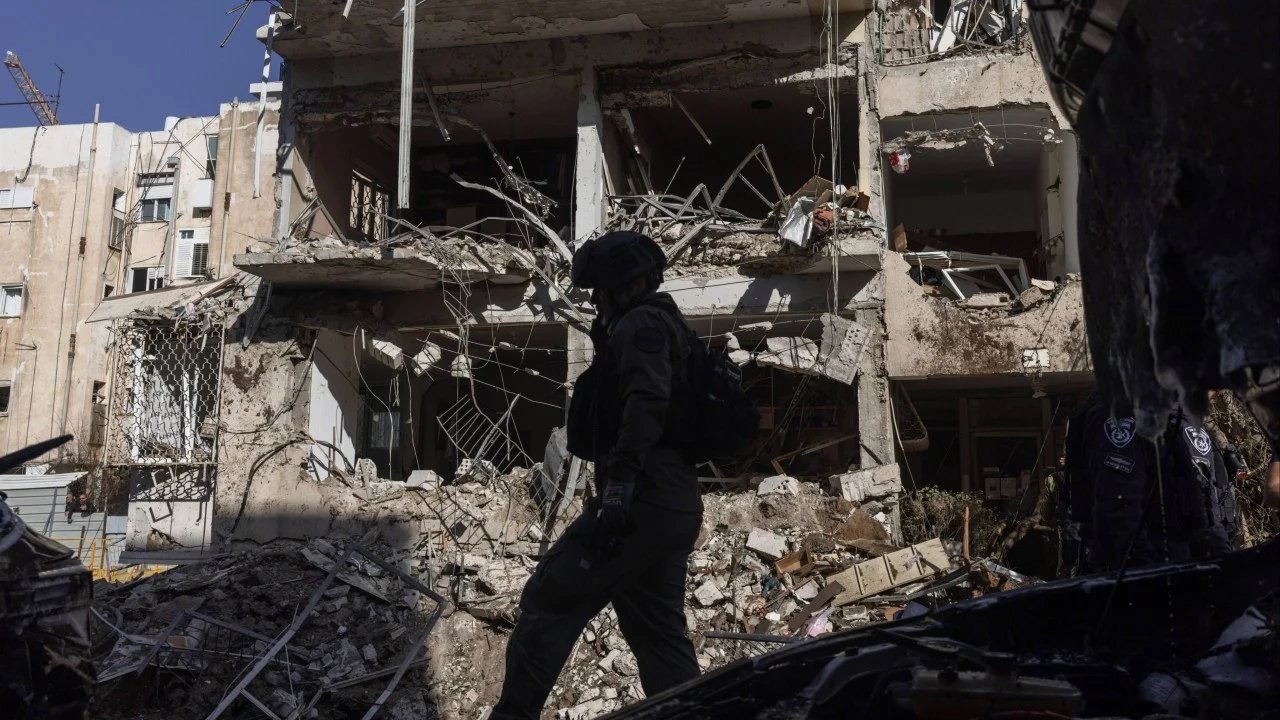
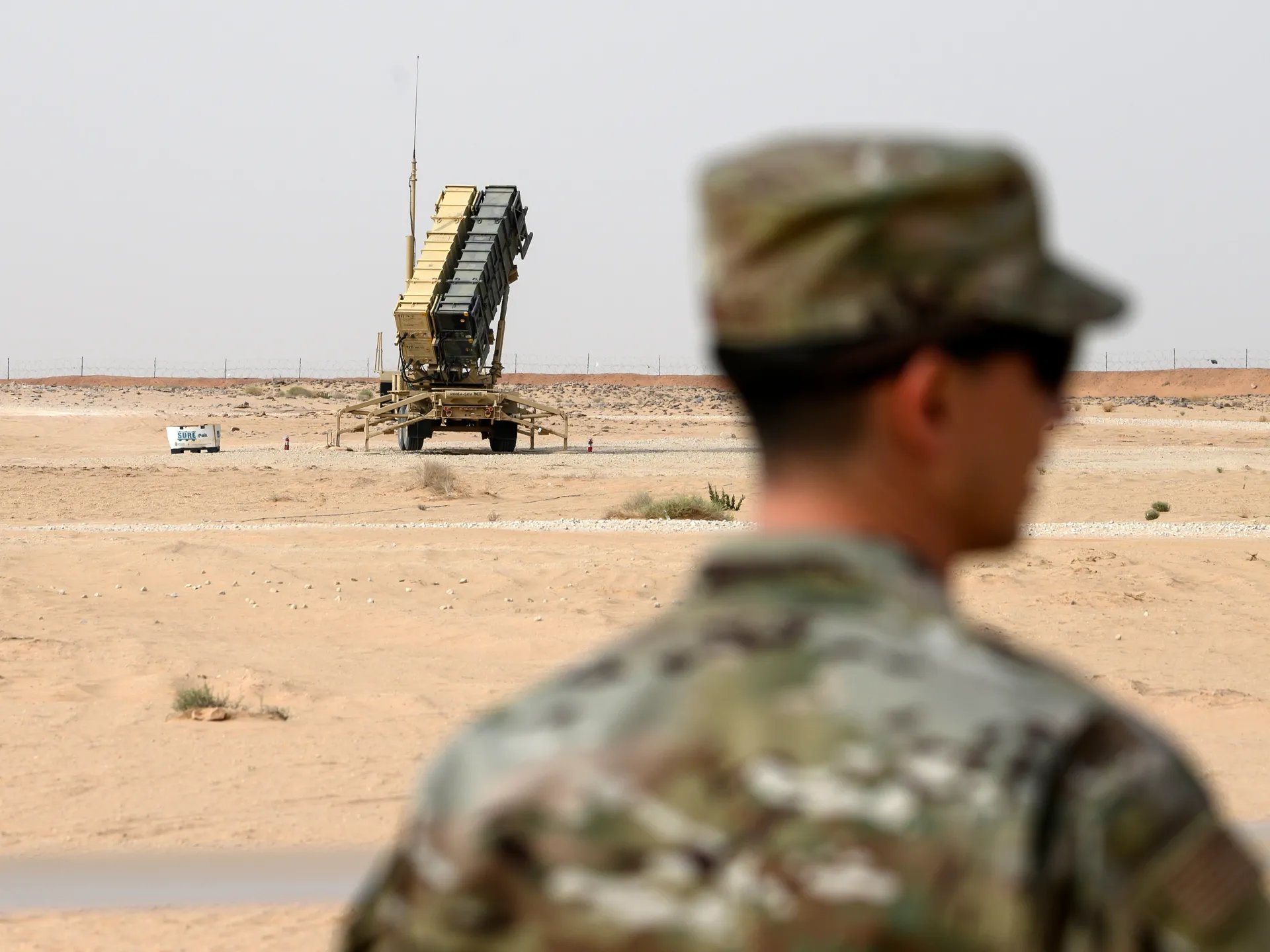
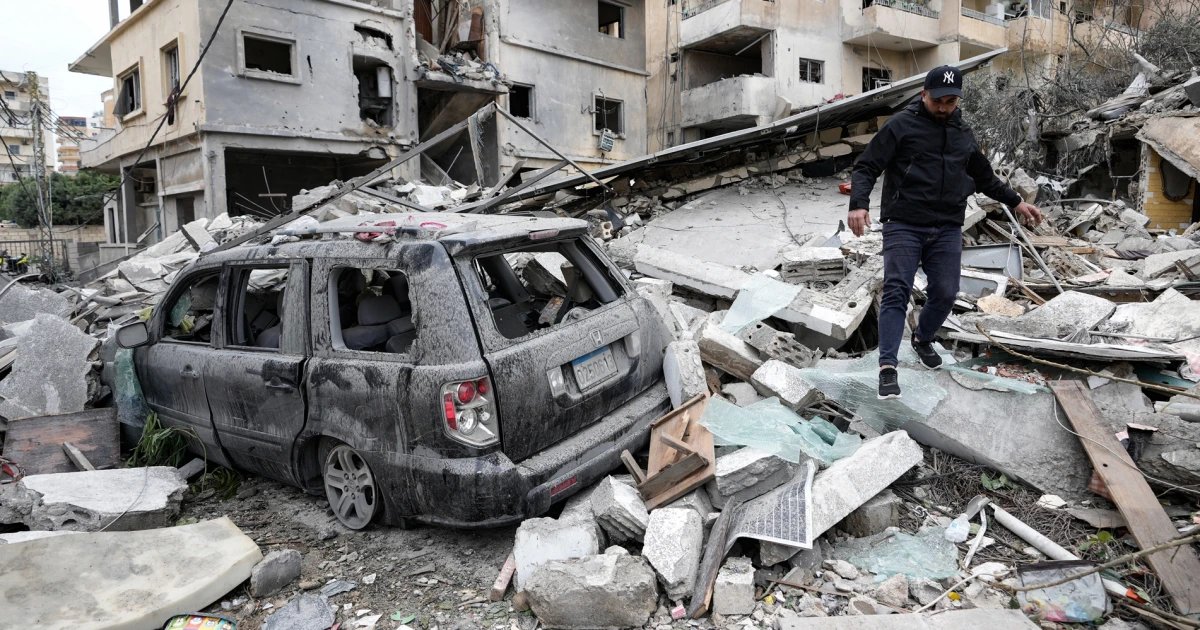
More than 3,500 U.S. troops, including approximately 2,500 Marines aboard the USS Tripoli, have arrived in the Middle East as part of a significant military buildup. The arrival of these troops signals a major escalation in U.S. military presence, coinciding with intensified strikes in the ongoing conflict involving Iran.
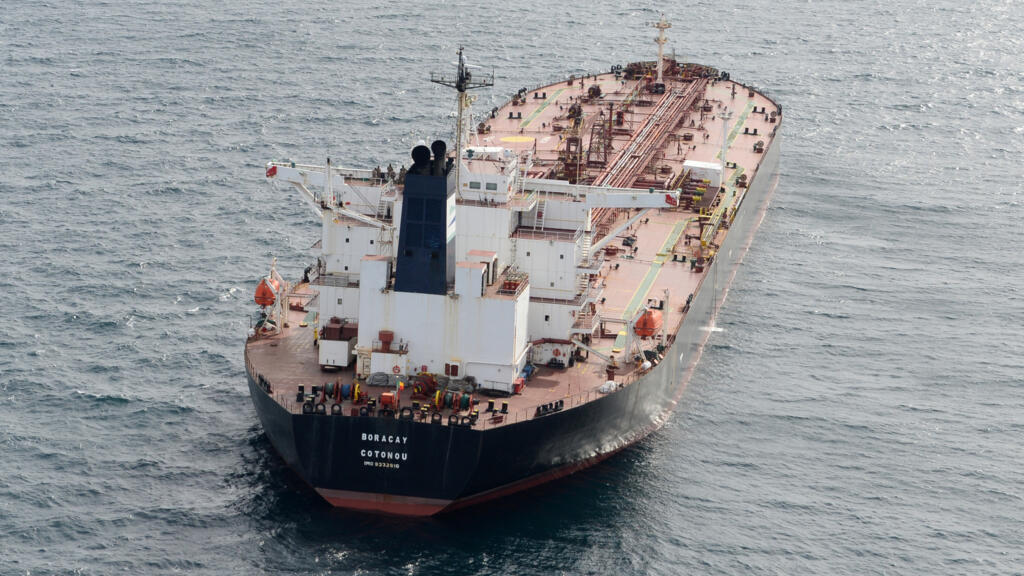
The presence of these forces provides President Trump with various military options concerning Iran. Sources indicate potential operations aimed at reopening the strategically vital Strait of Hormuz, seizing oil from Kharg Island, or targeting Iran's stockpile of enriched uranium.
Despite Trump's optimistic tone, Iranian officials have dismissed the notion of direct talks, calling a ceasefire proposal from the White House "excessive and unreasonable." The ongoing rhetoric from Iran raises doubts about the possibility of a swift resolution to the conflict.
The military escalation in the Middle East has led to mixed reactions in global markets. European stocks have shown slight gains, but underlying jitters regarding the situation in the region temper any relief. Investors are closely monitoring the developments, as the conflict could significantly impact oil prices and global supply chains, raising concerns for economies reliant on stable energy markets.
The military buildup has heightened security concerns among neighboring countries.
As the situation evolves, the U.S. and its allies will need to navigate a complex landscape of military readiness and diplomatic engagement. Observers will be watching closely as both military and diplomatic efforts unfold in the coming days.
More than 3,500 U.S. troops, including approximately 2,500 Marines aboard the USS Tripoli, have arrived in the Middle East as part of a significant military buildup. This deployment also includes elements of the 82nd Airborne Division, with under 1,500 service members expected to join the forces in the region. The arrival of these troops signals a major escalation in U.S. military presence, coinciding with intensified strikes in the ongoing conflict involving Iran.
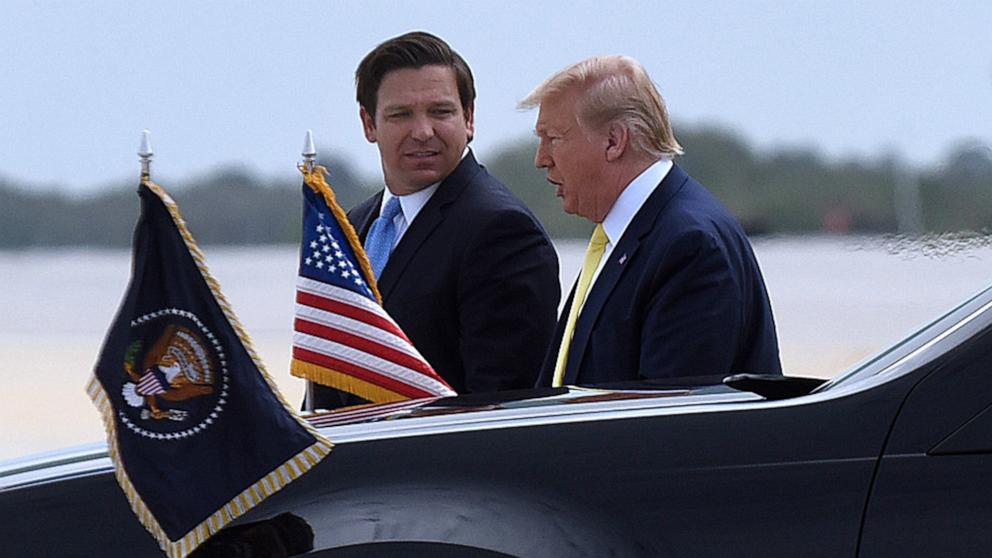
The presence of these forces provides President Trump with various military options concerning Iran. Sources indicate potential operations aimed at reopening the strategically vital Strait of Hormuz, seizing oil from Kharg Island, or targeting Iran's stockpile of enriched uranium. In a post on Truth Social, Trump expressed optimism about ongoing negotiations with Iran, stating that an agreement could soon be reached to end the war that began on February 28.
Despite Trump's optimistic tone, Iranian officials have dismissed the notion of direct talks, calling a ceasefire proposal from the White House "excessive and unreasonable." The ongoing rhetoric from Iran raises doubts about the possibility of a swift resolution to the conflict. As military operations continue, the U.S. remains poised to respond to any developments, with Trump warning of potential attacks on Iran's critical infrastructure if negotiations do not yield results.
The military escalation in the Middle East has led to mixed reactions in global markets. European stocks have shown slight gains, but underlying jitters regarding the situation in the region temper any relief. Investors are closely monitoring the developments, as the conflict could significantly impact oil prices and global supply chains, raising concerns for economies reliant on stable energy markets.
The military buildup has heightened security concerns among neighboring countries. The Israeli envoy recently emphasized the need for a dual-track approach involving both diplomacy and military pressure regarding Iran, rejecting any compromise on Tehran's nuclear ambitions. This stance reflects a broader apprehension about Iran's influence in the region and the potential for further destabilization.
As the situation evolves, the U.S. and its allies will need to navigate a complex landscape of military readiness and diplomatic engagement. The strategic deployment of forces aims to reinforce U.S. interests in the Middle East while simultaneously addressing the multifaceted challenges posed by Iran. Observers will be watching closely as both military and diplomatic efforts unfold in the coming days.
Highlighted text was flagged by the council. Tap to see feedback.