
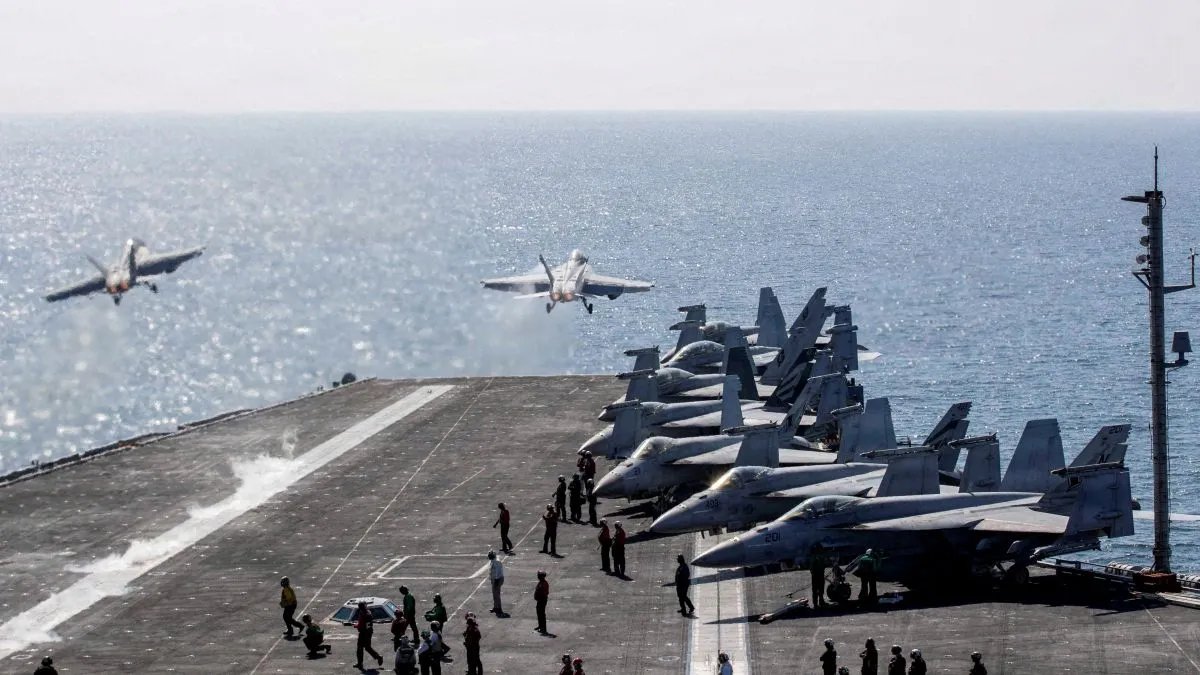





Unblockade and Negotiations
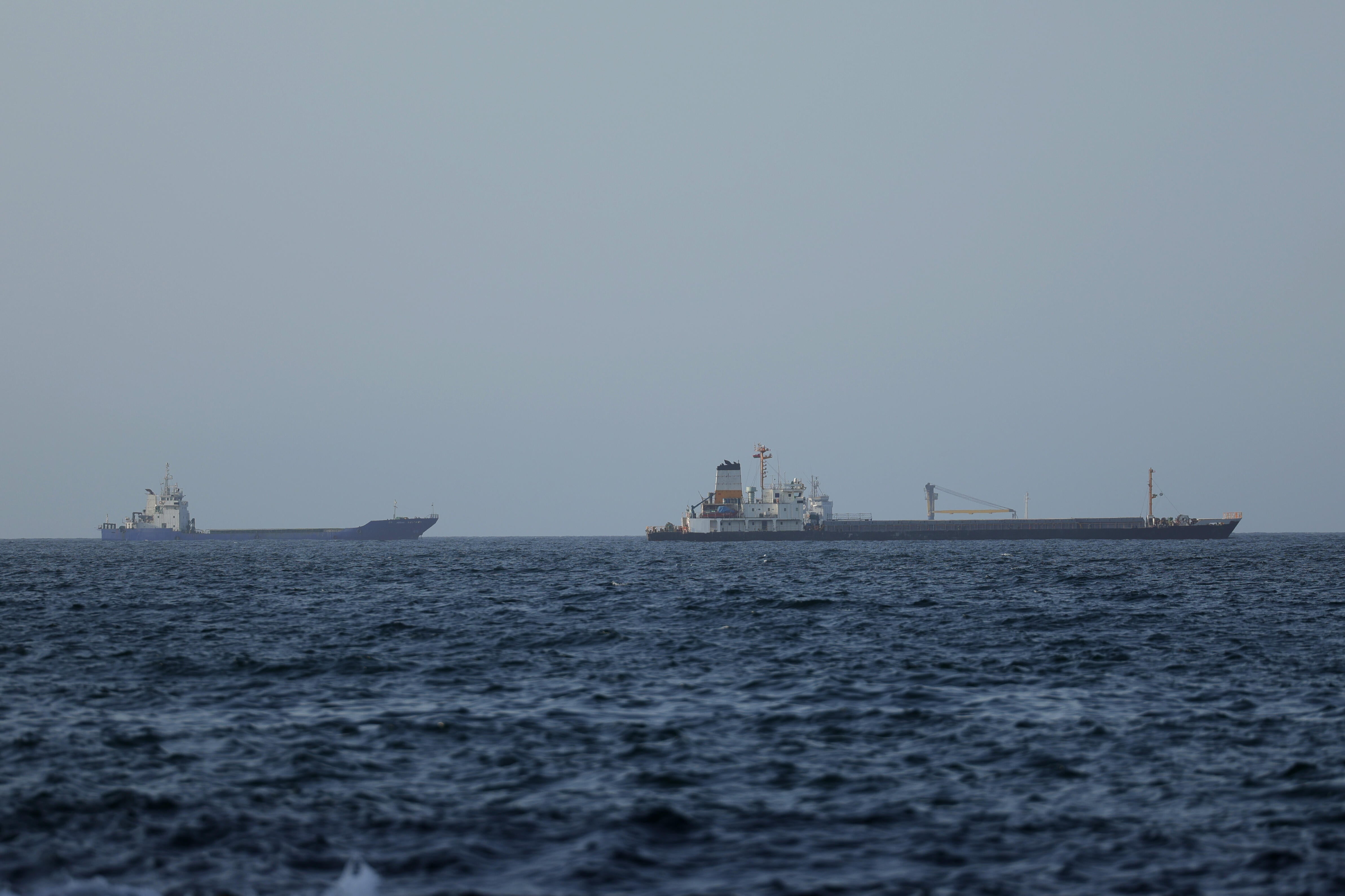
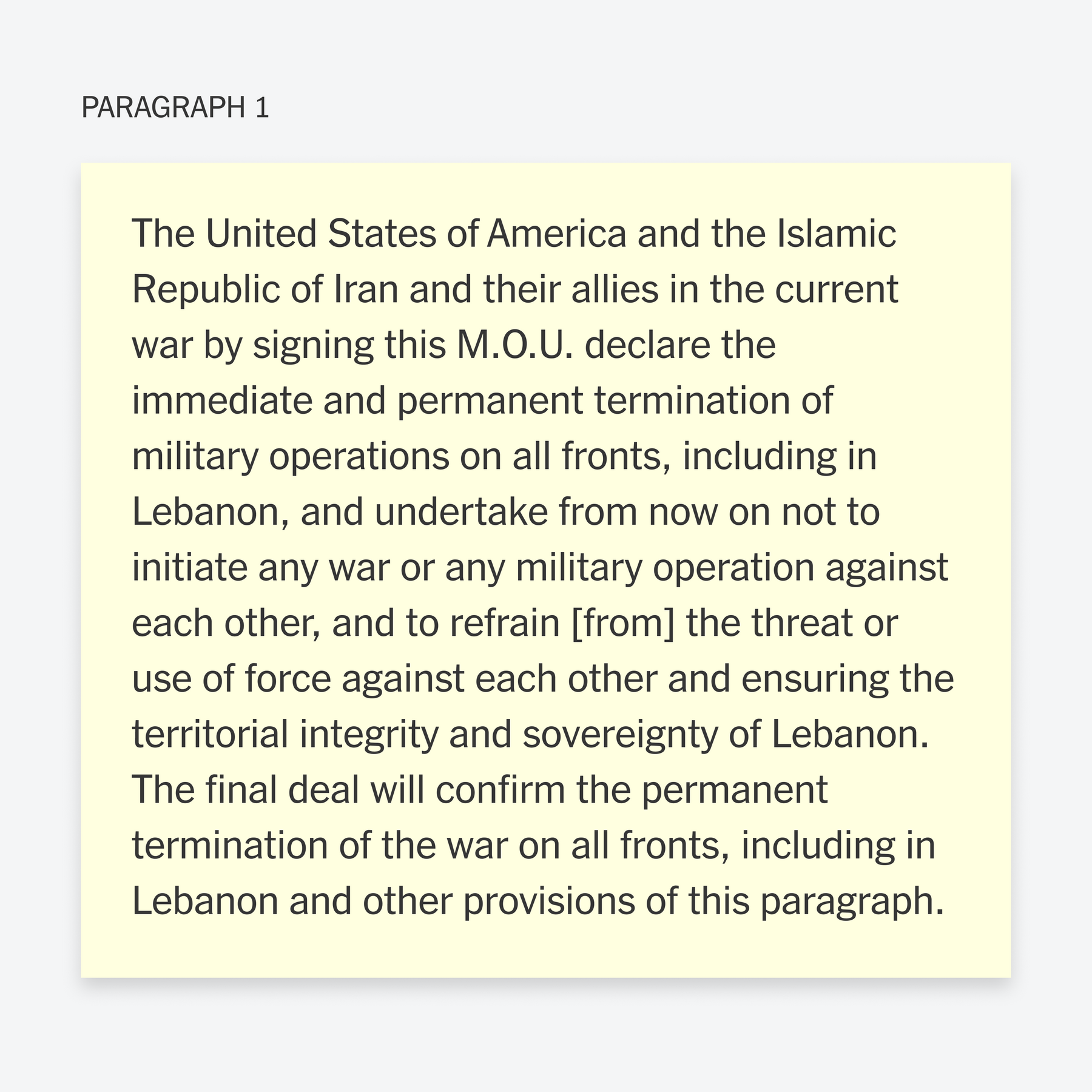
U.S. Central Command announced the lifting of the blockade on ships entering and exiting Iranian ports and coastal areas, as part of a ceasefire agreement with Iran, initiating a 60-day period for further negotiations. This move allows oil tankers and commercial vessels to safely transit the Strait of Hormuz, a critical global oil transit chokepoint, which had been under blockade.
Political Fallout and Criticism
The decision has been met with criticism, with figures like Rep. Nancy Pelosi (D-Calif.) describing the memorandum of understanding (MOU) as a "real gift to the Iranians," implying a surrender to Iranian demands. Republican Senator Bill Cassidy labeled the agreement as the "worst foreign policy blunder in decades," arguing that it does not curb Iran's nuclear ambitions and reinforces the idea that threats to the Strait of Hormuz are effective.
Iranian and U.S. Stances
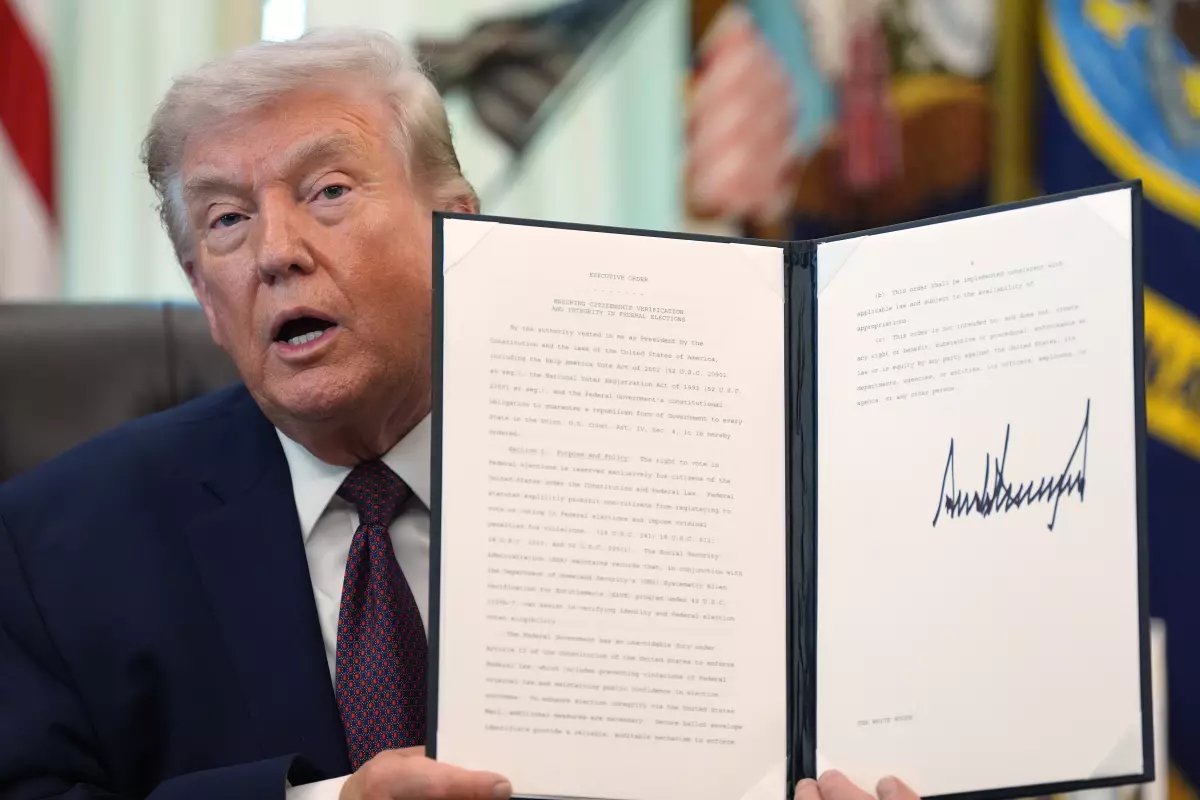
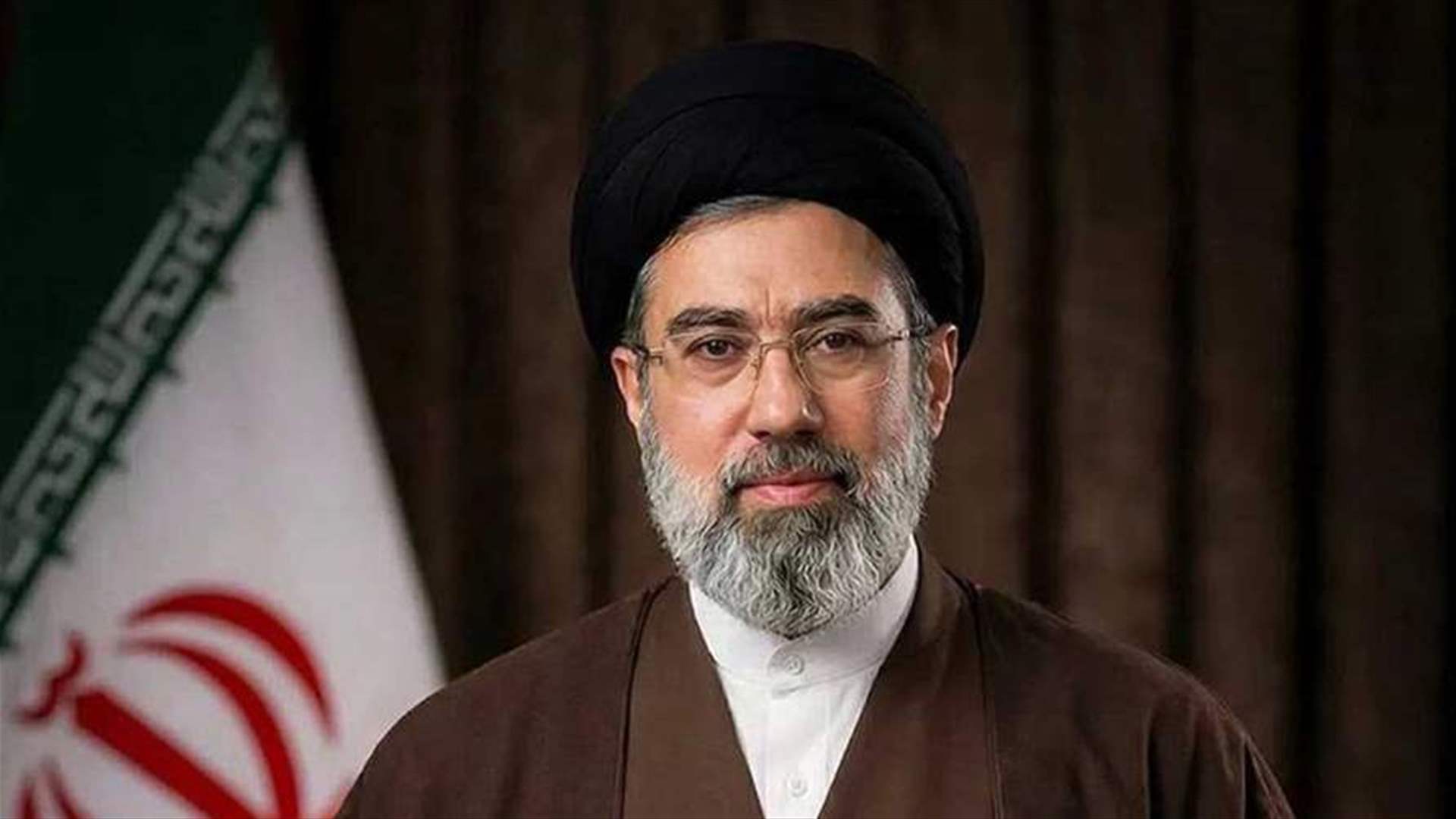
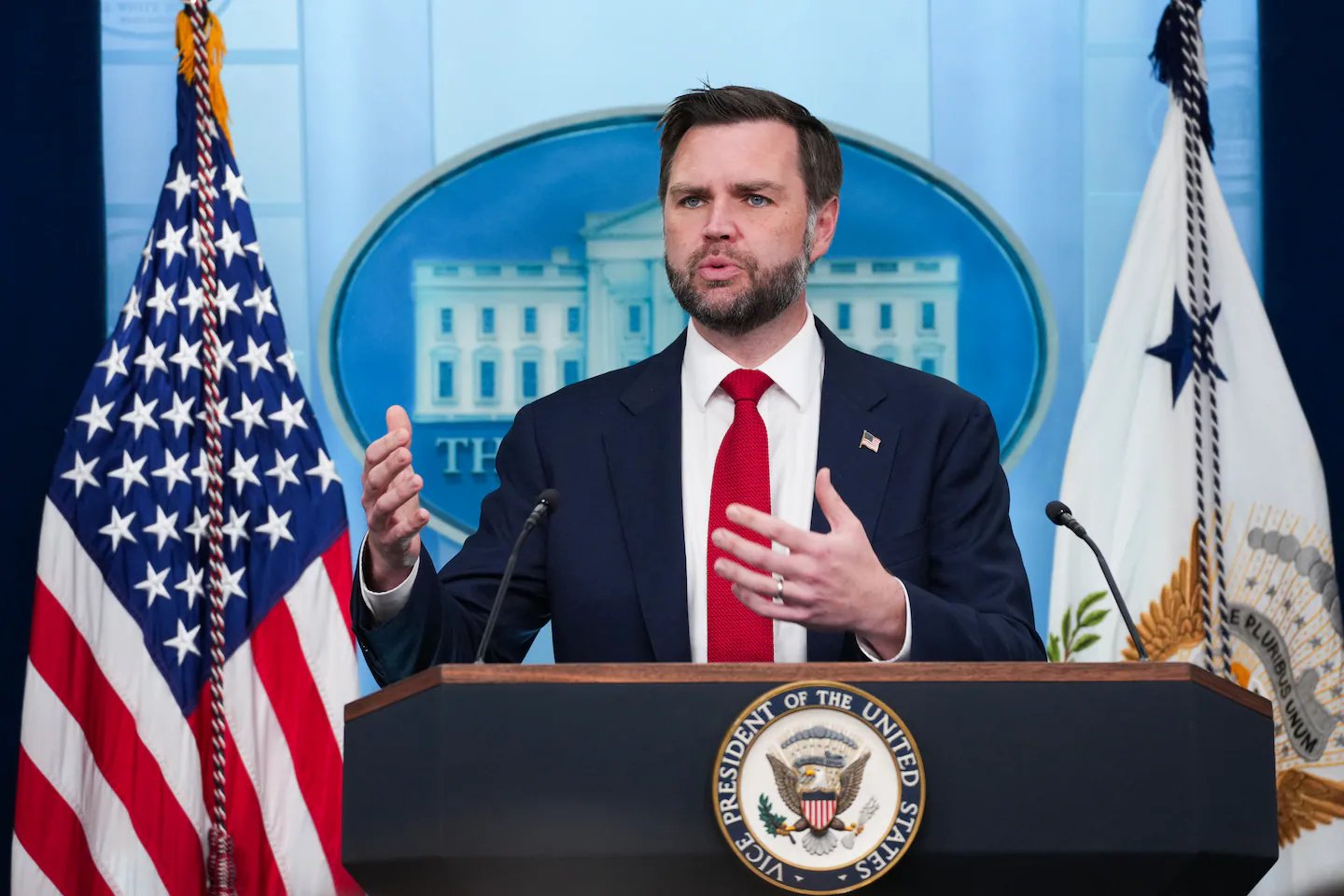
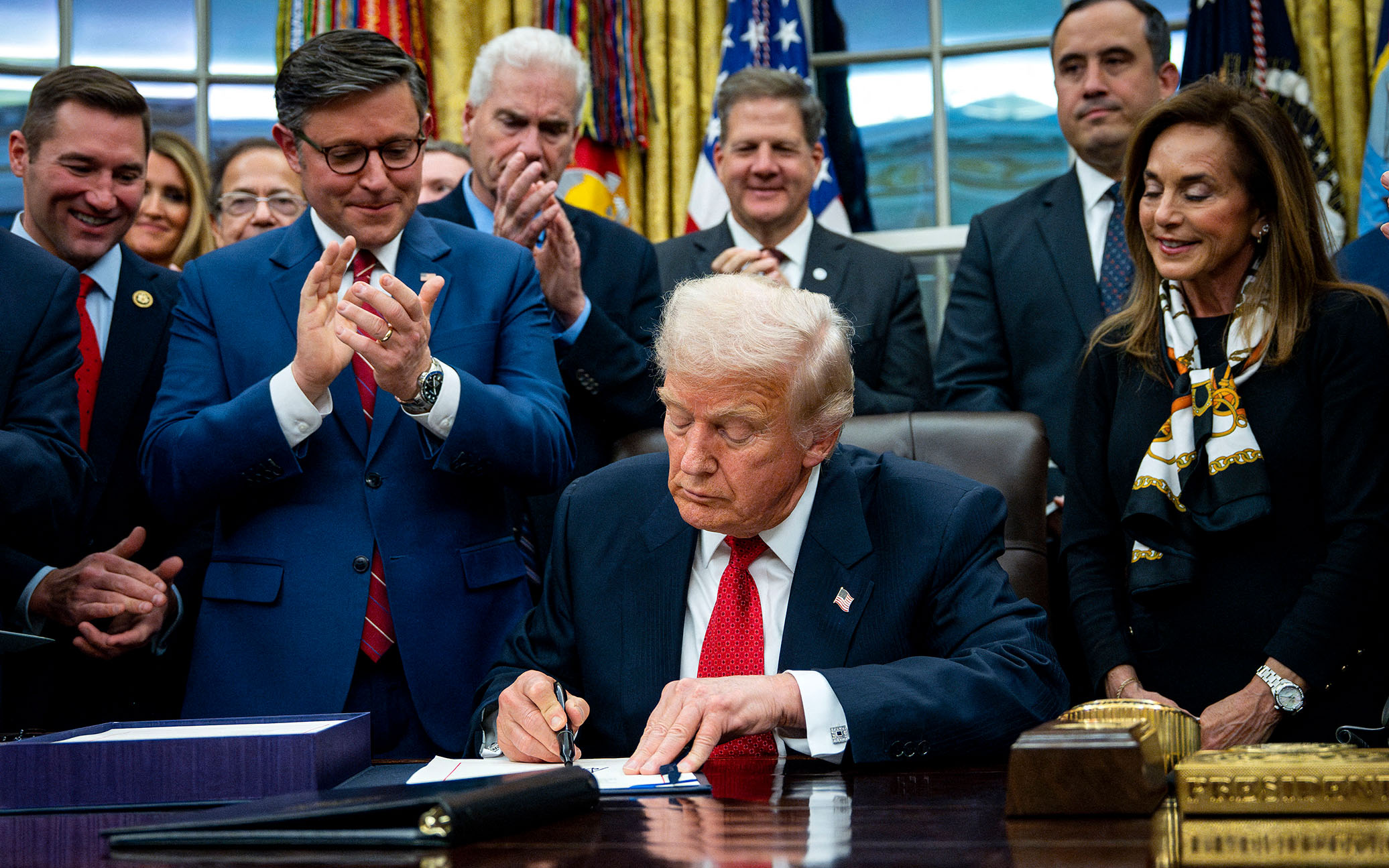
Iran's supreme leader, Mojtaba Khamenei, approved the deal despite his "different view," stating that President Trump signed it "out of desperation." Khamenei also indicated that future direct negotiations with the U.S. would not equate to accepting the enemy's position. Meanwhile, Vice President JD Vance defended the agreement, asserting that Iran would only benefit if it verifies changes in its behavior, such as destroying its enriched uranium stockpile and ceasing funding proxy groups.
Economic and Regional Implications
The agreement includes a commitment to establish a $300 billion fund for Iran's reconstruction and economic development, to be coordinated with regional partners within the 60-day negotiation period, as outlined in the 14-point memorandum. Iran has also committed to allowing commercial vessels to transit the Strait of Hormuz without charge for 60 days, after which it may impose "service fees," a move that is being scrutinized by industry analysts for its legality.
Next Steps and Uncertainties
The next steps involve further technical negotiations, with Vice President Vance likely heading to Switzerland for talks, though the exact timing remains uncertain. The EU has clarified it will not lift key sanctions on Iran until a formal nuclear agreement is reached, and human rights-related sanctions will persist. The deal also extends to Lebanon, requiring Israeli cooperation, though Israel is not party to the agreement. The ceasefire's sustainability hinges on regional cooperation and adherence to the terms by all parties involved.







The sources also report that the agreement states Iran will allow commercial vessels to transit the Strait of Hormuz 'with no charge for 60 days only,' after which 'future administration and maritime services' will be determined.