



Legislative Breakdown on FISA Extension
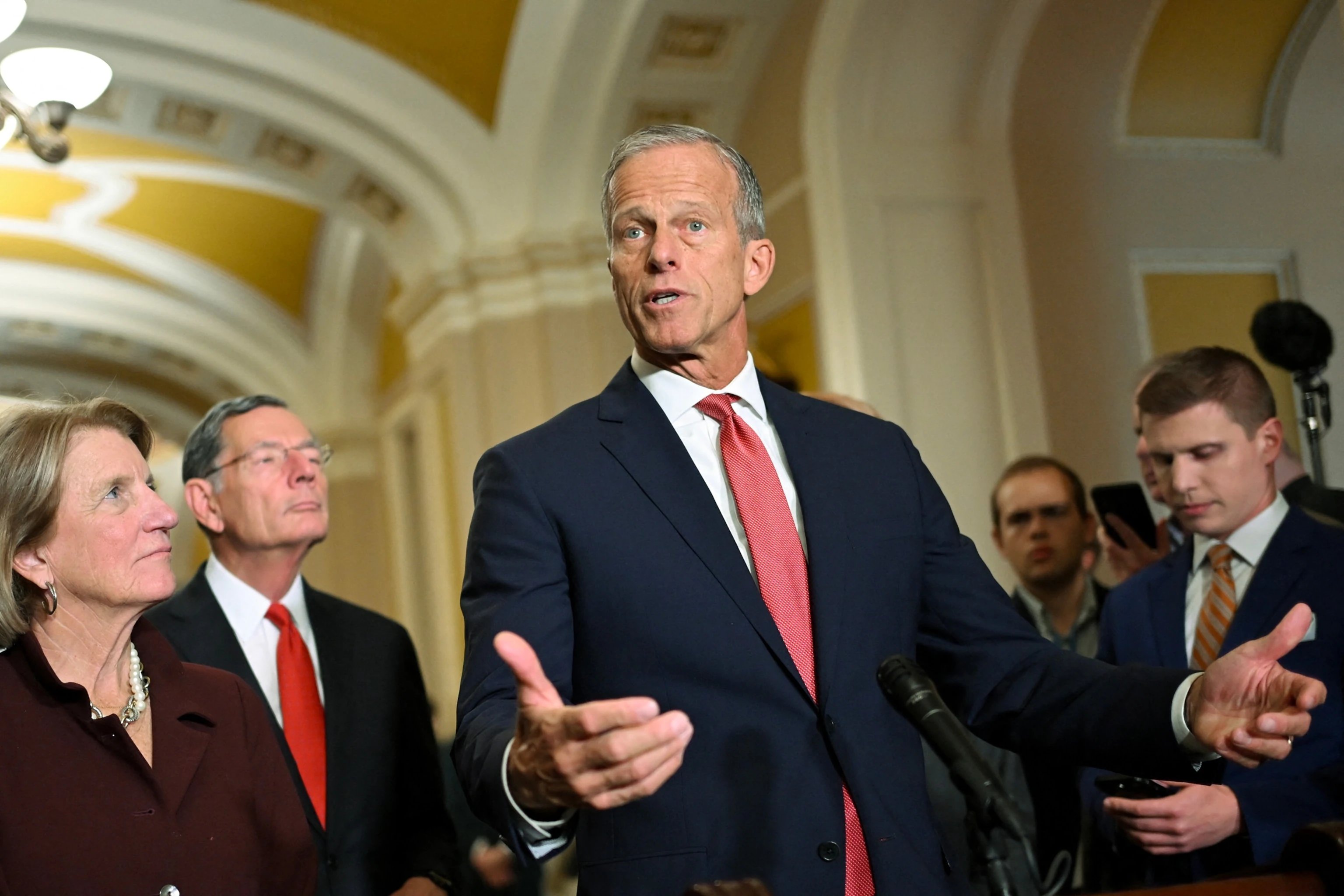
The House and Senate failed to pass a short-term extension of Section 702 of the Foreign Intelligence Surveillance Act, which is poised to expire at midnight. The House voted 198-218 against a three-week extension. Nineteen House Republicans and nearly all Democrats opposed it; seven House Democrats voted in favor. The Senate's attempts to approve a similar extension also fell flat, with unanimous consent requested by Senator Tom Cotton being blocked by Senator Ron Wyden.
Political Tensions Over Acting DNI
The failure to extend FISA stems from political tensions surrounding President Donald Trump's appointment of Bill Pulte as acting director of national intelligence. Democrats have expressed strong opposition to Pulte, citing his lack of national security experience. House Minority Leader Hakeem Jeffries stated, "Bill Pulte has no national security experience, no law enforcement experience and no military experience," emphasizing the risks of his elevation during a critical time for national security.

For example, House Minority Leader Hakeem Jeffries specifically criticized Pulte's lack of national security, law enforcement, and military experience, highlighting concerns about his elevation during a critical national security period.
Implications for National Security
Without Congressional action, the expiration of Section 702 raises significant concerns for intelligence operations. This section has been credited with helping thwart potential terror plots and is a critical component of the president's daily intelligence briefings. Representative Brian Fitzpatrick highlighted its importance, calling it "the single most important 9/11 commission recommendation that we have," and expressed frustration over the political standoff.
Future of Surveillance Legislation
The Senate could still attempt to push through a short-term extension, but any such effort would likely face objections, leaving the future of FISA uncertain. House Speaker Mike Johnson criticized Democrats for opposing the extension, asserting that their actions jeopardize national security. "This is a program that saves American lives," he stated, questioning the rationale behind Democratic opposition.
New Nominee Announced Amidst Stalemate
Trump announced Jay Clayton, a former U.S. attorney and chairman of the Securities and Exchange Commission, as his permanent nominee for director of national intelligence, replacing Pulte's temporary appointment pending confirmation. However, the announcement did not sway lawmakers as the deadline for FISA's renewal loomed.

Clayton, a former U.S. attorney and chairman of the Securities and Exchange Commission, replaces Pulte, who has faced criticism for his lack of qualifications.→Trump announced Jay Clayton, a former U.S. attorney and chairman of the Securities and Exchange Commission, as his permanent nominee for director of national intelligence, replacing Pulte's temporary appointment pending confirmation.
INACCURACY: Clayton does not 'replace' Pulte. The sources show Trump announced Clayton as his permanent nominee while Pulte remains acting DNI. Clayton has not yet been confirmed or installed. The language falsely suggests the transition has already occurred.
Legal Uncertainty Ahead
If Section 702 lapses, intelligence agencies and telecommunications companies will face immediate legal uncertainty regarding what surveillance activities may continue. The implications of this lapse could lead to a "chaotic and largely untested period" for intelligence operations, raising questions about how the government will maintain national security without this critical authority.
As of now, intelligence agencies and telecommunications firms face immediate legal uncertainty regarding their surveillance activities once Section 702 lapses.→If Section 702 lapses, intelligence agencies and telecommunications companies will face immediate legal uncertainty regarding what surveillance activities may continue.
VAGUE ATTRIBUTION: 'Face immediate legal uncertainty' is stated as fact without attribution. The sources say 'intelligence agencies and telecommunications companies will face immediate legal uncertainty' but this is presented as consequence/projection, not established fact. The summary should clarify this is the anticipated outcome if the law lapses.




























IMBALANCE: The sources specify exact vote counts: 19 House Republicans voted against AND 7 House Democrats voted FOR. The summary omits the 7 Democratic votes in favor, creating a false impression of monolithic Democratic opposition. This distorts the actual coalition that defeated the bill.