





Iran Collects Initial Strait Revenues
Iran deposited the first revenues from tolls on ships transiting the Strait of Hormuz, according to Hamidreza Hajibabaei, the deputy speaker of Iran's parliament. Hajibabaei stated at a public gathering in Kuhdasht that the funds went into the state's central bank account, emphasizing, "We have control over this Strait." Alireza Salimi, another parliament member, added in an interview that the fees vary based on a ship's cargo and risk level, with Iran setting the rules for collection.
US Enforces Blockade on Iranian Vessels
The US directed 31 vessels to turn around or return to port as part of its naval blockade, US Central Command reported on Wednesday. White House press secretary Karoline Leavitt noted that President Donald Trump extended the ceasefire indefinitely, awaiting a unified Iranian proposal amid Tehran's "seriously fractured" government. Iranian President Masoud Pezeshkian responded on social media that Iran welcomes dialogue but views the blockade as a breach of commitments.
Ship Seizures Heighten Regional Standoff
Iran's Revolutionary Guard seized two commercial ships, the MSC Francesca and Epaminondas, in the Strait of Hormuz, as shown in video footage released by Iranian state media. The Guard claimed the vessels violated security rules, with one incident involving gunfire that left the ships undamaged but stopped. Iranian Foreign Minister Abbas Araghchi asserted in a phone call that these actions protect national security, while US officials, including Senator Lindsey Graham, described the seizures as threats to global trade.
Oil Prices Surge from Hormuz Disruptions
Brent crude exceeded $100 per barrel due to the standoff, according to Pentagon reports cited in media. Iran's oil exports reached 1.71 million barrels per day in April, generating at least $4.97 billion in revenue over the past month at an average of $90 per barrel. Treasury Secretary Scott Bessent warned on social media that Iran's Kharg Island storage is nearly full, potentially shutting down wells and further driving up energy costs for consumers worldwide.
Ceasefire Violations Complicate Negotiations
Iranian Parliament Speaker Mohammad-Bagher Ghalibaf declared that reopening the Strait is "impossible" amid US breaches like the blockade, in a statement on social media. Pakistan urged both sides to resume talks, with President Trump indicating possible discussions as soon as Friday through a message to media. Lebanese President Joseph Aoun criticized related actions, such as attacks on journalists, as "crimes against humanity," highlighting broader regional fallout.
Human Impact of Disrupted Shipping Lanes
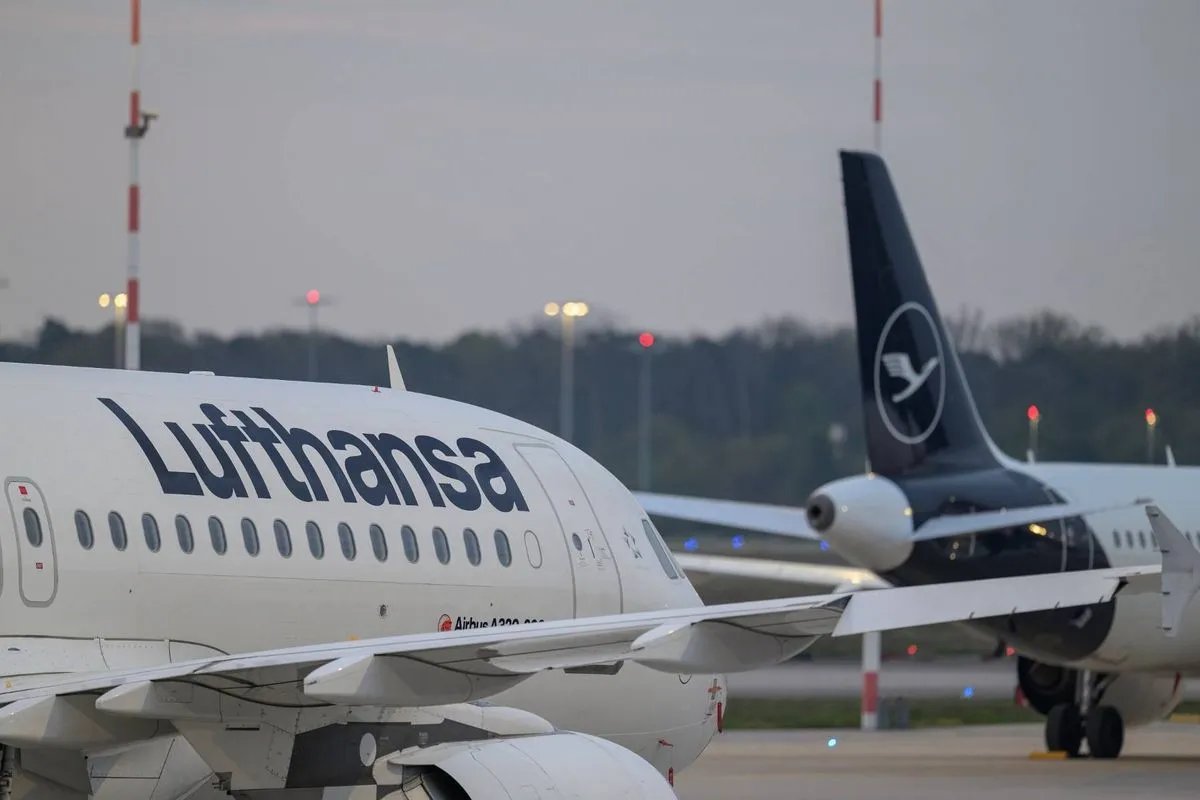
Lufthansa canceled 20,000 short-haul flights through October due to doubled jet fuel prices from the conflict. A Malaysia-based condom manufacturer, Karex, reported raw material costs doubling and potential 20-30% price increases, straining global supply chains. Iranian residents like Reza Tehrani expressed anxiety over uncertainty, noting family disruptions from the ongoing tensions that ripple into everyday economic pressures for people globally.










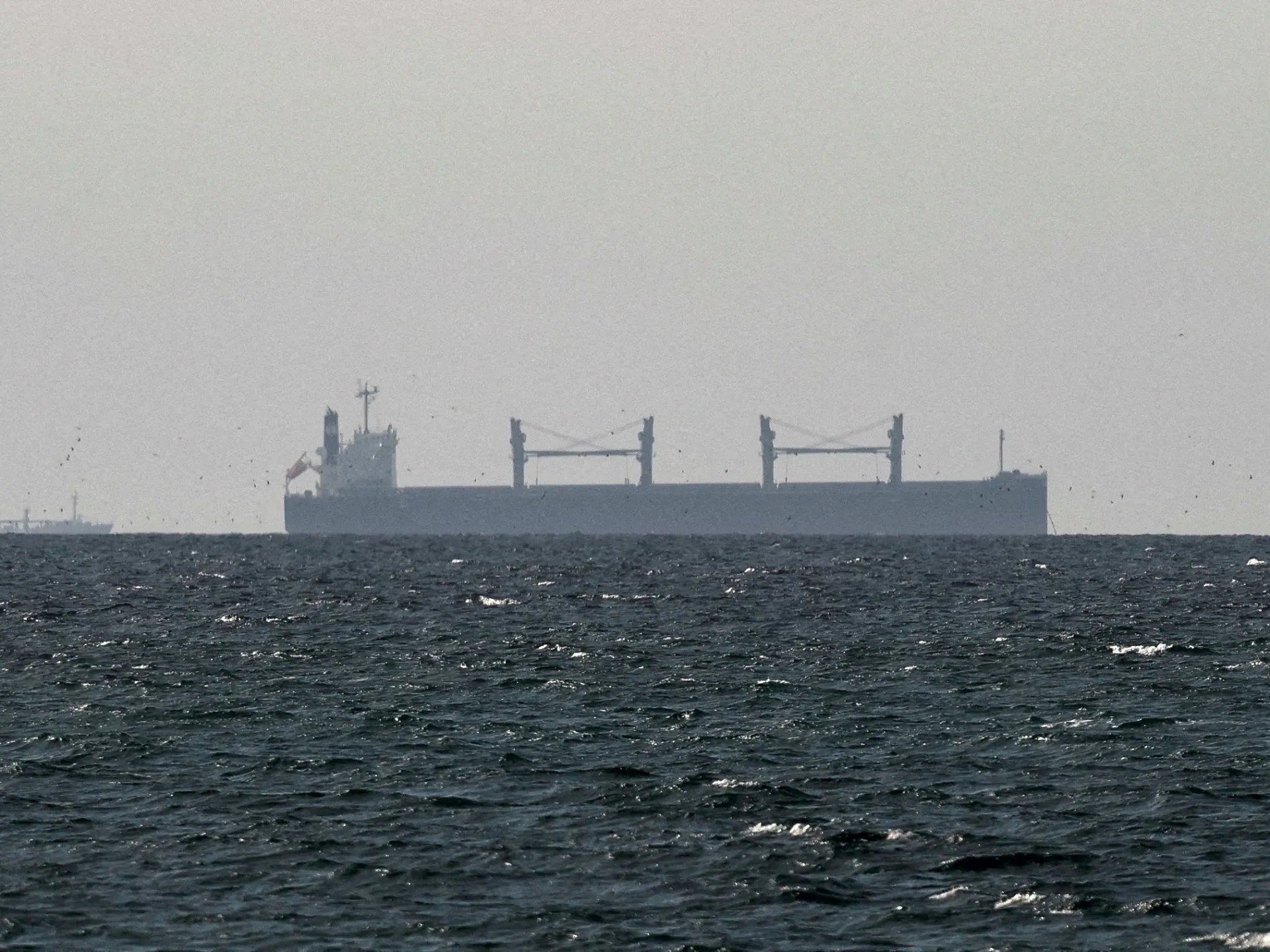
The sources also report that the Iranian Revolutionary Guard seized two commercial ships, the MSC Francesca and Epaminondas, claiming they violated security rules.