Domestic Oil Production Surge
The war in Iran has brought the United States closer to becoming a net exporter of crude oil for the first time since World War Two. This shift is due to increased domestic production and the disruption of Iranian oil exports. A naval blockade imposed by the U.S. has essentially halted Iran's ability to export its oil.
Economic Impact on Iran
Iran typically exports approximately 1.5 million barrels of oil each day, generating roughly $140 million in revenue. The U.S. blockade has eliminated this revenue stream overnight. The Iranian economy was already under strain from previous sanctions, leading to high unemployment and food inflation.
Global Market Reaction
The S&P 500 closed at a fresh record, recovering all losses since the start of the U.S.-Iran war. The S&P 500 breached 7,000 points for the first time, finishing at 7,022.95. The tech-heavy Nasdaq also rose 1.6% to 24,016.02, its own record high. According to Ed Yardeni, President of Yardeni Research, investors are looking past the war and treating the conflict as if it is over for the time being.
Senate Blocks War Powers Resolution
Senate Republicans blocked a resolution to limit President Trump's war authority in Iran for the fourth time. The vote was 47-52, with 47 senators voting in favor of limiting Trump's war authority and 52 voting against, mostly along party lines. Senator Rand Paul, a Republican from Kentucky, voted with Democrats in favor of the resolution.
Diplomatic Efforts Continue
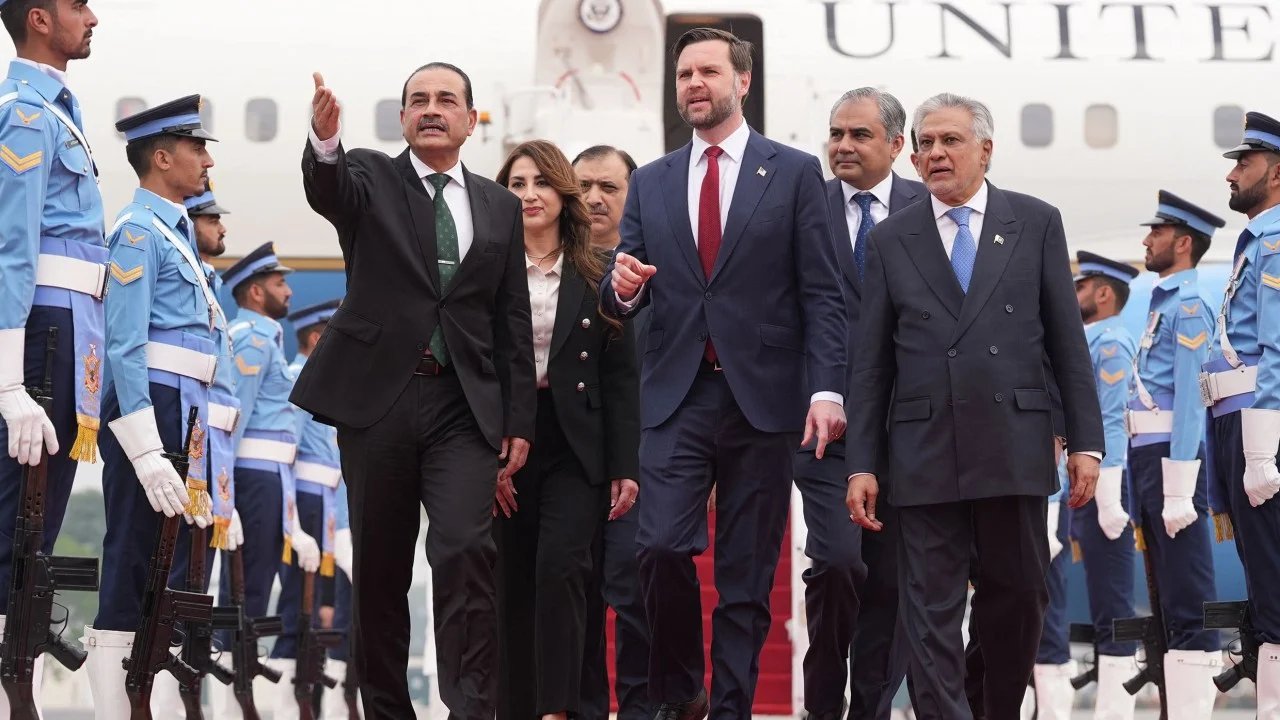
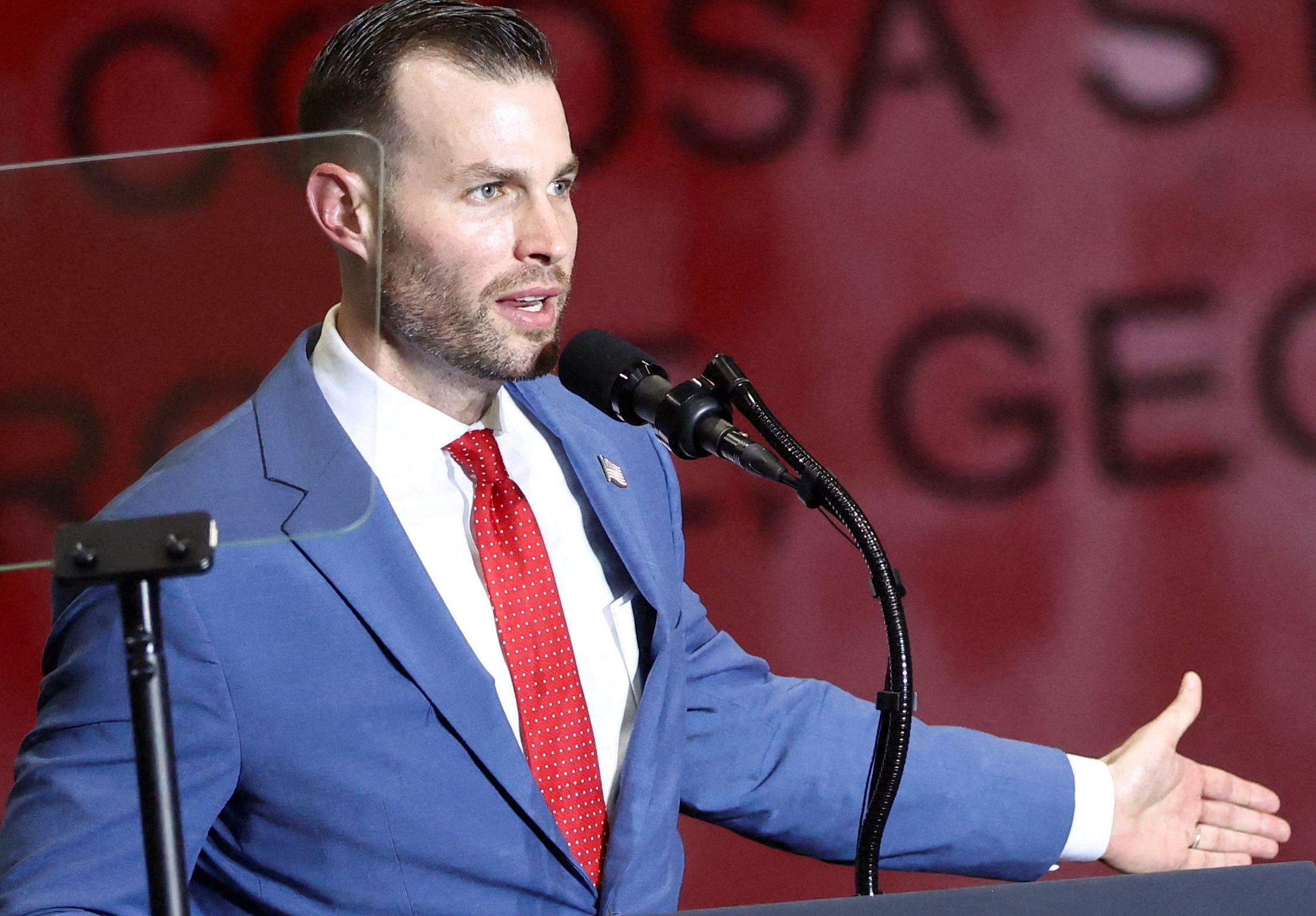
U.S. and Iranian negotiators are moving closer to a framework agreement to end the war, according to U.S. officials. A Pakistani delegation headed by Army commander Field Marshal Asim Munir arrived in Tehran Wednesday for talks with Iranian officials. Vice President Vance, who led initial talks in Pakistan last week, said at a Turning Point USA event in Georgia: "I think the people we're sitting across from wanted to make a deal. ... I feel very good about where we are."
Fallout in Congress
Democrats on Capitol Hill are increasingly opposing U.S. military funding for Israel, particularly Iron Dome missile defense, citing concerns about Israeli military actions and the Iran war. Representative Jim McGovern, a Democrat from Massachusetts, said he "cannot support more military assistance" to Israeli Prime Minister Benjamin Netanyahu. Representative Ro Khanna, a Democrat from California, said, "I've never seen public opinion change as fast on any issue, including gay marriage ... as it has on the U.S.-Israel relationship."