




Three More Weeks
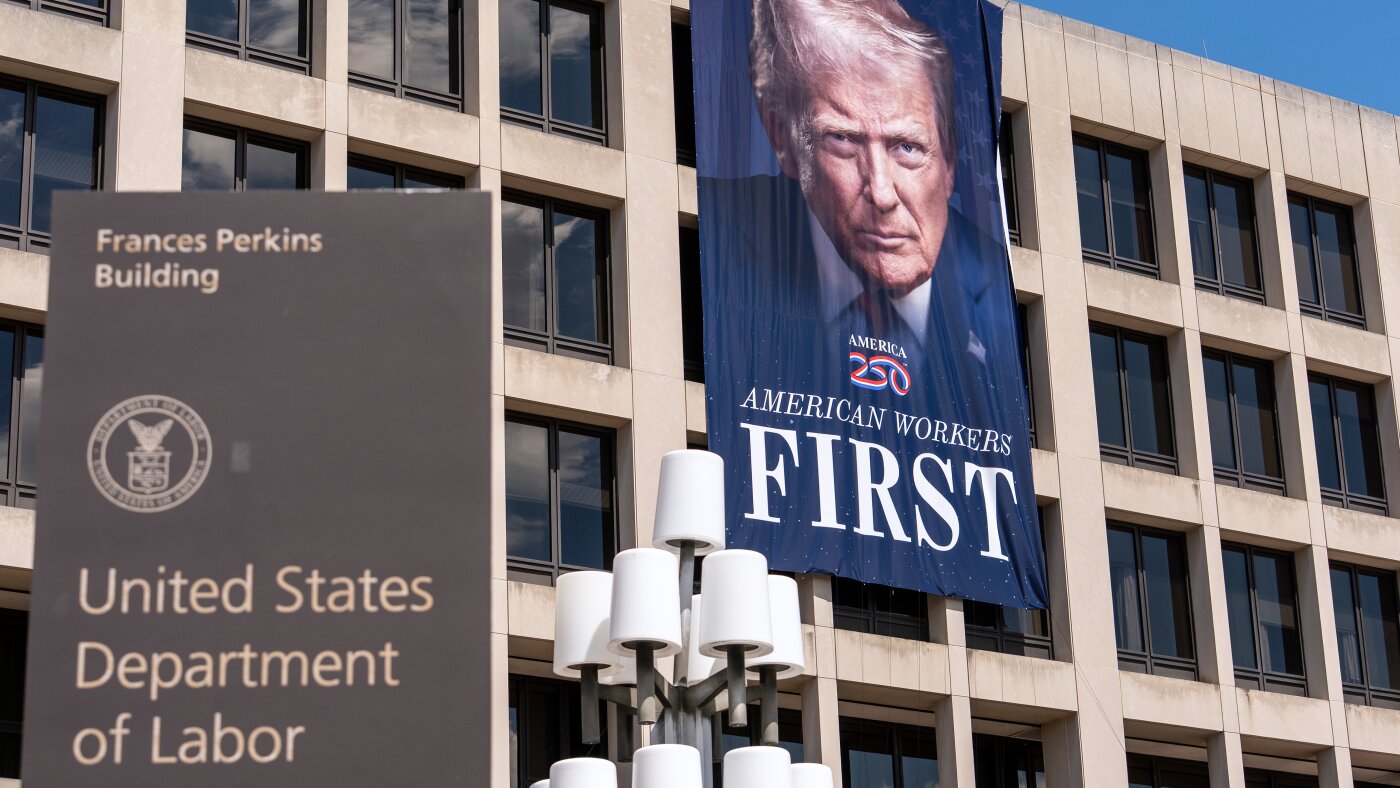
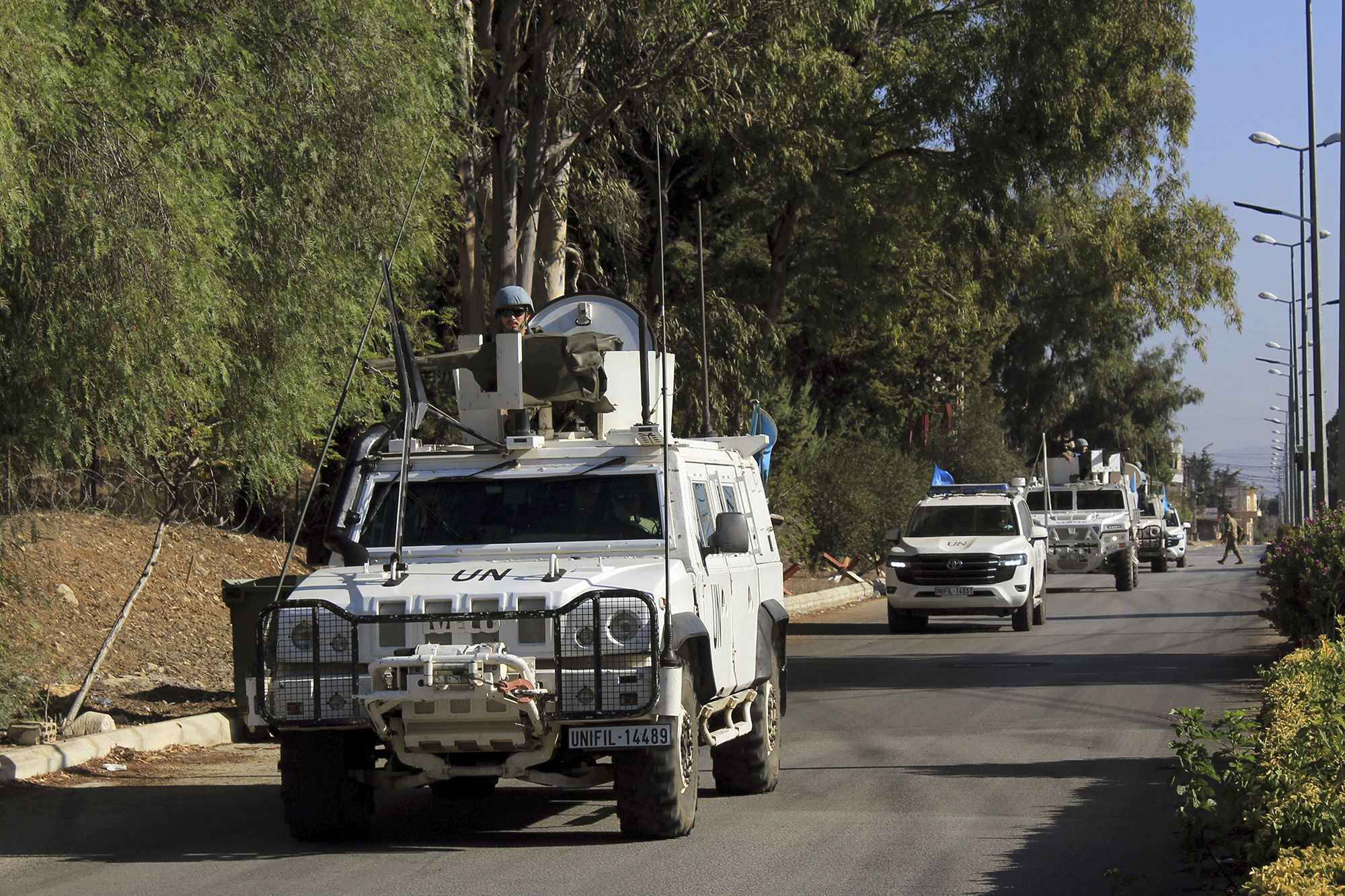
President Trump announced a three-week extension to the ceasefire between Israel and Lebanon on Thursday, following talks at the White House. The initial 10-day ceasefire was announced last week. The U.S. is pushing for the extended ceasefire to advance direct peace talks and prevent renewed fighting from undermining a potential deal with Iran. Trump said he looks forward to hosting Israeli Prime Minister Benjamin Netanyahu and Lebanese President Joseph Aoun at the White House "in the near future."
White House Meeting
The Israeli and Lebanese ambassadors were scheduled to meet with Secretary of State Marco Rubio at the State Department for a second round of talks. The meeting was moved to the White House, where Trump, Vice President Vance, Ambassador to Israel Mike Huckabee, and Ambassador to Lebanon Michel Issa joined. Trump wrote on Truth Social that the U.S. will work with Lebanon to help it protect itself from Hezbollah.
Conditions for Peace
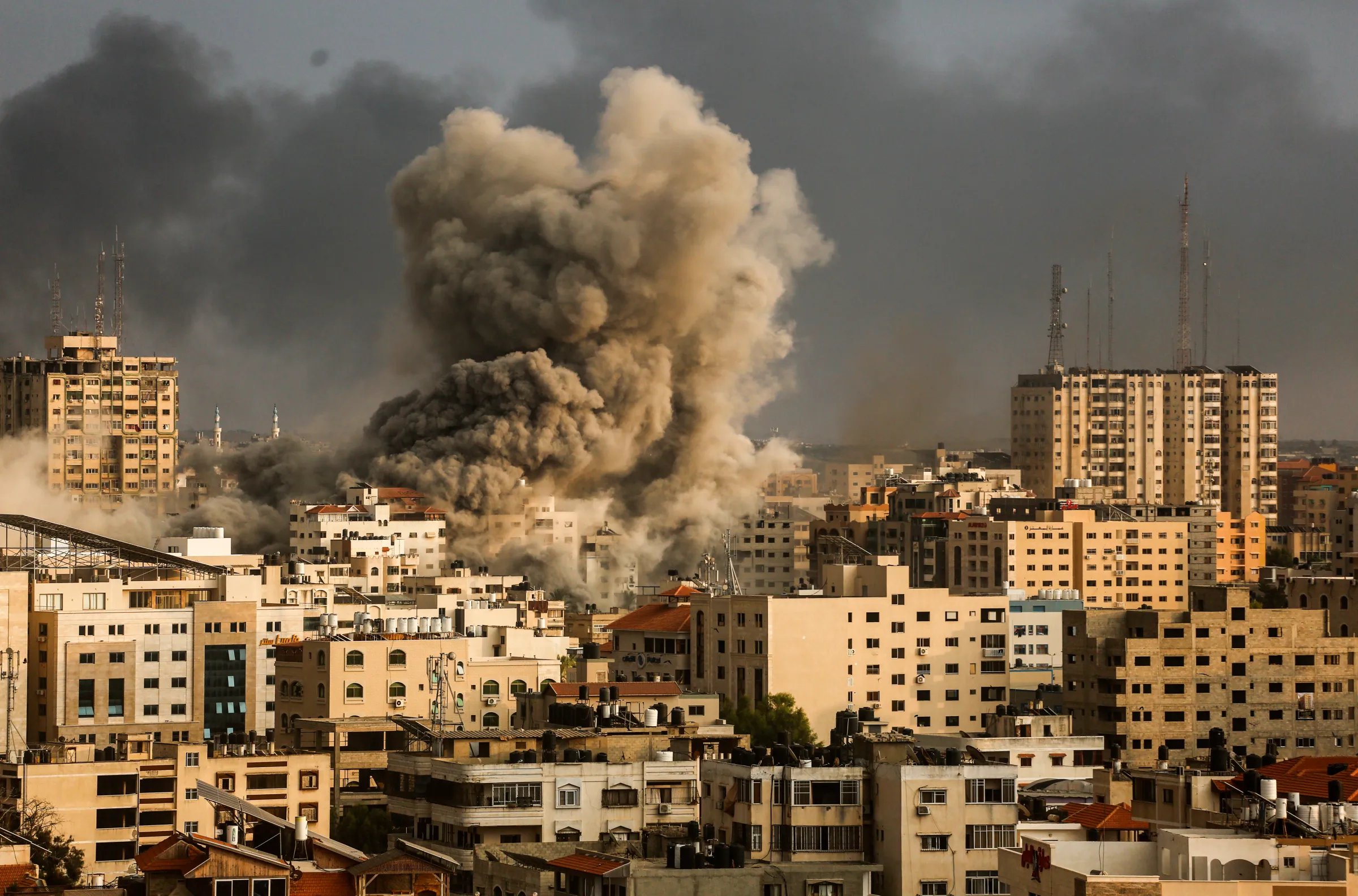
Lebanese officials say a trilateral meeting is unlikely while Israel occupies 6% of Lebanon's territory and continues strikes there. Trump was surprised to learn of a Lebanese law barring any contacts with Israel and asked Rubio and other officials to work on cancelling it. Shortly before the White House meeting, Hezbollah fired rockets at Israeli villages, and the IDF conducted airstrikes targeting the launchers.
Strait of Hormuz Escalation
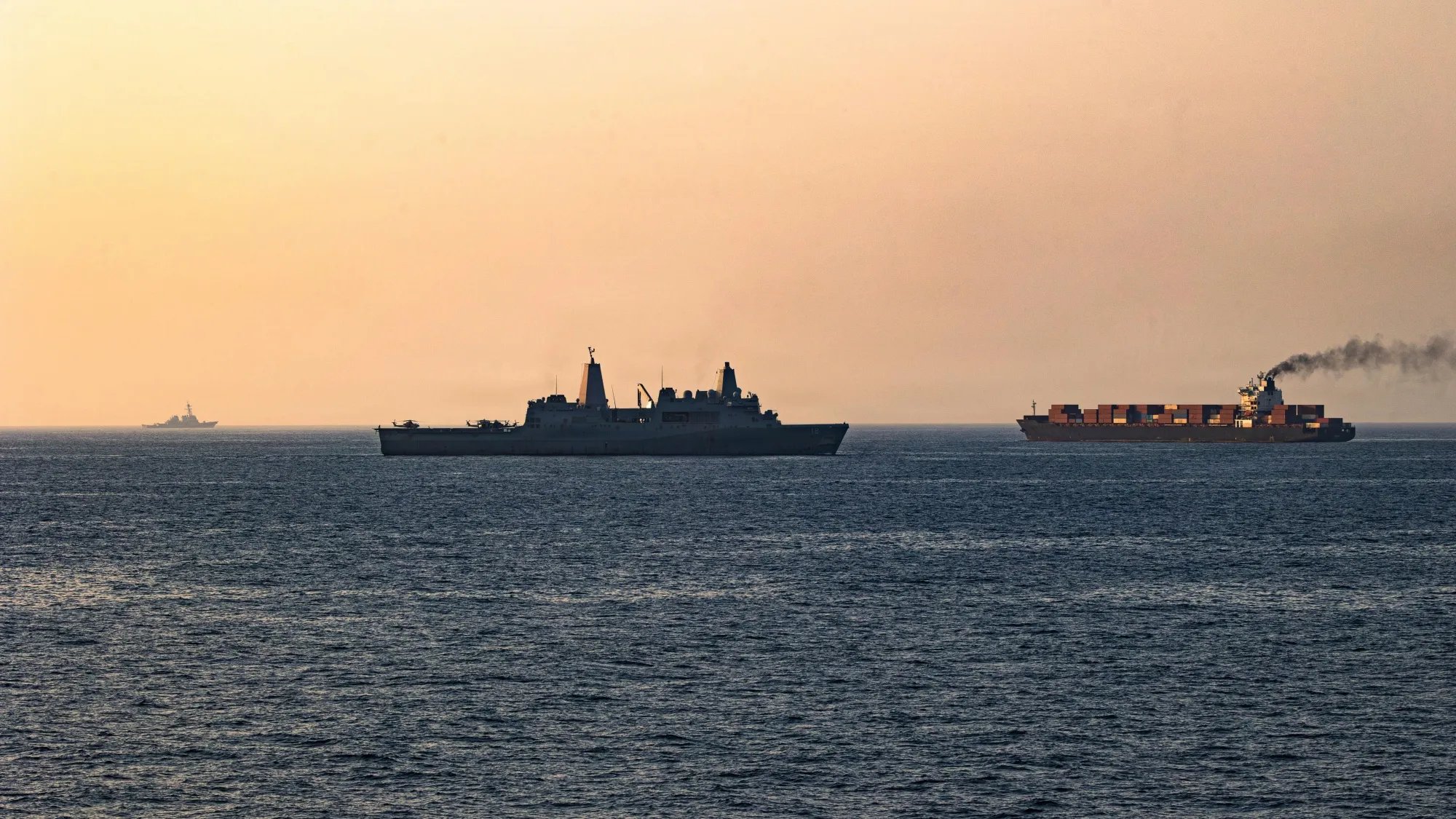
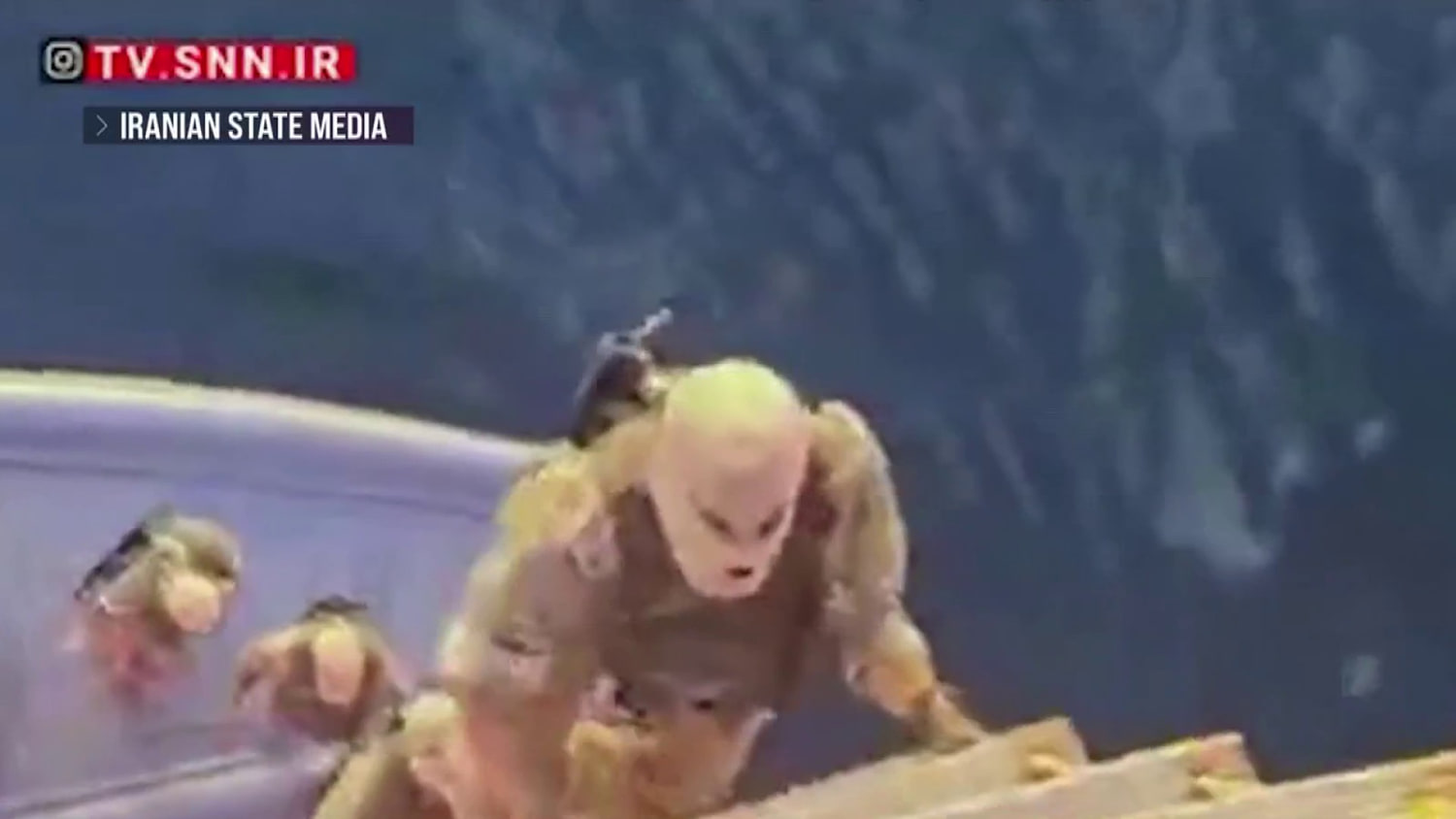
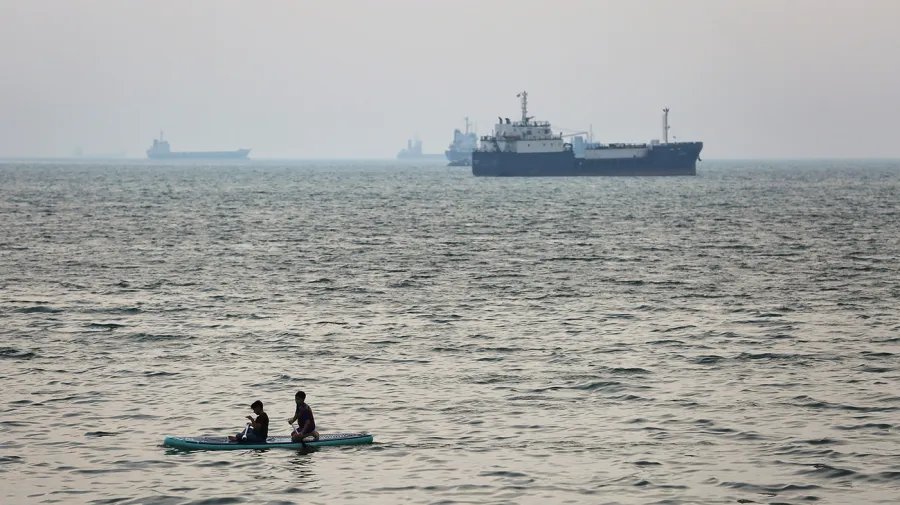
Iran's Islamic Revolutionary Guard Corps (IRGC) navy laid more mines in the Strait of Hormuz this week. The military standoff in the oil chokepoint is escalating, with Iran laying mines and attacking commercial ships, and the U.S. tightening its naval blockade. In peacetime, roughly 20% of the world's seaborne oil passes through the strait. Traffic has collapsed to single digits on most days, down from more than 100 ships daily.
U.S. Response
After being briefed on the new mine deployments, President Trump ordered the U.S. Navy to "shoot and kill" any Iranian boats laying mines. The USS George H.W. Bush strike group arrived in the U.S. Central Command (CENTCOM) area of responsibility on Thursday. CENTCOM has redirected 33 vessels since the blockade began. The Navy is operating underwater drones in the Strait of Hormuz for mine-clearing operations. Two mine countermeasure vessels, the USS Chief and the USS Pioneer, may also be operating in the Strait.
Naval Blockade
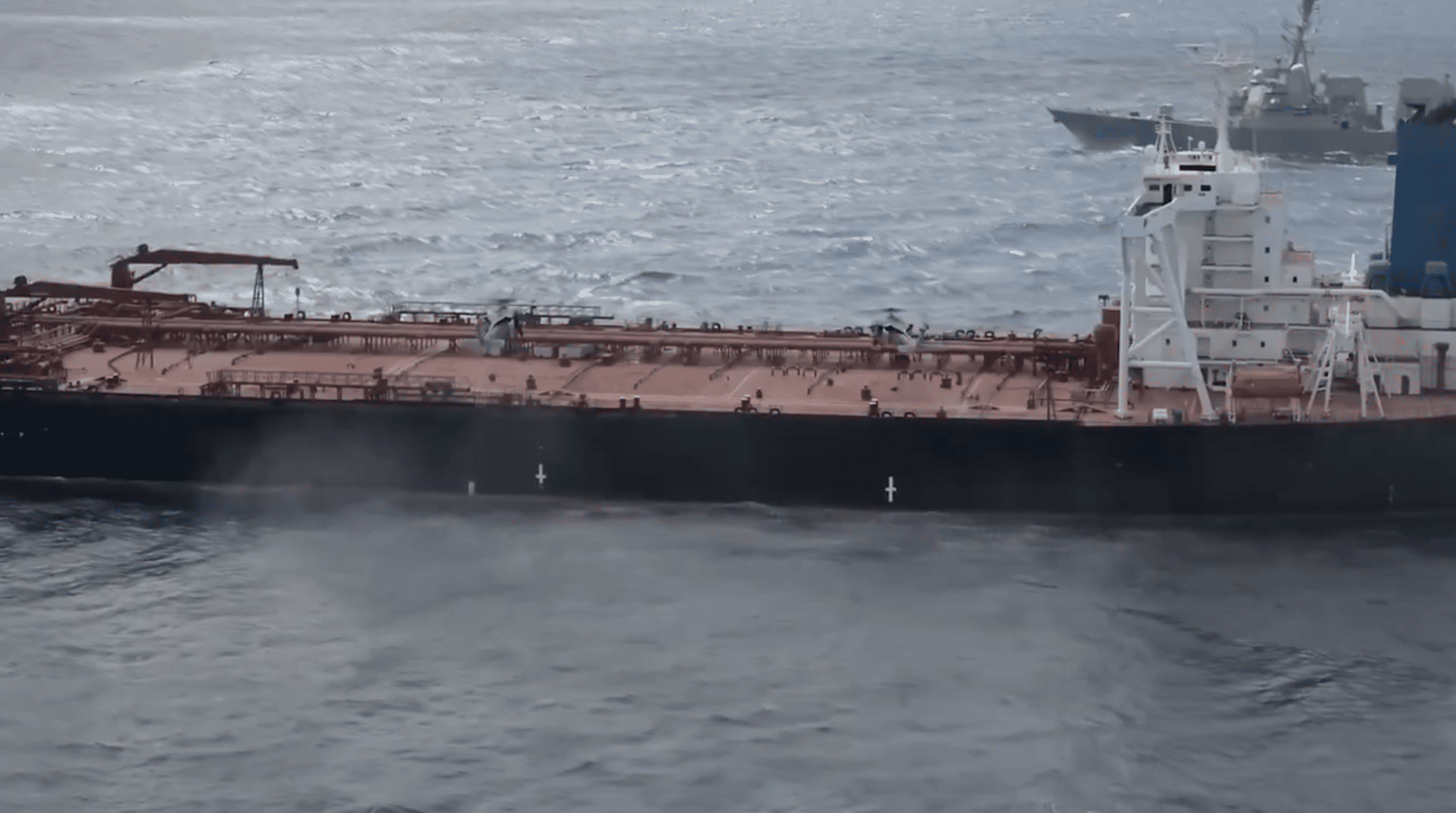
Iran has insisted that only vessels that pay a toll to Tehran will be allowed to pass, furthering tensions. The U.S. Navy seized a tanker transporting oil from Iran in the Indian Ocean on Thursday. Defense Secretary Pete Hegseth said, "The blockade is tightening by the hour. We are in control. Nothing in, nothing out."
Global Impact
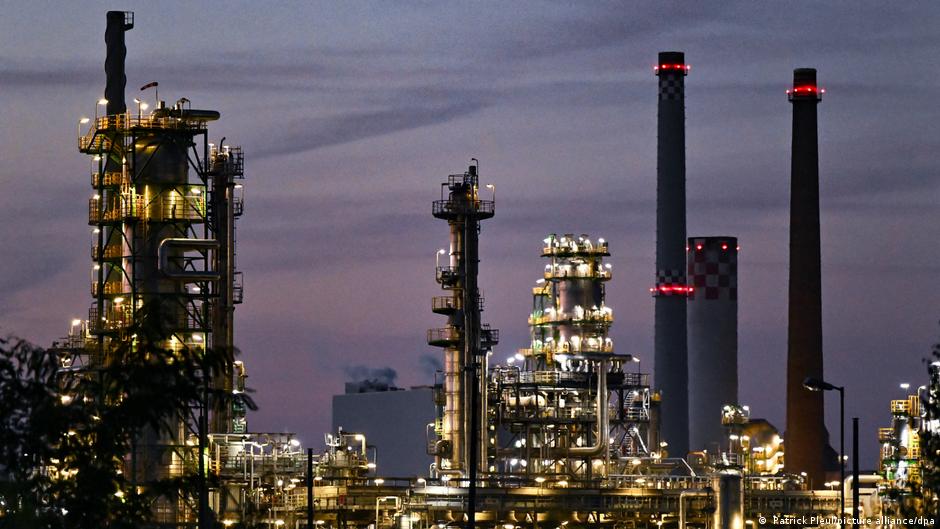
The International Energy Agency called the situation the largest oil supply disruption in the history of the global market. Controllers for shipping companies face a daunting decision as they try to free vessels trapped in the Persian Gulf. According to shipping industry experts, one described the situation as "basically you're sending someone unarmed into war." Helium, fertilizer, and aluminum have been held up in the Gulf, causing global shortages and driving up costs. Around 20,000 seafarers have been stuck aboard their ships since the start of the war.
Journalist Death
Press freedom groups are calling for an international investigation into the death of Lebanese journalist Amal Khalil, who was killed in an Israeli airstrike. Lebanese Prime Minister Nawaf Salam accused Israel of targeting journalists.
Call for Peace
Pope Leo XIV called on the United States and Iran to return to the negotiating table, urging leaders to adopt "a culture of peace." He said he was carrying a photograph of a young Muslim Lebanese boy killed in Israel's recent attacks.
Drone Attacks
Several drones hit a Kurdistan Freedom Party (PAK) base in Irbil province, wounding three fighters. Drone attacks were also reported in Kuwait, targeting two sites at its northern land border centers.
With tensions rising in the Strait of Hormuz, retired Navy Adm. James Stavridis suggested that halting mine-laying vessels is "key to unlocking" the waterway, a move that could ease global shipping disruptions.