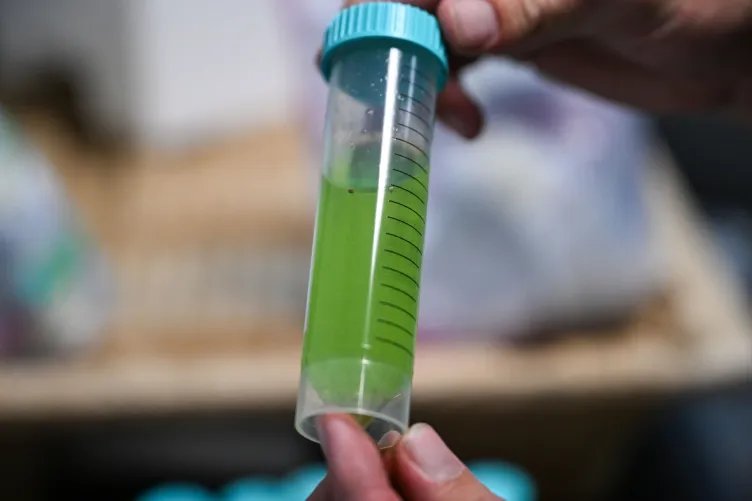
Some U.S. water systems are reducing fluoride levels because a key chemical is unavailable. This disruption affects public health by potentially lowering water quality for millions of Americans, who rely on fluoride to prevent tooth decay in communities.
The shortage stems directly from ongoing Middle East tensions, which have halted exports of the essential additive. Water utilities now face decisions that could increase costs for treatment and maintenance. As a result, residents in affected areas may encounter higher bills or compromised dental health outcomes.
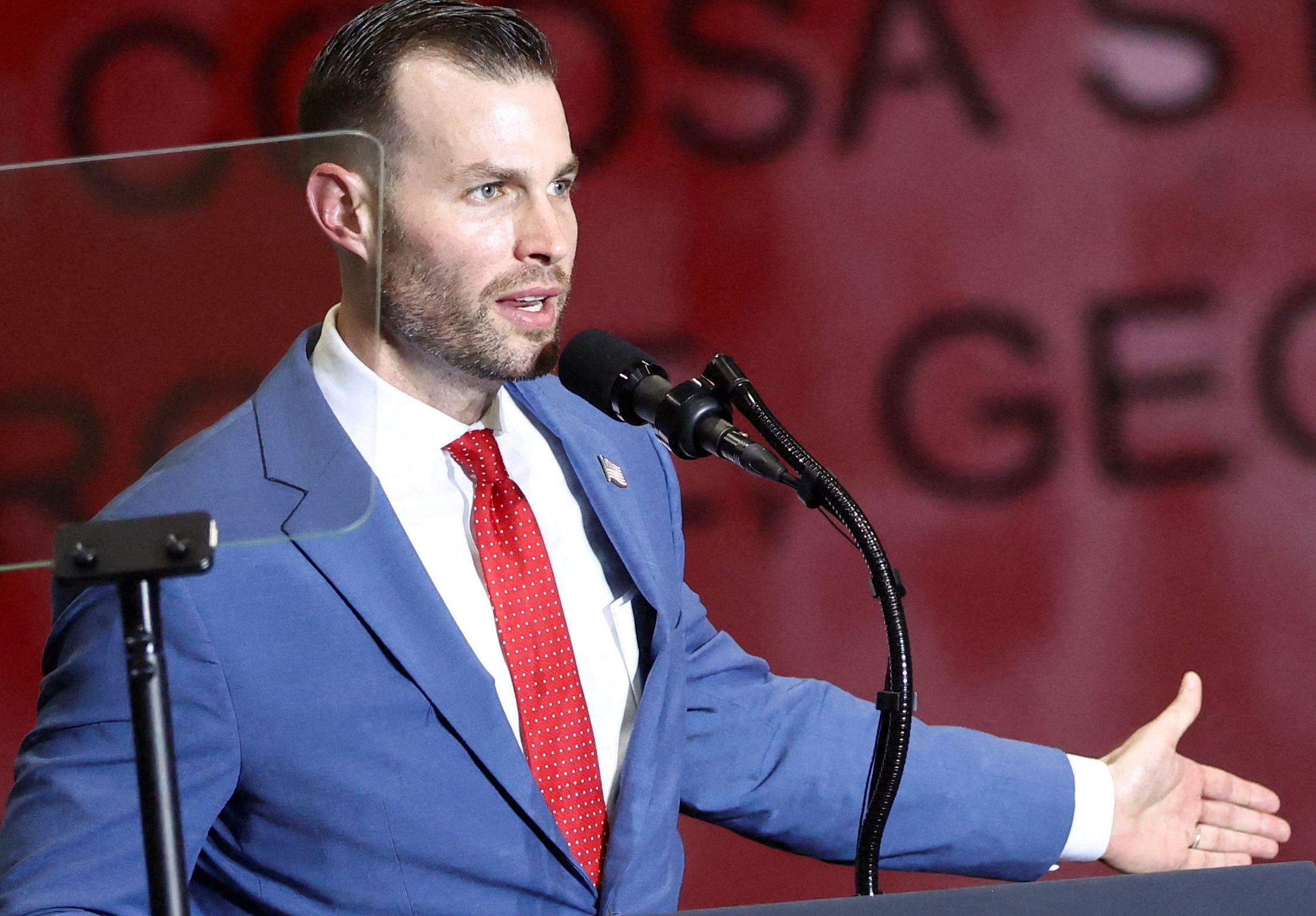
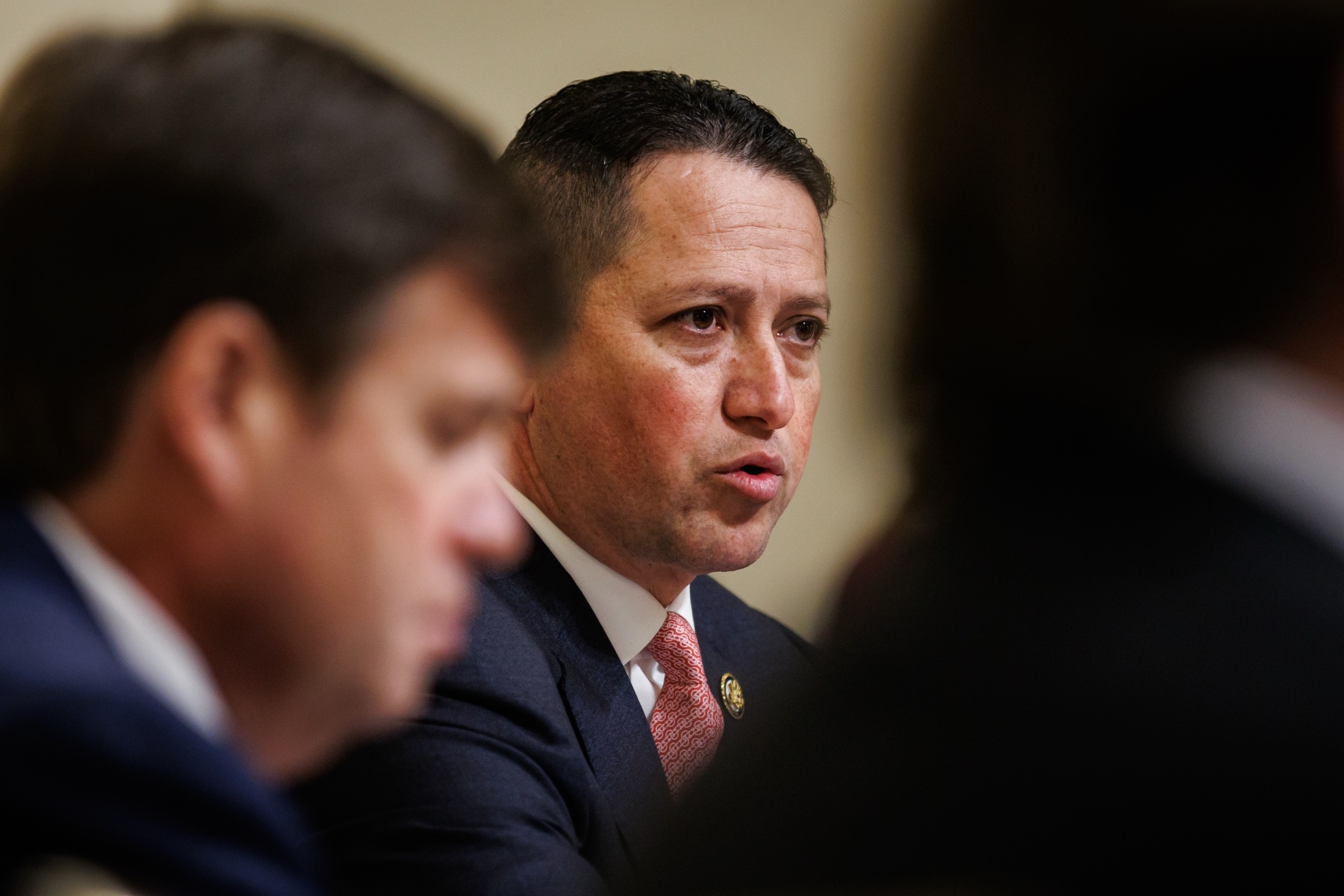
Republican House candidate Tyler Kistner withdrew from the Minnesota race for the 2nd Congressional seat due to a Middle East deployment. Audience members heckled Vice President Vance 10 minutes into a Turning Point USA event in Athens, Ga., reflecting discontent among some groups. Young voters expressed reservations about the administration's Middle East policy, particularly regarding actions in Iran and Gaza, which Vance acknowledged as a point of disagreement.
Oil prices fell to $90 as hopes for de-escalation in U.S.-Iran tensions grew, with Iran proposing passage through the Omani side of the Strait of Hormuz under certain conditions. The U.S. responded by warning of tougher economic measures if Iran does not comply, while declining to extend waivers for Iranian oil purchases. These shifts illustrate how Middle East instability directly influences global energy costs and supply chains.
The potential for continued disruptions could lead to broader economic effects, such as increased prices for goods that depend on stable oil markets. For U.S. consumers, this means higher expenses at the pump and in everyday items, linking back to the fluoride shortage through shared regional pressures.
The fluoride shortage highlights vulnerabilities in U.S. public health infrastructure, as water systems adapt to limited supplies from conflict zones. This situation could lead to increased health risks, like higher rates of cavities, affecting families who depend on treated water for basic needs. Local governments might need to explore alternative sources or ration chemicals, putting pressure on budgets and services.
Residents can prepare by checking local water quality reports and supporting community efforts to secure alternative supplies. Ultimately, these interconnected issues emphasize the need for stable international relations to safeguard everyday essentials like clean water.
Some U.S. water systems are reducing fluoride levels because a key chemical is unavailable. Israel serves as one of the main producers of this chemical, according to reports on the shortage. This disruption affects public health by potentially lowering water quality for millions of Americans, who rely on fluoride to prevent tooth decay in communities.
The shortage stems directly from ongoing Middle East tensions, which have halted exports of the essential additive. Water utilities now face decisions that could increase costs for treatment and maintenance. As a result, residents in affected areas may encounter higher bills or compromised dental health outcomes.
Republican House candidate Tyler Kistner announced his withdrawal from the Minnesota race for the 2nd Congressional seat due to a Middle East deployment. Kistner, who previously ran against Rep. Angie Craig in 2020 and 2022, cited the conflict as the reason for his exit. This development underscores how the Middle East situation is pulling U.S. personnel away from domestic activities, including political campaigns.
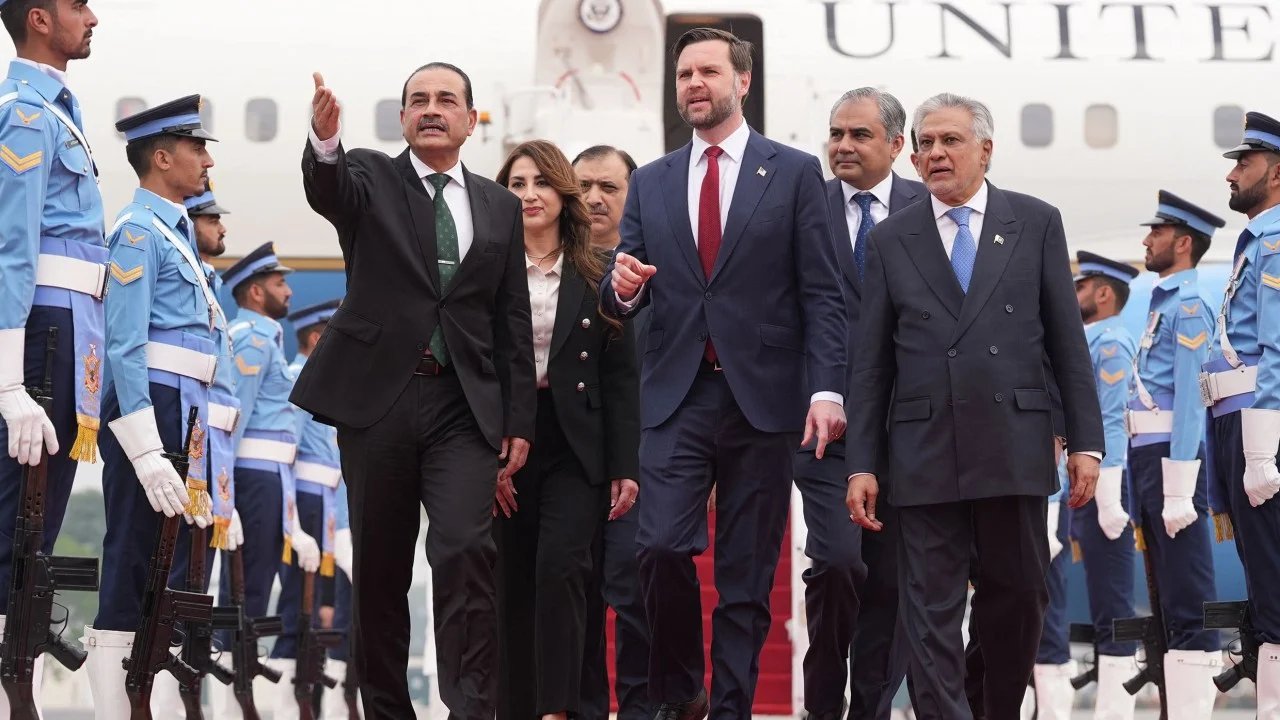
Vice President Vance addressed the issue at a Turning Point USA event in Athens, Ga., where he defended the administration's Middle East policy. Audience members heckled Vance 10 minutes into the event, reflecting discontent among some groups. Young voters expressed reservations about the policy, particularly regarding actions in Iran and Gaza, which Vance acknowledged as a point of disagreement.
Oil prices fell to $90 as hopes for de-escalation in U.S.-Iran tensions grew, with Iran proposing passage through the Omani side of the Strait of Hormuz under certain conditions. The U.S. responded by warning of tougher economic measures if Iran does not comply, while declining to extend waivers for Iranian oil purchases. These shifts illustrate how Middle East instability directly influences global energy costs and supply chains.
The potential for continued disruptions could lead to broader economic effects, such as increased prices for goods that depend on stable oil markets. For U.S. consumers, this means higher expenses at the pump and in everyday items, linking back to the fluoride shortage through shared regional pressures.
The fluoride shortage highlights vulnerabilities in U.S. public health infrastructure, as water systems adapt to limited supplies from conflict zones. This situation could lead to increased health risks, like higher rates of cavities, affecting families who depend on treated water for basic needs. Local governments might need to explore alternative sources or ration chemicals, putting pressure on budgets and services.
In related areas, the conflict's deployment demands and policy debates show how foreign events reshape U.S. priorities, from elections to energy prices. Residents can prepare by checking local water quality reports and supporting community efforts to secure alternative supplies. Ultimately, these interconnected issues emphasize the need for stable international relations to safeguard everyday essentials like clean water.
Highlighted text was flagged by the council. Tap to see feedback.