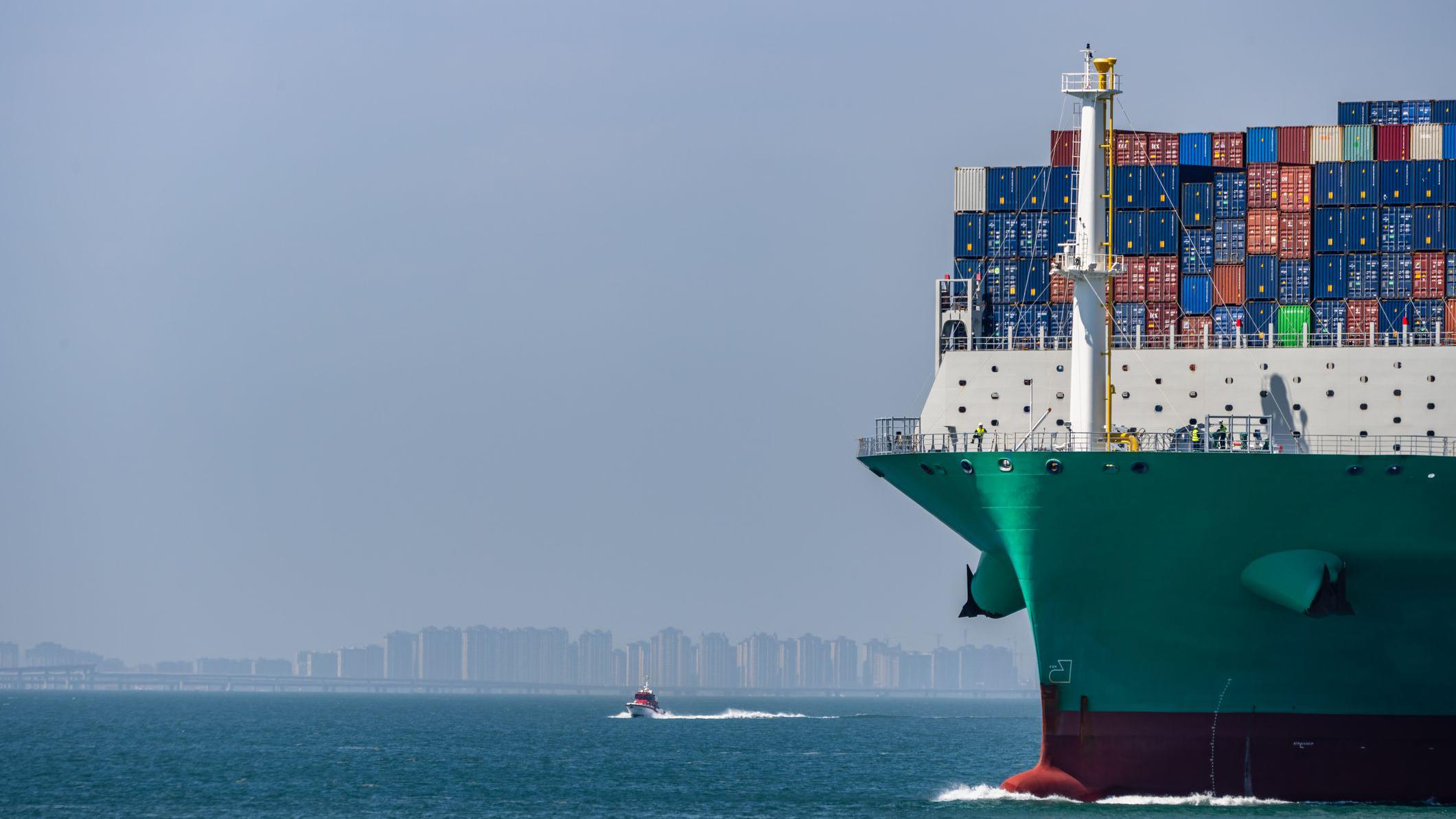
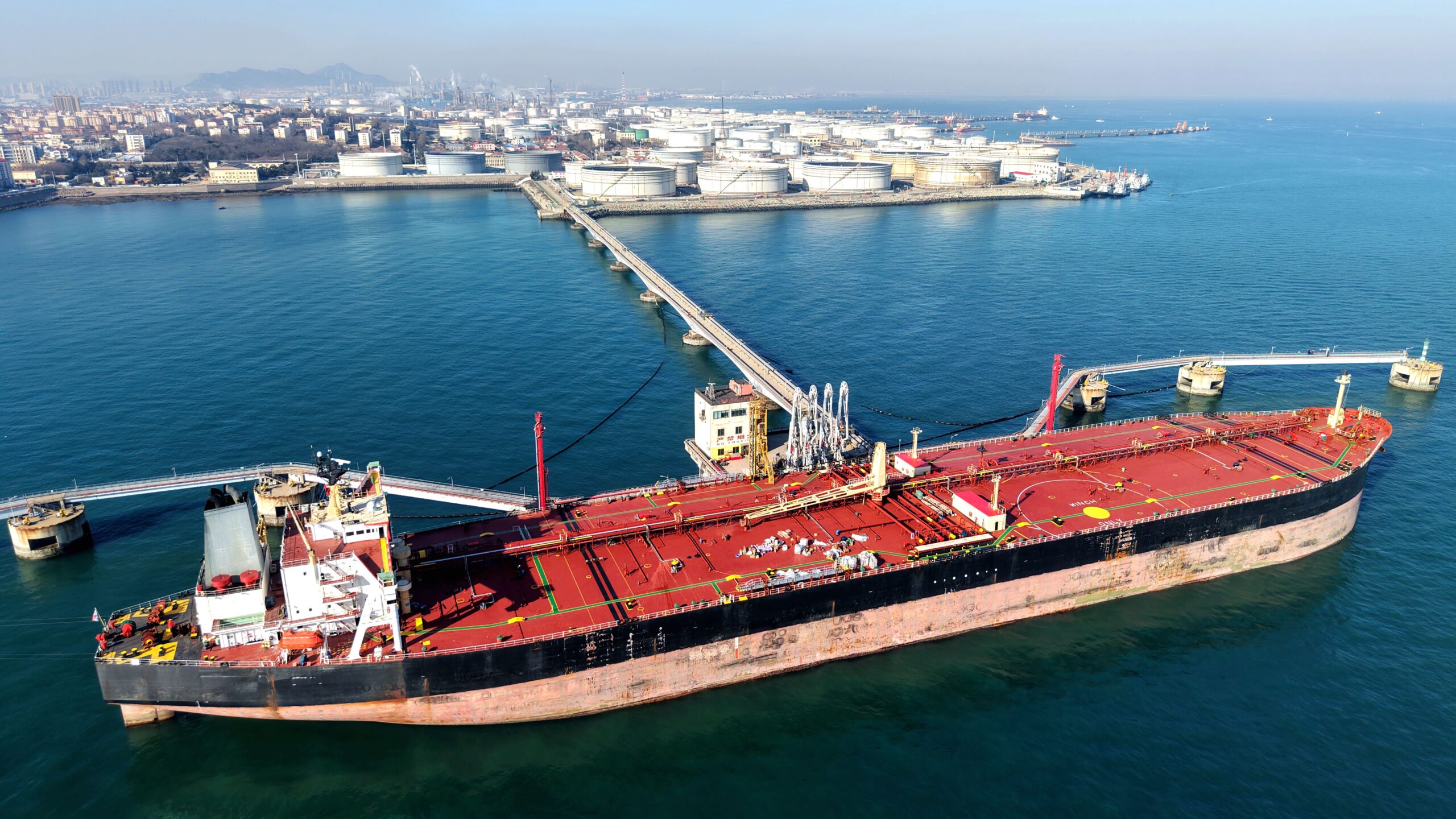
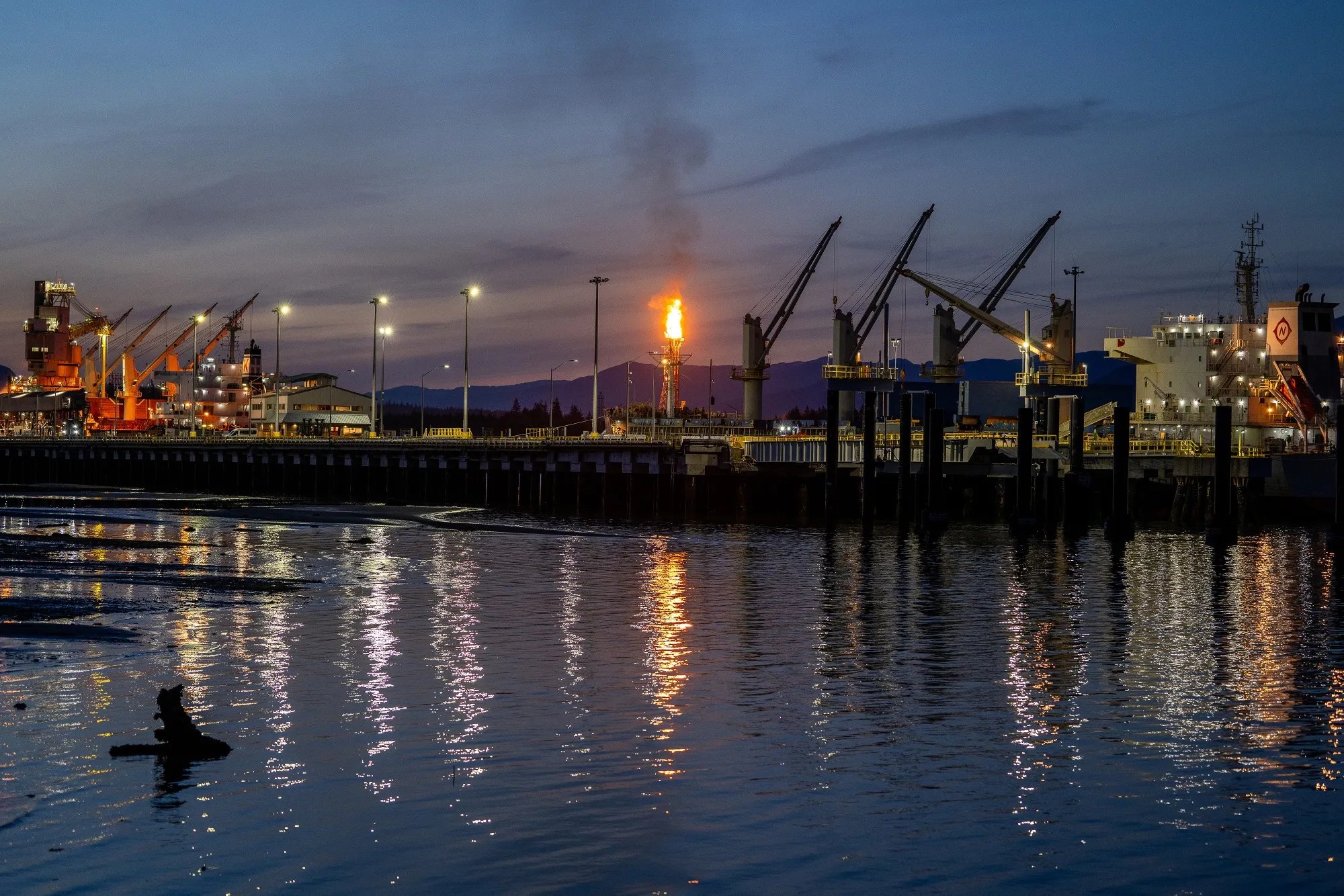
The United States has imposed sanctions on Hengli, one of China's largest private oil refiners, in a bid to curb its ties with Iran. This move marks a shift from previous sanctions that primarily focused on smaller Chinese entities. The sanctions aim to strengthen the U.S. position in negotiations over Iran's oil revenues, but they may have unintended consequences for the global oil market.
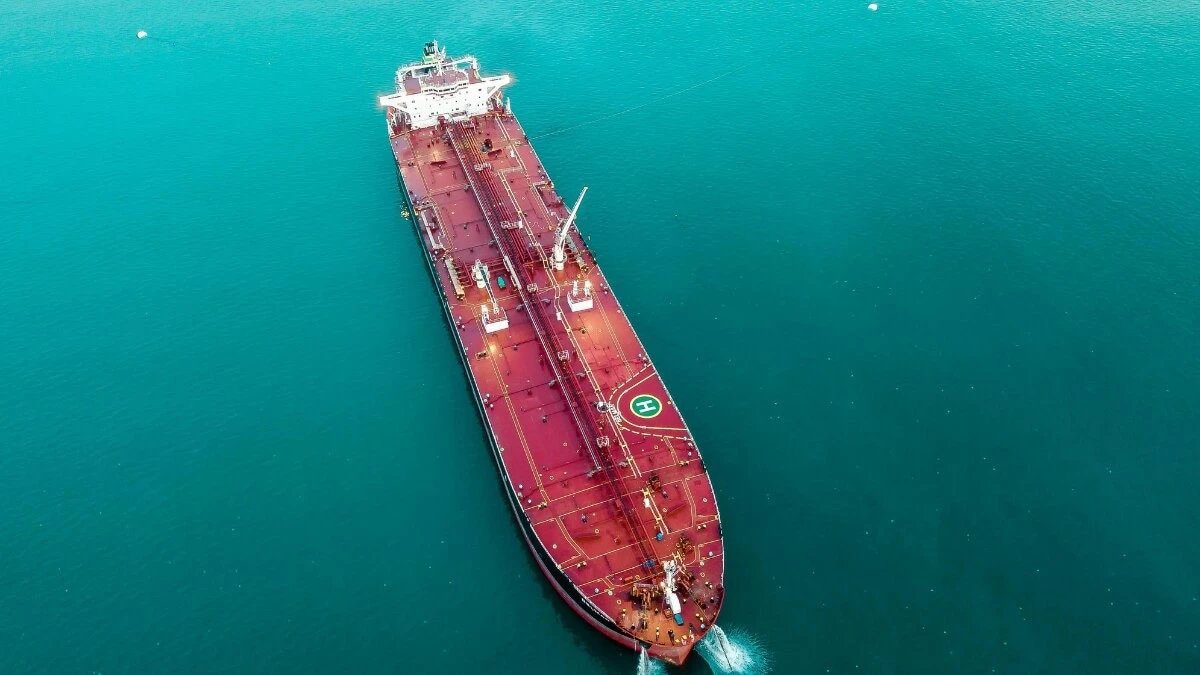
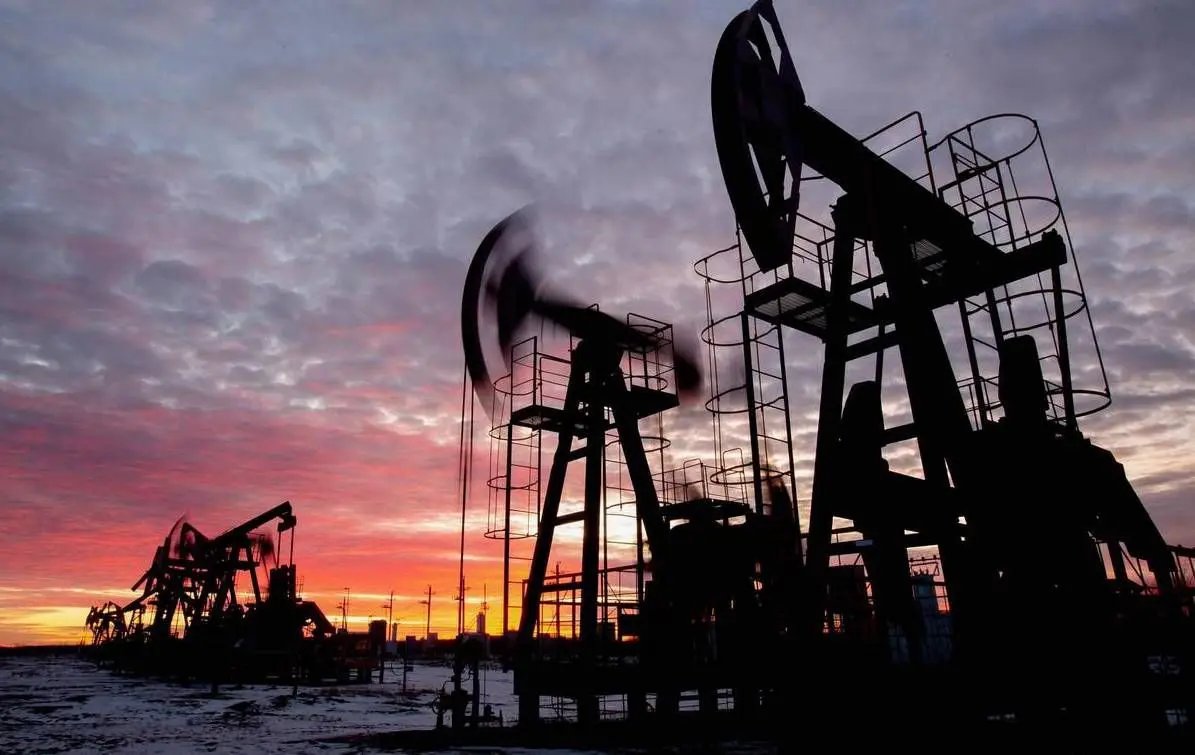
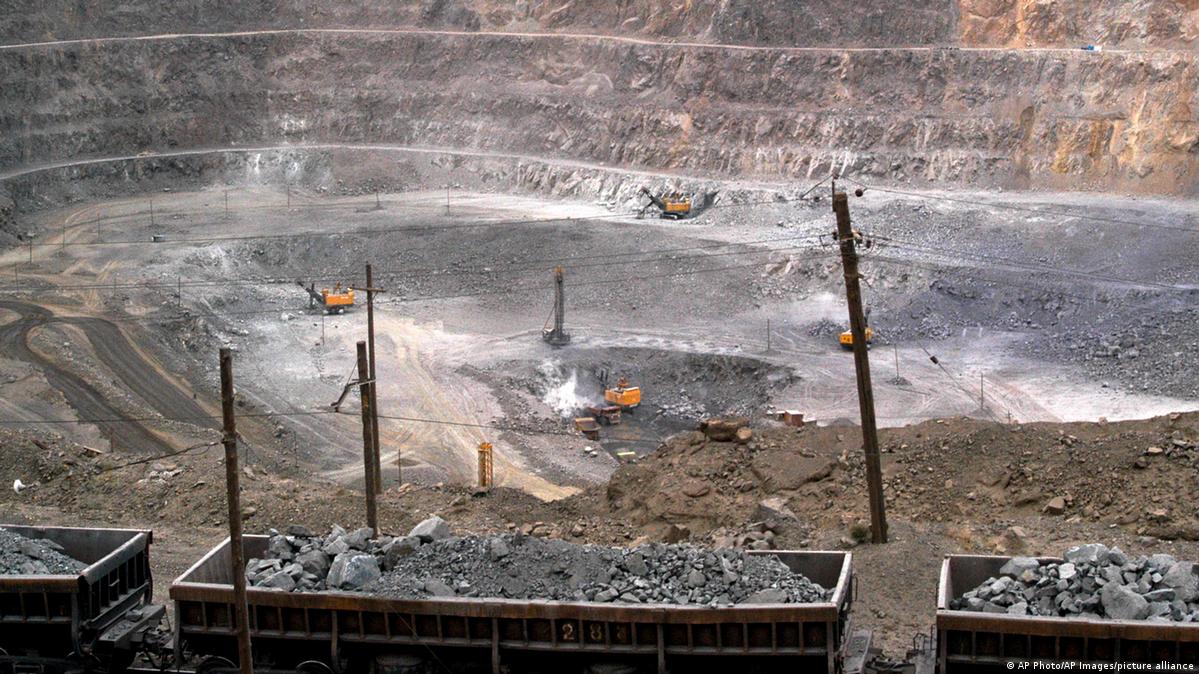
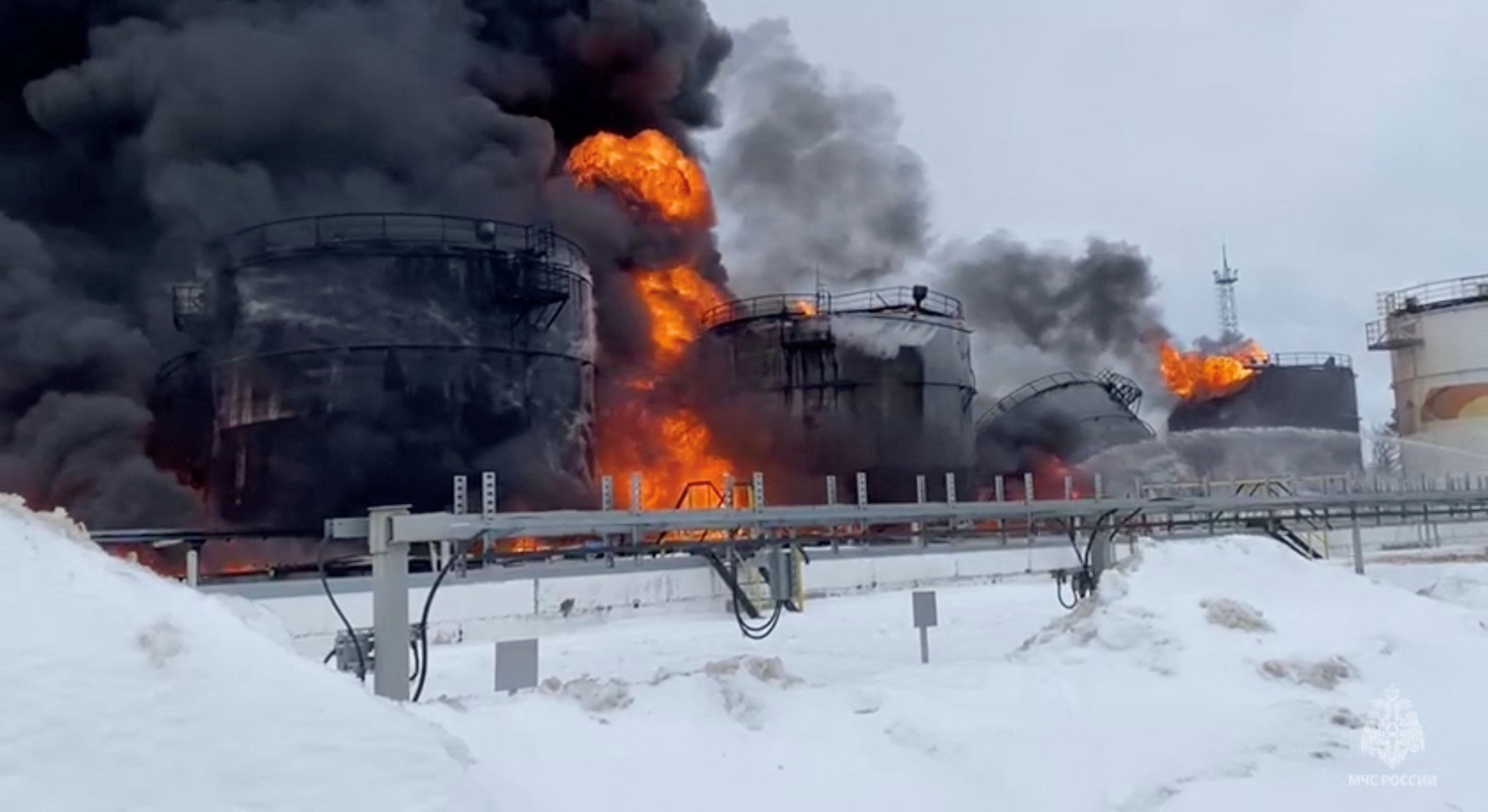
The sanctions against Hengli are expected to reverberate throughout China's petrochemical sector, which is already facing challenges. Analysts warn that the sanctions could negatively impact the operations of the so-called "teapot" refiners, smaller companies that rely on Hengli's supply chain for crude oil. The sanctions could affect the prices and availability of petrochemical products, potentially leading to increased costs for consumers.
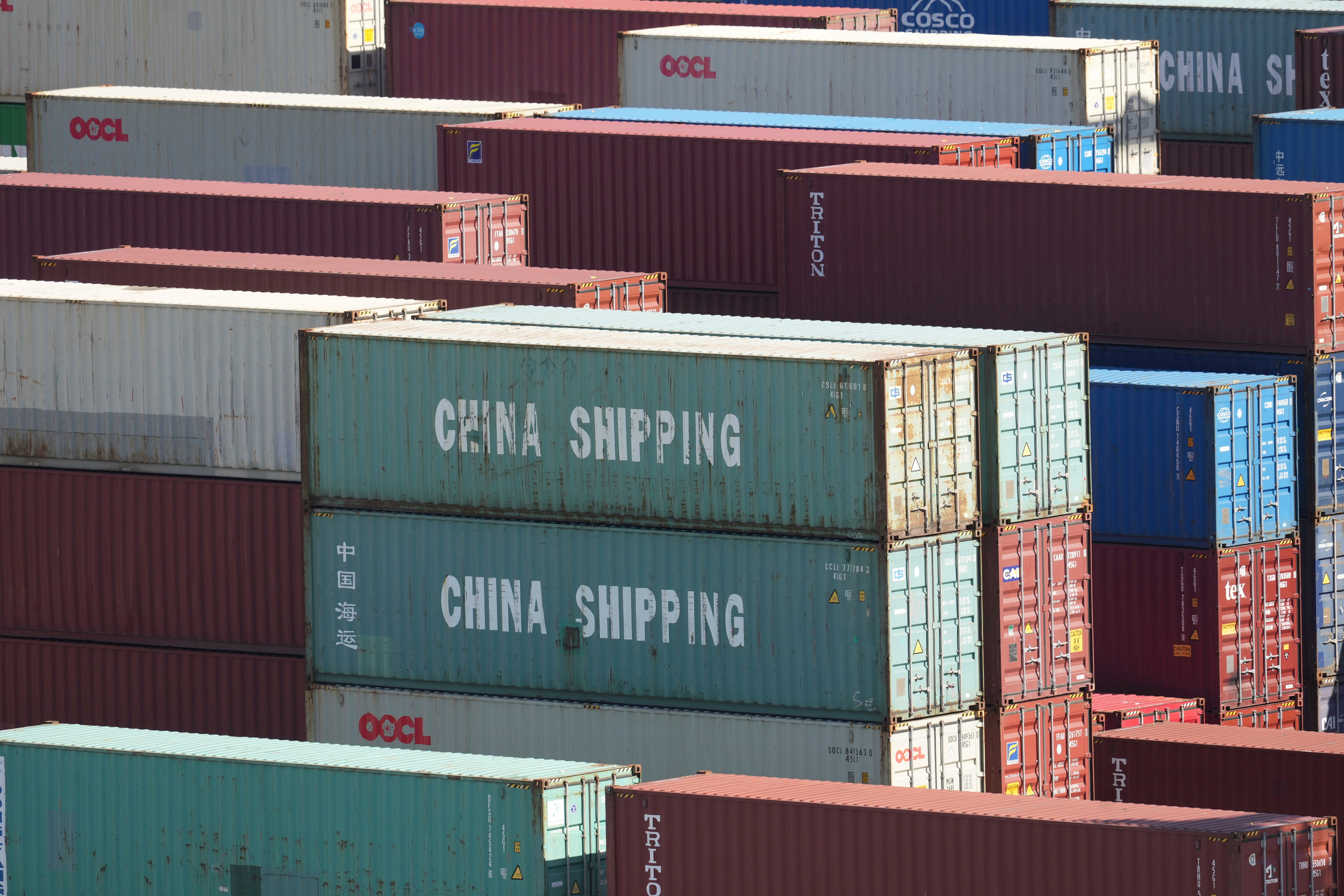
Beyond the immediate effects on oil and petrochemicals, the sanctions could disrupt trade dynamics between the U.S. and China. Experts predict that these sanctions might escalate tensions between the two countries, which could result in broader economic repercussions. As the U.S. seeks to isolate Iran economically, the collateral damage could affect global markets, leading to price fluctuations across various sectors.
Industry leaders have expressed concerns over the sanctions' potential fallout. The U.S. sanctions could also prompt retaliatory measures from China, further complicating trade relations.
As the situation evolves, businesses and consumers may need to prepare for rising prices and potential shortages in oil and petrochemical products. Stakeholders are advised to stay informed and consider the broader implications of these sanctions on their operations and purchasing decisions.
The United States has imposed sanctions on Hengli, one of China’s largest private oil refiners, in a bid to curb its ties with Iran. This move marks a shift from previous sanctions that primarily focused on smaller Chinese entities. The sanctions aim to strengthen the U.S. position in negotiations over Iran’s oil revenues, but they may have unintended consequences for the global oil market.
The sanctions against Hengli are expected to reverberate throughout China’s petrochemical sector, which is already facing challenges. Analysts warn that the sanctions could negatively impact the operations of the so-called “teapot” refiners, smaller companies that rely on Hengli's supply chain for crude oil. The sanctions could affect the prices and availability of petrochemical products, potentially leading to increased costs for consumers.
Beyond the immediate effects on oil and petrochemicals, the sanctions could disrupt trade dynamics between the U.S. and China. Experts predict that these sanctions might escalate tensions between the two countries, which could result in broader economic repercussions. As the U.S. seeks to isolate Iran economically, the collateral damage could affect global markets, leading to price fluctuations across various sectors.
Industry leaders have expressed concerns over the sanctions' potential fallout. A representative from the Chinese Petroleum and Chemical Industry Federation stated that the sanctions could hinder the growth of the petrochemical sector and lead to job losses. The U.S. sanctions could also prompt retaliatory measures from China, further complicating trade relations.
As the situation evolves, businesses and consumers may need to prepare for rising prices and potential shortages in oil and petrochemical products. The sanctions on Hengli are just the beginning of a more complex interplay between U.S. foreign policy and global energy markets. Stakeholders are advised to stay informed and consider the broader implications of these sanctions on their operations and purchasing decisions.
Highlighted text was flagged by the council. Tap to see feedback.