




The Operation
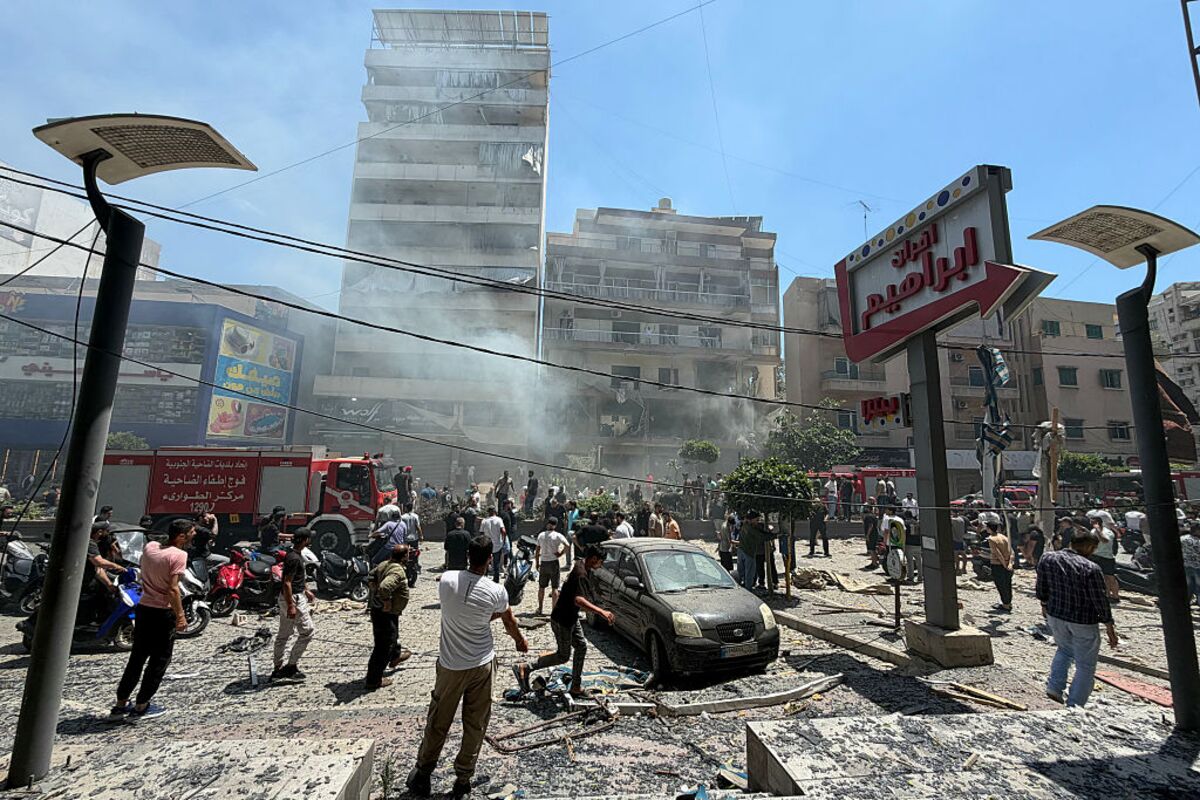
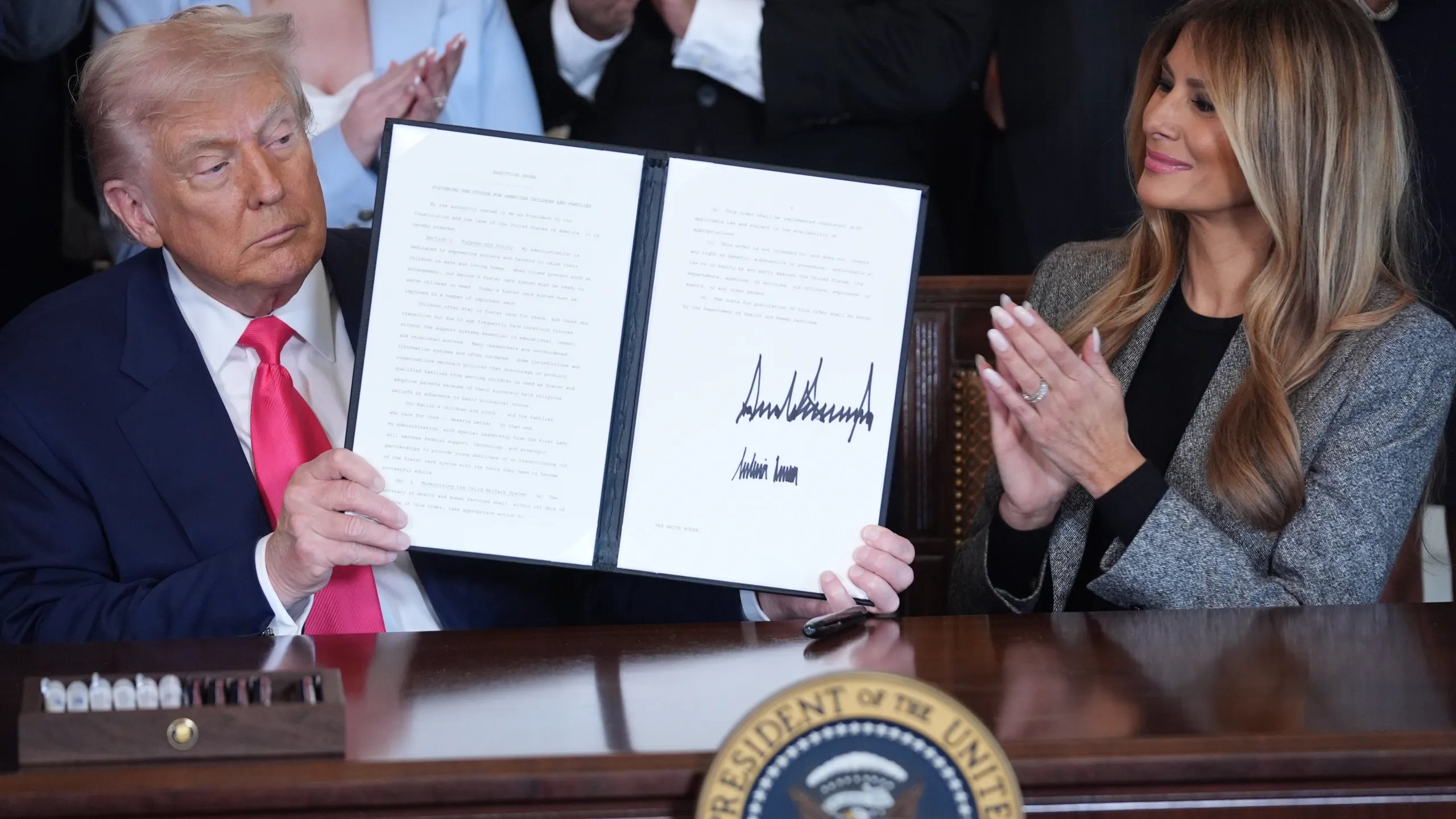
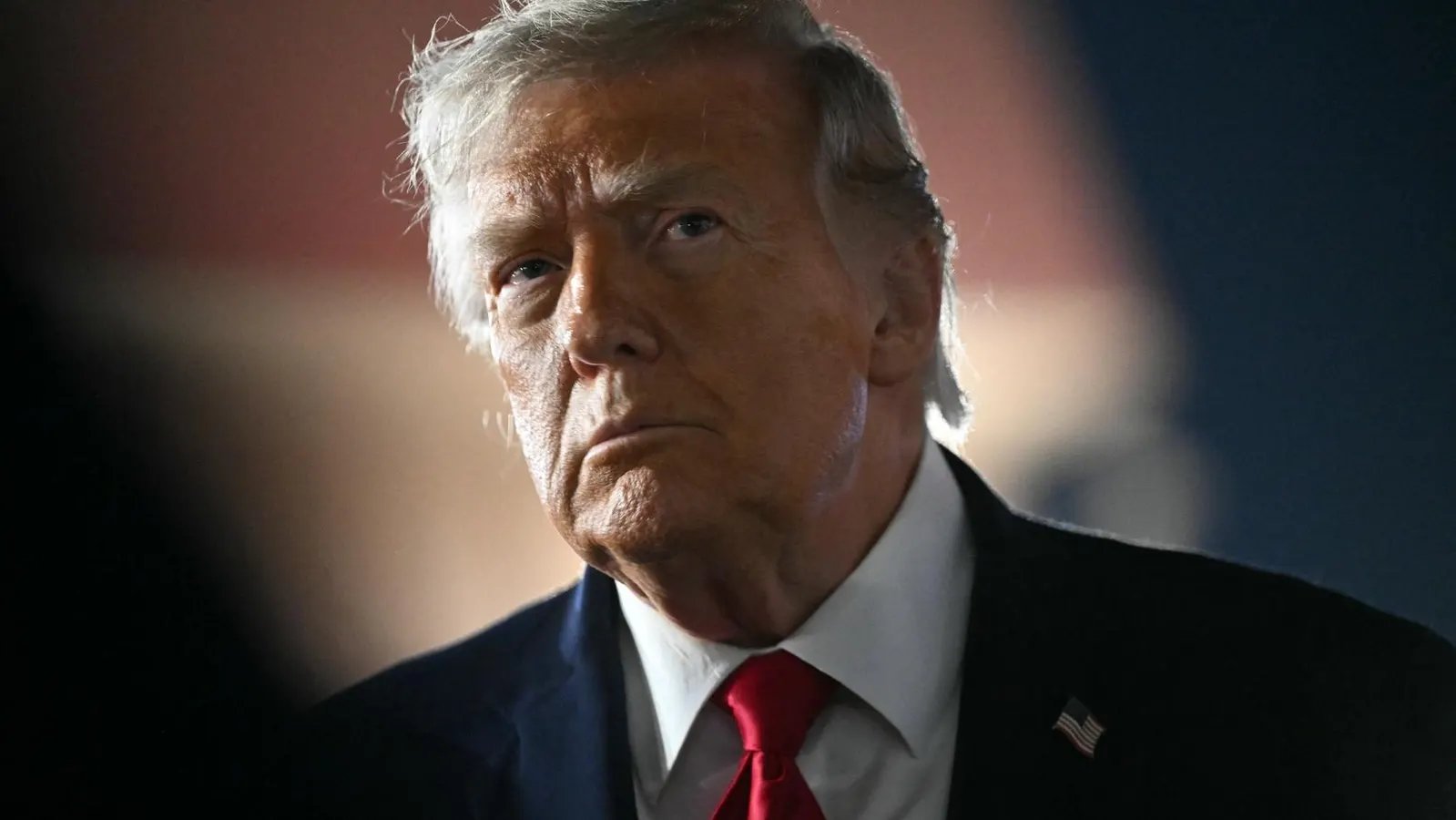
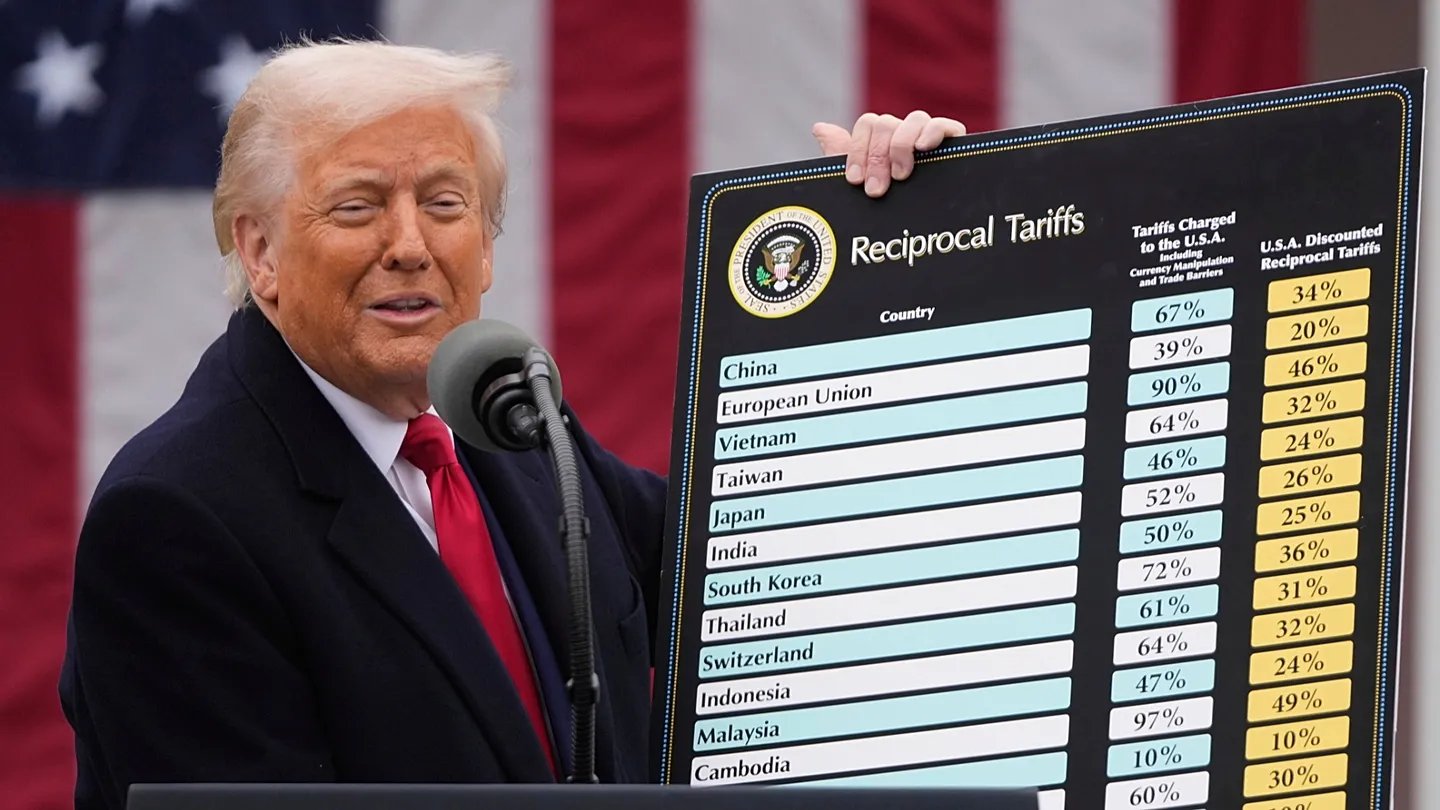
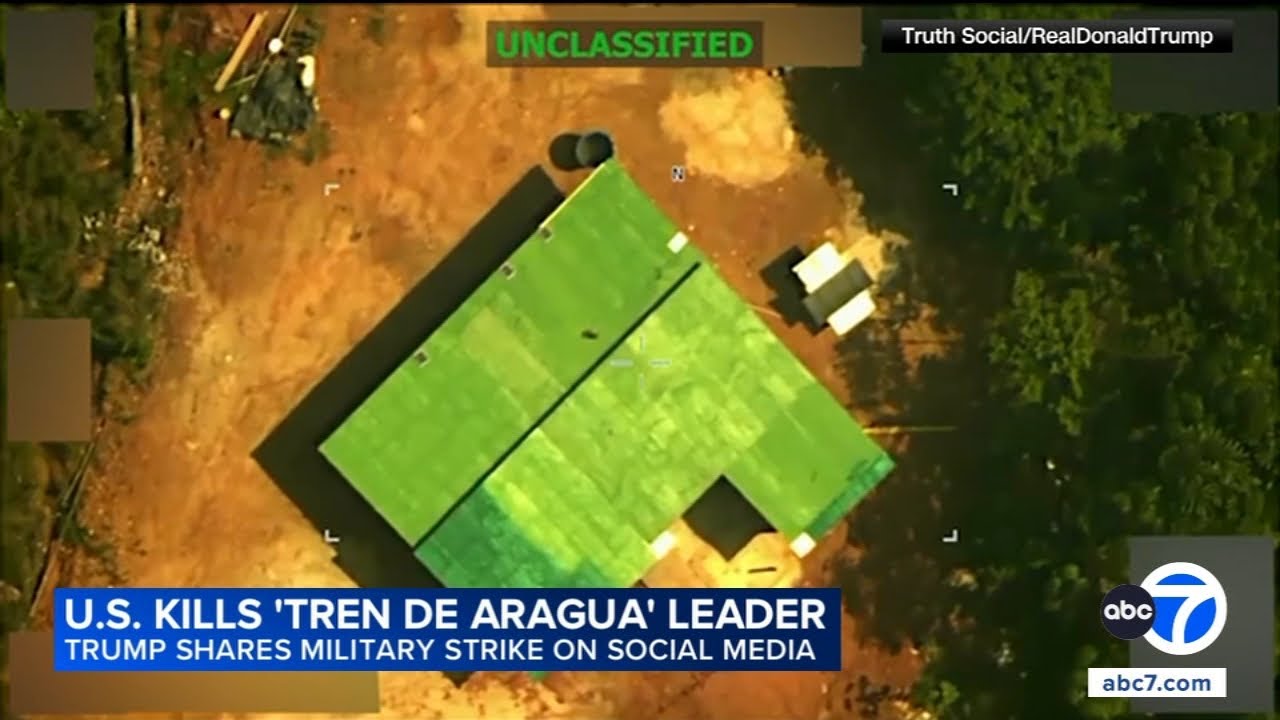
President Donald Trump announced Friday that the U.S. military killed Niño Guerrero, the leader of the Venezuelan gang Tren de Aragua, in what he called a "swift and lethal kinetic strike." Trump said he directed the United States Southern Command to carry out the operation, which took place earlier this week at a Tren de Aragua compound in Venezuela's Bolívar state. Trump posted a 10-second video of the strike showing a green building and nearby shed being destroyed, with debris scattering into the air.
U.S. Defense Secretary Pete Hegseth confirmed the strike on social media. Venezuelan authorities, led by the country's communication ministry, said the operation was a "combined operation" with the United States targeting organized crime.
The Target and His Network
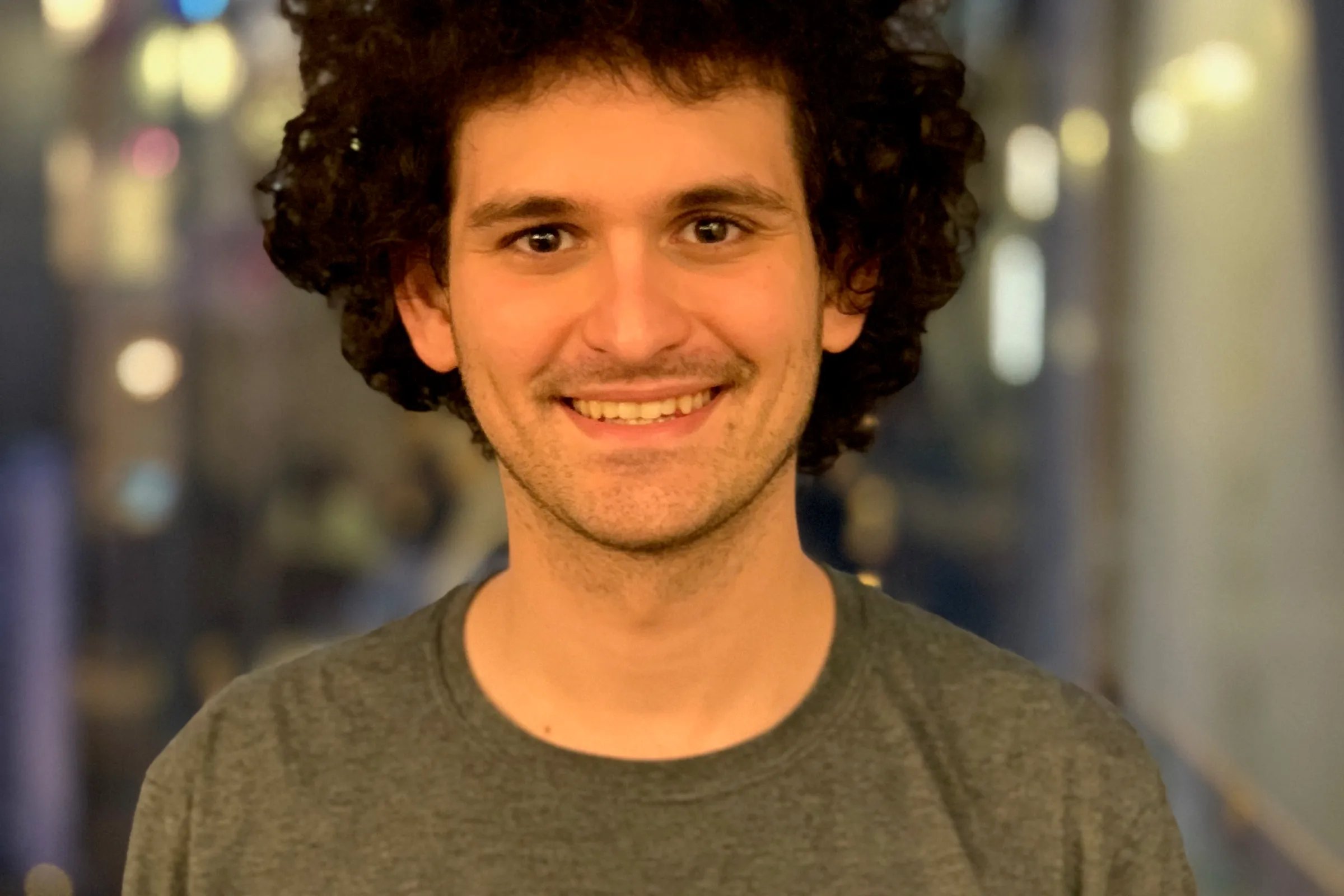
Guerrero's full name was Héctor Rusthenford Guerrero Flores, though he also went by "El Innombrable." In December, a grand jury in New York indicted him on charges of ordering, directing and facilitating acts of terrorism and violence in the U.S. The State Department had offered a $5 million reward for information leading to his arrest or conviction.
U.S. Attorney for the Southern District of New York Jay Clayton described Guerrero as "the mastermind of Tren de Aragua's evolution from a Venezuelan prison gang into a transnational terrorist organization that committed countless acts of violence, extortion, and drug trafficking all over North America, South America, and Europe." Under his leadership, the gang expanded into Colombia, Ecuador, Peru and Chile, diversifying from extorting migrants into sex-trafficking, contract killing and kidnapping. The gang now operates nodes in eight countries beyond Venezuela.
Guerrero spent years in and out of prison. In 2012, he escaped by bribing a guard and was rearrested in 2013. In September 2023, when then-President Nicolás Maduro sent 11,000 soldiers to storm the Tocorón Prison where Guerrero had transformed a jail into a leisure complex complete with a zoo, restaurants, nightclub, betting shop and swimming pool, Guerrero escaped again.
The Broader Military Campaign
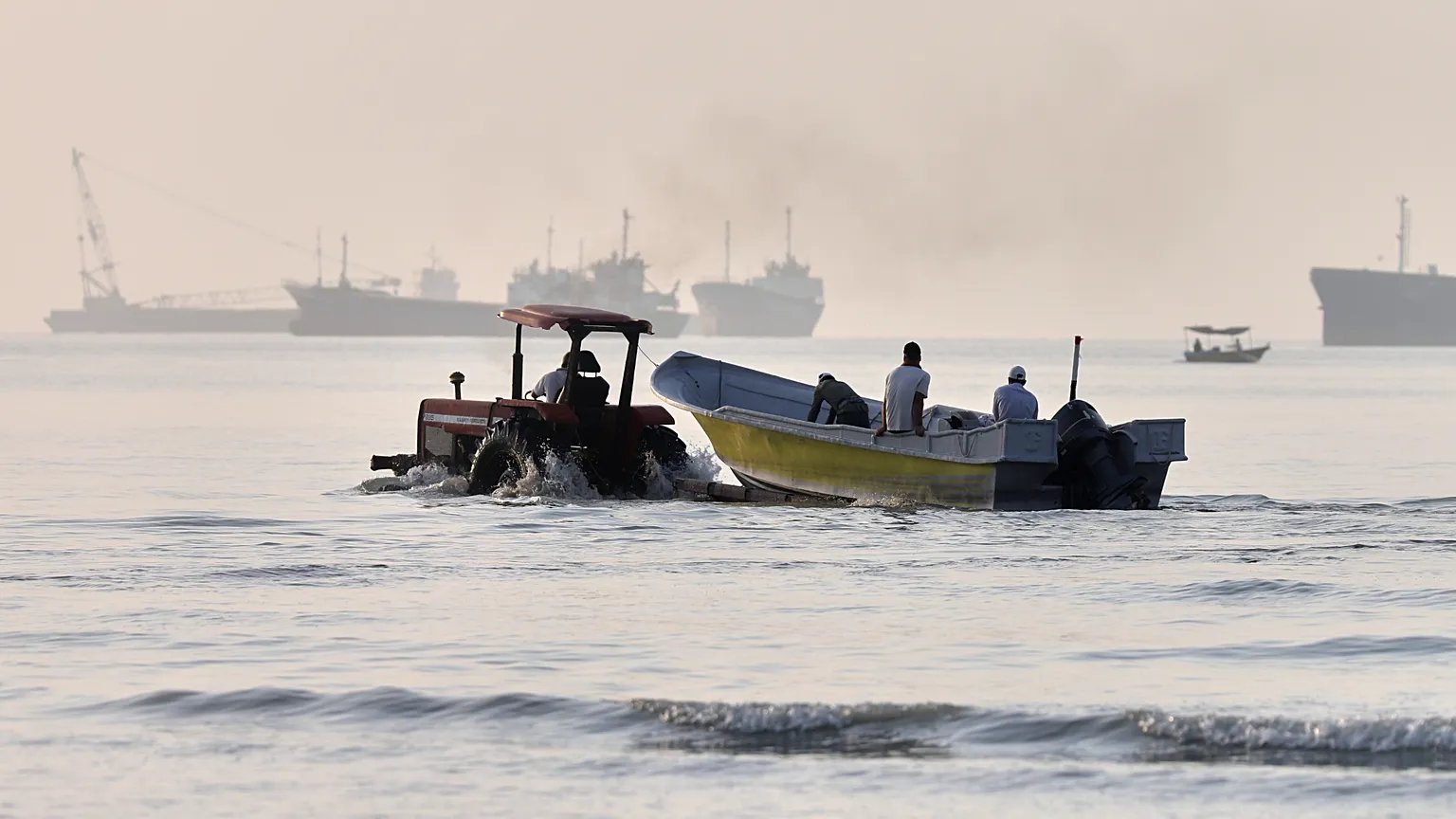
Trump's administration has increasingly deployed military force against drug cartels. Since September, U.S. forces have launched dozens of strikes on boats the administration says are part of drug-smuggling operations, killing more than 200 people it claimed were "engaged in narco-trafficking operations." Trump stated the action against Guerrero was "retribution" for what he claimed were deaths of American citizens at the hands of illegal immigrants he claimed are Tren de Aragua members.
The military campaign has drawn criticism from legal experts and human rights groups, who have questioned the legality of using military force against suspected traffickers and argued the strikes amount to extrajudicial killings. The military has not provided evidence that attacked boats were carrying drugs or drug smugglers. The Trump administration has said the killings are lawful, stating that the U.S. is in a formal armed conflict with drug cartels and that crews of drug-running boats are "combatants."
Venezuela's New Direction
Trump said the action was coordinated with Venezuelan leaders. Since the U.S. seized then-President Nicolás Maduro in January on criminal charges, the administration has sought to tighten ties with his successor, Delcy Rodríguez, lifting sanctions on her and pushing to collaborate on extracting Venezuela's oil reserves, which are the most plentiful on earth.