The Justice Department has signed off on Paramount Skydance's $110 billion acquisition of Warner Bros. Discovery, clearing the way for a merger that will unite two historic Hollywood studios and reshape the American entertainment industry. Two people familiar with the decision told NBC News that a formal announcement is expected.
The merger has faced opposition from Hollywood professionals and government regulators alike. Over 1,000 entertainment professionals warned in an open letter that the deal would "further consolidate an already concentrated media landscape, reducing competition." Entertainment professionals warned that the deal would reduce competition in an already concentrated media landscape. Legal challenges may arise from state attorneys general, with California Attorney General Rob Bonta and New York Attorney General Letitia James' offices reportedly investigating the tie-up.
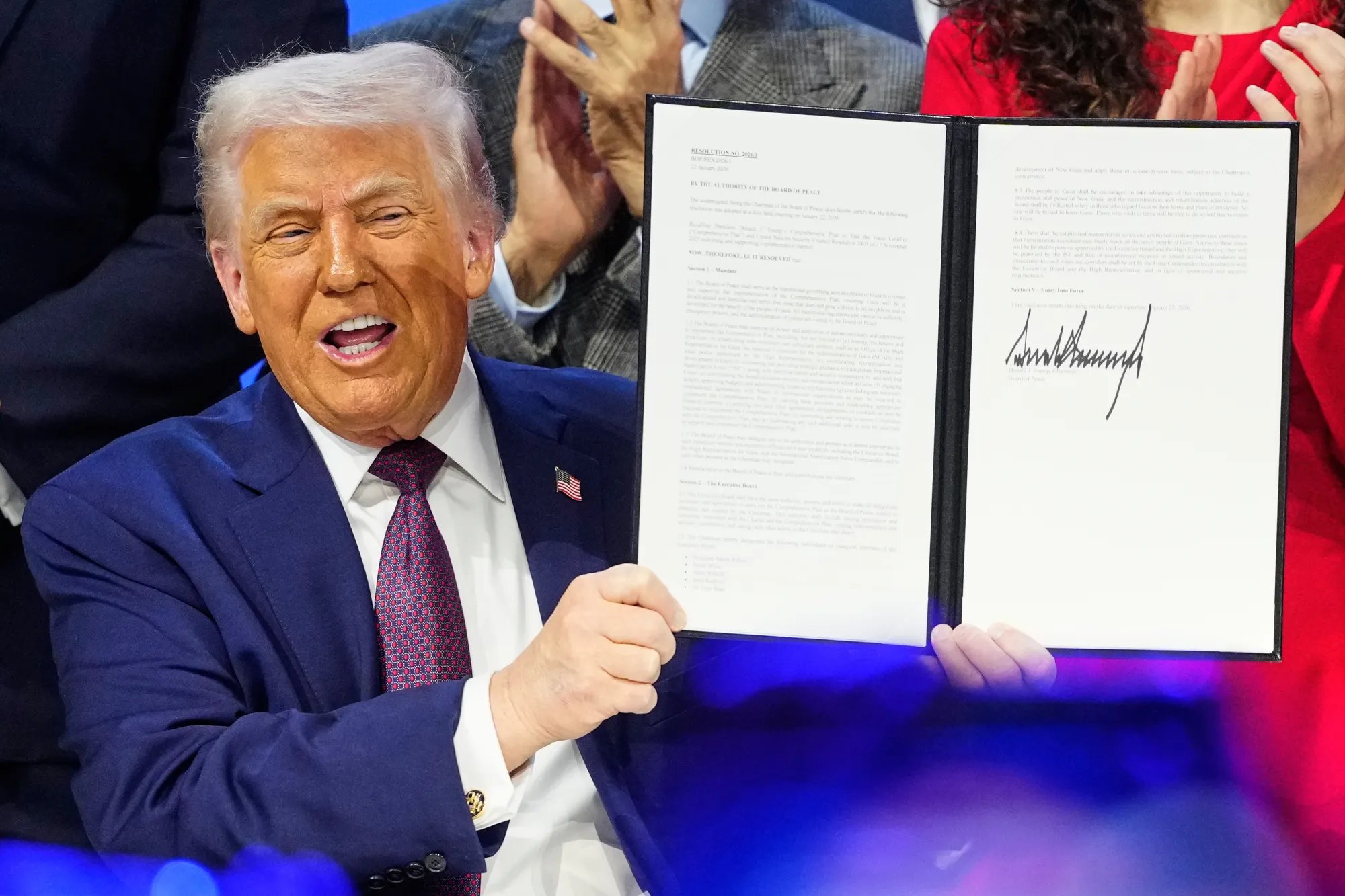
The acquisition would give billionaire David Ellison, a Trump ally, control of CBS News and CNN. Senator Elizabeth Warren criticized the Justice Department's decision, calling it "terrible news for every American" and urging state AGs to block the merger. The Justice Department, however, approved the deal after its antitrust review.
The European Union is also reviewing the merger, focusing on the financial backing from three Middle Eastern sovereign wealth funds: Saudi Arabia's Public Investment Fund, Abu Dhabi's L'IMAD Holding, and the Qatar Investment Authority. This international scrutiny adds another layer of complexity to the deal.
Ellison appointed conservative opinion journalist Bari Weiss as CBS News editor-in-chief. The merger has already prompted major shake-ups at CBS News, including the firing of multiple "60 Minutes" correspondents. The future of HBO and other Warner properties under new ownership remains uncertain, with the potential for a shift in content and direction that could affect audiences and the political discourse.
The approval of this mega-merger signals a changing landscape in the entertainment industry. Questions about media consolidation, political influence, and the future of news and entertainment remain as the deal moves forward.
The Justice Department has reportedly given its approval to Paramount Skydance’s $110 billion acquisition of Warner Bros. Discovery, allowing the merger to proceed. This deal, which unites two historic Hollywood studios, stands to reshape the American entertainment industry significantly. According to sources familiar with the matter, a formal announcement is expected soon.
The merger has faced opposition from Hollywood professionals and government regulators alike. Over 1,000 entertainment professionals warned in an open letter that the deal would “further consolidate an already concentrated media landscape, reducing competition.” This could have profound implications for diversity and choice in the media sector. Legal challenges may arise from state attorneys general, with California Attorney General Rob Bonta and New York Attorney General Letitia James' offices reportedly investigating the tie-up.
The acquisition, which would give billionaire David Ellison, a Trump ally, control of CBS News and CNN, carries political weight. Senator Elizabeth Warren criticized the Justice Department’s decision, calling it “terrible news for every American” and urging state AGs to block the merger. The potential impact on media neutrality and the political narrative is a matter of concern, especially considering Ellison's track record with CBS News.
The European Union is also reviewing the merger, focusing on the financial backing from three Middle Eastern sovereign wealth funds: Saudi Arabia’s Public Investment Fund, Abu Dhabi’s L’IMAD Holding, and the Qatar Investment Authority. This international scrutiny adds another layer of complexity to the deal.
The merger's impact on media content and independence is a significant concern. With Ellison at the helm, there have already been major shake-ups at CBS News, including the firing of multiple “60 Minutes” correspondents. The future of HBO and other Warner properties under new ownership remains uncertain, with the potential for a shift in content and direction that could affect audiences and the political discourse.
The approval of this mega-merger not only signals a changing landscape in the entertainment industry but also raises questions about media consolidation, political influence, and the future of news and entertainment. As the dust settles, the implications for content creators, consumers, and the political narrative will continue to unfold.
Highlighted text was flagged by the council. Tap to see feedback.