




Military Engagement Intensifies in the Strait of Hormuz
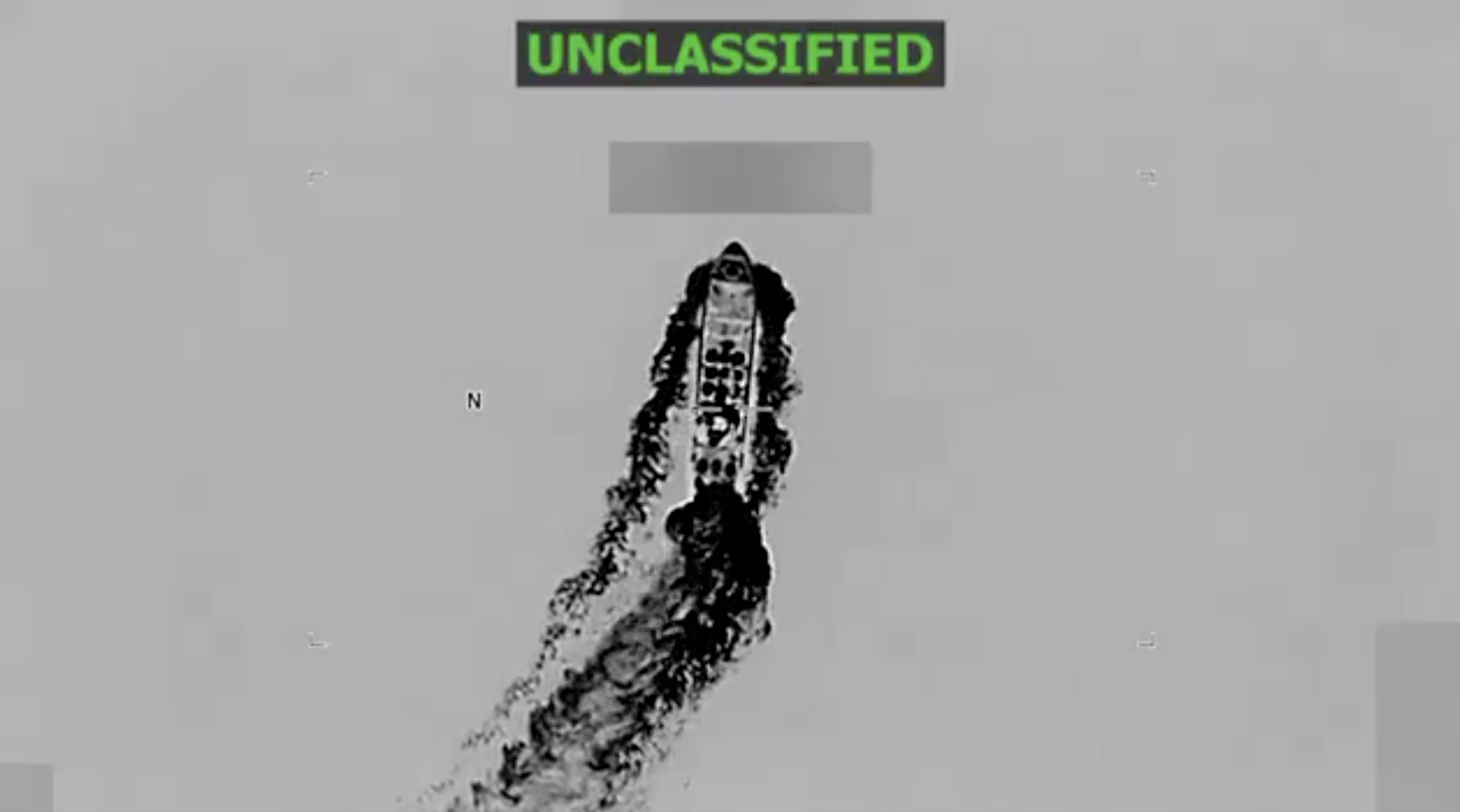
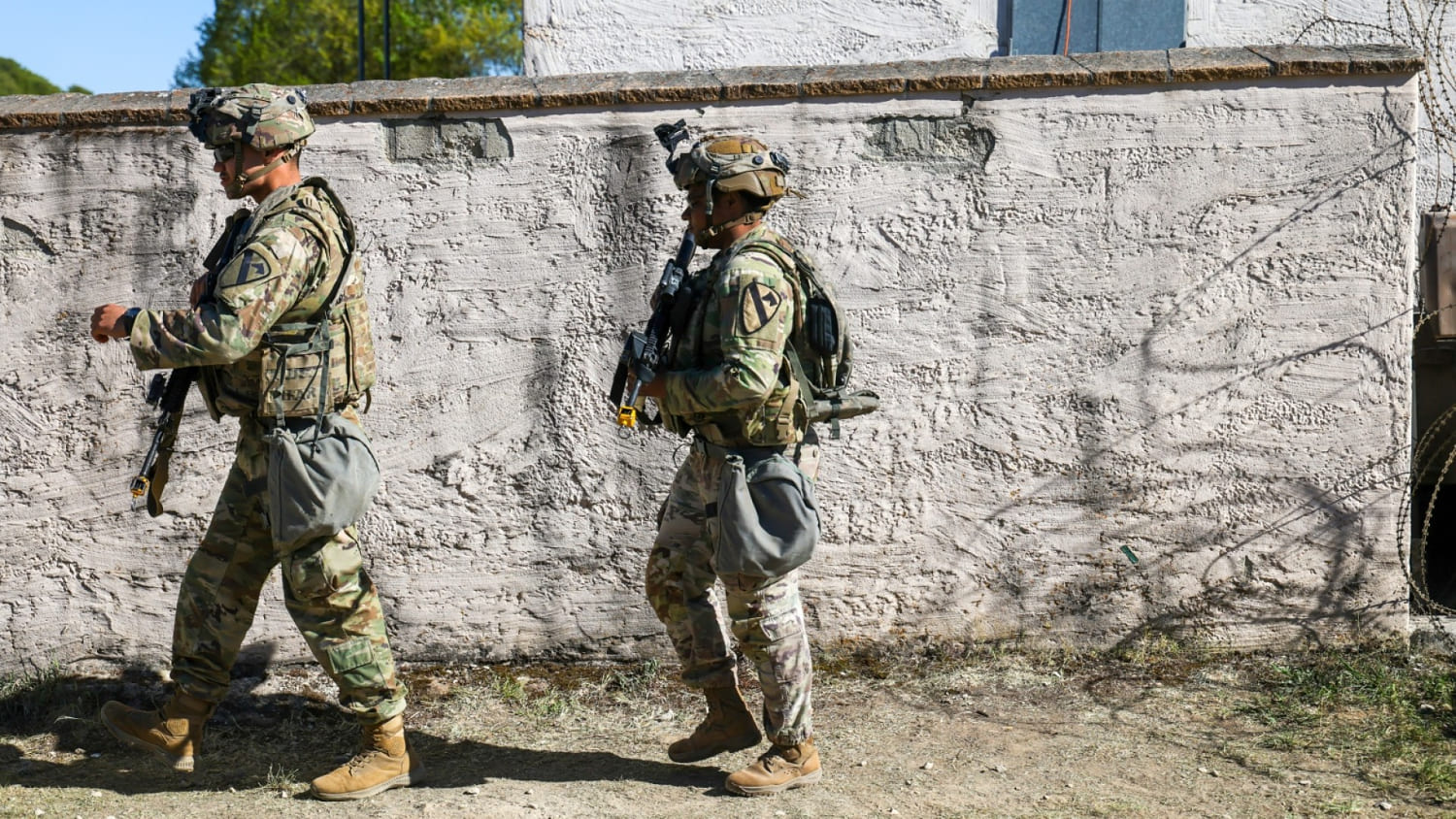
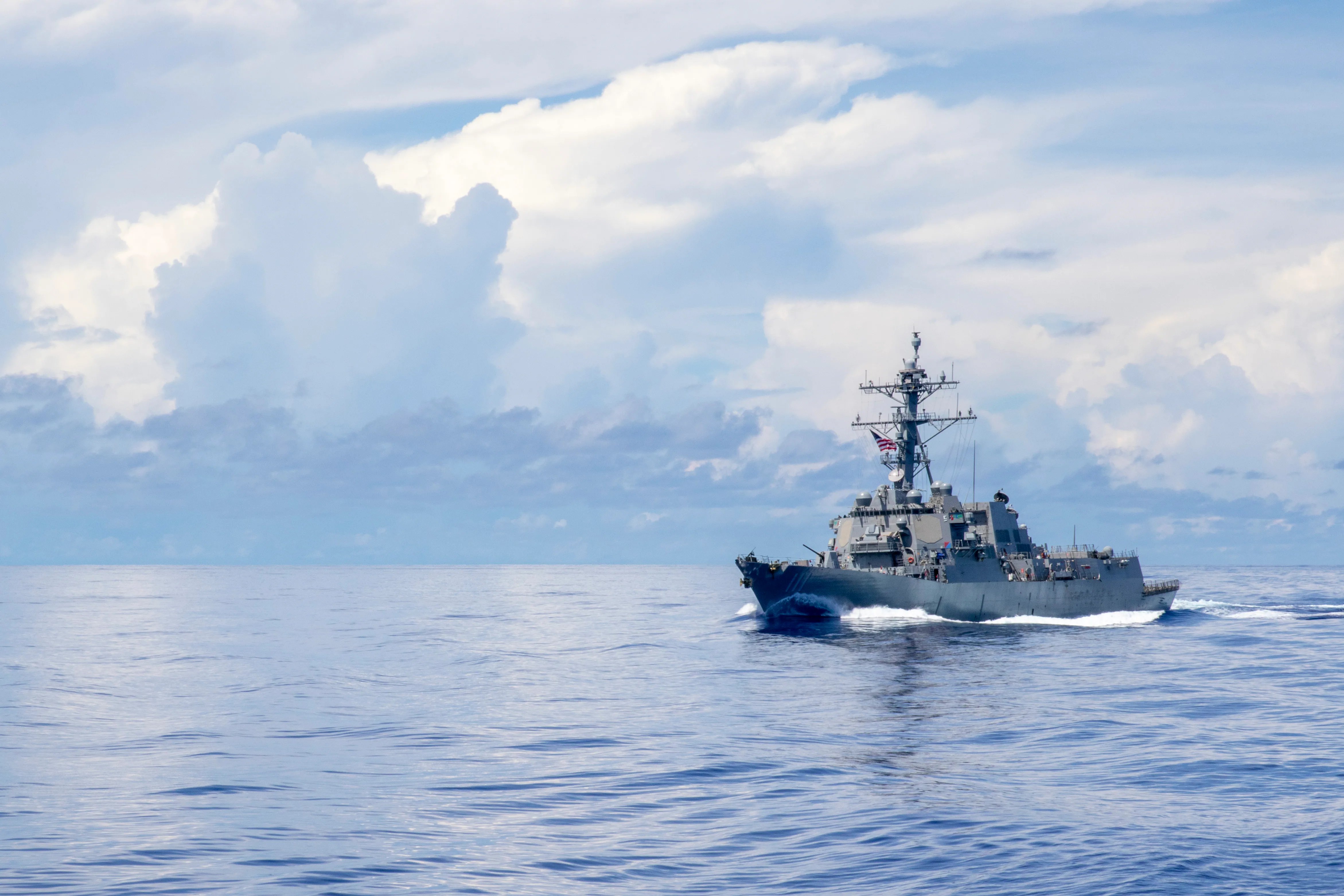
U.S. naval forces responded with self-defense strikes on Iranian targets following missile and drone attacks on three U.S. destroyers in the Strait of Hormuz. The U.S. Central Command (CENTCOM) confirmed that the USS Truxtun, USS Mason, and USS Rafael Peralta faced a more intense assault than earlier in the week, with Iranian forces launching multiple missiles and drones. Despite the severity of the attacks, no U.S. vessels sustained damage. CENTCOM stated it targeted Iranian launch sites, command centers, and intelligence nodes as retaliation for what it called "unprovoked" aggression.
Iran's Threat of Retaliation
Iran's military condemned the U.S. strikes as a violation of a ceasefire agreement, emphasizing that it would respond "powerfully and without the slightest hesitation" to any further attacks. Iranian state media reported explosions on Qeshm Island during the exchanges, framing the U.S. actions as escalating hostilities. Meanwhile, a U.S. official indicated that the recent exchange of fire did not mark a return to full-scale war, although tensions remain high.
Impact on Shipping and Global Markets
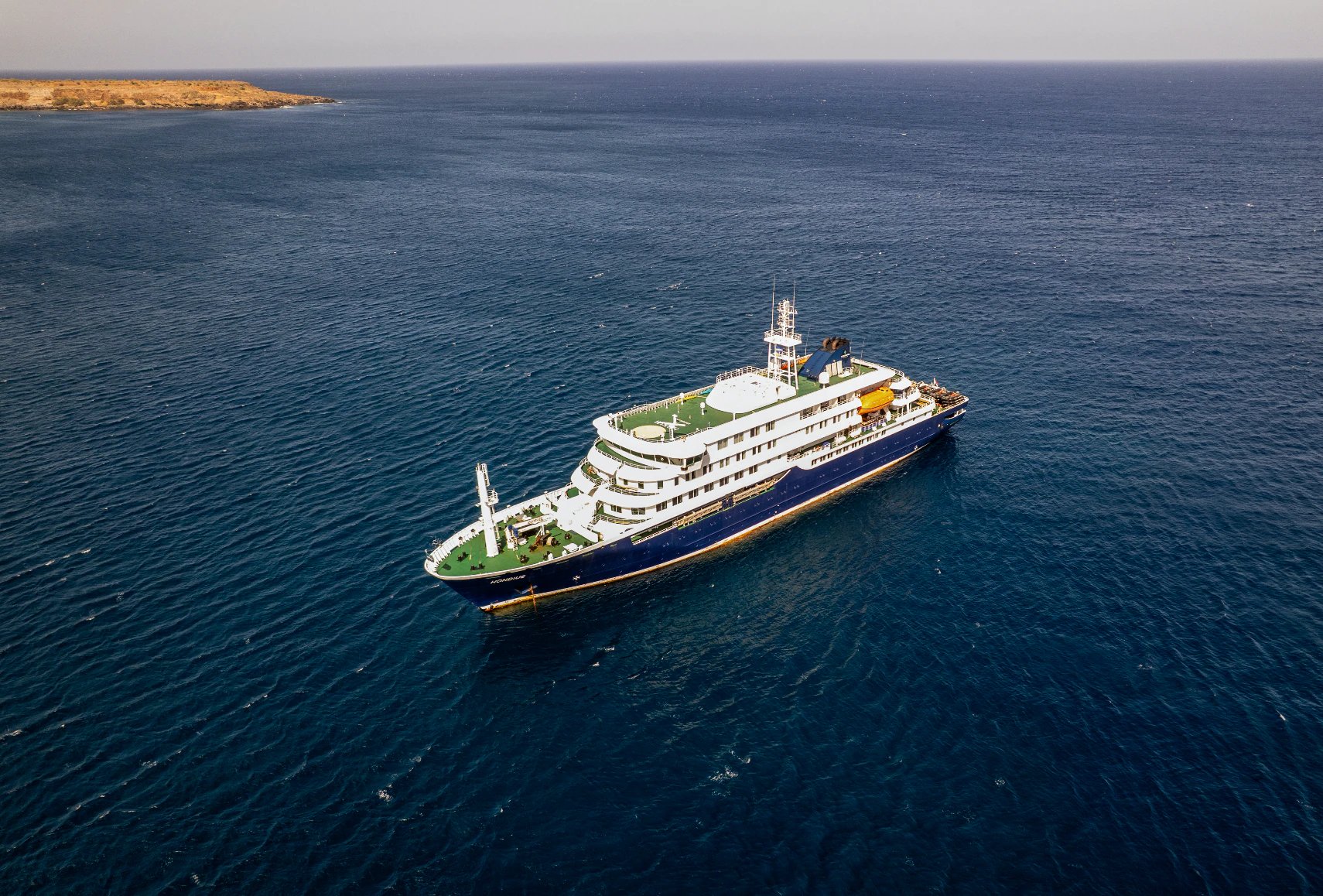
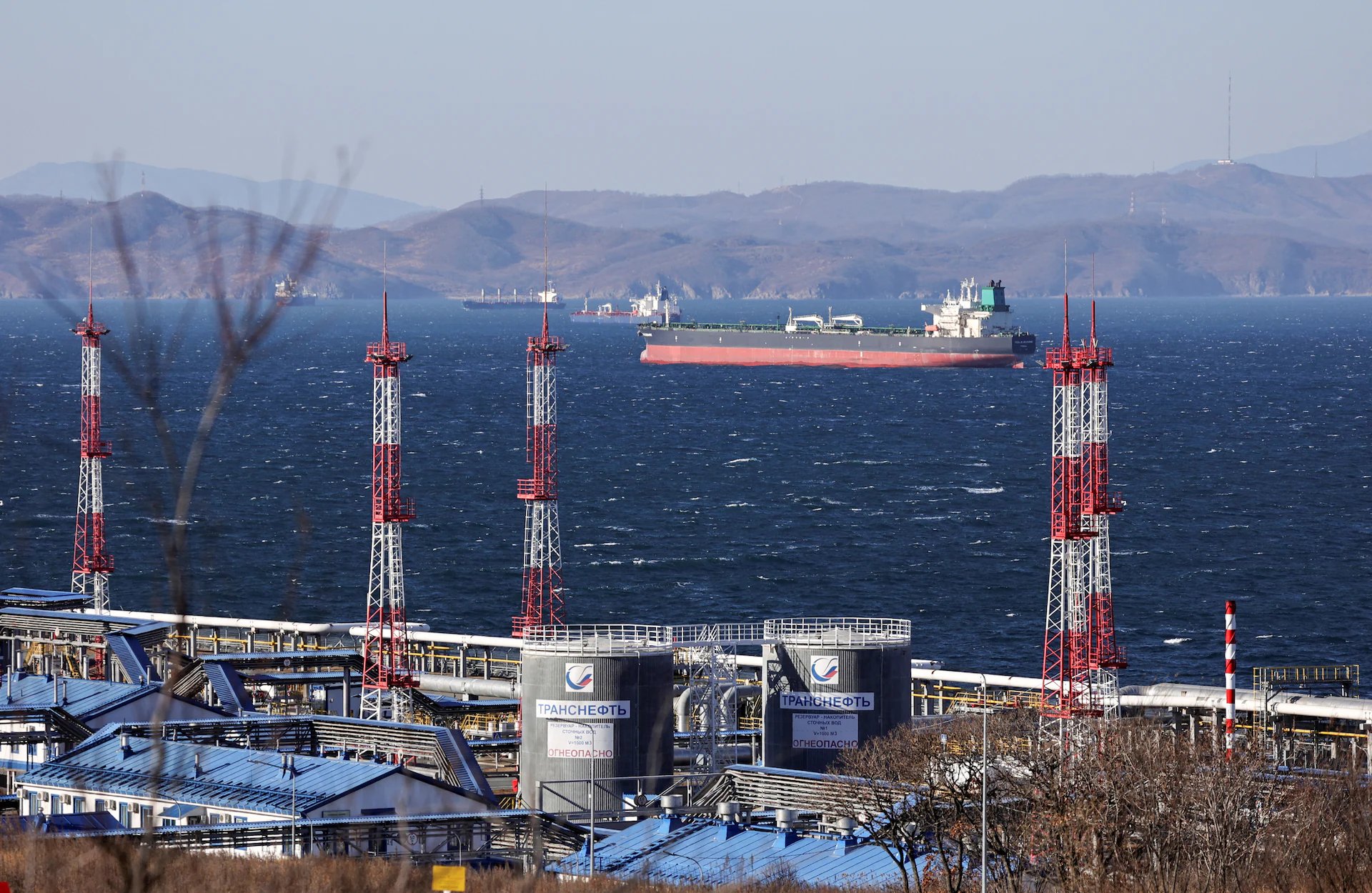
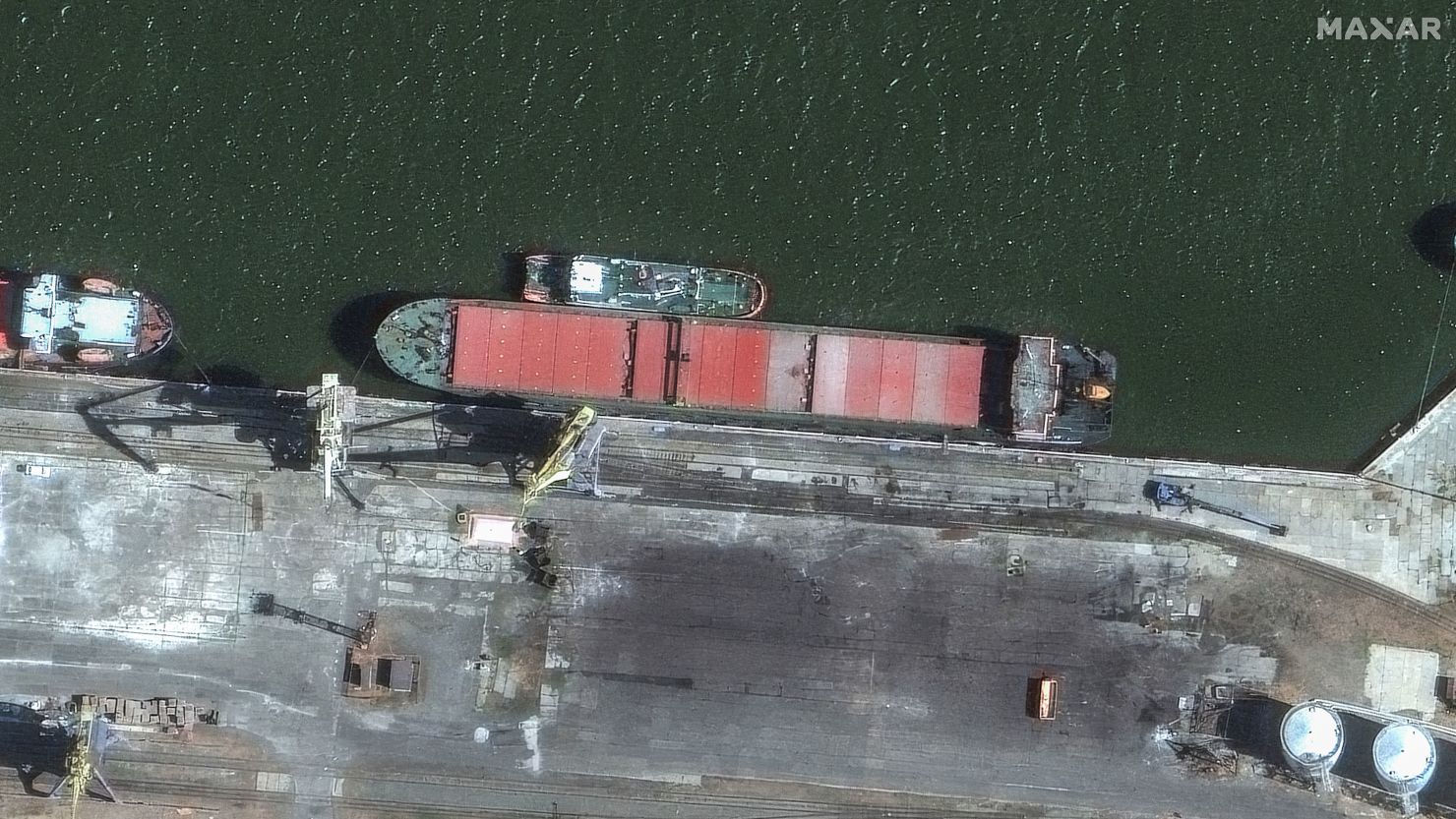
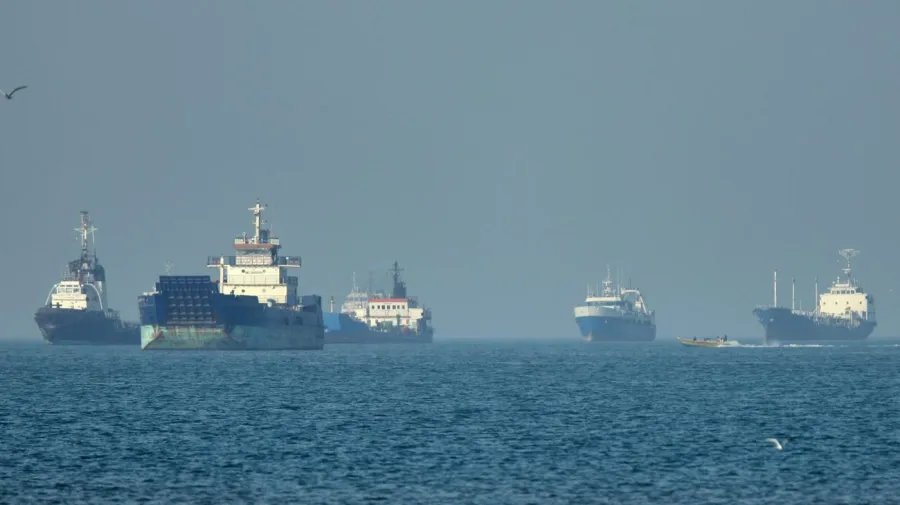
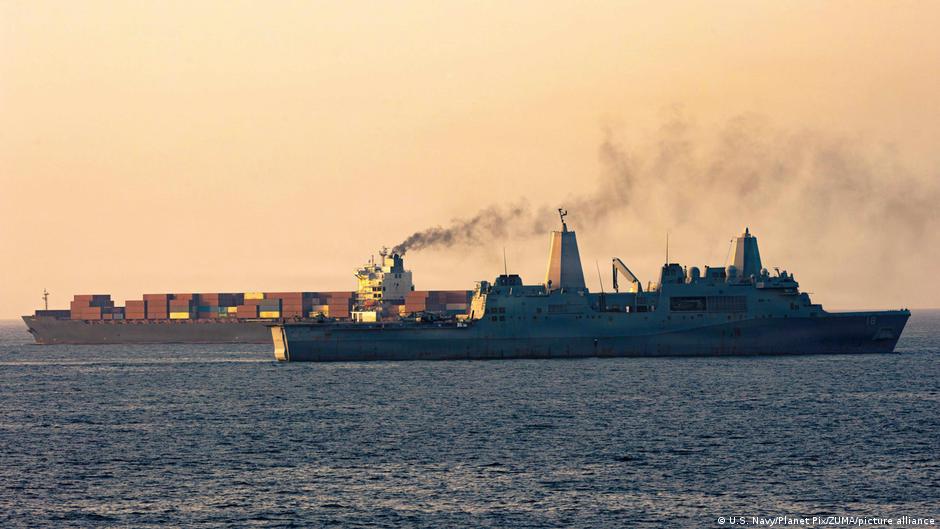
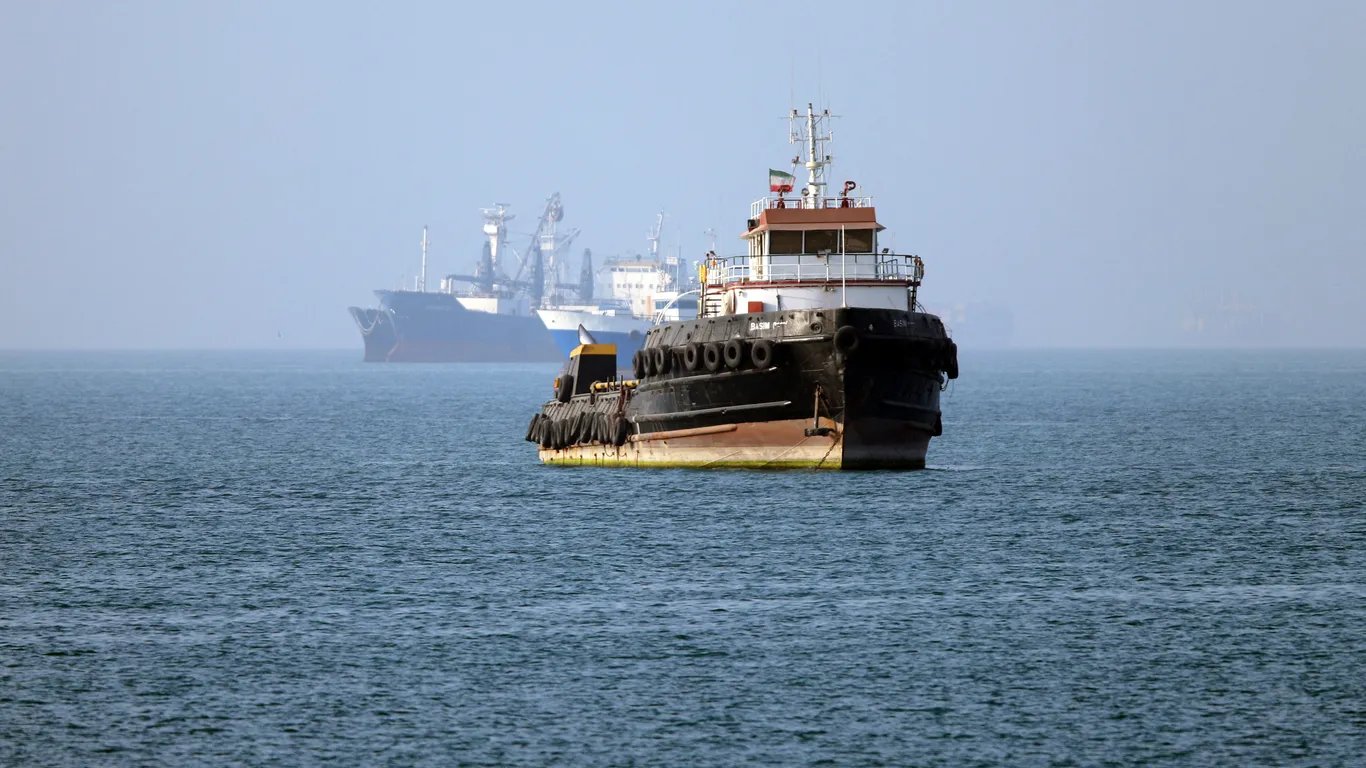
The ongoing conflict has led to significant disruptions in the Strait of Hormuz, a vital shipping lane for global oil transit. Approximately 1,500 ships and their crews are currently trapped due to an Iranian blockade, according to the U.N. International Maritime Organization. The CEO of Danish shipping giant Maersk noted that the conflict has nearly doubled fuel costs, which could lead to inflation and reduced demand in the latter part of the year. Oil prices have fluctuated recently, with Brent crude and West Texas Intermediate both dipping below $100.
Diplomatic Efforts Amid the Conflict
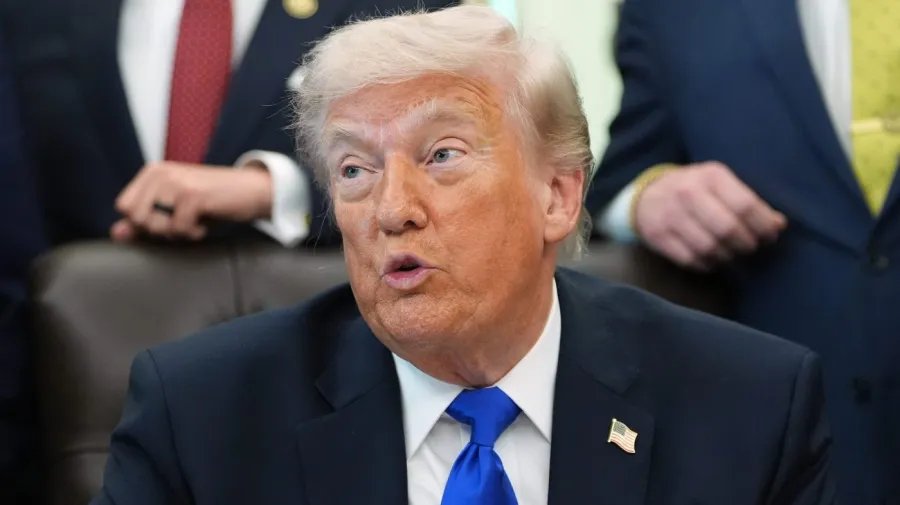
President Trump expressed optimism about potential negotiations to resolve the conflict, indicating that "very good talks" have occurred in recent days. He pointed to the possibility of a deal, suggesting that if Iran agrees to the terms, the war could conclude. However, Iran's foreign ministry has yet to respond officially to the latest U.S. proposals, stating they are still under review. The U.S. continues to enforce a blockade on Iranian vessels while maintaining that it seeks to protect American forces in the region.
Broader Implications for Regional Stability
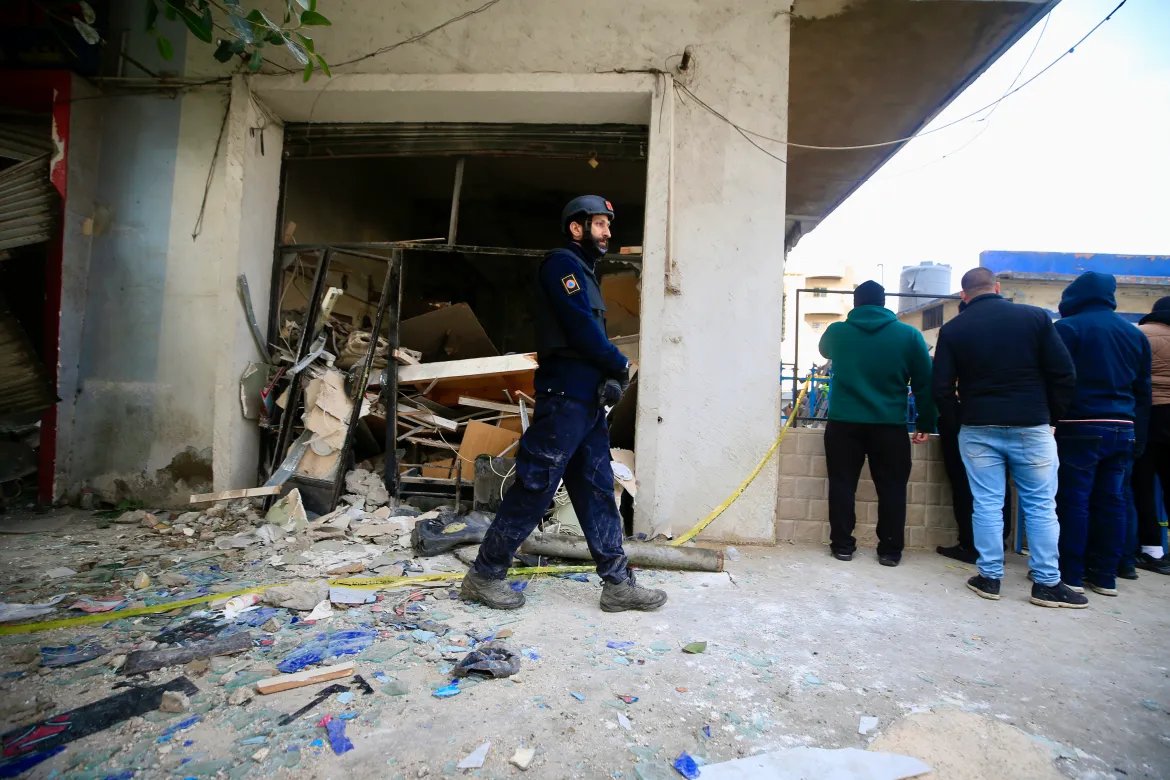
The situation in the Strait of Hormuz has raised concerns about broader regional stability, with ongoing conflicts involving Iranian-backed groups in Lebanon and elsewhere. Israeli airstrikes targeting Hezbollah leaders have intensified tensions, complicating U.S. diplomatic efforts. French President Emmanuel Macron recently condemned Iranian attacks on civilian infrastructure and called for immediate de-escalation from both the U.S. and Iran.
Economic Effects on American Consumers
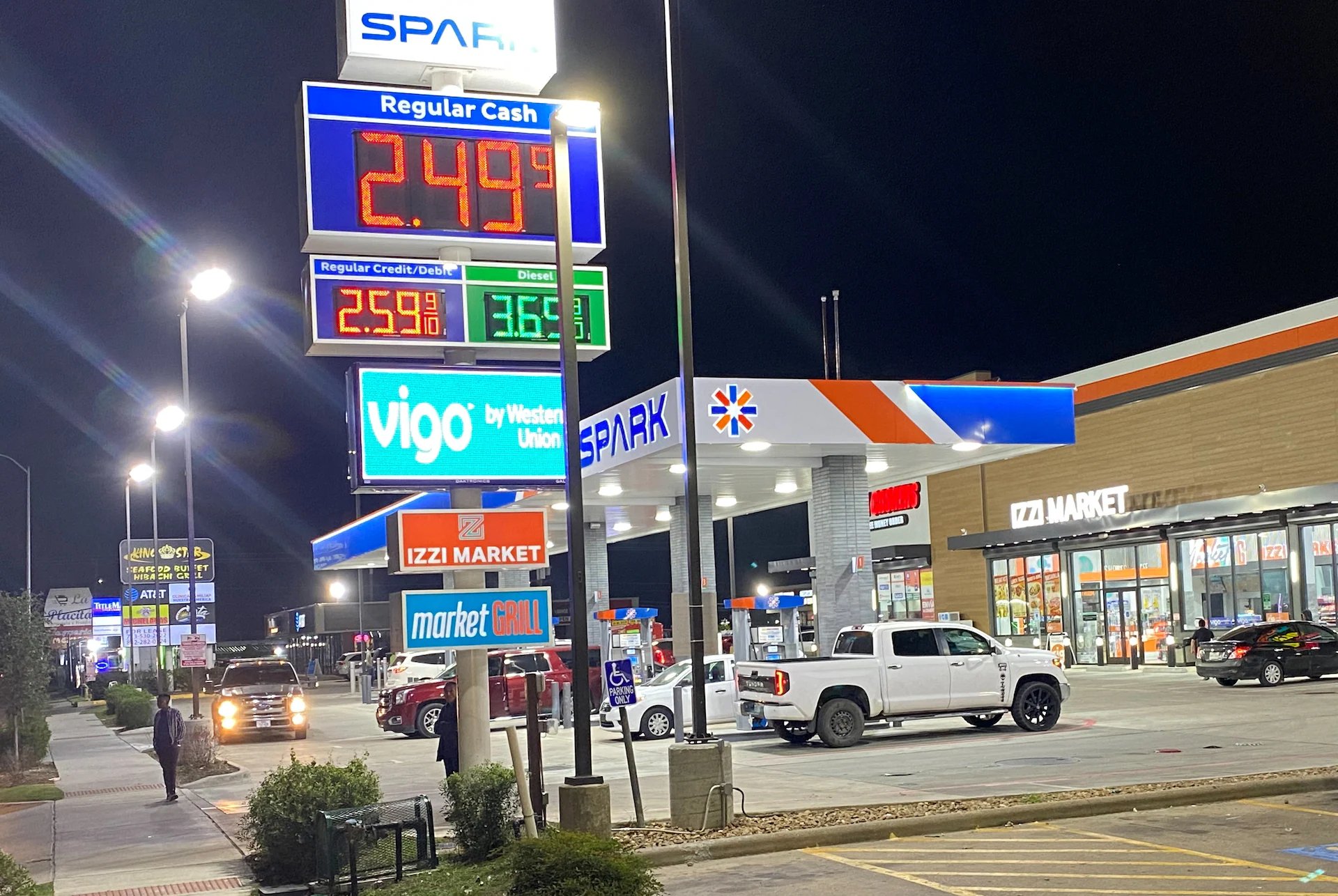
As the conflict continues, American consumers are feeling the impact at the pump. Gasoline prices surged to an average of $4.54 per gallon, marking a 52% increase since the start of the Iran war in late February. Rising fuel costs are raising concerns about inflation and its potential effects on consumer spending. The White House has acknowledged these concerns, with officials stating they anticipated short-term disruptions and have plans to mitigate their impact.
Next Steps in U.S.-Iran Relations
While diplomatic efforts are ongoing, the situation remains fluid. Trump has indicated that there is no set deadline for negotiations but expressed confidence that a resolution could be reached. The U.S. continues to monitor the situation closely, with CENTCOM remaining poised to protect American interests in the region. As both sides navigate this complex landscape, the potential for a ceasefire or renewed conflict hangs in the balance, impacting not just military strategy but also global economic stability.