Legal Pause on Tariffs
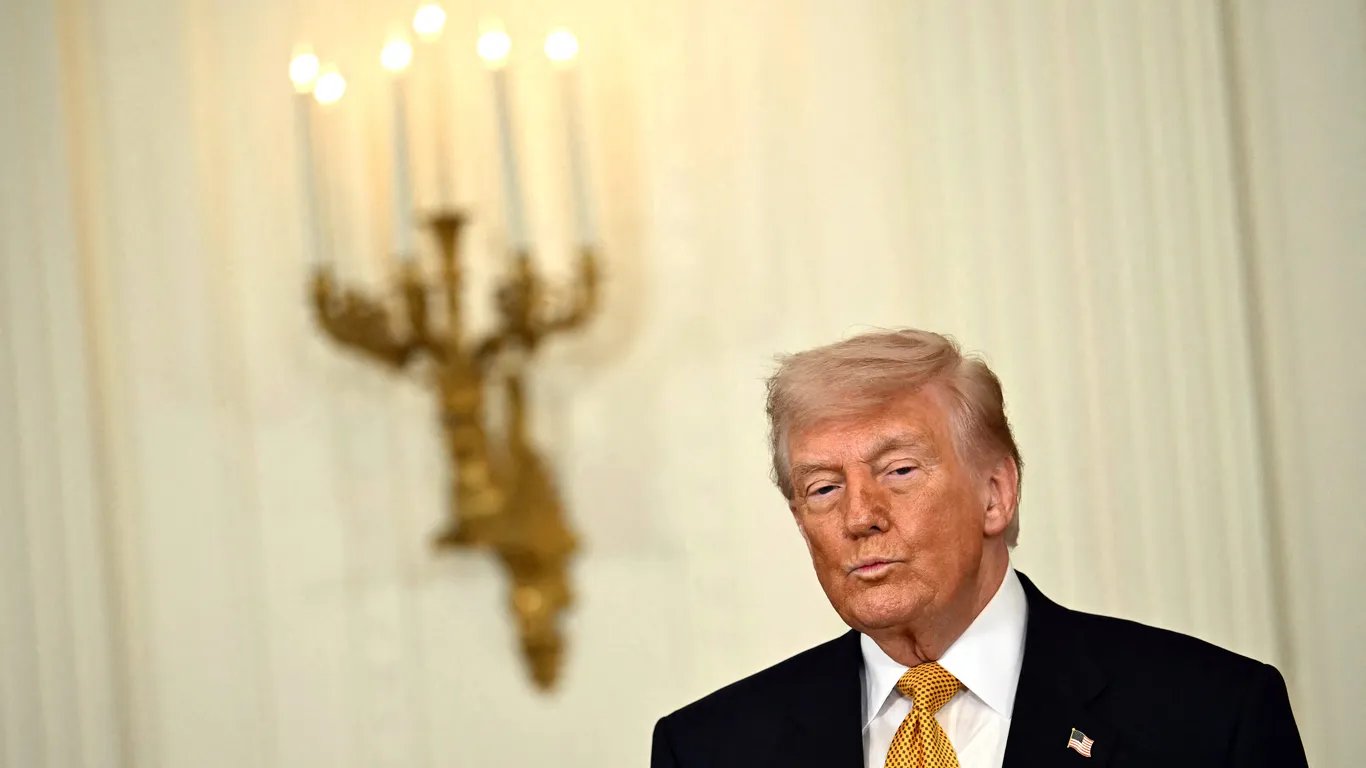
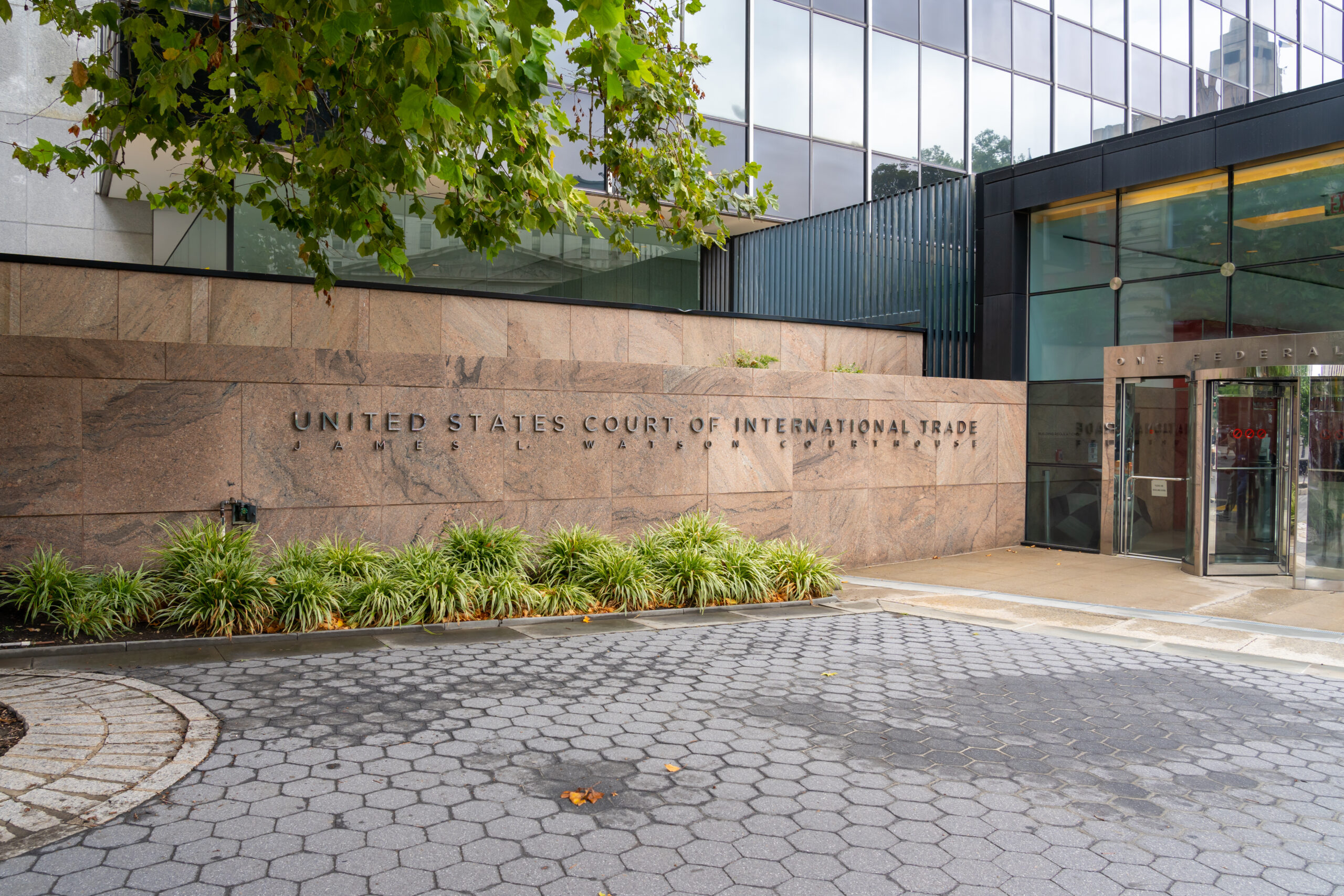
A federal appeals court has temporarily paused a lower court's order that deemed President Donald Trump's global 10% tariffs unlawful. The U.S. Court of Appeals for the Federal Circuit issued an administrative stay on May 12, allowing the court time to consider the implications of the ruling before making a long-term decision. The stay follows a decision from the Court of International Trade, which found the tariffs illegal, similar to previous tariffs blocked by the Supreme Court.
Economic Ramifications for Businesses
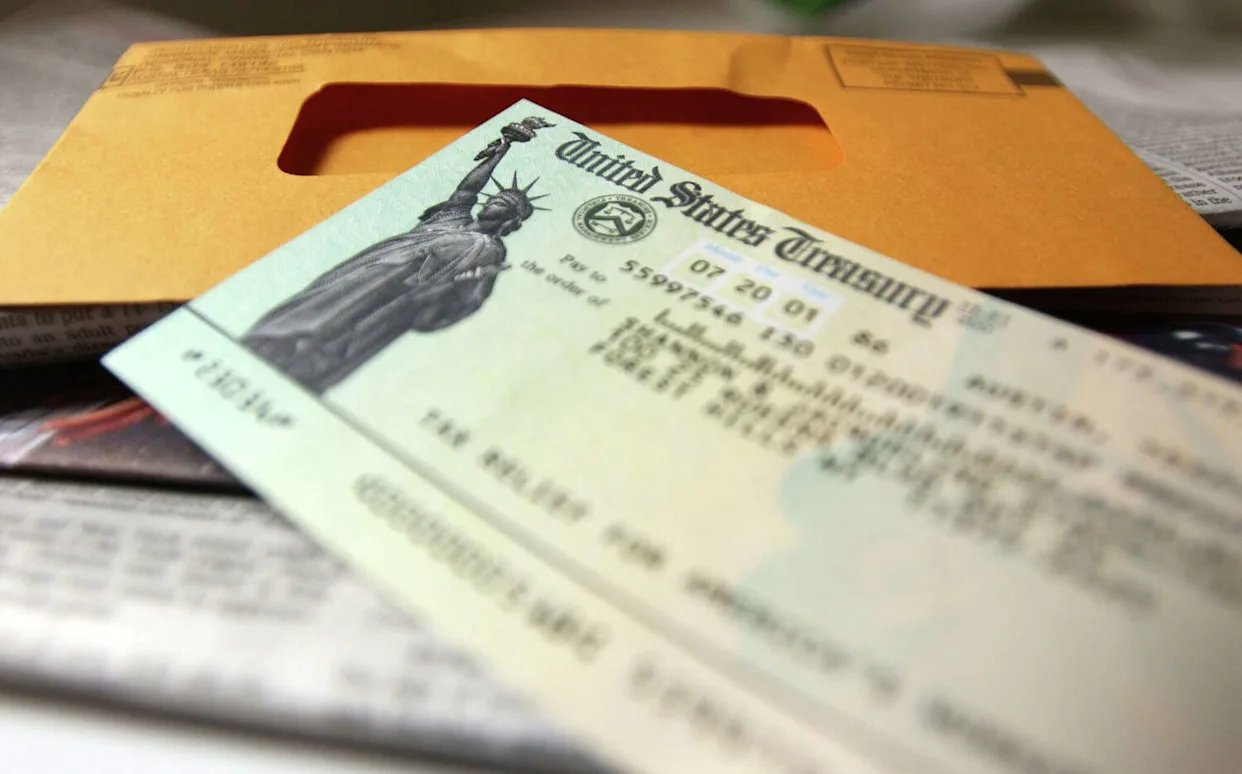
The pause in tariff enforcement comes amid significant economic implications. The government must return approximately $160 billion, plus interest, collected from these tariffs if the lower court's ruling is upheld. This financial burden could heavily impact businesses involved in international trade, particularly those that have relied on the tariffs for revenue. Some businesses have already started receiving refunds linked to these tariffs, indicating a shift in the trade landscape that could further complicate economic conditions.
Construction Projects on Hold
The uncertainty surrounding the tariffs has led to significant hesitations in investment decisions. Uline, a shipping and business supplies company owned by prominent Trump supporters Richard and Elizabeth Uihlein, has paused the construction of a new distribution facility in Kenosha, Wisconsin. Uline cited "current economic conditions" as a primary reason for the halt, emphasizing the broader economic uncertainty affecting key battleground states. The company's decision reflects how the tariff situation is influencing major development projects amid fluctuating market conditions.
Political Pressure and Congressional Responses
The legal battle surrounding the tariffs is not occurring in isolation. More than 30 members of Congress have expressed concerns regarding Trump's administration's broader economic policies, particularly regarding potential military actions in Cuba. This coincides with rising tensions related to Trump's trade policies, as lawmakers warn that aggressive actions could exacerbate humanitarian crises and migration issues. The interplay between tariffs and foreign policy continues to create a complex political landscape that could further impact economic stability.
Future of Trade Policy Uncertain
As the appeals court deliberates, the future of Trump's tariffs remains uncertain. The court has yet to take a definitive stance on the merits of Trump's appeal, leaving businesses and lawmakers awaiting clarity on trade rules. The outcome could redefine the economic landscape, particularly for industries reliant on international trade. Stakeholders are closely monitoring the situation, aware that the implications of the court's eventual ruling could resonate far beyond immediate financial concerns.
Implications for American Workers
The ongoing legal disputes and economic uncertainties surrounding the tariffs will likely have direct consequences for American workers. Industries that depend on imports or exports may face rising costs or reduced competitiveness, potentially leading to job losses or wage stagnation. As the appeals court considers the future of the tariffs, workers in affected sectors may find their livelihoods hanging in the balance, underscoring the urgent need for a resolution in this contentious trade issue.