




Death toll mounts across continent
The World Health Organization linked more than 1,300 excess deaths to Europe's record-breaking heatwave since June 21, with WHO chief Tedros Adhanom Ghebreyesus warning that the continent faces a public health crisis. France alone reported approximately 1,000 additional deaths since June 24, with 85 percent of those fatalities among people aged 65 and older. The French Health Ministry noted a 40 percent spike in deaths at home, calling attention to isolated and vulnerable populations who lack access to cooling.
Ghebreyesus described heat stress as the "silent killer," stating that "European homes, workplaces and schools were not built for these temperatures." He emphasized that Europe is the fastest-warming continent on Earth, heating at twice the global average, and called on countries to implement heat health action plans to protect citizens.
Record temperatures continue eastward
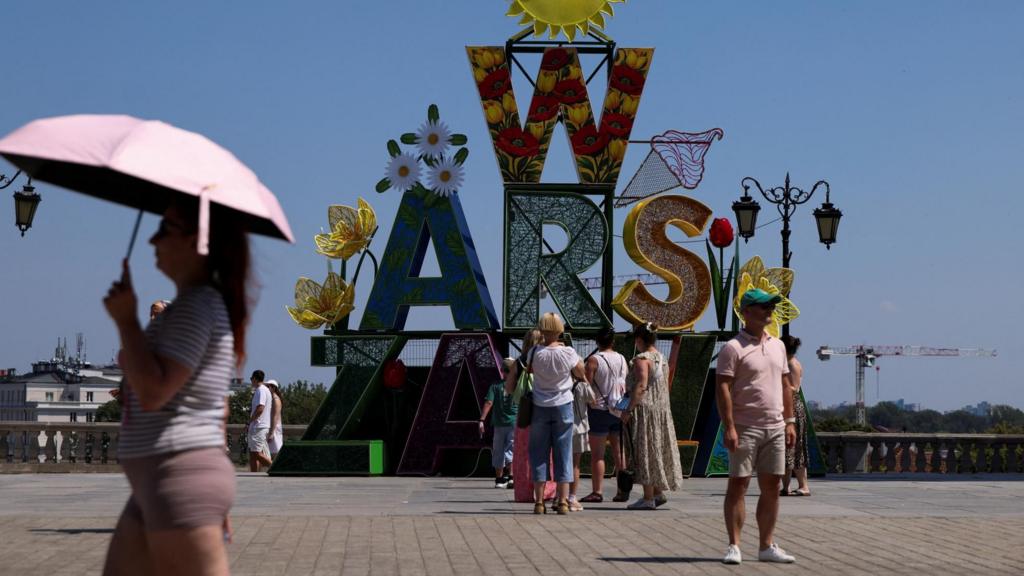
Germany recorded its third consecutive daily temperature record on Sunday, with a provisional reading of 41.7°C in Coschen, a rural settlement in Brandenburg near the Polish border. The Czech Republic broke its heat record for the second time in two days, reaching 41.1°C at Doksany north of Prague. Poland set an all-time record of 40.5°C in the town of Slubice on the German border.
At least 191 million Europeans faced temperatures of 35°C or higher on Sunday as the heat dome shifted eastward. A village in eastern Germany, Kubschütz in Saxony, experienced the nation's highest overnight low temperature on record at 29.4°C, preventing residents from finding relief even after sunset.
Cascading infrastructure failures
The extreme heat damaged critical infrastructure across the continent. Leipzig's tram system halted operations throughout the weekend after temperatures melted asphalt and bitumen, clogging tracks and points in multiple locations. The Leipzig Transport Authority said it was unsafe for trains to operate until early Monday morning, though buses continued running largely on schedule in the city of over half a million people.
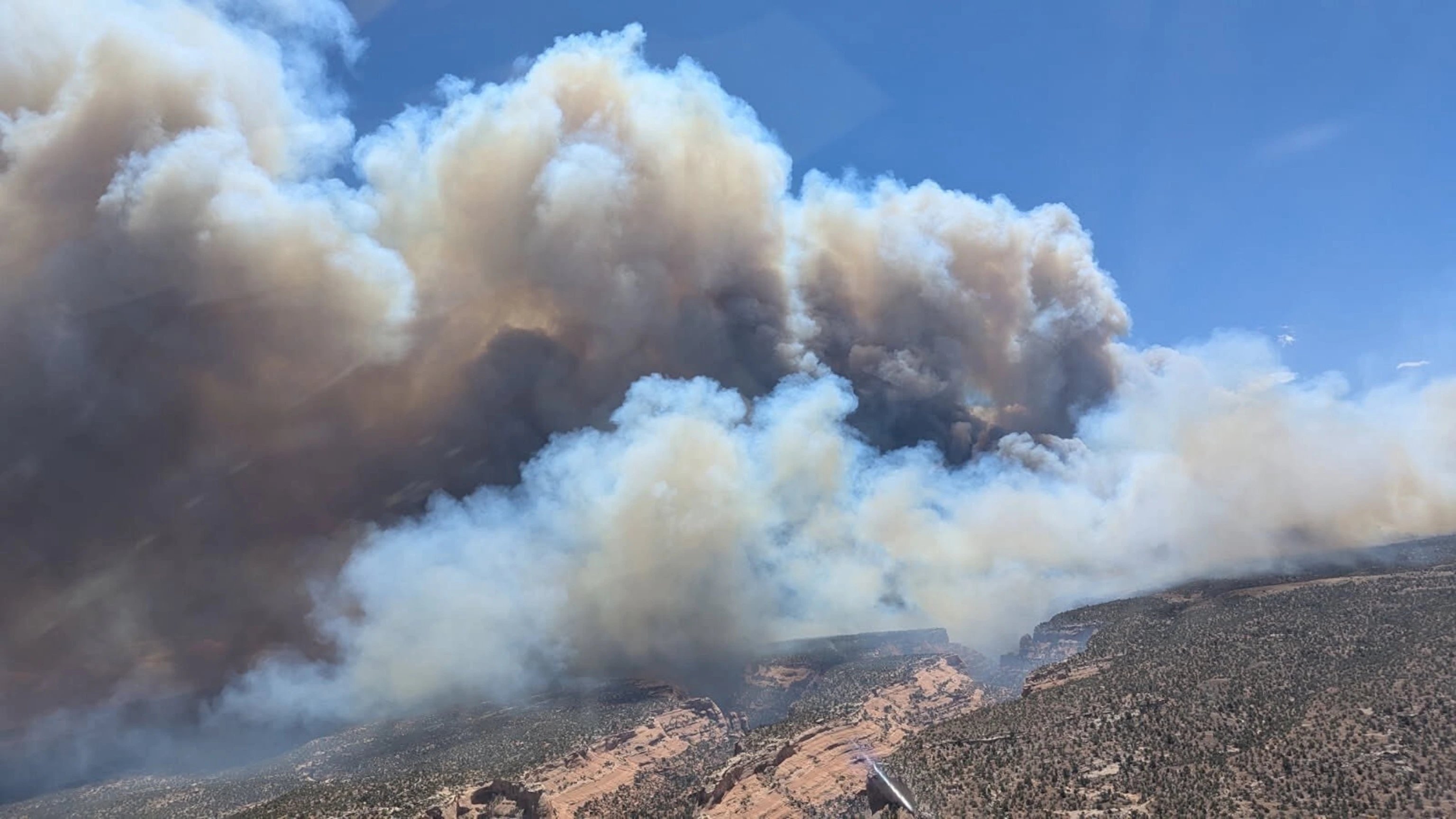
Two nuclear reactors in Switzerland were taken offline after the Aare River became too warm to cool them. Forest fires broke out across Germany, with one blaze near Bad Kreuznach in Rhineland-Palatinate threatening military training areas containing unexploded munitions. Local authorities evacuated residents within a one-kilometer radius to emergency shelters.
Drowning deaths spike as people seek relief
At least seven people drowned in German lakes and rivers over the weekend as extreme heat drove residents to water for cooling. A 42-year-old man died in the Jungfernheideteich lake in western Berlin, while a 51-year-old was found at Tempelhofer urban harbor. In Baden-Württemberg, a 27-year-old drowned in the Neckar River near Heidelberg and a 30-year-old died in a lake near Mannheim. An 8-year-old was found in a lake near Hanover, and a child went missing in the Rhine-Herne Canal in western Germany. Two elderly swimmers recovered from Lake Constance had disappeared after jumping from a rental boat.
France reported at least 55 drowning deaths, with approximately two-thirds occurring in unsupervised areas.
Climate change accelerated the crisis
Scientists from the World Weather Attribution group concluded that a heatwave of this magnitude so early in the summer would have been virtually impossible 50 years ago without human-caused climate change. Tedros warned that "once-in-a-generation" heatwaves are now occurring nearly annually, driven by climate change and global warming.
Spain's MoMo monitoring system recorded 327 heat-related deaths between Sunday and Thursday. Denmark recorded its highest temperature since records began in 1874, with 37°C in Odum near Aarhus. Switzerland broke its record for the hottest June day for the third consecutive day, reaching 39°C in Basel.
Calls for infrastructure investment
Katharina Dröge, co-leader of Germany's Greens, called for rapid installation of air conditioning in hospitals, care facilities, daycares, and schools, paired with solar power systems. She advocated using Germany's special infrastructure fund to accelerate the program, arguing that high daytime solar radiation during heatwaves made solar-powered cooling particularly efficient. Germany currently generates roughly twice as much electricity from wind as from solar power.