




Agreement Details and Objectives
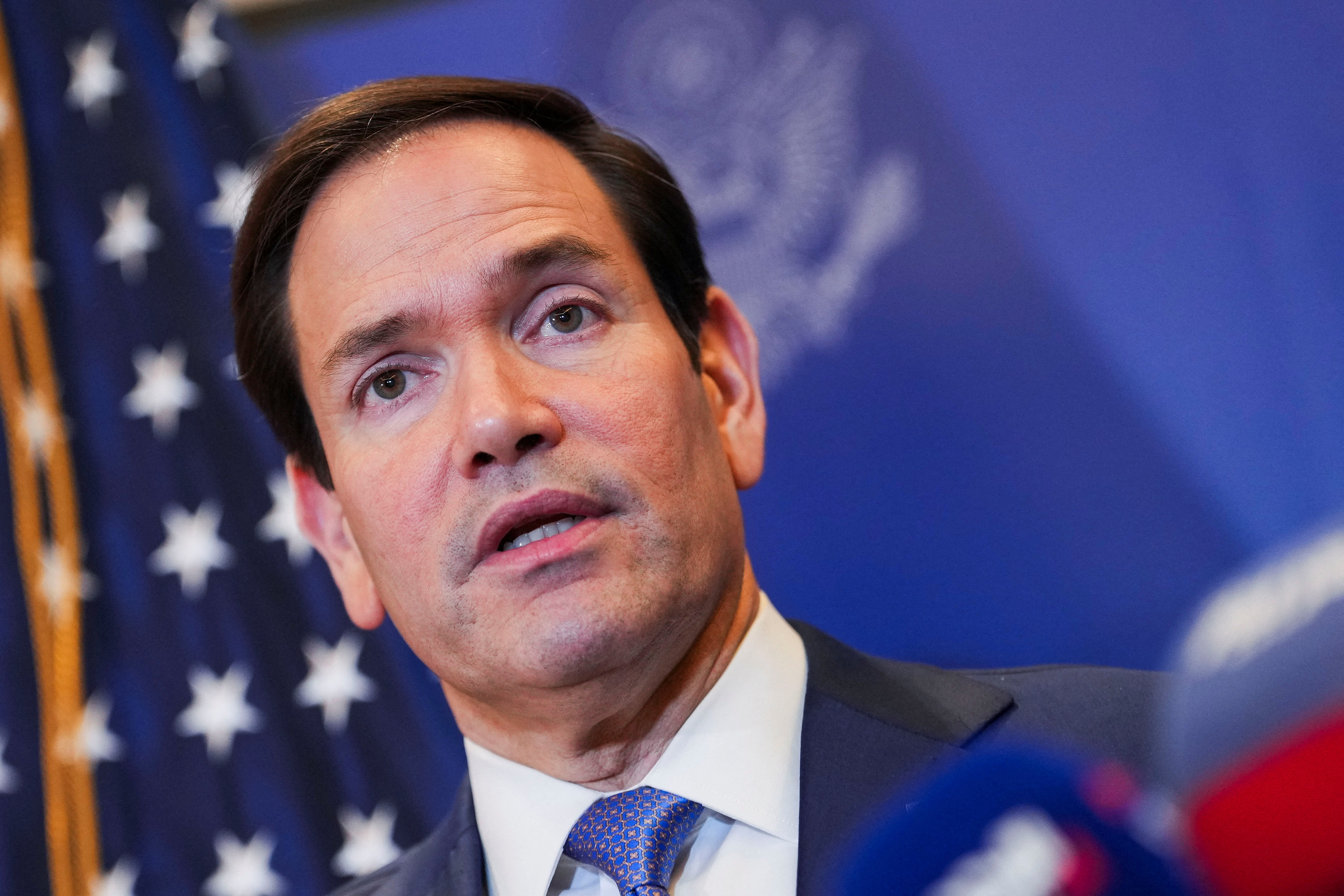
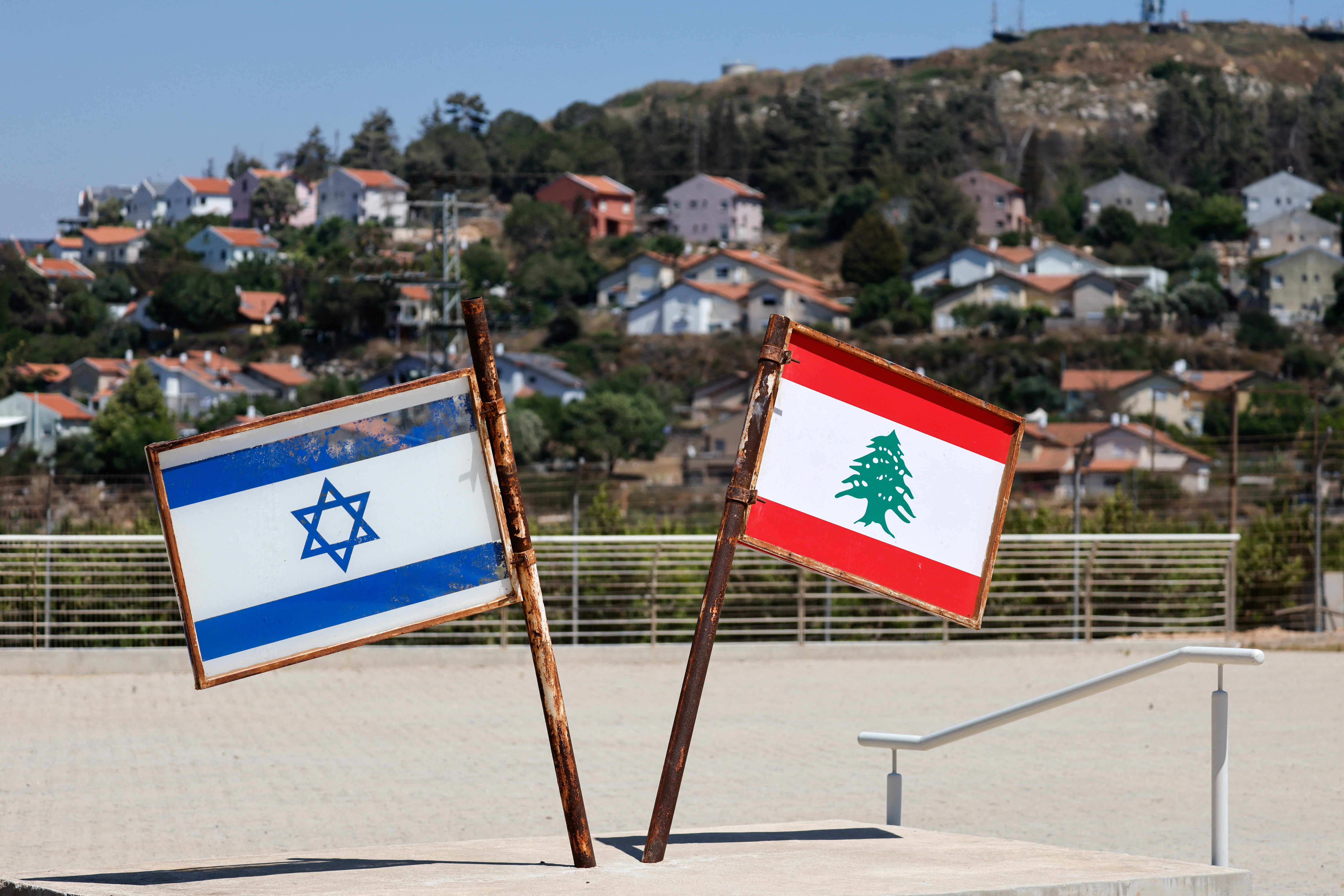
On June 26, U.S. Secretary of State Marco Rubio announced a trilateral framework agreement between the U.S., Israel, and Lebanon aimed at reshaping regional dynamics and diminishing Iran's influence, particularly through its support for Hezbollah. The agreement came after three days of intense negotiations in Washington. Spanning 14 points, it emphasizes mutual recognition of each country's right to peace and security, while laying out a process for the Lebanese Armed Forces to restore authority over its territory pending the disarmament of non-state armed groups, a clear reference to Hezbollah.
Hezbollah's Rejection
Hezbollah, the Iran-backed militant group, was notably excluded from the framework agreement and has already dismissed it as "null and void." Secretary-General Naim Qassem stated that the agreement cannot dictate Hezbollah's disarmament, warning that linking Israeli withdrawal to their disarmament crosses "all red lines." This rejection raises questions about the feasibility of the framework, as Hezbollah has been a significant player in the ongoing conflict with Israel since October.
Israeli Military Presence and Conditions
Israeli Prime Minister Benjamin Netanyahu reiterated that Israeli forces would remain in southern Lebanon until Hezbollah disarms. Currently, Israel occupies about 5% of Lebanese territory. Netanyahu described the framework as a major setback for Iran, asserting that both Lebanon and the U.S. are telling Iran to stay out of Lebanon's affairs. However, critics within Israel, including opposition leader Yair Lapid, argue that the agreement allows Iran to continue funding Hezbollah while failing to address the core issues effectively.
Regional Reactions and Concerns
The framework has elicited mixed reactions within Lebanon, with some residents in southern Lebanon expressing hope for greater sovereignty, while others voiced skepticism about Hezbollah's willingness to disarm. Local leaders near the border, like David Azoulay of Metula Regional Council, emphasized that any Israeli withdrawal must be conditional on Hezbollah's disarmament. In contrast, officials in Beirut expressed concerns about the potential for renewed conflict, given Hezbollah's entrenched position.
Historical Context and Future Implications
The framework agreement is seen as a significant diplomatic step, but skepticism remains high regarding its implementation. Experts warn that previous agreements have failed to bring lasting peace, citing a similar 2006 U.N. resolution aimed at ending hostilities between Israel and Hezbollah that has largely gone unfulfilled. Ahron Bregman, a senior fellow at King's College London, suggests that efforts to drive a wedge between Lebanese and Iranian interests may be futile, as Hezbollah continues to position itself as a defender of Lebanon.
Next Steps and International Involvement
As the framework moves forward, the U.S. plans to establish a military coordination group to assist in its implementation, underscoring America's role as a key mediator. However, the lack of a clear verification process for Hezbollah's disarmament raises doubts about the agreement's effectiveness. The coming weeks will be crucial in determining whether both sides can adhere to the framework, especially amid ongoing hostilities and mutual distrust. The situation remains fluid, with many observers questioning whether this agreement can genuinely pave the way for a peaceful resolution or if it will be another chapter in a long history of failed negotiations.