




Implications of Expanded Deportation Powers
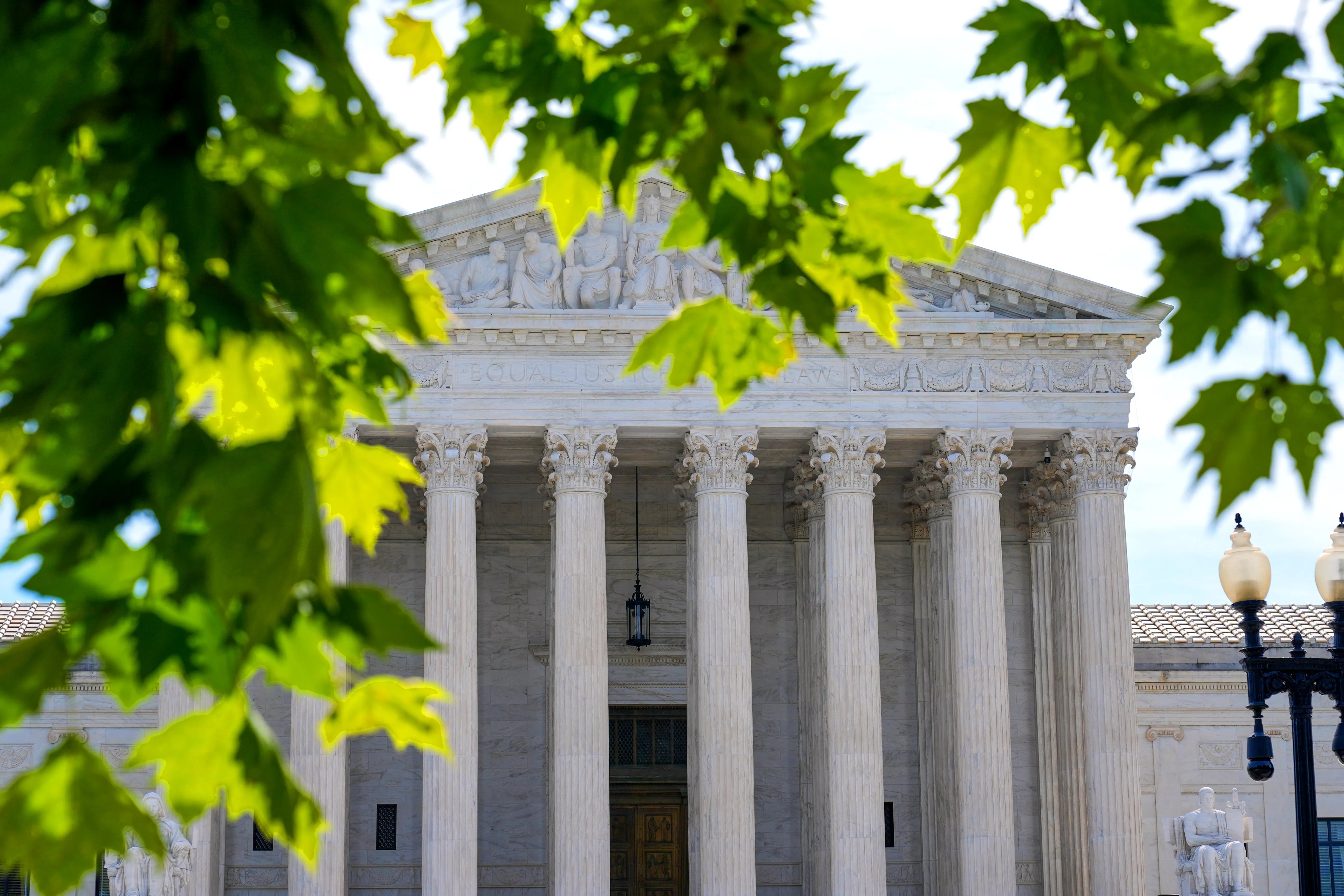
The U.S. Supreme Court's recent ruling has granted President Trump expansive authority to deport hundreds of thousands of migrants, including those under Temporary Protected Status (TPS). Experts warn this decision could hasten an already looming U.S. population decline. David Bier, a population and immigration expert at the Cato Institute, noted that many U.S. counties are already experiencing more deaths than births. He cautioned that without immigration, the U.S. faces a demographic cliff, similar to countries like China and Italy, which are grappling with rapid aging and declining populations.
The Demographic Landscape
The U.S. has seen birth rates decline for decades. The Census Bureau reported that only about 300,000 foreign migrants entered the country this year, dropping sharply from approximately 2.7 million in 2024. This historic low in immigration, combined with falling birth rates, signals a troubling future for the U.S. population. According to William Frey from the Brookings Institution, without robust immigration, many states could face stagnation or decline in their populations, exacerbating challenges in labor markets and economic sustainability.
Community Impact in Springfield, Ohio
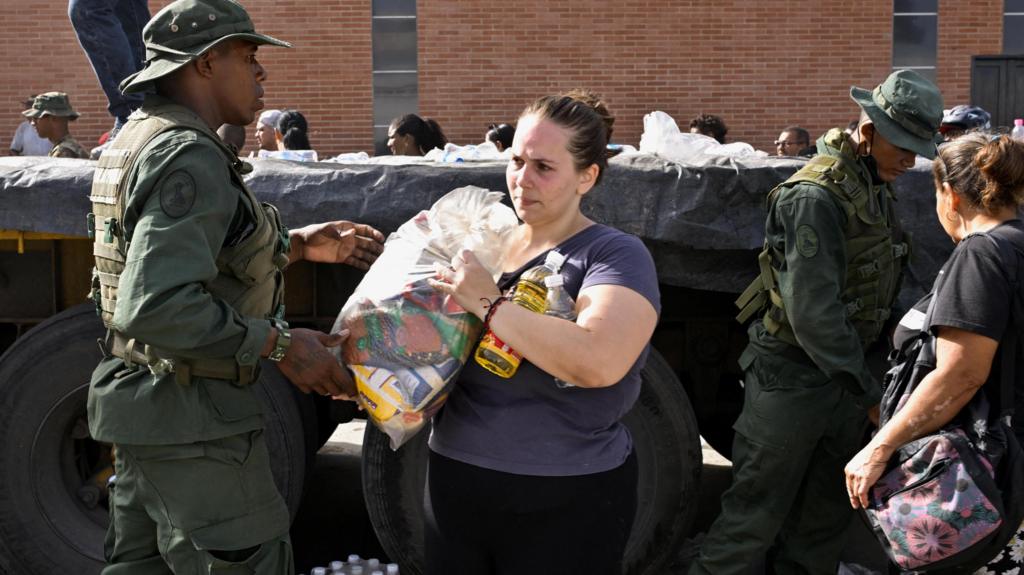
The Supreme Court's decision has left the Haitian community in Springfield, Ohio, grappling with uncertainty. Around 350,000 Haitians, alongside thousands of Syrians, could be targeted for deportation, impacting local businesses and the economy. Franky Pierre, a Springfield resident from Haiti, expressed concern that many in his community are contemplating leaving. He highlighted that Haitians have revitalized local businesses, contributing to the area’s economic health. Clara Copeland, the wife of Springfield’s former mayor, emphasized the emotional toll on families, stating, "It’s really emotional. There’s one [Haitian] family at my church; we’ve been so close. It’s just so wrong."
Broader Economic Consequences
Economists warn that the declining immigrant population could lead to fewer young workers contributing to Social Security and a decrease in school enrollment. Bier pointed out that the demographic shifts could result in fewer taxpayers and young families, creating long-term economic challenges. The potential loss of 1.3 million individuals with TPS could lead to what some experts describe as the largest de-documentation effort in U.S. history, fundamentally altering the country's demographic fabric.
Political Reactions and Future Considerations
The ruling has drawn mixed reactions. While immigration opponents view it as a victory for enforcement, critics argue it promotes a harmful agenda. Stephen Miller, a senior policy advisor, framed the rulings as a necessary step, stating, "America's doors are closed fully to asylum seekers." Conversely, Ohio's Republican Governor Mike DeWine characterized the decision as a "mistake," highlighting the dire conditions in Haiti, where violent gangs control much of the country.
The Fight Over Birthright Citizenship
In tandem with the deportation ruling, the Supreme Court is also expected to rule soon on President Trump's attempt to end birthright citizenship by executive order. This move would redefine the 14th Amendment's stipulation that anyone born on U.S. soil is a citizen, potentially affecting about 255,000 children born each year to noncitizen parents. Critics warn this could create a bureaucratic nightmare, complicating citizenship verification for countless families.
The Humanitarian Cost
Community advocates and immigrant rights groups are alarmed by the implications of these legal shifts. Many fear that the rulings will lead to increased deportations and a rise in statelessness among children born to noncitizen parents. Gene Barnett, a Springfield resident, expressed his outrage at the Supreme Court's decisions, lamenting the potential return of vulnerable individuals to dangerous conditions in their home countries.
Conclusion: A Pivotal Moment for U.S. Immigration Policy
The Supreme Court's recent decisions mark a turning point for U.S. immigration policy, with profound implications for the nation's demographic future. As communities brace for potential upheaval, the broader economic and social consequences of these rulings will unfold in the coming months. The need for a sustainable immigration policy that balances enforcement with humanitarian considerations has never been more urgent.