




The Scale of Destruction
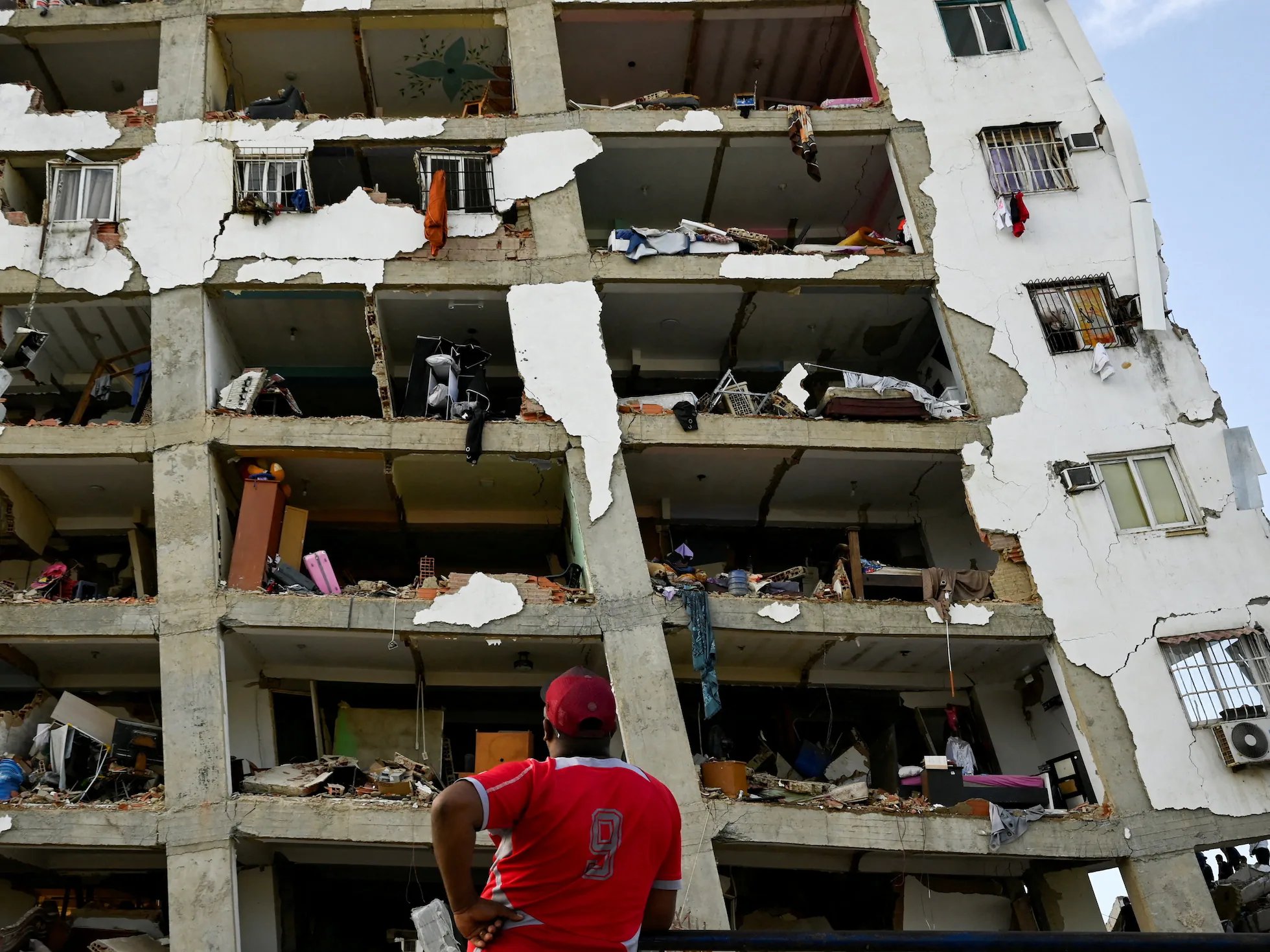
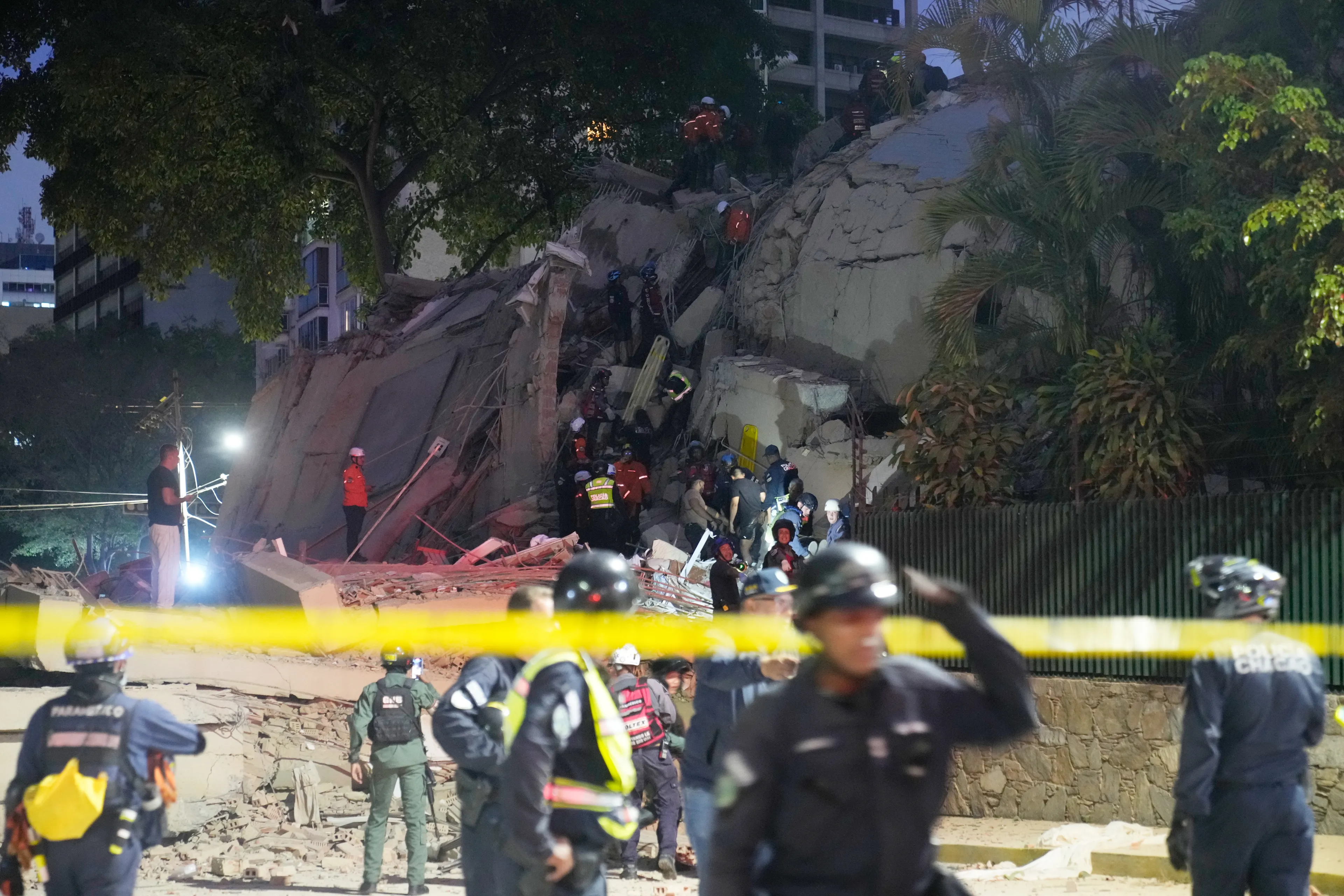
Satellite photographs from Planet Labs PBC and Vantor document the full extent of destruction left by two earthquakes that struck Venezuela on Wednesday evening. The 7.2- and 7.5-magnitude quakes hit less than a minute apart west of Caracas just after 6 p.m., making them the most powerful to hit the country in over a century. Images show crumbled apartment buildings and destroyed roads in the coastal cities of Catia La Mar, Macuto and Caraballeda, all located in La Guaira state along the country's northern coast.
The death toll has climbed dramatically as rescue efforts continue. National Assembly President Jorge Rodriguez announced on Friday that 920 people were confirmed dead, with 3,360 injured and 3,100 left homeless. By Saturday, Rodriguez reported the toll had surged to 1,430 dead, a 55 percent increase in a single day. More than 51,000 people remain reported missing, with hundreds still feared trapped under rubble.
International Response Mobilizes
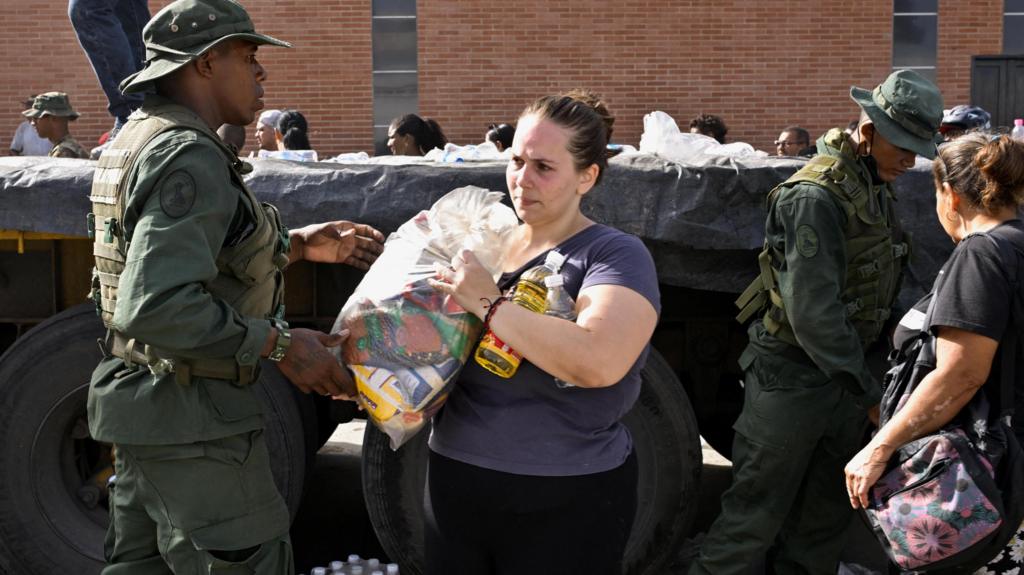
Nearly 2,000 international rescue workers have arrived to assist Venezuela's overwhelmed response. UN humanitarian chief Tom Fletcher said the organization deployed 35 search and rescue teams consisting of 1,600 fully trained rescuers and over 100 dogs. Venezuela's Vice Minister of Foreign Affairs Oliver Blanco reported that 17 flights carrying more than 1,600 rescue team members arrived in recent hours, with 25 additional flights expected in coming days.
Teams from Mexico, Spain, Colombia, the United States, the United Kingdom, the Netherlands, Switzerland and Germany are now working in the hardest-hit areas. The United States committed $150 million in assistance and deployed warships and transport planes. US Marine Corps Major General Kevin J. Jarrard arrived in Caracas to oversee Department of Defense support efforts. China's President Xi Jinping pledged disaster relief and reconstruction support through state media. Germany deployed an A400M Bundeswehr transport plane carrying soldiers and relief personnel from Wunstorf in Lower Saxony.
The Critical Window Closes
Aid agencies consider the first 48 to 72 hours after an earthquake crucial for finding survivors alive, though that window can extend if trapped people have access to food and water. Three days after the quakes struck, rescuers are racing against time. UN chief Tom Fletcher told BBC Radio 4 that teams were "driven on minute by minute, hour by hour, by the sound of the survivors underneath the rubble," but warned that "the worst thing is when those voices go quiet."
Despite the international presence, Venezuelans have taken rescue efforts into their own hands. People reported seeing few state rescue teams in the hardest-hit areas, citing a scarcity of government rescuers. In La Guaira, residents used hammers and power tools to cut through concrete slabs as they searched for family members. The government announced Friday night that it would restrict access to La Guaira, requiring official permits to enter, citing chaos and traffic that hampered search operations.
Infrastructure and Medical Crisis
The earthquakes struck a country already struggling with severe shortages. Hundreds of buildings have been damaged or destroyed, including hospitals and shopping centres. At least 1,000 other infrastructure sites were damaged. Doctor Pedro Javier Fernandez told the BBC that surviving medical facilities were overwhelmed. "All our hospitals lack supplies, lack medicines, we are not able to provide medical attention to our people in a normal day," he said. "Now with this tragedy, the emergency is even bigger and it's more difficult to face than in other countries."
The United Nations estimated that nearly 7 million people may have been affected by the earthquakes. The International Organization for Migration calculated that up to 6.76 million people could be impacted, including up to 2 million people in Caracas alone. The IOM urged a bigger international response, calling for emergency shelter, safe water and sanitation, as well as health care.
Human Stories Amid the Rubble
Among the rescues that offered hope was the recovery of a newborn baby 32 hours after the quakes struck in La Guaira. Rescuers brought the 18-day-old infant out of the rubble wrapped in a quilt to applause on Friday evening. The child's mother was rescued an hour later. Three young siblings were also pulled alive from the rubble, emerging covered in dust as rescuers helped them through gaps between concrete chunks.
The earthquakes also claimed notable victims. Footballer Héctor Bello's wife, named by Venezuelan outlets as Andrea, died while saving their toddler daughter during the quakes. Bello wrote on Instagram that he would tell their daughter "how you gave your own life for our daughter, how you were a brave woman who never abandoned her, even as you took your last breaths." Two football players, Razan Sijaa and Victor Palacios, were killed alongside family members. Former Miss Venezuela Giselle Reyes lost her mother, who suffered a heart attack from the shock of her building collapsing in La Guaira.