




The Attack and Its Immediate Impact
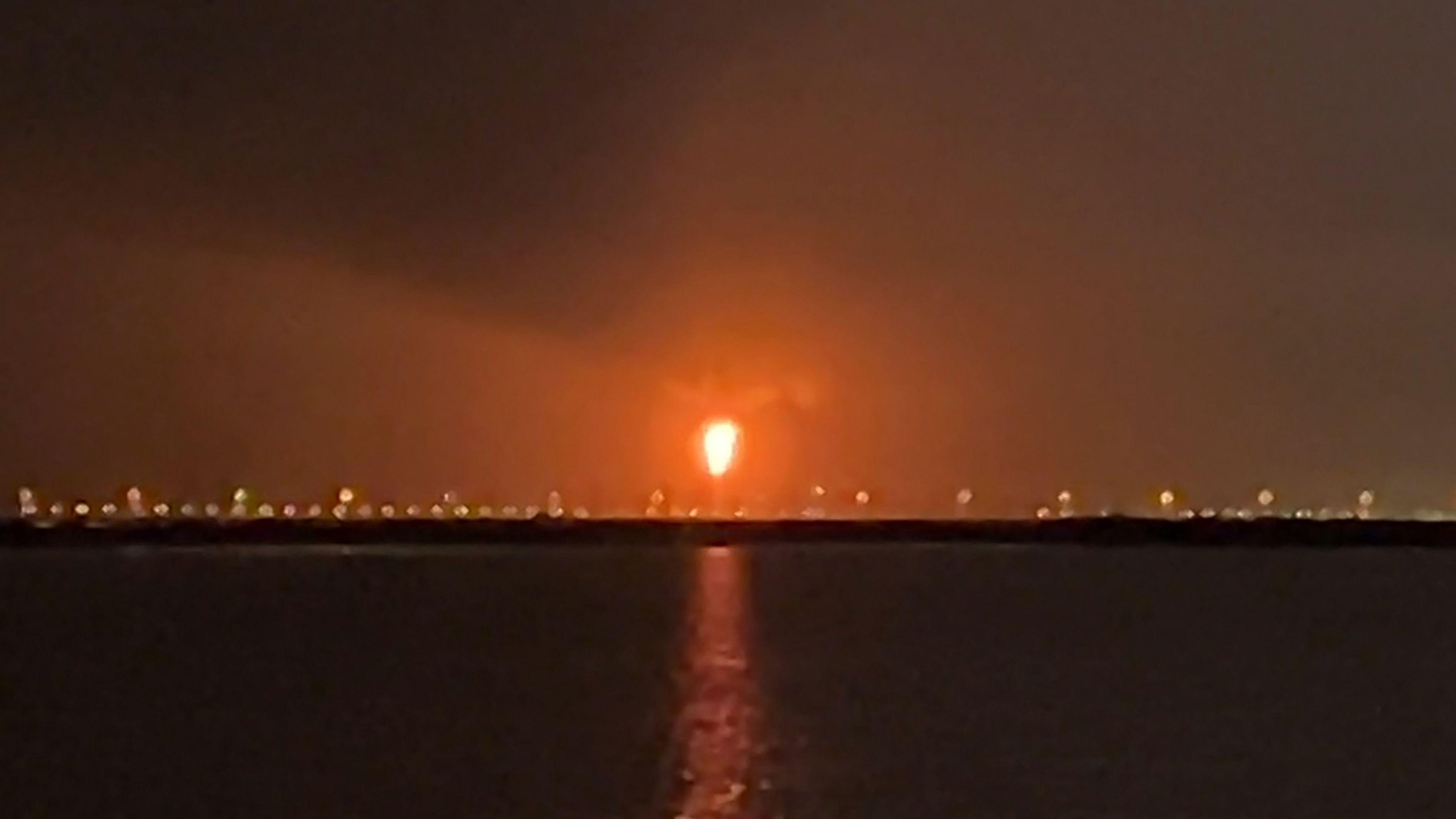
A U.S. official confirmed that Iran's Islamic Revolutionary Guard Corps struck a Singapore-flagged container ship in the Strait of Hormuz on Thursday with a drone. The U.K. Maritime Trade Operations Centre reported the vessel was struck by an "unknown projectile" off the coast of Oman. The vessel, Ever Lovely, operated by Taiwan-based Evergreen Marine, sustained damage to its bridge windows after being hit on its starboard side, according to Evergreen Marine's statement to the Taiwanese stock exchange. No injuries were reported, though the company warned that the strike added "new uncertainty" to the ceasefire agreement.
IMO Secretary-General Arsenio Dominguez announced the pause in a statement, saying he had been informed of the attack and that "seafarer safety remains paramount." He said the evacuation plan would be suspended "until further clarity is obtained" on safety guarantees for the 11,000 sailors stranded across hundreds of vessels in the Persian Gulf. The struck vessel had not been part of the IMO's evacuation framework, Dominguez clarified, meaning it was not under the agency's protection when attacked.
Competing Claims Over Shipping Routes
The attack exposed a fundamental disagreement between the United States and Iran over how ships should transit the Strait of Hormuz. The IMO had coordinated an alternative route hugging the Omani coastline to help evacuate stranded vessels, but Iran's newly formed Persian Gulf Strait Authority rejected this approach. The authority stated that "any passage through routes outside the framework designated by PGSA will not be covered by safe passage guarantees and will not be entitled to insurance coverage or related liabilities."
Iran's Deputy Foreign Minister Kazem Gharibabadi said Friday that safe passage "cannot be guaranteed through vague arrangements, parallel routes, or decision-making conducted outside of Iran's considerations as a coastal state." He warned that "any valid framework must be based on coordination with Iran," otherwise "the result will be the suspension of the designated parallel route."
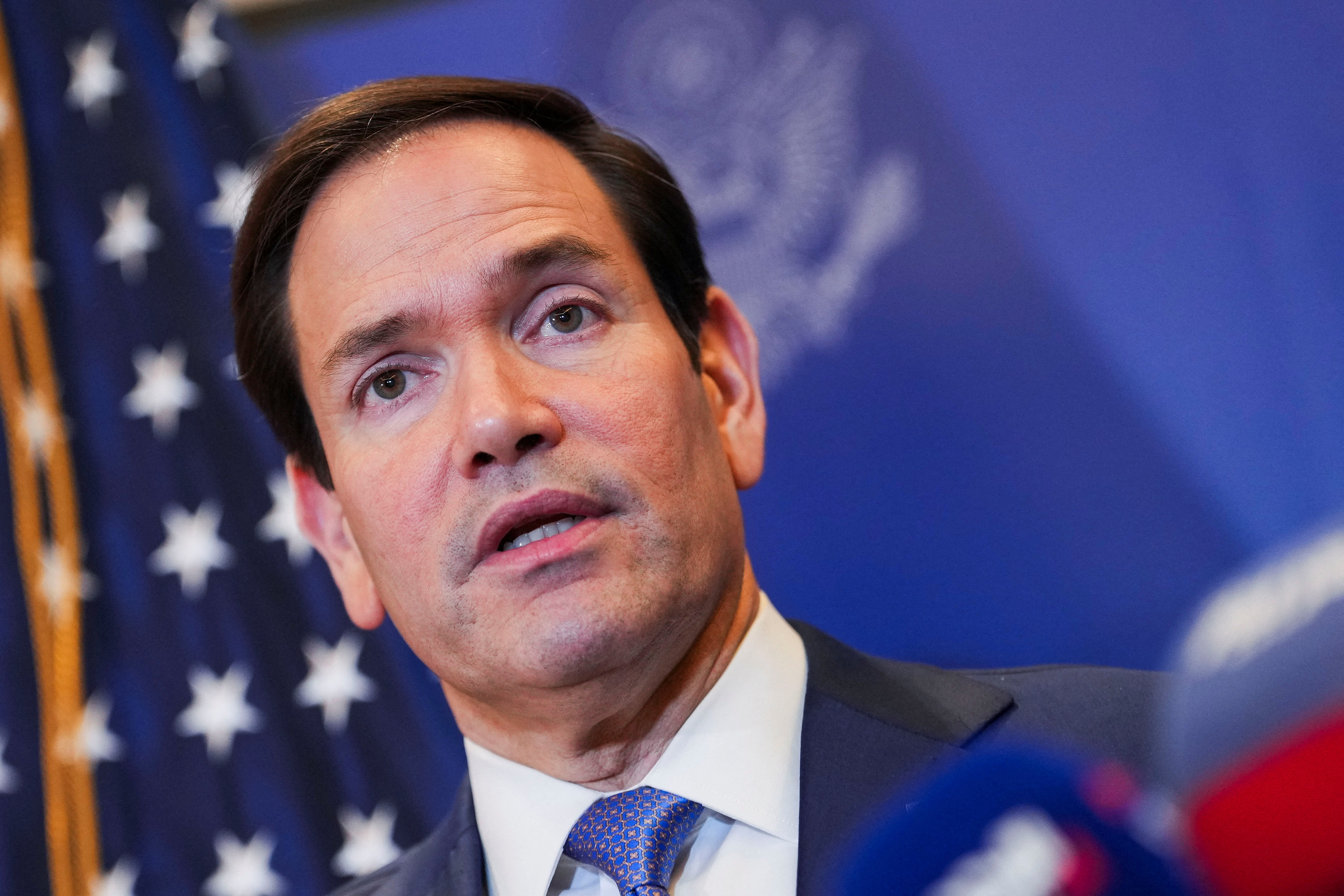
Secretary of State Marco Rubio pushed back against Iran's position while visiting the Gulf region. "International waterways do not belong to any nation state," he told a Gulf Cooperation Council meeting in Bahrain. "If in fact we accepted that you can charge money to use an international waterway because it happens to be near your territorial space, well then this will spread throughout the world like a contagion." Rubio said the Trump administration would judge Iran "based on its actions rather than its maximalist rhetoric."
Traffic Resumes Despite Tensions
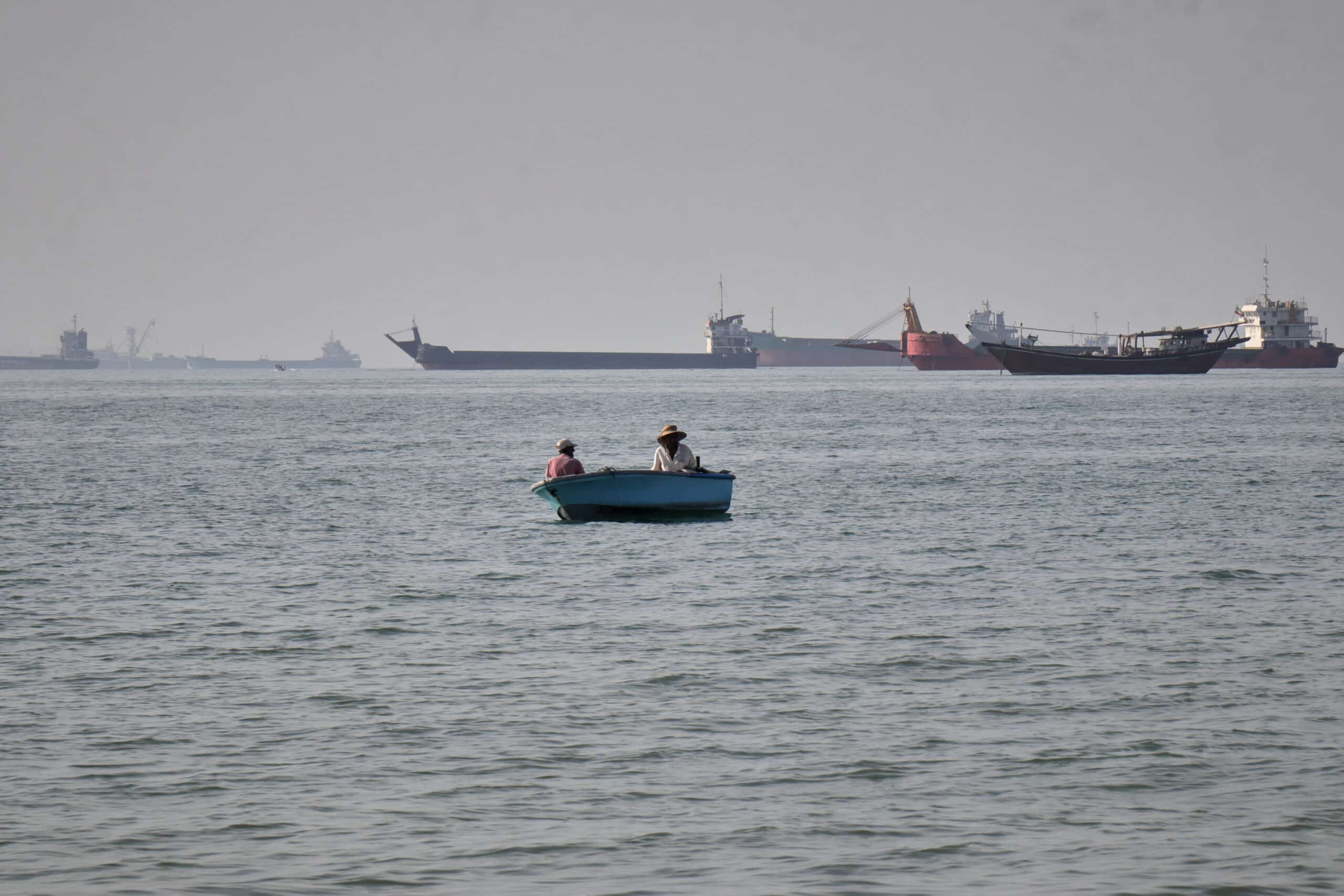
Despite Thursday's strike and Iran's warnings, marine traffic continued moving through the strait on Friday. At least 37 vessels transited or were in the process of transiting since the attack, with 20 of those ships taking the southern route close to Oman's coast rather than the Iranian-designated northern passage.
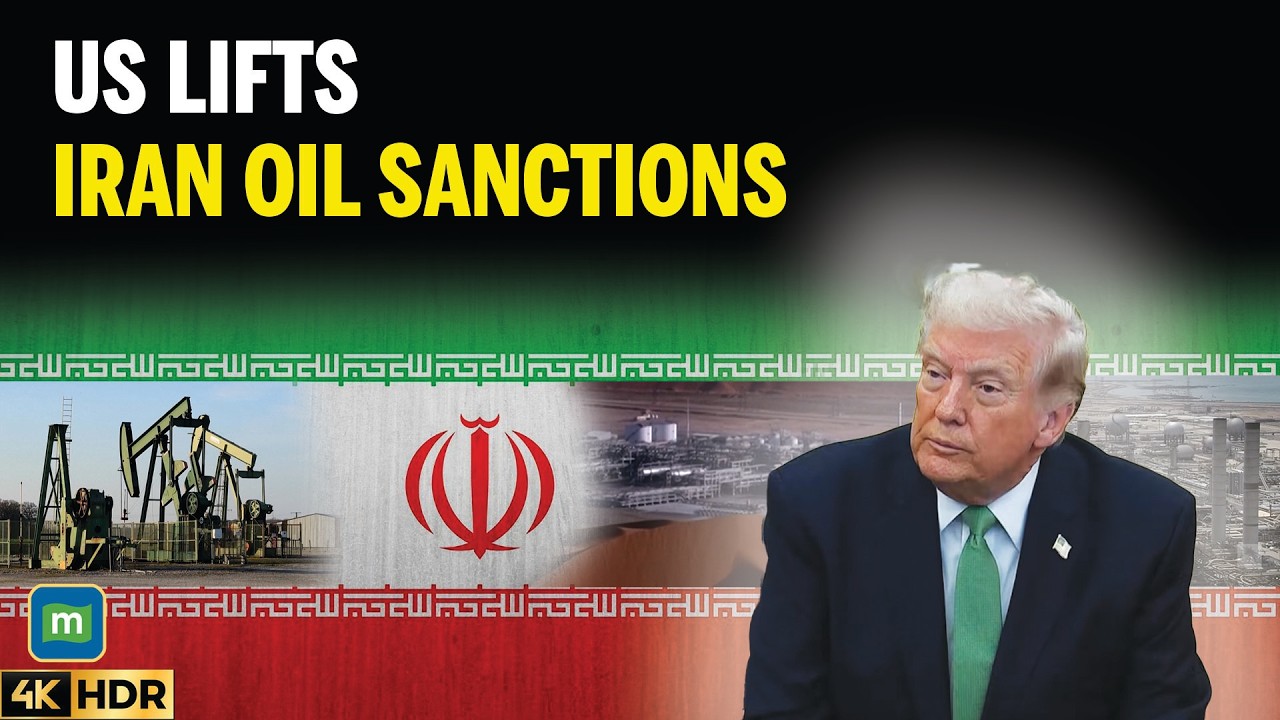
The resumption of traffic reflected cautious optimism about the U.S.-Iran memorandum of understanding signed last week. That agreement obligated Iran to arrange "safe passage of commercial vessels with no charge for 60 days only from the Persian Gulf to the Sea of Oman and vice versa." With shipping picking back up, global oil prices fell sharply. Brent crude dropped 3.8 percent to $73.87 a barrel, trading below the roughly $73 level it reached before the war began.
Unresolved Disputes Over Tolls and Control
The U.S. and Iran remain at odds over whether Iran can impose tolls on vessels after the 60-day window expires. Iran has not ruled out seeking fees, while the Trump administration has rejected the idea as a violation of international law. Oman's Foreign Minister Sayyid Badr bin Hamad Al Busaidi said Thursday that "future arrangements concerning the Strait of Hormuz will not involve imposing any transit fees," and his ministry announced that Oman and Iran were creating a joint mechanism to regulate traffic through the strait.
The Gulf Cooperation Council, representing six major energy producers reliant on the strait for exports, issued a joint statement emphasizing that "free, unconditional, and unrestricted navigation, including the right of transit passage as guaranteed under international law, remains essential to regional and global security." The council also stressed the need to address "the full spectrum of Iran's threats, including its ballistic missiles, drones, and support of proxies in the region."
Broader Peace Negotiations at Risk
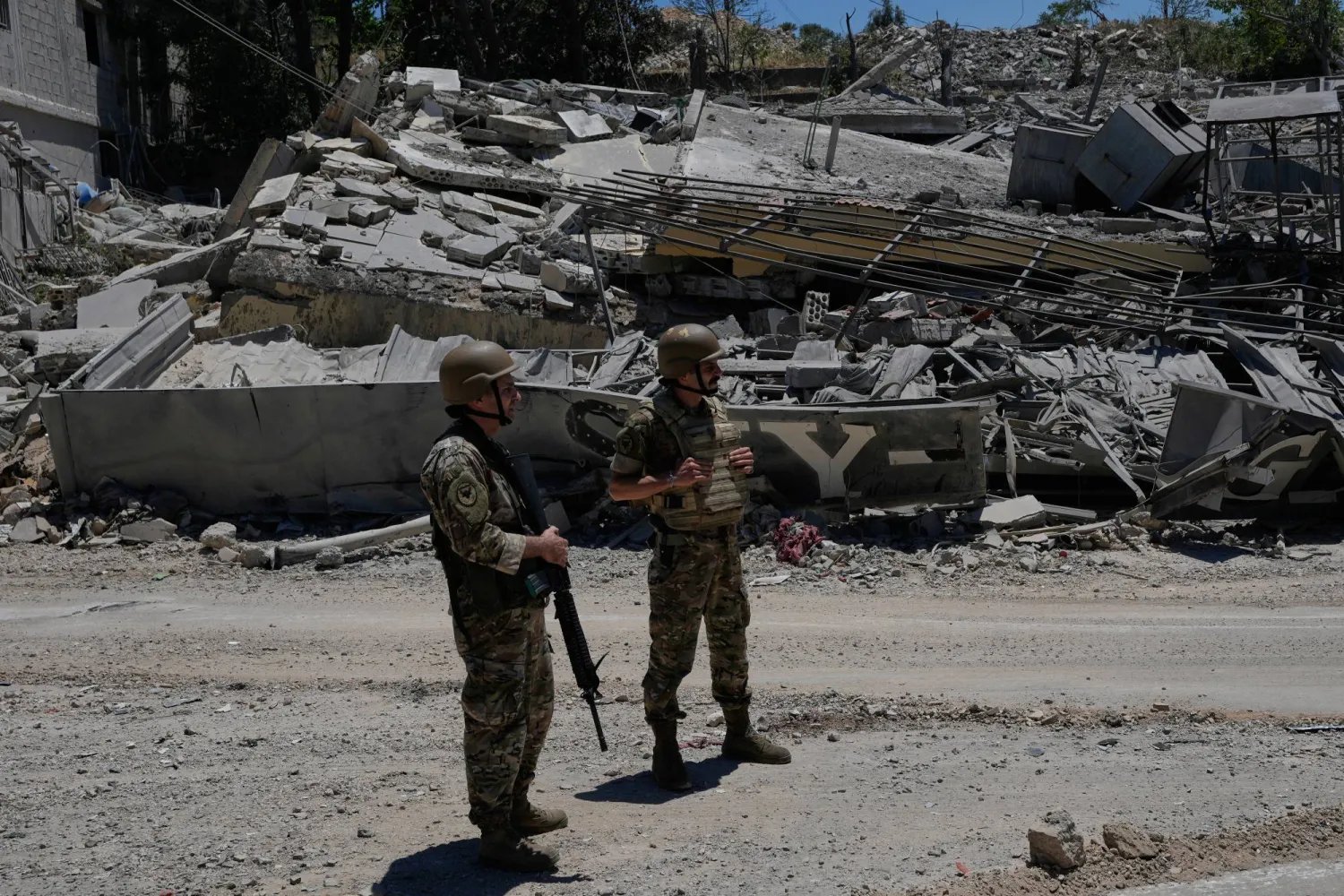
The strike on Ever Lovely came as broader negotiations over a permanent settlement remained fragile. The U.S. and Iran have 60 days under the memorandum of understanding to hammer out final terms, but disagreements persist on multiple fronts. A senior U.S. official said negotiations have been hampered by the first point in the signed document, which calls for fighting to stop in Lebanon and requires ensuring "the territorial integrity and sovereignty of Lebanon." Iran has insisted that Israeli forces must withdraw from southern Lebanon as a condition for a final deal, a demand Israel has rejected.
Hezbollah, the Iranian-backed militant group, reiterated its refusal to disarm. General Secretary Naim Qassem said Friday that Israel must "withdraw completely" and "unconditionally" from Lebanon, and that "no agreement that compromises Lebanon's sovereignty will be accepted." He claimed the U.S.-Iran deal amounted to "an official acknowledgment of the defeat of the United States and Israel," though the Trump administration has characterized it as a temporary ceasefire aimed at preventing nuclear weapons development in Iran.