




A Nationwide Ban on Courthouse Arrests
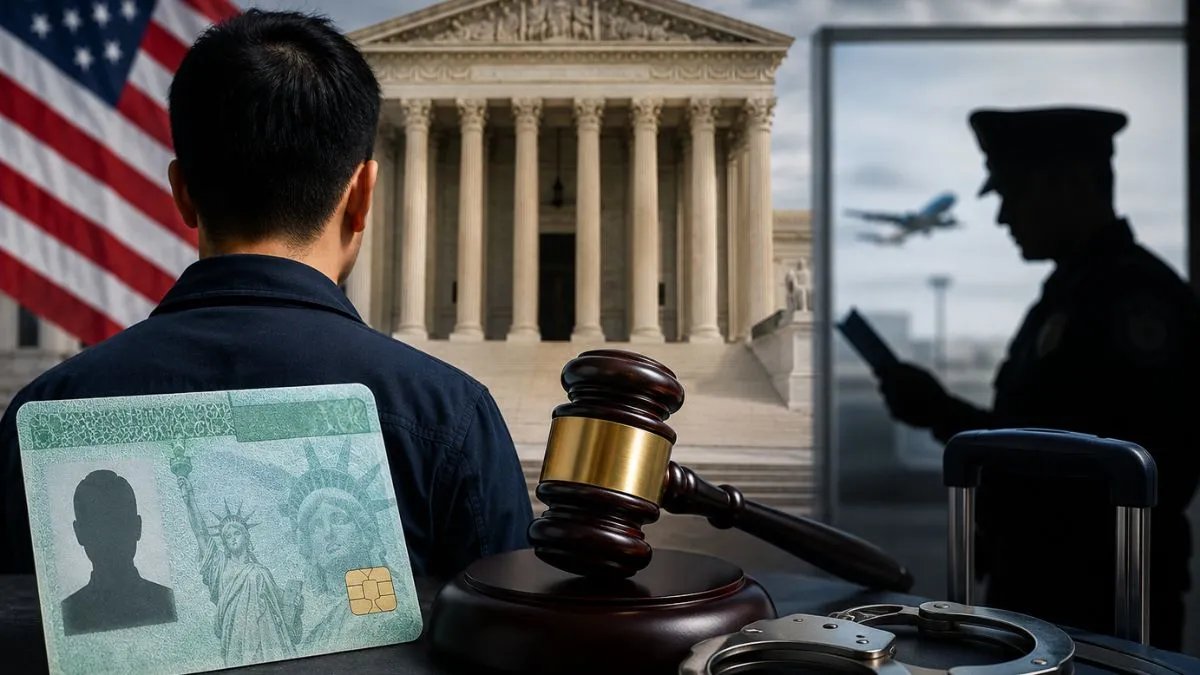
U.S. District Judge P. Casey Pitts of the Northern District of California issued a 71-page decision blocking the Trump administration from arresting migrants at immigration courts across the entire country. The ruling, handed down Tuesday, found that policies by Immigration and Customs Enforcement and the Executive Office of Immigration Review violated the Administrative Procedures Act by failing to provide reasoned explanations for their actions. Judge Pitts wrote that the agencies' conduct was "arbitrary and capricious" and that "the record before the Court demonstrates ICE and EOIR failed to provide reasoned explanations for their actions."
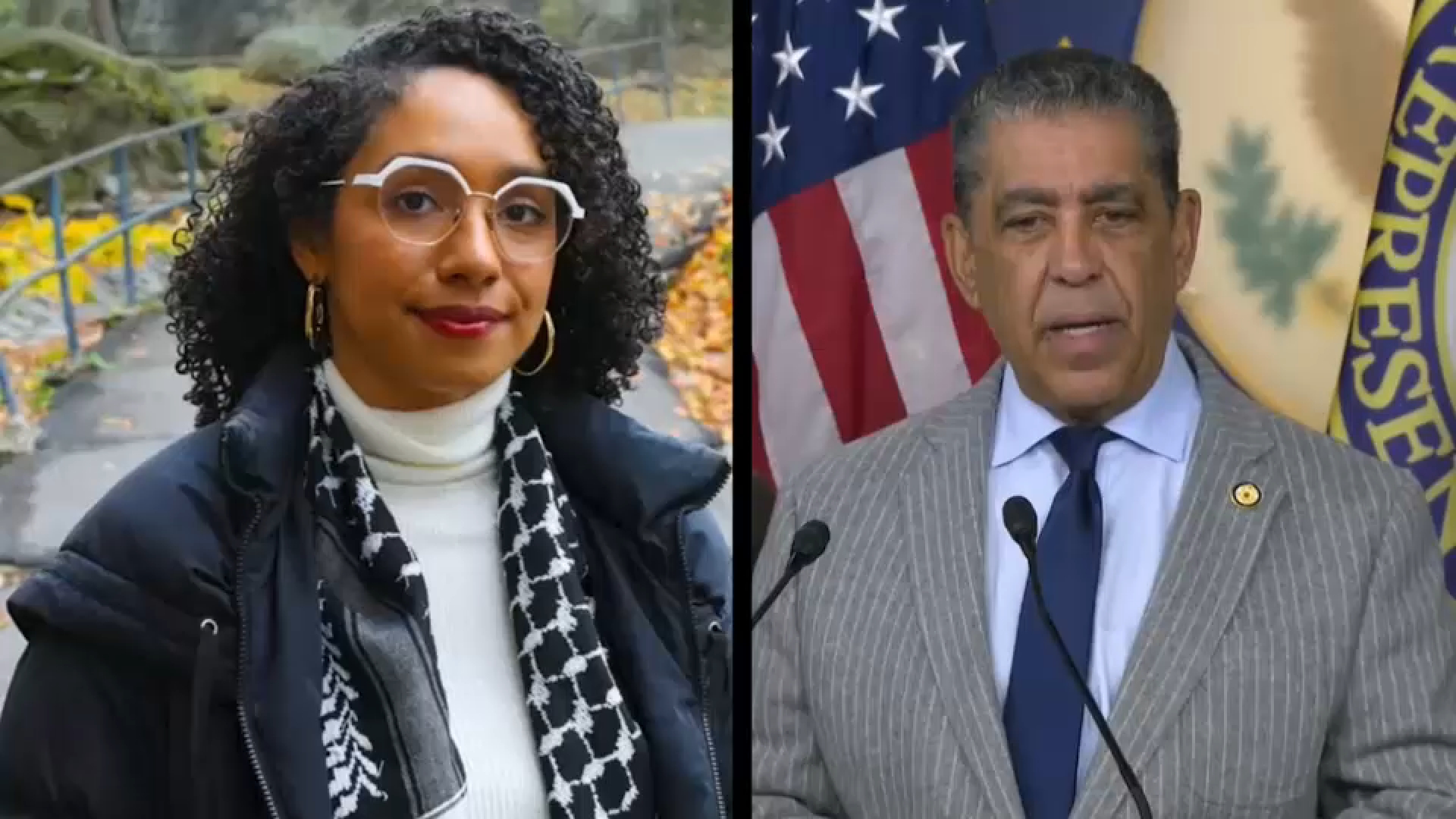
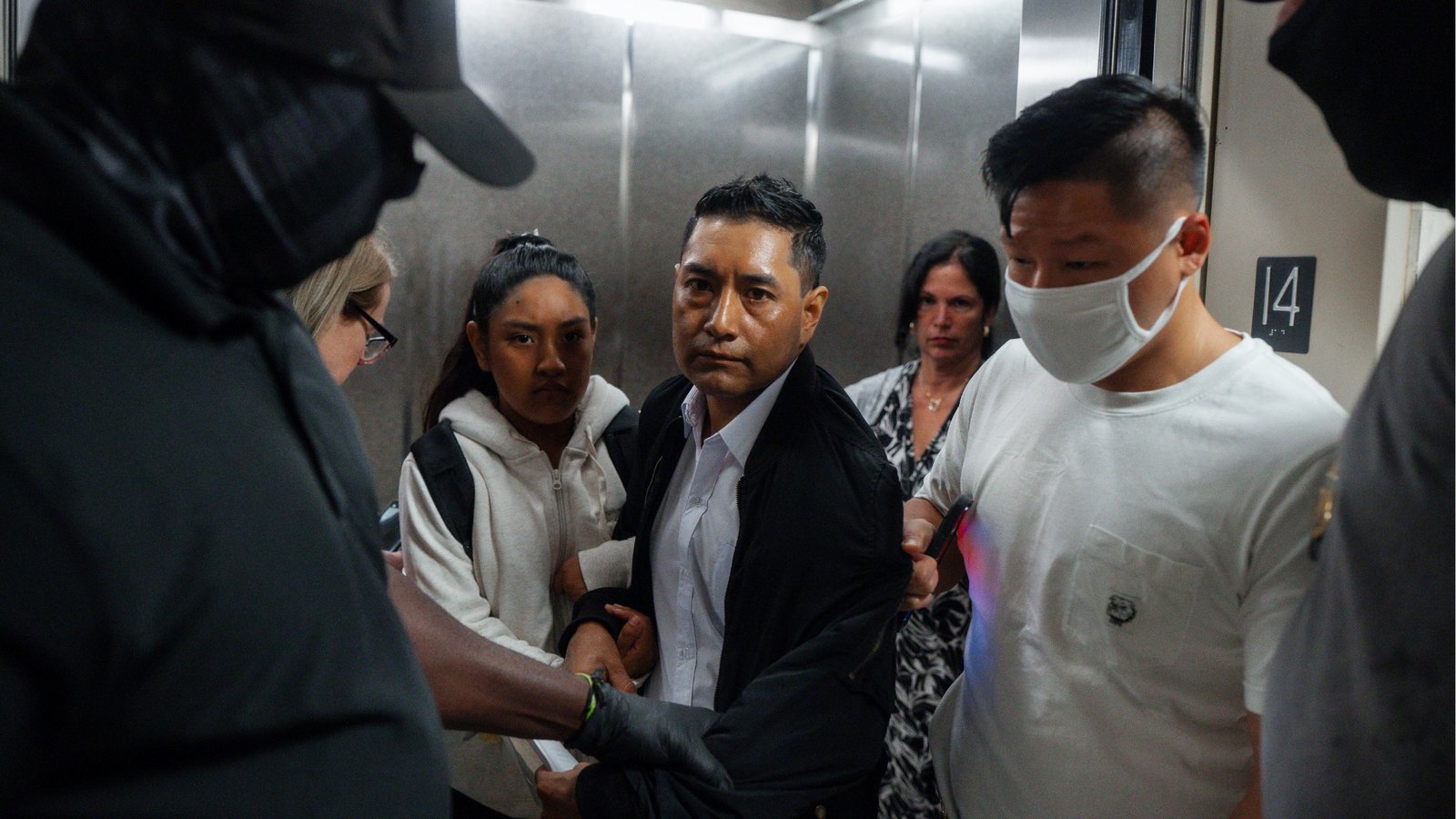
The nationwide injunction prevents federal agents from detaining people in immigration courthouses, a practice that had drawn scrutiny from local lawmakers and advocacy organizations after scenes of arrests in New York City and other locations. This marks the second judicial setback for courthouse arrests since May, when a judge in New York barred the practice at immigration courts in that state.
How the Policy Unraveled
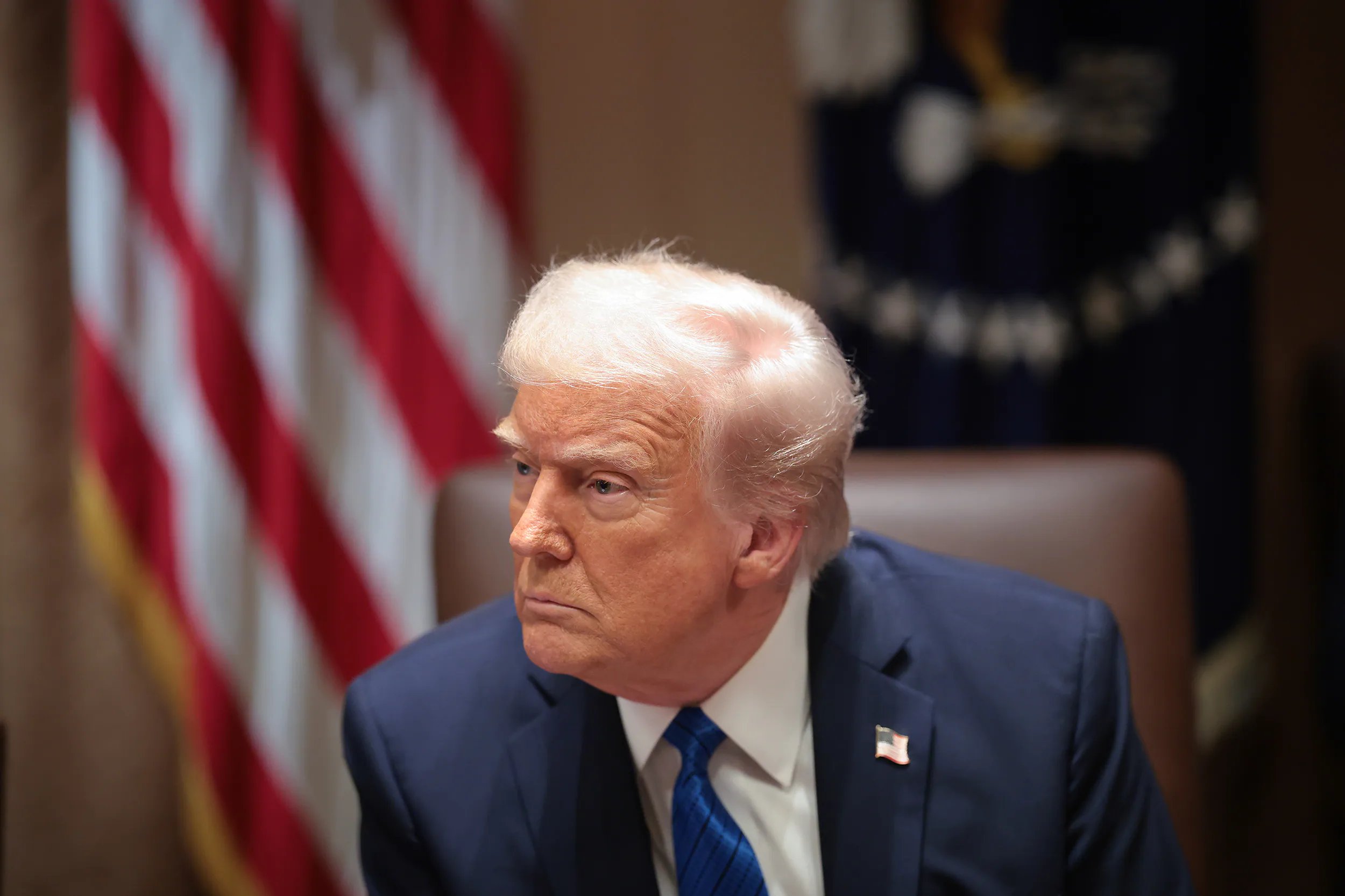
The Trump administration had argued that an executive order issued by President Donald Trump authorized the agencies to enact the courthouse arrest policy. Judge Pitts rejected this rationale, noting a critical flaw in the government's own legal foundation. The Justice Department had previously relied on an ICE memo to justify arrests at immigration courts, but later revealed to a court in New York that the memo does not actually apply to civil immigration enforcement actions at or near immigration courts.
Judge Pitts highlighted this contradiction in his decision. The Justice Department had relied on an ICE memo to justify courthouse arrests, but admitted to a New York court that the memo does not apply to civil immigration enforcement actions at immigration courts. In his decision, Judge Pitts wrote that this contradiction showed "a complete lack of decision making" rather than reasoned policy-making. The Justice Department had attempted to limit the ruling to only the Northern District of California, but Judge Pitts issued the nationwide block instead.
What Happens When Cases Are Dismissed
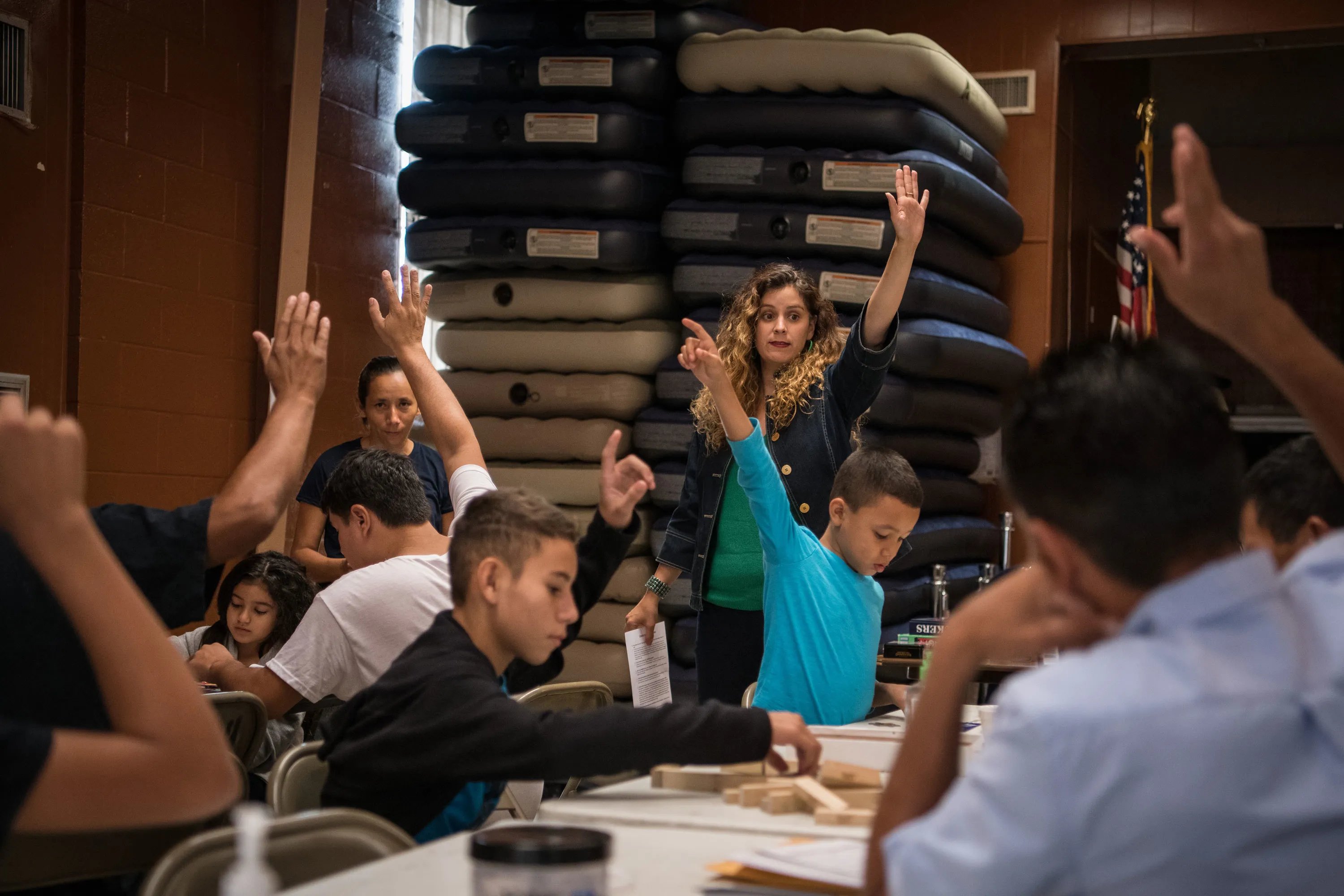
Immigration attorneys told ABC News that the Trump administration had been using courthouse arrests to detain people even after their deportation cases were dismissed. When an immigration judge dismisses a deportation case, it typically allows the individual to pursue legal relief such as asylum claims, according to attorneys. The Department of Homeland Security sometimes requests dismissals when individuals are not a priority for removal.
In previous years, ICE had prioritized courthouse arrests of people considered risks to the public or those convicted or accused of certain crimes. The Trump administration's expansion of this practice to include people whose cases were being dismissed represented a significant shift in enforcement strategy.
The Administration's Response
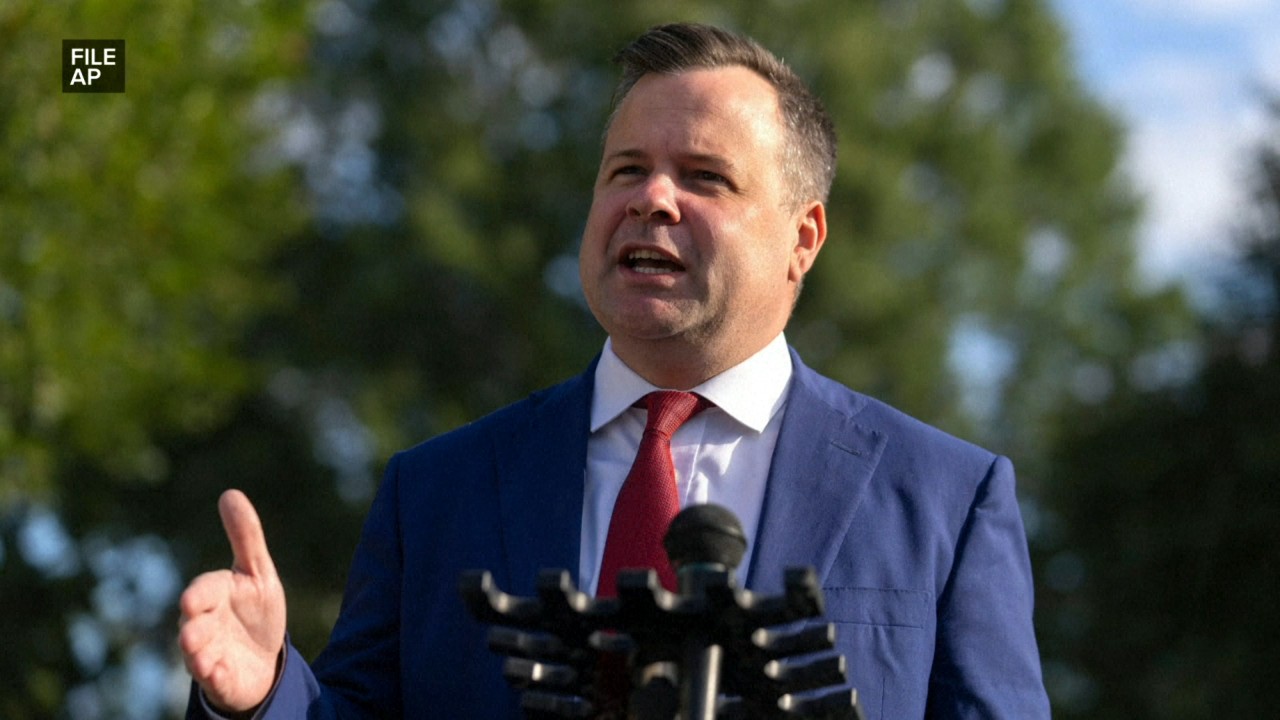
James Percival, the Department of Homeland Security's general counsel, called Tuesday's ruling "anti-American." He argued on social media that "when a judge sentences a defendant, the defendant is taken into custody. If an alien is ordered removed by an immigration judge, the same should happen," and characterized the decision as "naked judicial activism in service of an anti-American, open borders agenda."
The ruling comes as federal courts have blocked multiple Trump administration policies in recent days, including voting requirements and other enforcement initiatives.