




Pentagon's Supplemental Budget Request Explained
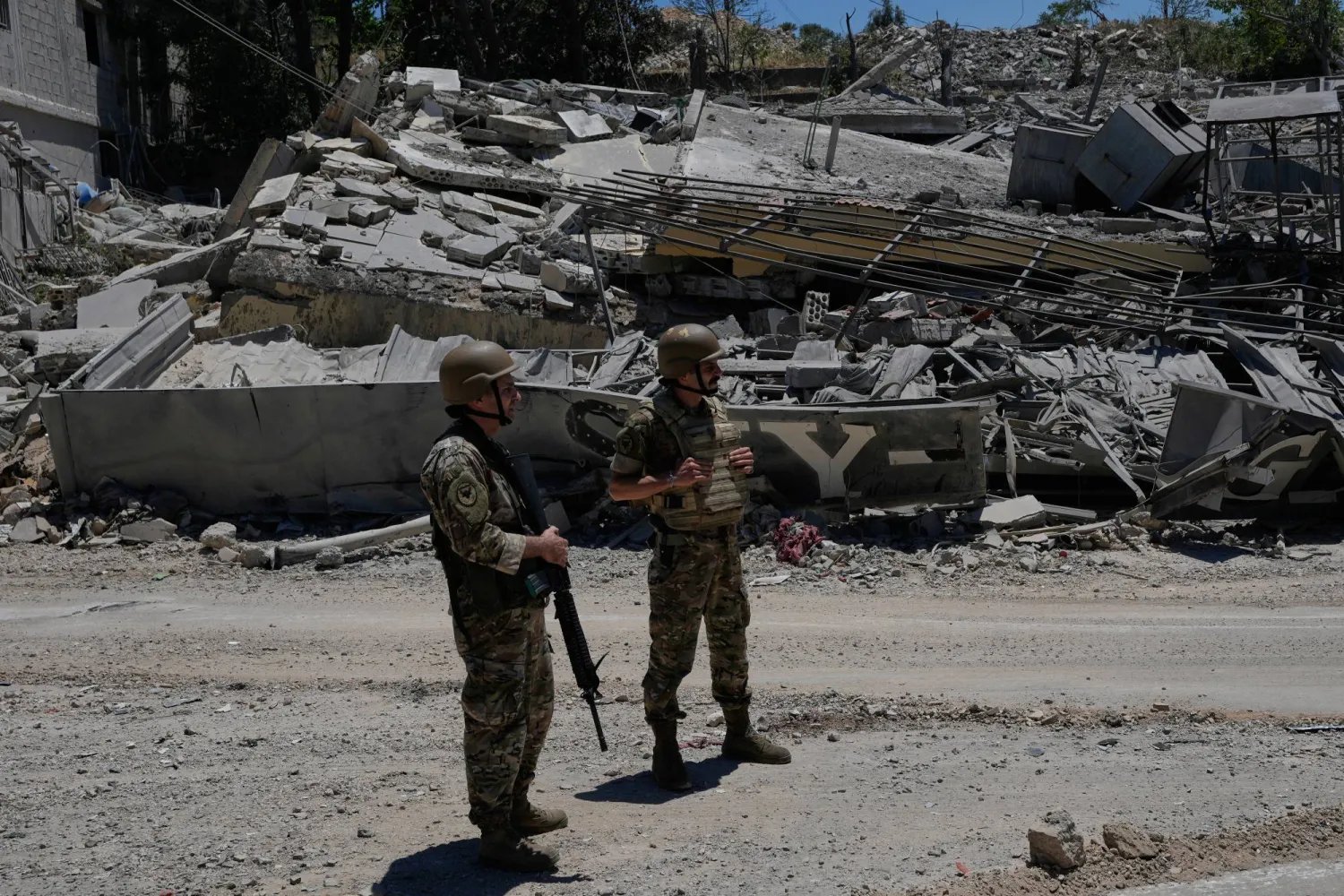
The Pentagon has submitted a supplemental budget request of $87.6 billion to Congress, which includes $67.1 billion earmarked for costs associated with the recent war against Iran. This request breaks down to $1.5 billion for fuel, $21 billion for munitions, and $17.3 billion for operational costs, which cover training and deployment expenses. The budget aims to replenish military resources severely depleted during the conflict, initiated by President Donald Trump on February 28.
Economic Impact on Iran
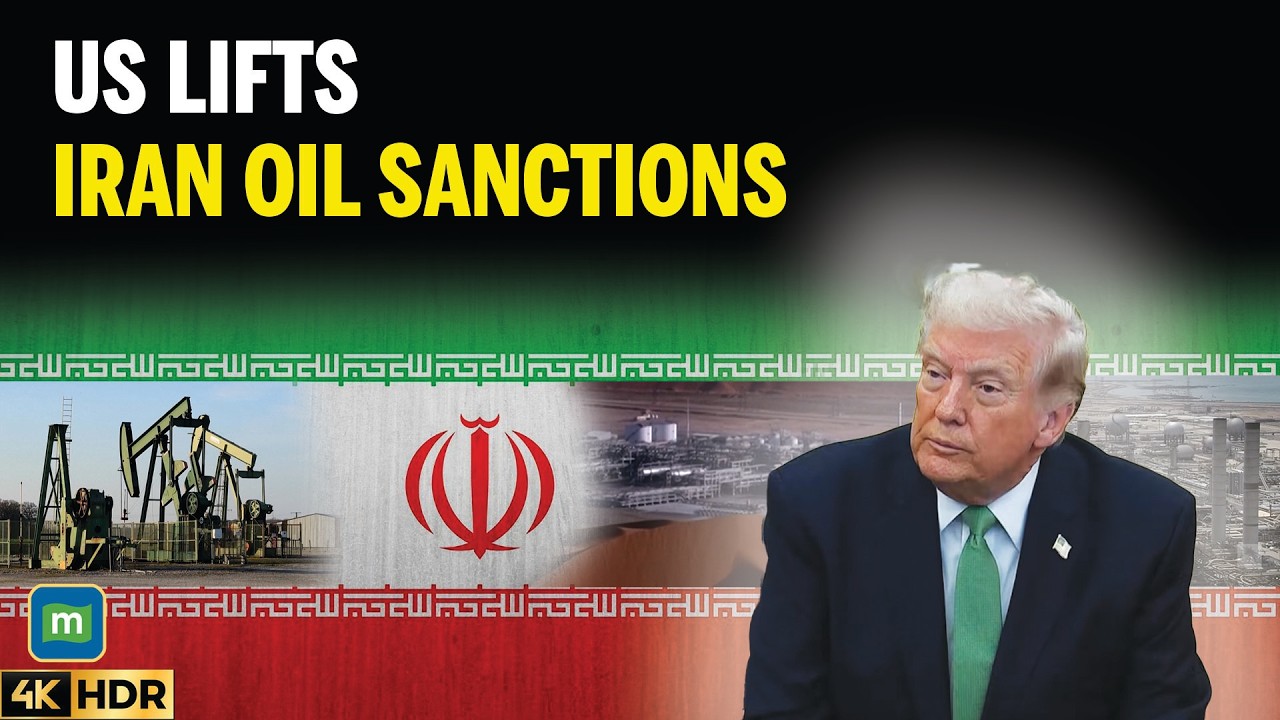
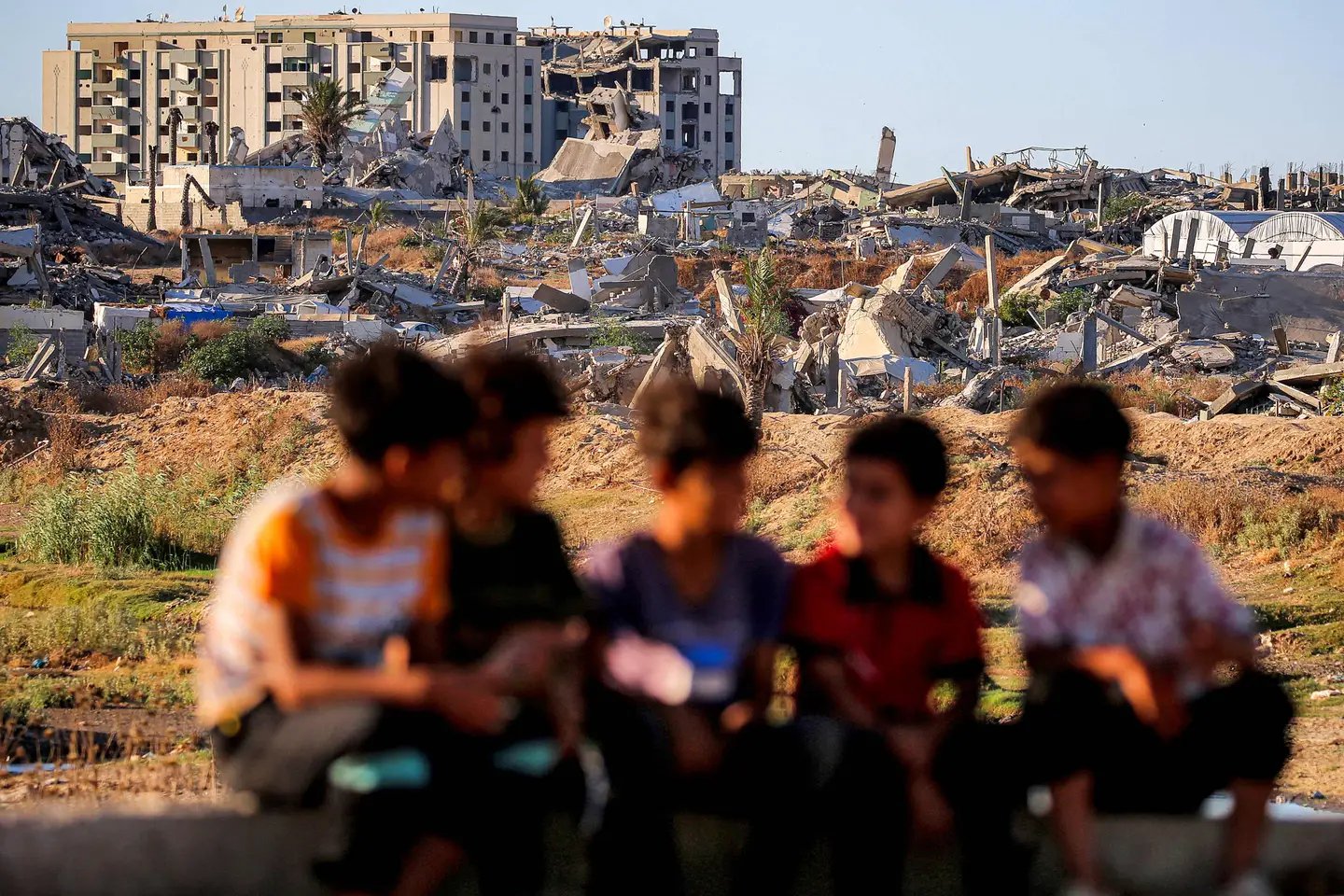
The war has inflicted an estimated $229 billion in damages on Iran, severely straining its economy. Despite a temporary lifting of restrictions on Iranian oil exports, the financial relief is not enough to stabilize the country. Grocery prices have skyrocketed, with a carton of eggs rising from 70,000 toman to over 200,000 toman in just a year. Iranian officials warn of potential social unrest, as 60% of the population expresses dissatisfaction with their economic conditions.
Ongoing U.S.-Iran Negotiations
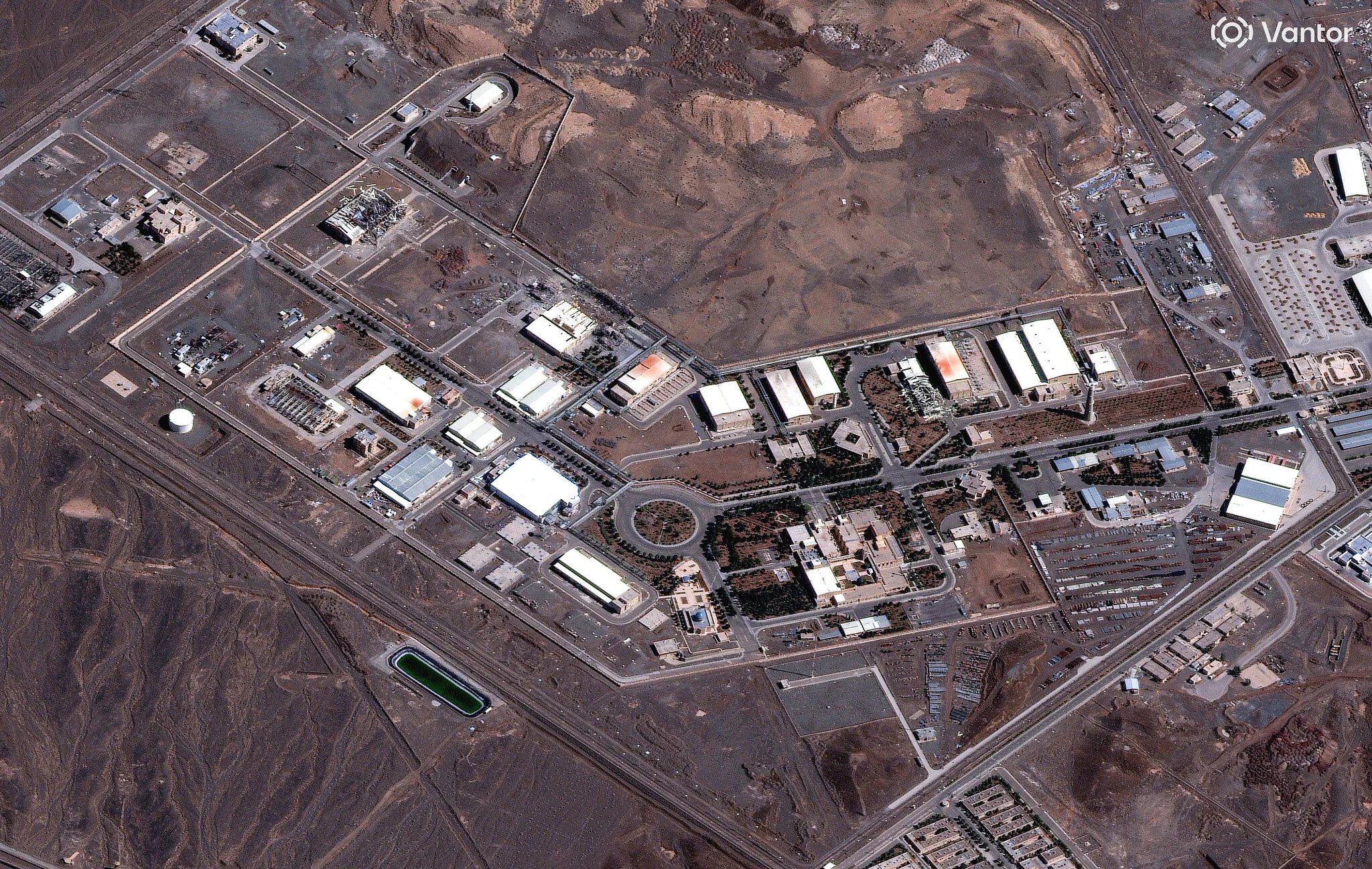
U.S. and Iranian delegations have begun negotiations in Switzerland aimed at finalizing a peace agreement following the recent conflict. As part of this process, the International Atomic Energy Agency (IAEA) is expected to conduct inspections of Iran's nuclear facilities under a preliminary agreement signed last week. IAEA Director General Rafael Grossi confirmed that inspections would occur, though Iranian officials maintain that access to certain sites will only be negotiated as part of a final deal.
Strained U.S. Relations and Military Presence
U.S. Secretary of State Marco Rubio has been actively engaging with Gulf allies, assuring them of American support in the region. He emphasized that any agreement with Iran must not compromise the security of U.S. allies. Iran's Revolutionary Guards warned in June they would take "appropriate measures" against vessels attempting to sail through the Strait of Hormuz without authorization. However, under the preliminary peace agreement, Iran has agreed to allow shipping to pass through the strait, and 31 crossings were recorded on Tuesday with normal traffic patterns resuming.
Congressional Dynamics
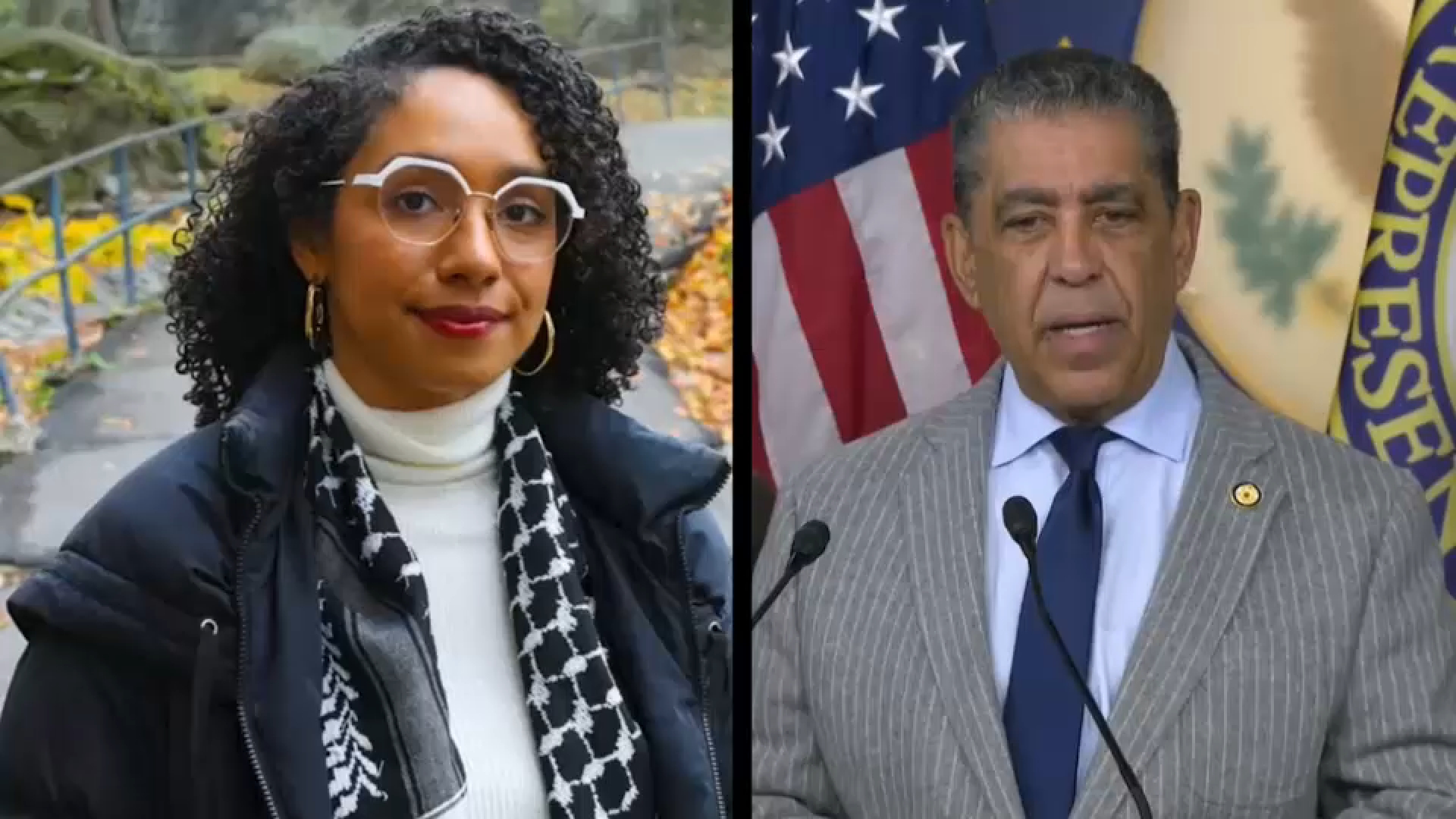
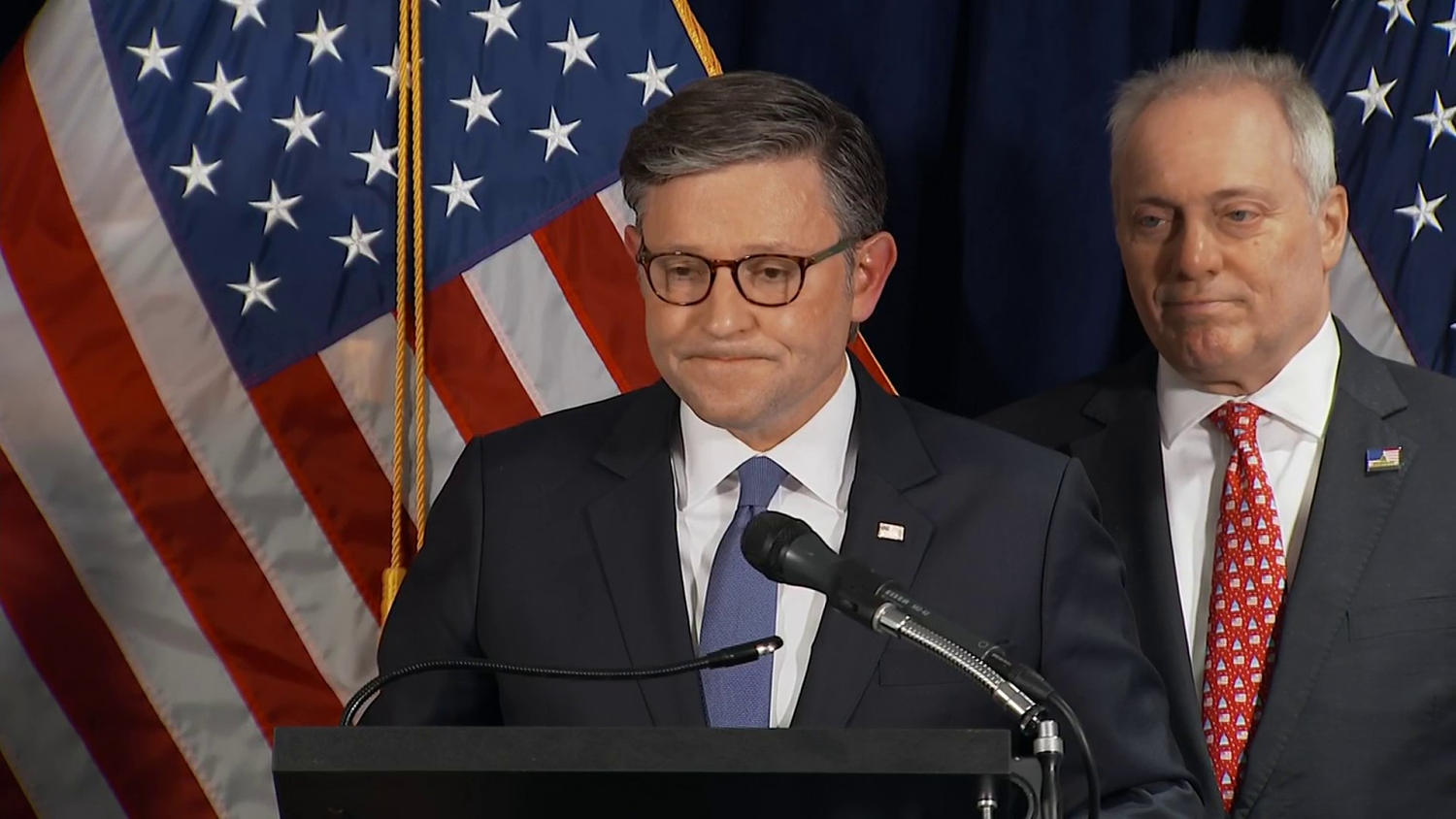
Congressional responses to the Pentagon's budget request reveal a complex political landscape. A war powers resolution to end the conflict passed with bipartisan support on Tuesday, nearly three months after the shooting stopped. The delay reflected political strategy: Democratic leadership discouraged early action to avoid confrontation with pro-Israel members, and House Speaker Mike Johnson called an early recess to postpone the vote by several weeks. While President Trump criticized the resolution as "poorly timed," it reflects a significant shift in public sentiment, with a CBS News poll indicating that only 31% of Americans support the war.
Future Implications of the Budget Request
The Pentagon's funding request will be scrutinized as Congress debates military spending priorities. Costs associated with repairing base infrastructure destroyed by Iran are not covered by the supplemental budget. Pentagon Comptroller Jay Hurst told lawmakers that given uncertainty about the long-term Middle East footprint, no plan has yet been developed to rebuild bases abroad. As negotiations continue, the outcome of these discussions could shape U.S. military strategy and foreign relations in the Middle East.
Humanitarian Concerns Amid Economic Strain
As the Iranian government navigates the economic fallout from the war, ordinary citizens face daily hardships. With inflation rising and essential goods becoming increasingly unaffordable, many families are forced to make significant sacrifices. Iranian officials have expressed concern over the potential for widespread protests, highlighting the delicate balance between political stability and economic recovery in the aftermath of the conflict.
The upcoming negotiations and budget allocations will determine not only the future of U.S.-Iran relations but also the humanitarian situation within Iran, where many citizens are struggling to cope with the ongoing consequences of war.