




Cassidy's Shift in Stance
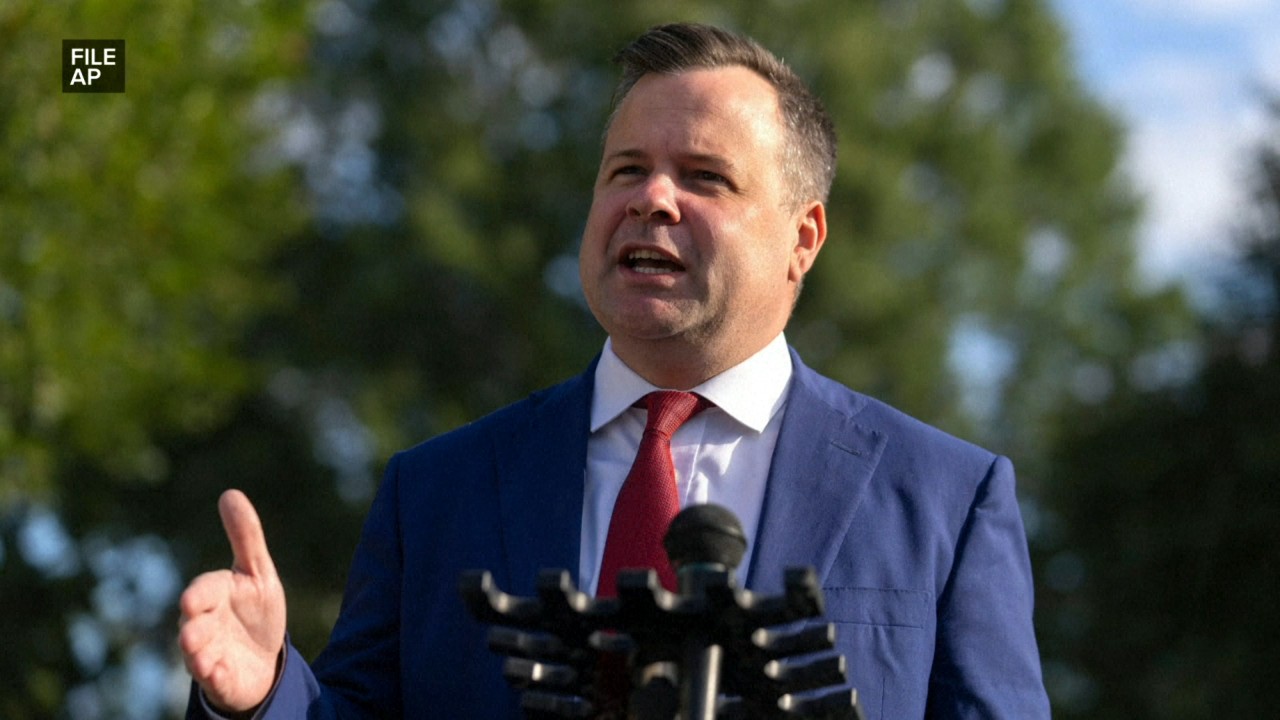
Republican Senator Bill Cassidy of Louisiana announced a pivotal change in his stance regarding the war powers resolution aimed at limiting President Donald Trump's military authority in Iran. After a White House briefing, Cassidy decided to withdraw his support for the Democrat-led effort, stating that he gained new insights that influenced his decision. This shift reflects the significant impact that executive branch communications can have on congressional voting dynamics.
The Context of the Briefing
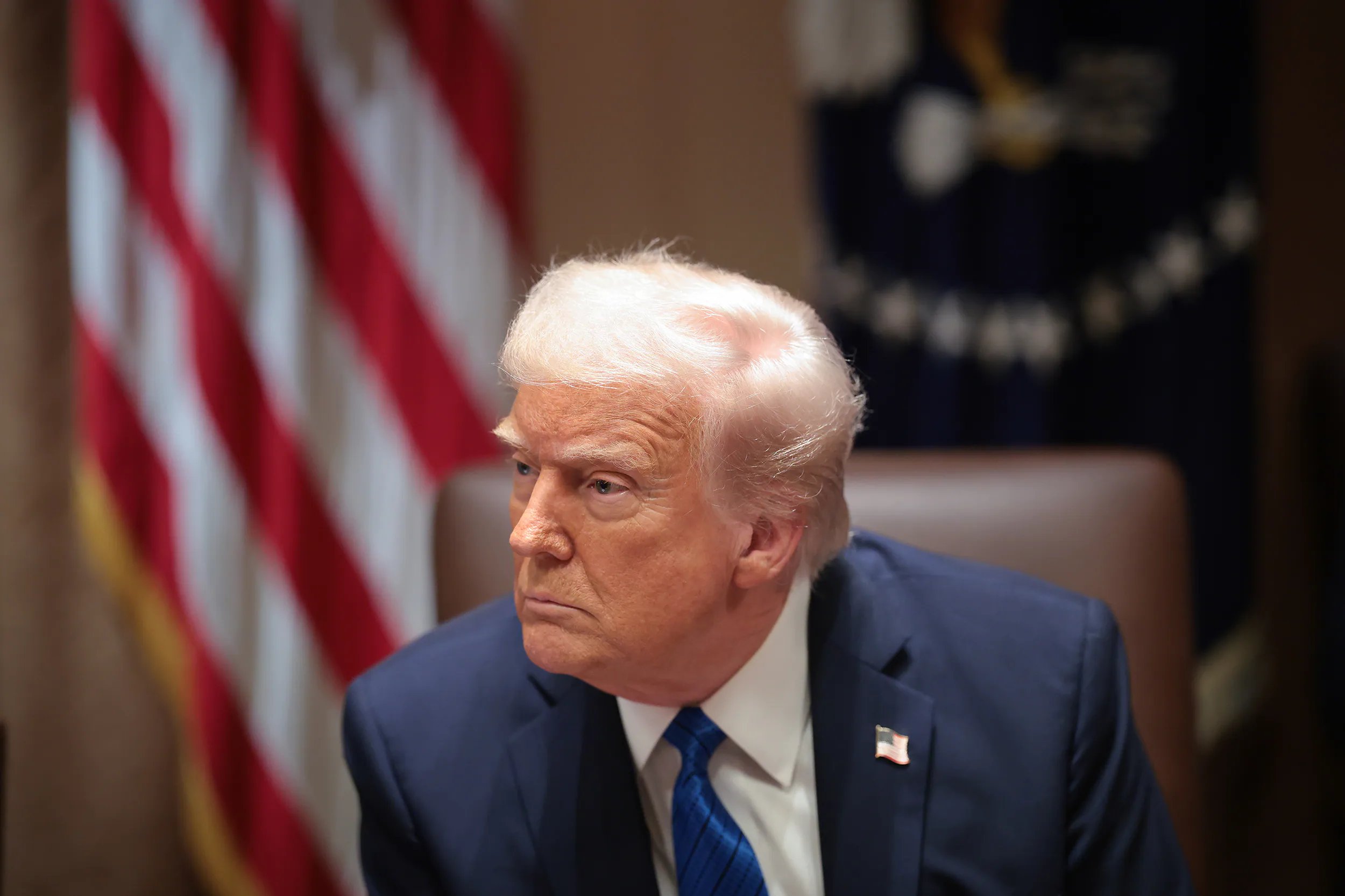
During the briefing, President Trump reportedly conveyed the urgency of maintaining strong military authority to address ongoing conflicts. His change of heart aligns with a broader trend among Senate Republicans, who have increasingly rallied behind Trump's foreign policy agenda.
Senate Republicans Rally
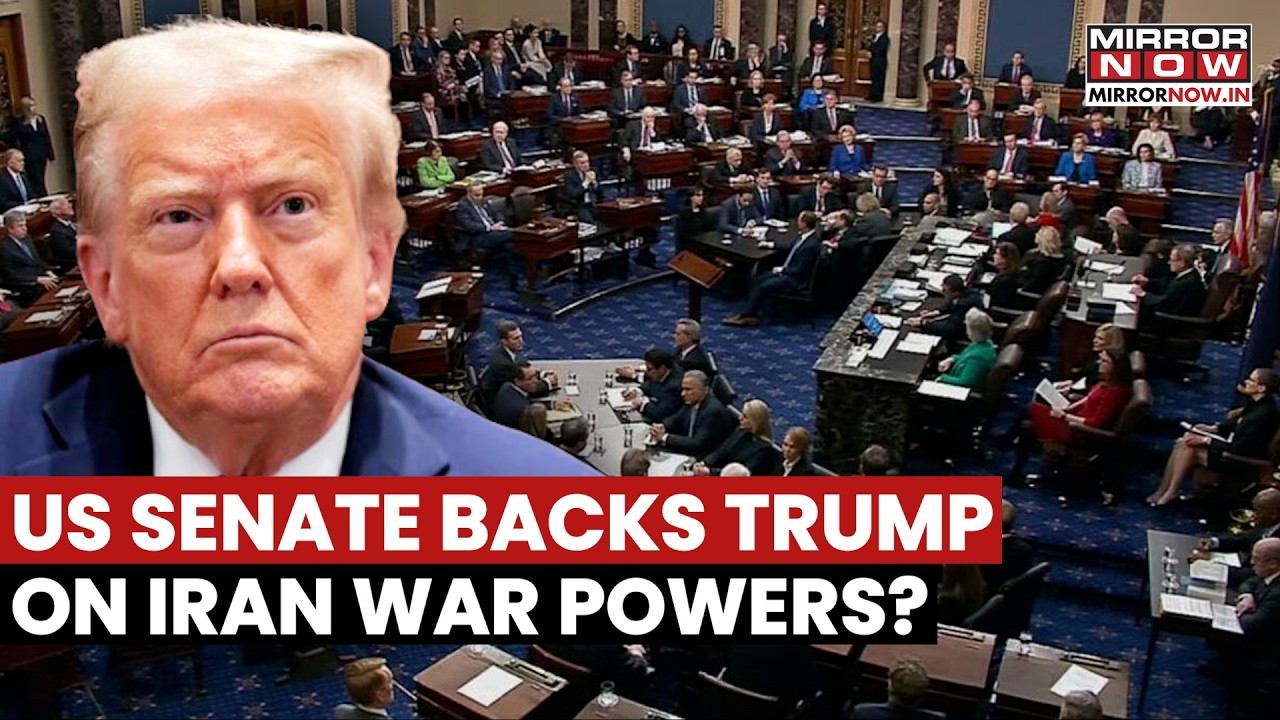
The Senate recently voted 47-50 against a measure that would have limited Trump's war powers, reversing an earlier decision that had garnered bipartisan support. This decision came after Trump criticized Republicans who had voted to limit his military authority. The pushback from the administration appears to have consolidated Republican support, further complicating the legislative landscape surrounding military engagement.
Funding Requests and Political Ramifications
In conjunction with the war powers debate, the Trump administration requested $87.6 billion from Congress to fund military operations in Iran, as well as other initiatives, including $1.4 billion to combat an Ebola outbreak. According to Office of Management and Budget Director Russ Vought, "Most of this request will address urgent needs related to the Iran war." This funding request is likely to intensify discussions about the balance of power between Congress and the presidency regarding military actions.
Democrats and the War Powers Resolution
Democrats, while critical of Trump's military actions, find themselves in a difficult position. Senator Patty Murray, the top Democrat on the Senate Appropriations Committee, emphasized the need to scrutinize the funding request but faces pressure from constituents who may view military engagement differently. Murray stated, "I will not rubber stamp tens of billions more for this disastrous war of choice," highlighting the internal conflicts within the party regarding military funding.
Implications for Future Legislation
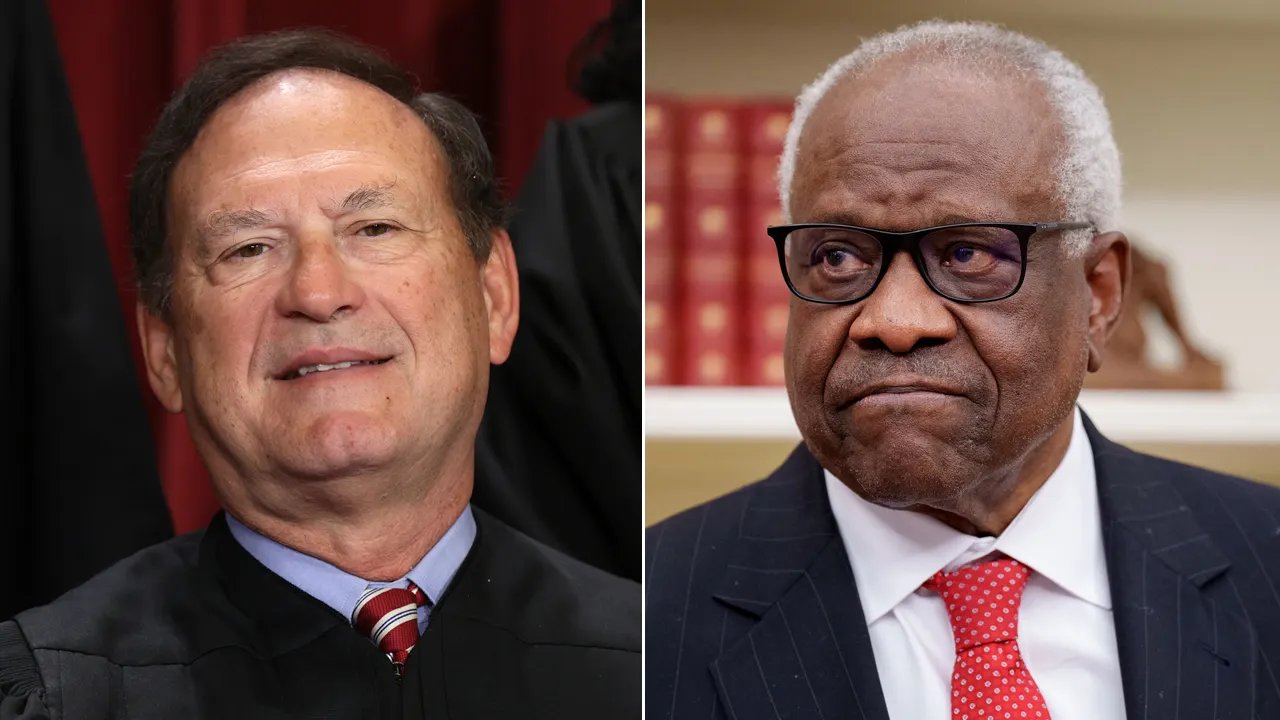
The reversal on war powers signifies a notable shift in the Senate's approach to foreign policy, especially as Trump continues to assert his military strategies. Analysts suggest that Cassidy's change may embolden other Republicans to align more closely with the administration, potentially sidelining bipartisan efforts aimed at curtailing executive military powers. Lawmakers will need to navigate these political waters carefully as they consider future legislation regarding military engagement.
Next Steps for Congress
As Congress prepares to address the administration's funding request, lawmakers will face tough decisions that could affect military operations and domestic priorities. The outcome of this funding debate may have far-reaching implications for U.S. foreign policy and the balance of power between the legislative and executive branches. Voters will be watching how their representatives respond to these challenges, especially in the context of escalating tensions in the Middle East.