




Rising Inflation Rate Signals Economic Strain
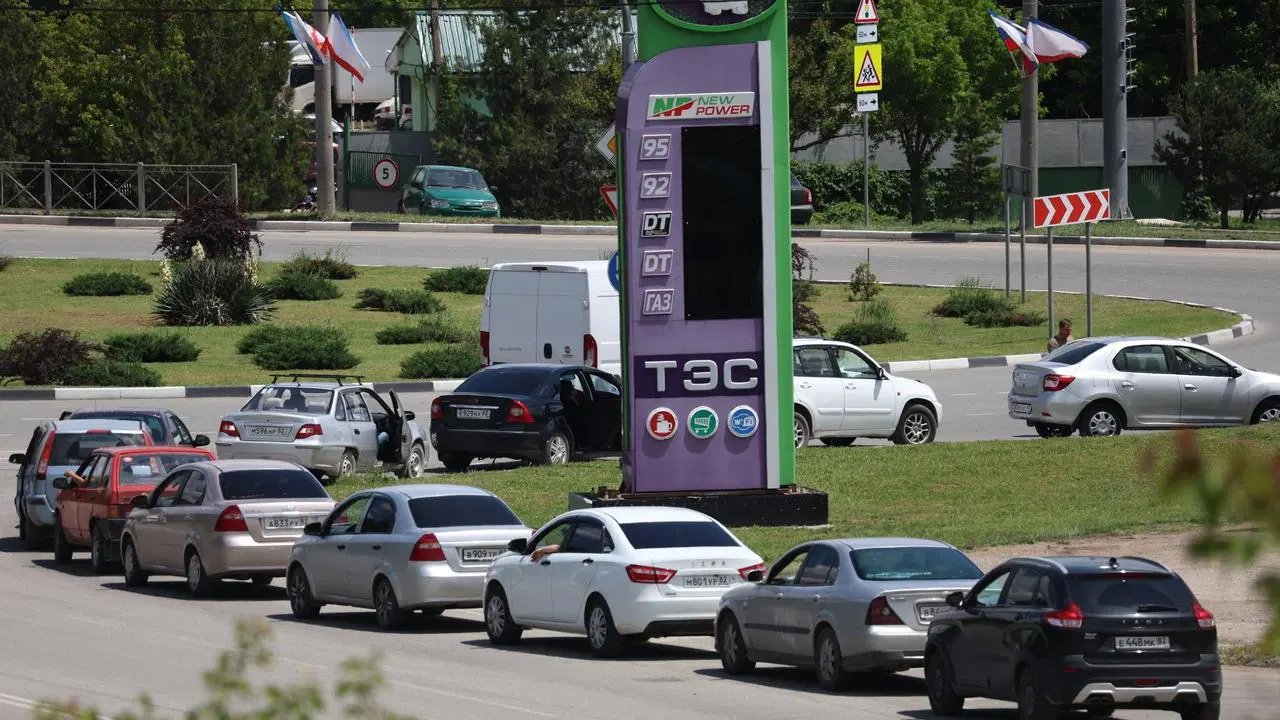
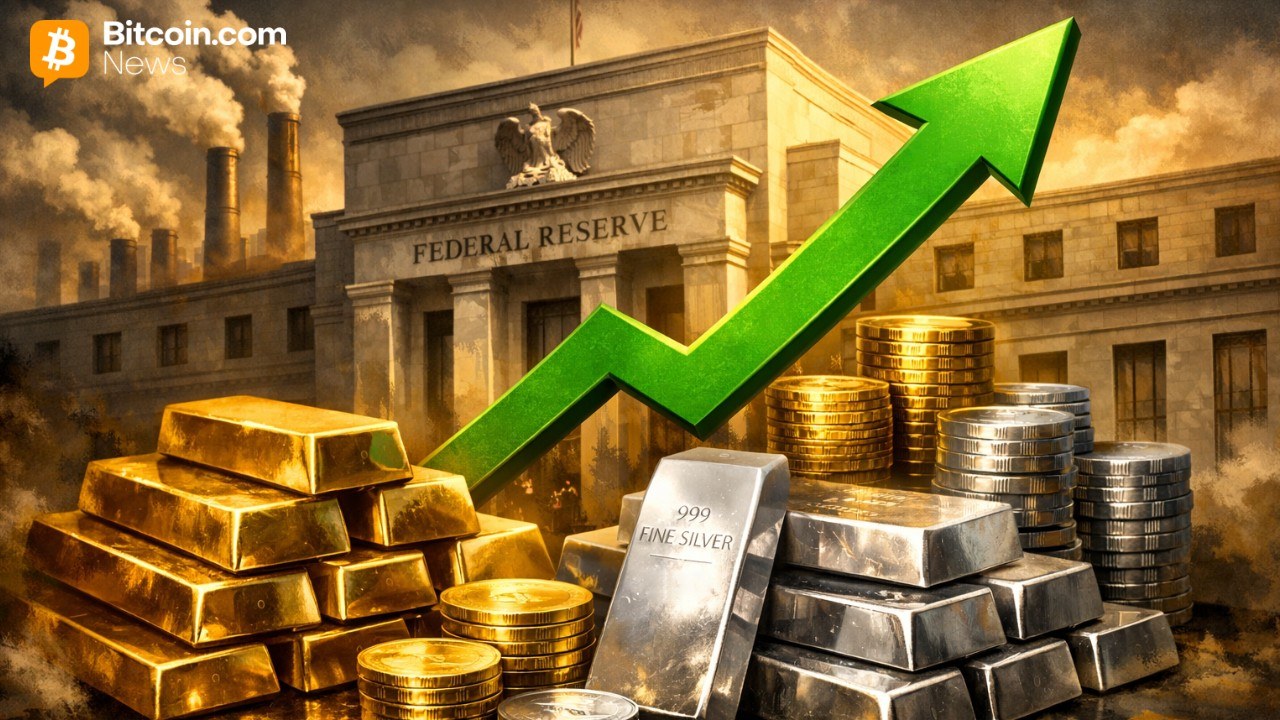
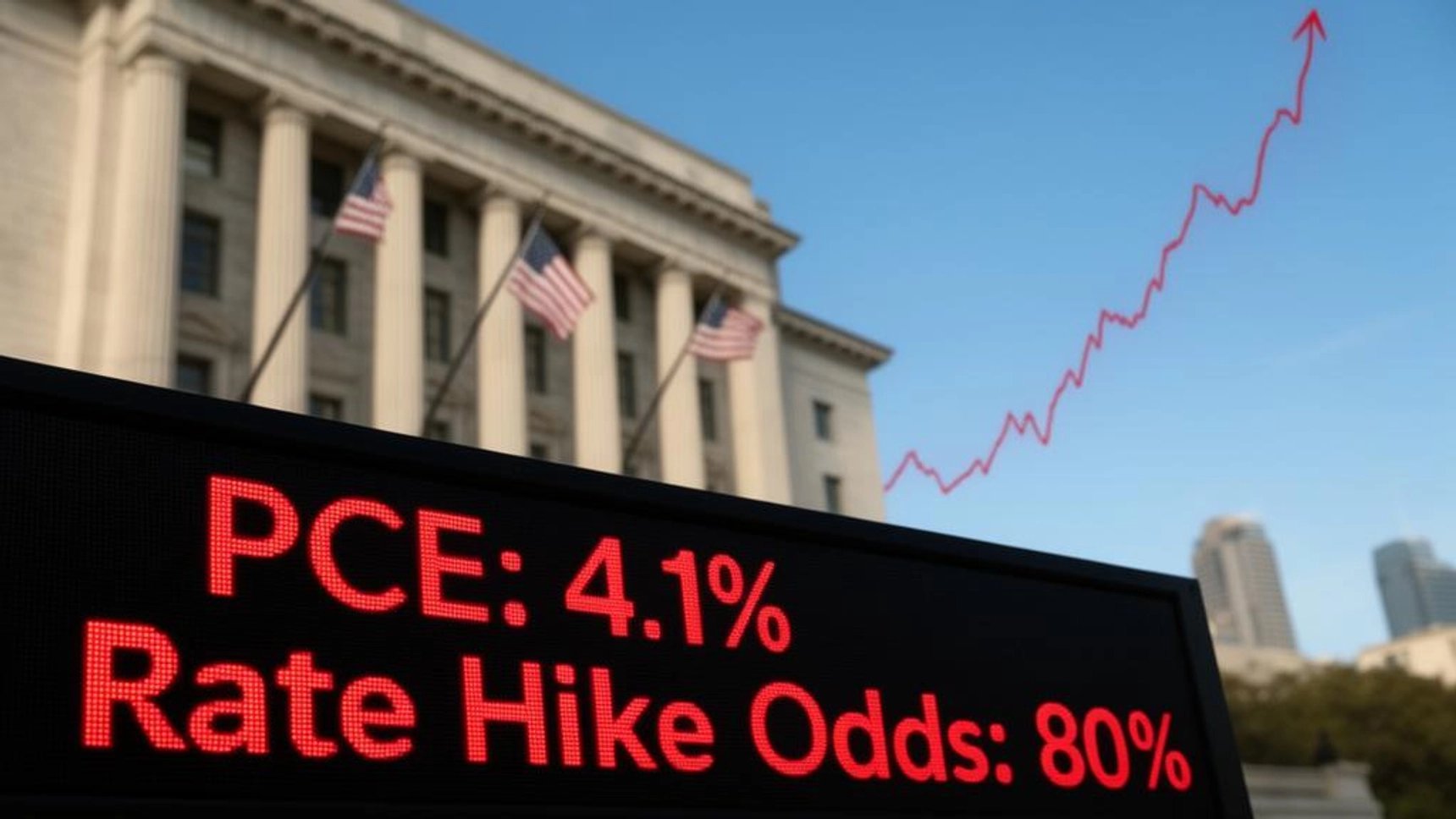
The Federal Reserve's preferred inflation gauge, the personal consumption expenditures (PCE) index, rose to 4.1% in May, marking the highest annual increase in three years. This surge follows a monthly increase of 0.4% in May, matching April's increase. The increase in prices is largely attributed to soaring gas prices, which peaked at nearly $4.50 per gallon nationwide, as well as rising costs for semiconductors and computer equipment, critical for the ongoing artificial intelligence boom.
Impact on Consumer Spending and Incomes
Despite rising prices, consumer spending increased by 0.3% from April to May when adjusted for inflation. Additionally, real incomes also rose by 0.3%, the first uptick in four months. Mark Vitner, chief economist at Piedmont Crescent Capital, noted that inflation has remained above the Fed's 2% target for over five years, which has contributed to a general sense of economic gloom among American households. The persistent inflation is raising concerns about long-term consumer purchasing power and economic stability.
Federal Reserve's Response to Inflation
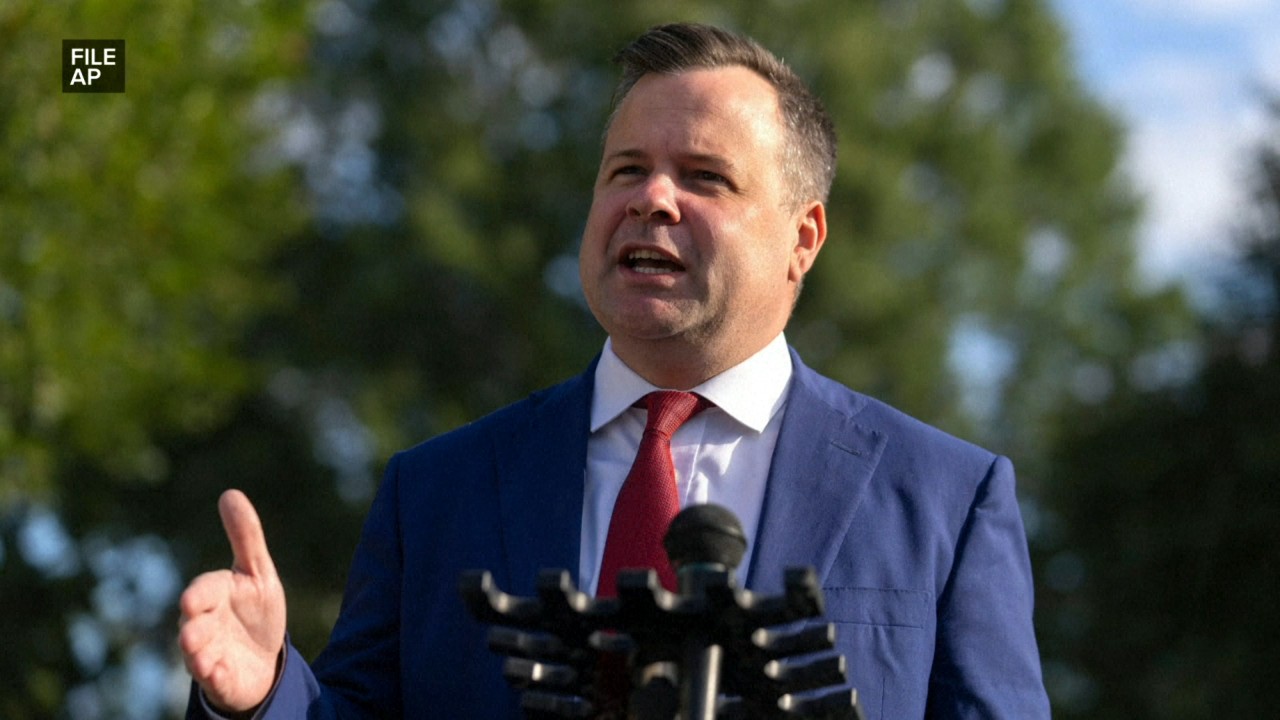
New Fed chair Kevin Warsh has emphasized the central bank's commitment to returning inflation to its 2% target but has not outlined specific measures to achieve this. Economists are now speculating that the Fed may need to raise interest rates later this year, a shift from earlier projections of rate cuts. The uncertainty surrounding inflation and potential rate hikes has led to volatility in U.S. markets, particularly affecting fast-growing sectors like technology.
War in Iran Exacerbates Economic Challenges
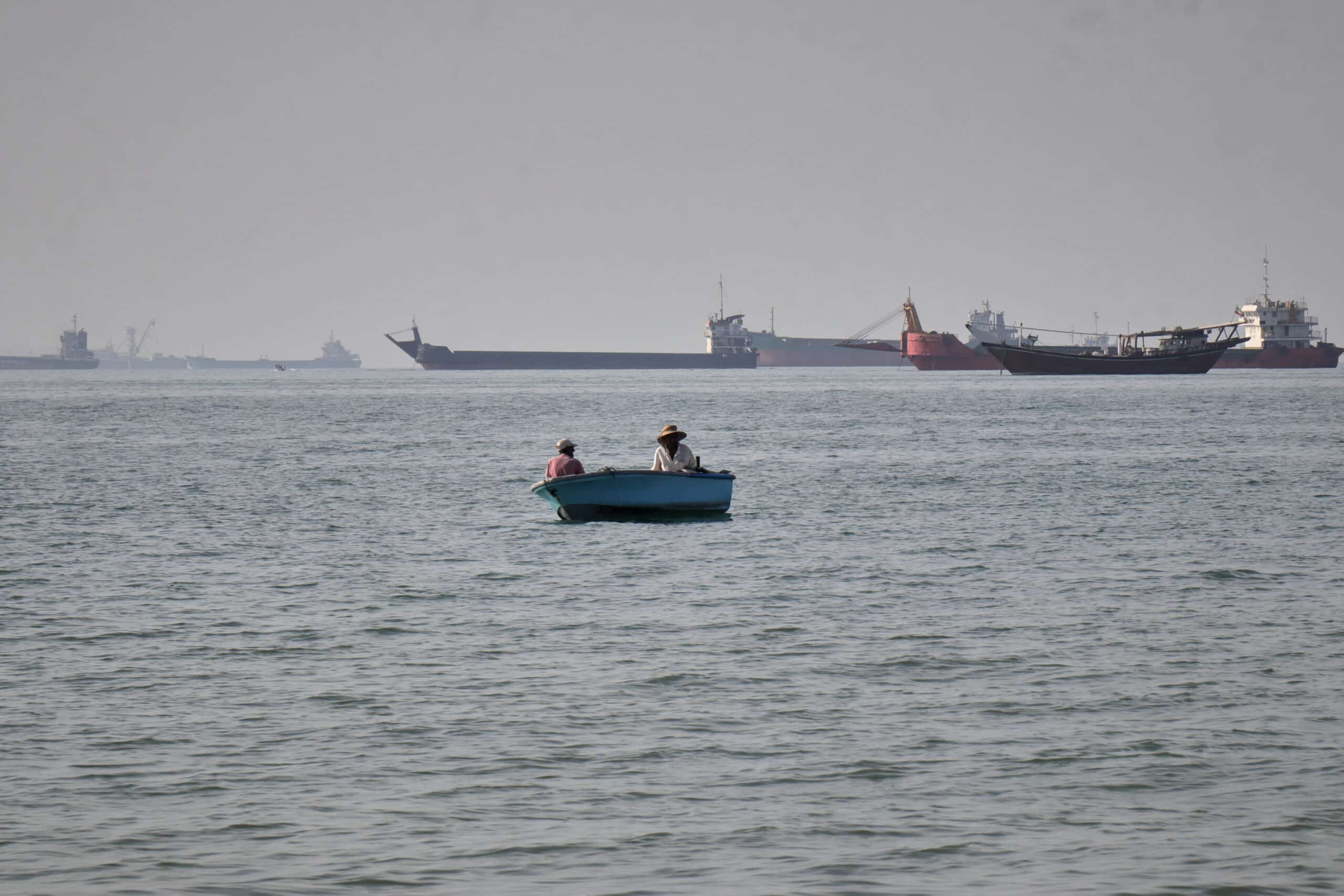
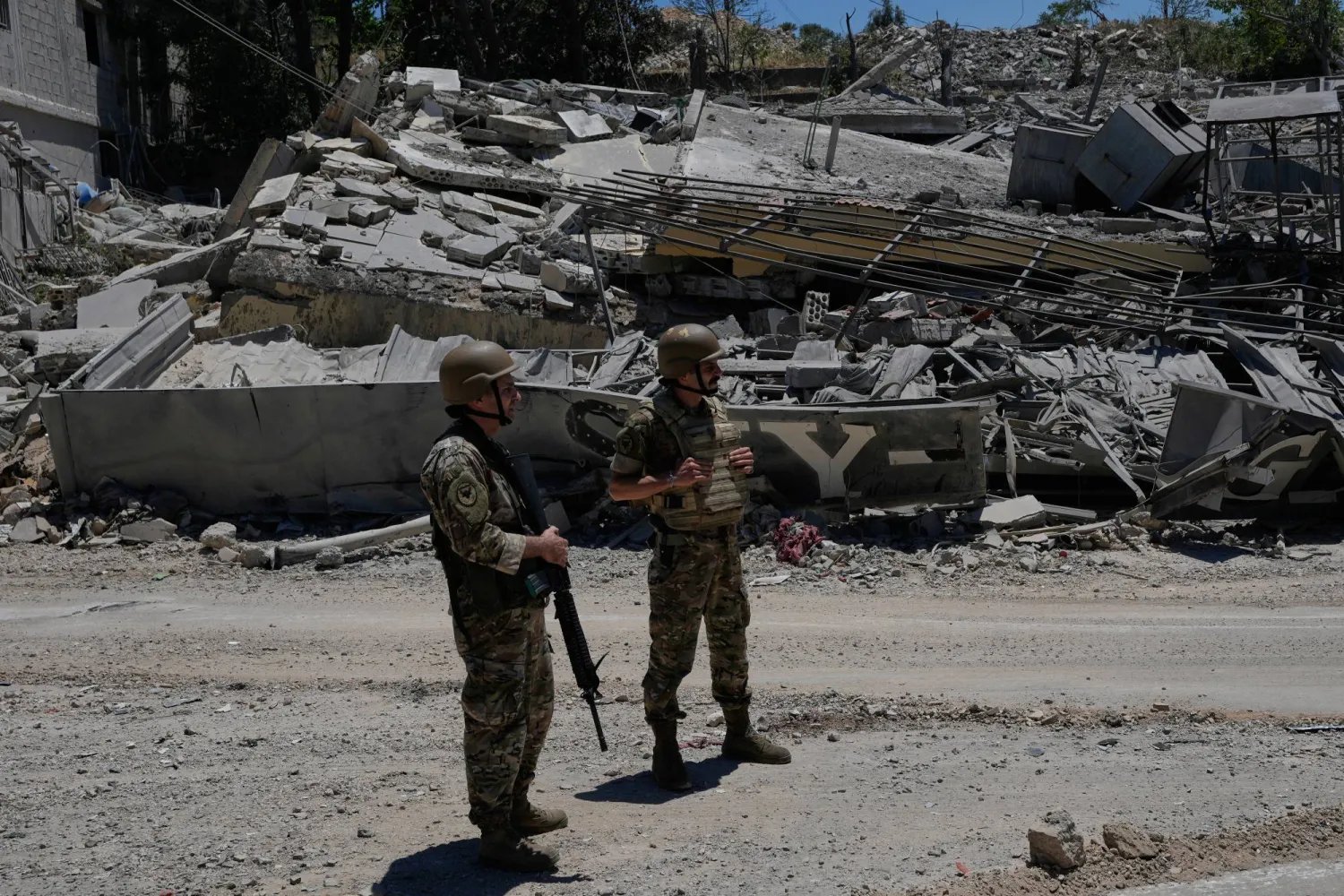
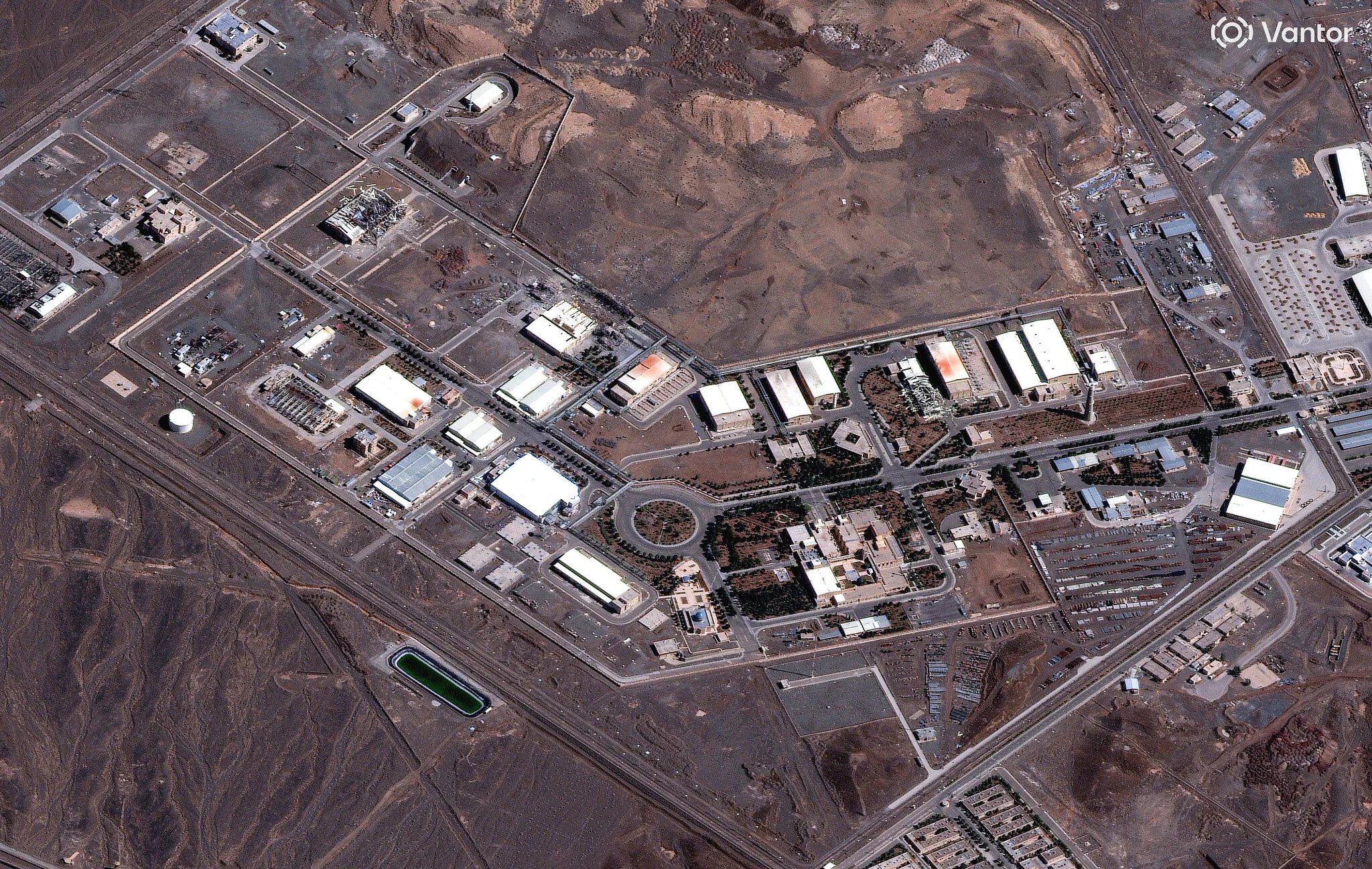
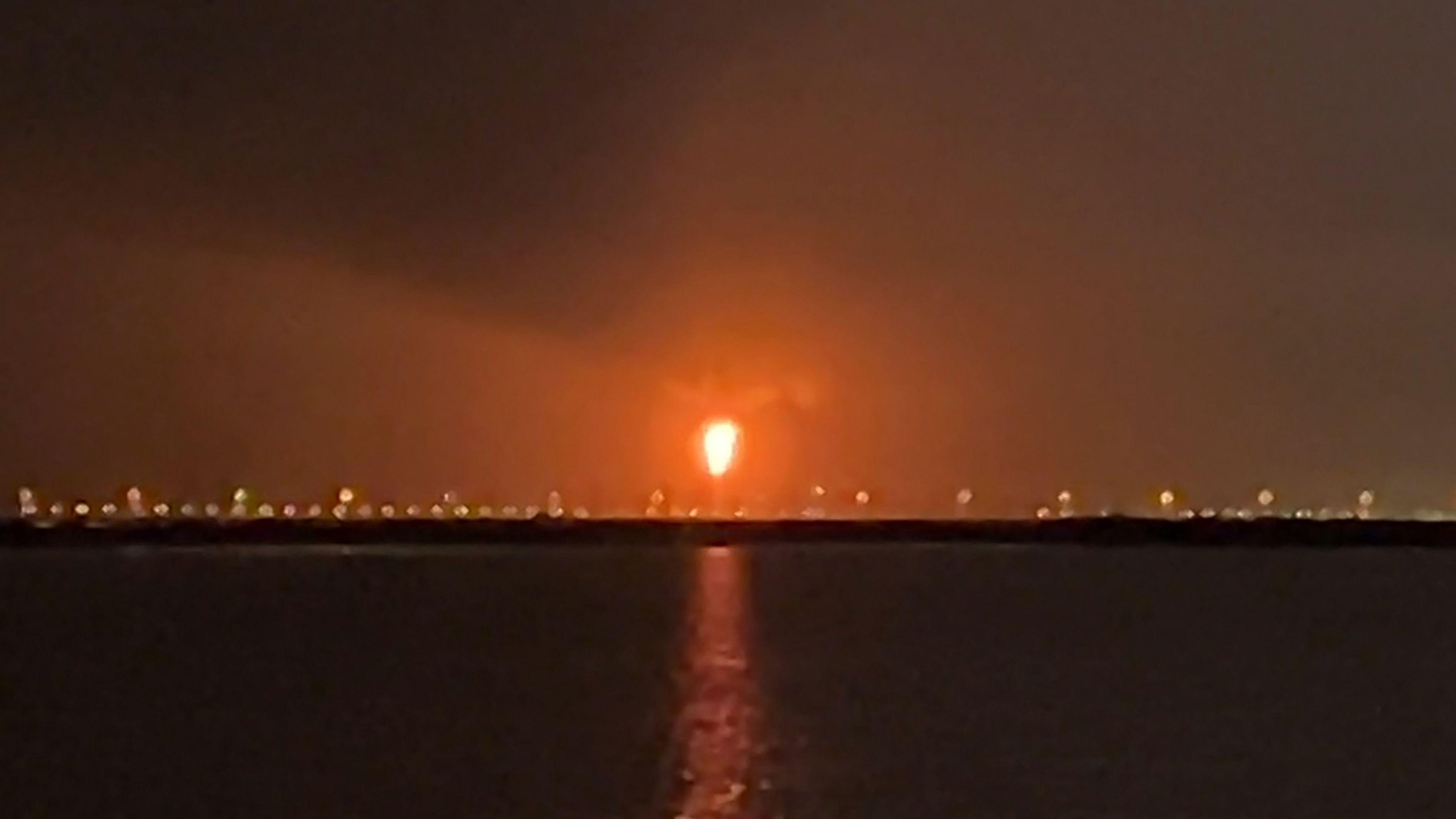
The ongoing conflict with Iran has further complicated the economic landscape. Following a ceasefire agreement, gas prices have fallen to around $3.92 per gallon, but they remain significantly higher than last year. Analysts warn that while a peace deal could ease some economic pressures, the immediate fallout from the conflict has already strained global trade and energy markets. Disruptions to shipping through the Strait of Hormuz sent crude prices soaring. Brent crude briefly touched $126 a barrel, its highest price in four years, but has since dropped to pre-war levels of about $72 per barrel.
Profits Surge for Defense and Energy Sectors
The war has proven profitable for sectors such as defense contractors and energy companies. Major oil firms like Saudi Aramco reported a 25% increase in first-quarter profits, while other energy companies like BP and TotalEnergies also saw substantial gains. The conflict has driven demand for energy and military supplies, prompting firms to ramp up production and secure lucrative contracts. The defense industry, in particular, is benefiting from increased government spending, with a $500 billion boost in funding recently approved by the Trump administration.
Broader Economic Implications
The inflationary pressures and the economic consequences of the Iran conflict are likely to have significant implications for the upcoming midterm elections. Rising costs could pose political problems for President Trump and his political party as midterm elections near. Analysts caution that prolonged high energy costs risk weakening demand and tipping economies towards recession.
Next Steps for Consumers and Policymakers
As inflation remains a pressing issue, consumers may need to adjust their spending habits to cope with rising prices. The interplay between inflation, consumer spending, and geopolitical events underscores the complex landscape that will shape the U.S. economy in the coming months.