





International Tribunal for Russian Aggression
Thirty-four European countries, along with Australia, Costa Rica, and the EU, have committed to forming a special tribunal to prosecute Russia for its invasion of Ukraine. Ukrainian President Volodymyr Zelensky signed an agreement with the Council of Europe last year to create the legal body. Alain Berset, Secretary General of the Council of Europe, stated that the tribunal "represents justice and hope." The Netherlands' Foreign Minister Tom Berendsen said that The Hague will "host the initial phase" of the special tribunal. Ukraine's Foreign Minister Andrii Sybiha called the agreement "a historic day."
Scope of the Tribunal
The Council of Europe's tribunal aims to prosecute issues beyond the International Criminal Court's jurisdiction, such as the decision to launch the invasion and questions of reparations. Sybiha referenced the Nuremberg trials, stating that this Special Tribunal in the Hague will "restore justice from the ruins of war." He emphasized that accountability "will never be up for compromise." The tribunal will include a Register of Damages and a Claims Commission.
Dissenting Voices
Twelve member states have not yet signed up, including EU members Hungary, Slovakia, Bulgaria, and Malta. Balkan countries Serbia, Bosnia and Herzegovina, North Macedonia and Albania have not joined, and neither have Armenia, Azerbaijan and NATO member Turkey. Critics question how the tribunal will prosecute alleged Russian war criminals, given the unlikelihood of President Vladimir Putin's regime cooperating.
Russia's Drone Recruitment Efforts
Russian universities are offering incentives, including free tuition and up to $70,000, to students who become wartime drone pilots. Bloomberg reported that this recruitment offer appeared on pamphlets at Bauman Moscow State Technical University. The independent magazine Groza counted at least 270 Russian academic institutions promoting military contracts to their students. Russia's Defense Ministry seeks drone pilot recruits with expertise in flying drones, model aircraft, electronics, and radio engineering, with computer skills also being desirable, according to NBC News.
Risks and Casualties
Russia aims to have 168,000 drone operators by the end of 2026, according to the Kyiv Independent. The BBC News identified 23-year-old Valery Averin as the first known death among the new wave of Russian university students who trained and deployed as drone operators. Averin's adoptive mother, Oksana Afanasyeva, was informed of her son’s death in a mortar attack on April 6 near the Russian-occupied city of Luhansk. A NATO official cited by news reporting in February 2026 estimated Russian battlefield casualties at 1.3 million soldiers since the start of the full-scale invasion.
Escalating Attacks
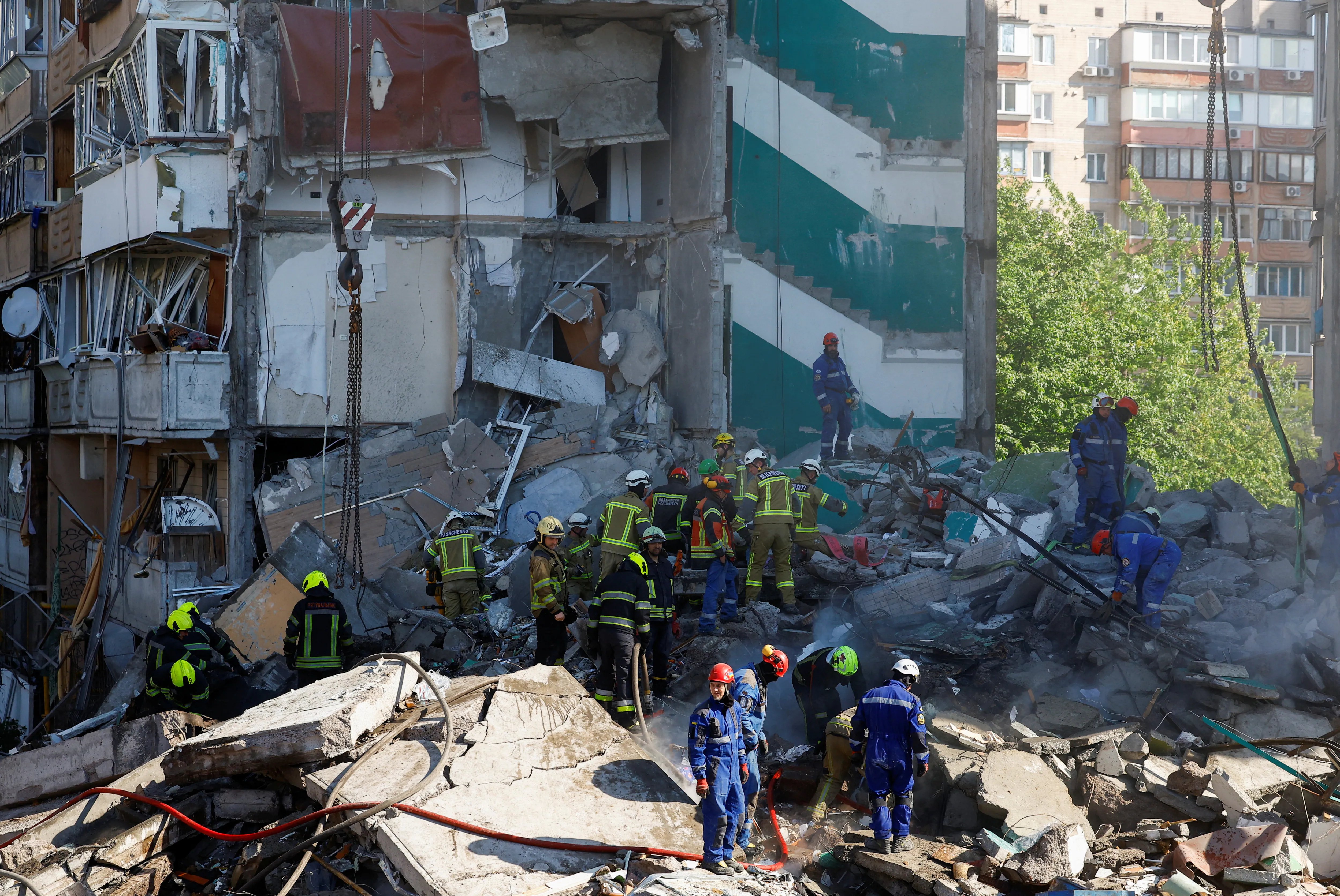
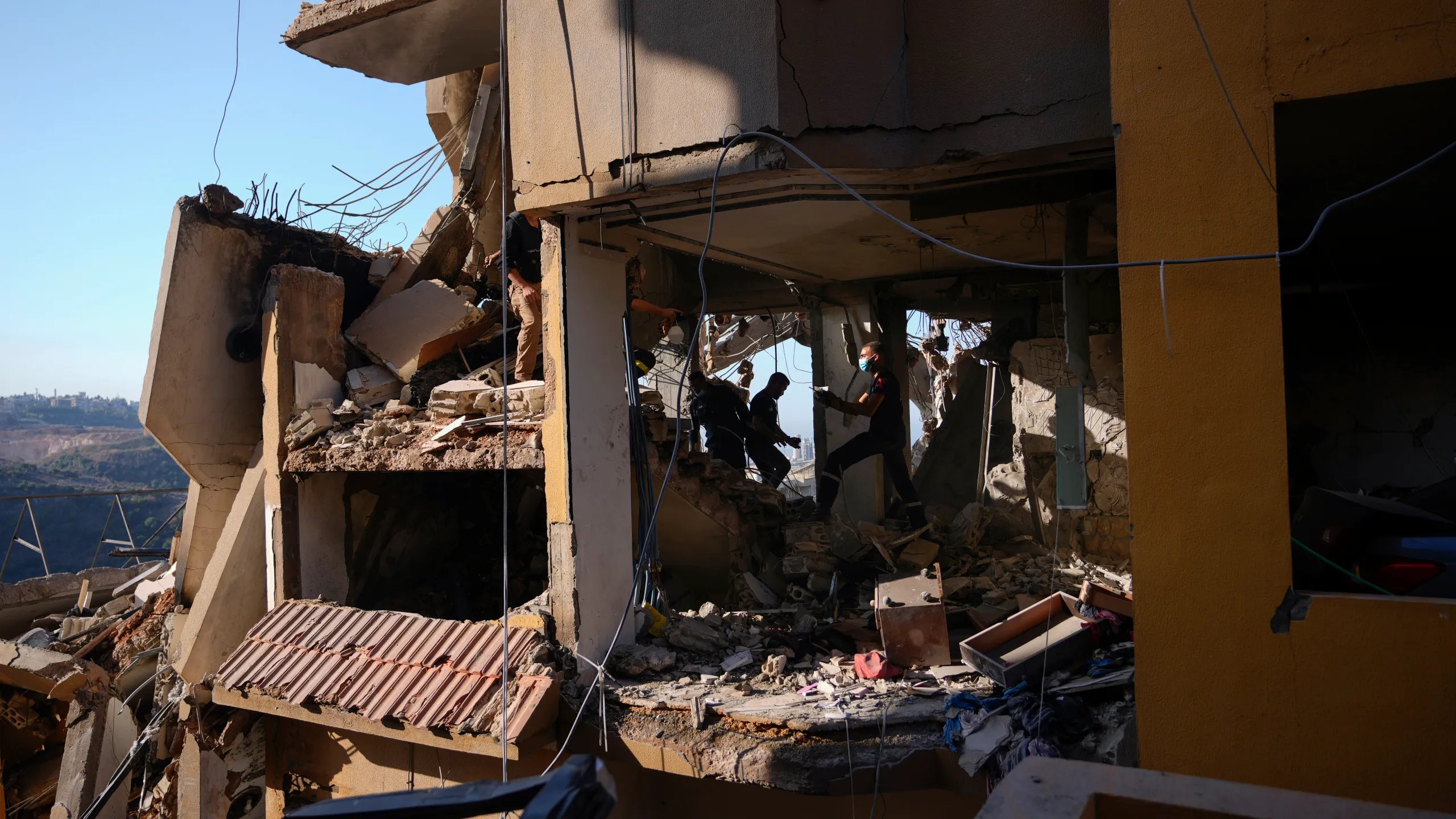
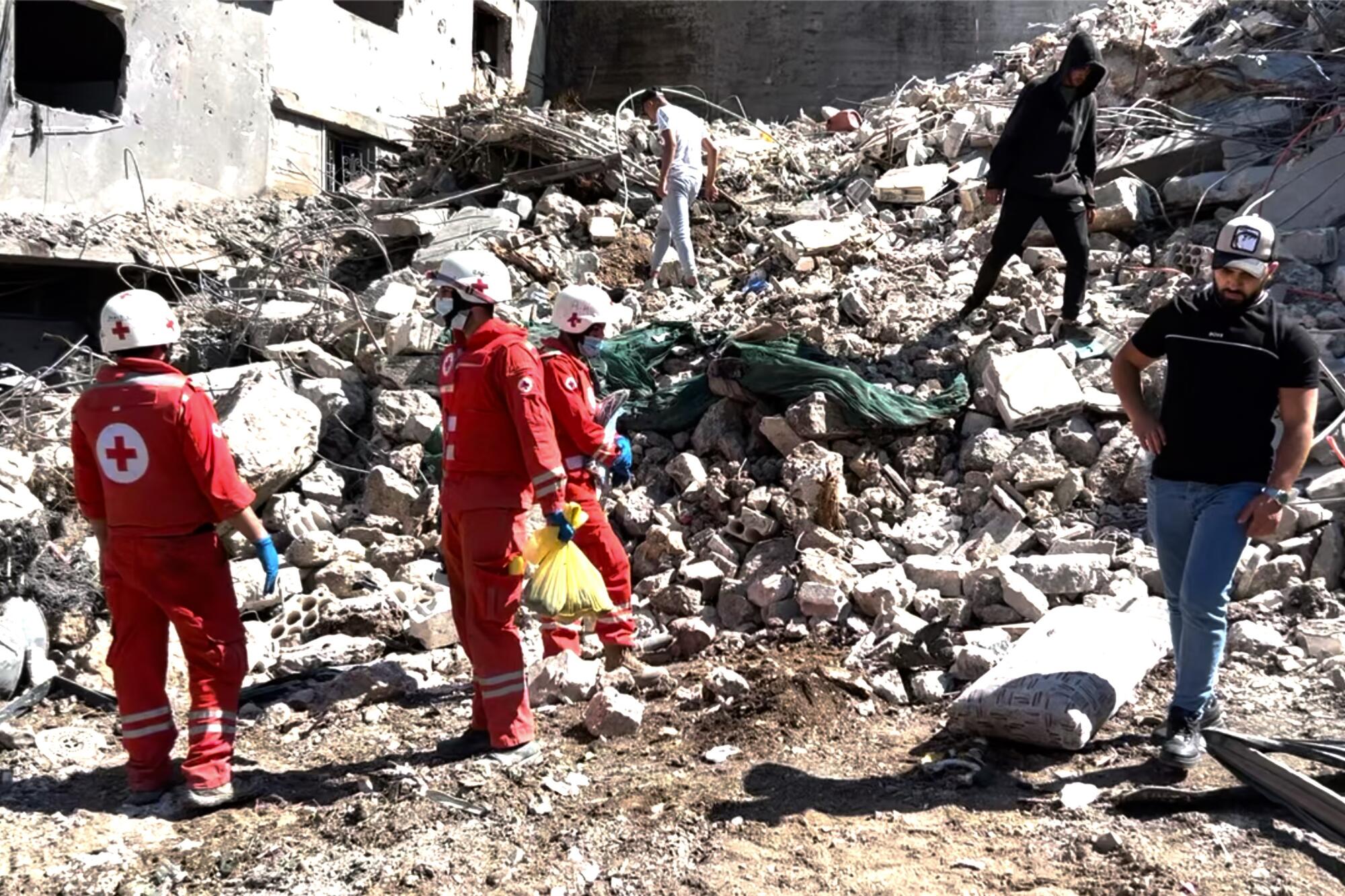
A Russian missile strike on an apartment building in Kyiv killed 24 people, including three children. President Zelenskyy laid red roses amid the rubble on Friday and said Ukraine would not allow such attacks to "go unpunished." Zelenskyy stated that Ukraine is justified in its responses against Russia's oil industry, weapons industry, and those directly responsible for committing war crimes.
As the international community moves to hold Russia accountable for its actions, the mental health crisis in Ukraine continues to grow, according to the WHO, requiring attention "until the end of the century."

















For example, the tribunal will include a Register of Damages and a Claims Commission, which were not mentioned in the summary.