




Weakening DACA Protections
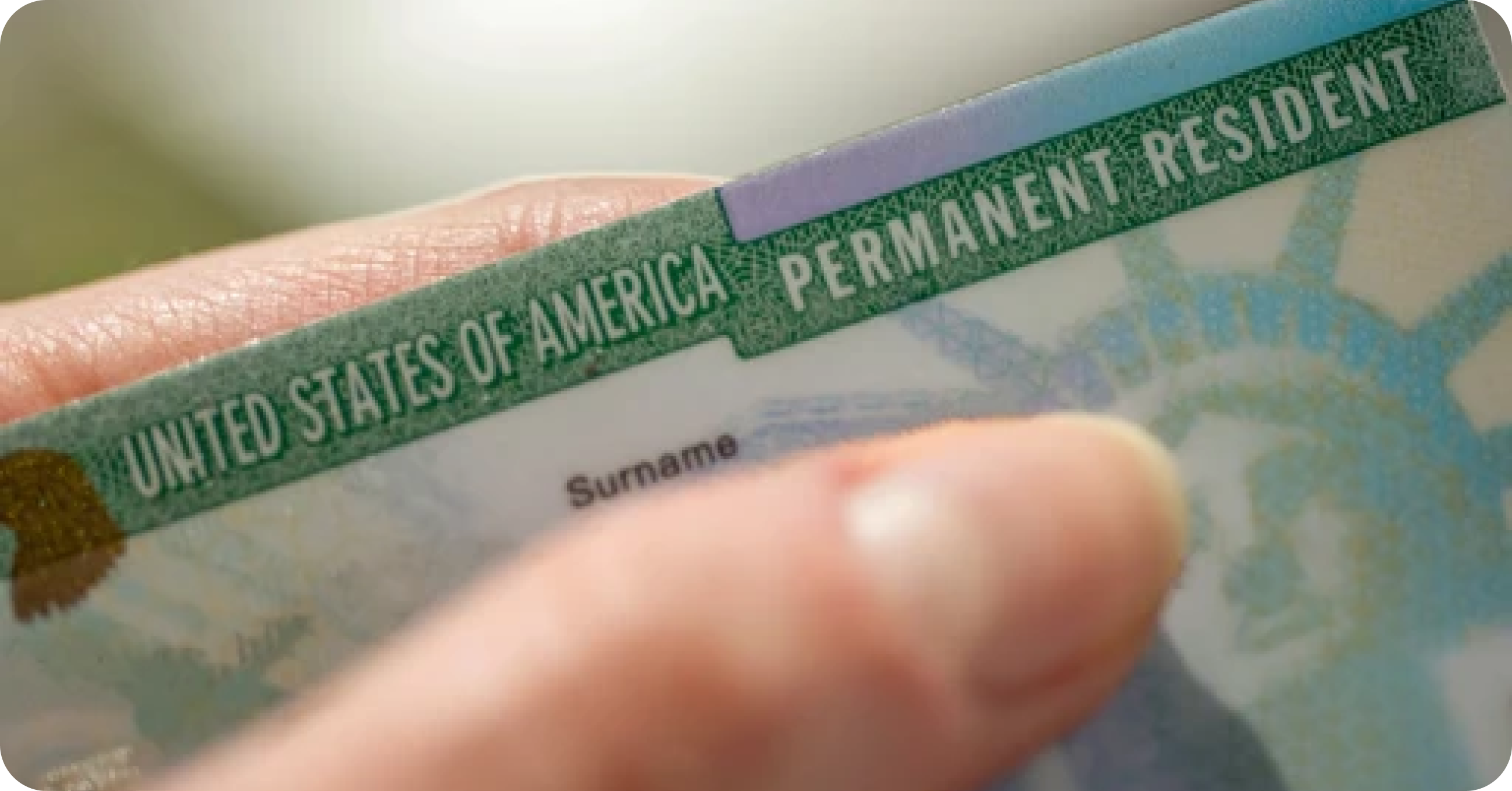
A new decision by the Board of Immigration Appeals makes it easier to deport immigrants protected by the Deferred Action for Childhood Arrivals program. The ruling states that DACA status is not sufficient to prevent deportation. This decision potentially impacts over 500,000 DACA recipients, also known as Dreamers.
Case Specifics
The ruling stems from the case of Catalina "Xóchitl" Santiago, a DACA recipient who was detained at the El Paso airport in August. Immigration Judge Michael Pleters initially terminated Santiago's removal proceedings because of her DACA status. However, a three-judge panel of appellate immigration judges sided with Department of Homeland Security lawyers who appealed Pleters' decision.
Concerns Over Impartiality
The Board of Immigration Appeals order noted that DHS argued Judge Pleters should be recused from the case because he is married to Democratic Rep. Veronica Escobar of Texas, who has been outspoken about DACA issues. The BIA did not sustain DHS' appeal based on that argument. Instead, they stated that "the Immigration Judge erred" by basing his decision solely on Santiago's DACA status.
Broader Implications
Juliana Macedo do Nascimento, deputy director of Advocacy and Campaigns at United We Dream, said, "This decision is yet another step in dismantling the program without the government taking responsibility for ending it outright." Nascimento added, "This is a quiet rollback of protections, and our communities are paying the price in real time."
Government's Stance
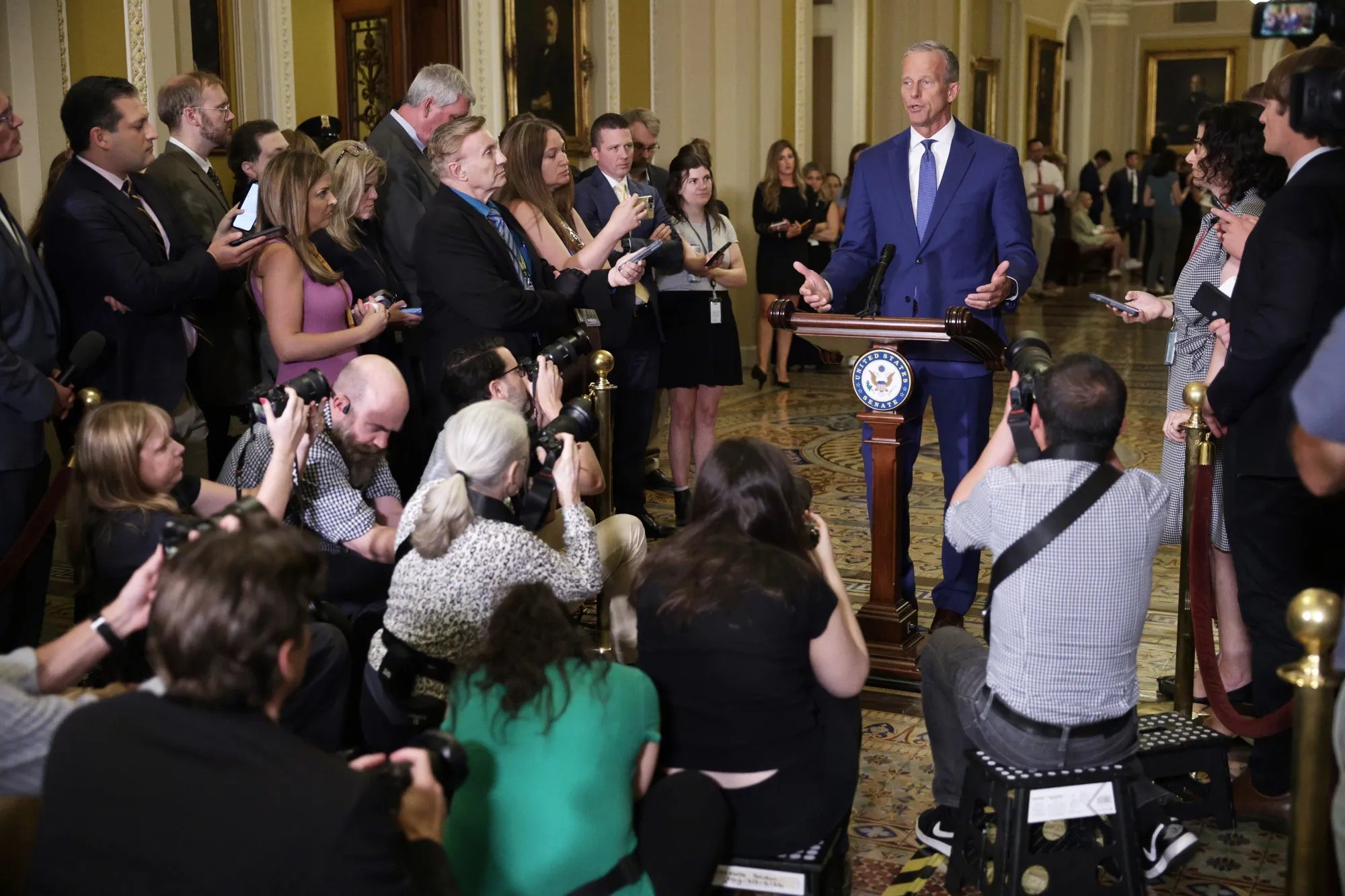
Then-Homeland Security Secretary Kristi Noem stated in a letter to senators earlier this year that between January and November of last year, 261 DACA recipients were arrested and 86 were removed from the country. Noem reiterated that DACA is temporary and "comes with no right or entitlement to remain in the United States indefinitely."
Increased Government Appeals
Attorneys with Immigration and Customs Enforcement have increasingly appealed more decisions to the BIA over the last year. According to an NPR analysis, BIA decisions backed government lawyers in 97% of publicly posted cases last year. This is at least 30 percentage points higher than the average over the past 16 years.
Policy Changes
The board's decisions have made it harder for immigration courts to offer immigrants bond in lieu of detention. A new proposed regulation would make it harder for people to appeal their immigration decisions at all. These actions occurred as the board issued 70 published decisions, a record number of precedent-setting cases.
DACA recipients must renew their protection every two years, making them vulnerable to policy shifts.