




Healthcare System Braces for Mass Workforce Loss
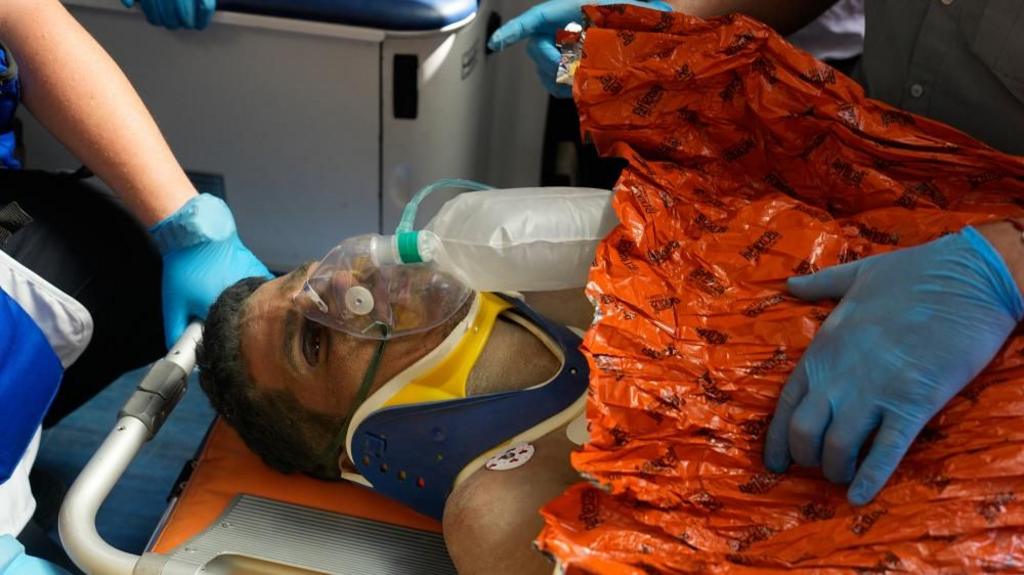
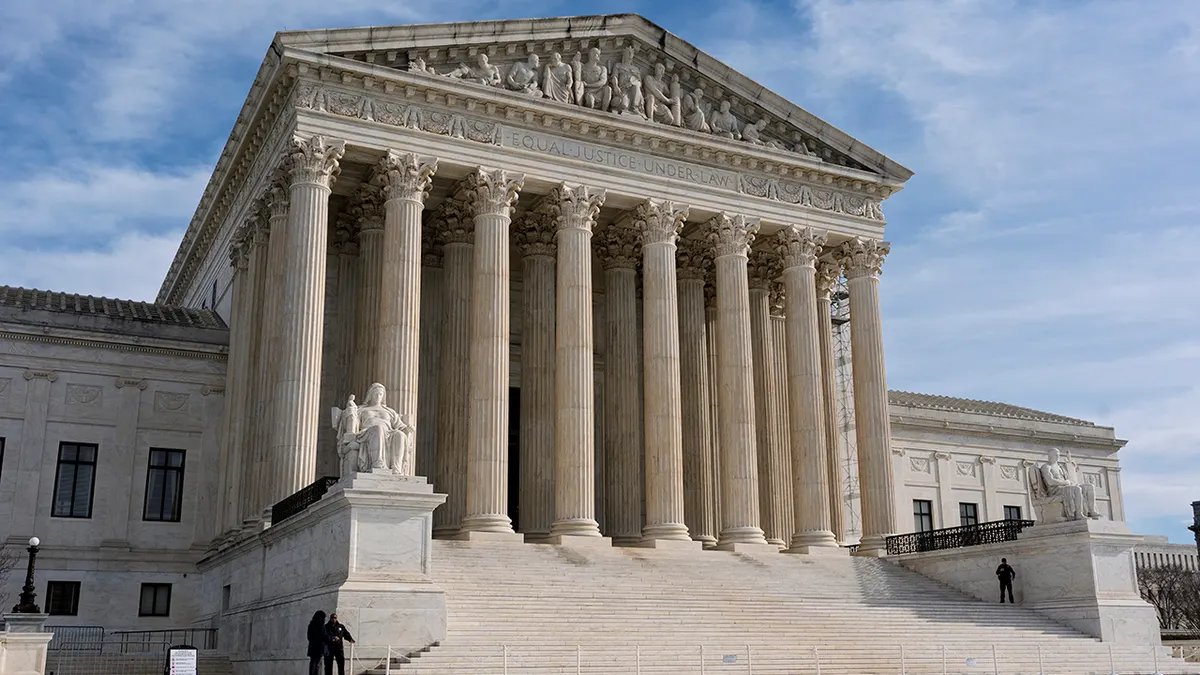
The Supreme Court's decision to allow the Trump administration to end temporary protected status for Haitians and Syrians will severely disrupt healthcare staffing, according to experts analyzing the ruling's consequences. The decision clears the way to strip work authorizations from over 330,000 people, with roughly 21,000 Haitian TPS holders working in hard-to-fill jobs as nursing assistants and caregivers. The blow arrives as hospitals and nursing homes already operate under severe constraints: two-thirds of hospitals have closed beds due to insufficient staff, and about half of nursing homes cannot accept new admissions because they lack personnel.
Experts say long-term care facilities, including senior care and home care, will suffer the greatest disruptions. Steffie Woolhandler, a distinguished professor of health policy at City University of New York at Hunter College and faculty member at Harvard Medical School, warned of cascading effects. "It's going to be a disaster in the Boston area, where a lot of our nursing home and home care aides are Haitian," Woolhandler told NPR. Massachusetts alone has 19,000 Haitian TPS holders, third only to Florida's 158,000 and New York's 40,000.
The healthcare workforce includes roughly 50,000 noncitizen physicians, representing 9 percent of all U.S. doctors, and another 145,000 registered nurses. This noncitizen category includes people with TPS protections. Woolhandler explained the cascade effect: "If you start throwing out workers that play a key role in the whole continuum of care, it tends to create a bottleneck or a backup." When families cannot find nursing home beds or home care aides, those people end up stuck in hospitals and emergency rooms, straining systems already at capacity.
Industry Leaders Sound Alarm on Patient Care
Katie Smith Sloan, president and CEO of LeadingAge, which represents more than 5,300 aging service providers nationwide, called the ruling a direct threat to care delivery. "It puts older adults and the providers who care for them in an untenable position," Sloan said in a statement. "Staff and caregivers who support older adults every day—legal employees who in some of our communities represent 8 percent or more of the entire workforce—can now lose their jobs overnight."
Woolhandler stressed that the impact extends beyond elderly care. "If the United States becomes inhospitable to noncitizens, which I think Trump is doing, we're going to have a lot of problems staffing our entire healthcare system," she said.
Immediate Legal Limbo for TPS Recipients
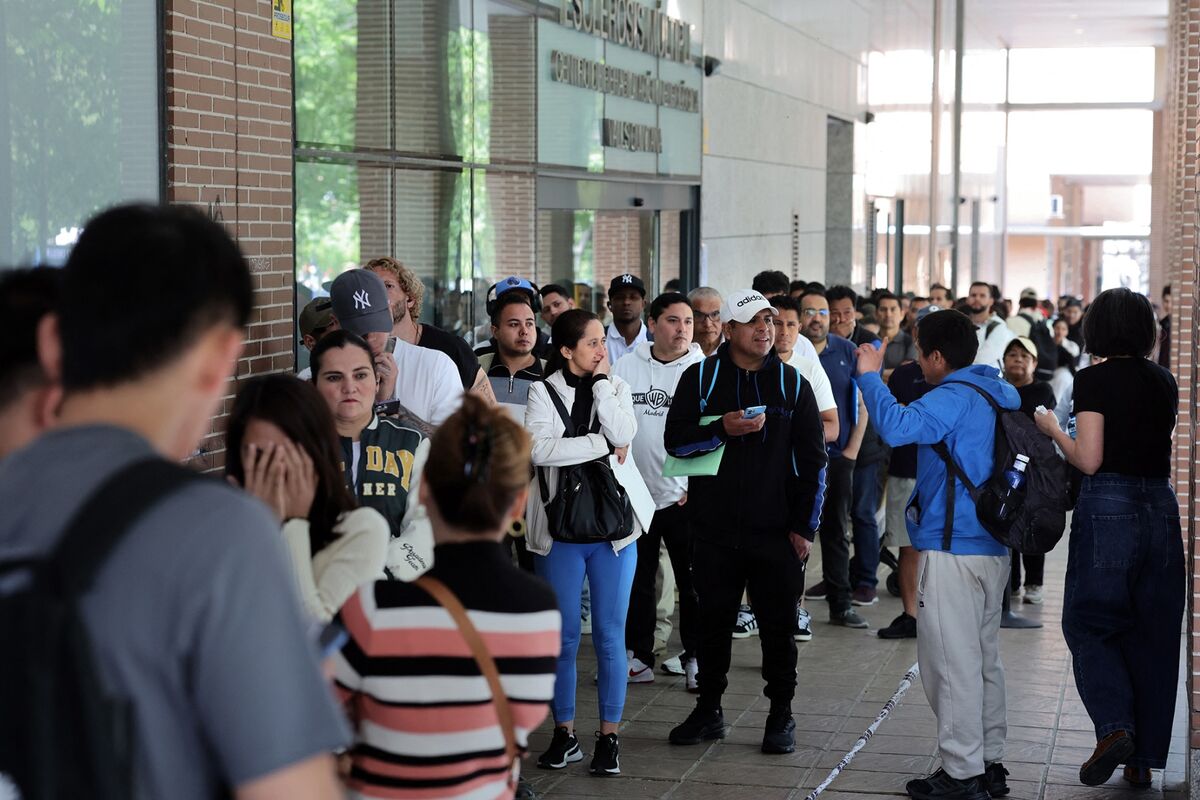
The Department of Homeland Security announced that existing Employment Authorization Documents will expire on July 10. The Trump administration has released little information about how it will implement the withdrawal of protections for the affected population.
In Springfield, Ohio, where one in four residents is of Haitian descent, TPS holders immediately sought legal advice after the ruling. Viles Dorsainvil, the 40-year-old co-founder and executive director of Haitian Support Center, received dozens of calls from TPS holders asking whether they could keep their bank accounts, continue working, or maintain driver's licenses tied to their work permits. "The community is devastated," Dorsainvil told NPR.
Dorsainvil himself arrived on a visitor visa in 2020, intending to stay six months. Haiti's political system deteriorated into violence following the assassination of President Jovenel Moïse, making return impossible. He remained through the Biden administration's TPS extension, and in 2024 applied for asylum alongside his brother, a former Haitian doctor now working as a nurse in Chicago. Those applications remain unresolved.
Dorsainvil is advising people to sign powers of attorney to trusted individuals and parents with American-born children to arrange guardianship transfers in case DHS pursues family separations. He continues his dual master's degree program in international relations and public administration at Wright State University in Dayton, Ohio, while navigating the uncertainty facing his community.
Justice Department Targets Birth Tourism Despite Limited Evidence
One day after the Supreme Court upheld birthright citizenship, acting attorney general Todd Blanche announced federal prosecutors and law enforcement would focus on combating "birth tourism." Colin McDonald, assistant attorney general for the national fraud division, directed Justice Department staff to bring fraud charges in alleged birth tourism cases, stating the department would "zealously protect the sanctity of United States citizenship by investigating and prosecuting those who fraudulently exploit our immigration system."
The Center for Immigration Studies estimates between 20,000 and 26,000 births occur annually to women on tourist visas, less than 1 percent of all babies born in the U.S. During oral arguments in April, the government's own lawyer, D John Sauer, conceded that "no one knows for sure" how significant the problem actually is. Chief Justice John Roberts wrote in the majority opinion that the administration provided "scant evidence for this dramatically revisionist view" of the 14th Amendment.
Blanche told reporters the Justice Department would work with Homeland Security and the FBI "to minimize or limit the opportunity of folks coming here not to visit, and not to do what they're saying they're doing on the tourist visa, but just to have a baby that can then be a US citizen." House Speaker Mike Johnson claimed the practice "has been grossly abused in recent years," asserting that people "come on to the soil and have your child, and then they're able to avail themselves of the welfare state."
Trump is now pushing lawmakers to create legislation establishing exceptions to birthright citizenship for children born to parents without permanent legal status. Any such legislation would need to overcome the 60-vote filibuster, which has proved frequently insurmountable on divisive bills during his second term.