




Trade Agreement Status and Future Reviews
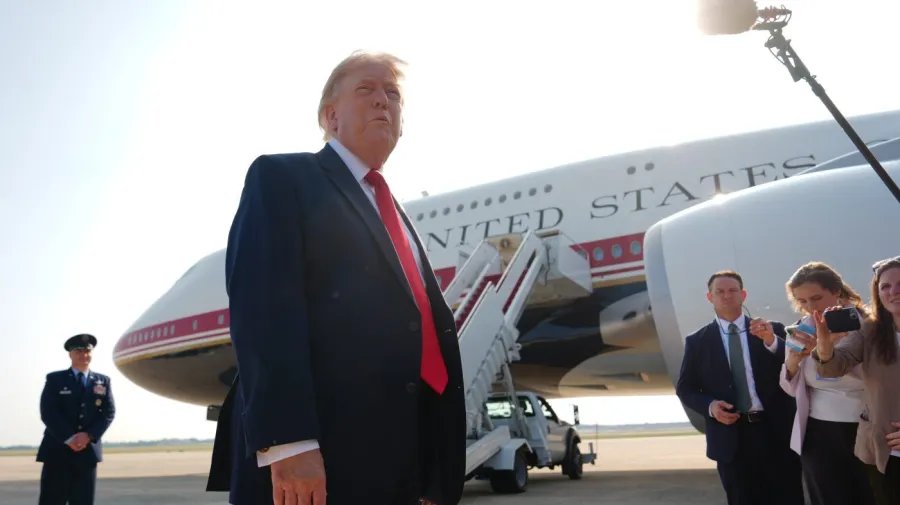
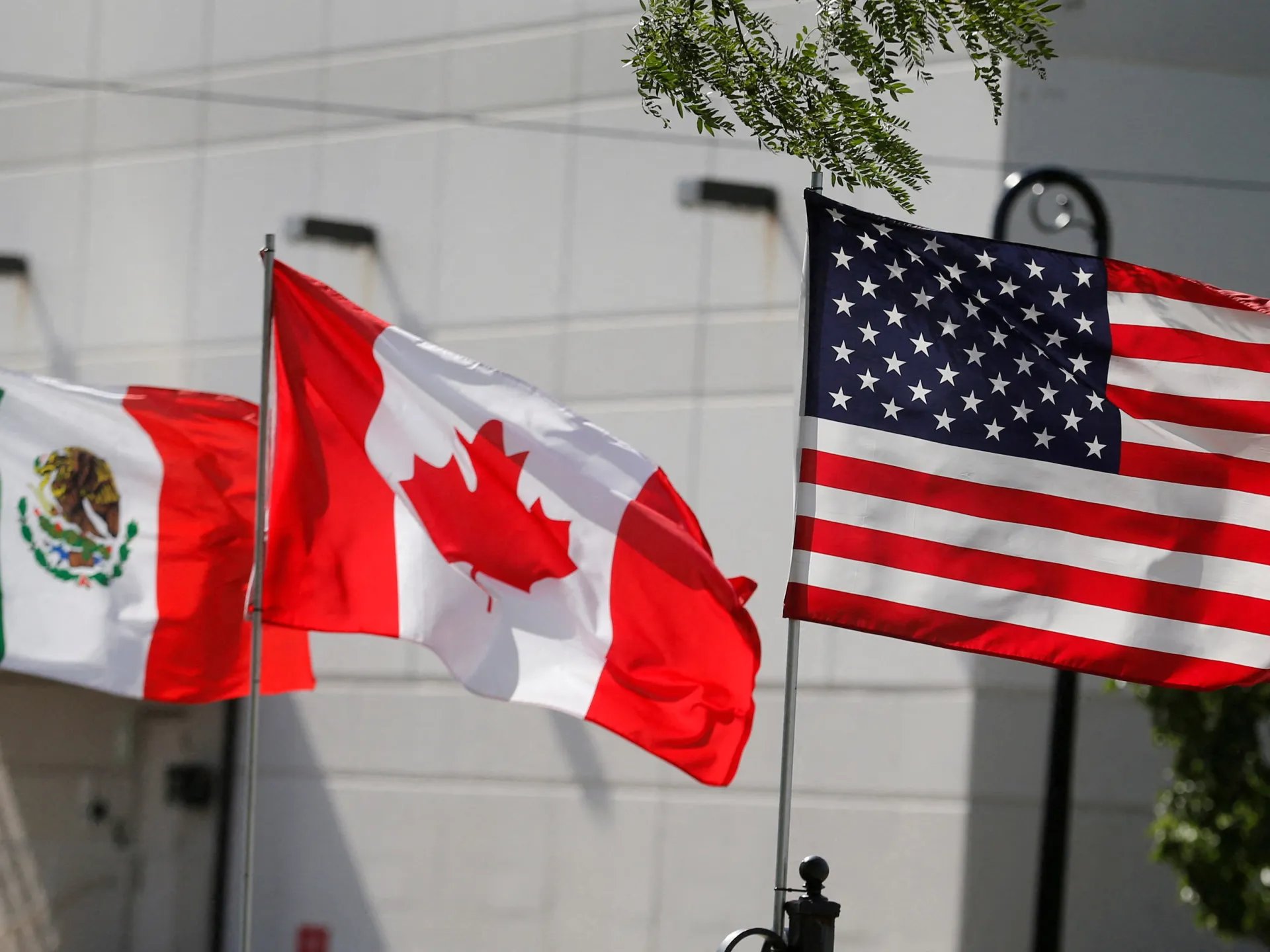
The United States has decided not to renew the United States-Mexico-Canada Agreement (USMCA) in its current form, according to U.S. Trade Representative Jamieson Greer. Although the agreement will remain in force for another ten years, it will now undergo annual reviews, which could lead to complicated negotiations regarding tariffs and trade rules across various sectors. This decision is expected to create uncertainty for U.S. automakers and farmers who rely on the stability of supply chains established by the deal.
Implications for North American Trade
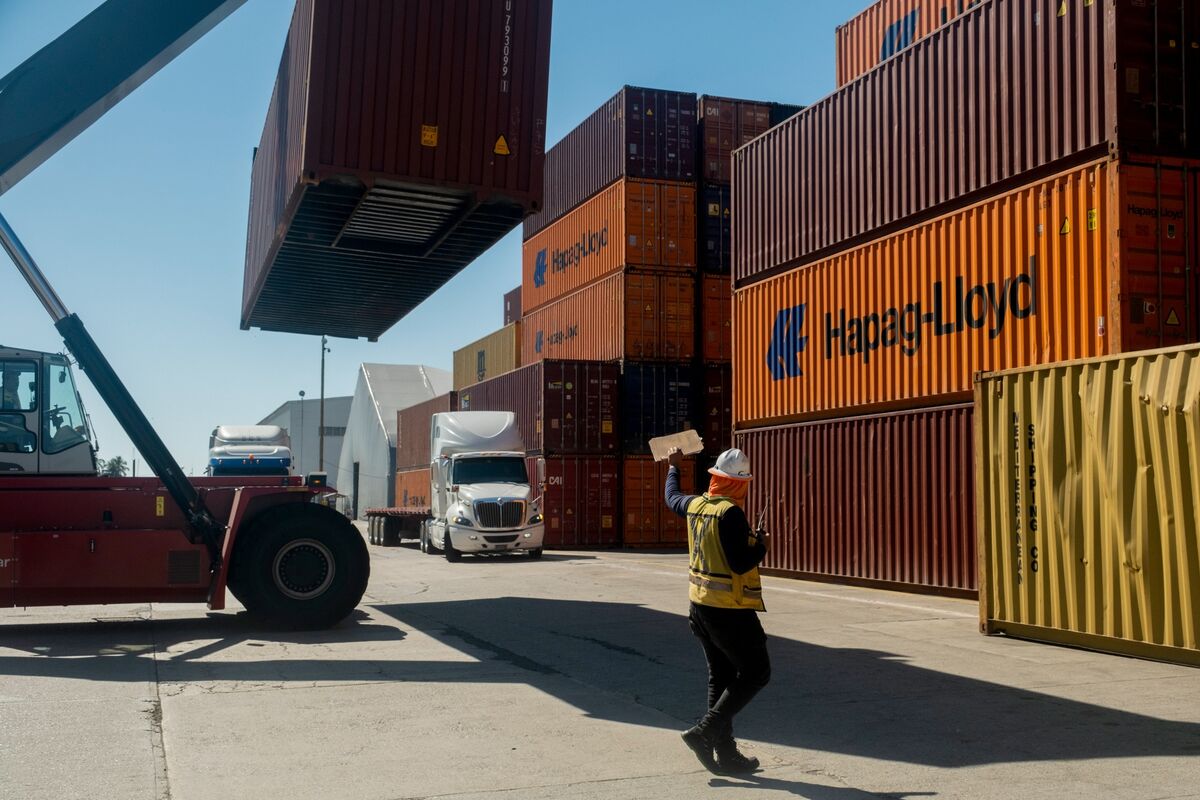
The USMCA facilitated nearly $2 trillion worth of trade in North America in 2024, positioning Mexico and Canada as the U.S.'s top trading partners. The agreement restructured supply chains by enforcing stricter rules of origin, such as requiring 75% of automotive components to be produced within North America to qualify for zero tariffs. This regulatory stability helped boost trade volumes and economic ties among the three countries, but the looming uncertainty may disrupt these gains.
U.S. Administration's Shift in Perspective
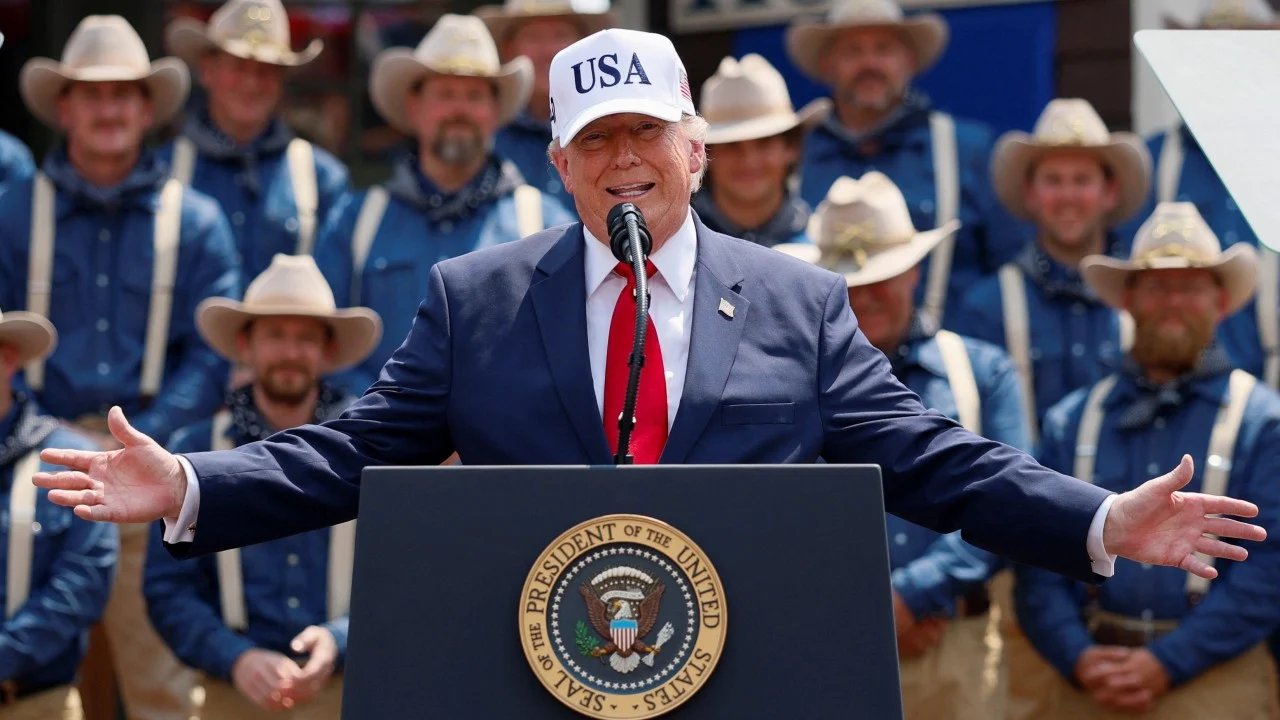
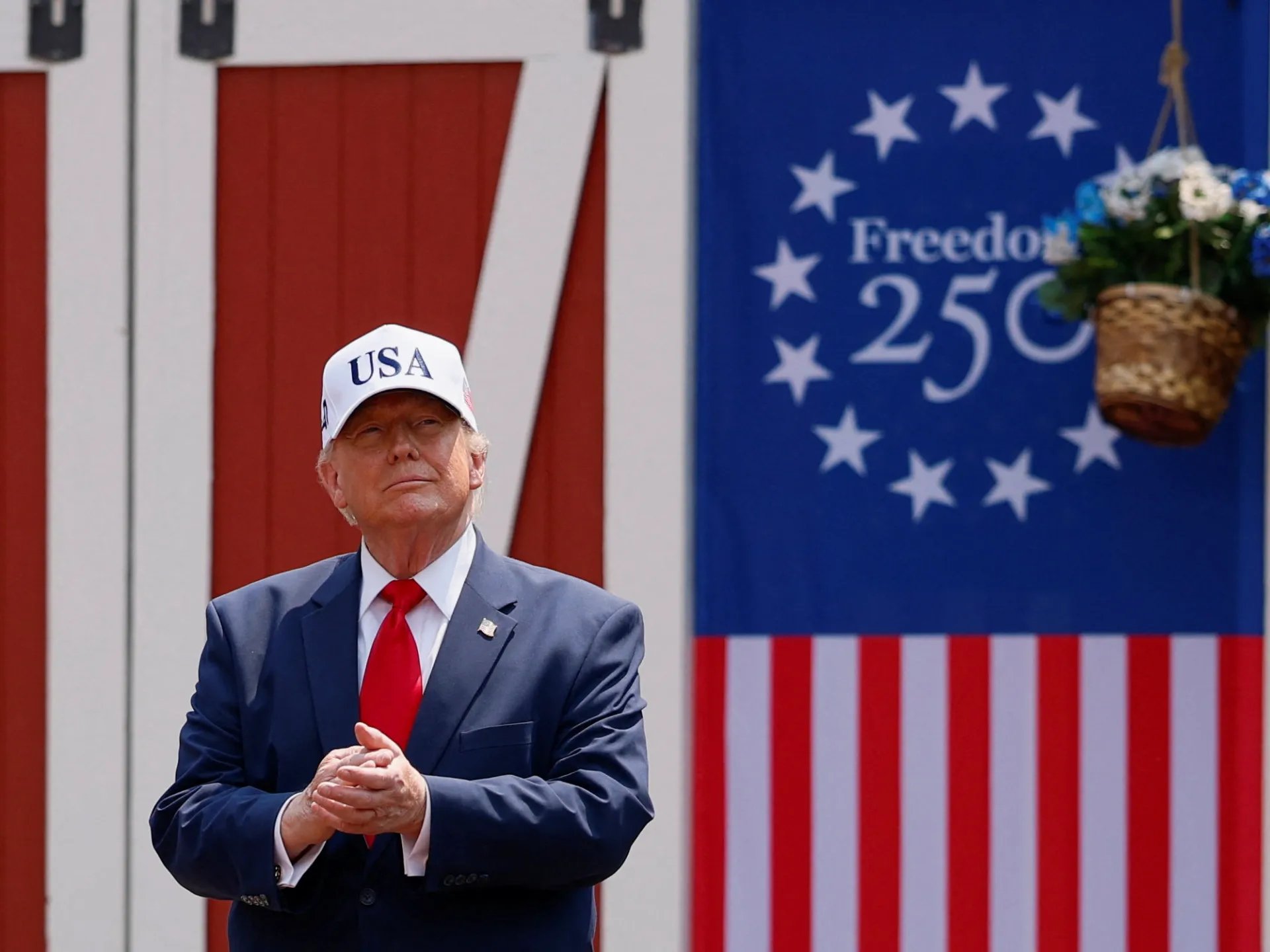
During his first term, former President Donald Trump praised the USMCA as a significant improvement over the North American Free Trade Agreement (NAFTA), which he criticized for offshoring U.S. jobs. However, Trump has since expressed a negative shift in his perception of the USMCA, referring to it as "irrelevant" and highlighting loopholes that allegedly benefit countries like China. The administration's current stance aims to increase domestic auto production and address issues such as Canada's dairy industry protections.
Statements from Key Officials
Mexican Secretary of Economy Marcelo Ebrard emphasized the need for timely negotiations to avoid prolonged uncertainty. "We're in no rush, but we also don't want any uncertainty," he stated, indicating that both sides are keen to reach agreements on various issues that could change rapidly. Meanwhile, Canadian Prime Minister Mark Carney expressed skepticism about the likelihood of an agreement, noting his priority is to update the existing deal rather than sign anything new.
Looking Ahead: Upcoming Negotiations
The three countries are scheduled to hold a third round of talks on July 20 in Mexico City. This round is expected to focus on enhancing North American rules of origin for vehicles and other industrial goods. Greer has indicated that there are no substantial differences that cannot be resolved, but the ongoing negotiations will require careful navigation to ensure that all parties' interests are met.
Consumer Impact and Economic Outlook
The decision not to renew the USMCA could have direct implications for consumers, particularly in the automotive sector. Critics warn that changes to trade rules may lead to increased vehicle costs. As negotiations unfold, consumers may face fluctuating prices and availability of goods, underscoring the importance of the agreement for everyday economic stability.
The future of U.S. trade relations with Canada and Mexico hangs in the balance as negotiations begin anew. The outcome will not only affect the economies of the three countries but also the lives of individuals reliant on these trade agreements for employment and purchasing power.