Second Tariff Round Rejected
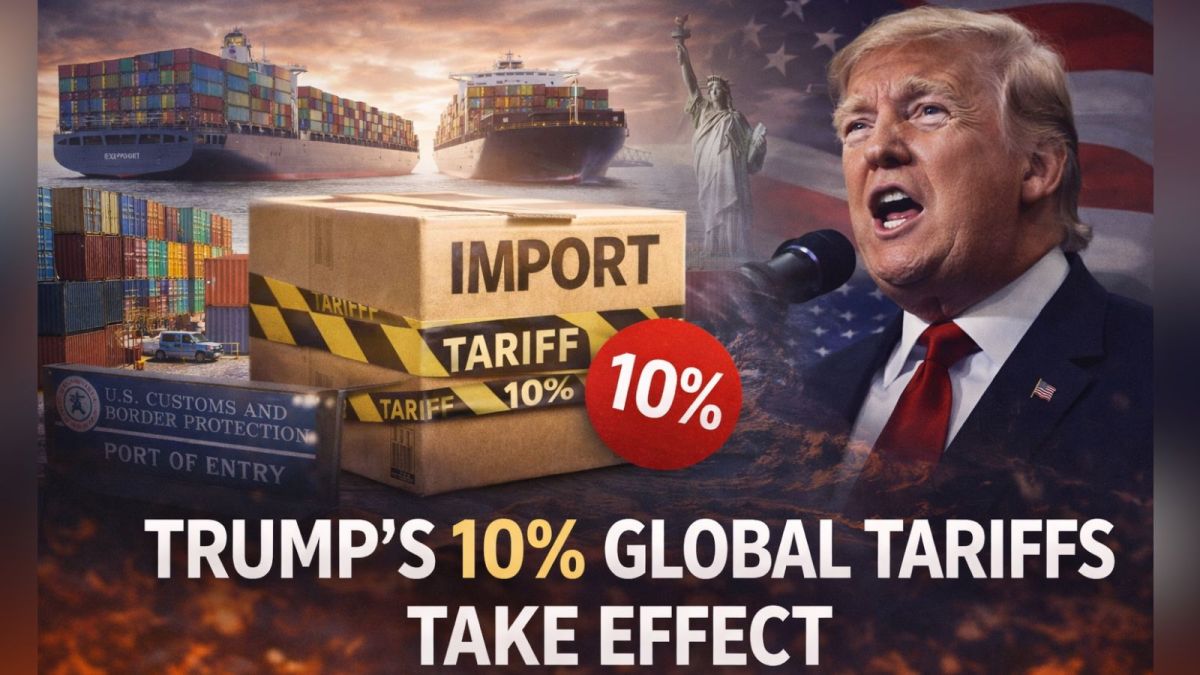
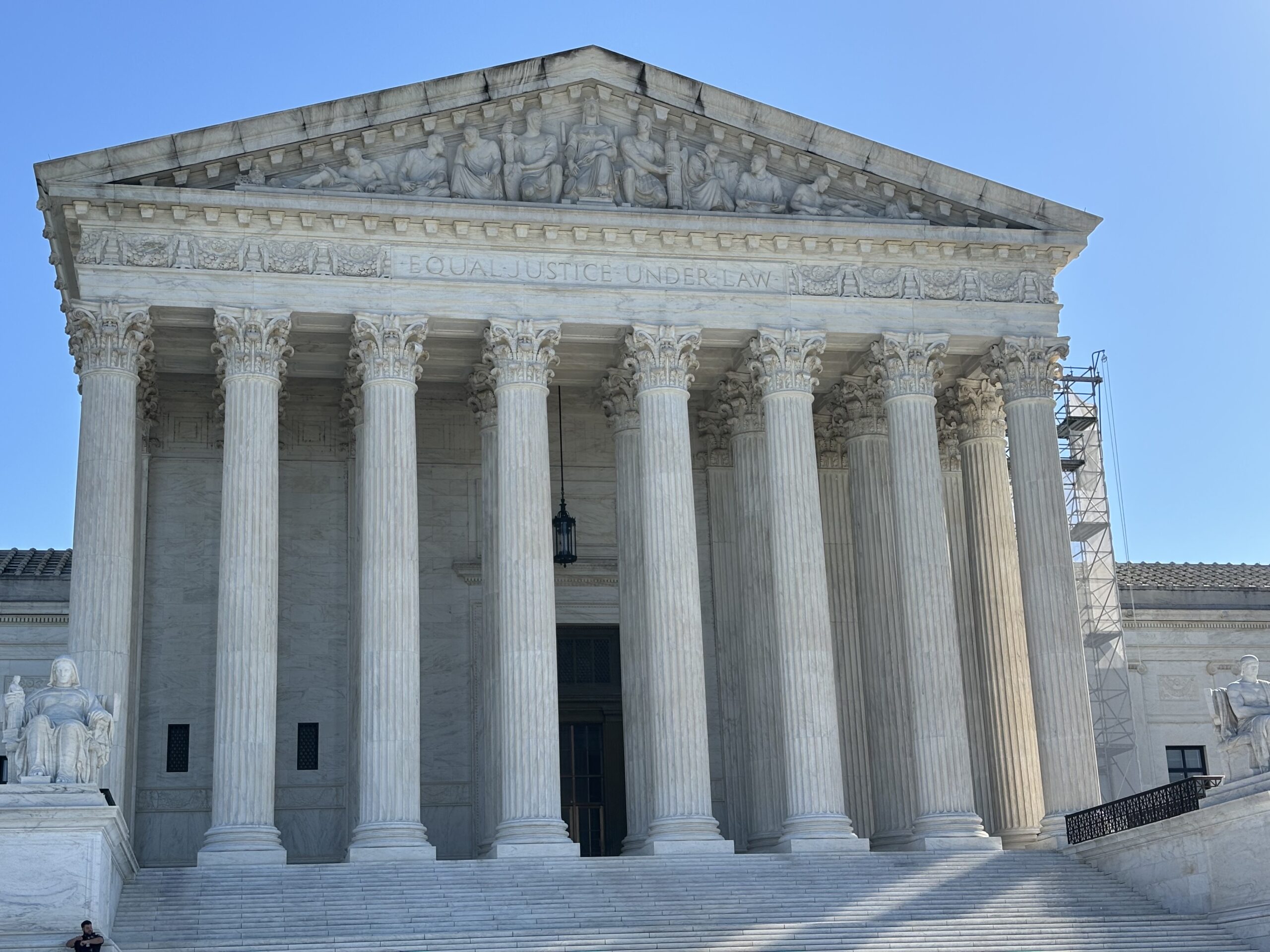
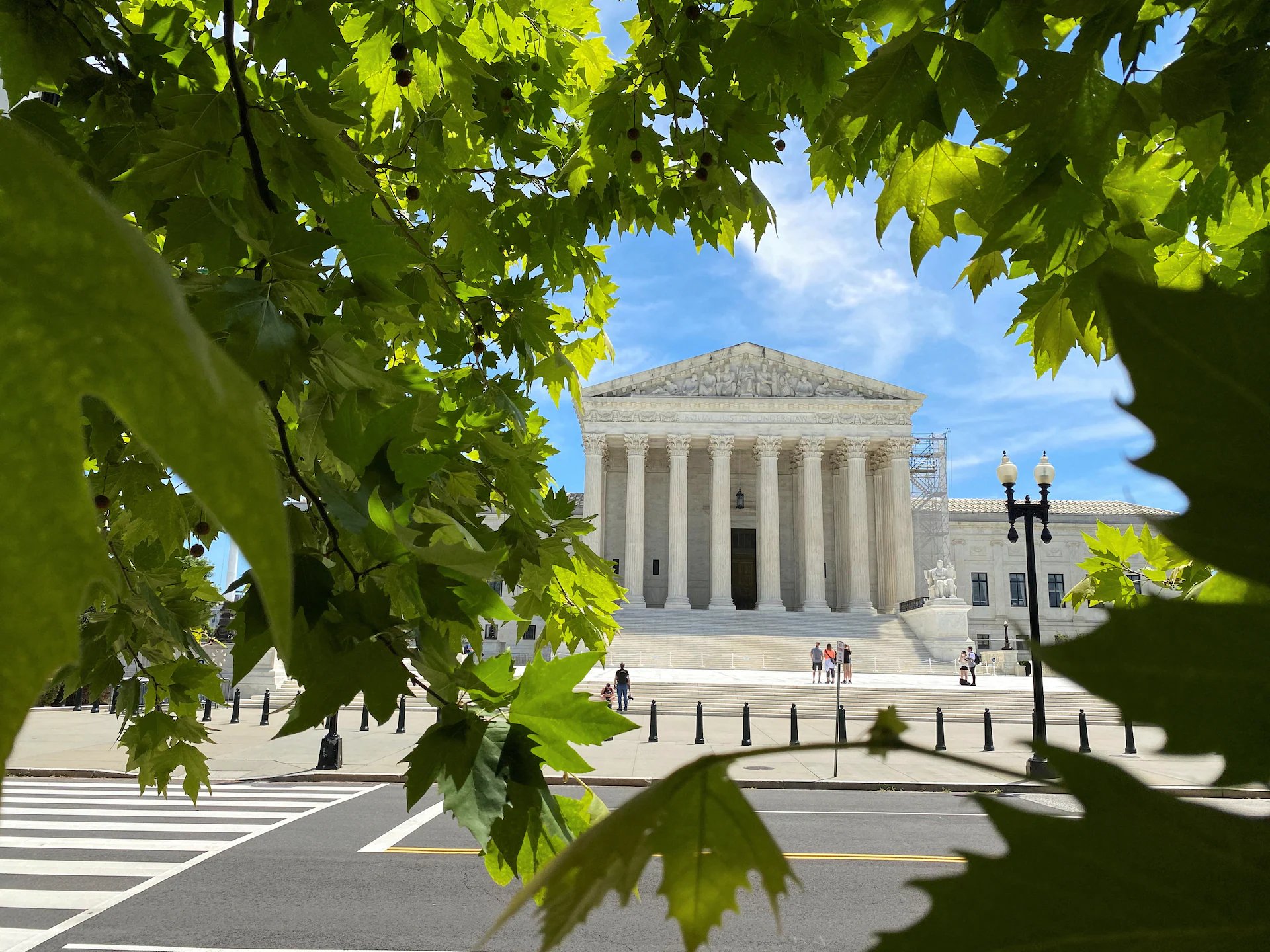
A federal trade court on Thursday struck down President Trump's second attempt to impose global tariffs, ruling the administration overstepped its authority. The Court of International Trade found the 10% tariffs on most imports, which went into effect in February, were illegal. This decision comes after the Supreme Court struck down Trump's initial "Liberation Day" tariffs.
Legal Grounds for Ruling
The court's 2-1 ruling stated that President Trump could not legally impose the tariff on most imports. The trade court said that if the president can decide what counts as a "balance-of-payments deficit," he can always find one, essentially allowing the law to be triggered at any moment. The court argued that this would give President Trump unlimited tariff power that belongs to Congress.
Limited Injunction
The court entered a permanent injunction, though only for the plaintiffs in the case. The administration is widely expected to seek a stay from the Federal Circuit before it takes effect. Unlike its order following the Supreme Court ruling, in which the Court of International Trade initially issued a nationwide injunction covering all importers, this one is narrower in scope.
Plaintiffs and Arguments
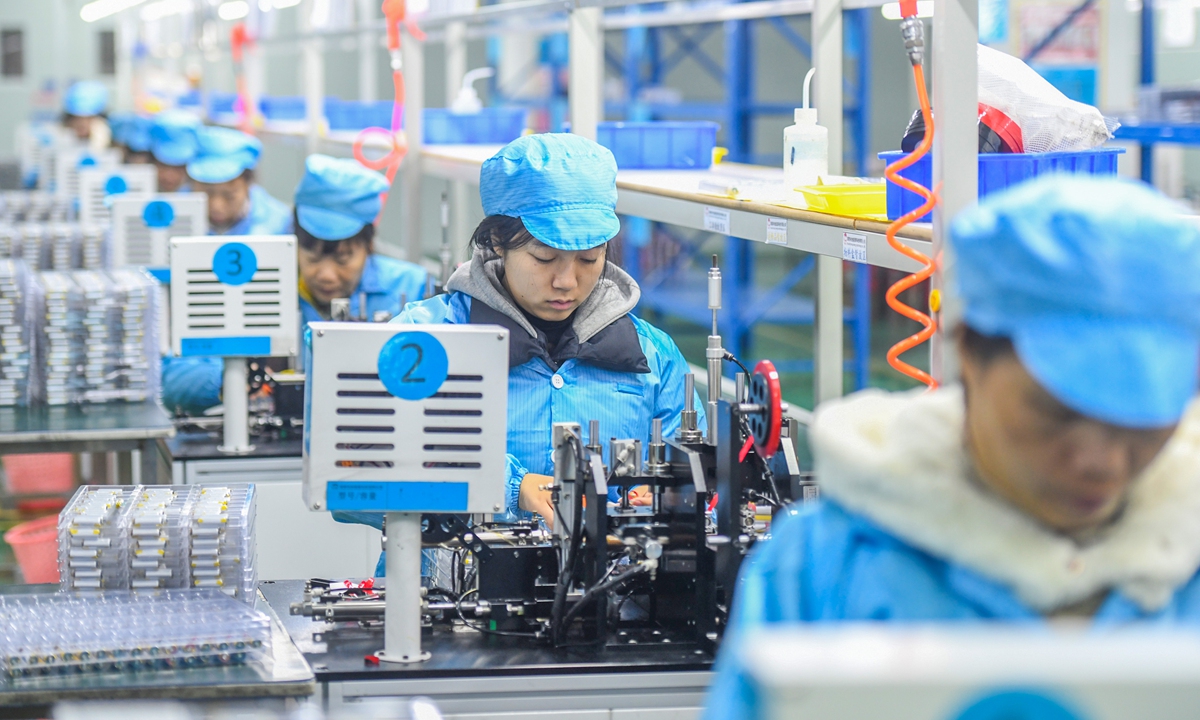
The small businesses that brought the suit, a spice company and a toy retailer, are represented by the Liberty Justice Center, the same group that helped argue the last successful tariff challenge before the Supreme Court. Jay Foreman, whose Basic Fun! company imports toys such as Lincoln Logs and Tonka Trucks, expects to collect some $7 million in refunds for the earlier tariffs. Foreman said a blanket 10% levy on products from all over the world hurts businesses and consumers. The court tossed the claims of 23 of the 24 state attorneys general, ruling their harms from the tariffs were too indirect to establish standing.
Administration's Response
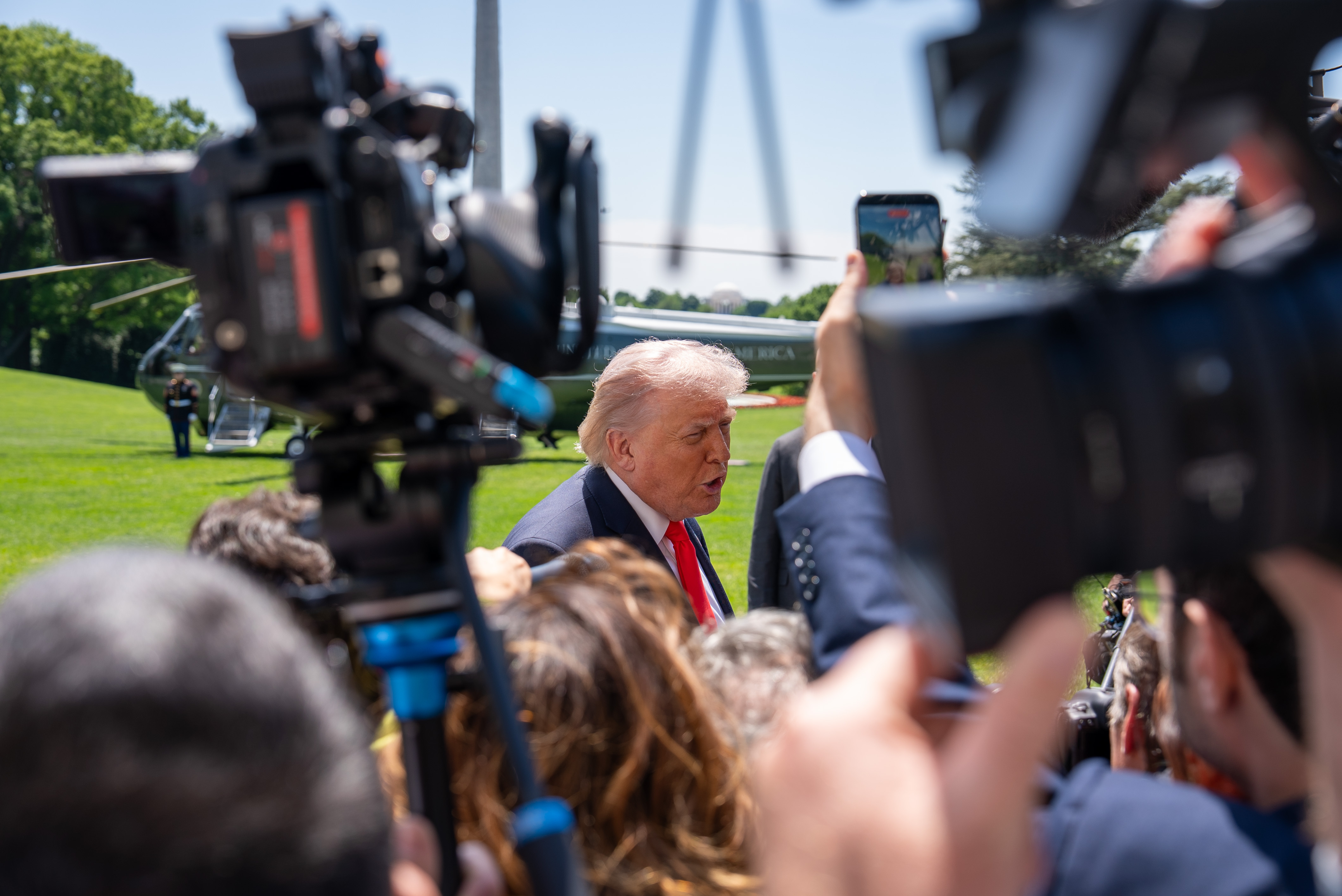
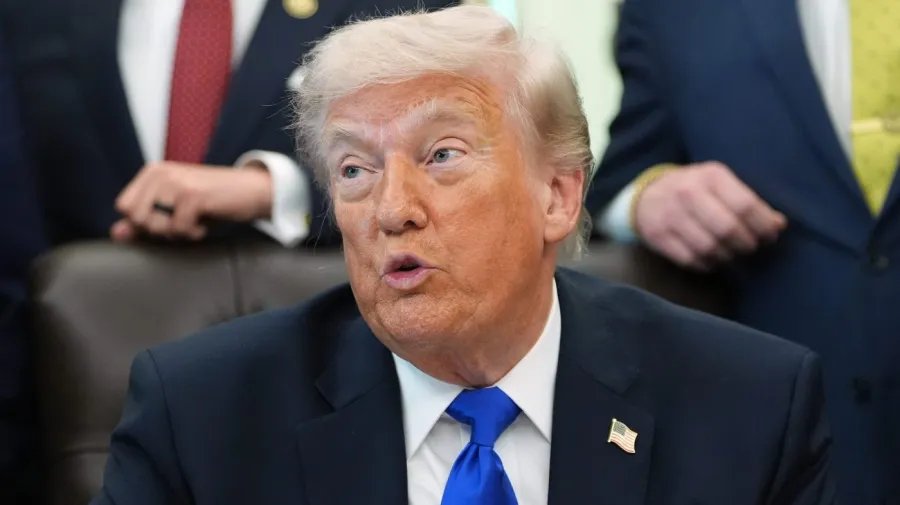
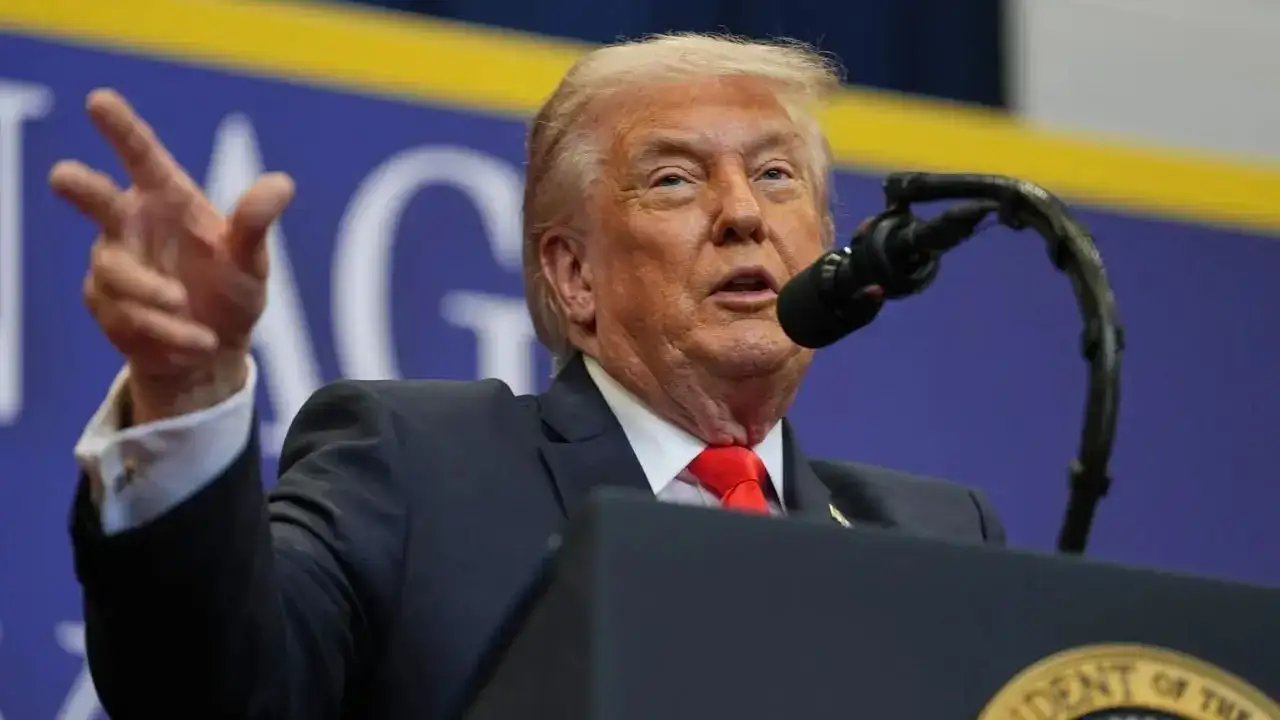
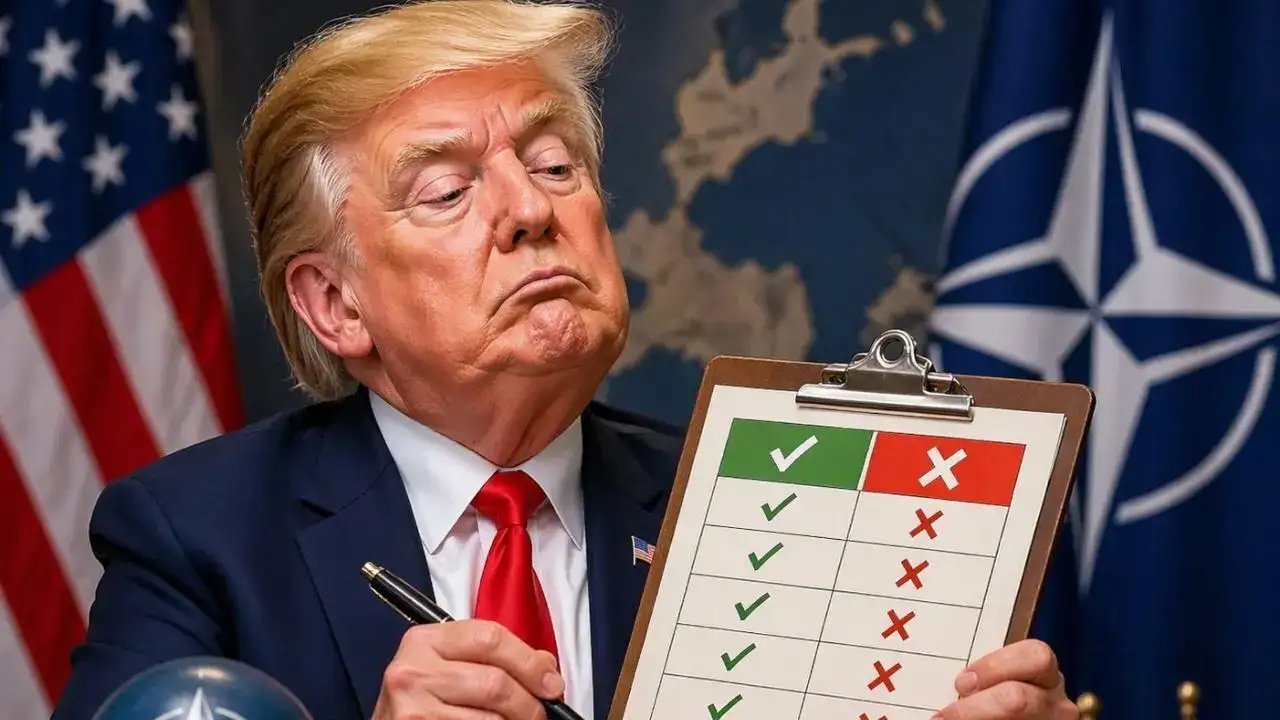
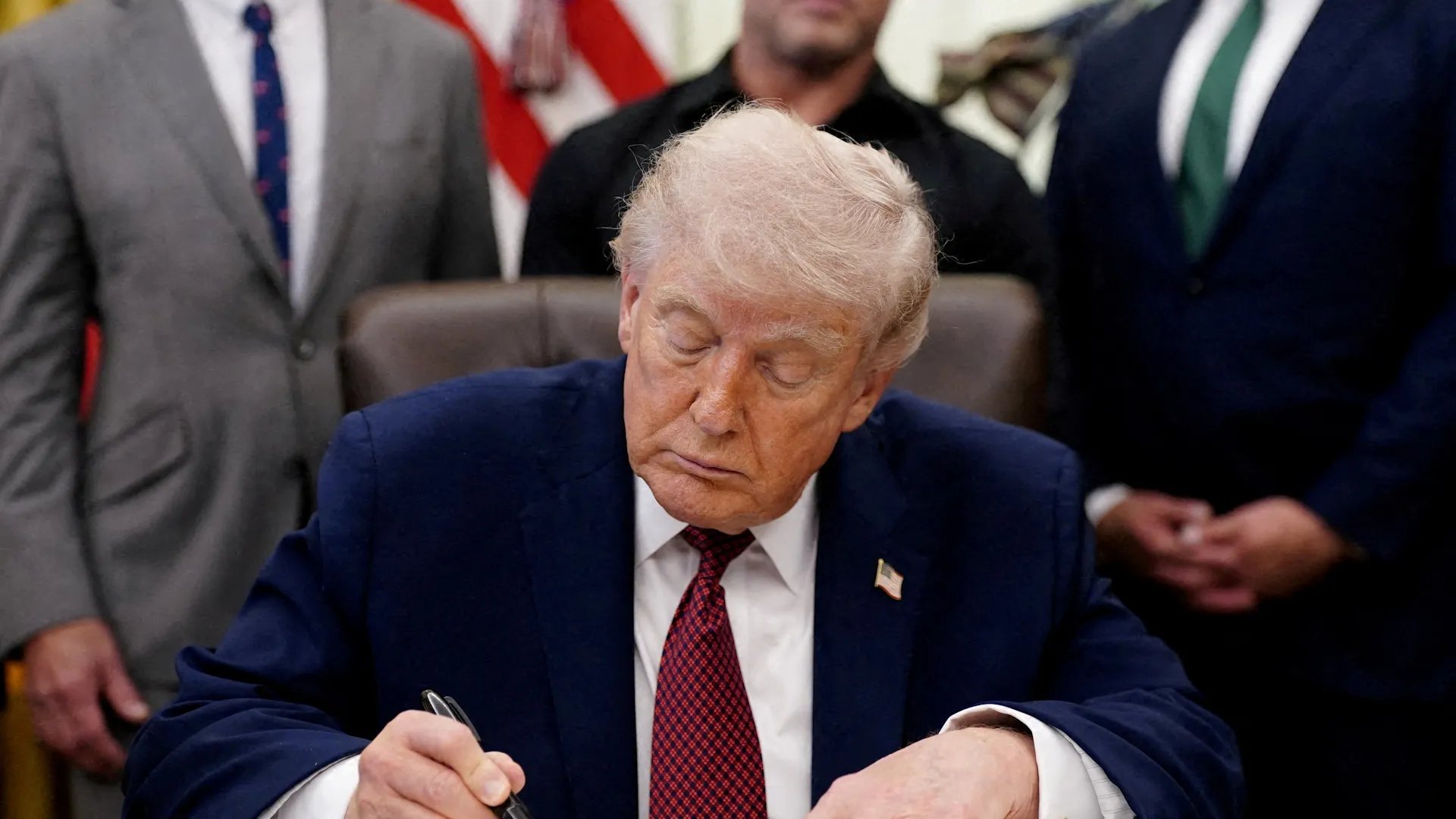
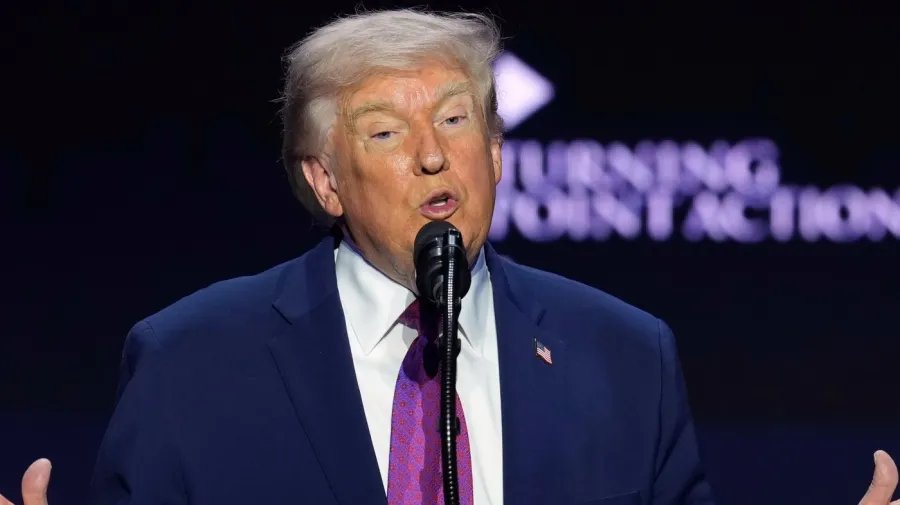
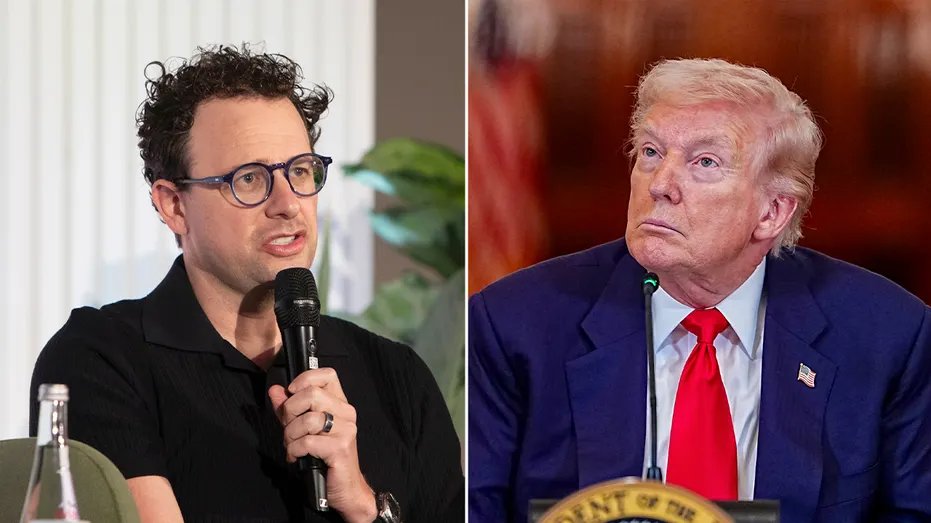
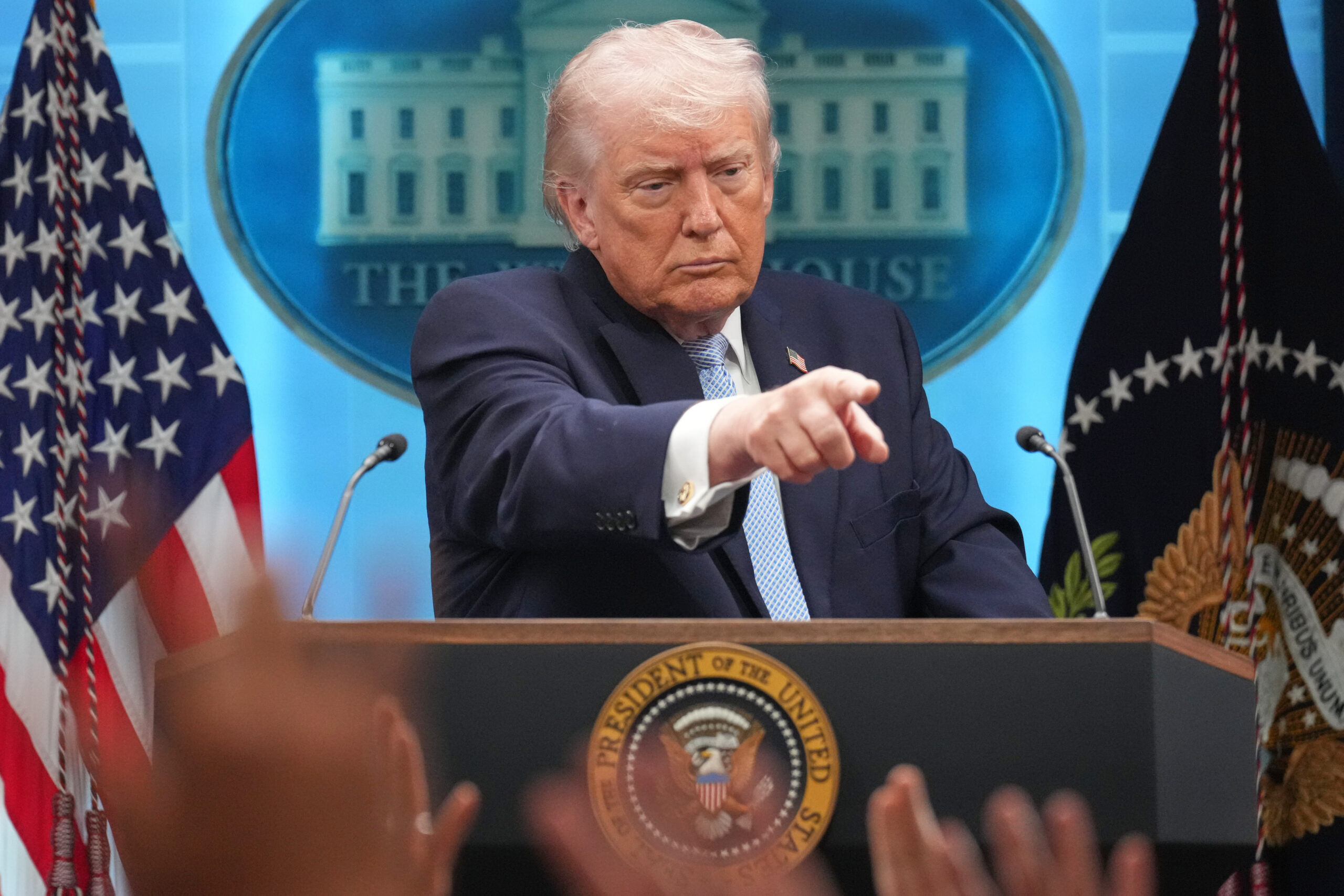
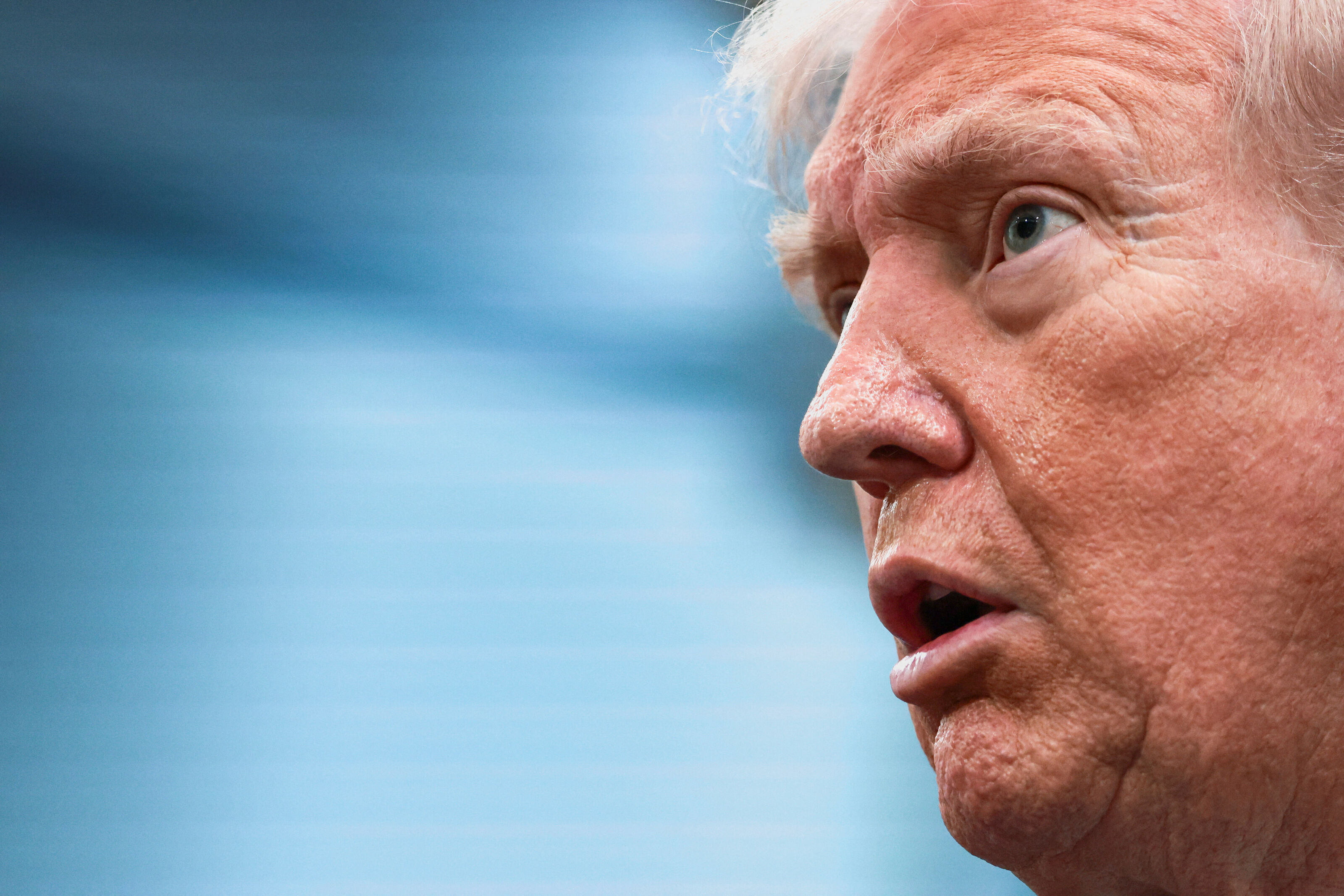
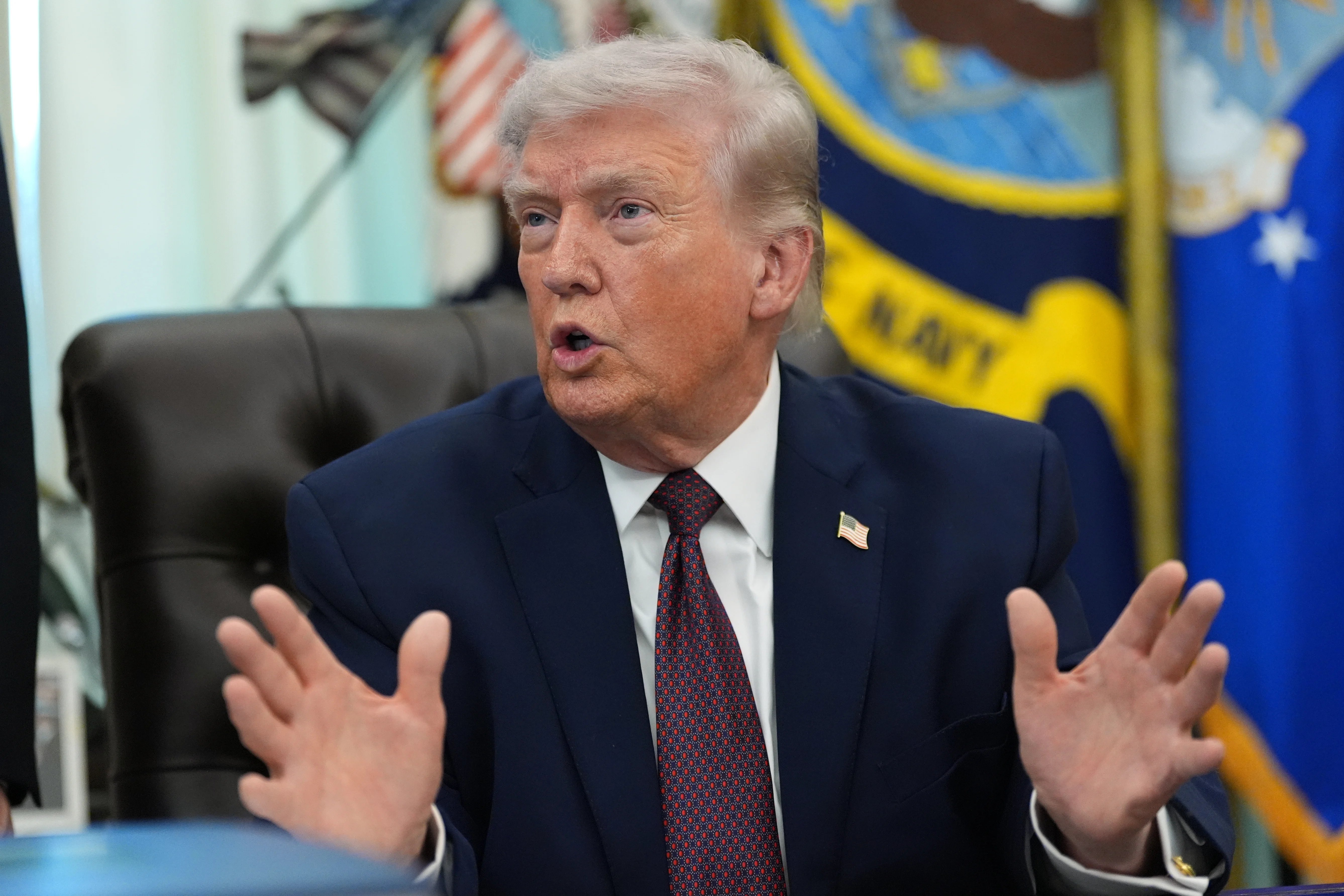
A White House spokesperson did not immediately respond to a request for comment. President Trump said "nothing surprises me with the courts," referring to the judges in the majority as "radical left." He also suggested that his tariff strategy isn't going anywhere.
Future Trade Actions
The duties were set to expire in July anyway, and the administration has signaled that replacement tariffs will likely be enacted before then. Trump announced Thursday he will give the European Union until July 4 to comply with its end of the trade deal with the U.S. or else he will significantly raise tariffs on the bloc. The government plans to refund more than $166 billion from the initial tariffs, with the first payments expected next week.