




Ceasefire Agreement Announced
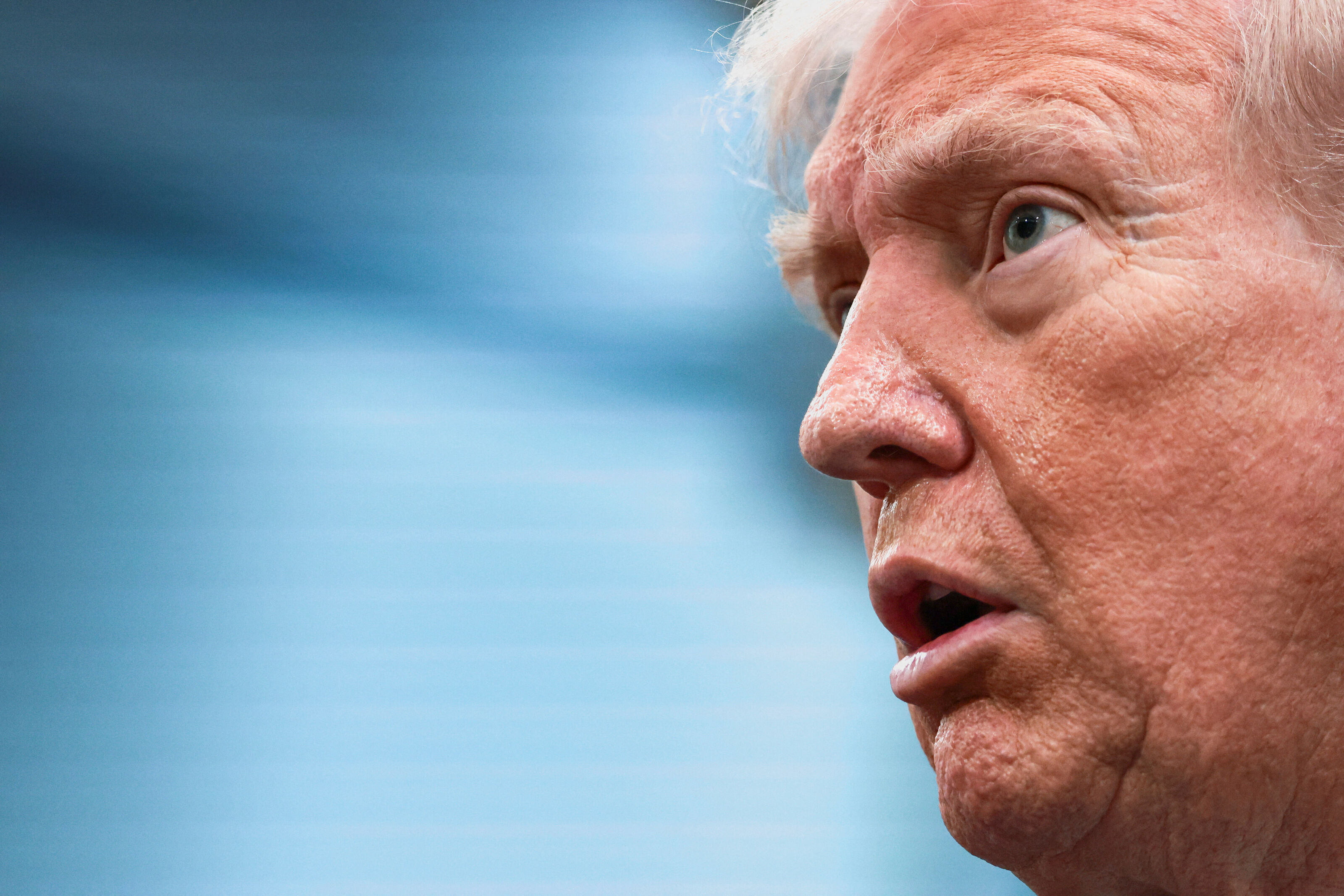
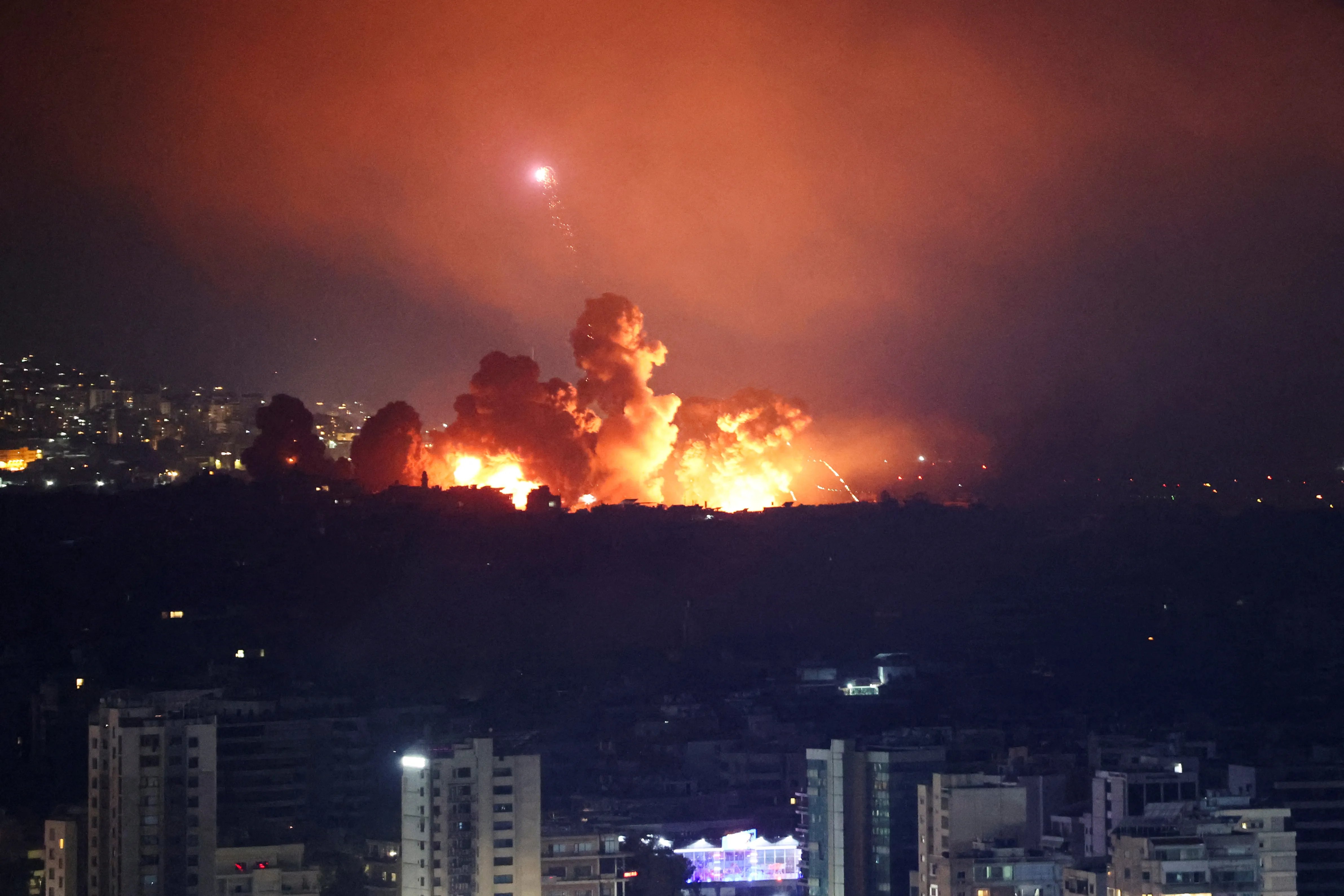
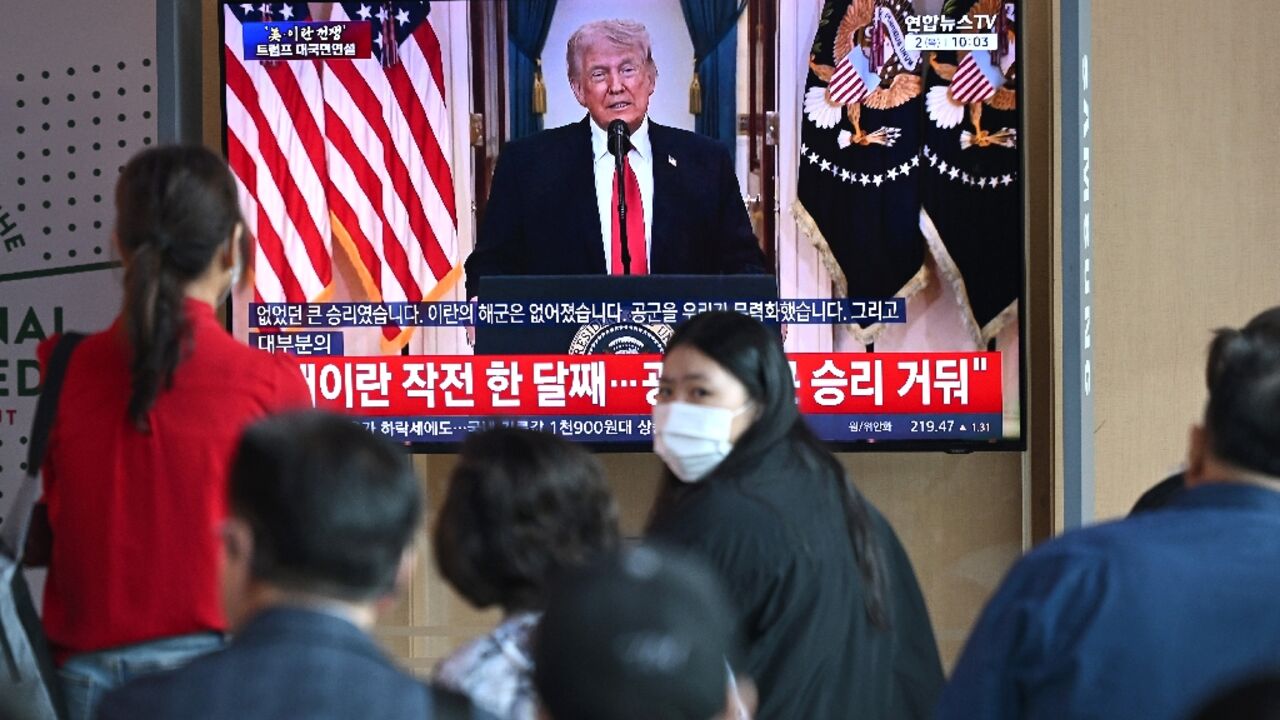
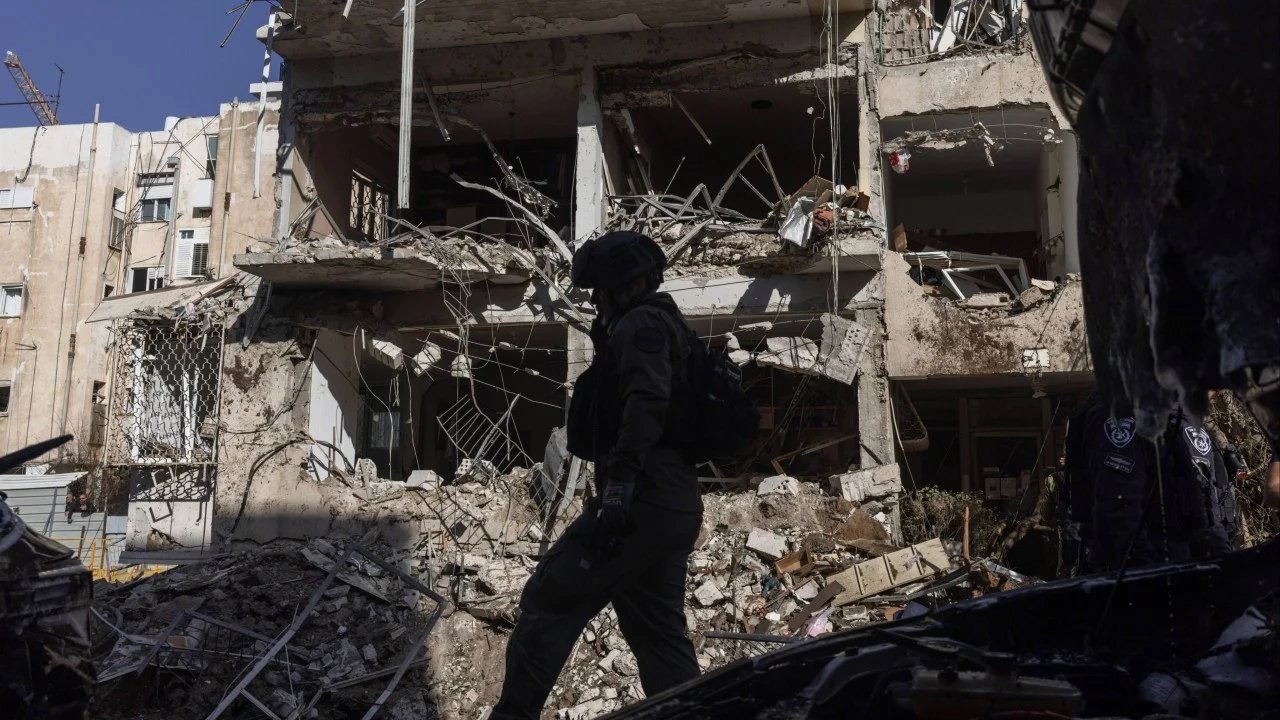
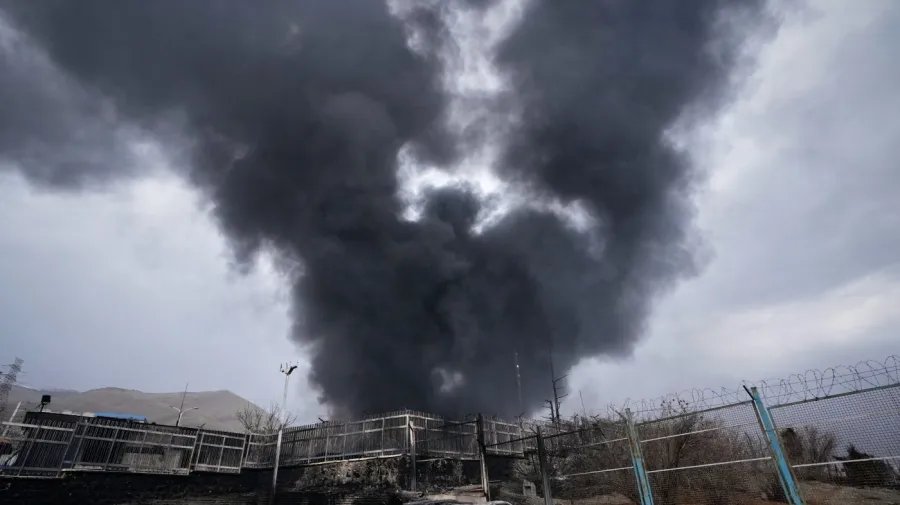
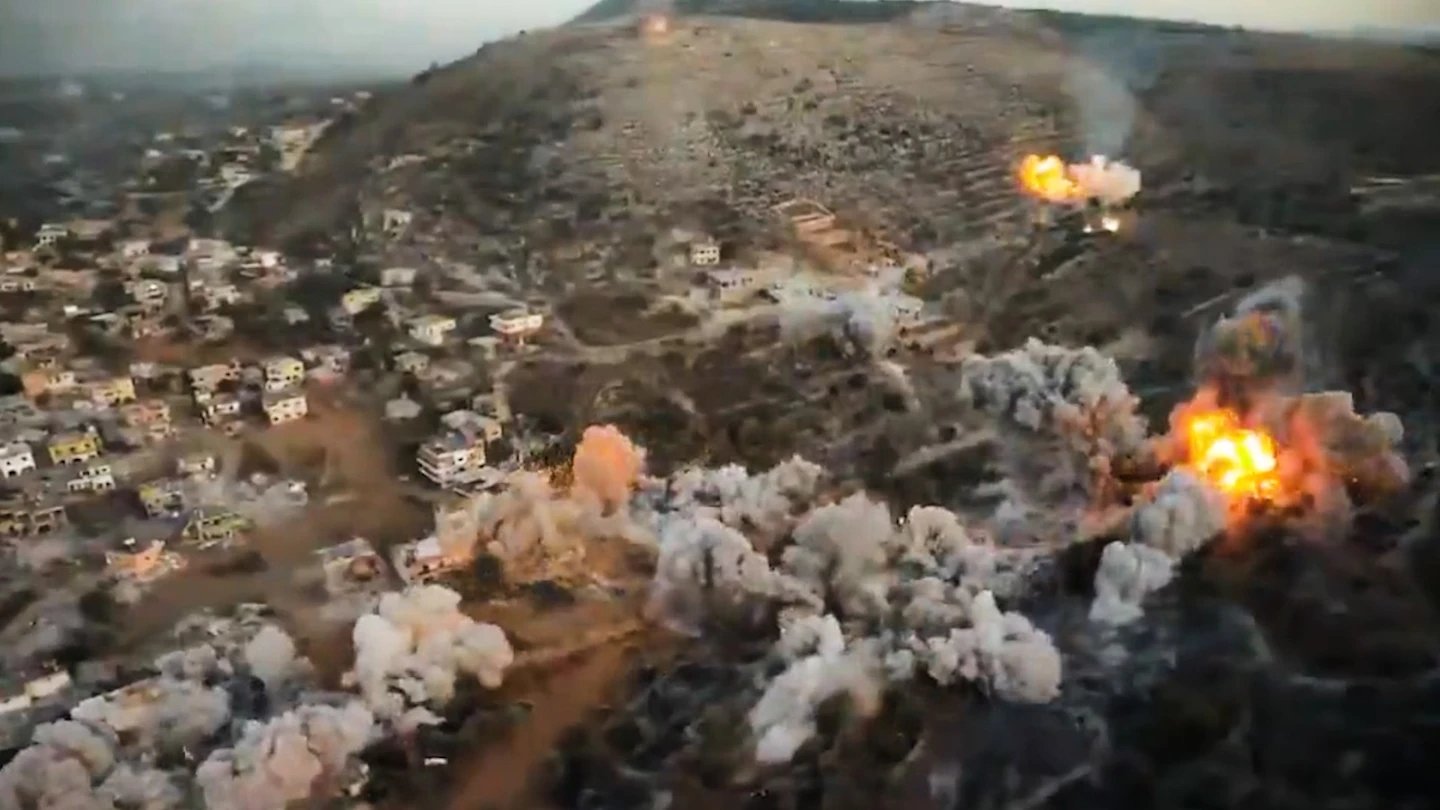
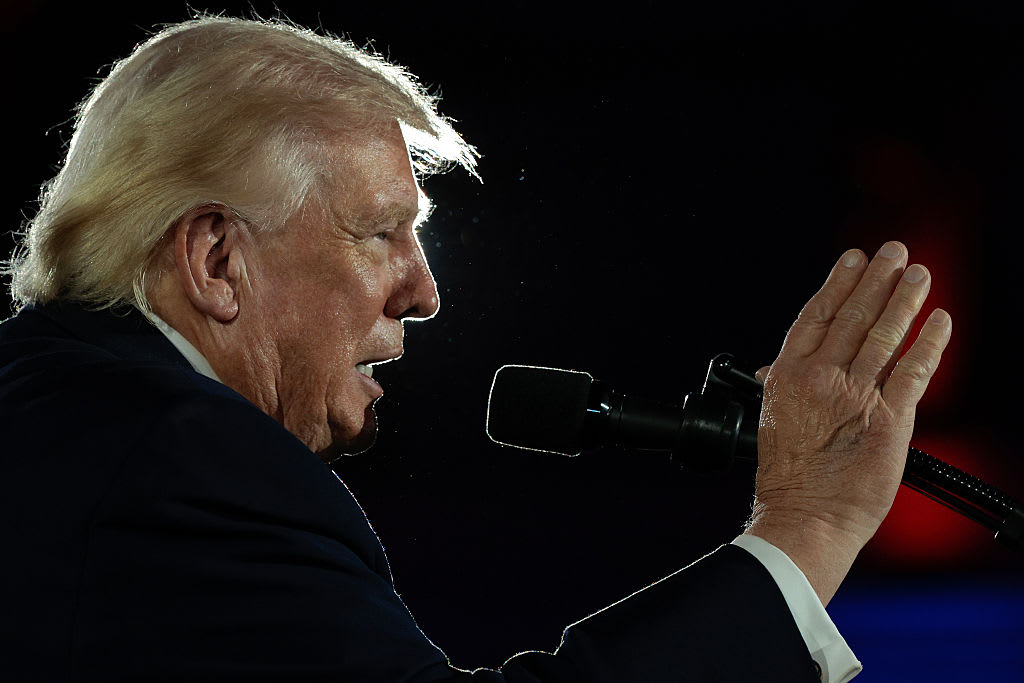
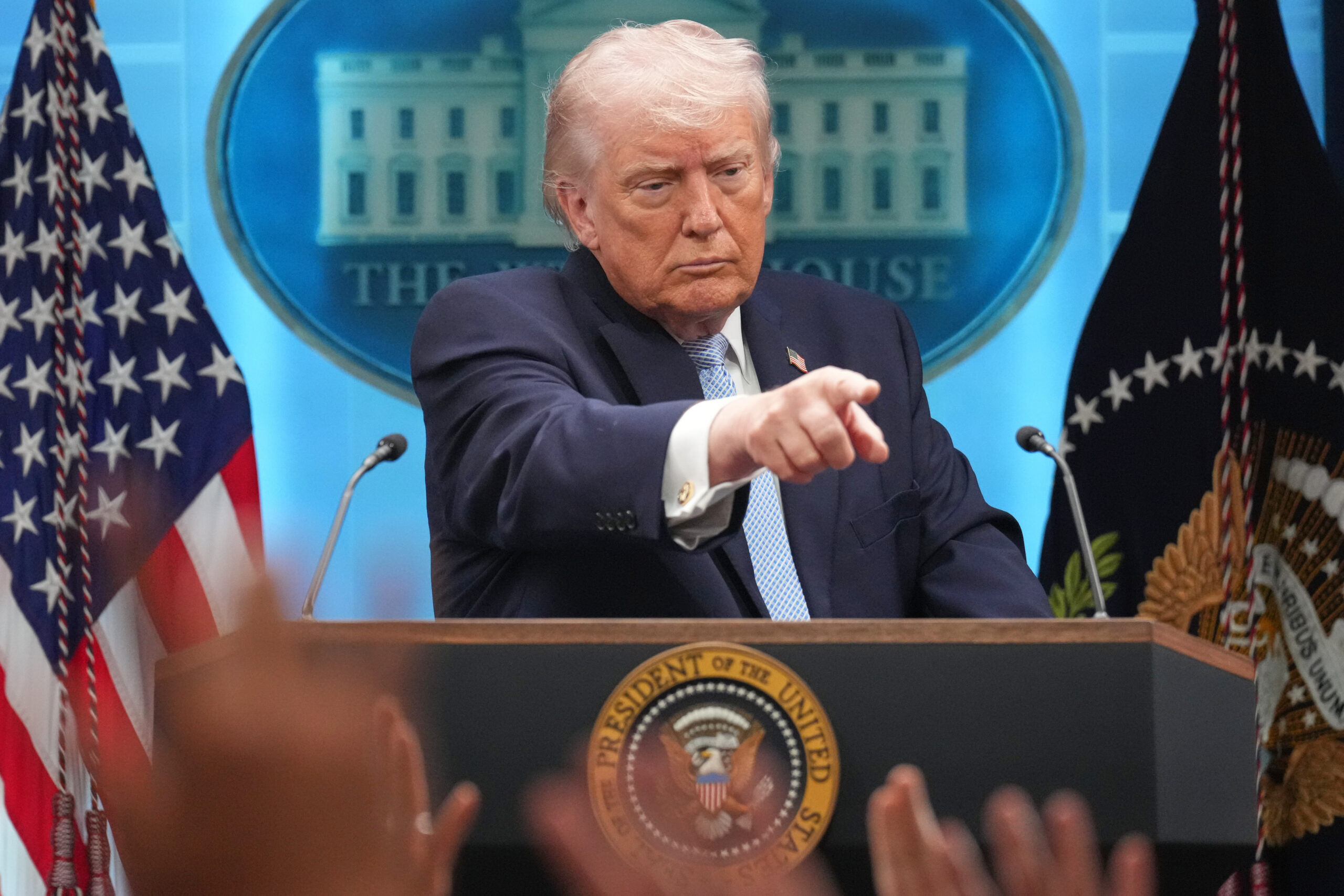
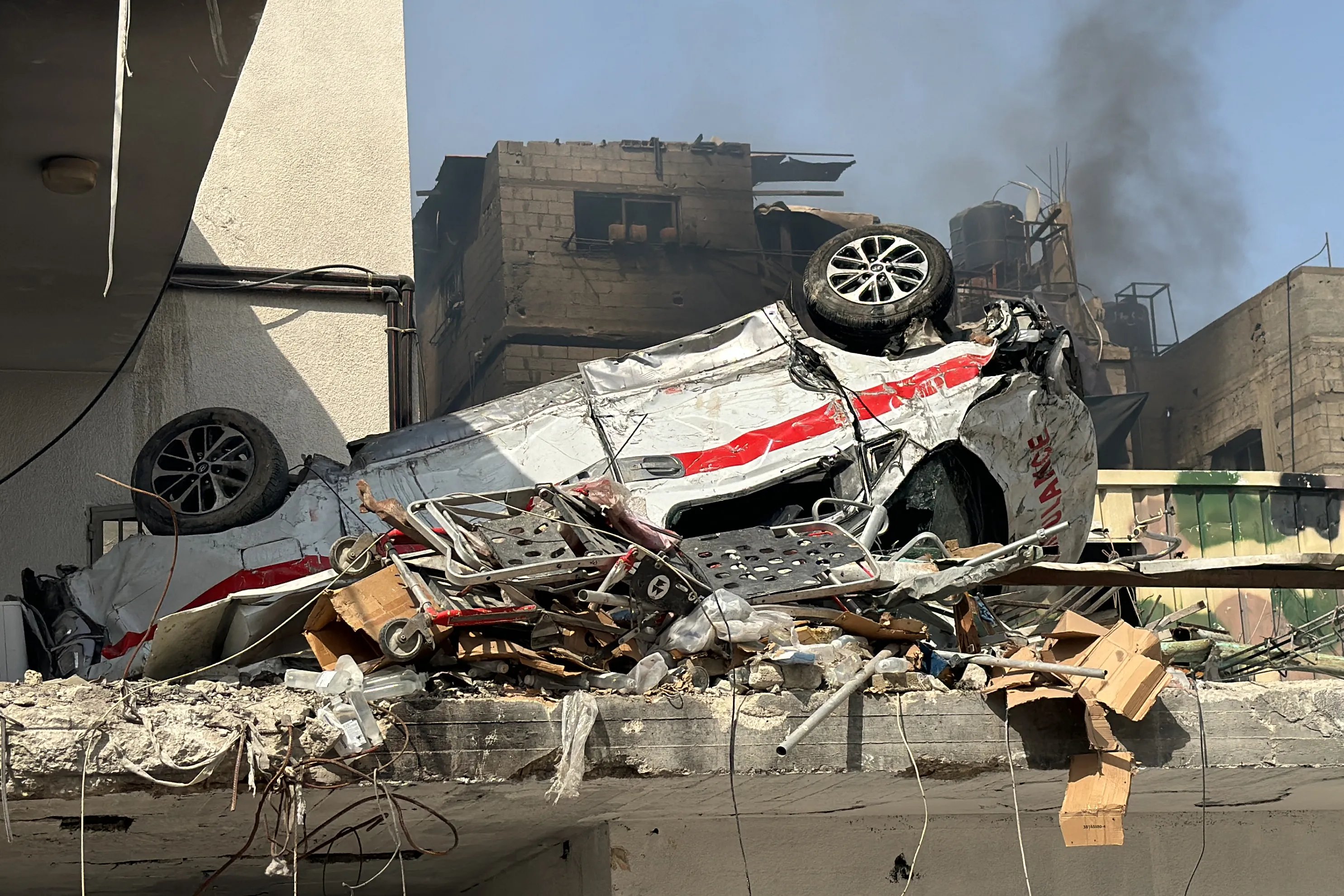
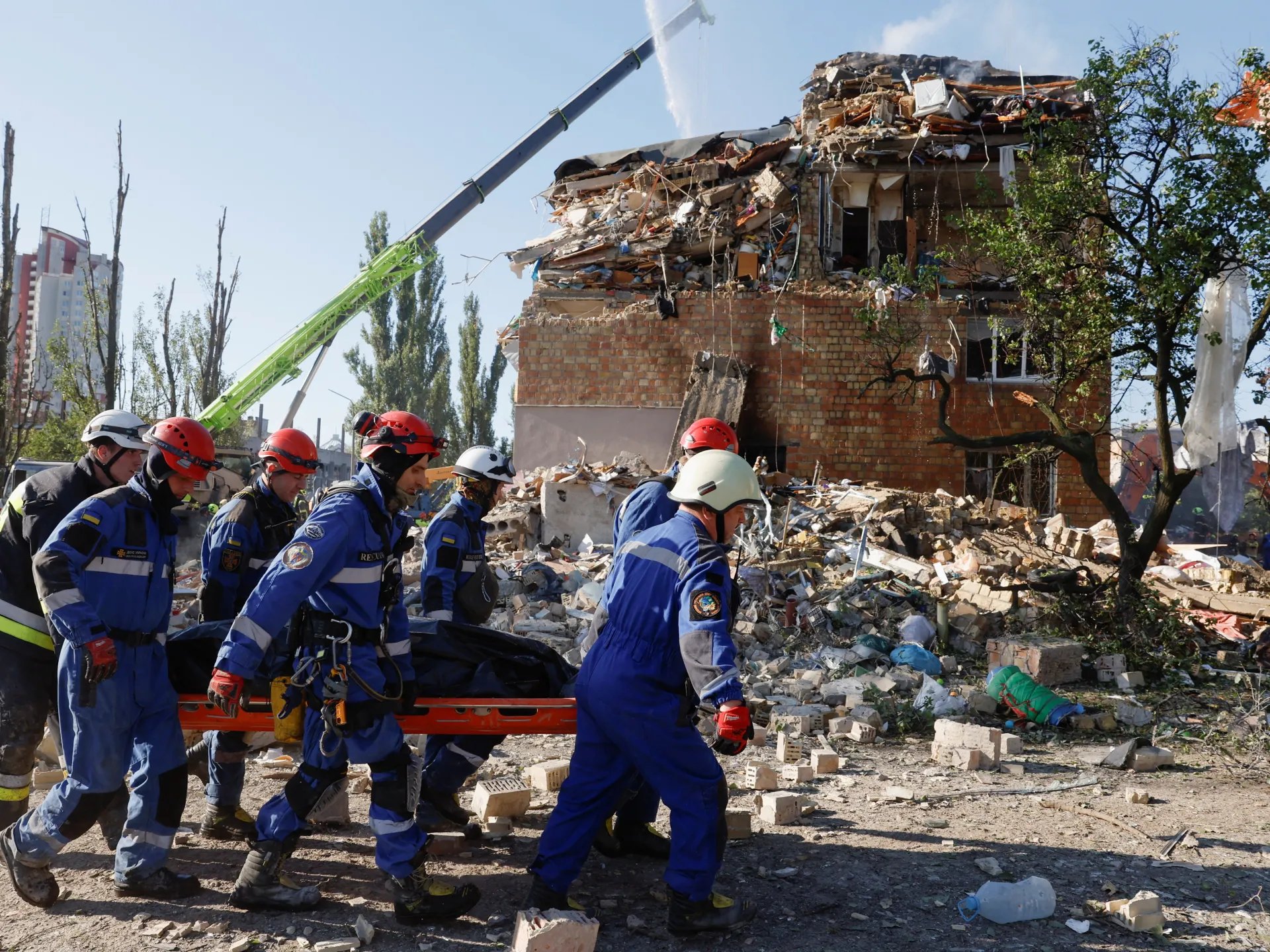
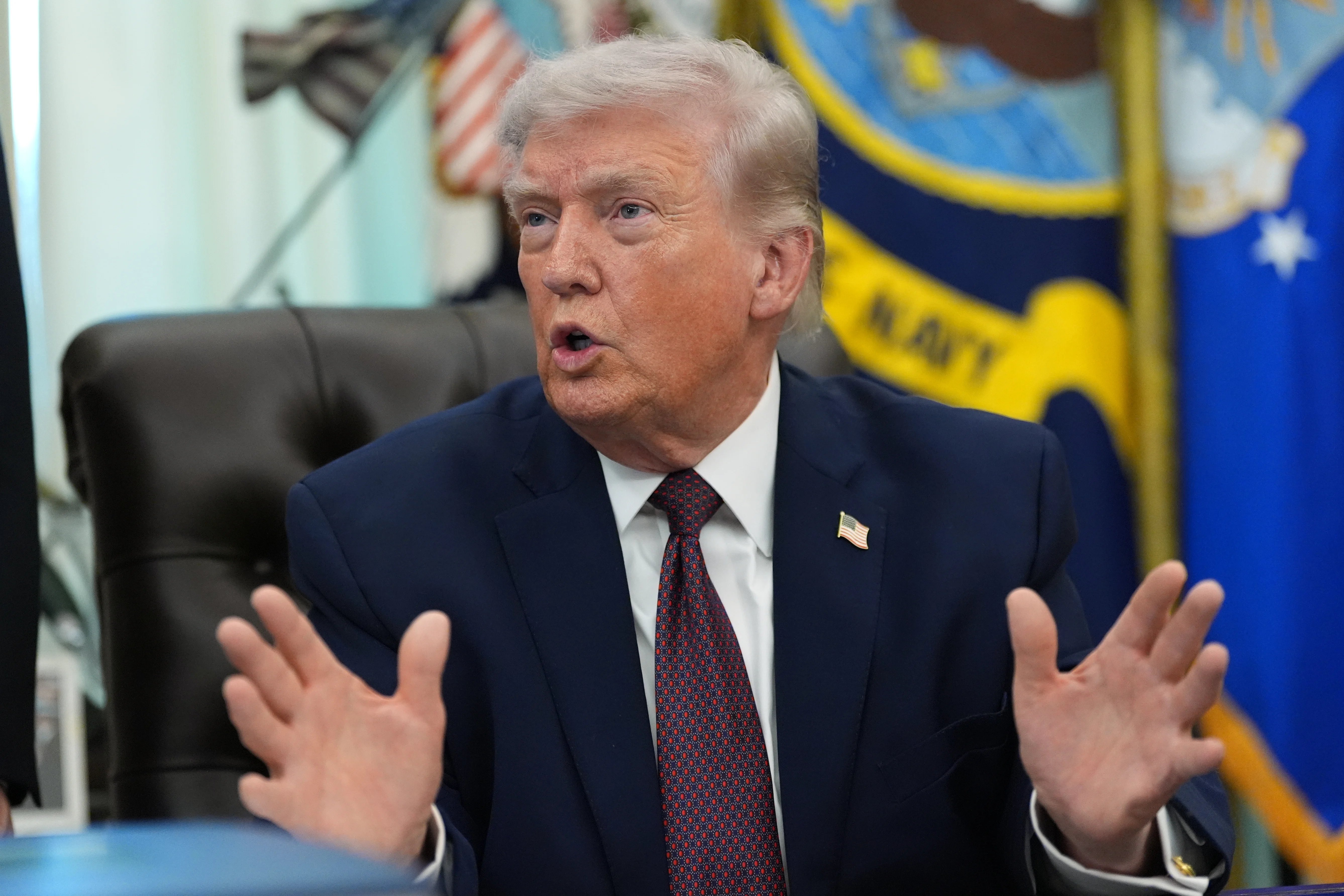
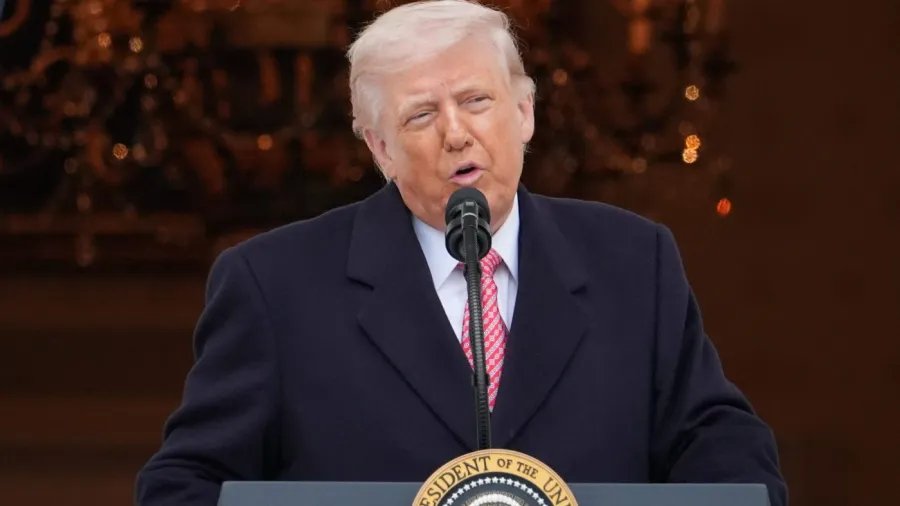
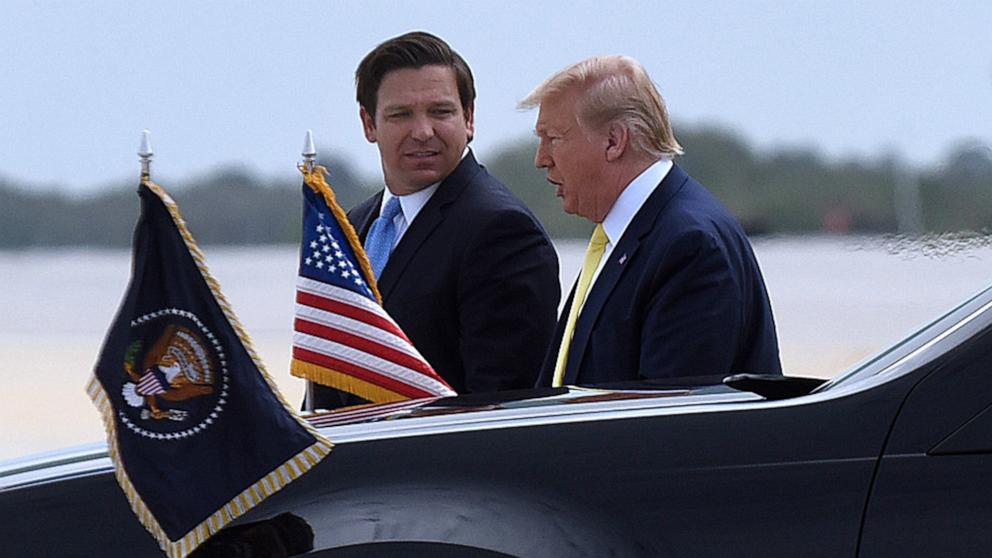
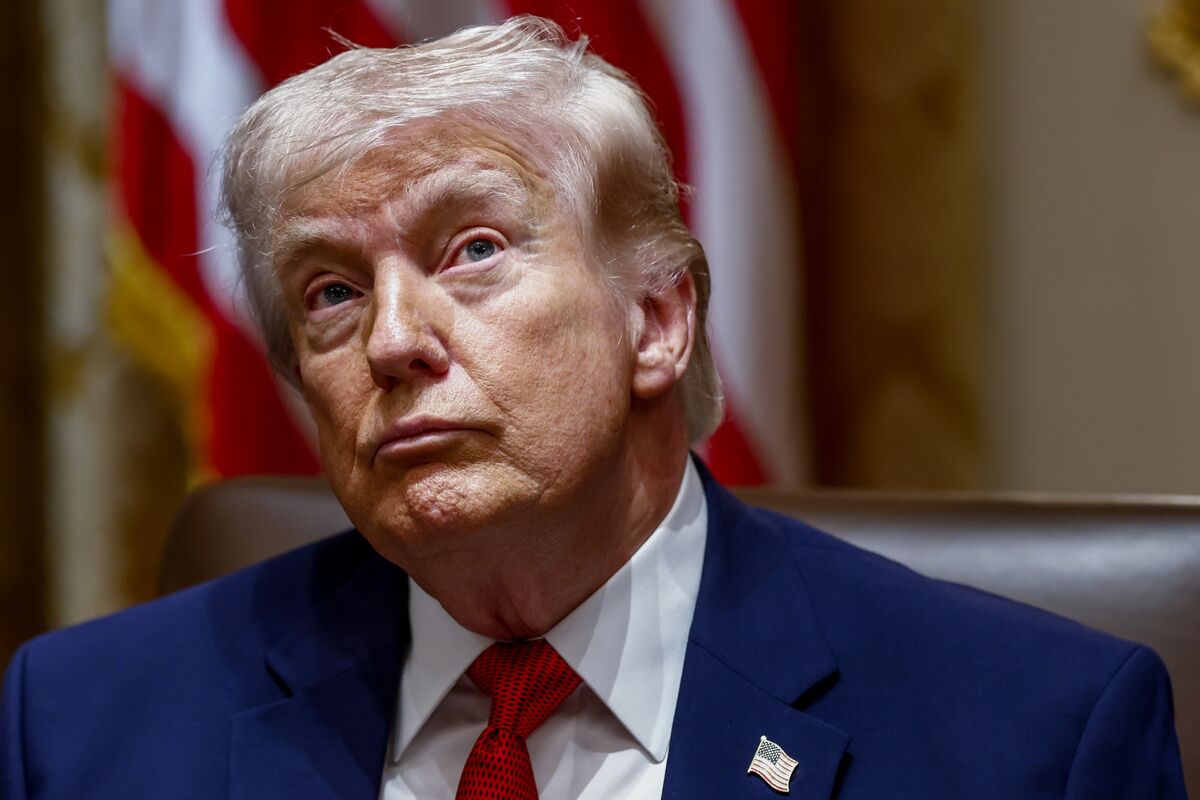
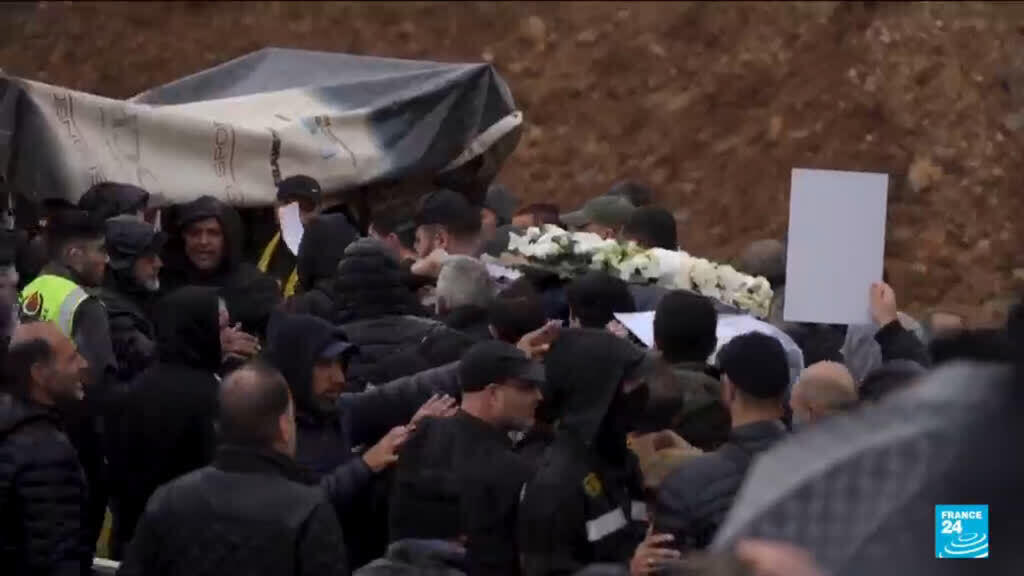
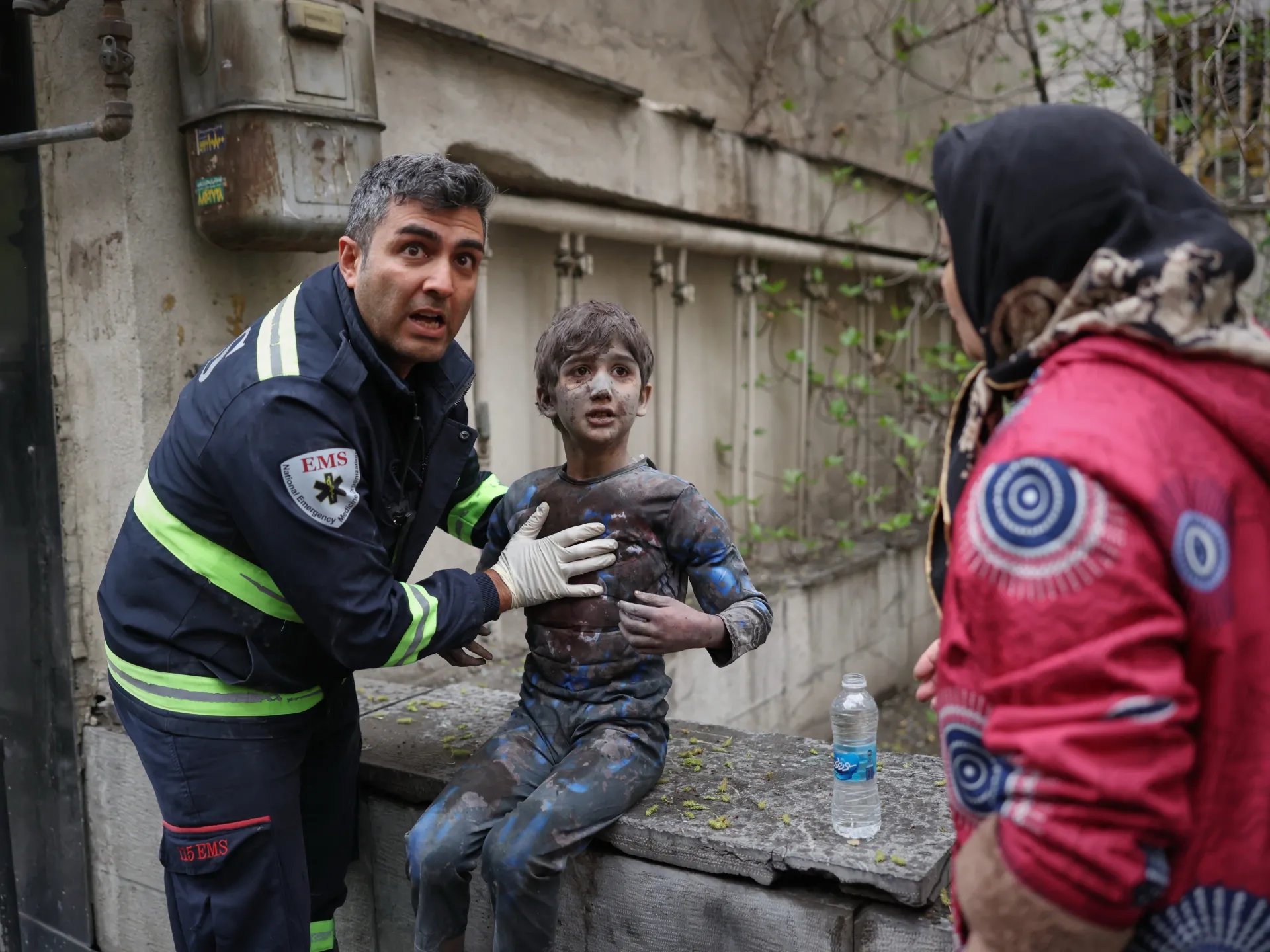
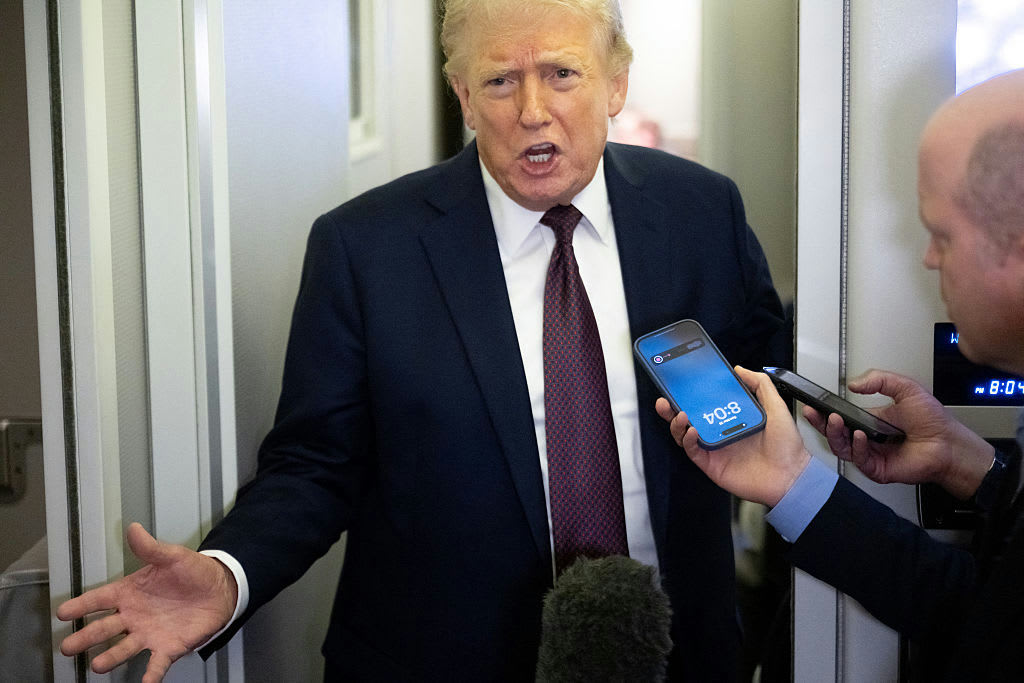
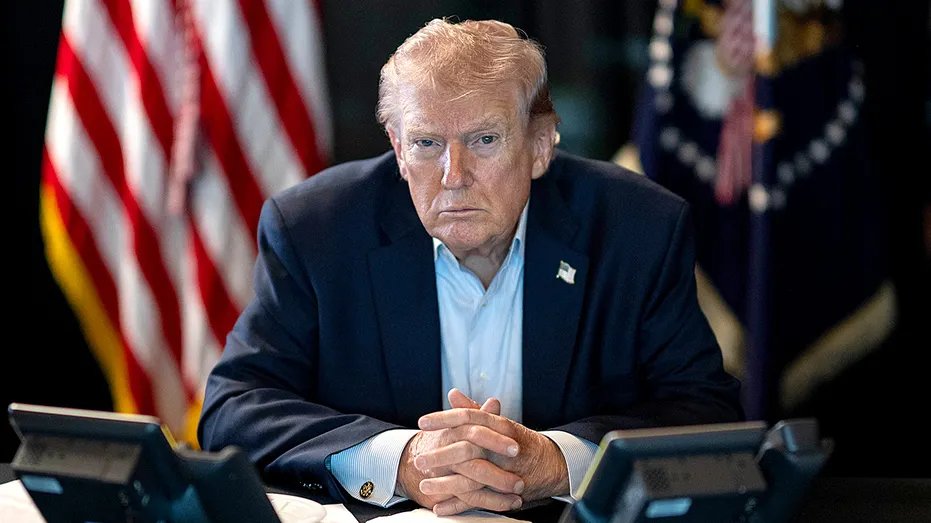
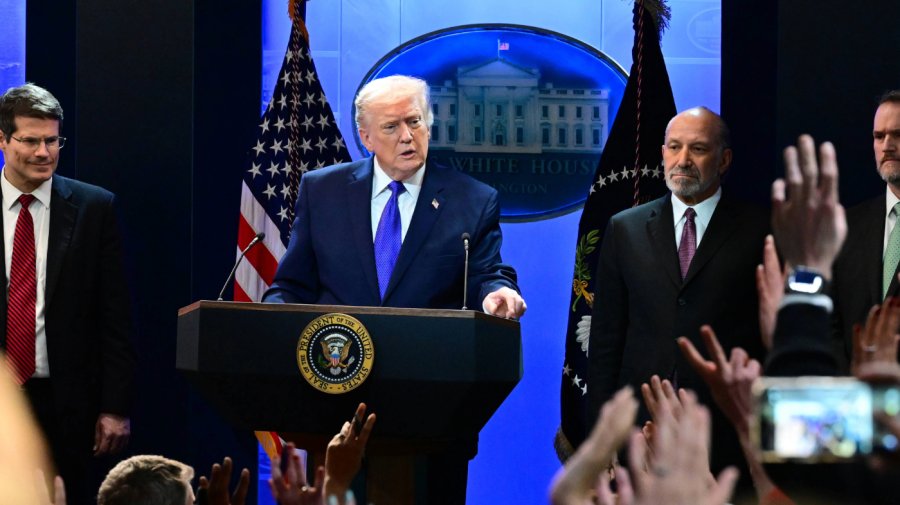
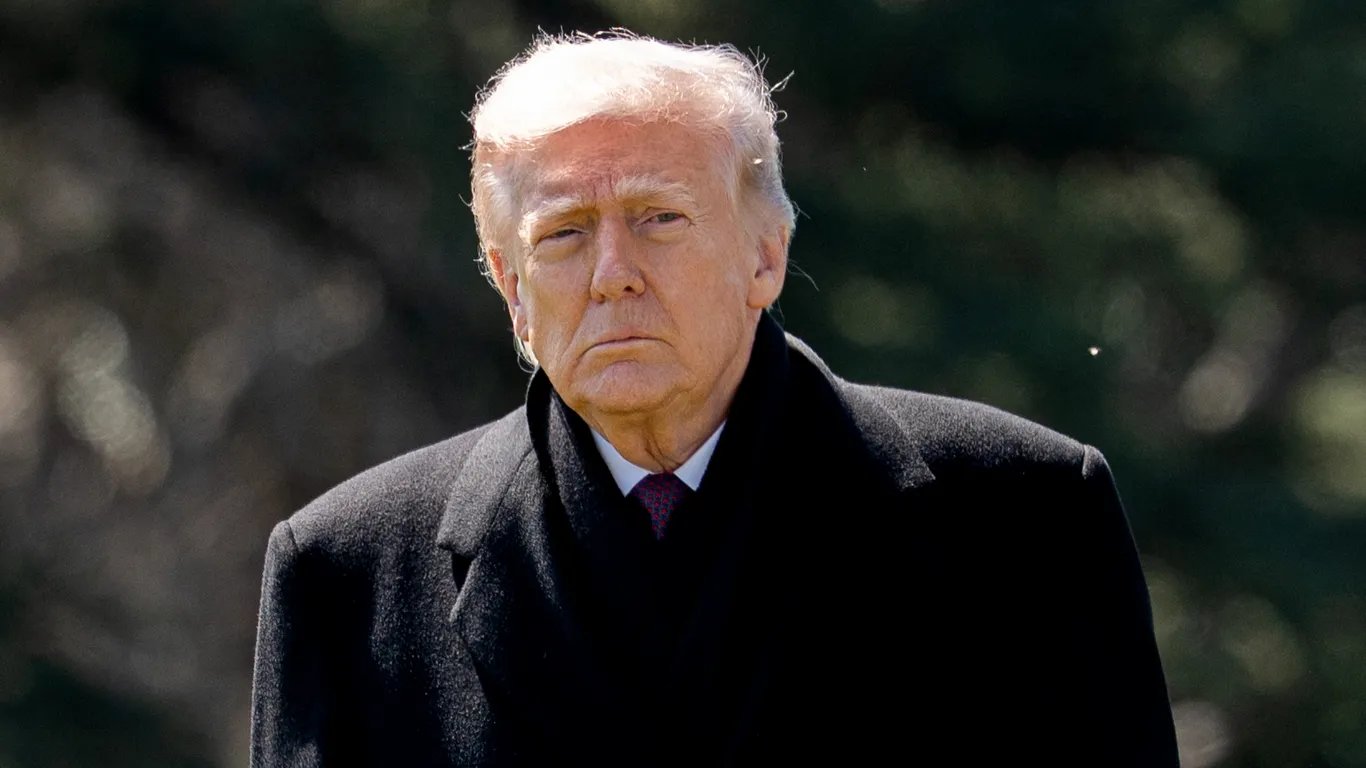
Israel and Lebanon have agreed to a 10-day ceasefire, which began on Thursday, April 16, at 5 p.m. Eastern Time, as announced by President Trump on social media. Trump described the day as potentially historic for Lebanon, following what he called "excellent conversations" with Lebanese President Joseph Aoun and Israeli Prime Minister Benjamin Netanyahu. The ceasefire is viewed as a crucial step toward reducing violence in the region, where more than 2,000 people have died in recent conflicts.
Terms of the Ceasefire
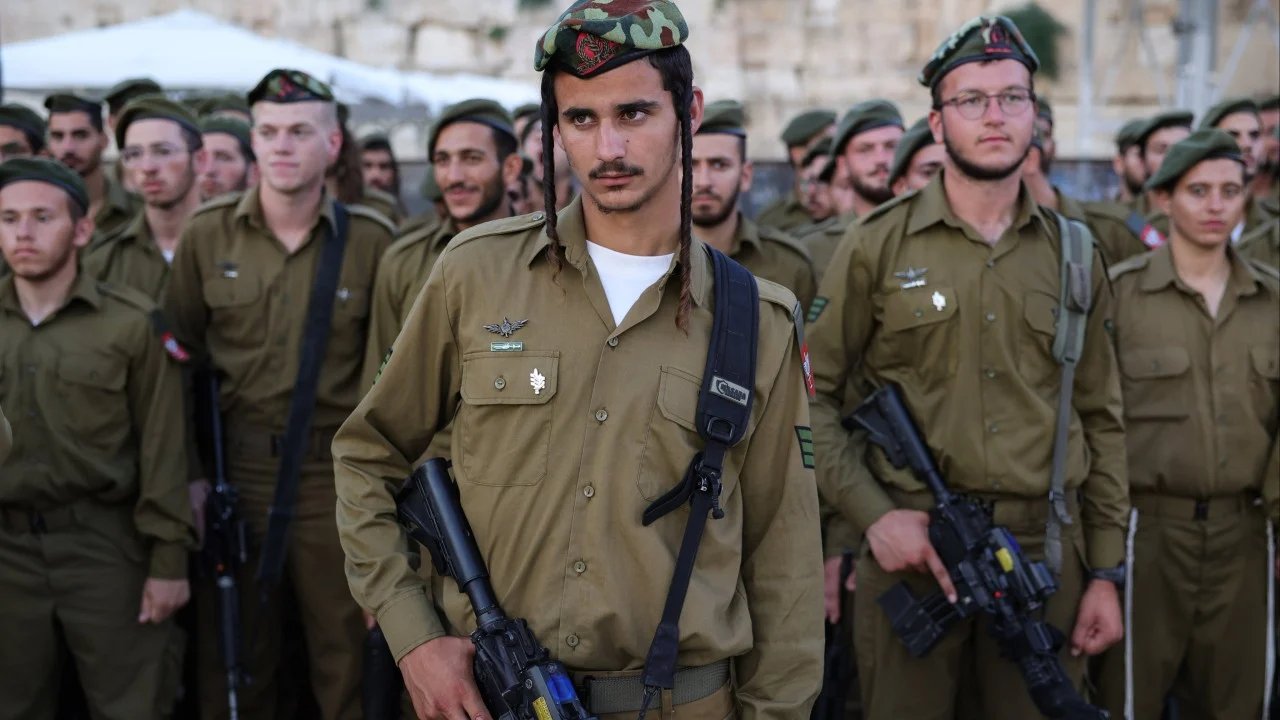
The ceasefire, defined as an Israeli "gesture of goodwill," aims to facilitate negotiations for a broader peace agreement between the two countries. The agreement specifies that Israel retains the right to respond to imminent threats from Hezbollah, while committing not to carry out offensive operations against Lebanese targets. Conversely, Lebanon is tasked with preventing Hezbollah from launching attacks against Israel. This ceasefire could be extended if both sides demonstrate progress in negotiations and Lebanon effectively asserts its sovereignty.

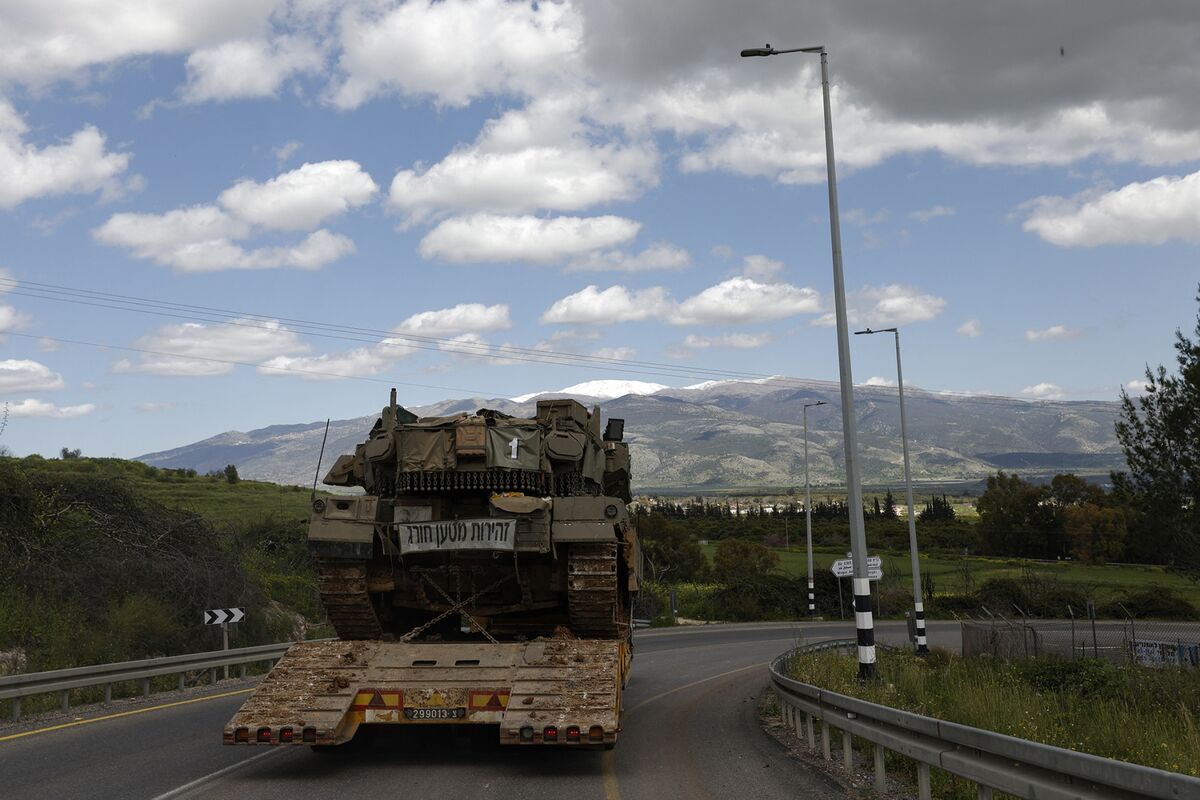
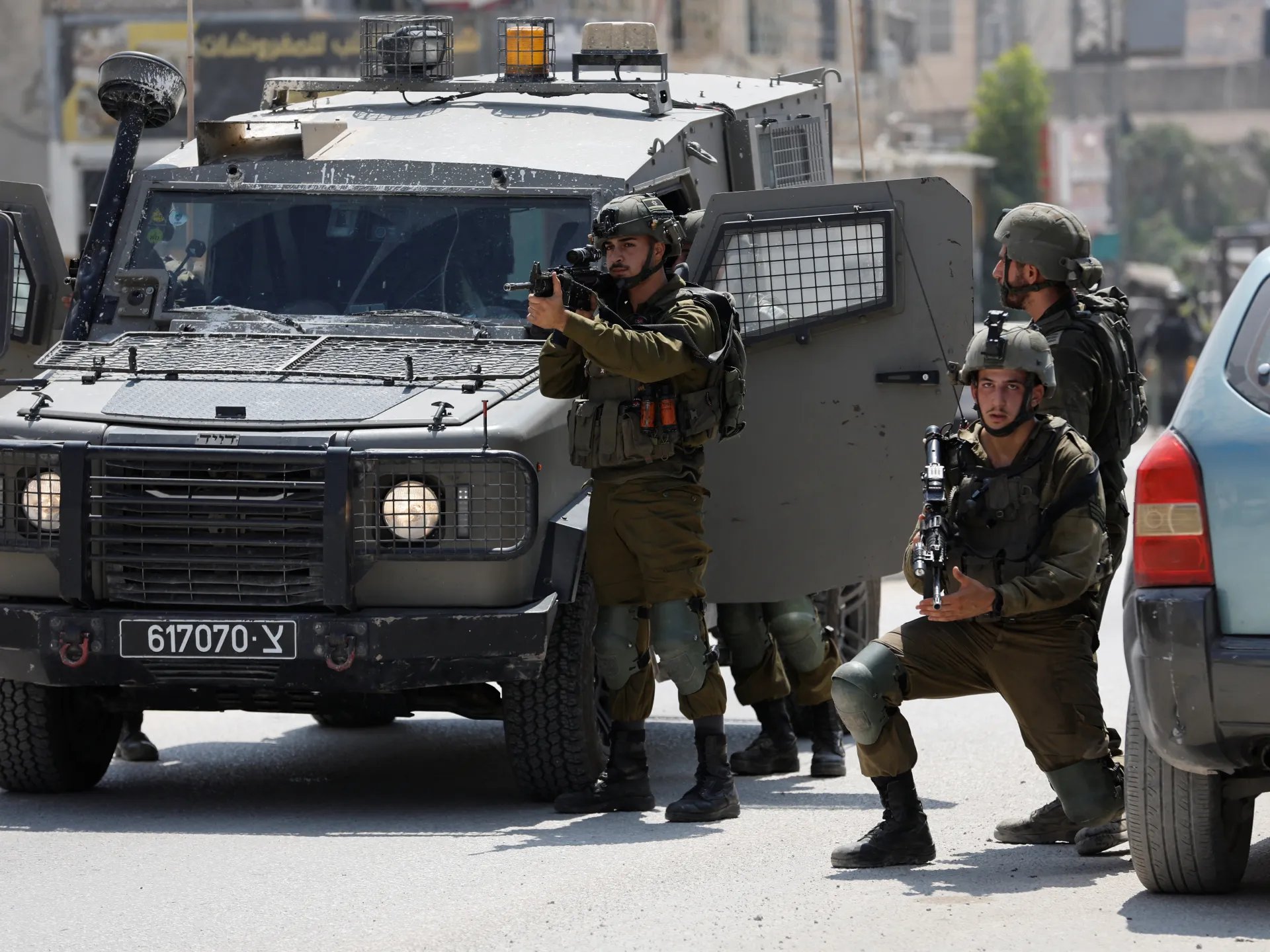
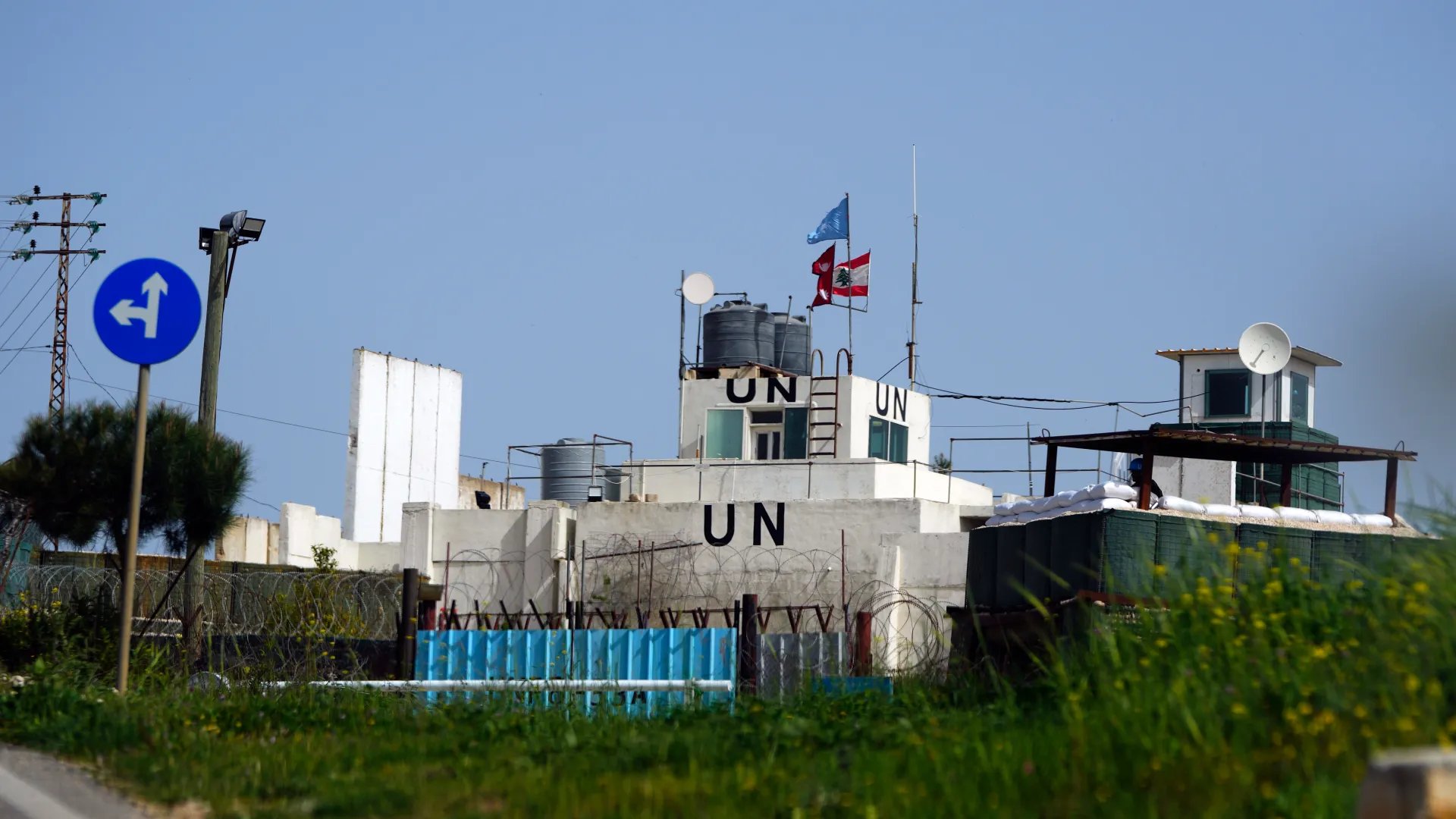
The sources also report that during the ceasefire, Israel would maintain its positions in southern Lebanon in response to Hezbollah's ongoing activities.
Regional Implications
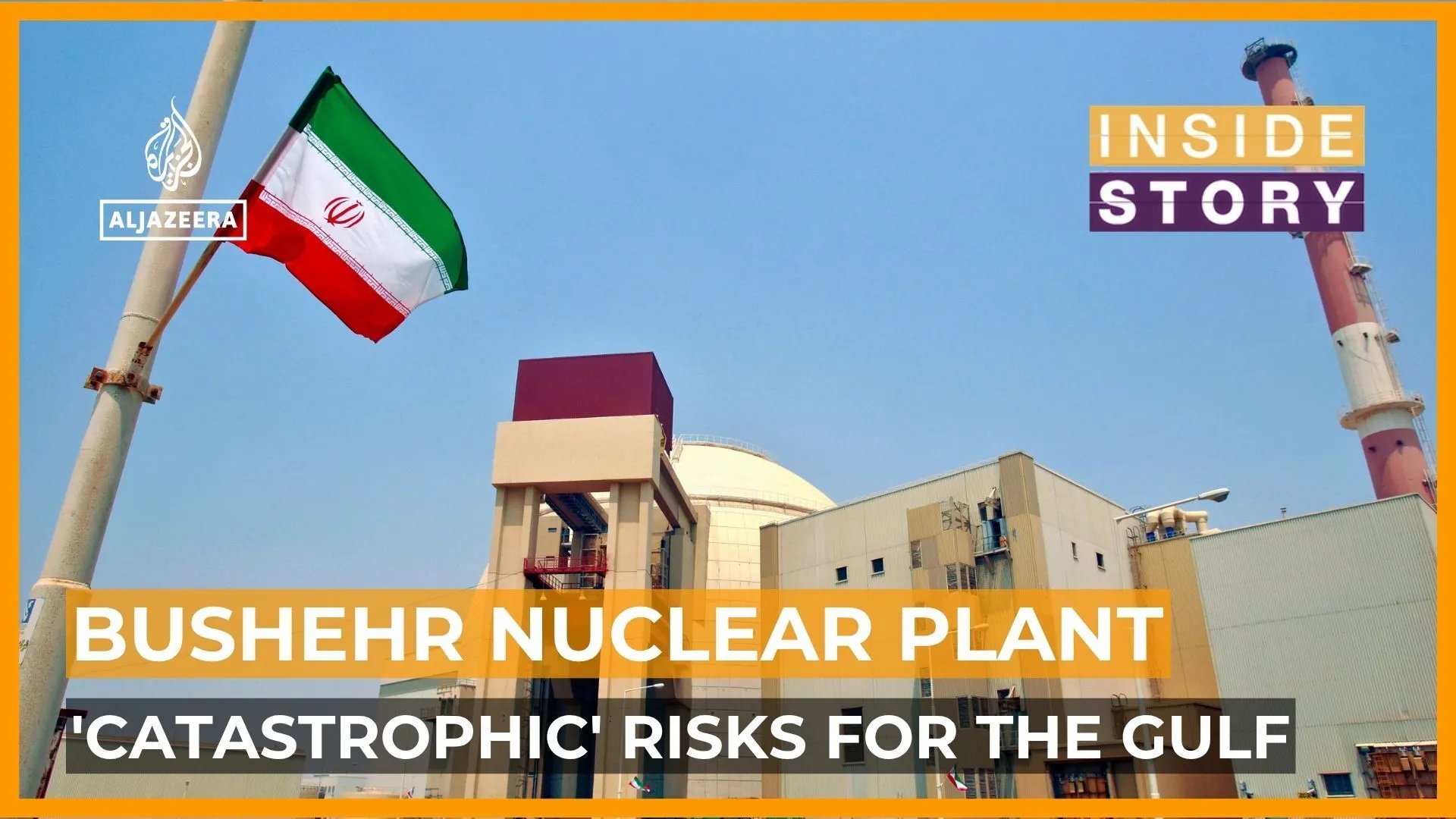
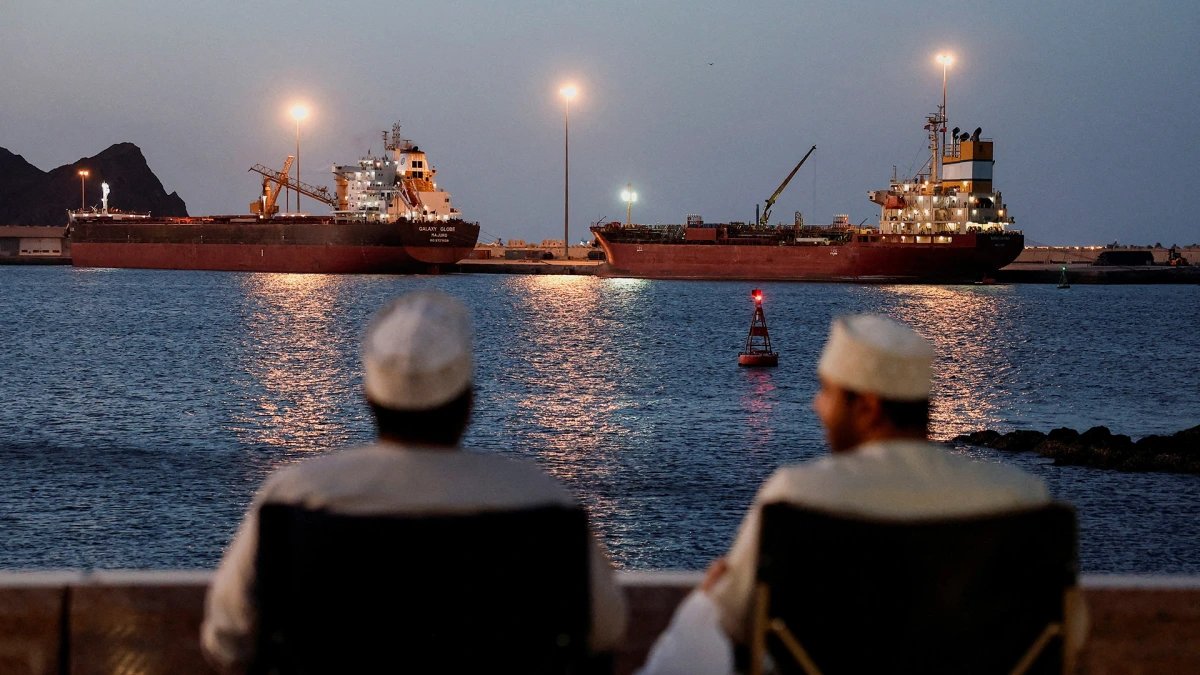
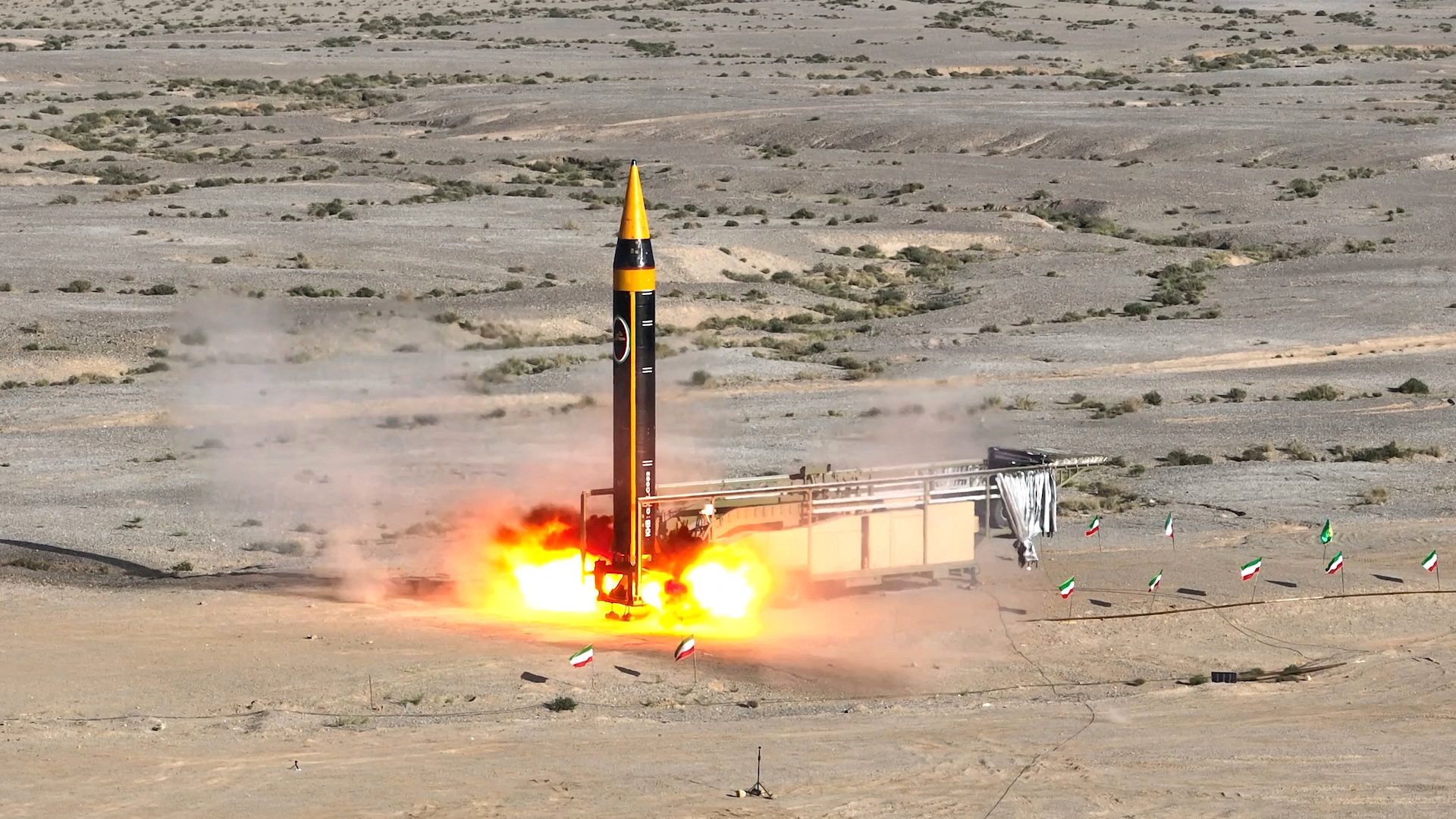
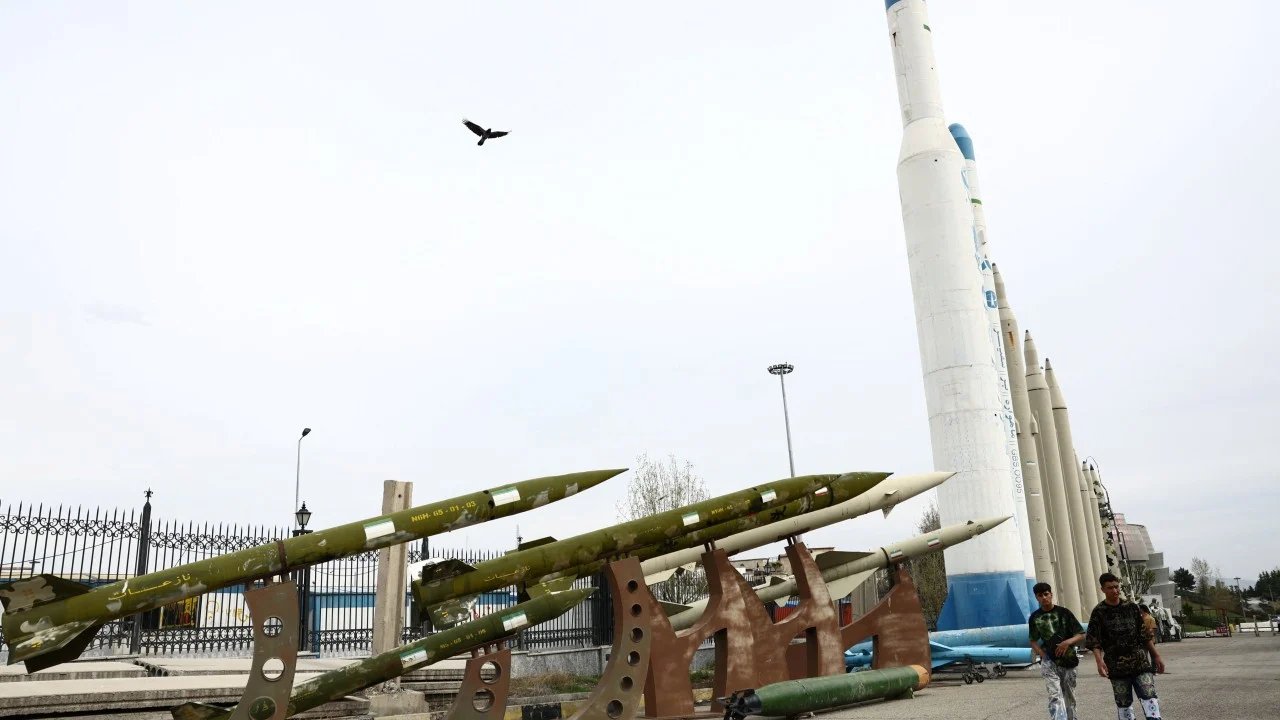
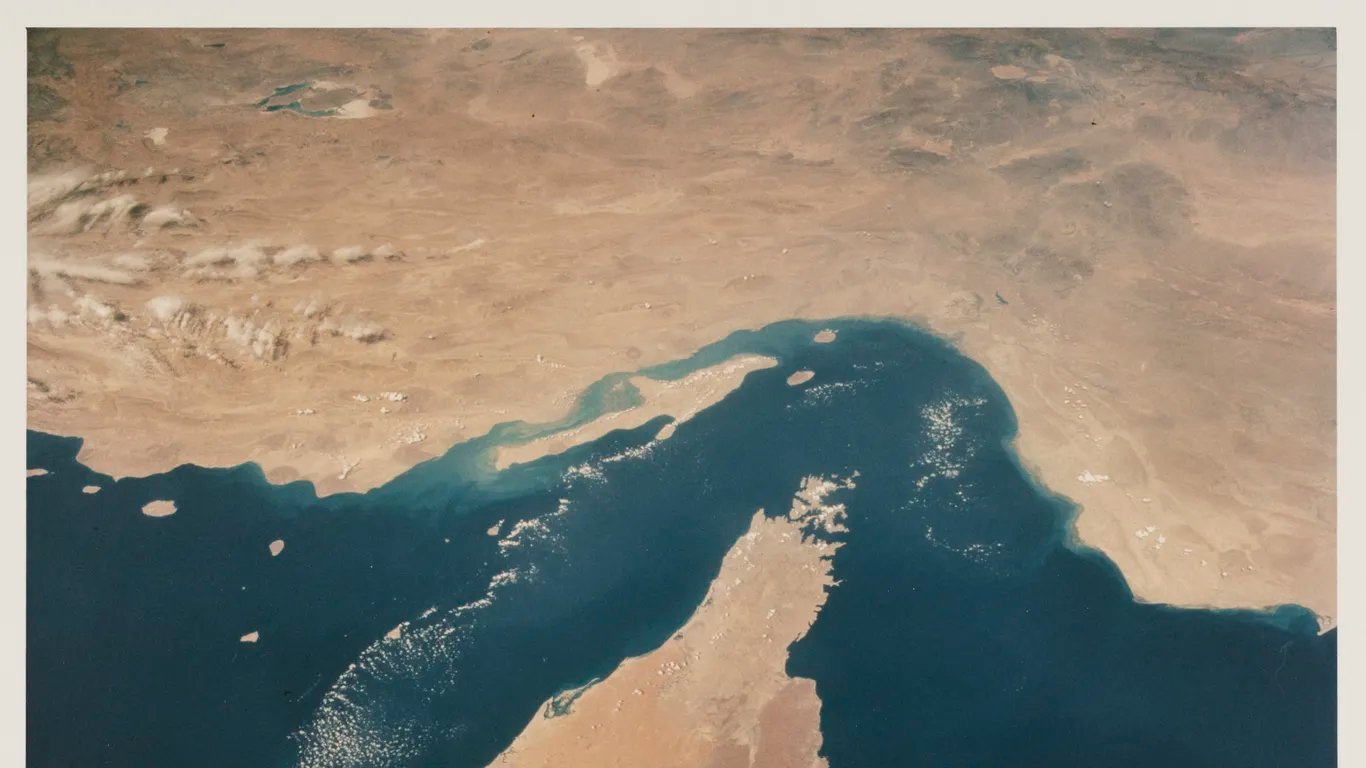
The ceasefire comes amid ongoing tensions involving Iran and its influence in the region. Hezbollah, an Iranian proxy, has been engaged in hostilities with Israel since early March, when it began launching rocket attacks in response to U.S.-Israeli military actions against Iran. An Israeli official indicated that the ceasefire would be tested by Hezbollah's actions, emphasizing that Israel would respond to any immediate threats during this period. The ceasefire is also seen as a potential stepping stone for broader peace talks involving Iran, with Trump expressing optimism about the prospects of a permanent ceasefire with Tehran.
Challenges Ahead
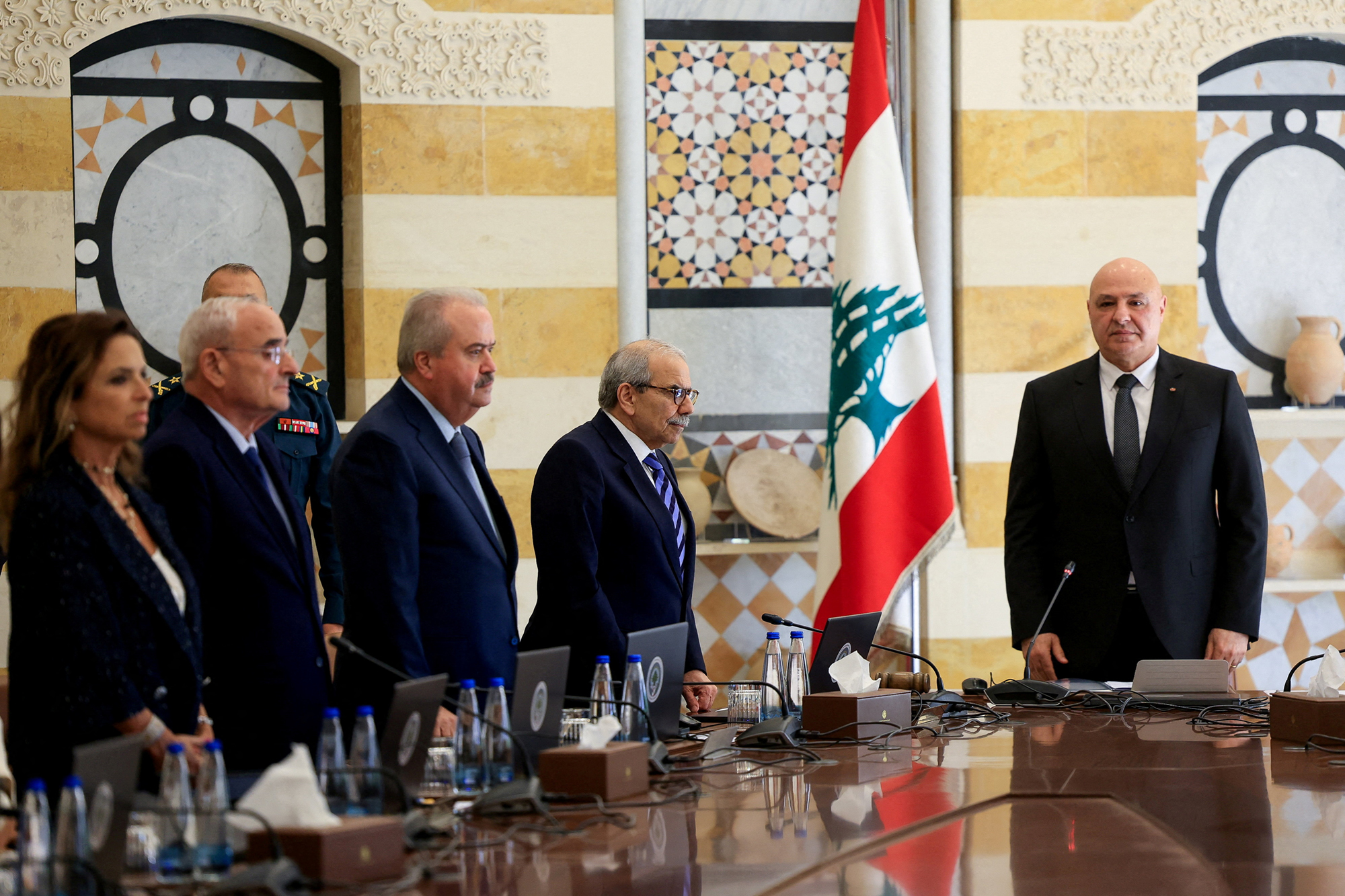
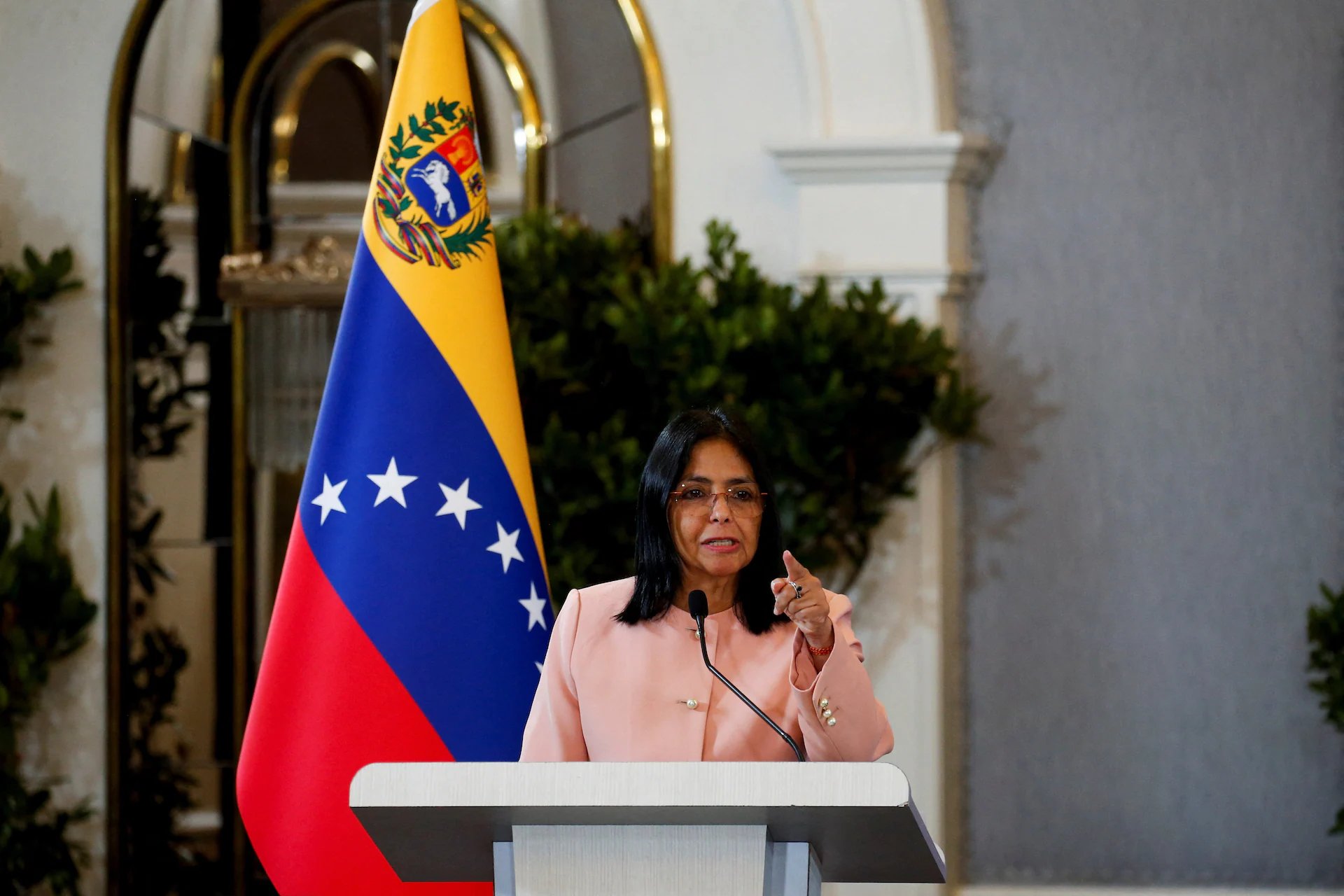
Despite the ceasefire's announcement, the situation remains precarious. Lebanese officials expressed skepticism about Hezbollah's compliance, with many in Lebanon wary of trusting Israel to uphold the truce. President Aoun stressed that negotiations would be conducted by "the Lebanese authority alone," implying no Hezbollah involvement.
International Reactions
Reactions to the ceasefire have varied across the region. Anwar Gargash, a diplomatic advisor to the UAE president, emphasized the Gulf states' view of Iran as a primary threat, contrasting with the perception in some Arab societies that see Israel as the main adversary.
Next Steps for Peace Talks
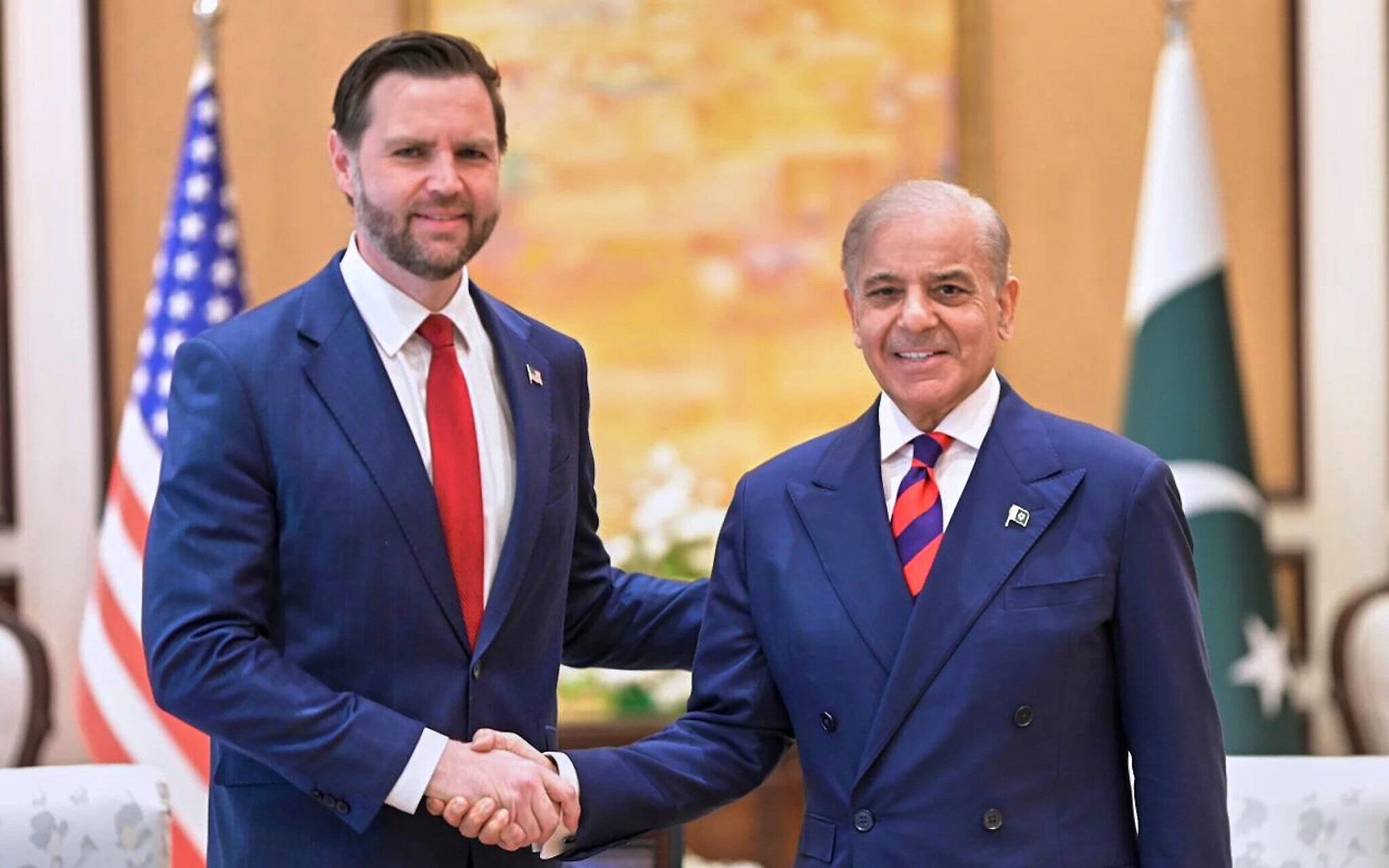
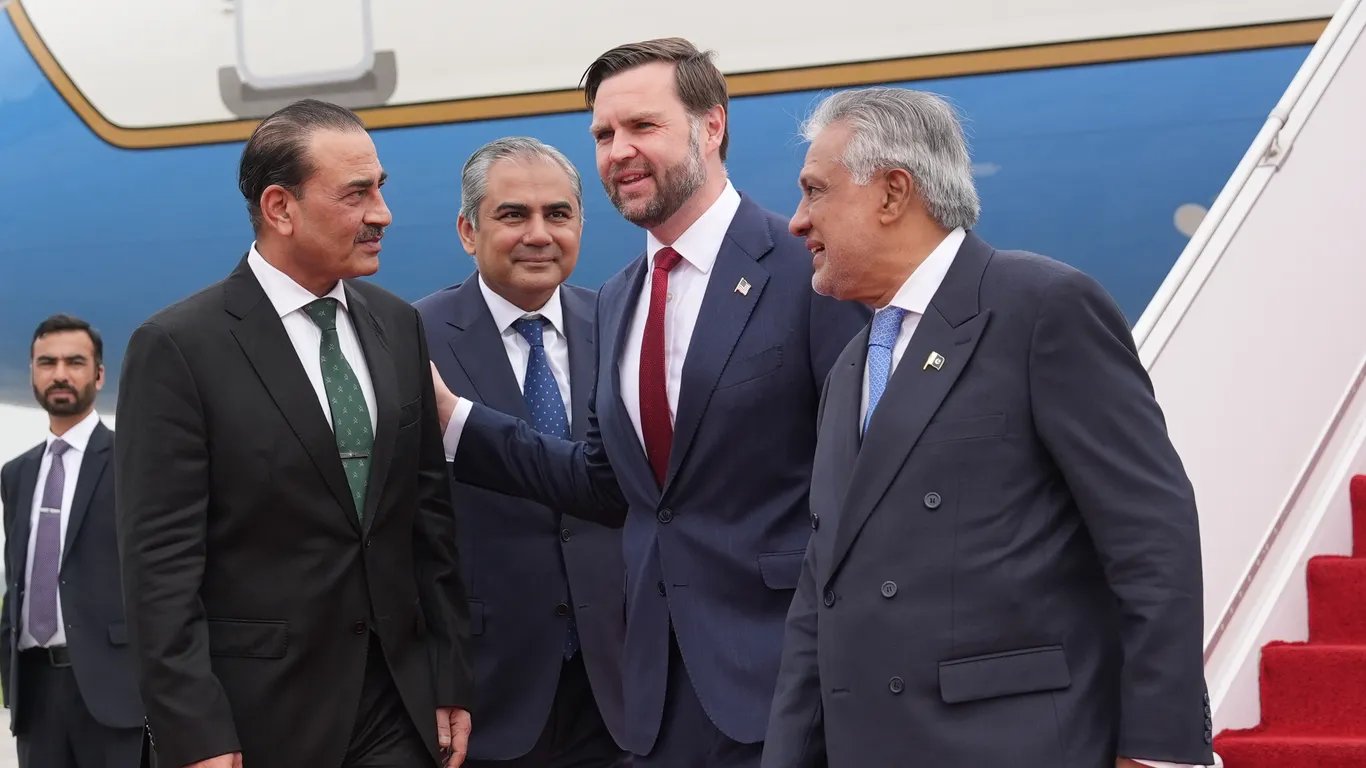
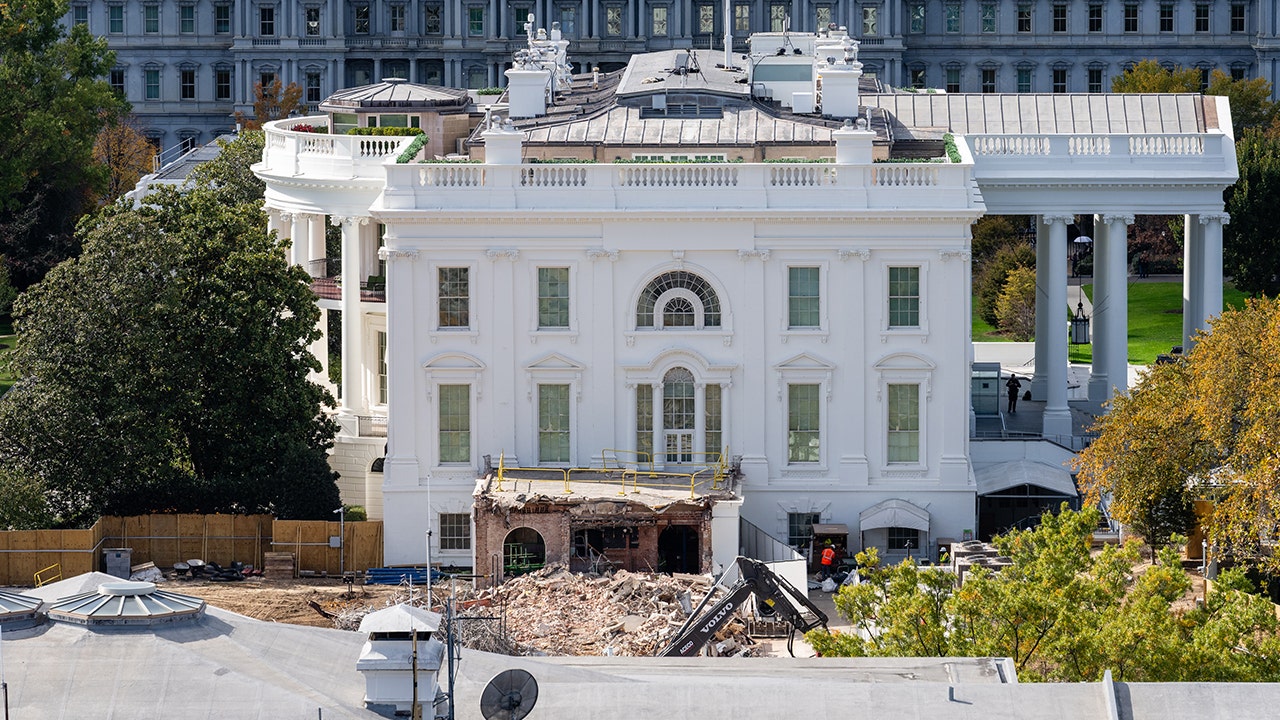
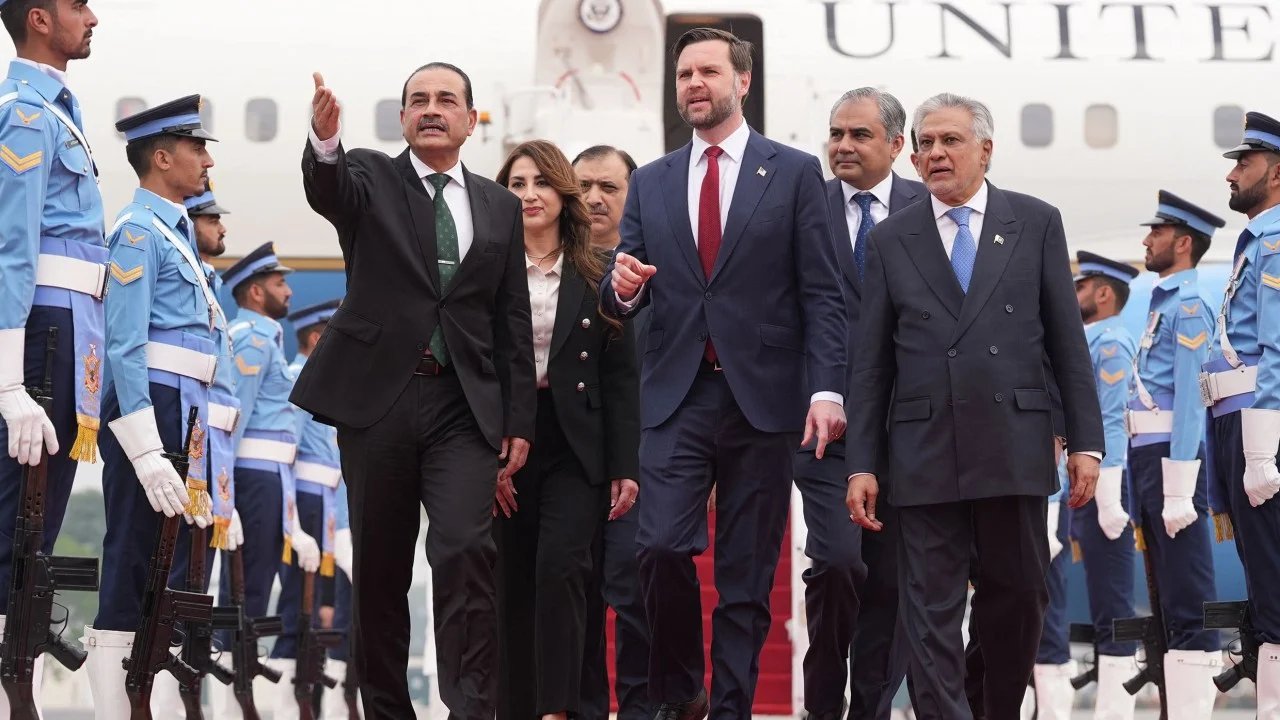
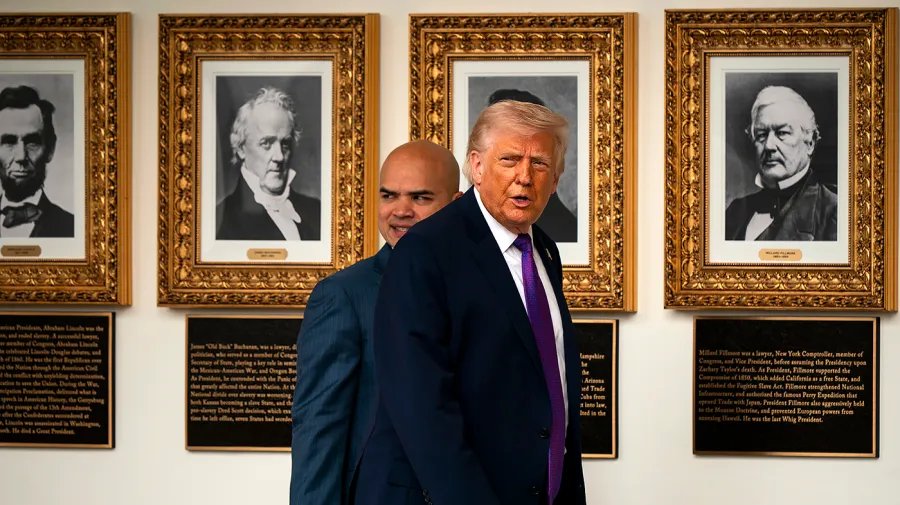
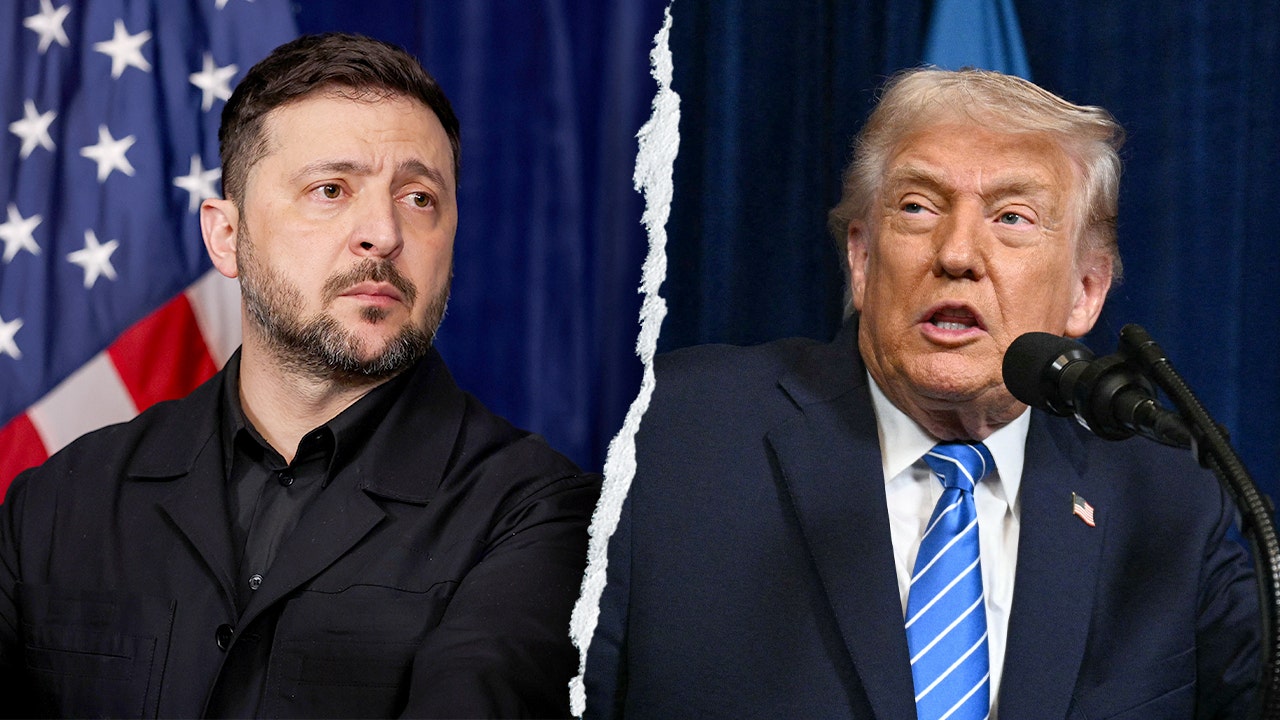
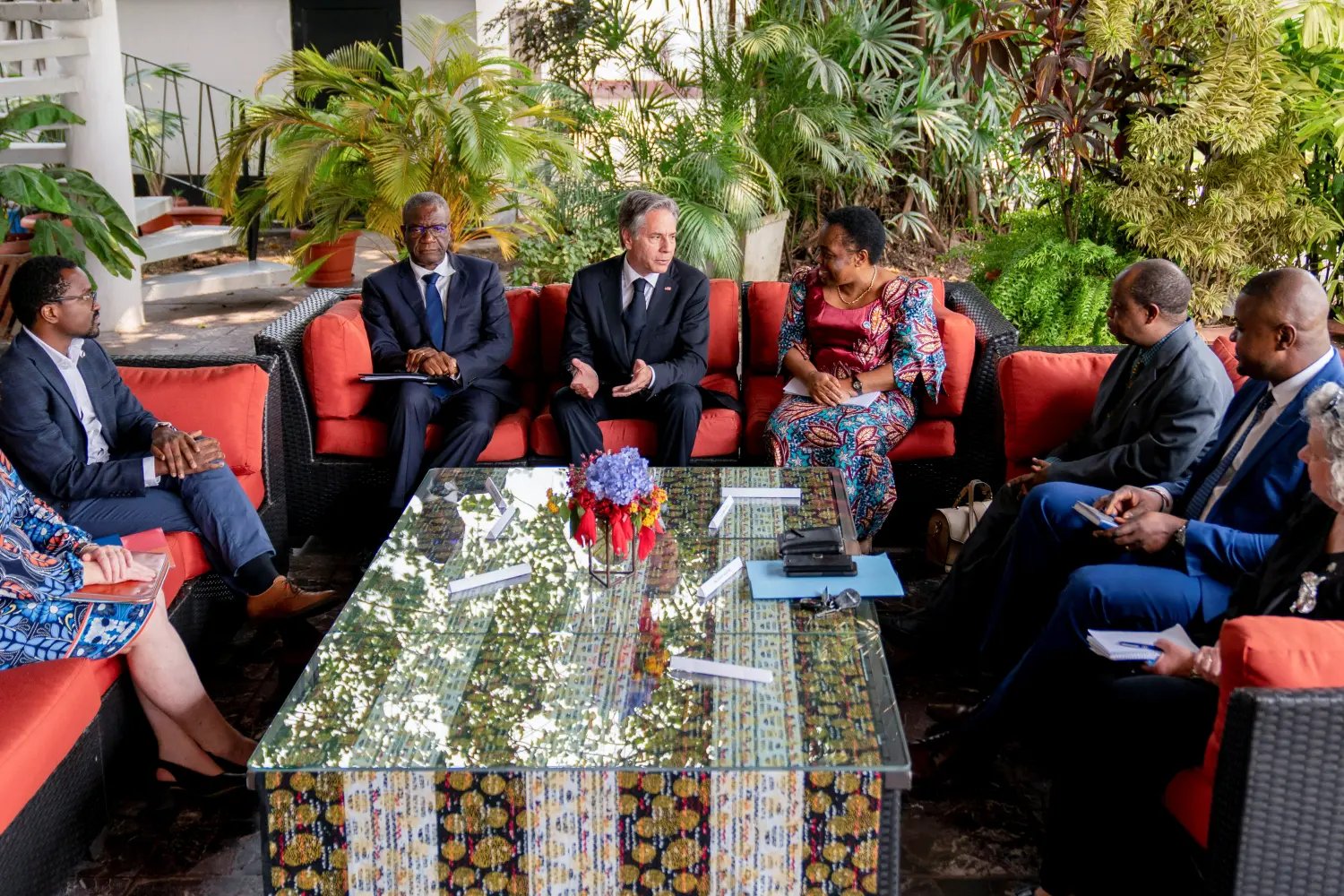
Trump has indicated plans to invite Aoun and Netanyahu to the White House for further discussions, calling these the first meaningful talks between the two nations since 1983. He stated that Vice President JD Vance and Secretary of State Marco Rubio would work to facilitate a lasting peace. However, it remains uncertain whether Aoun will agree to such a meeting, especially as Israeli forces continue their occupation of parts of southern Lebanon.
Conclusion: A Test of Resolve
The effectiveness of this ceasefire will largely depend on the responses of both Israel and Hezbollah, as well as the broader geopolitical dynamics involving Iran. The coming days will be critical in determining whether this ceasefire can lead to a more permanent resolution to the ongoing conflict, with significant implications for regional stability and U.S. foreign policy.


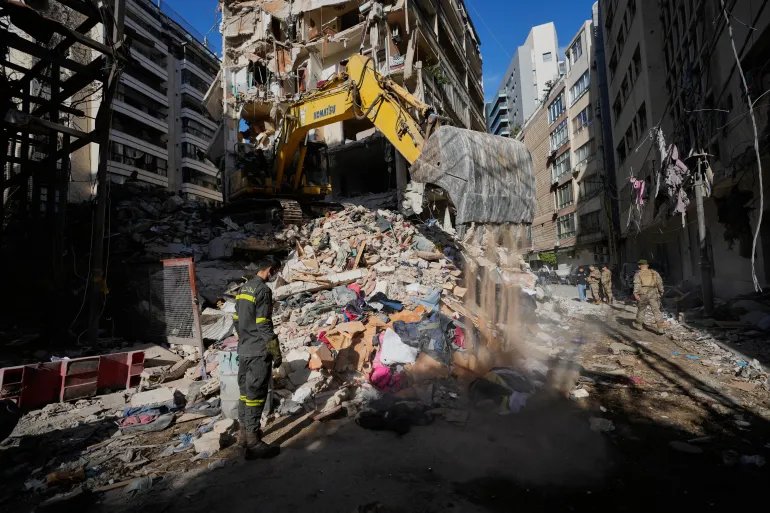



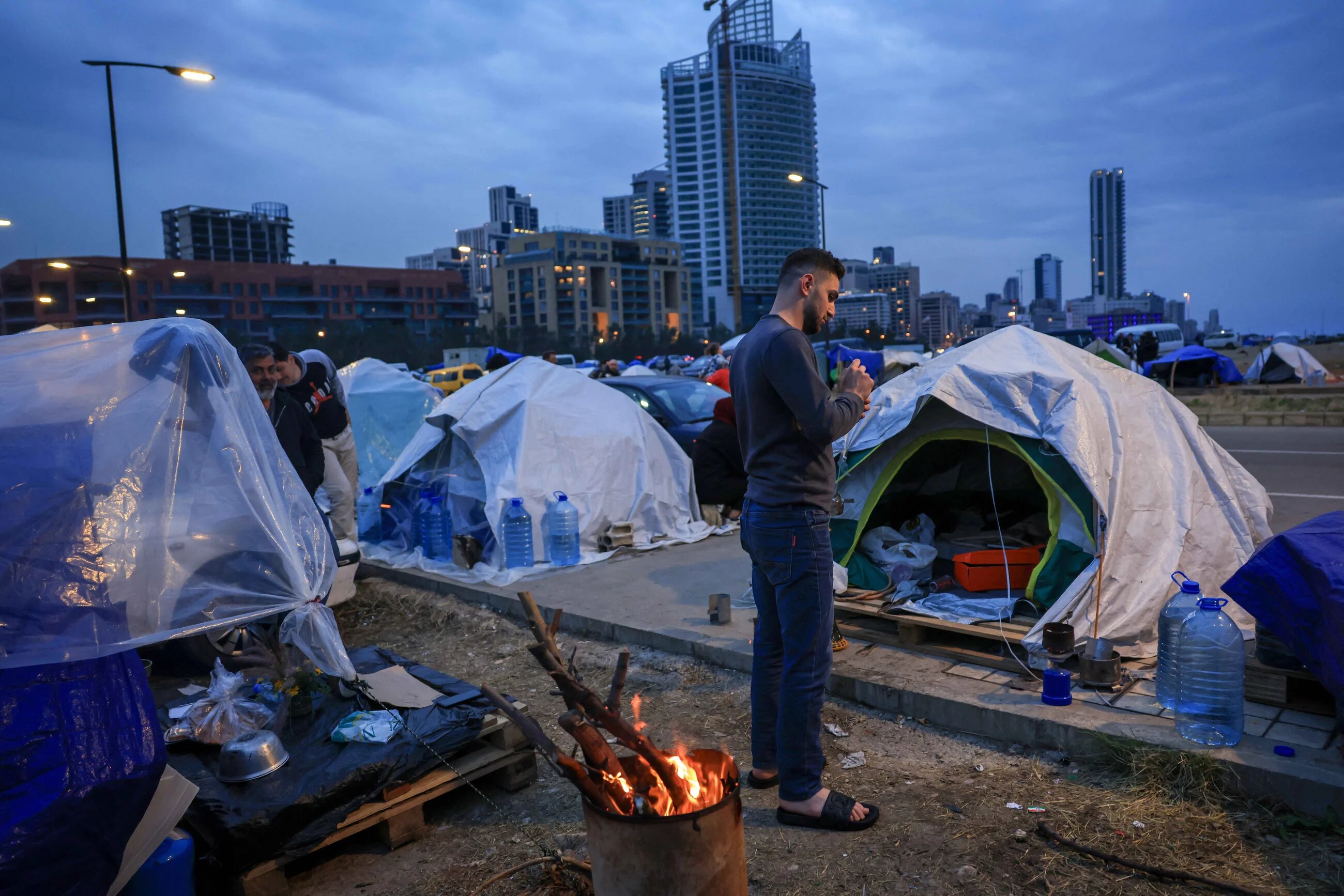
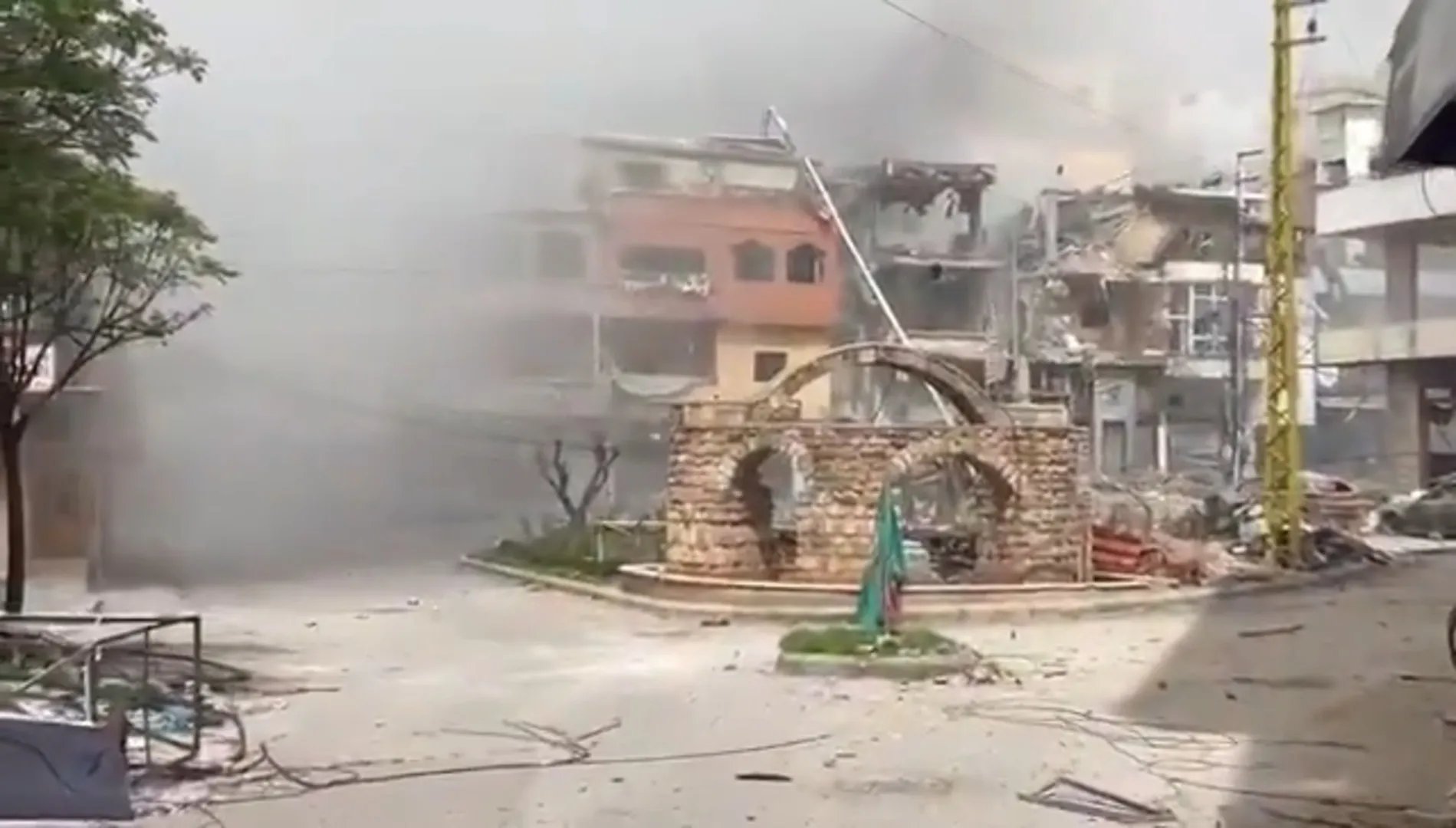
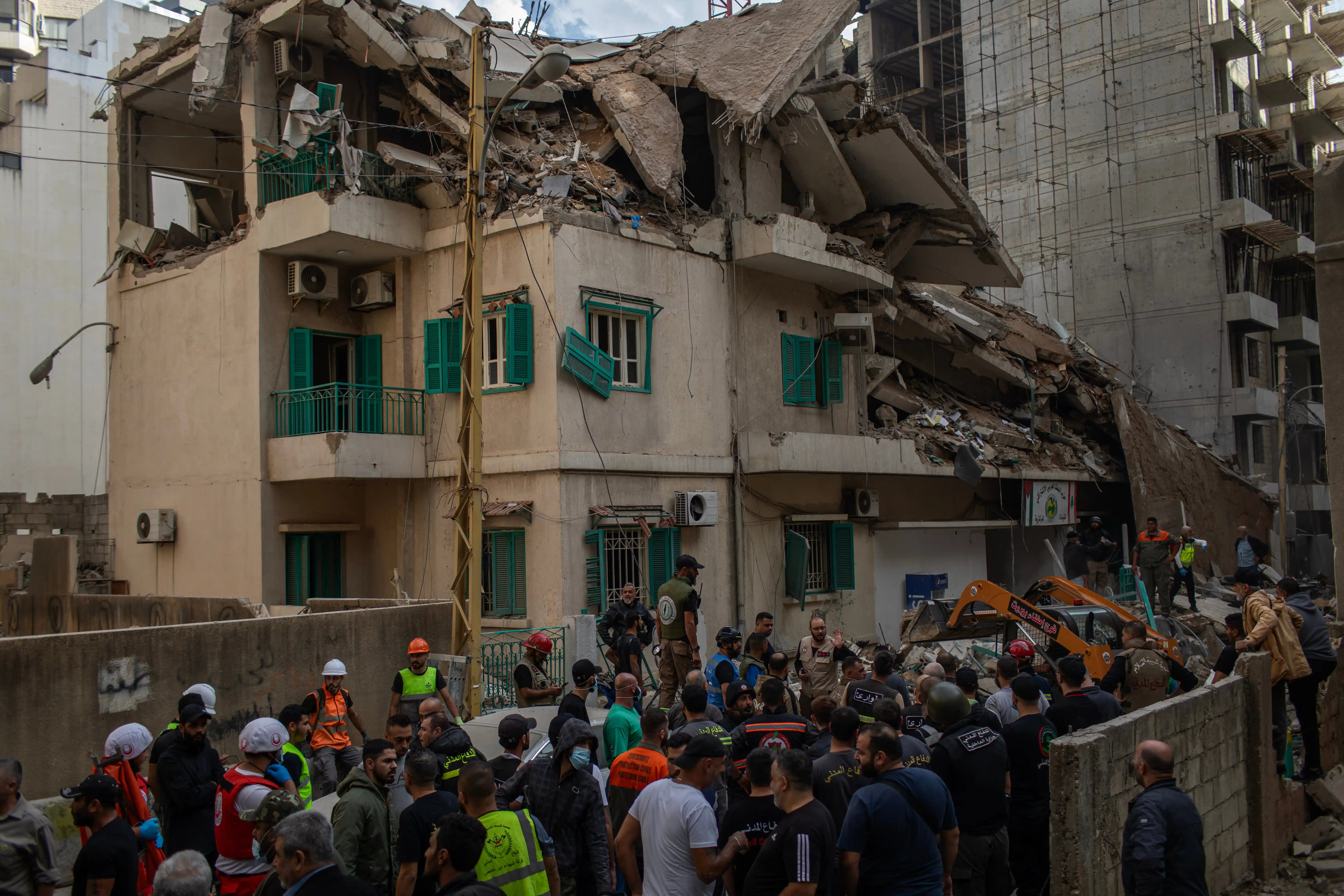
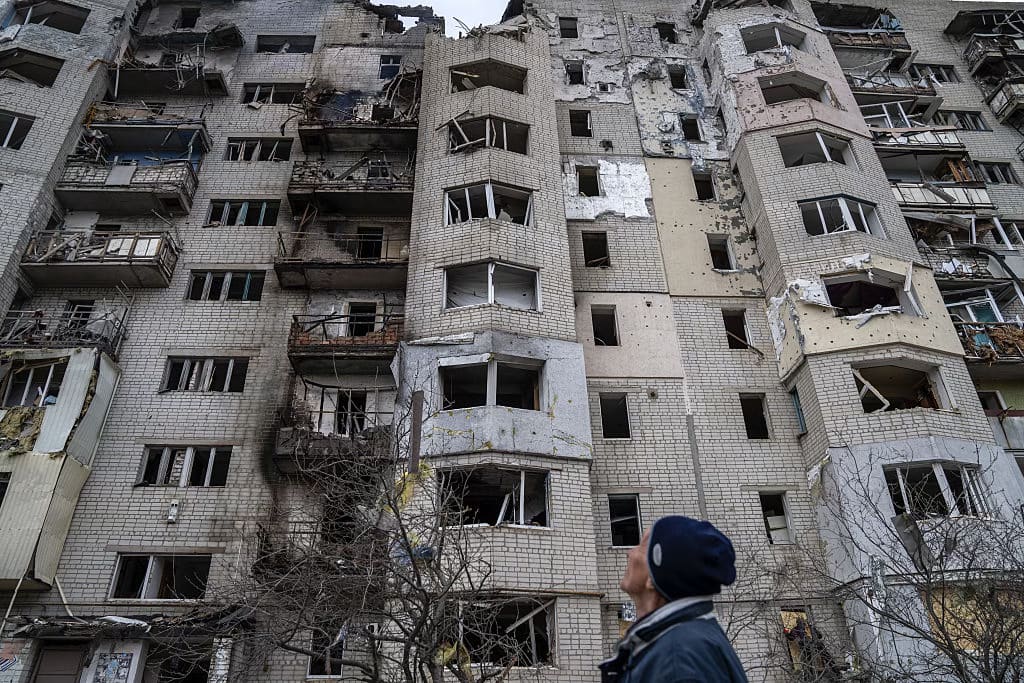




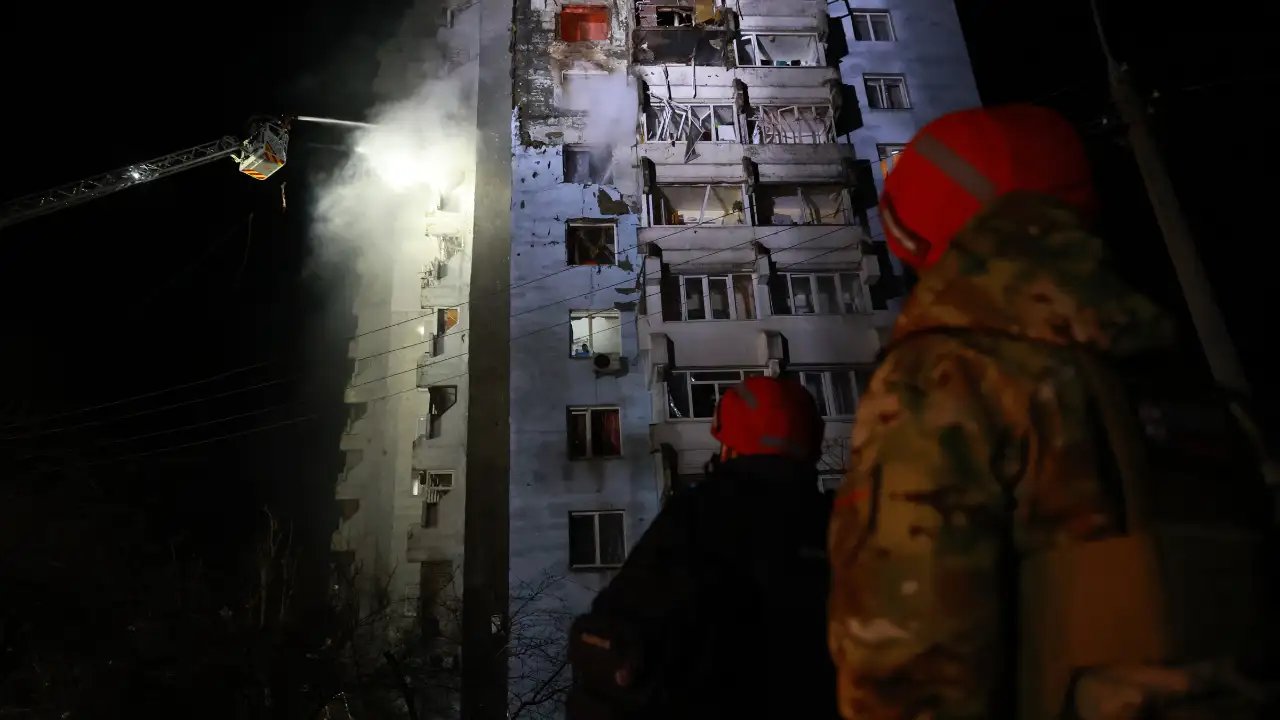
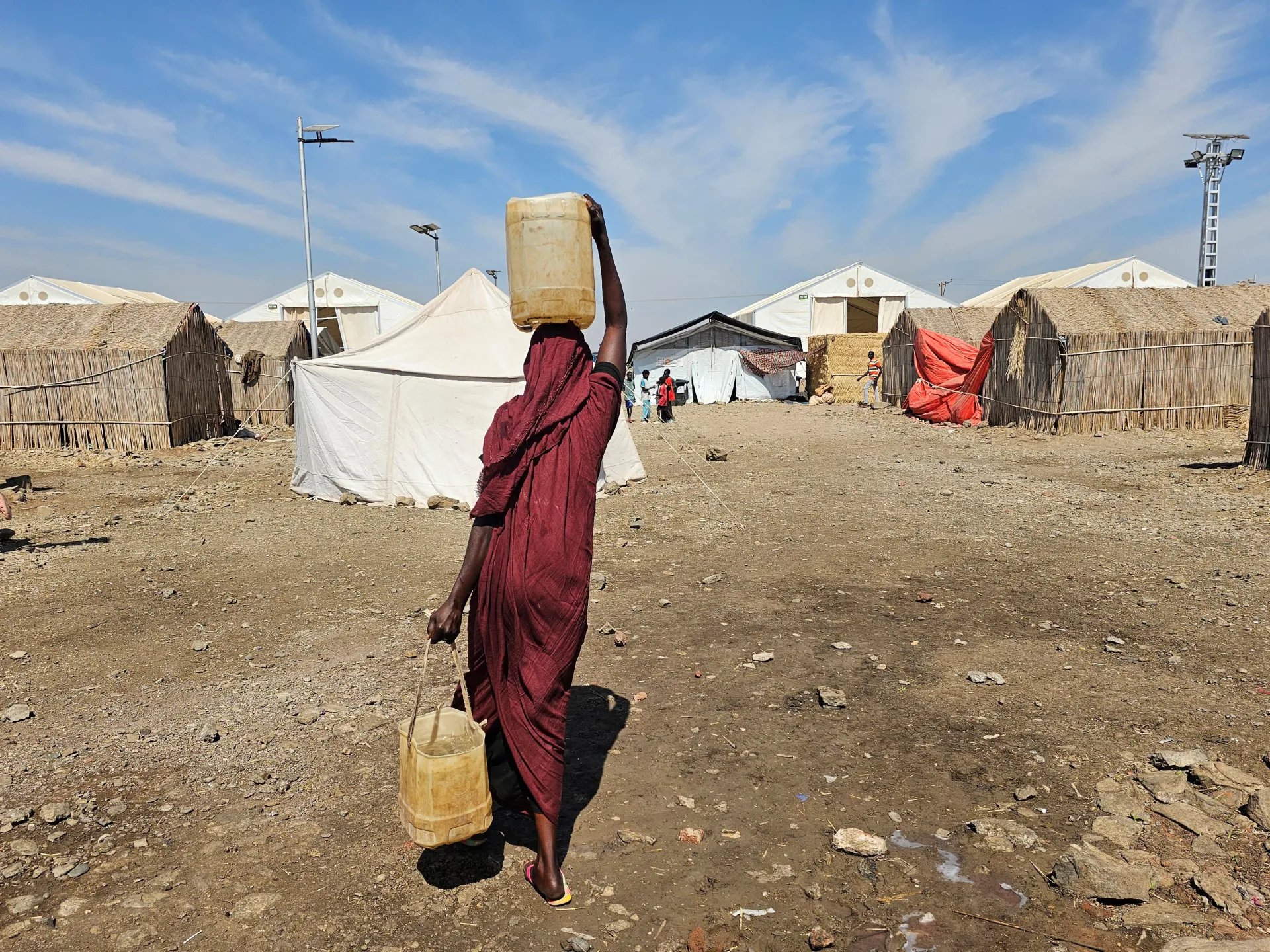

















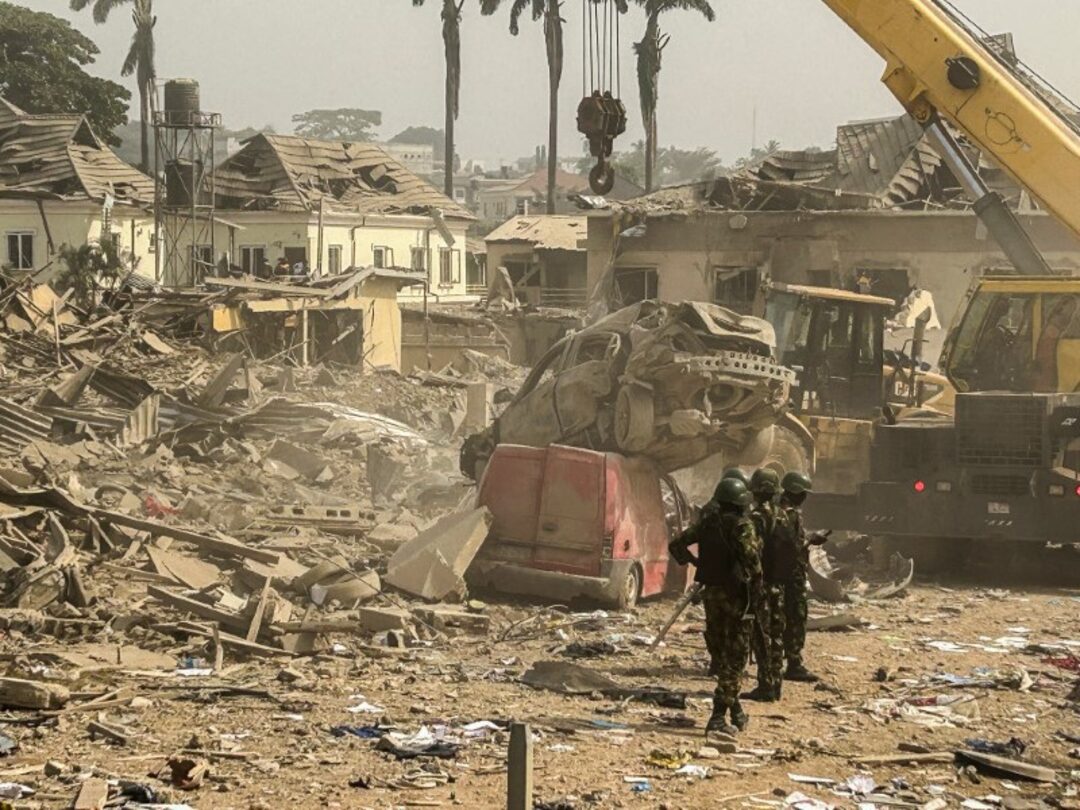
































































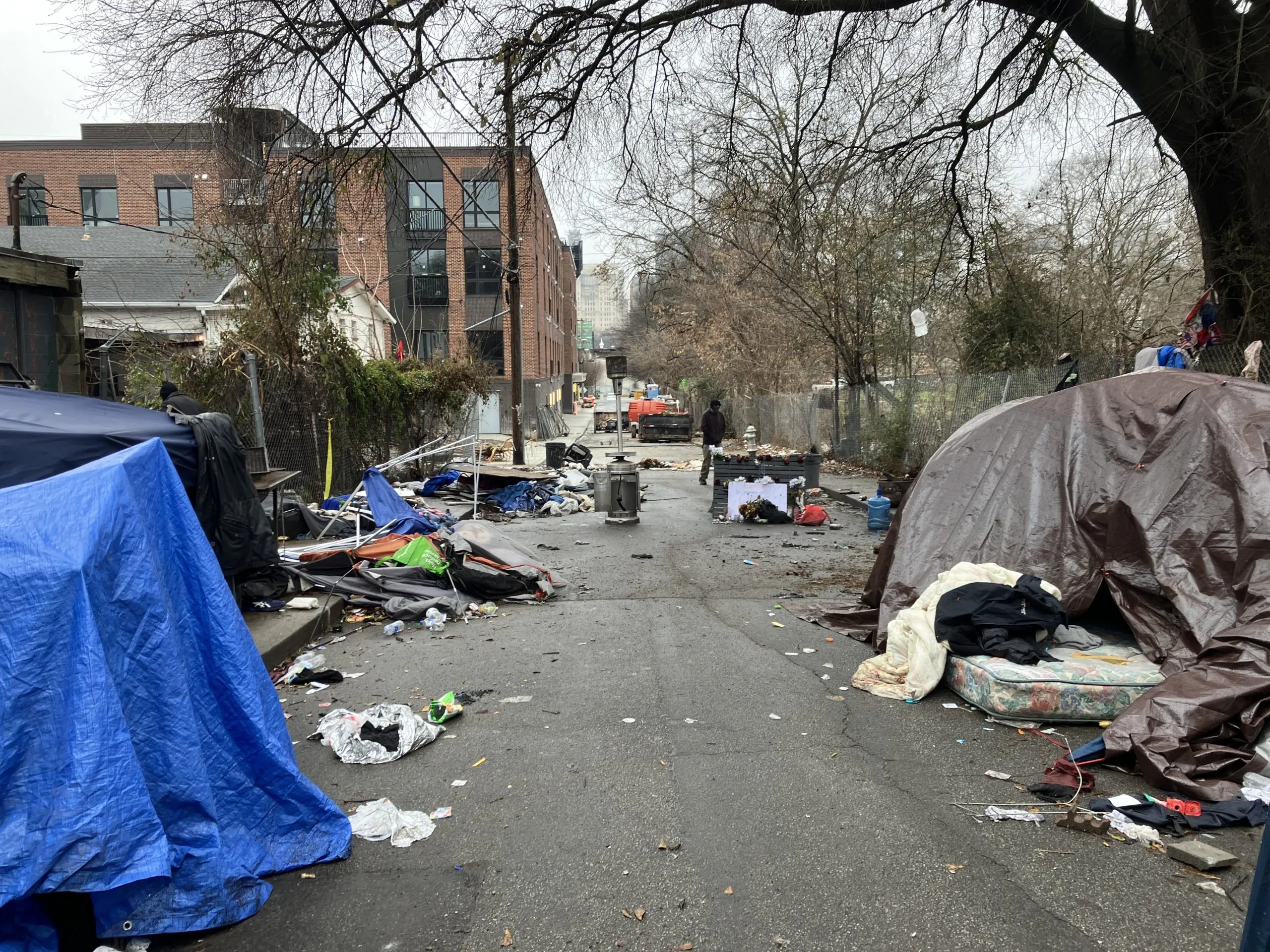




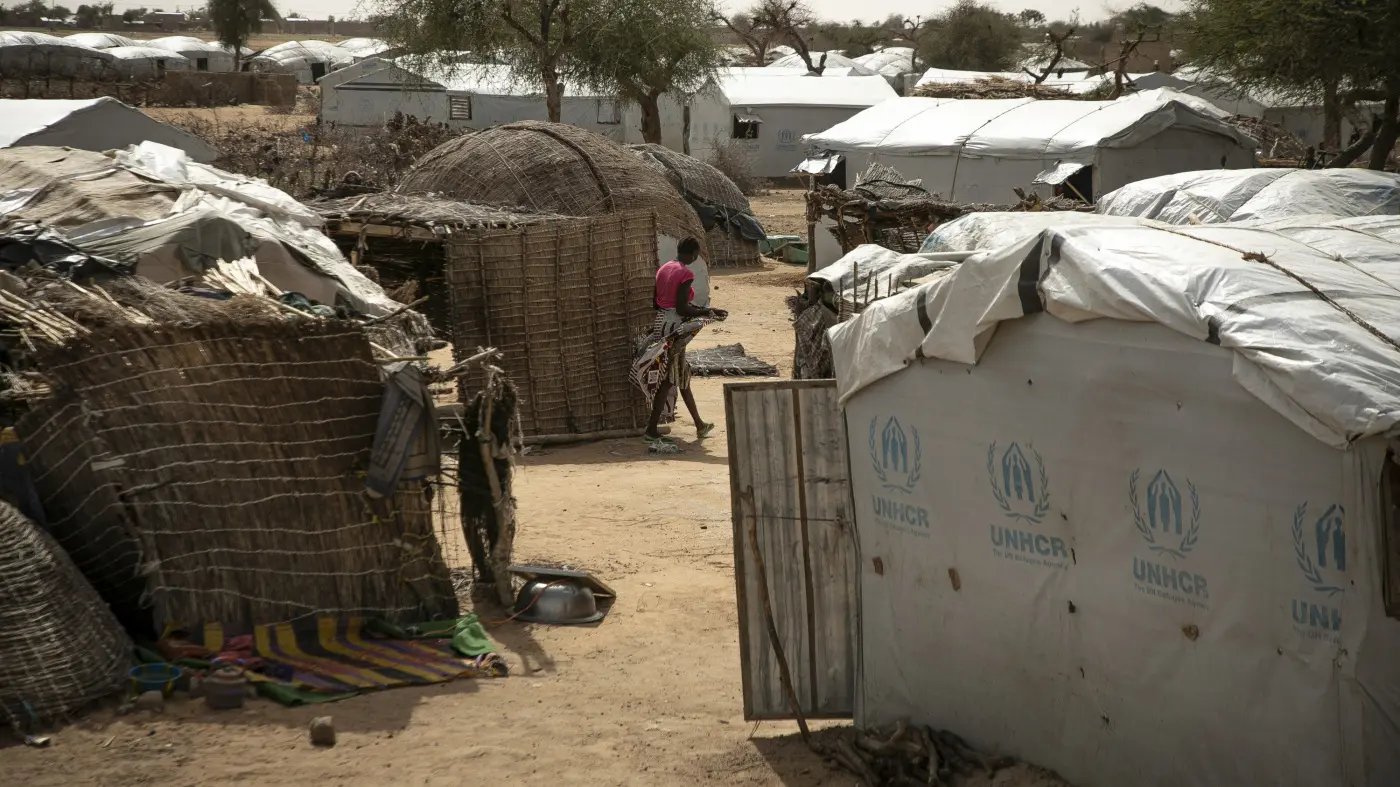









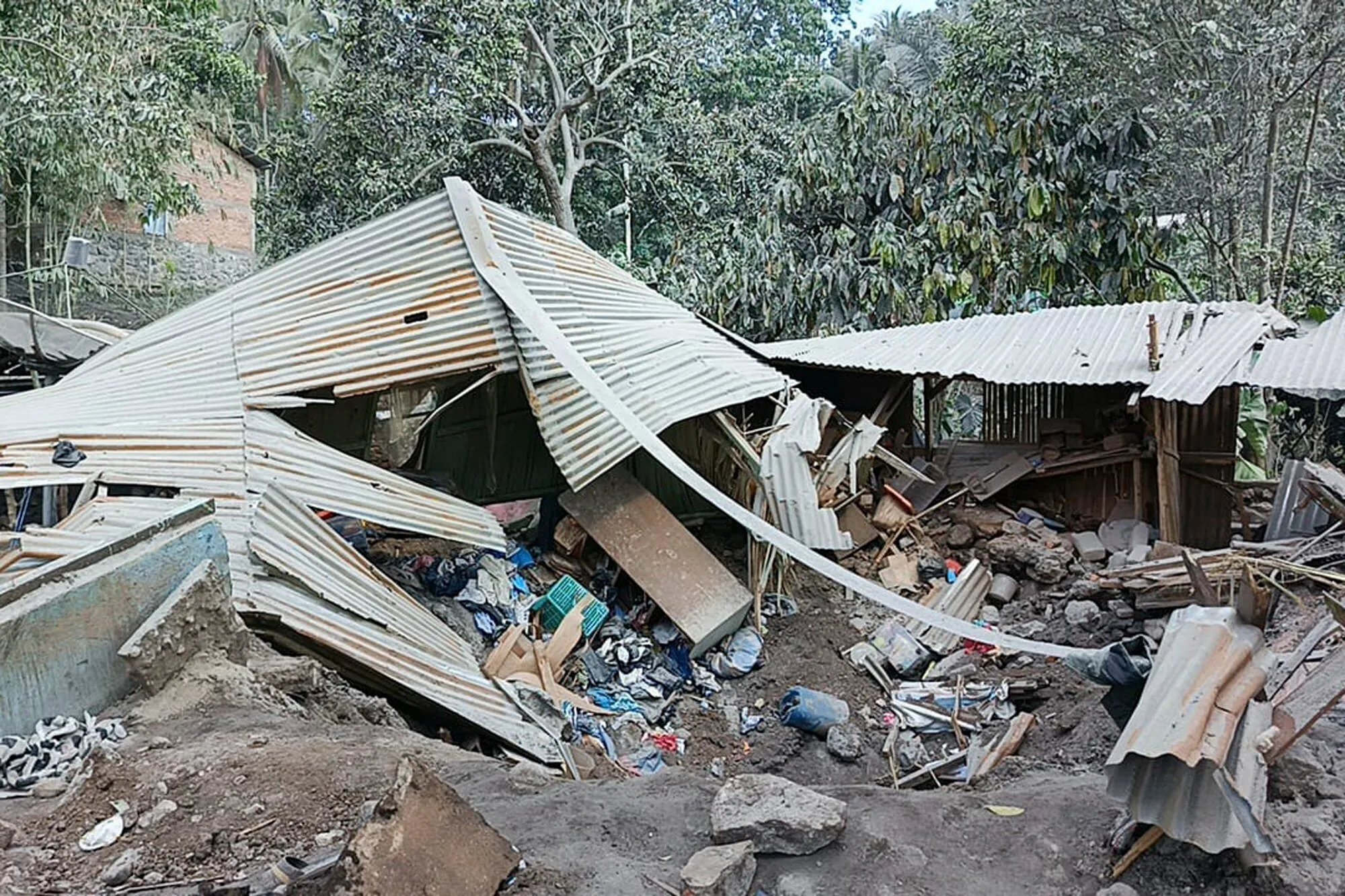











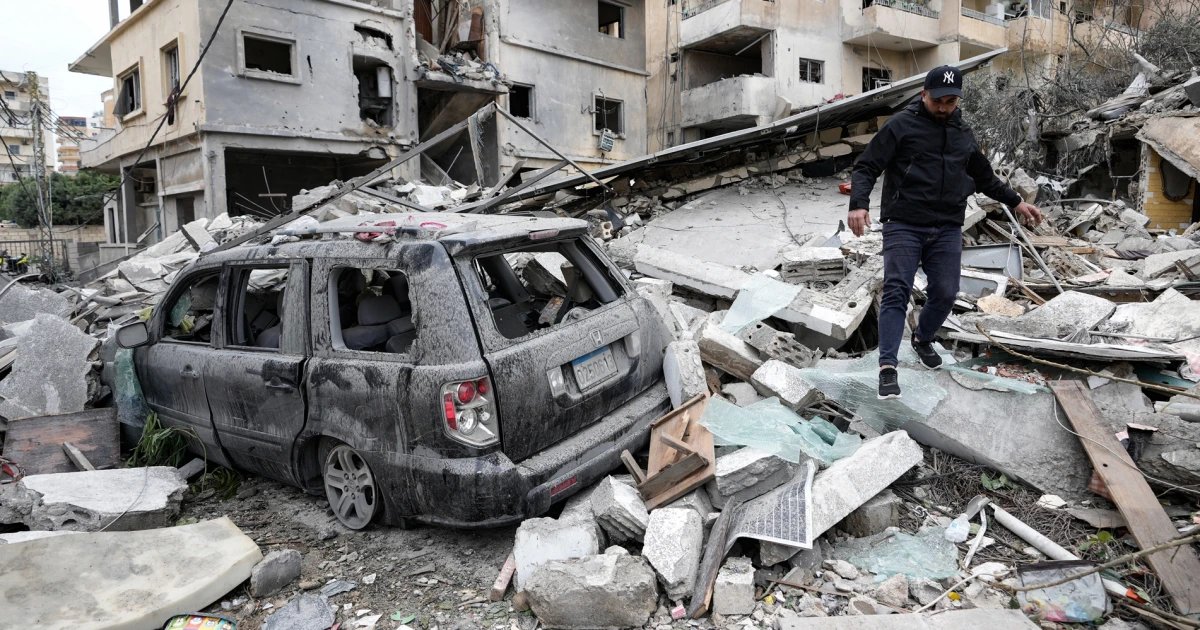



















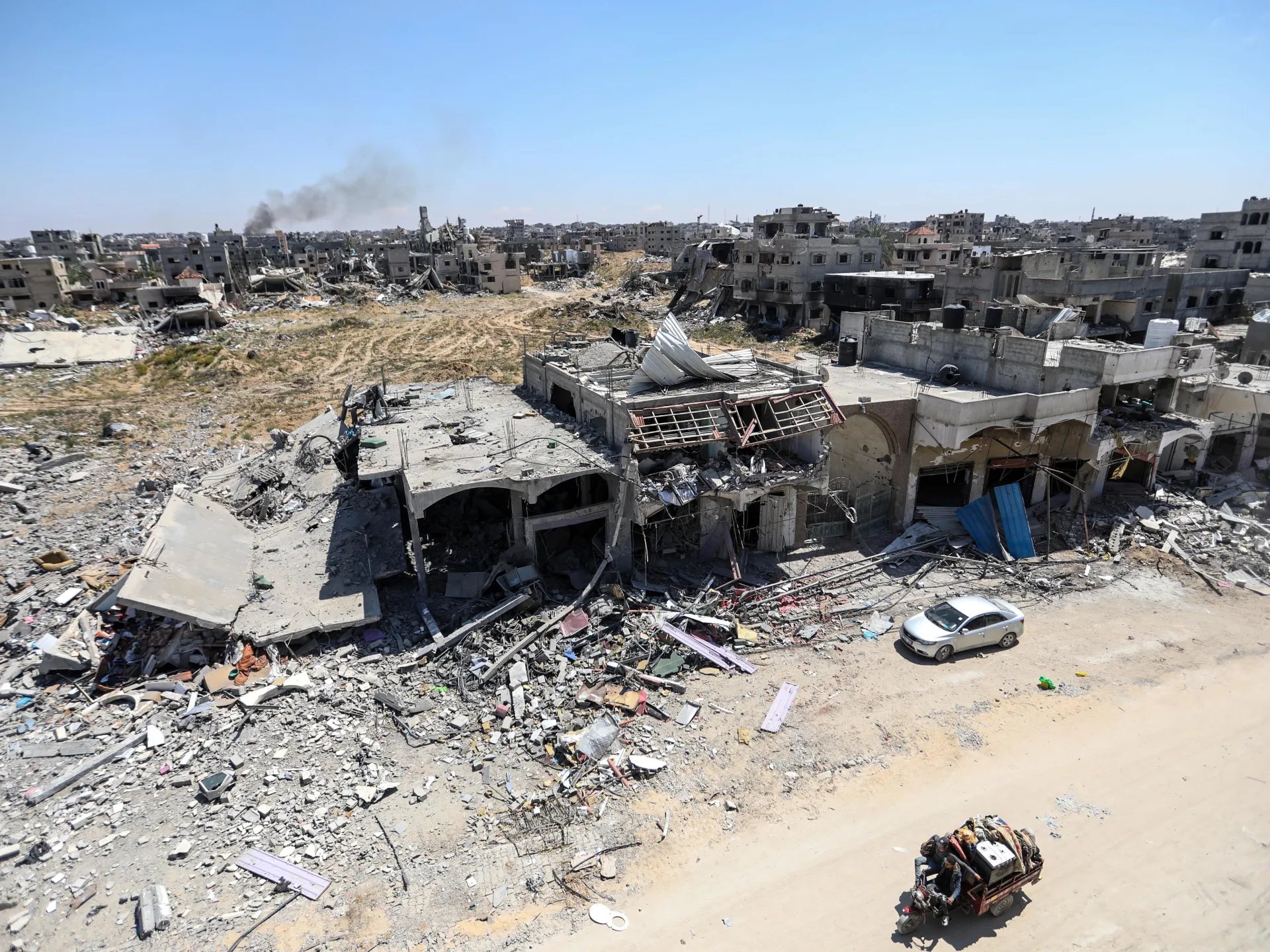
















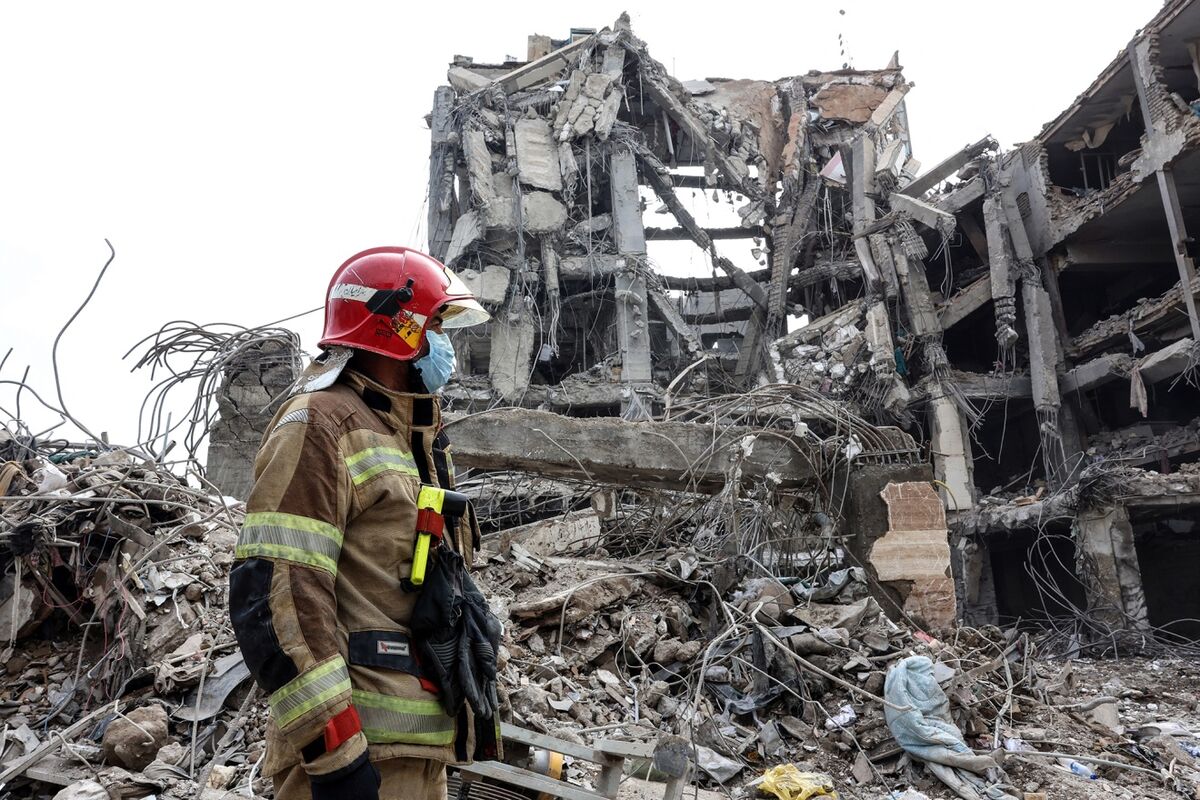



The sources also report that over 1 million Lebanese residents have been displaced by the fighting.