




The engineer exodus
Renault will eliminate up to 2,400 engineering positions over the next two years, representing a 15 to 20 percent reduction from its current workforce of 11,000 to 12,000 engineers worldwide. The French automaker confirmed the cuts will affect engineering centers across Brazil, India, Morocco, Romania, South Korea, Spain and Turkey, though development of new technologies and fundamental design work will remain in France. A Renault spokesperson said the cuts would be made without forced layoffs.
Speeding up to catch China
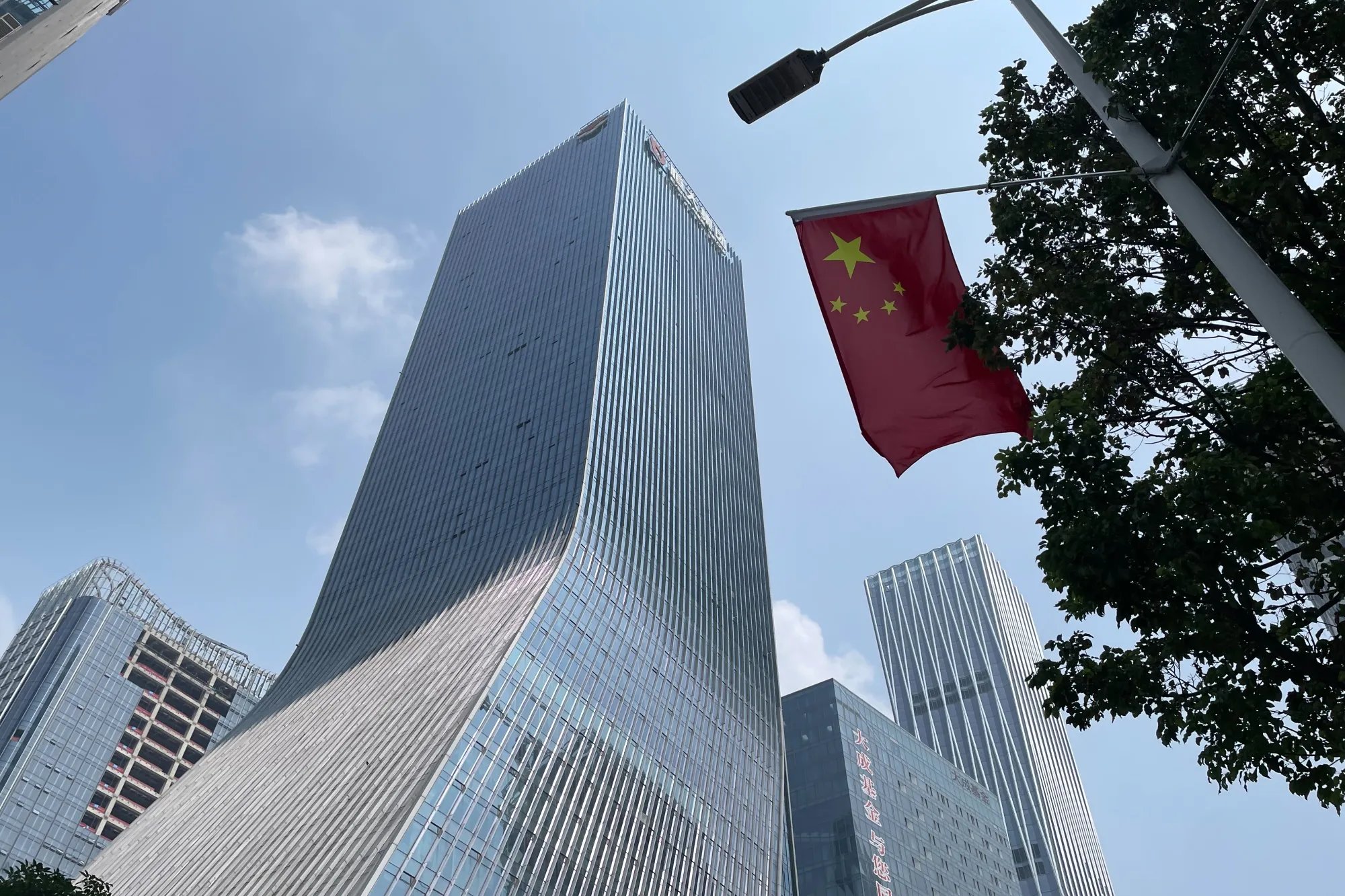
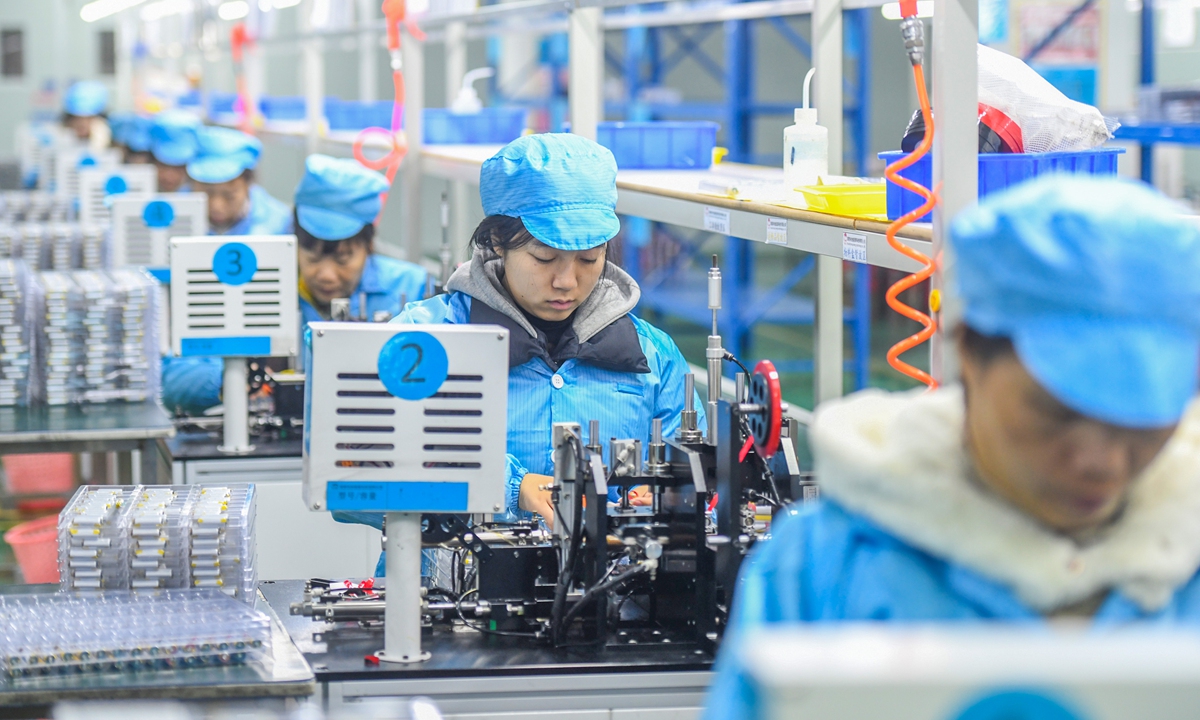
The restructuring follows CEO Francois Provost's announcement in March that Renault must "compete with Chinese vehicle manufacturers in terms of innovation, cost and speed." Chinese brands have undercut European automakers through lower costs and dramatically shorter development timelines. Renault plans to launch 36 new models within five years while cutting development time to just 24 months, a stark contrast to traditional European automaker timelines that have historically stretched much longer.
American automakers sound alarm
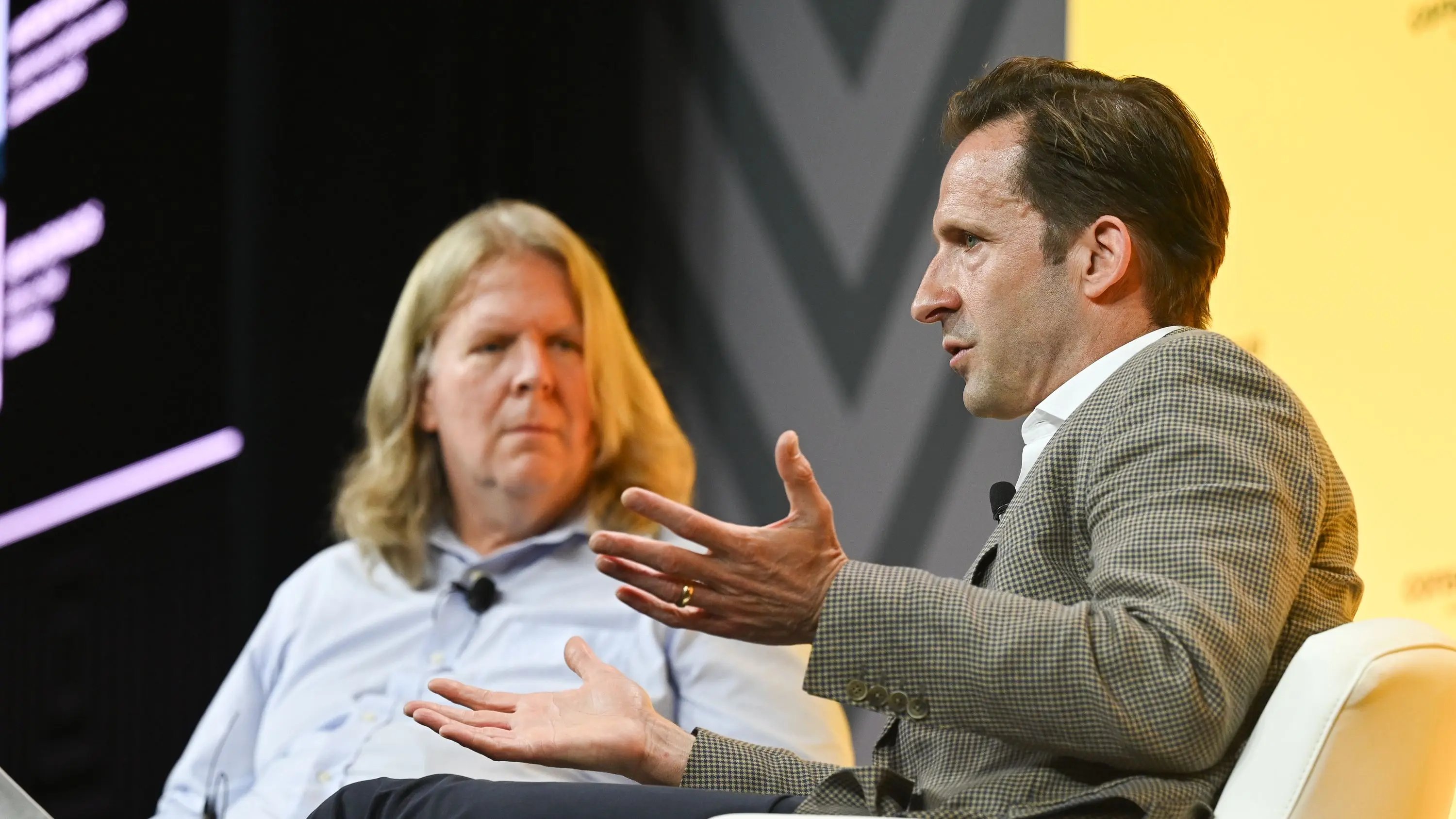
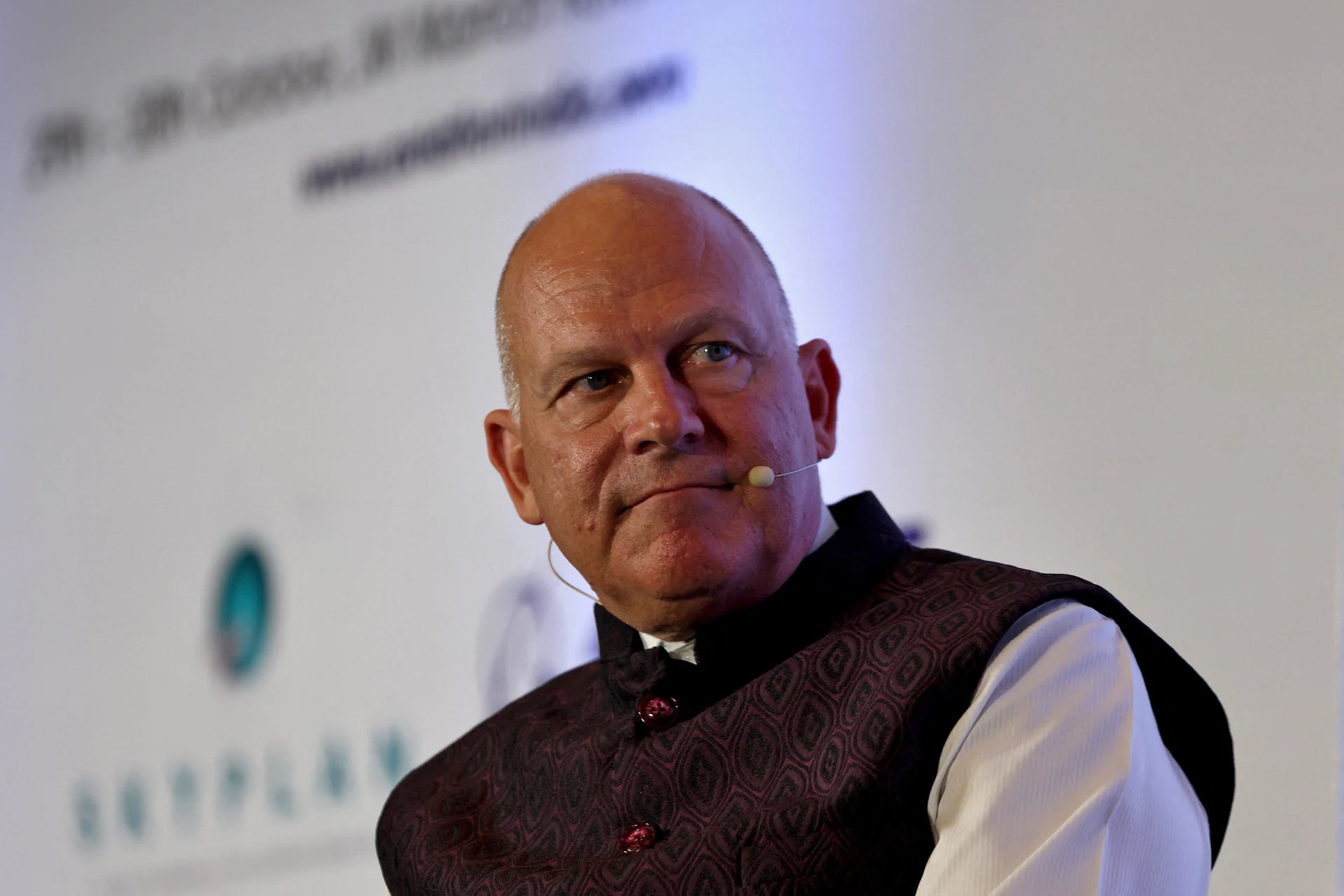
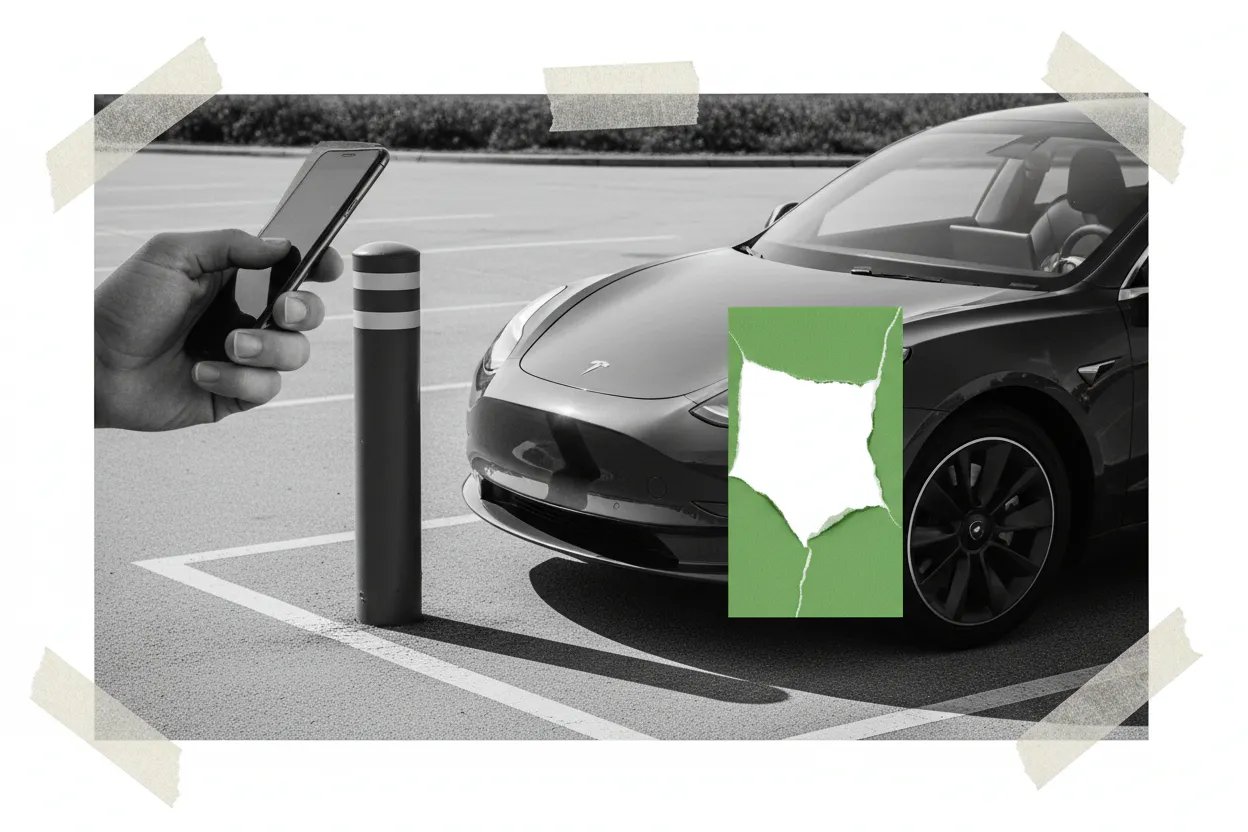
Ford CEO Jim Farley warned that China's automotive capacity poses an existential threat to American manufacturing, telling Fox News that China could build an additional 21 million vehicles annually beyond the 29 million expected to roll off production lines in 2026. "They have enough capacity in China to cover all the manufacturing, all the vehicle sales in the United States," Farley said, emphasizing that losing these exports would devastate American manufacturing. Farley raised cybersecurity concerns about Chinese vehicles, noting that each contains 10 cameras capable of collecting data.

The sources also report that Ford CEO Jim Farley has praised Chinese EVs, specifically the Xiaomi SU7, and stated Ford worked with the administration to ensure Trump tariffs had 'essentially no big impact' on pricing.
Global market divide
The automotive industry faces an increasingly fragmented global market where vehicles designed for American consumers fail to gain traction elsewhere. Farley acknowledged that Ford's F-150, despite recent approval for Japanese roads, faces "non-tariff barriers" that make it a hard sell in Europe, China or Japan. Markets elsewhere demand smaller, more efficient vehicles that align with different regulatory standards and consumer preferences.
Racing against time
Renault has already begun implementing faster development cycles, collaborating with Chinese engineers at its research and development center in China to reduce the new Twingo's development time to 21 months. This acceleration represents a fundamental shift in how European automakers approach product development, moving from lengthy traditional timelines to the rapid pace demanded by Chinese competitors who have reshaped global automotive expectations.



























































































































































































































































































































































The sources also report that Farley, Ford's CEO, praised the Xiaomi SU7, a Chinese electric vehicle, on podcasts despite his warnings about competition.