





The $650 gap between promise and mailbox
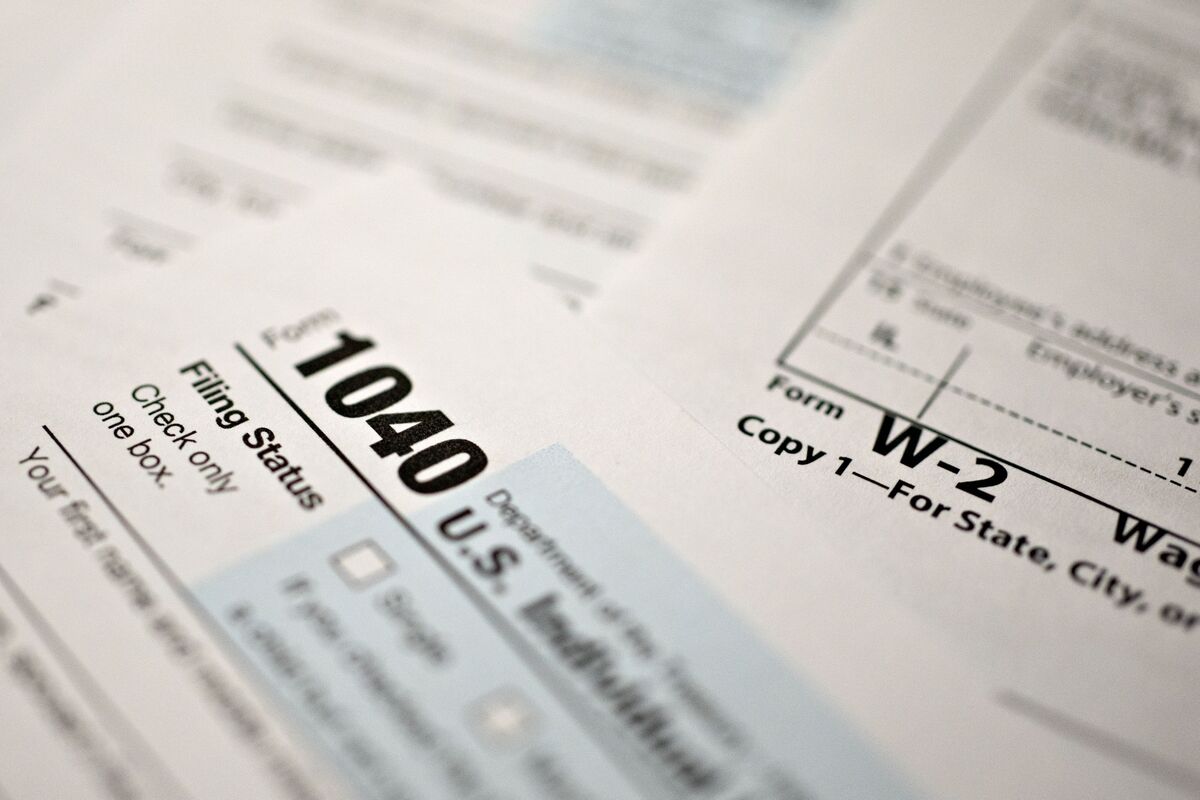
By early April the IRS had paid out an average refund of $3,462—only $350 above last year's pace—leaving a $650 gap below projections of a $1,000 increase that have not materialized, according to IRS data released ahead of Wednesday's filing deadline.
Who already spent the difference at the pump
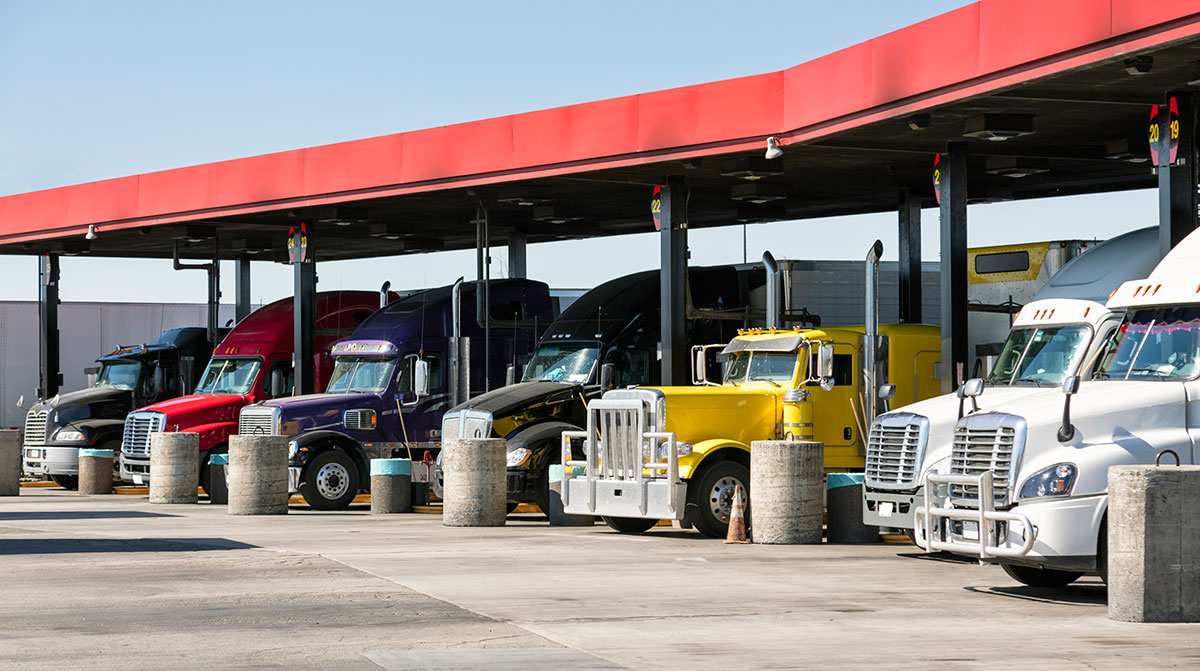
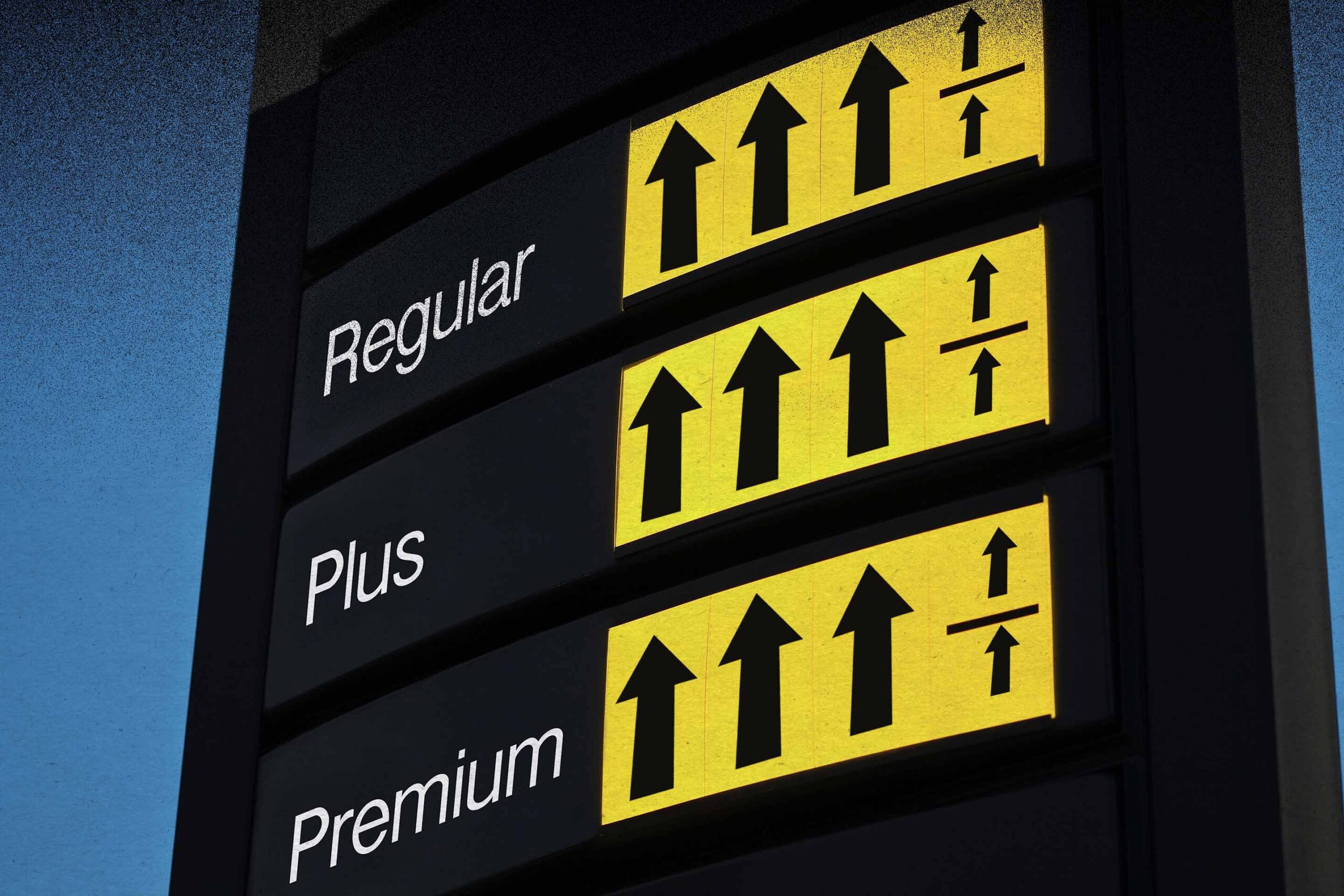
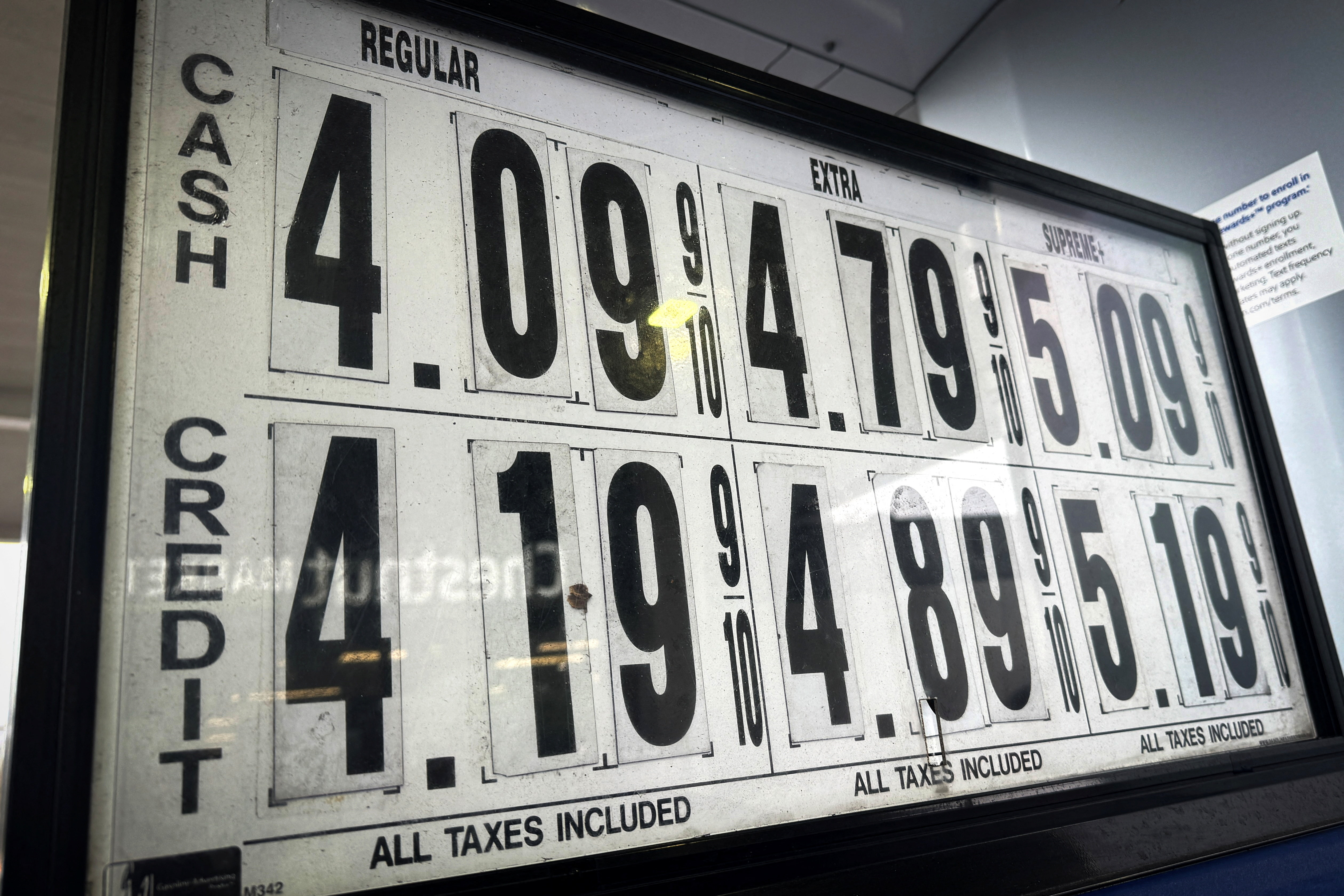
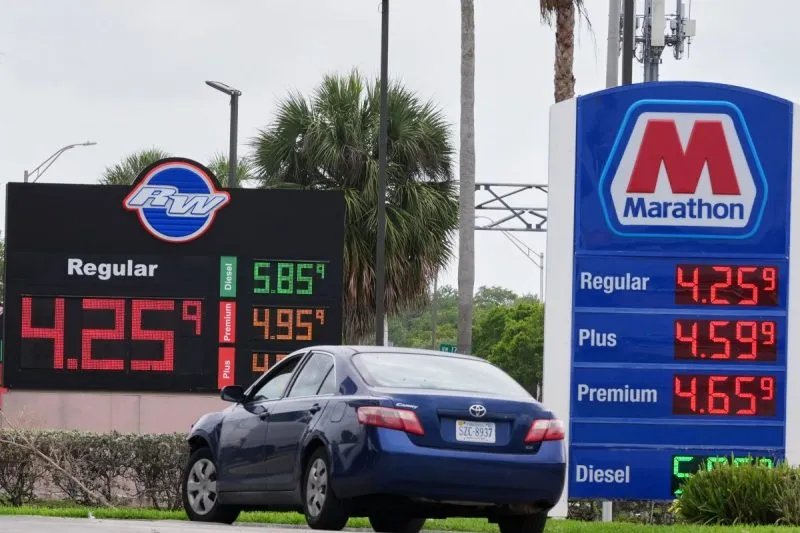
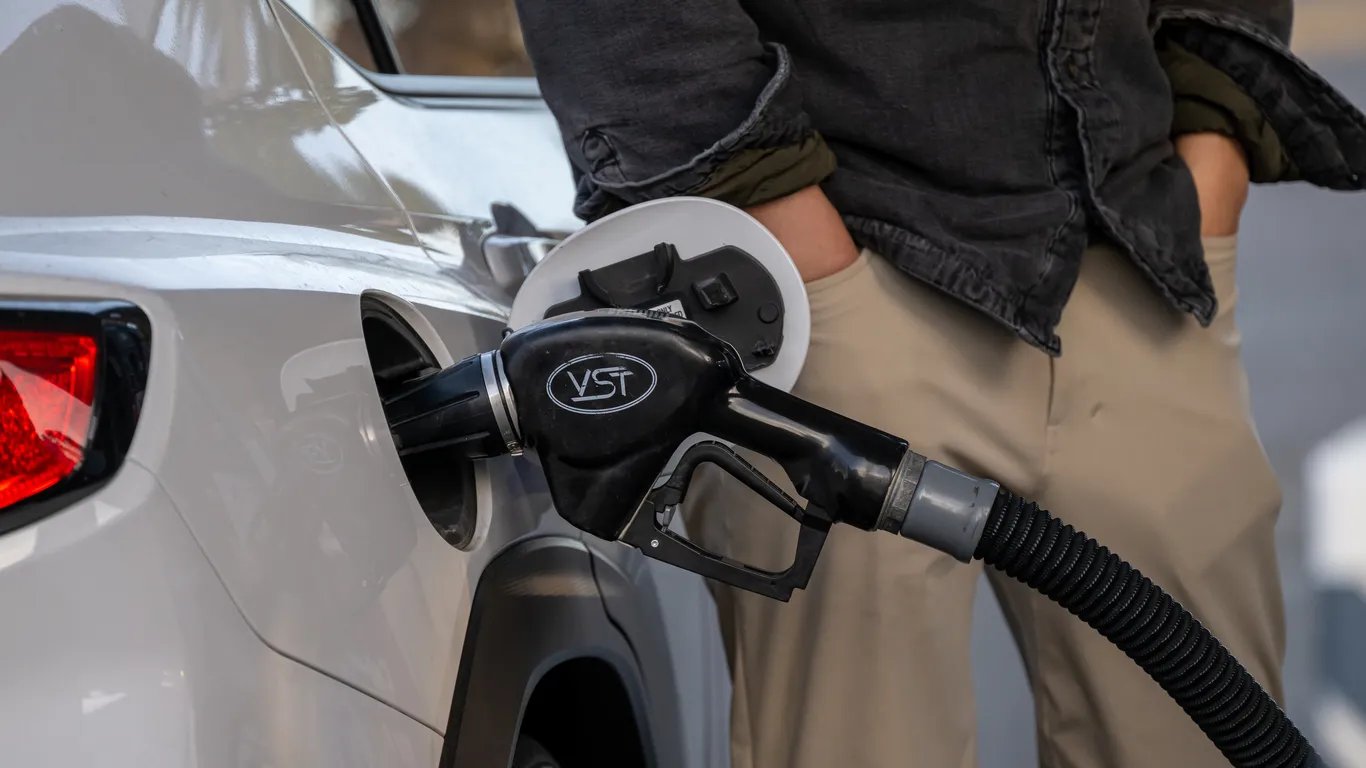
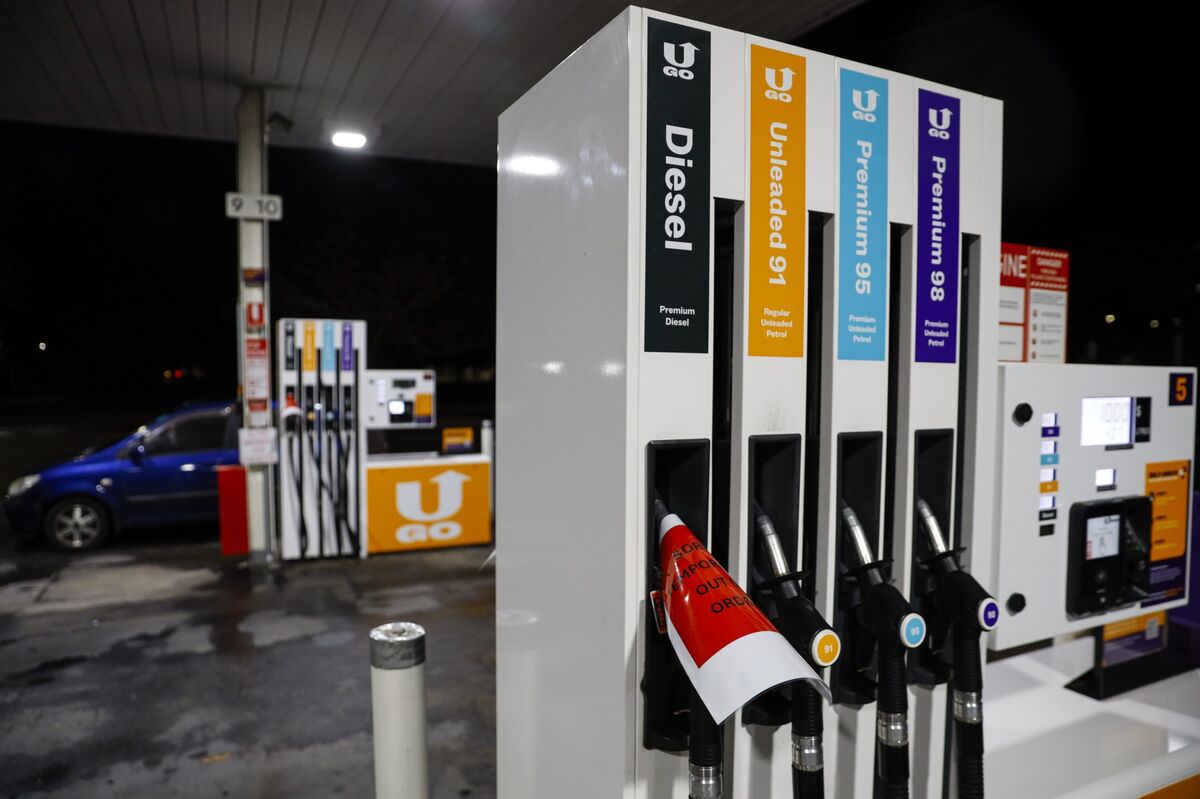
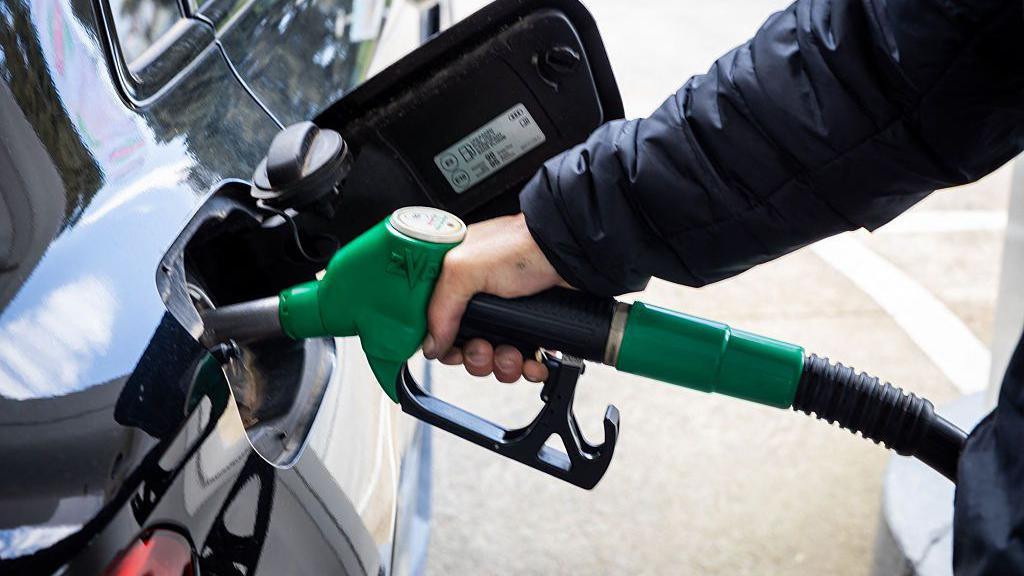
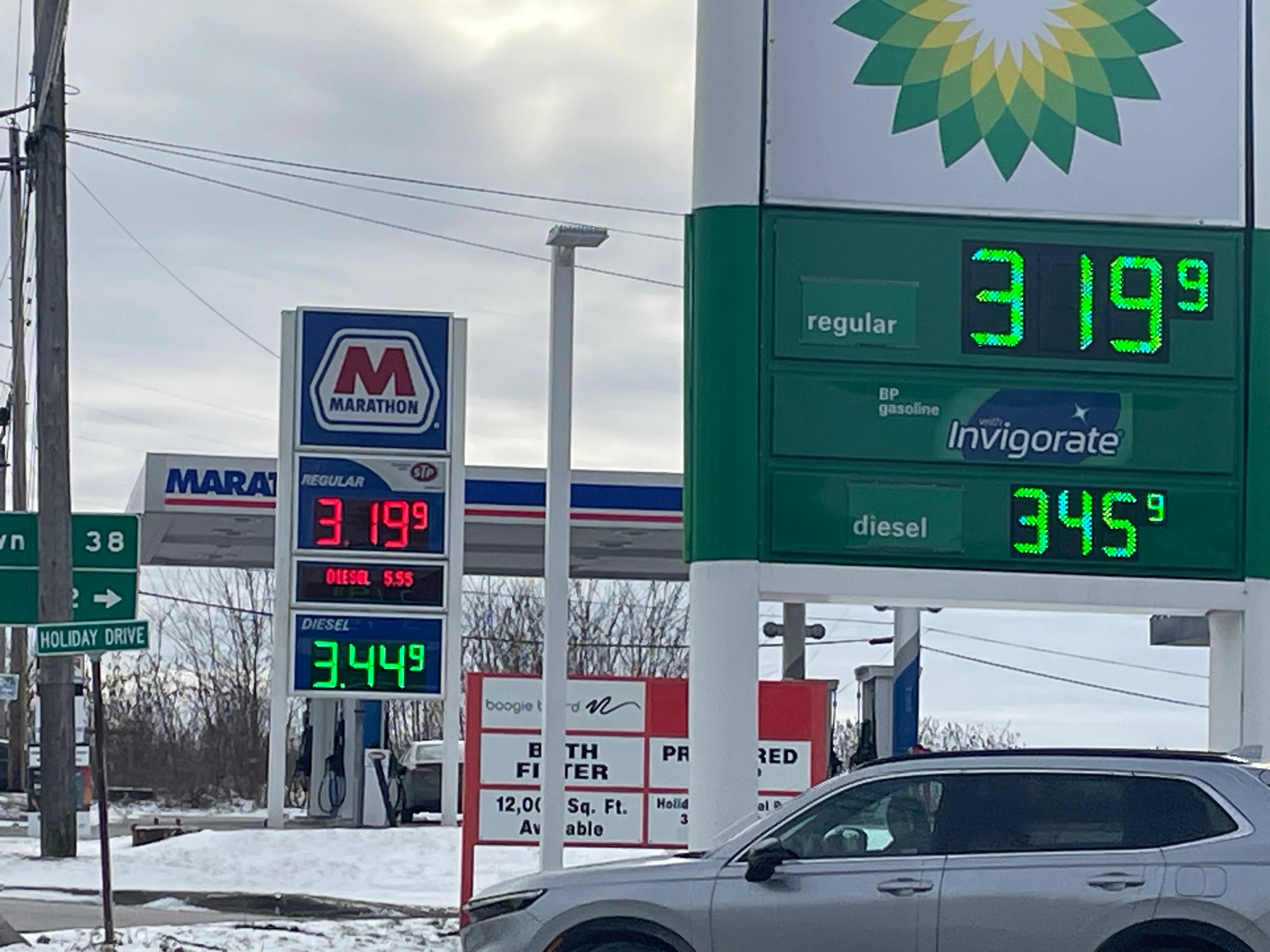
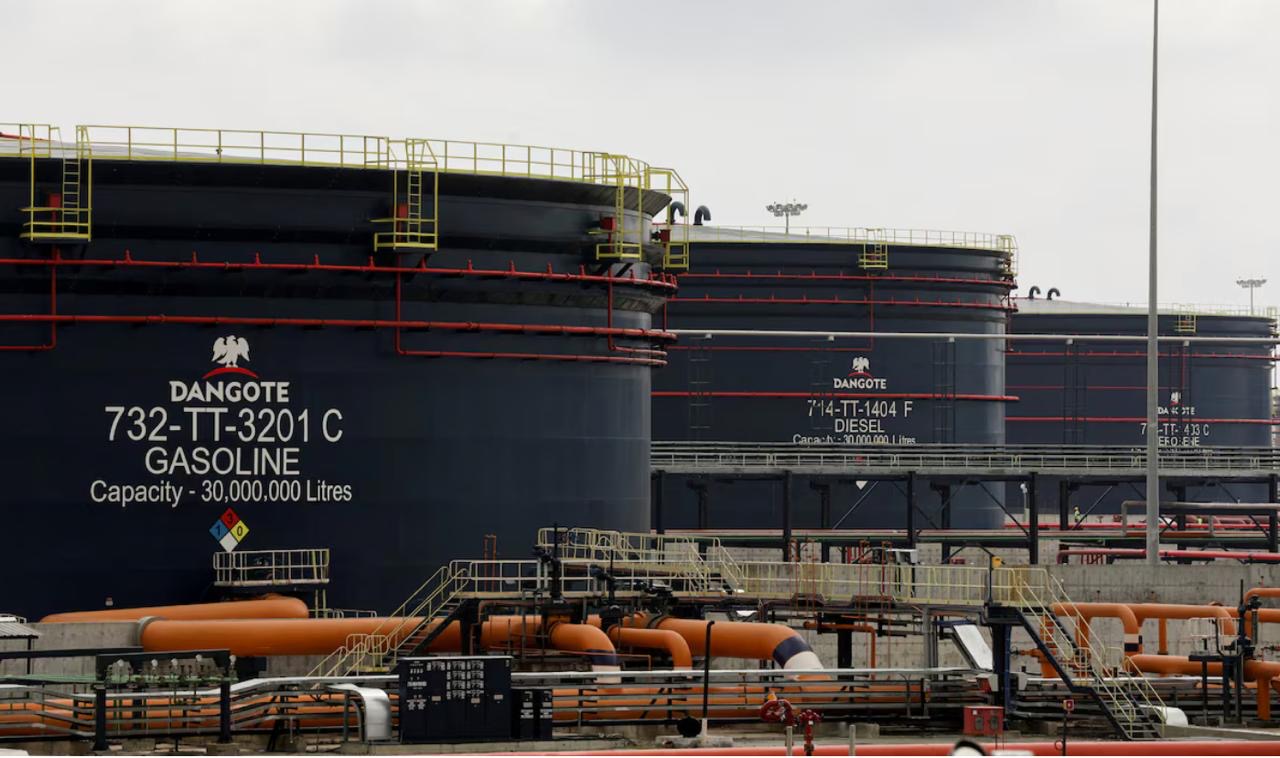
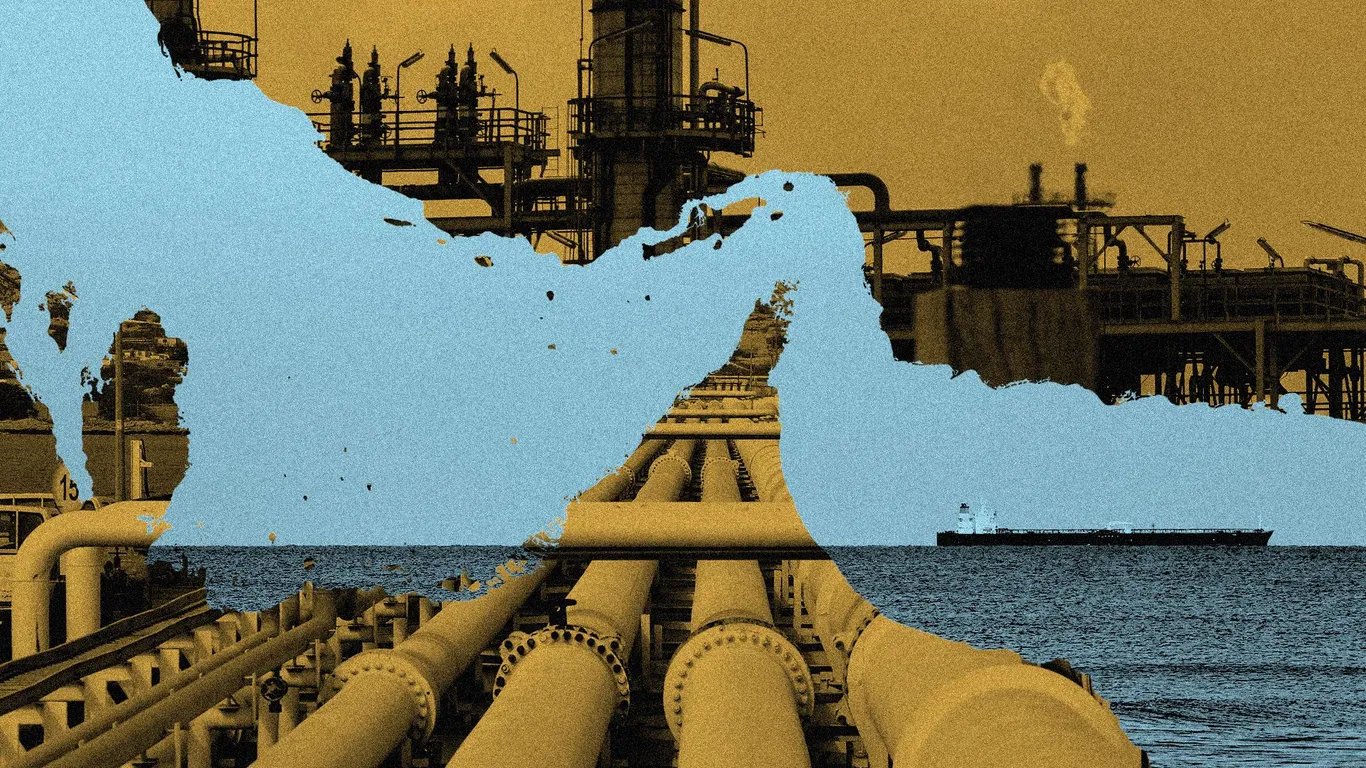
The shortfall lands as the average gallon of regular gasoline costs $4.12 nationwide, up $1.14 per gallon as the Iran war drives up global oil prices, according to AAA. Stanford Institute for Economic Policy Research economists calculate the typical household will burn an extra $740 on fuel this year—more than double the average refund increase. Birmingham retiree Bob Jones, 65, banked his entire extra $6,000 senior deduction because, he says, "you need the savings simply for gas."
Wealthier filers grab the biggest checks
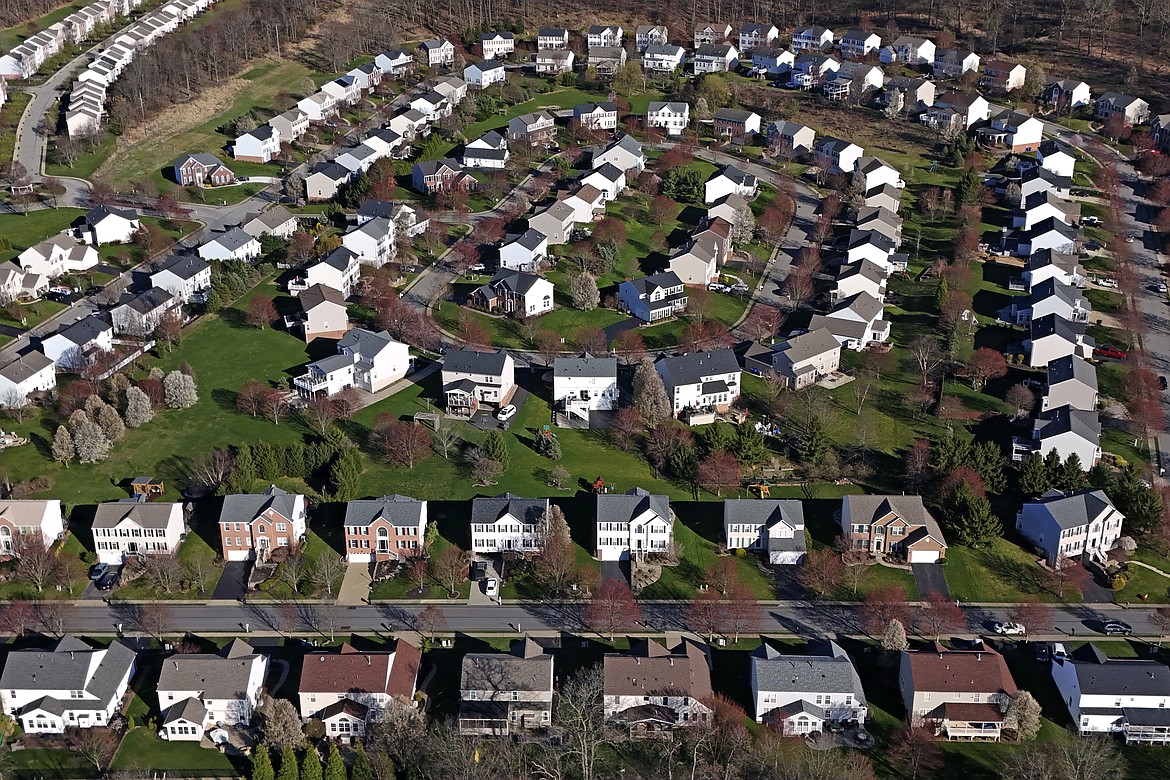
Wealthier taxpayers are "much more likely" to report significantly higher refunds, Bipartisan Policy Center tax-policy director Andrew Lautz said, driven by the new $40,000 cap on state-and-local-tax deductions. Dan and Glynna Courter withheld the maximum from their paychecks and walked away with a combined $10,000 refund yet still describe the windfall as "might go to a nice restaurant" money. Only 14 percent of surveyed taxpayers told the center their refund was "significantly" larger, while 62 percent said the law hurt them or left them unchanged.
Where the missing money actually went
Roughly $106 billion in retroactive relief is flowing through smaller tax bills, not refunds, Piper Sandler U.S.-policy deputy Don Schneider emphasized, calling the $1,000 headline a "hypothetical maximum" that assumes every filer gets a check. The no-tax-on-tips and overtime provisions cover about one-third of surveyed workers, but a smaller balance due is "harder to notice than cash in hand," Schneider added. National Association of Tax Professionals director Tom O'Saben summarized client reaction: "quietly, perhaps, happy but not to the extent where I would call it significant."
What happens after the deadline
With nearly 70 million refunds already issued, the IRS expects the average to hold steady as late filers—traditionally higher-income procrastinators—submit returns, Lautz said. Bank of America Global Research finds over one-third of Americans will devote the money to debt, 13 percent to savings, and an untold share to the gas tank. Economists at the Stanford Institute for Economic Policy Research and Michael Pearce, chief U.S. economist at Oxford Economics, warn that if crude prices stay elevated, the entire refund bump could evaporate at the pump, leaving households no net gain from the marquee tax law.






























































































































































































































































































































































The sources also report that 14% of U.S. taxpayers indicated they received a 'significantly' larger refund this year, according to a survey by the Bipartisan Policy Center.