





The Ruling and Its Split
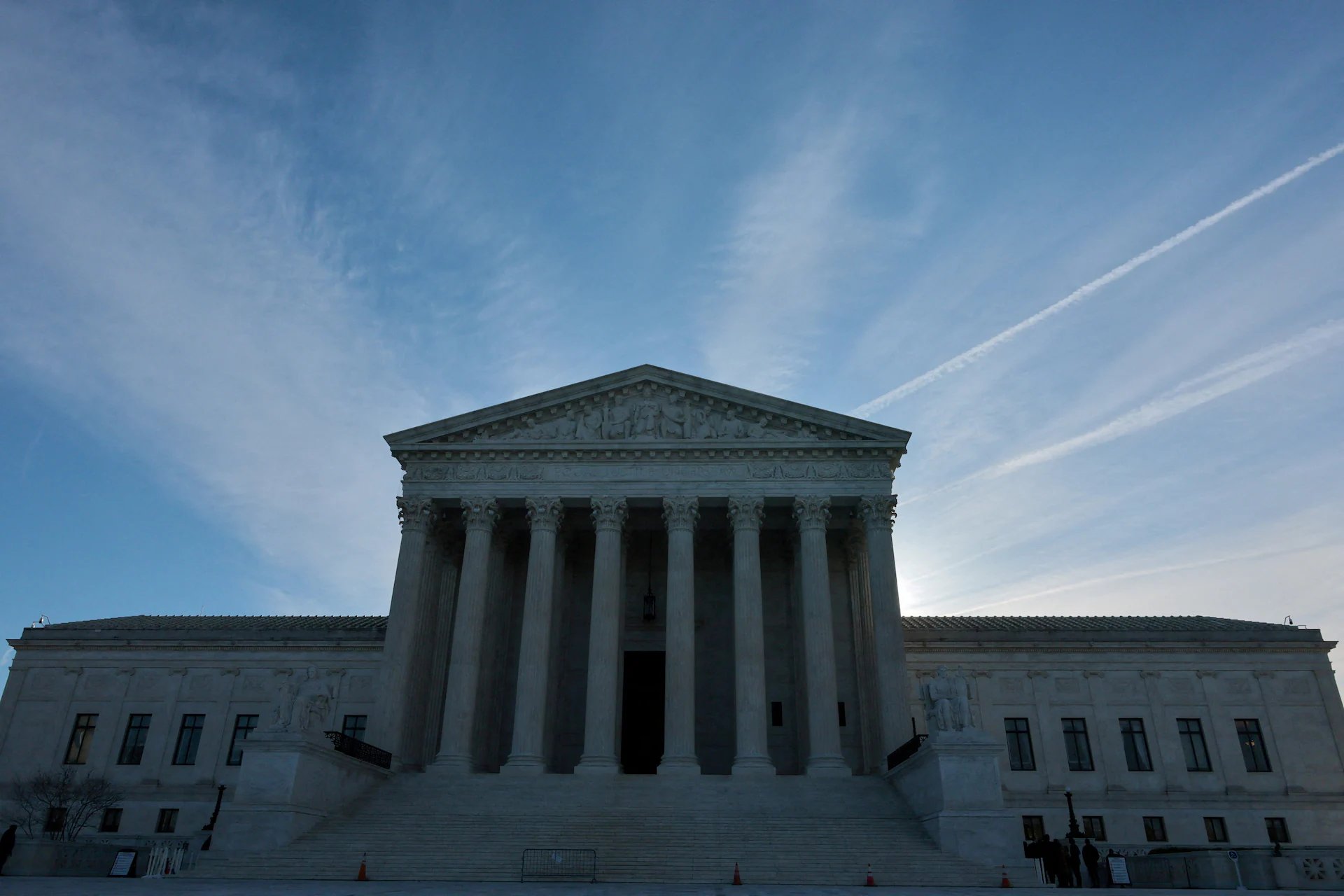
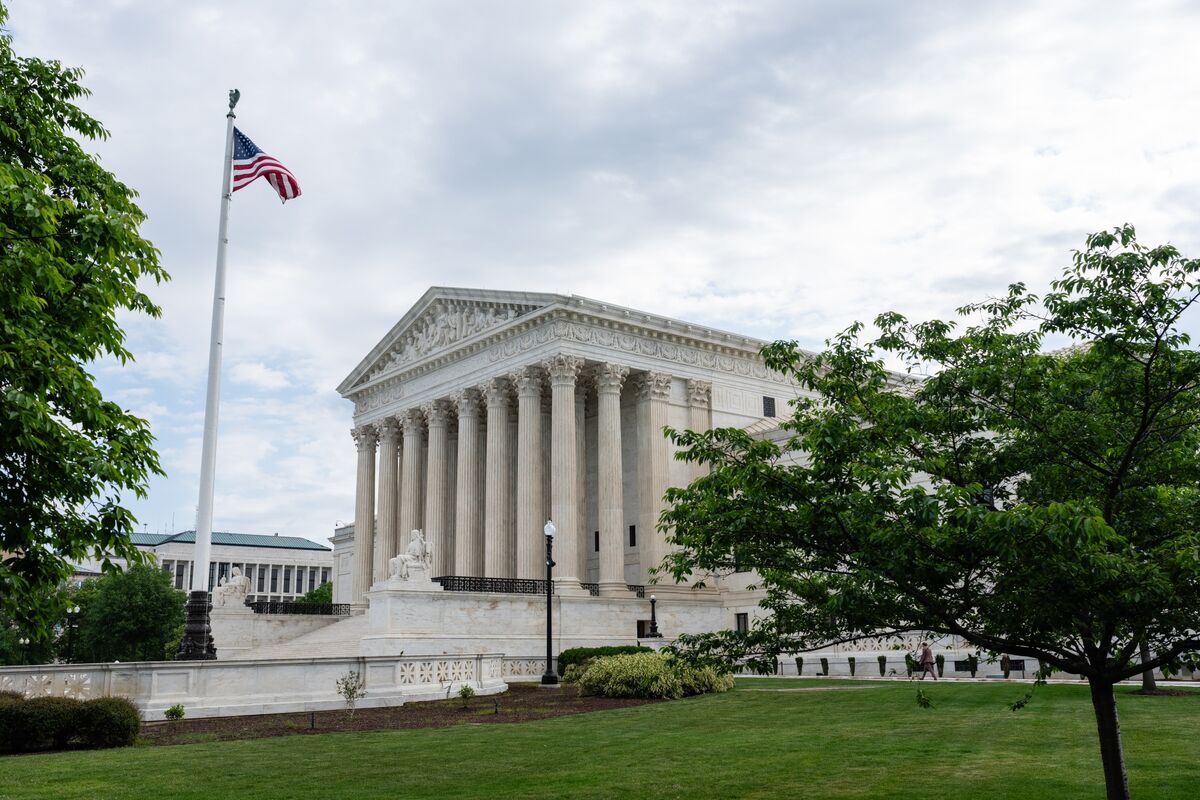
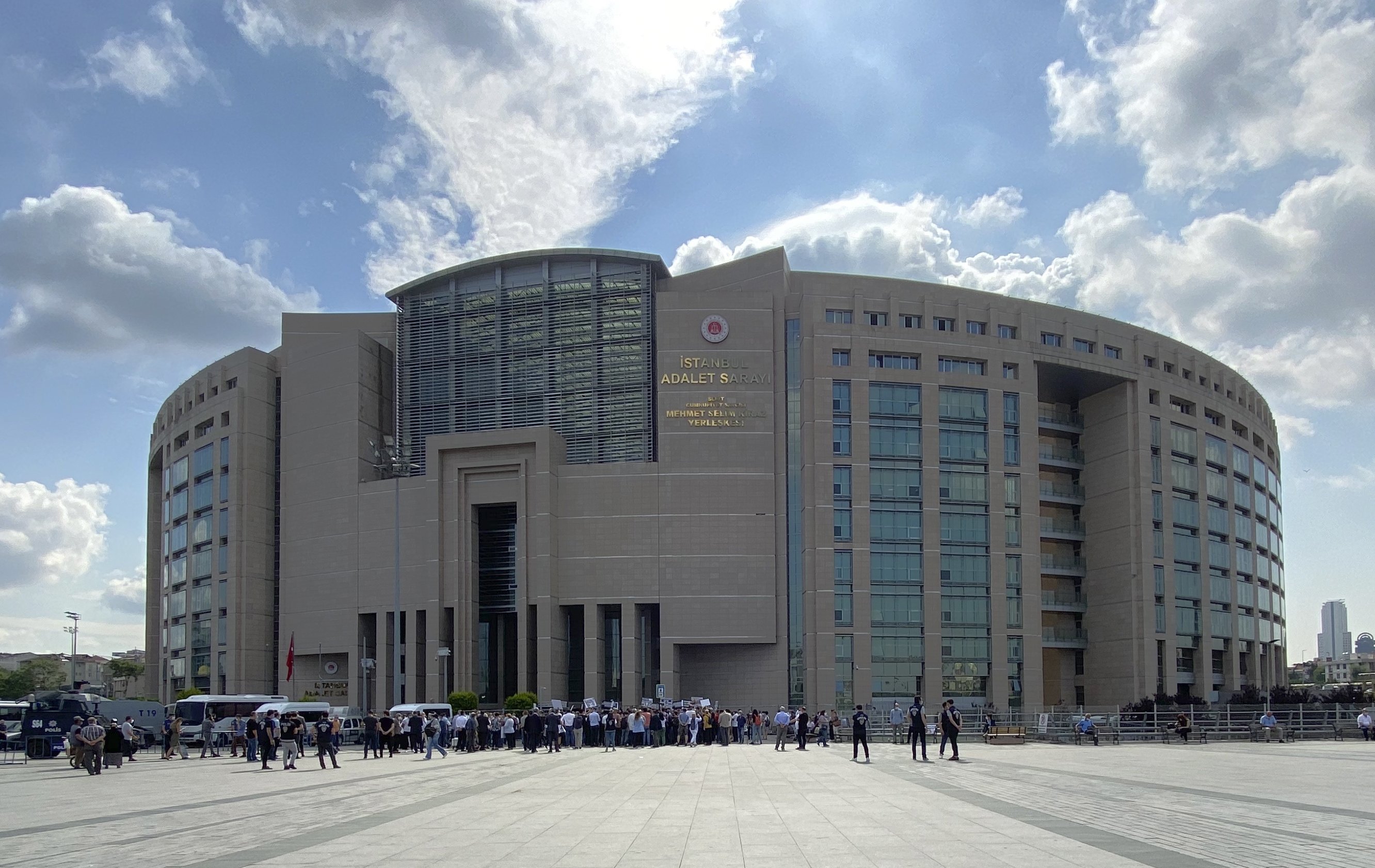
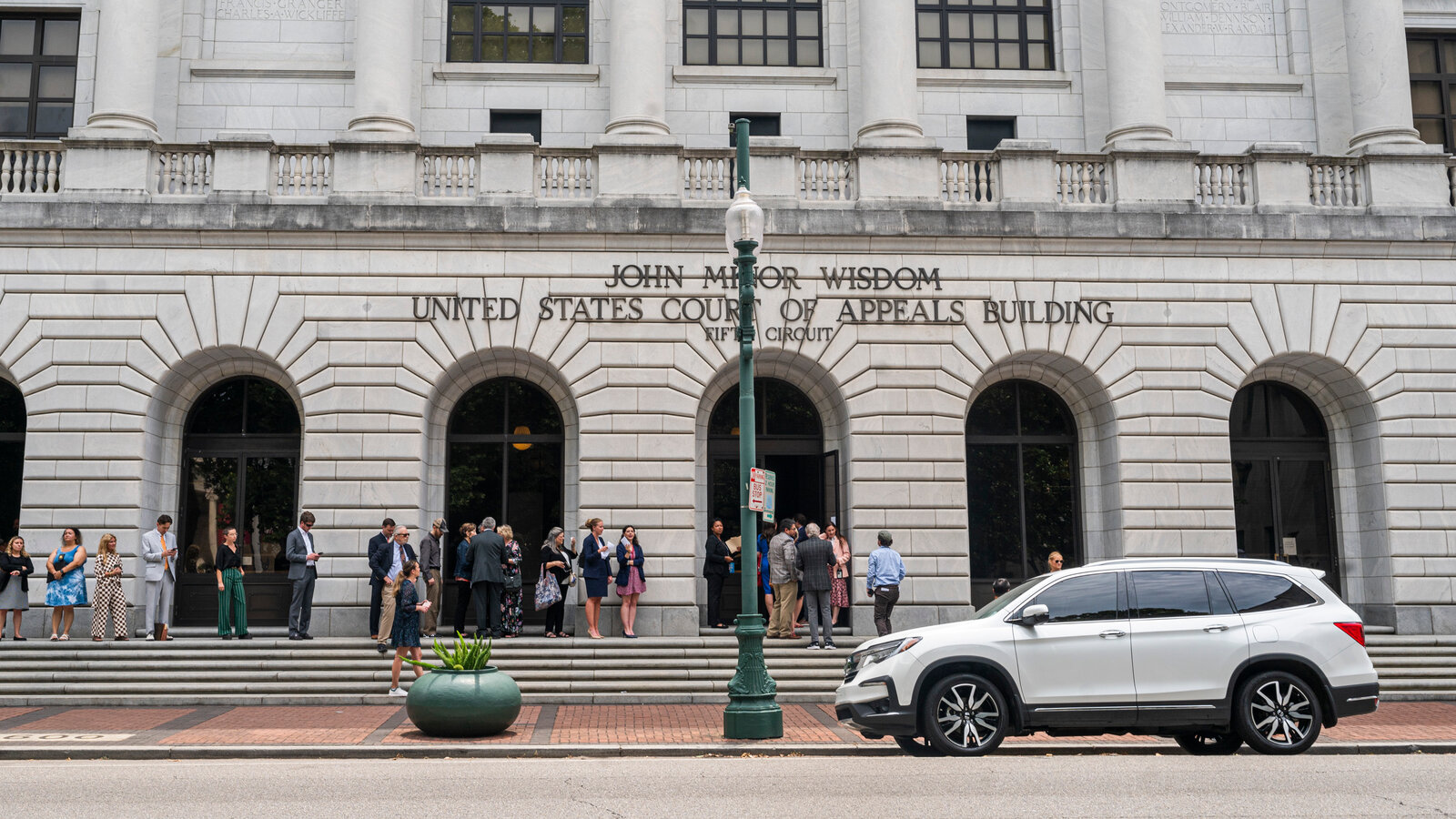
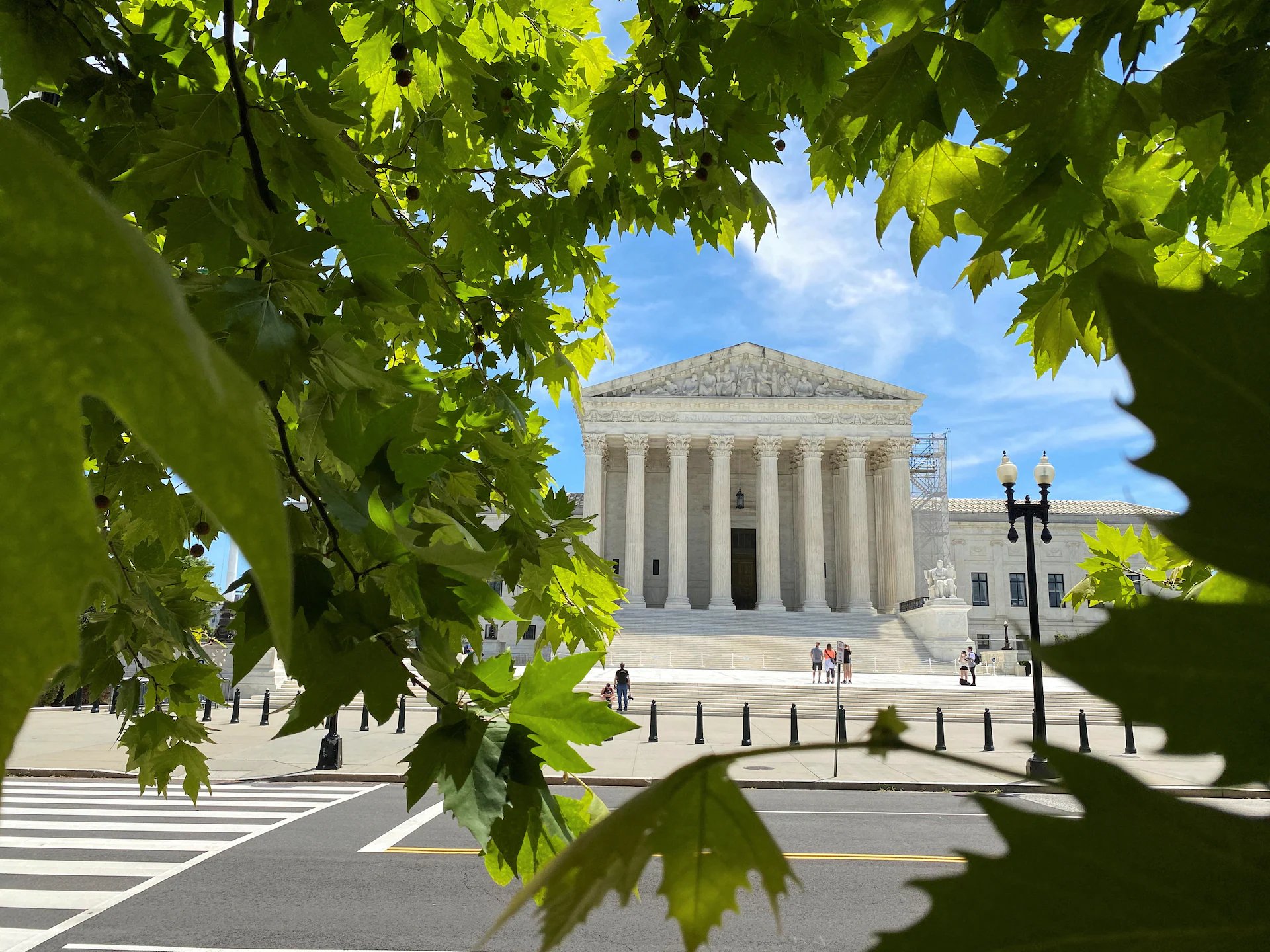
A divided federal appeals court ruled Monday that the Trump administration's policy banning transgender people from military service is likely unconstitutional for those already serving. The U.S. Court of Appeals for the District of Columbia circuit issued a 2-1 decision that blocks the Defense Department from removing current transgender servicemembers while allowing the military to continue barring new recruits with gender dysphoria.
Judge Robert Wilkins, appointed by President Barack Obama, wrote in the majority opinion that the policy "appears to be driven by the bare desire to harm a politically unpopular group: persons who identify as transgender." He concluded the Hegseth Policy is "both arbitrary and based upon animus" and violates constitutional protections of equal protection under the law.
Judge Justin Walker, nominated by President Trump in 2020, dissented. He argued that courts lack the authority to second-guess military personnel decisions. "We have neither the expertise nor the authority to decide whether the military can exclude the plaintiffs from its ranks. The Constitution assigns that authority to Congress and the Commander in Chief," Walker wrote.
Why Active Troops Get Protection
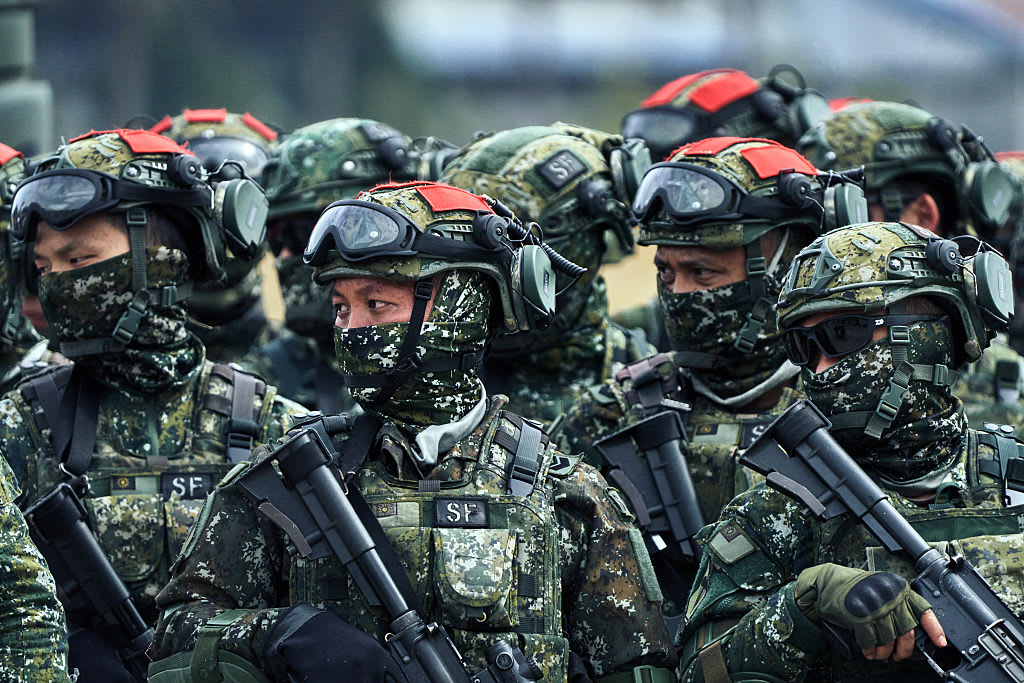
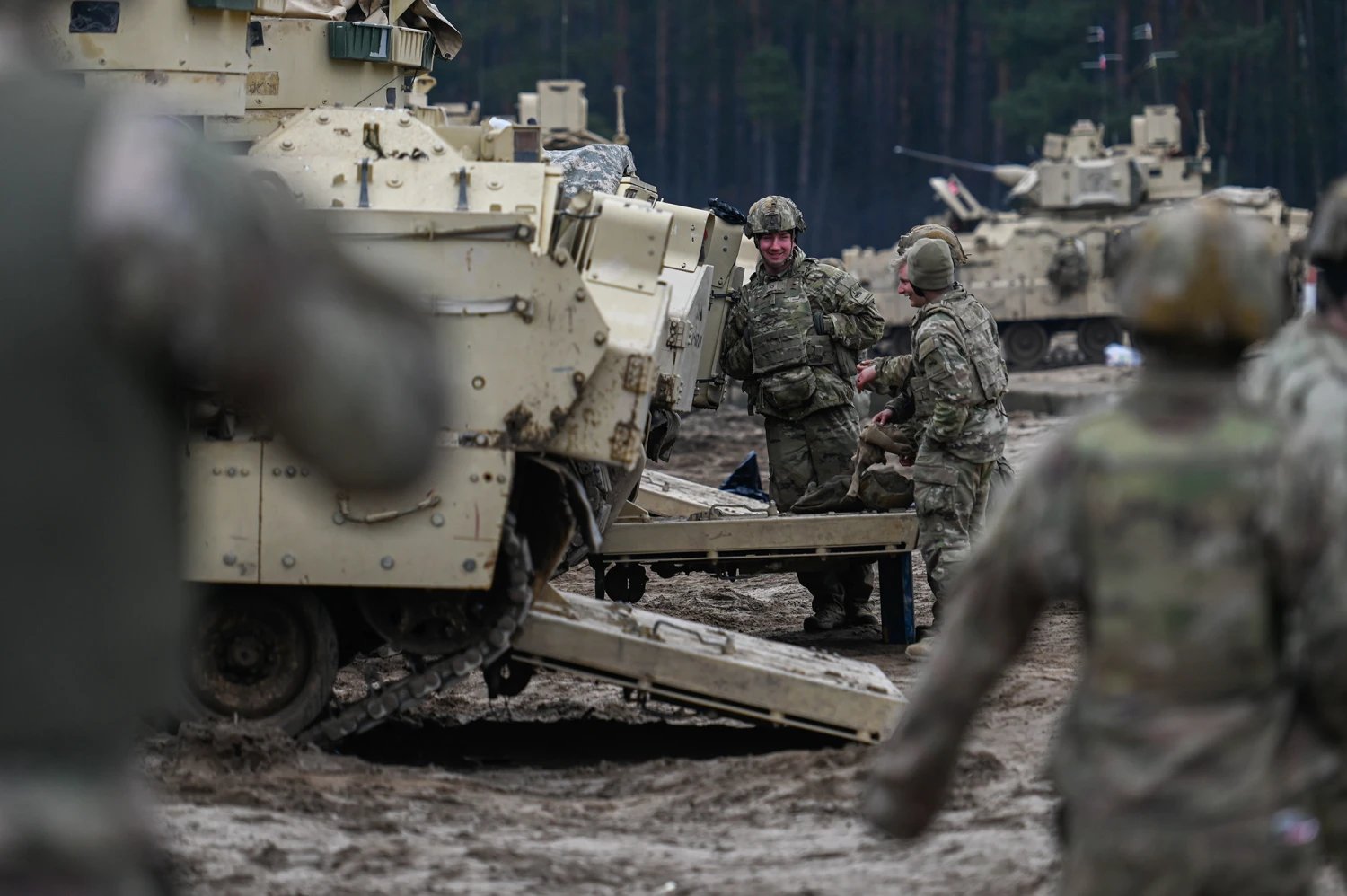
The court found a fundamental difference between expelling existing service members and blocking prospective ones. Wilkins noted that the plaintiffs in the case have served a combined 130 years in the military and have collectively earned more than 80 commendations. The Trump administration did not contest that they served honorably and satisfied military standards.
"For those servicemembers facing expulsion, it is not clear how easily they can be reinstated and made whole," Wilkins wrote. "But even if they can be reinstated after being separated, it appears to us to be a much greater hardship to end a military career than to delay the start of one." Prospective members can seek relief after the case completes its journey through the courts, the court reasoned, while active-duty troops face immediate job loss.
The Policy and Its Justification
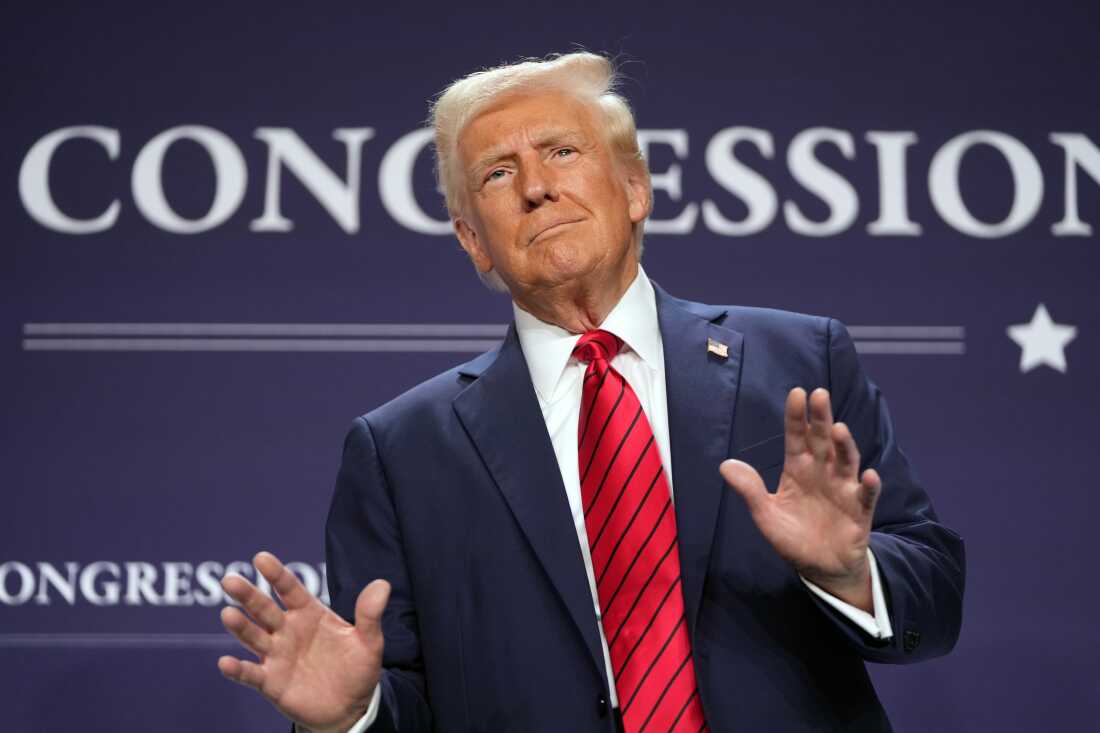
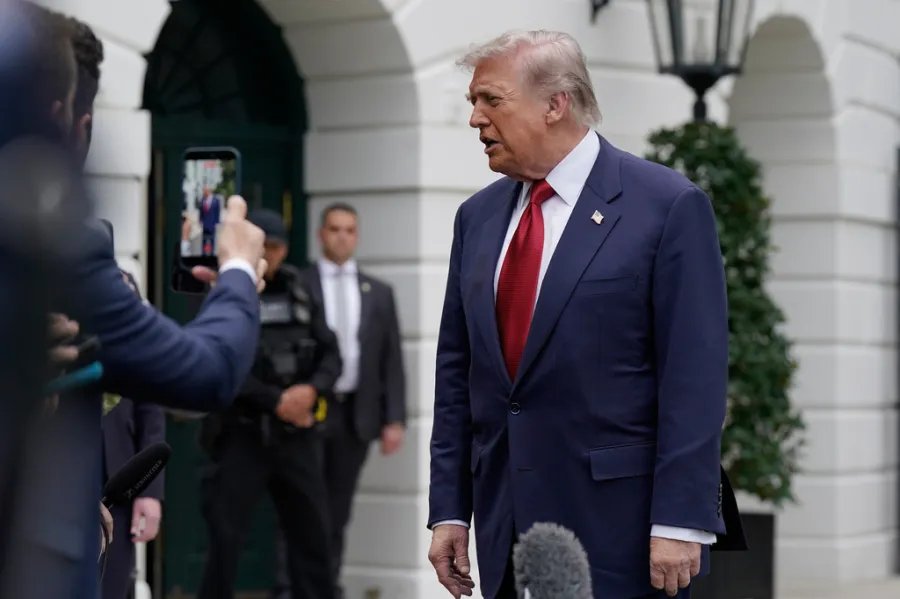
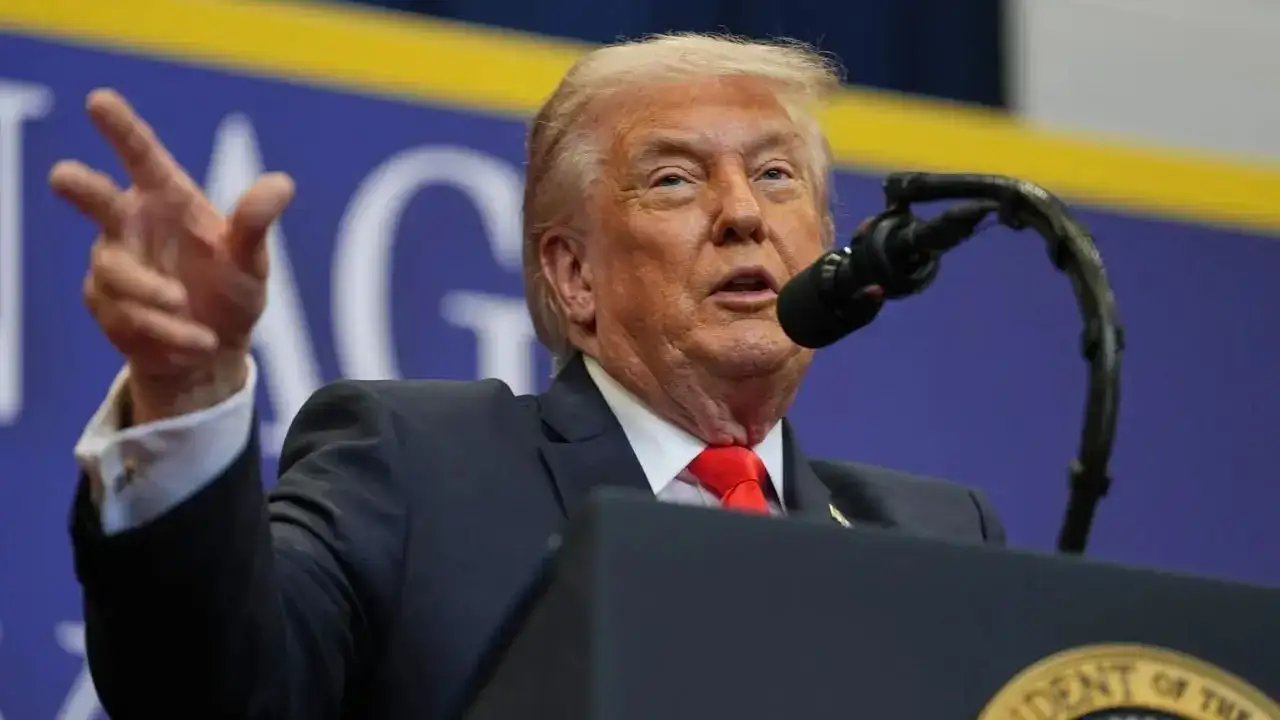
In January 2025, President Trump signed an executive order claiming that the sexual identity of transgender service members "conflicts with a soldier's commitment to an honorable, truthful, and disciplined lifestyle" and harms military readiness. In response to the order, Defense Secretary Pete Hegseth issued a policy that presumptively disqualifies people with gender dysphoria from military service unless they obtain a waiver.
Wilkins found the government's reasoning pretextual. "Unless we are going to fall for the old Groucho Marx line—'who are you going to believe, me or your lying eyes?'—we have direct evidence in this case that animus motivated the classifications in the Hegseth Policy," he wrote. The Trump administration "conceded" that there was "no evidence to establish that persons with gender dysphoria are not honest, humble, and full of integrity."
An estimated 4,200 troops had been diagnosed with gender dysphoria as of December 2024, according to a defense official. Roughly 1,900 active-duty members received gender-affirming care from the Defense Department between January 2016 and May 2021, according to a Congressional Research Service report.
What Comes Next
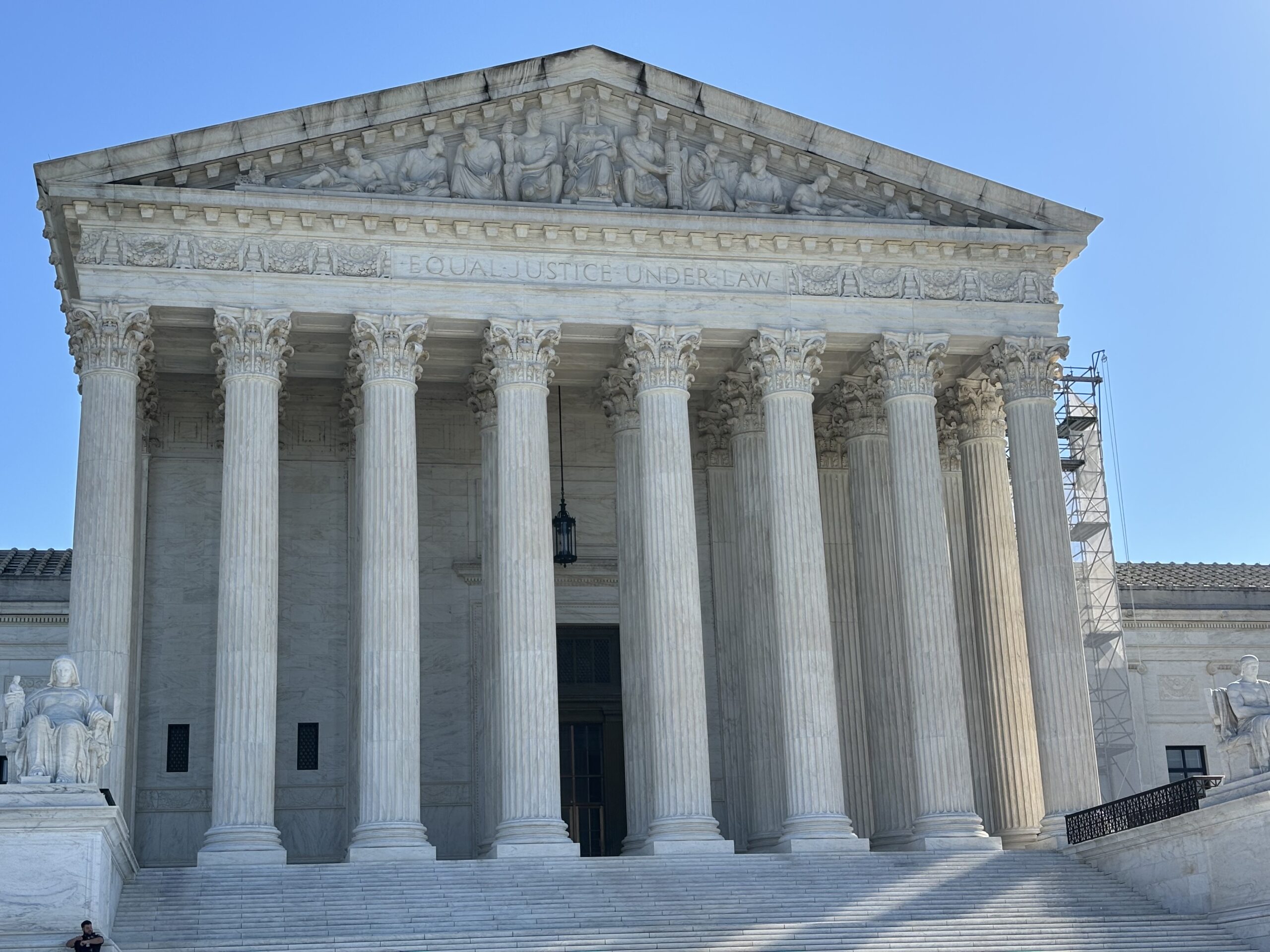
The ruling will not take immediate effect, allowing the administration time to ask the full appeals court to hear the case. The case is ultimately likely to reach the U.S. Supreme Court, which last year allowed the transgender military ban to go into effect while litigation continued.
Jennifer Levi, Senior Director of Transgender and Queer Rights at GLAD Law, called the decision a vindication. "This decisive ruling confirms that the Trump Administration has no legitimate basis to discharge transgender servicemembers who have met every demanding standard and proven, time and again, their fitness and dedication to serve," Levi said. A Pentagon spokesperson declined to comment on the ruling.














































































































































































































































The sources also report that the plaintiffs in the case have collectively earned more than 80 commendations during their combined 130 years of military service.