





Community organizing shifts housing priorities after disaster
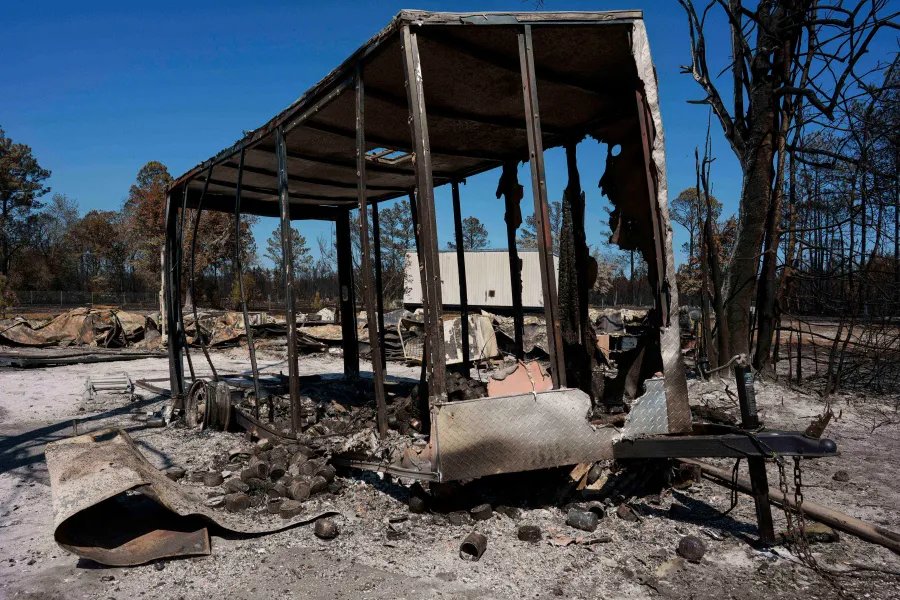
Nearly three years after the deadliest wildfires in US history destroyed more than 2,000 structures in Lahaina and killed more than 100 people, residents are fighting to ensure the town's recovery serves locals rather than investors and outside interests. The effort has already produced measurable results: in December, the city council passed a law to phase out 7,000 vacation rentals on the island, representing 15% of the island's housing stock, to house fire survivors and other residents.
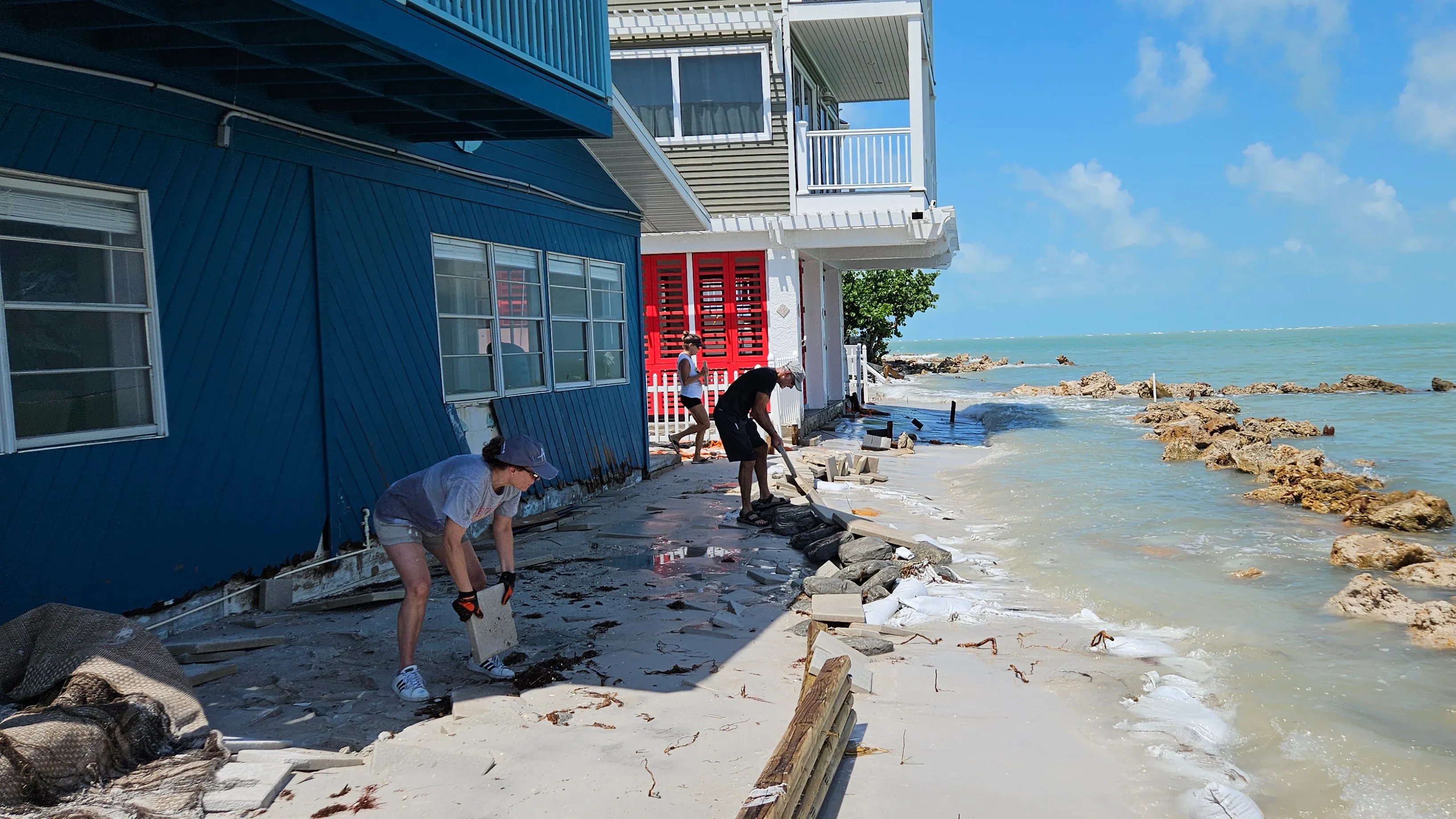
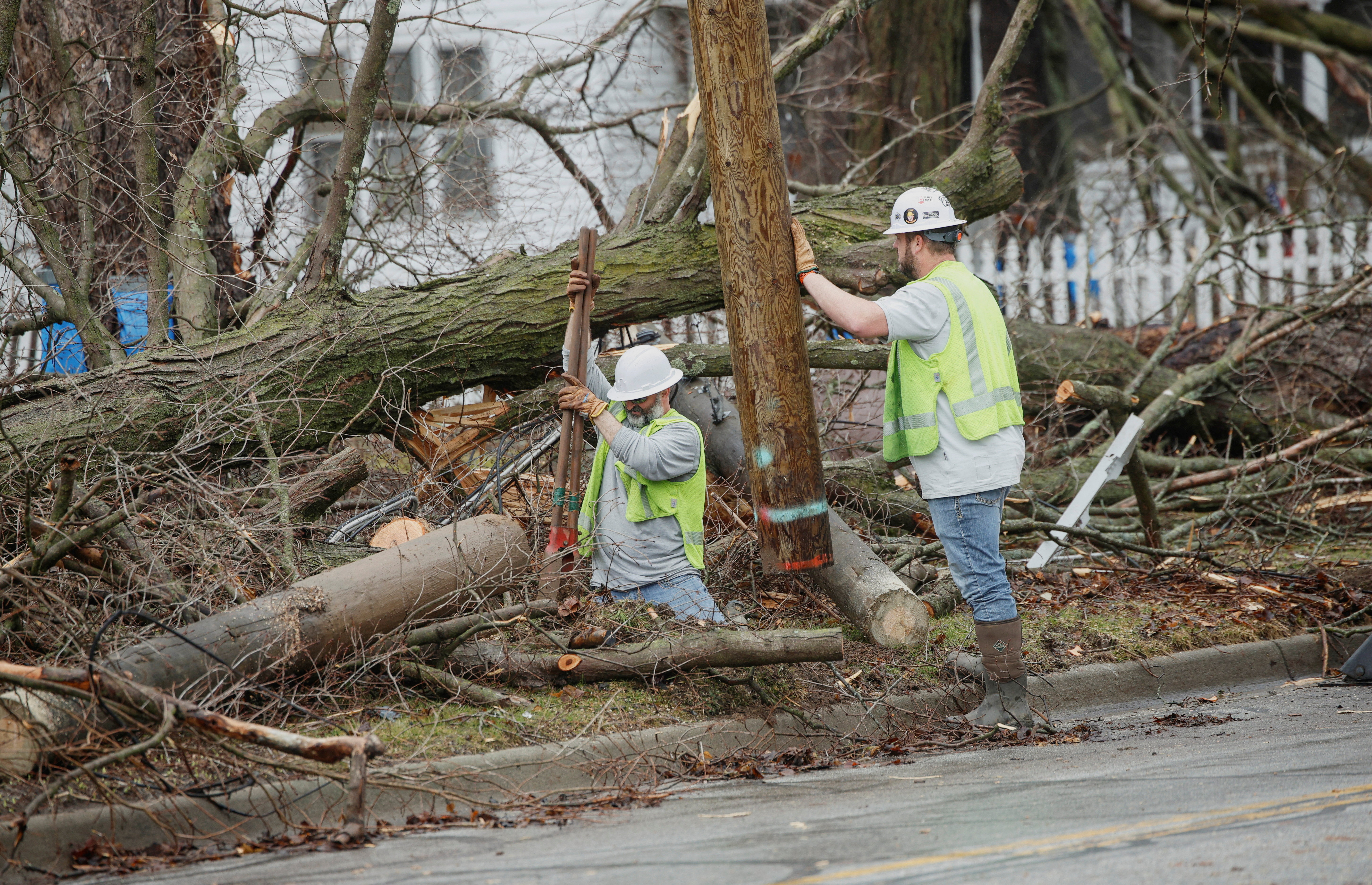
The push comes as Lahaina faces compounding crises. In March, two back-to-back storms brought the worst flooding Hawaii has seen in 20 years, with muddy waters turning streets into rivers and sinkholes engulfing cars. Hundreds of households remain in temporary housing.
How organizers won housing concessions
Paele Kiakona, an organizer with the grassroots group Lahaina Strong, said the disasters revealed how vulnerable the community had become. "So many people were hanging on by a thread as it is," Kiakona said.
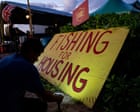
Lahaina Strong led a seven-month encampment behind high-end resorts on Kāʻanapali beach, with protesters holding signs reading "fishing for housing" to demand long-term housing for fire survivors. The juxtaposition of locals camping on public beaches while tourists stayed in towering hotels illustrated how local government had prioritized visitors over survivors. After months of pressure and talks with local leaders, the mayor introduced a proposal to phase out short-term apartment rentals in west Maui by January 1, 2029, with the rest of the island following by 2031.
Kiakona described the victory as unprecedented. "We passed legislation as community members, which is unheard of," he said. "We're just community members organizing grassroots from the bottom up, bringing our people in."
Land trusts and affordable ownership
The Lahaina Community Land Trust has purchased at least 20 parcels of land for housing and intends to expand into commercial spaces. The trust buys homes for sale in Lahaina and resells them to locals at affordable rates, keeping properties locally owned rather than selling them to investors or non-locals. Autumn Ness, executive director of the land trust, said the work extends beyond affordable housing. "Our vision is restoring relationship to 'āina [land], whether it's through housing, commercial spaces or open space that is really grounded in the real history of this place," Ness said.
Protecting immigrants left behind
Recovery efforts have struggled to reach vulnerable populations. Filipino immigrants, who make up about 40% of Lahaina's community, largely work multiple jobs in service industries and have had difficulty accessing formal disaster assistance.
Nadine Ortega, executive director of Tagnawa, an advocacy group for women and working-class Filipino immigrants, said those without time to attend daytime meetings get left behind. "The people who get to be heard, get to be seen, are those who have the time and opportunity to attend these meetings and push for their issues," Ortega said. Tagnawa has connected fire survivors to disaster relief in their language and organized mental health workshops.
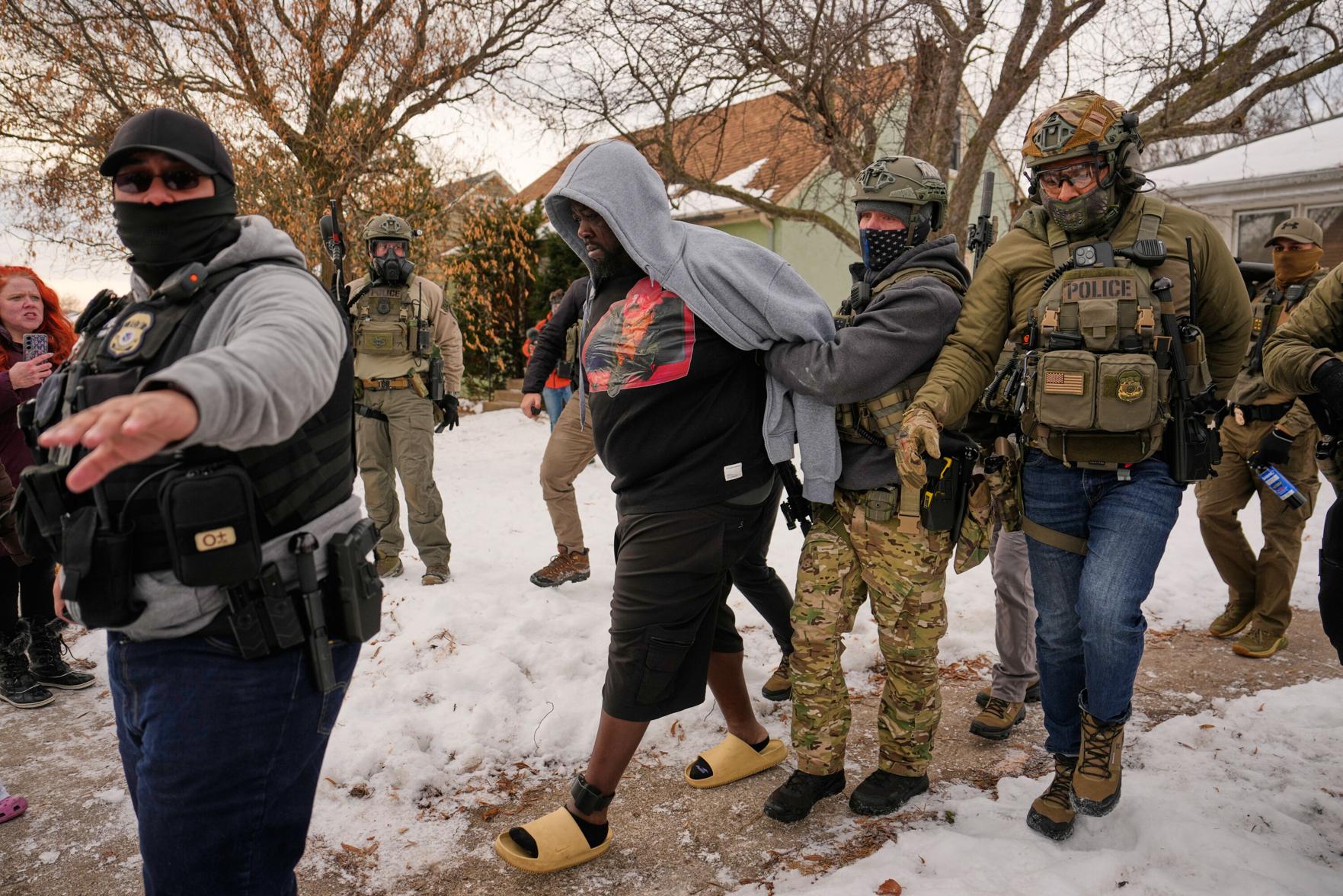
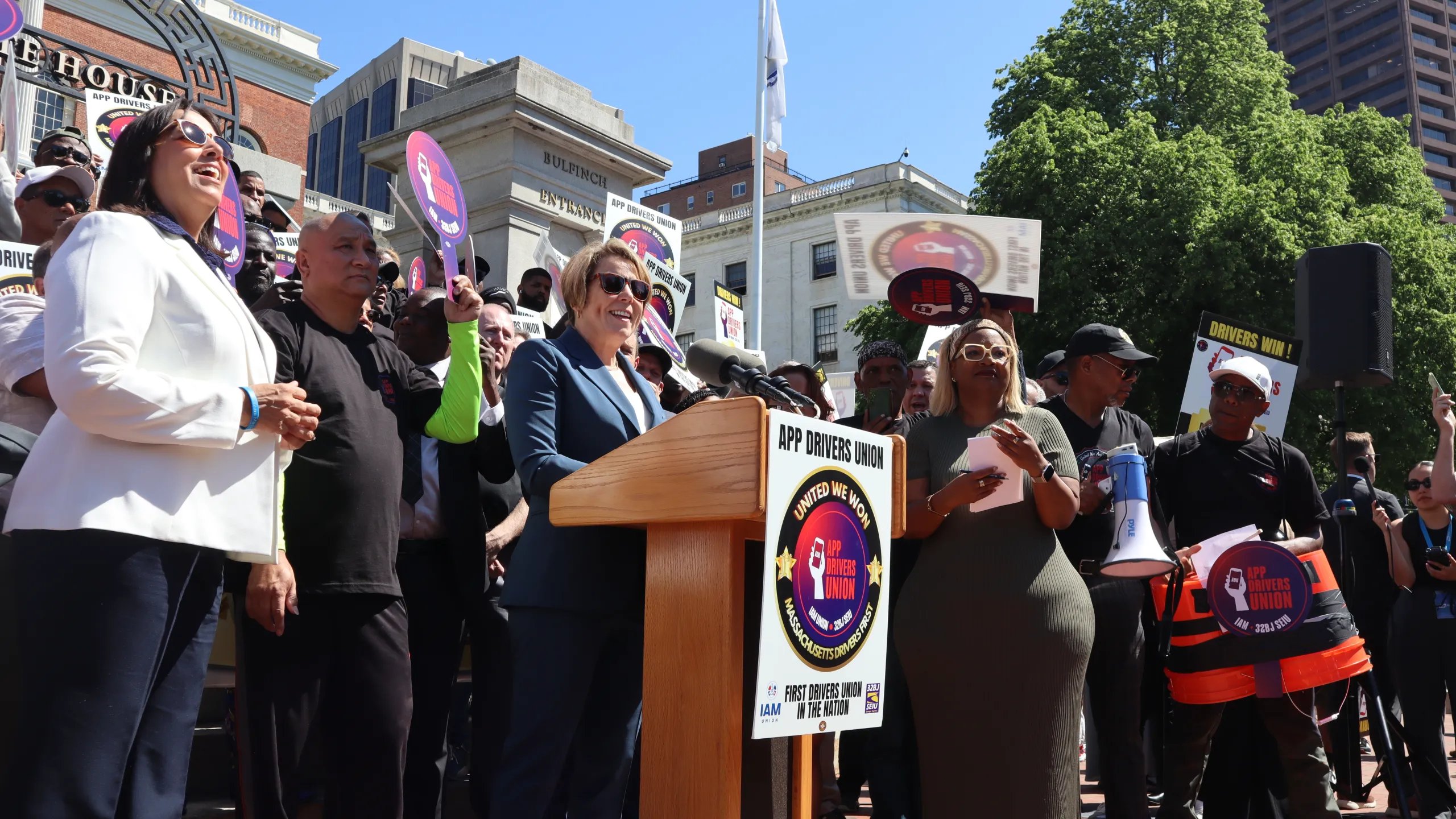
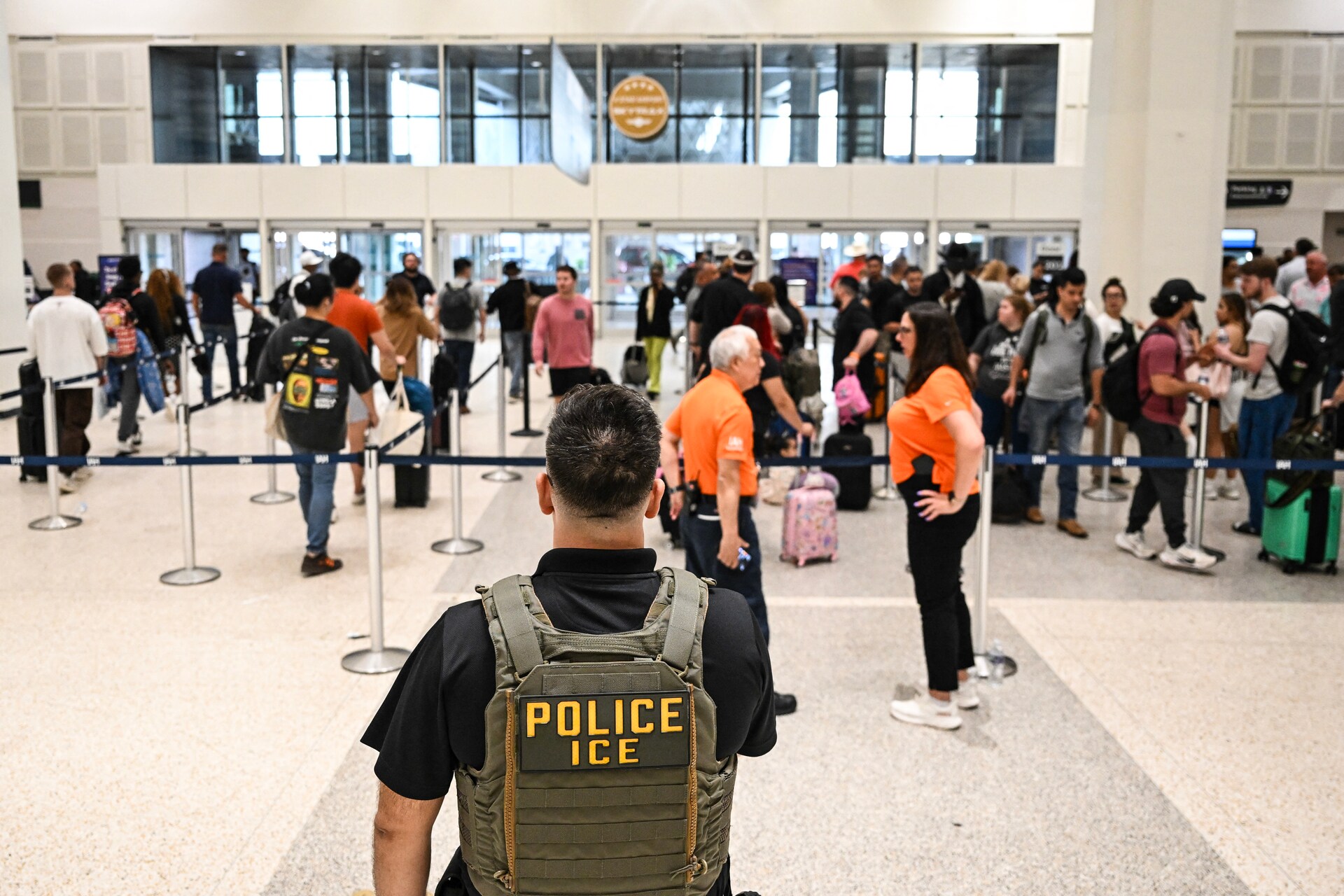
Immigration enforcement has added another layer of fear. Dr. Ruben Juarez, director of the Maui Wildfire Exposure Study, said some fire survivors have been deported under increased ICE operations. Veronica Mendoza, executive director of Maui Roots Reborn, a group of immigration lawyers and community organizers serving Latino immigrants, said the threat of deportation compounds trauma. "You always have to be looking behind your back," Mendoza said. "I don't know how full recovery is possible with that."
Maui Roots Reborn now offers "know your rights" trainings, an ICE watch group, a rapid response network, and a tip line to provide stability and education on immigration rights.














































































































































































































































































The sources also report that Kiakona, an organizer with Lahaina Strong, is running for the Hawaii statehouse seat representing west Maui to advocate for his community.