
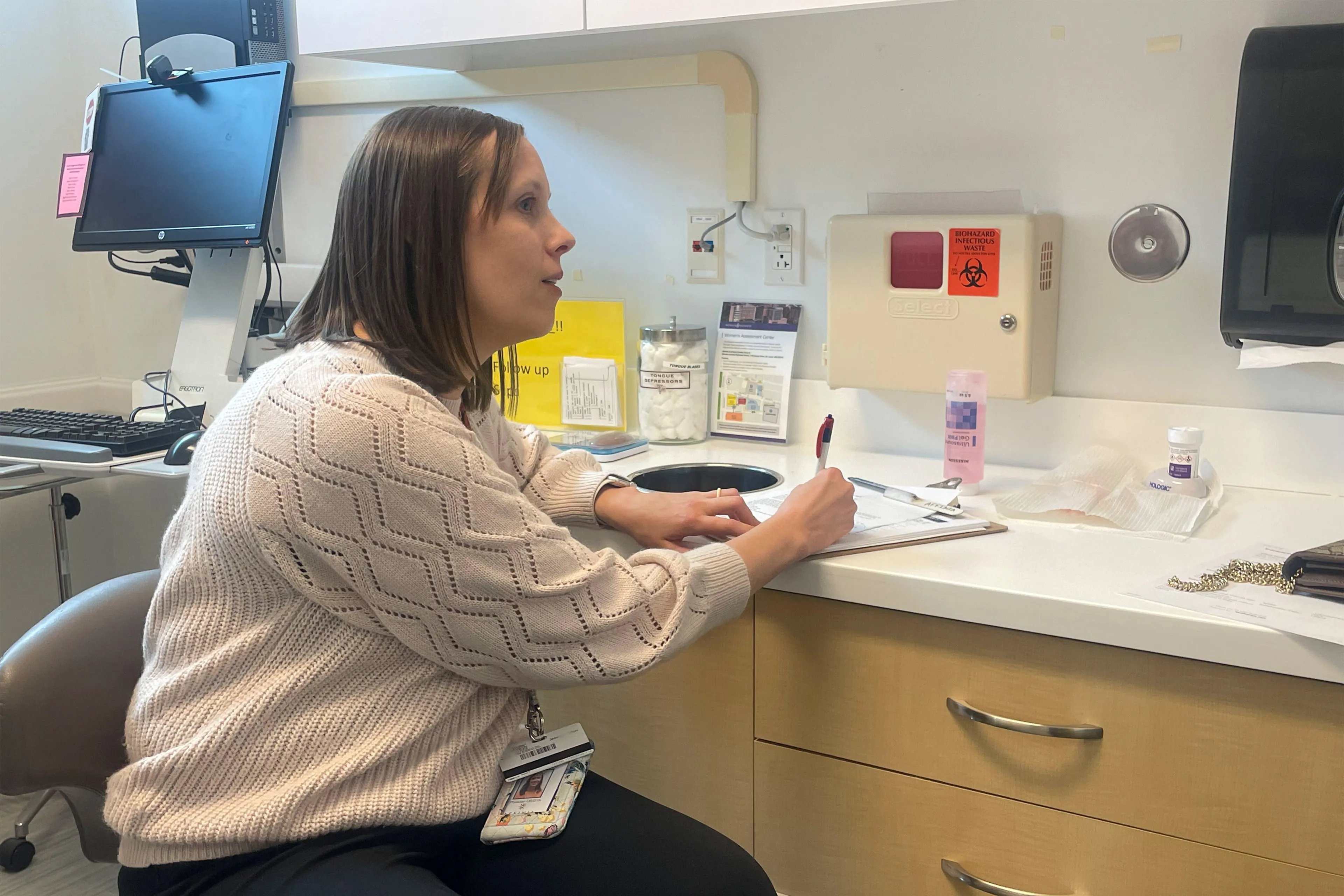





Exempt Groups Named in Final Rule
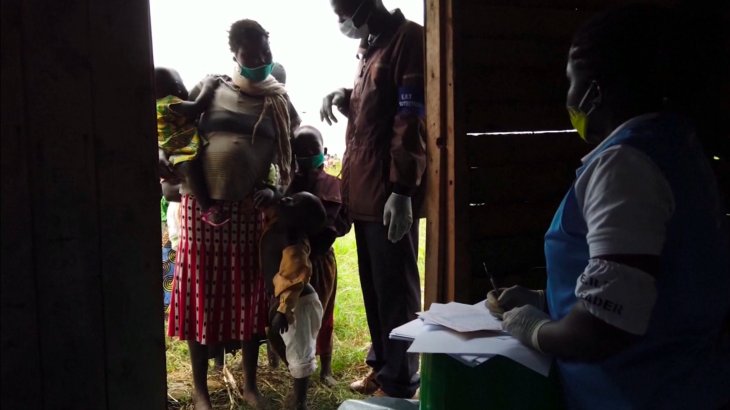
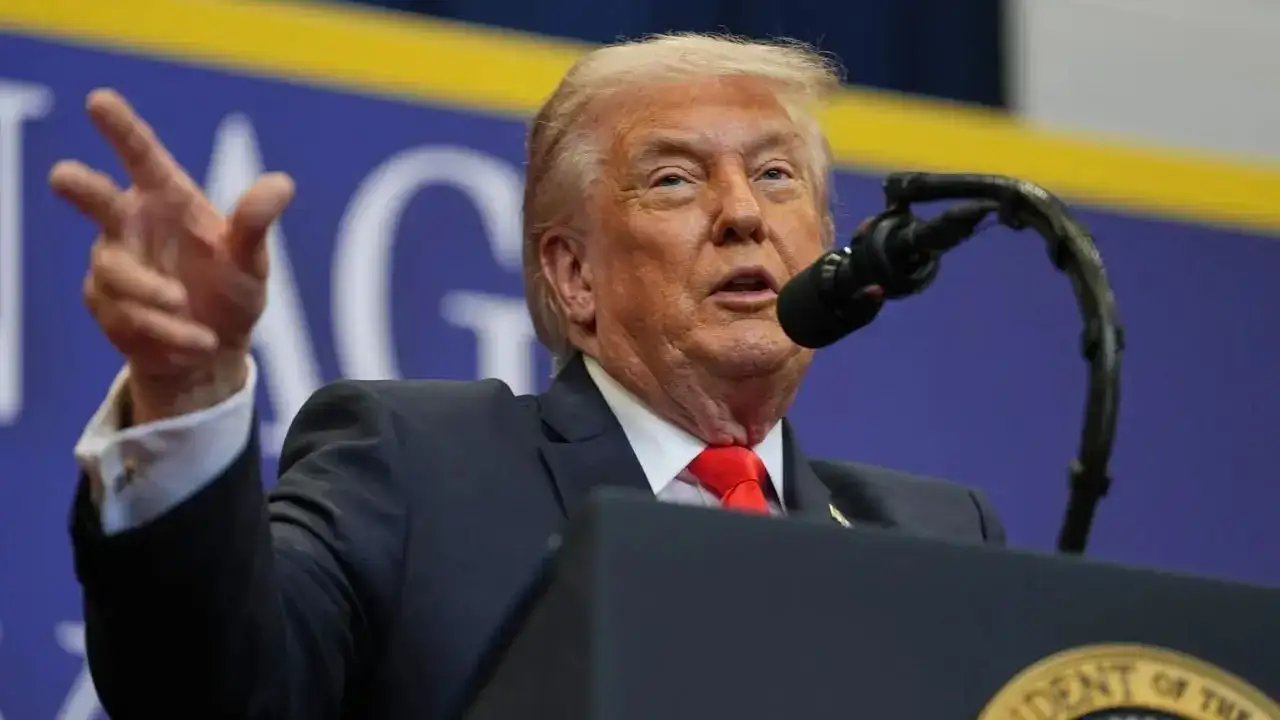
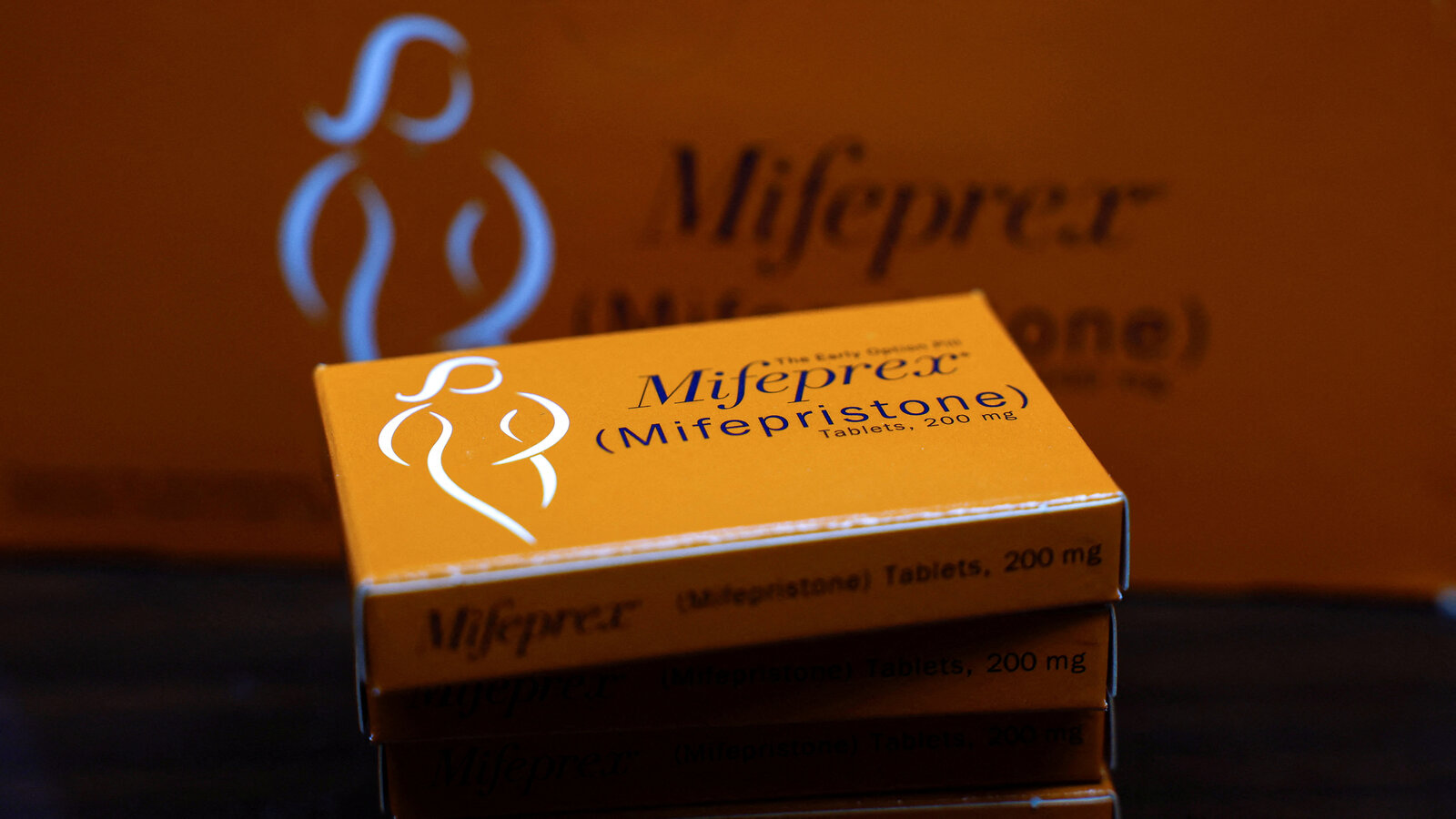
Pregnant women and parents of young children will not face Medicaid work requirements under the Trump administration's new guidance. Veterans with disabilities also qualify for exemptions along with people who are medically frail or have conditions that limit their ability to work such as cancer or substance use disorder. The Centers for Medicare and Medicaid Services released the details Monday to meet a June 1 deadline set by President Donald Trump's One Big Beautiful Bill Act.
States must require most Medicaid beneficiaries ages 19 to 64 to work attend school or volunteer at least 80 hours per month starting January 1 to keep coverage. Nebraska has already listed qualifying medical conditions in a nearly 300-page document using medical codes.
Self-Reporting Allowed During First Year
People can attest on their Medicaid applications or renewal forms that they qualify for an exemption without providing documentation during the first year. Federal health officials said this approach gives states time to build verification systems using claims data and other records. Beginning in 2028 states will verify exemptions instead of accepting self-attestations.
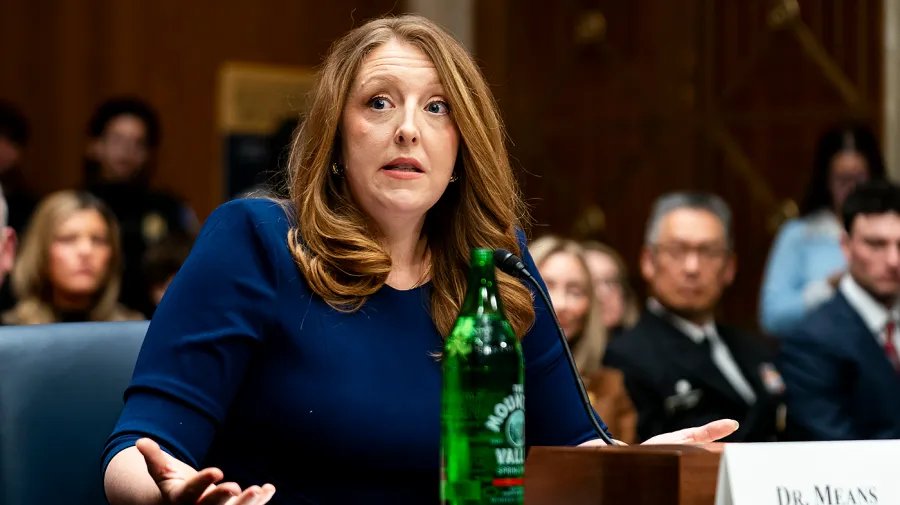
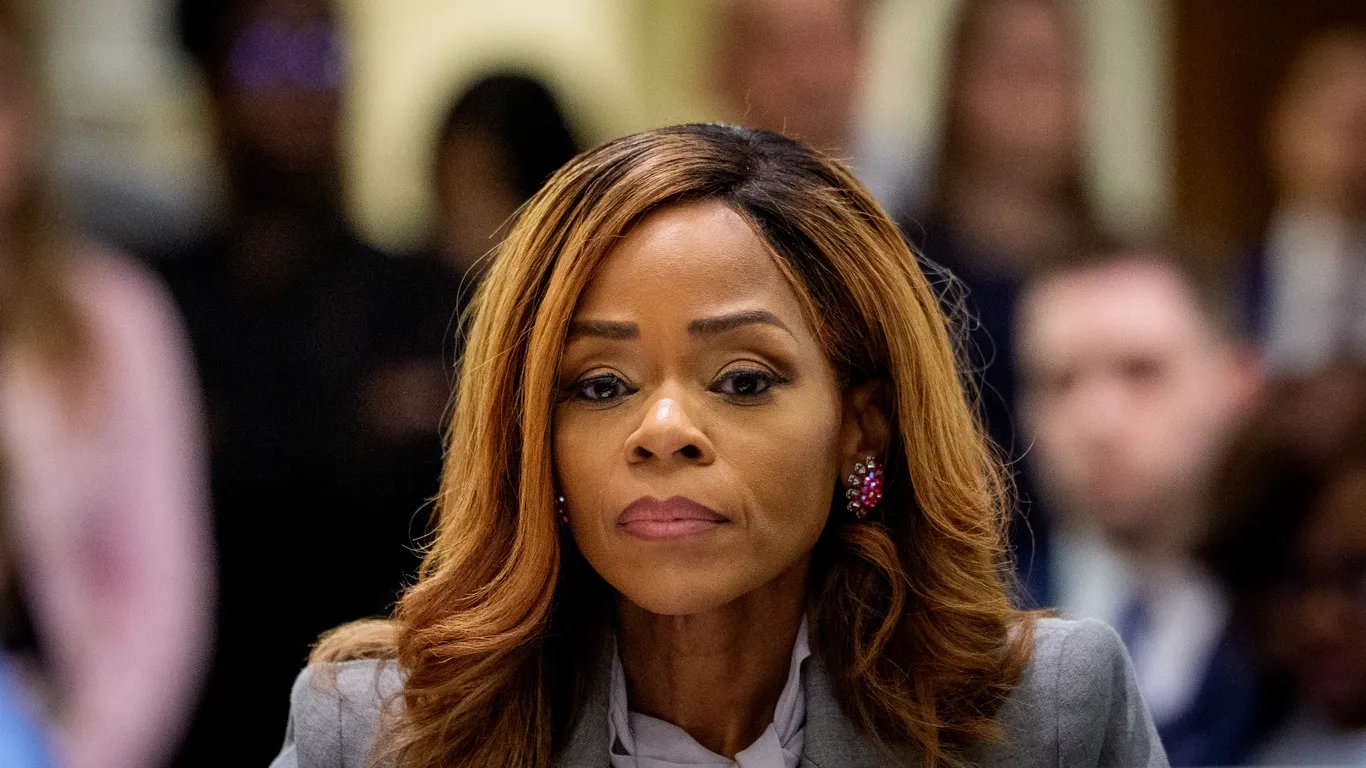
Dr. Mehmet Oz the CMS administrator said on a Monday call that the policy balances compassion with accountability. "We're forgiving but we're not foolish," Oz stated. "We are appropriately going after problem areas and doing it in a way that's compassionate and forgiving but we don't want to be false."
Critics Highlight Coverage Losses
Larry Levitt executive vice president for health policy at KFF said the self-declaration period will prevent many enrollees from losing coverage due to paperwork issues. The work requirements are projected to cause about 5 million people to lose health coverage by 2034 mainly from administrative hurdles rather than failure to meet work standards. Levitt noted that the quick implementation timeline makes it harder for states to create adequate systems.
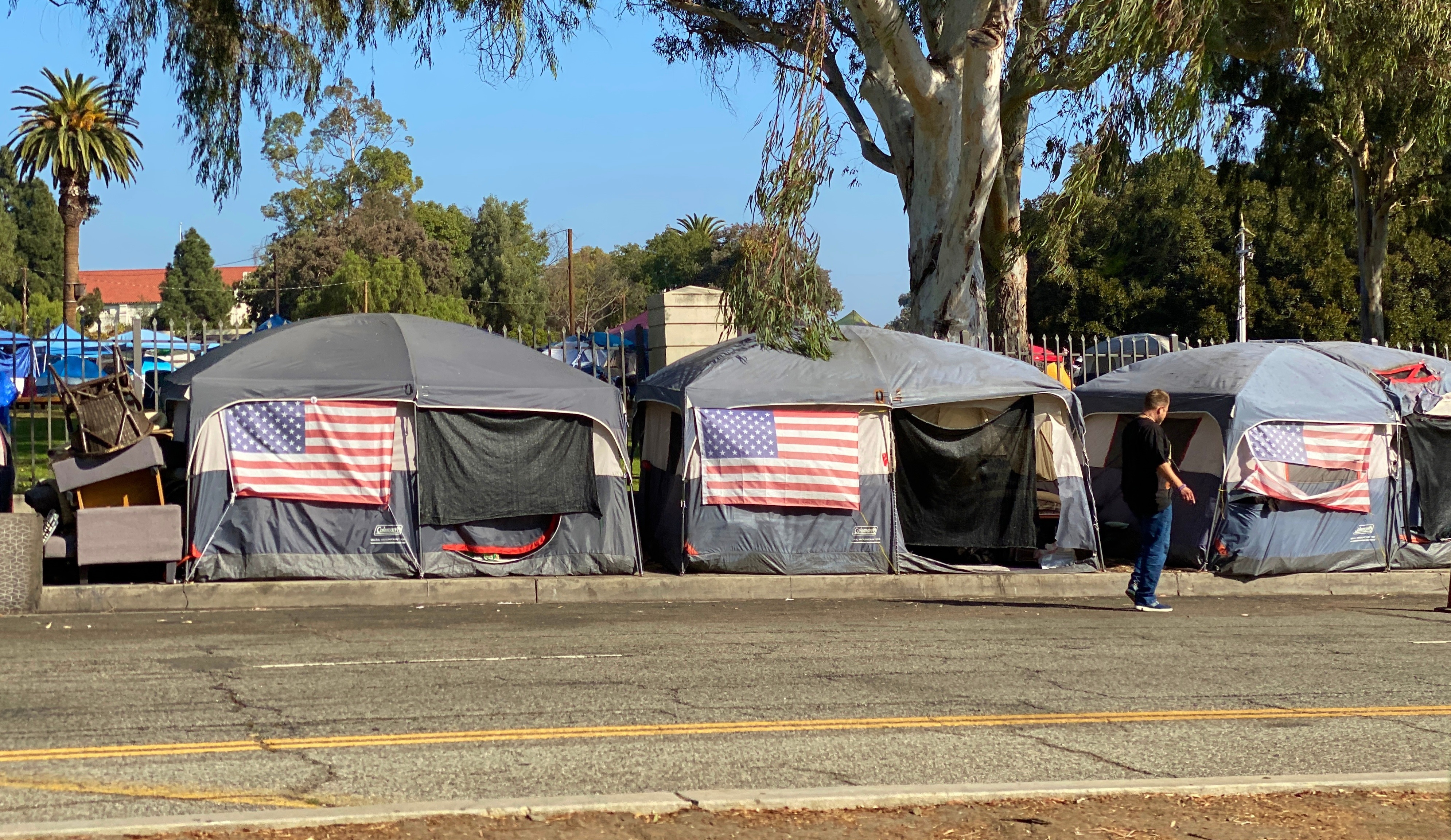
The guidance does not include an exemption for people who are homeless, meaning they must meet the 80-hour monthly work requirement to retain coverage.
The Trump administration argues the policy will push more people into jobs or longer hours. Officials pointed to a National Bureau of Economic Research report that found Americans working fewer hours than in previous decades. They contend government benefits reduce incentives to seek employment.
Cotton Farmers Receive Separate Subsidies
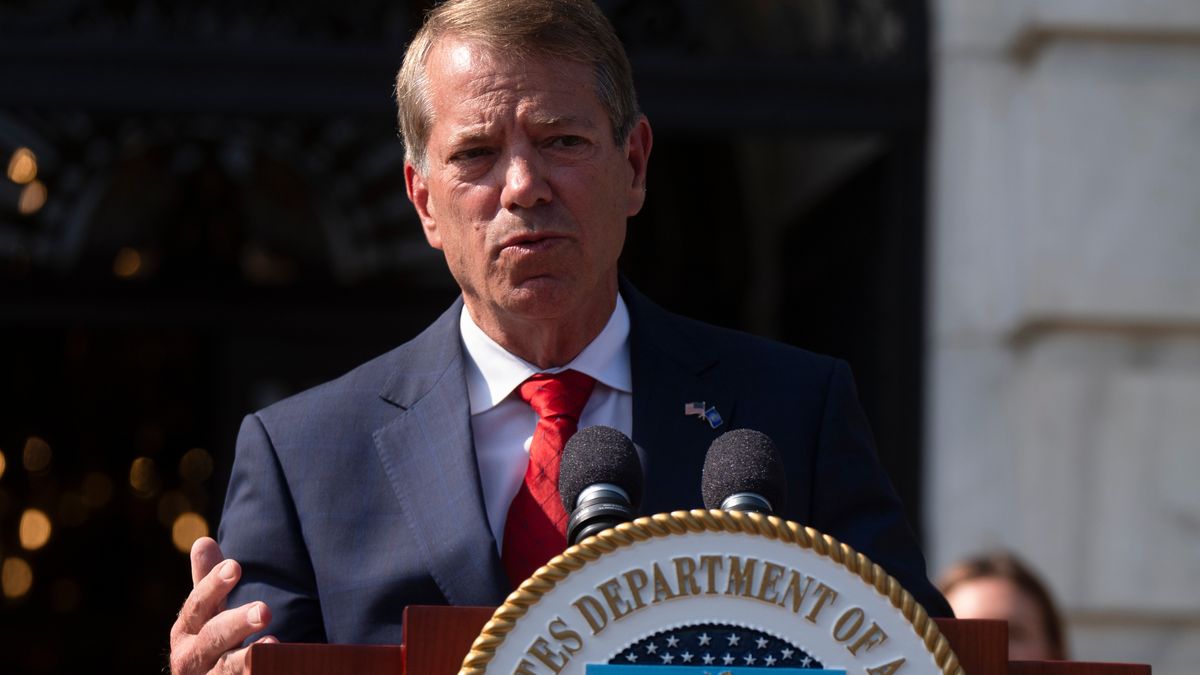
The U.S. Department of Agriculture announced the Great American Cotton Plan on Thursday to provide $16 million annually to cotton farmers through the Pima Agriculture Cotton Trust Fund. Agriculture Secretary Brooke Rollins said the plan addresses growers being crushed by rising costs unfair foreign competition and cheap synthetic products. Farmers will get a price floor of 55 cents per pound for upland cotton and $1 per pound for extra-long staple with taxpayers covering any shortfall.
The world market price for upland cotton stood at about 69 cents per pound last week but is projected to drop to 63 cents this week. The plan also awards the National Cotton Council $13 million this year through the Market Access Program. The council has already received over $140 million in the last decade.
Trade Policies Linked to Industry Losses
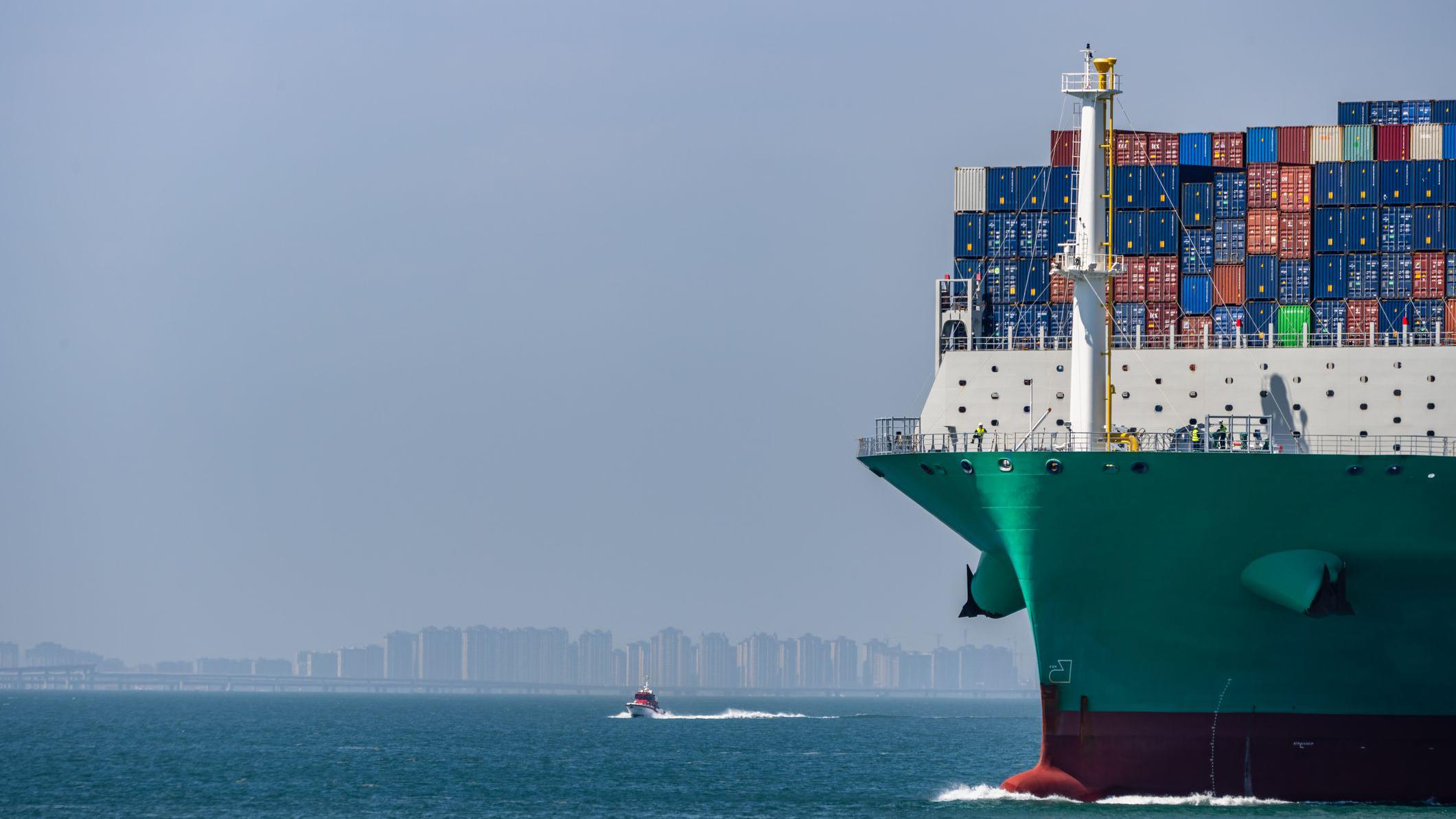
Eighty-four percent of domestically produced cotton has been exported on average over the past decade. American cotton production has declined for years despite strong export levels. The National Cotton Council signed a letter last April urging the administration to ease tariff policies that risked $80 billion in agricultural exports.
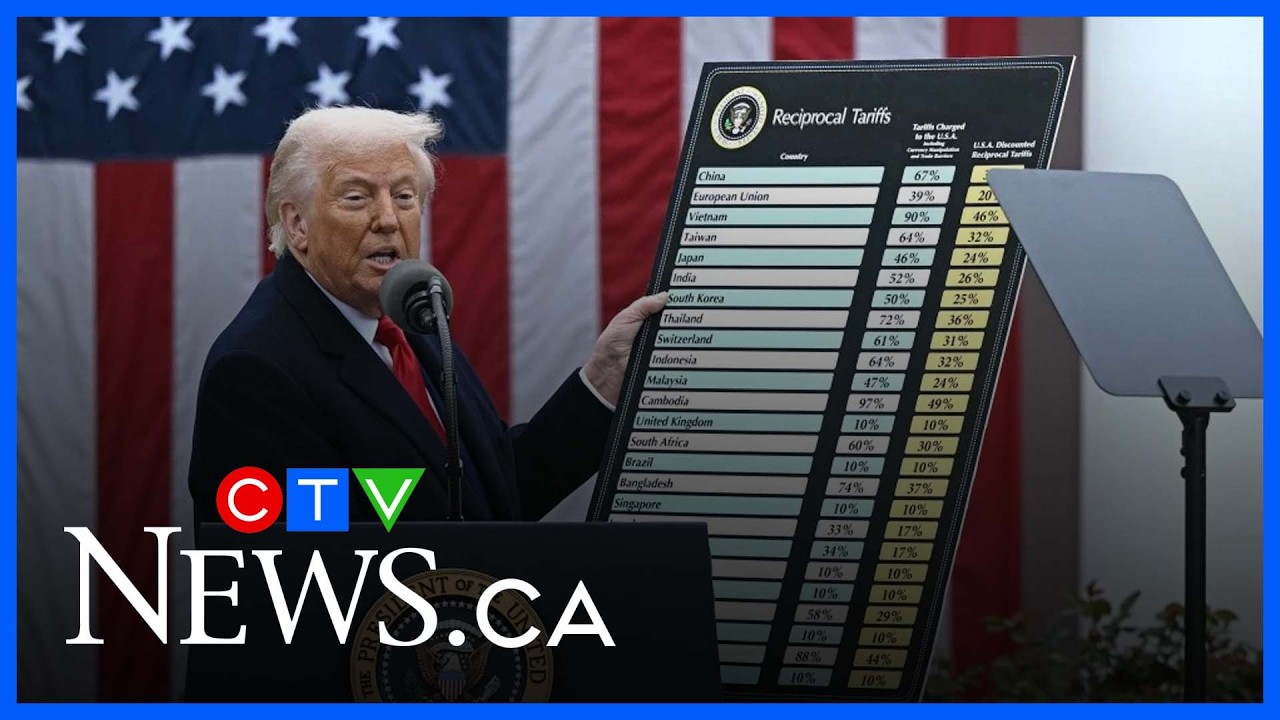
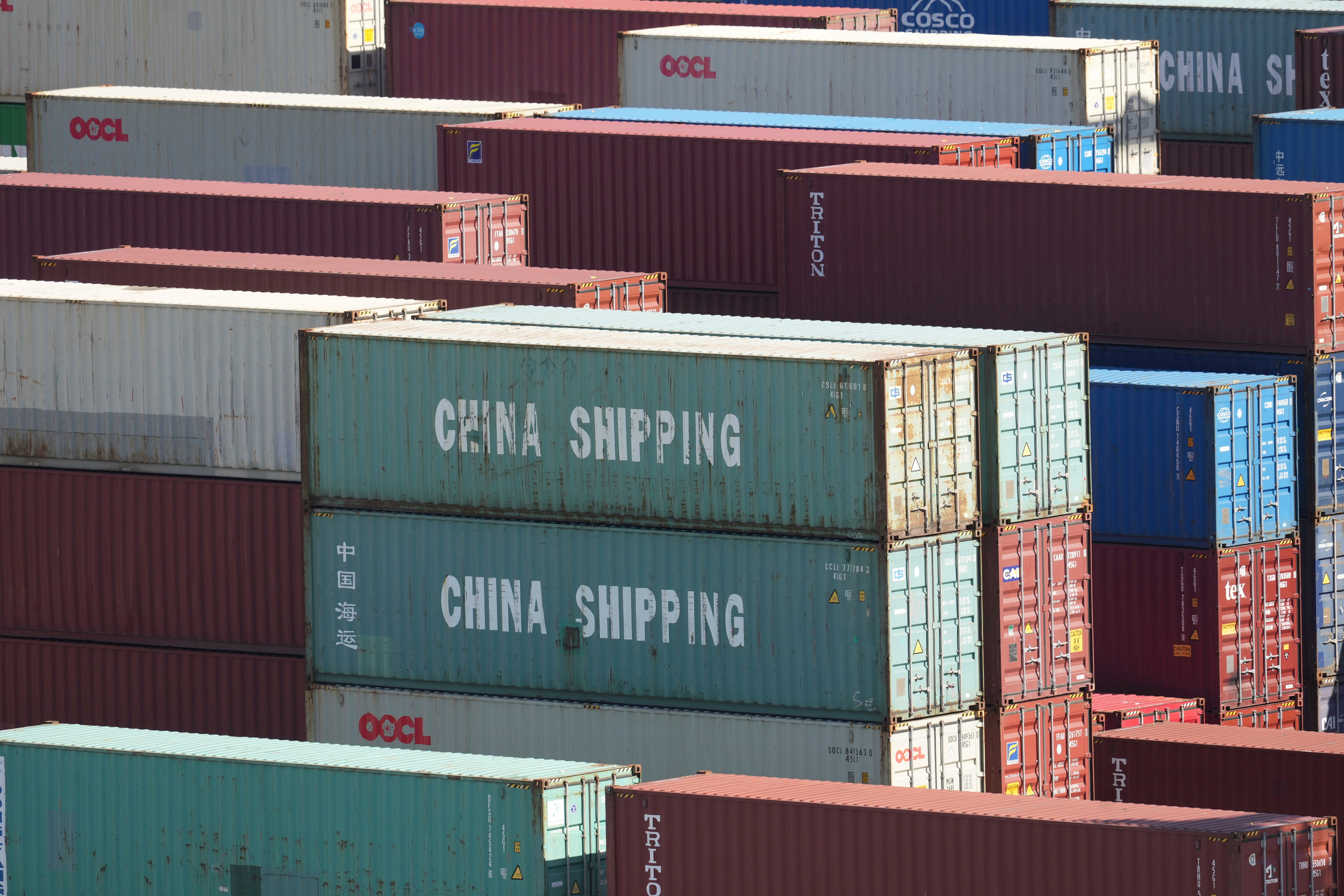
During the first Trump administration, Brazil became the leading global exporter of cotton as U.S. cotton exports declined due to retaliatory Chinese tariffs as high as 65 percent. This reduced the value of U.S. agricultural exports by about $25.7 billion according to a USDA Economic Research Service report.
U.S. cotton exports to Turkey fell by 62 percent in 2025 as that country shifted to Brazilian supplies. Liberation Day tariffs prompted China to impose retaliatory duties causing annualized U.S. agricultural cotton exports to drop by nearly $1.3 billion according to North Dakota State University. Farmers now face higher input costs for steel aluminum fertilizer and other goods due to tariffs from Mexico Canada Turkey India and China.
The Trump administration has repeatedly provided bailouts to farmers affected by its trade policies. The cotton plan continues this approach rather than adjusting the underlying tariffs. Taxpayers will cover the subsidies while the National Cotton Council promotes its Plant Not Plastic campaign.
Verification Challenges Ahead for States
States hold discretion to decide which medical conditions count as medically frail for exemption purposes. The temporary self-attestation policy aims to ease the transition but raises risks of improper claims. Officials described the overall framework as one that encourages work while protecting vulnerable groups.
States now face the task of building systems before the 2028 verification deadline.
The concrete exemption list allows pregnant women parents of young children and disabled veterans to plan for continued Medicaid access without meeting the 80-hour monthly threshold.

















































































































































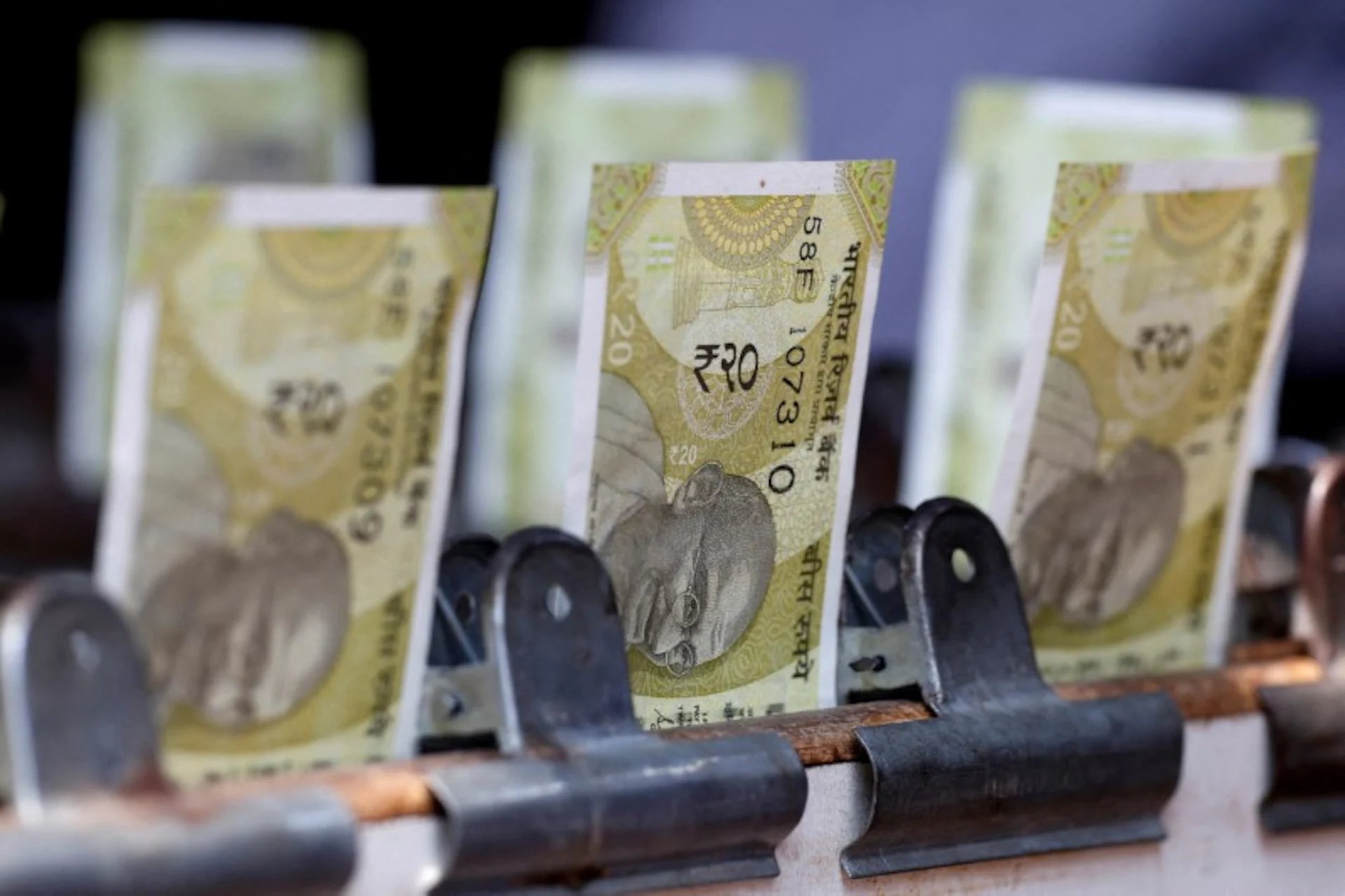


































































For example, the U.S. Department of Agriculture's Great American Cotton Plan will provide $16 million annually to cotton farmers through the Pima Agriculture Cotton Trust Fund.