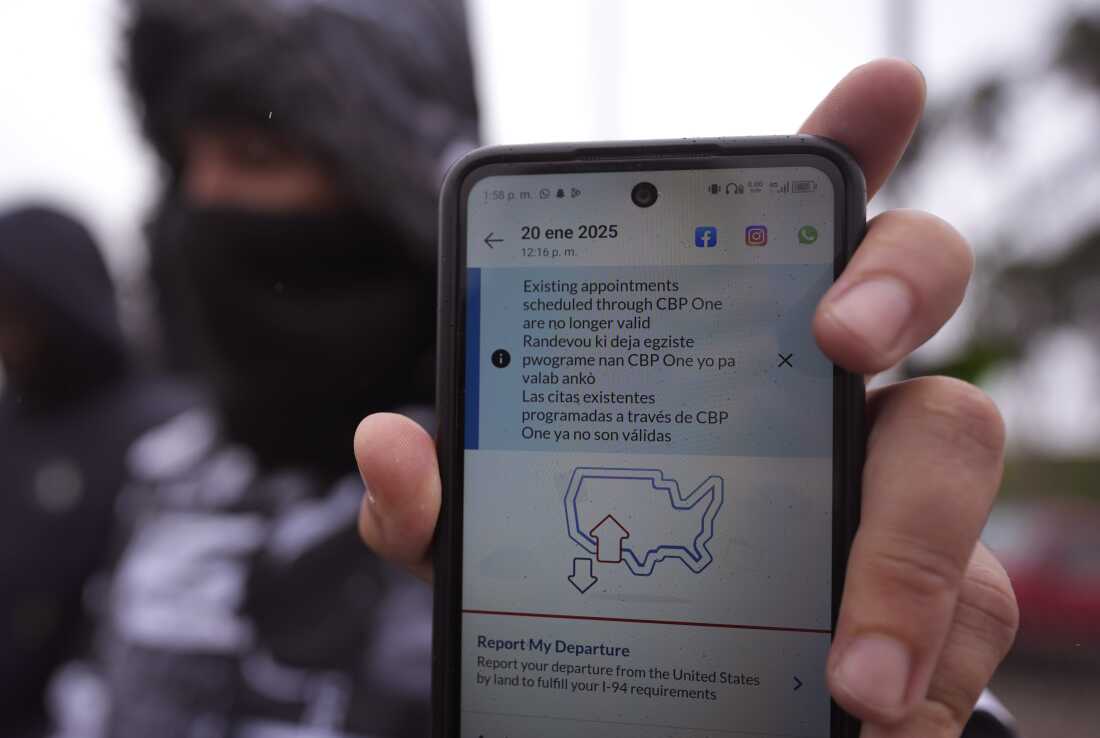
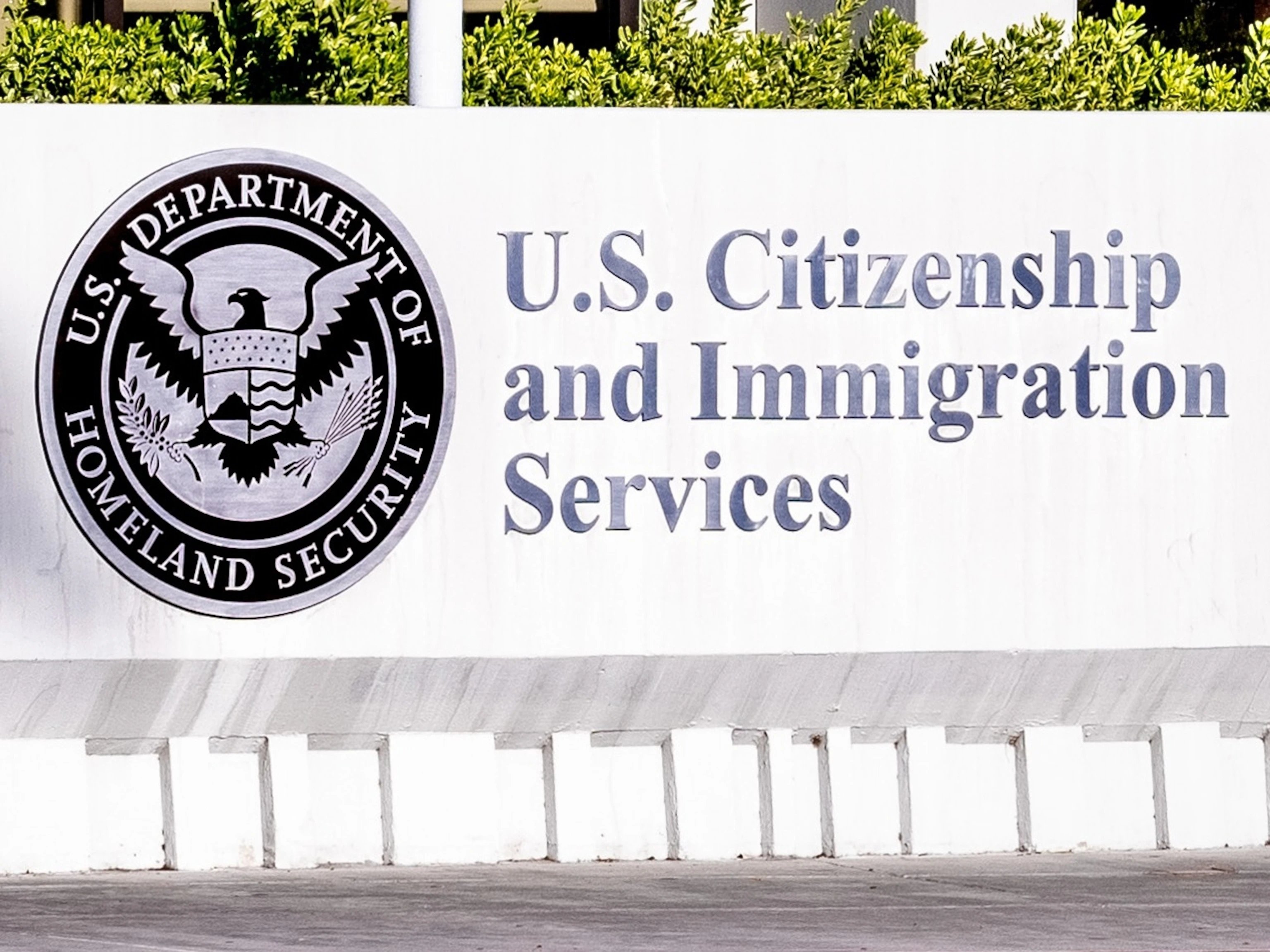
The Trump administration is developing a plan that would allow U.S. immigration officials to issue quick rejections of asylum applications without conducting interviews, according to internal documents obtained by CBS News. This regulation, part of an effort to tighten access to the asylum system, would enable asylum officers at U.S. Citizenship and Immigration Services (USCIS) to reject cases filed more than a year after an applicant's arrival in the U.S. without the traditional interview process.
The regulation would allow USCIS to reject applications without interviews based on paper records alone, departing from the agency's longstanding practice of interviewing virtually all asylum applicants before making decisions. However, exceptions exist for serious medical conditions or inadequate legal counsel, as well as for unaccompanied minors. Under the new plan, USCIS officers could quickly dismiss applications based on paper records, placing rejected applicants in deportation proceedings without the opportunity to explain their circumstances.
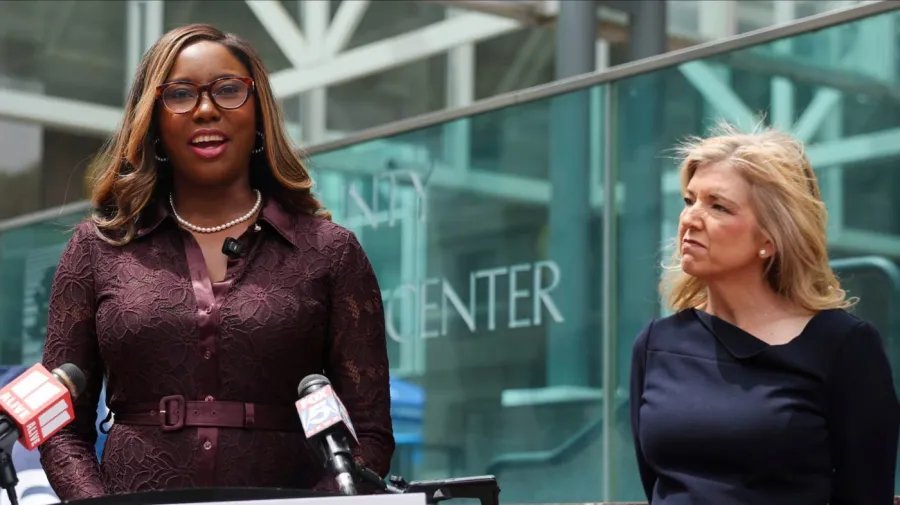
Conchita Cruz, co-executive director of the Asylum Seeker Advocacy Project, expressed concerns that the regulation would "wrongfully" place applicants in deportation proceedings. Cruz emphasized that many asylum-seekers may file late due to various reasons, including temporary legal statuses like visas. She noted that changing the rules would negatively impact immigrants who have been navigating a complex immigration process for years.
The new policy comes amid a significant backlog in asylum cases, with USCIS reporting 1.5 million pending applications as of last fall. The Justice Department's immigration courts have even more, with 3.3 million pending claims, 2.3 million of which involve asylum requests. Both Republican and Democratic administrations have acknowledged that this backlog complicates the adjudication process and may encourage economic migrants to exploit the asylum system.
A spokesperson for USCIS stated that the Trump administration is "considering multiple options" to address the backlog created by previous policies. The spokesperson claimed that the new regulation would allow USCIS to expedite the processing of "deficient" applications by sending them to immigration courts, thereby reducing delays in the system.
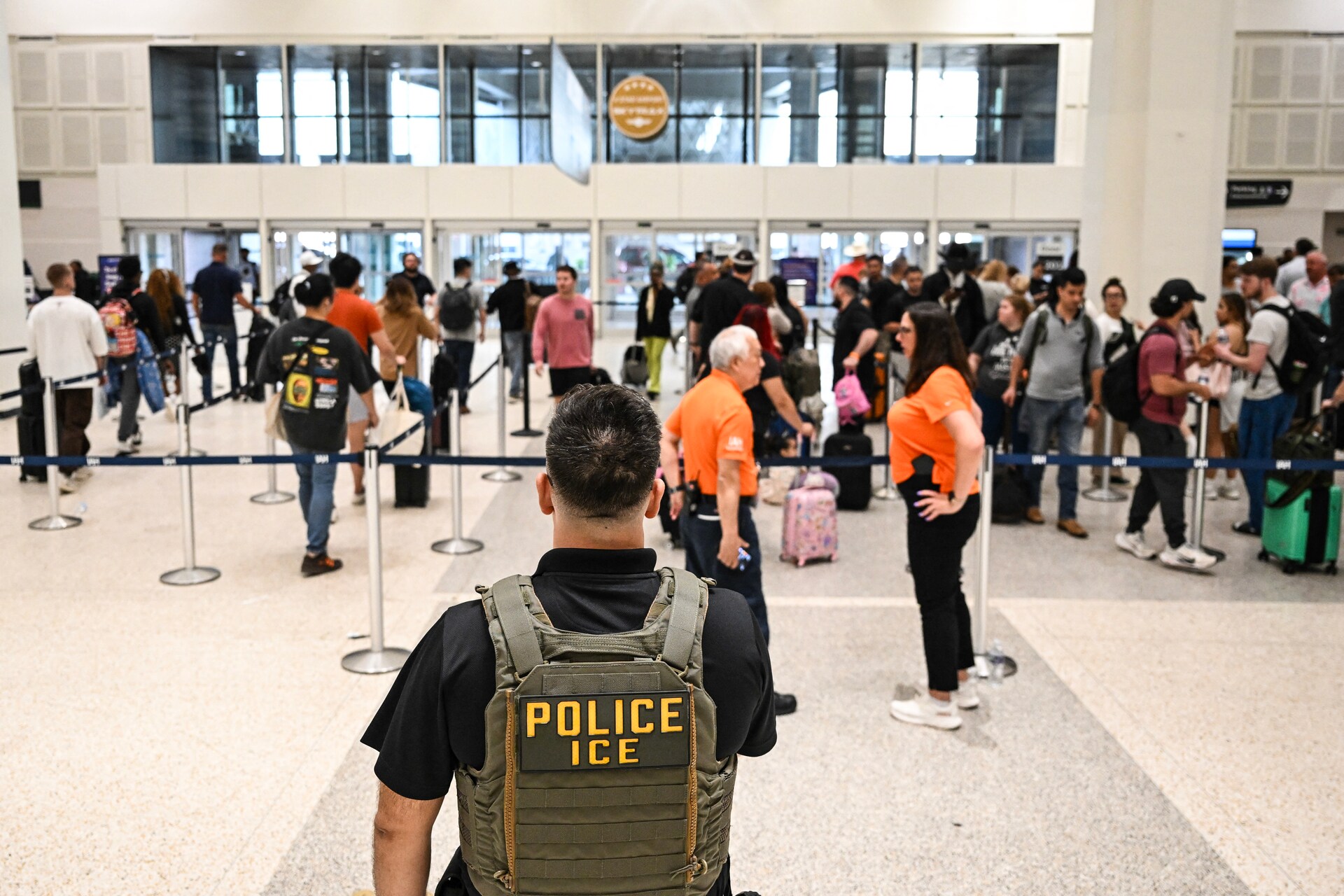
As part of its deportation crackdown, the Trump administration has adopted measures to restrict asylum and aggressively pursue the deportation of asylum-seekers, mainly those allowed into the U.S. along the southern border under the Biden administration. The administration has previously implemented "safe third country" agreements with nations that have faced scrutiny over human rights practices.
The Trump administration is moving forward with a plan that would allow U.S. immigration officials to issue quick rejections of asylum applications without conducting interviews, according to internal documents obtained by CBS News. This regulation, part of an effort to tighten access to the asylum system, would enable asylum officers at U.S. Citizenship and Immigration Services (USCIS) to reject cases filed more than a year after an applicant's arrival in the U.S. without the traditional interview process.
The proposed regulation aligns with existing U.S. immigration law, which generally disqualifies individuals from applying for asylum if they do so a year after entering the country. However, exceptions exist for serious medical conditions or inadequate legal counsel, as well as for unaccompanied minors. Under the new plan, USCIS officers could quickly dismiss applications based on paper records, potentially placing rejected applicants in deportation proceedings without the opportunity to explain their circumstances.
Conchita Cruz, co-executive director of the Asylum Seeker Advocacy Project, expressed concerns that the regulation would "wrongfully" place applicants in deportation proceedings. Cruz emphasized that many asylum-seekers may file late due to various reasons, including temporary legal statuses like visas. She noted that changing the rules would negatively impact immigrants who have been navigating a complex immigration process for years.
The new policy comes amid a significant backlog in asylum cases, with USCIS reporting 1.5 million pending applications as of last fall. The Justice Department's immigration courts have even more, with 3.3 million pending claims, 2.3 million of which involve asylum requests. Both Republican and Democratic administrations have acknowledged that this backlog complicates the adjudication process and may encourage economic migrants to exploit the asylum system.
A spokesperson for USCIS stated that the Trump administration is "considering multiple options" to address the backlog created by previous policies. The spokesperson claimed that the new regulation would allow USCIS to expedite the processing of "deficient" applications by sending them to immigration courts, thereby reducing delays in the system.
The Trump administration has previously implemented various measures aimed at restricting asylum access, including "safe third country" agreements with nations that have faced scrutiny over human rights practices. The administration's approach to asylum has been characterized by a focus on deporting individuals who entered the U.S. under the Biden administration's policies.
The proposed changes to the asylum application process reflect a broader trend within the Trump administration to tighten immigration policies, which could greatly affect the lives of countless individuals seeking refuge in the U.S. As the situation develops, advocates and lawmakers alike will be closely monitoring the impact of these changes on the asylum-seeking community.
Highlighted text was flagged by the council. Tap to see feedback.