




The 30-day testing window
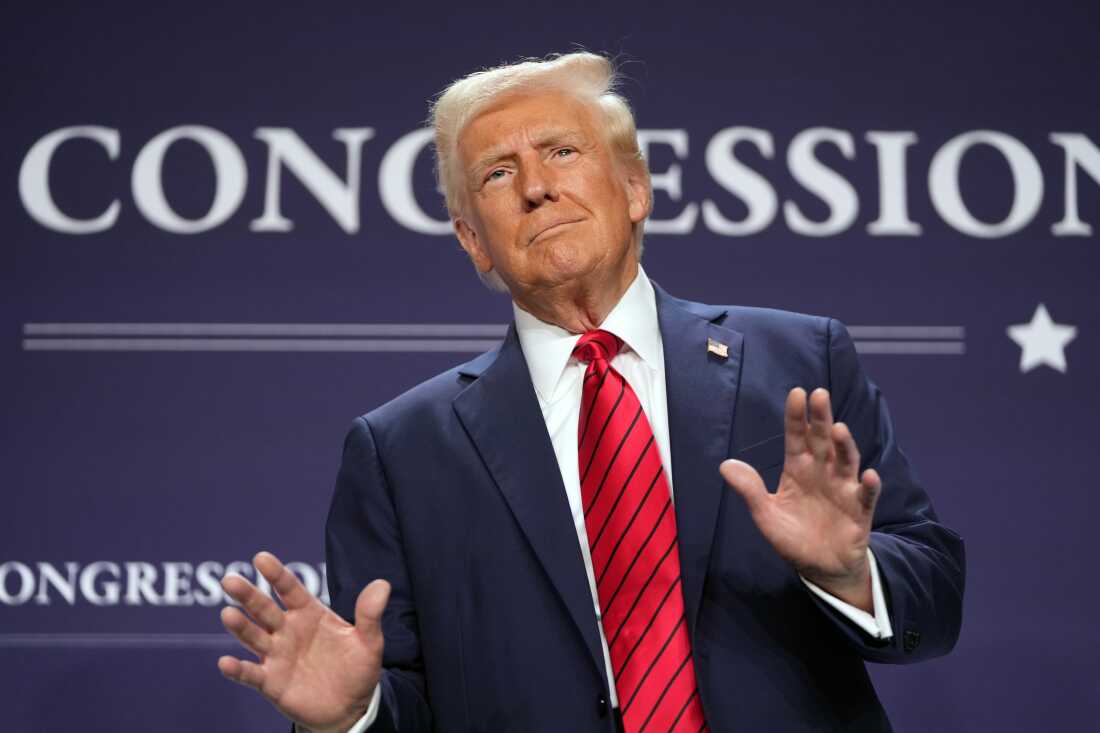
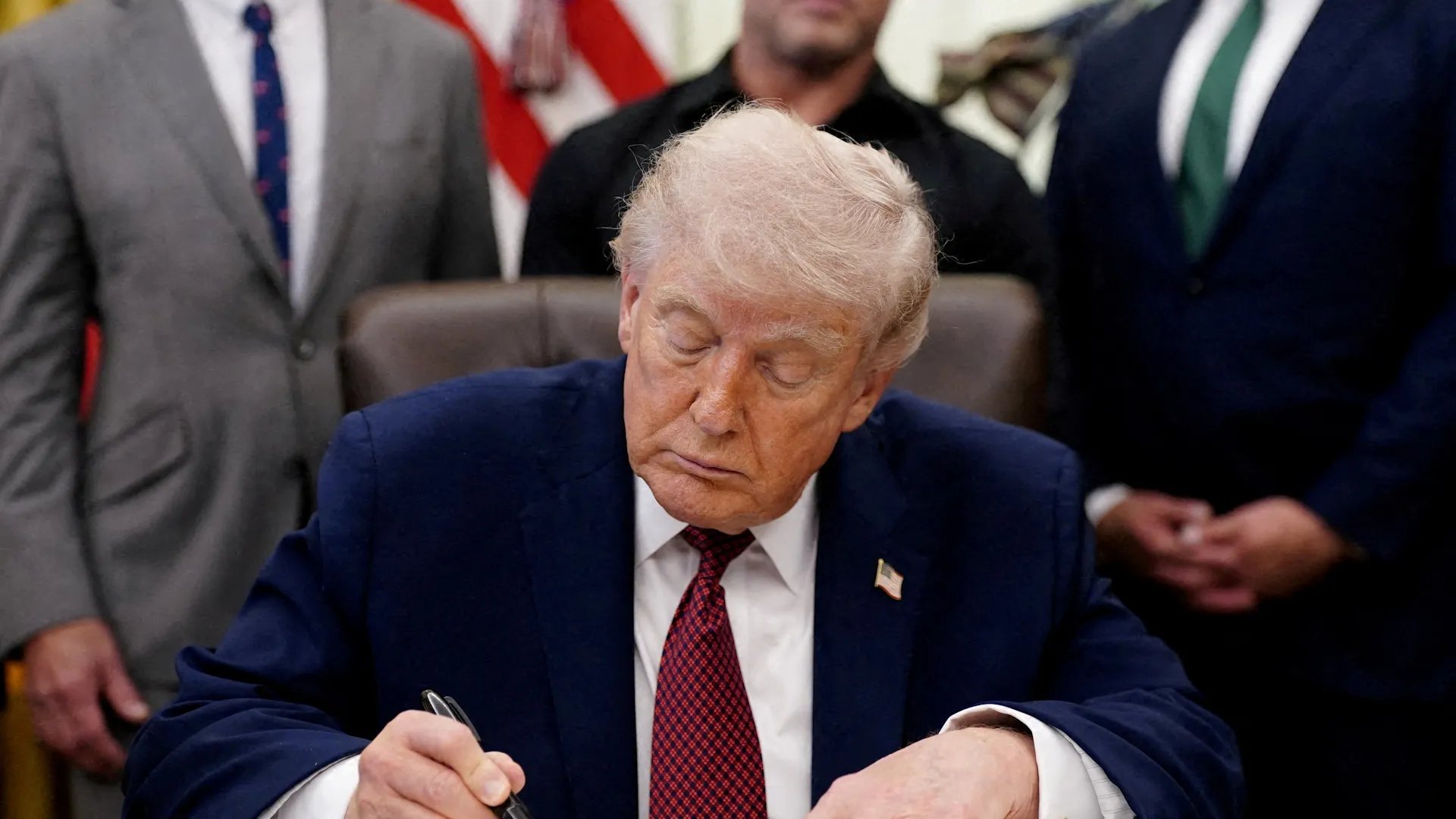
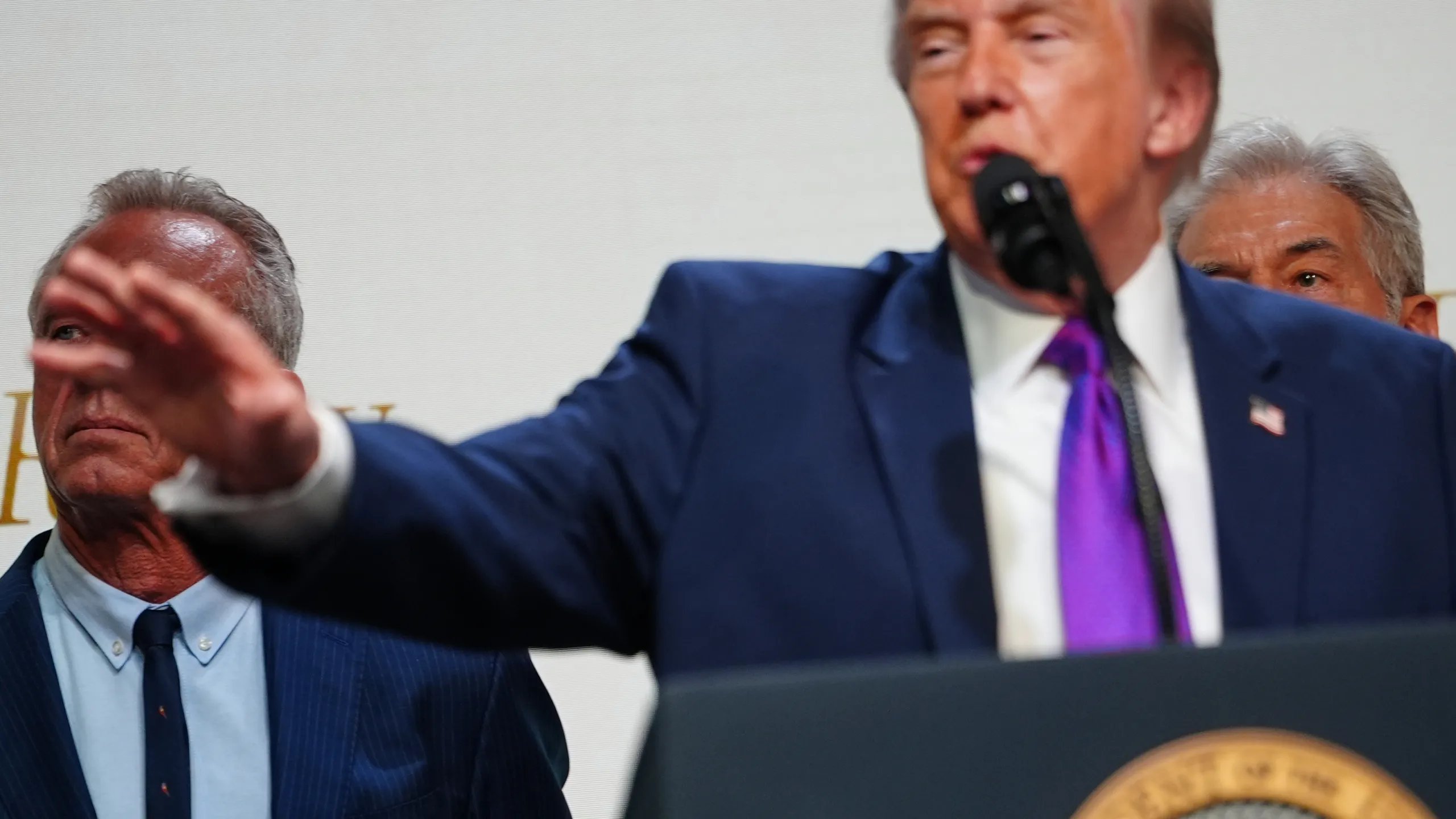
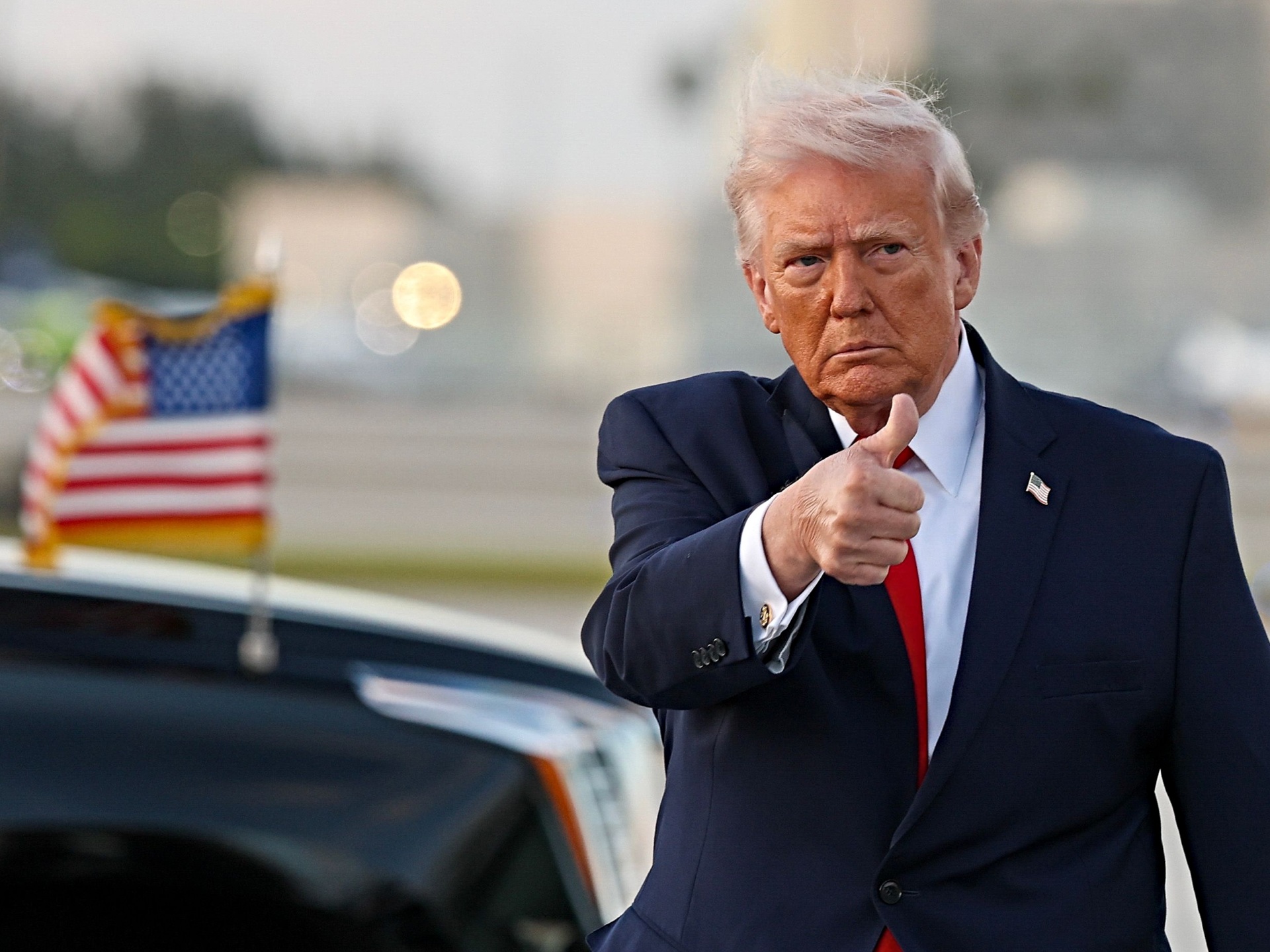
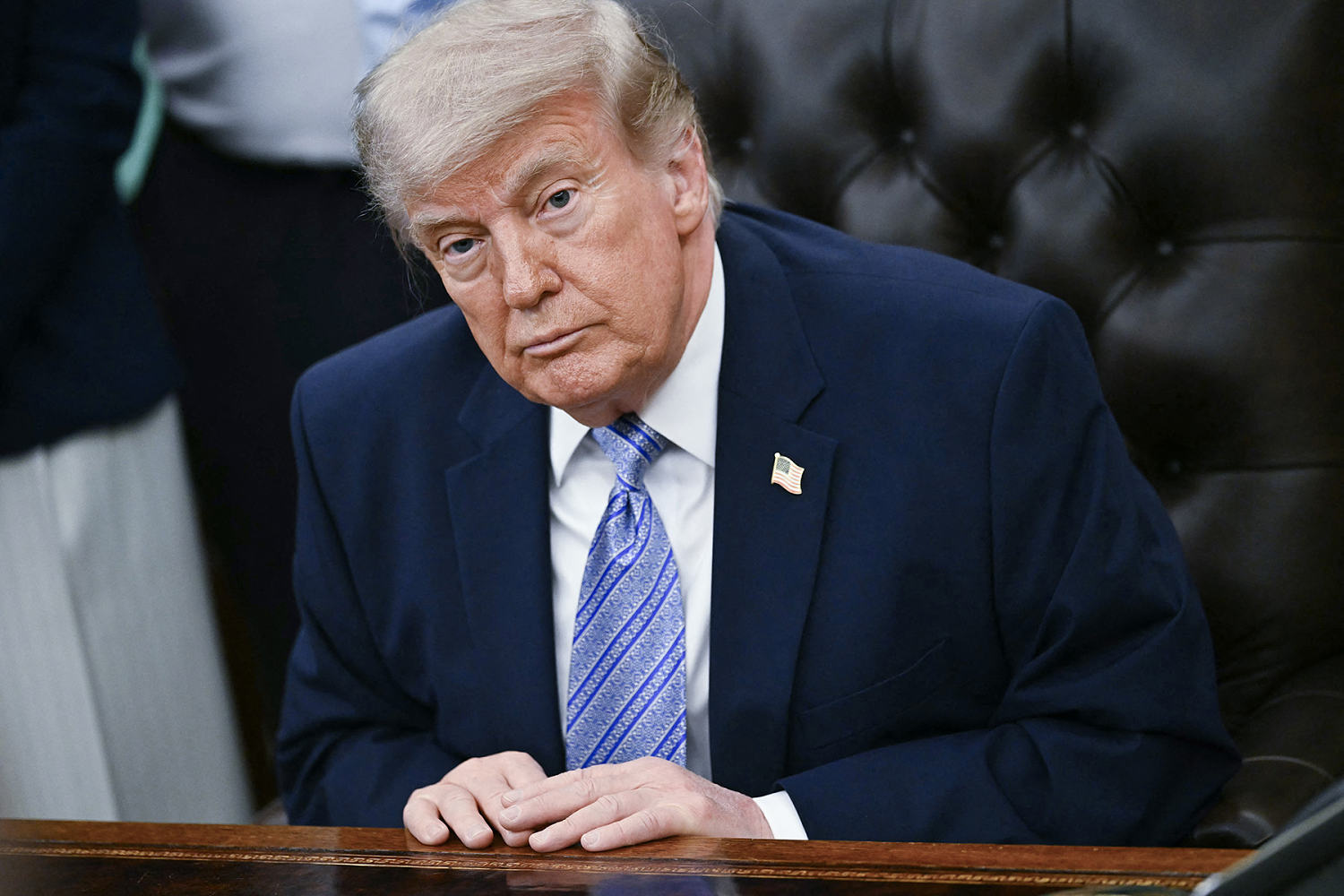
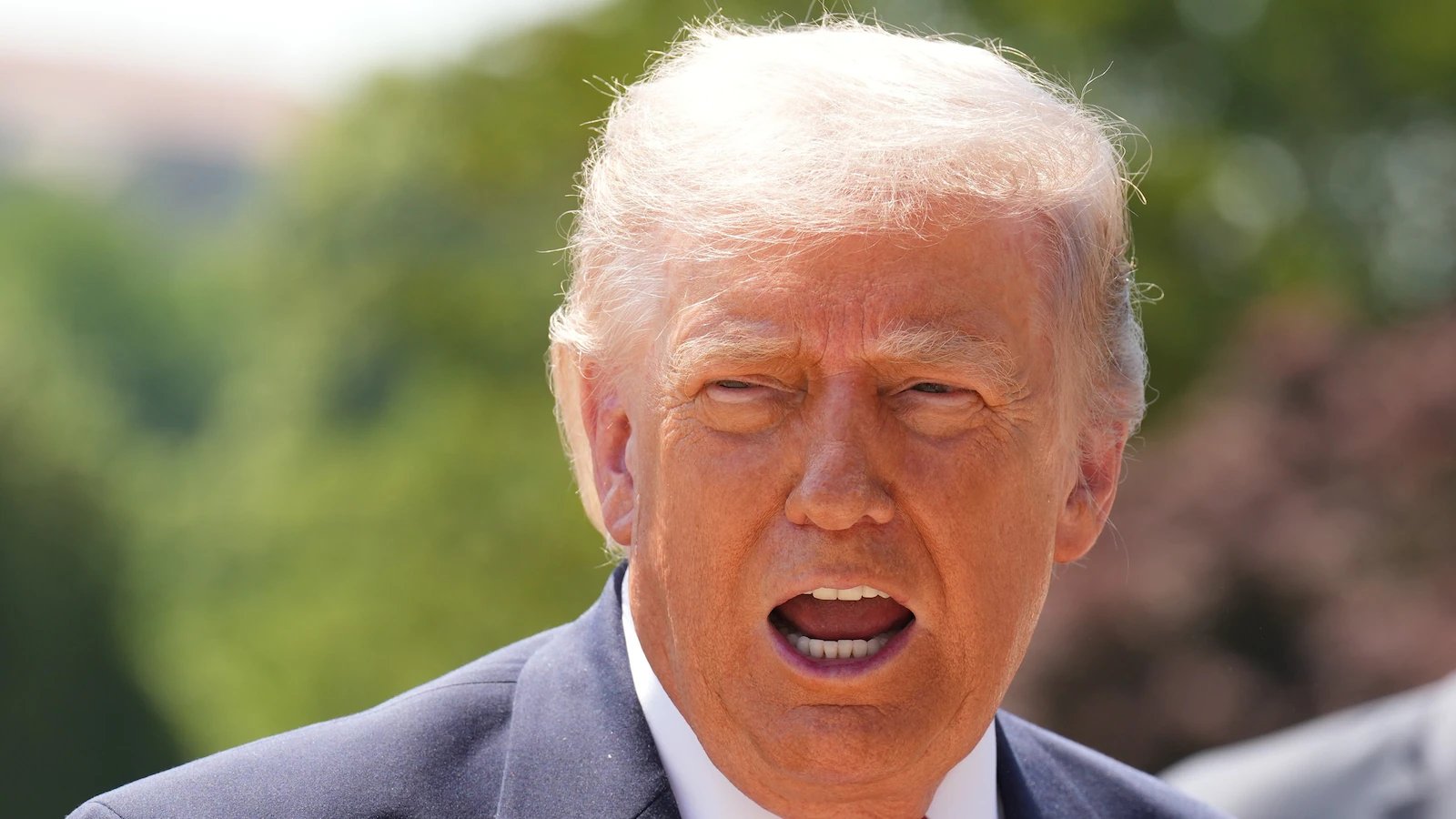
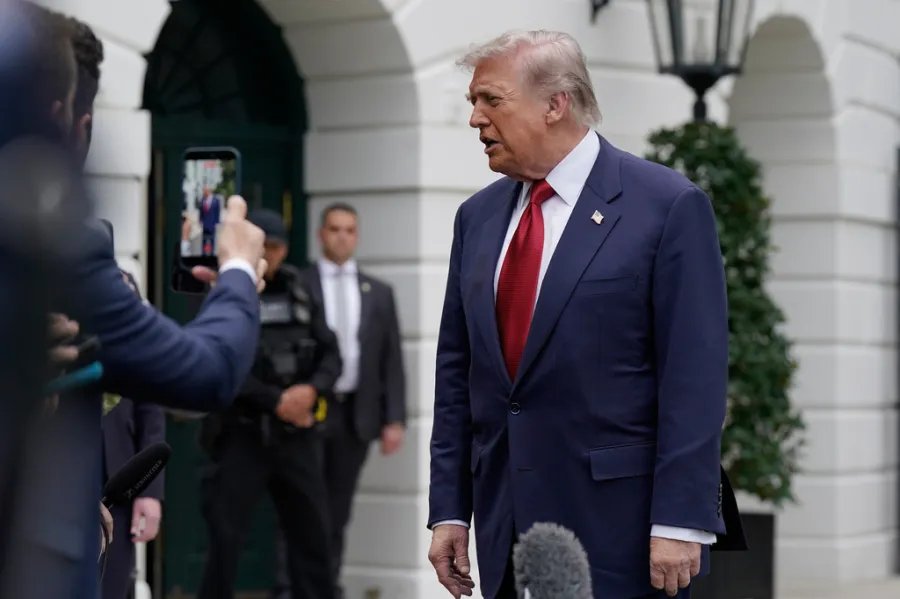
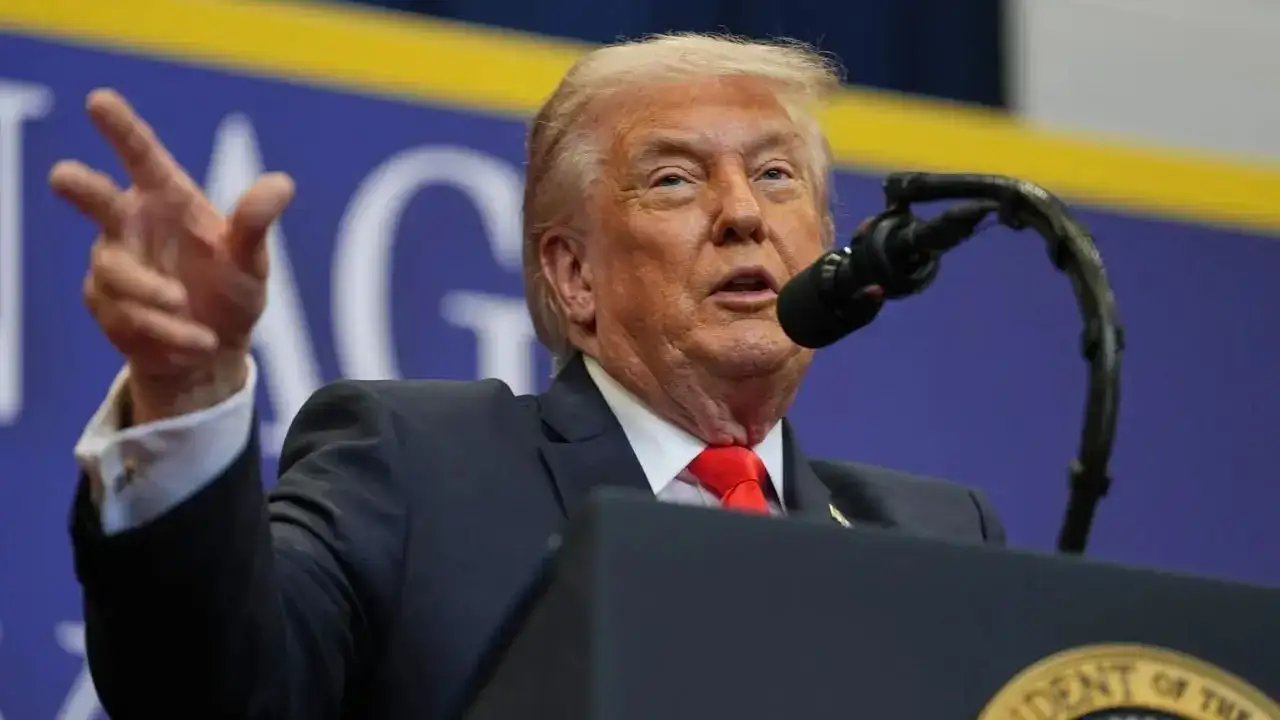
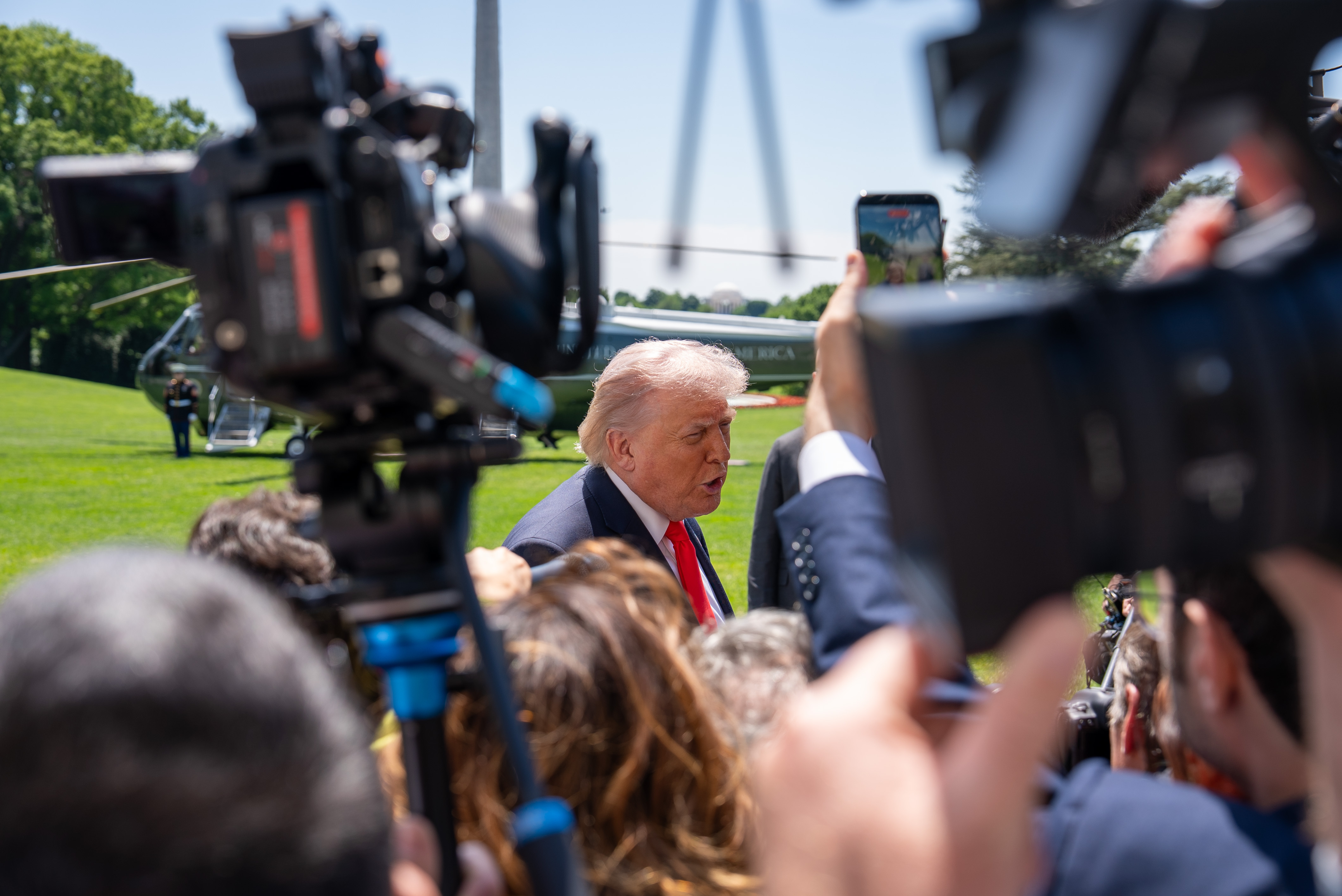
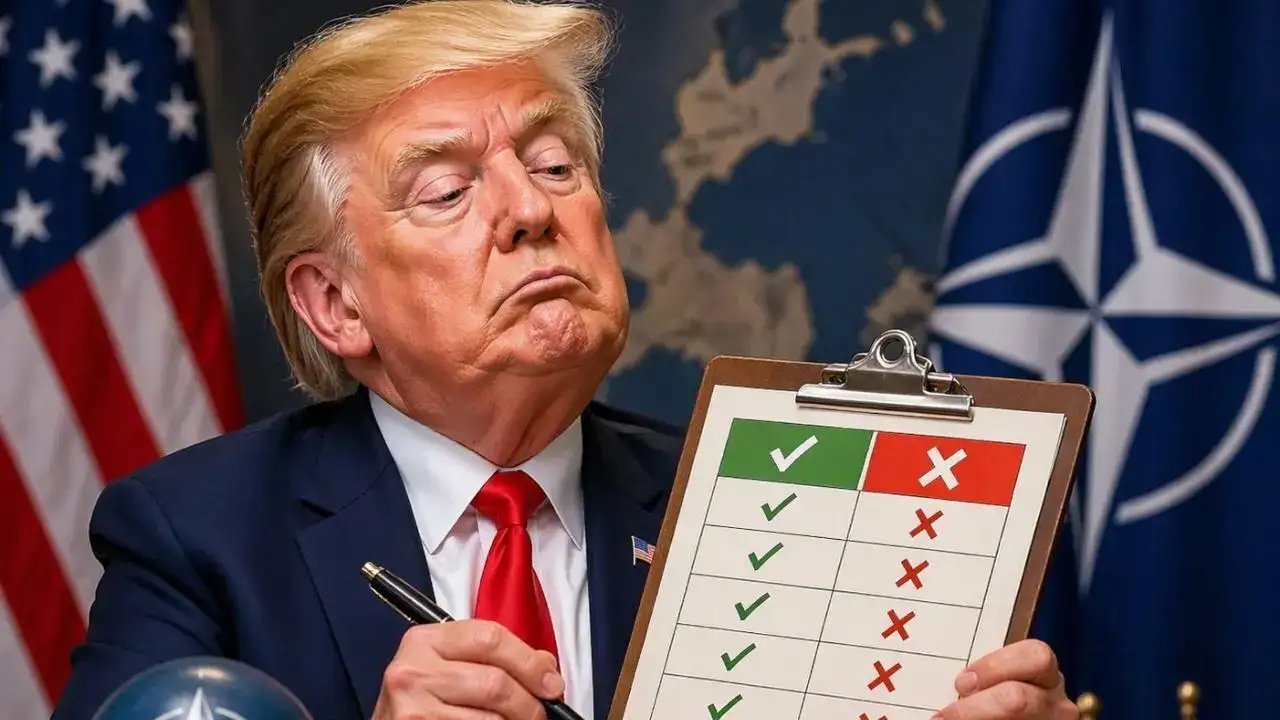
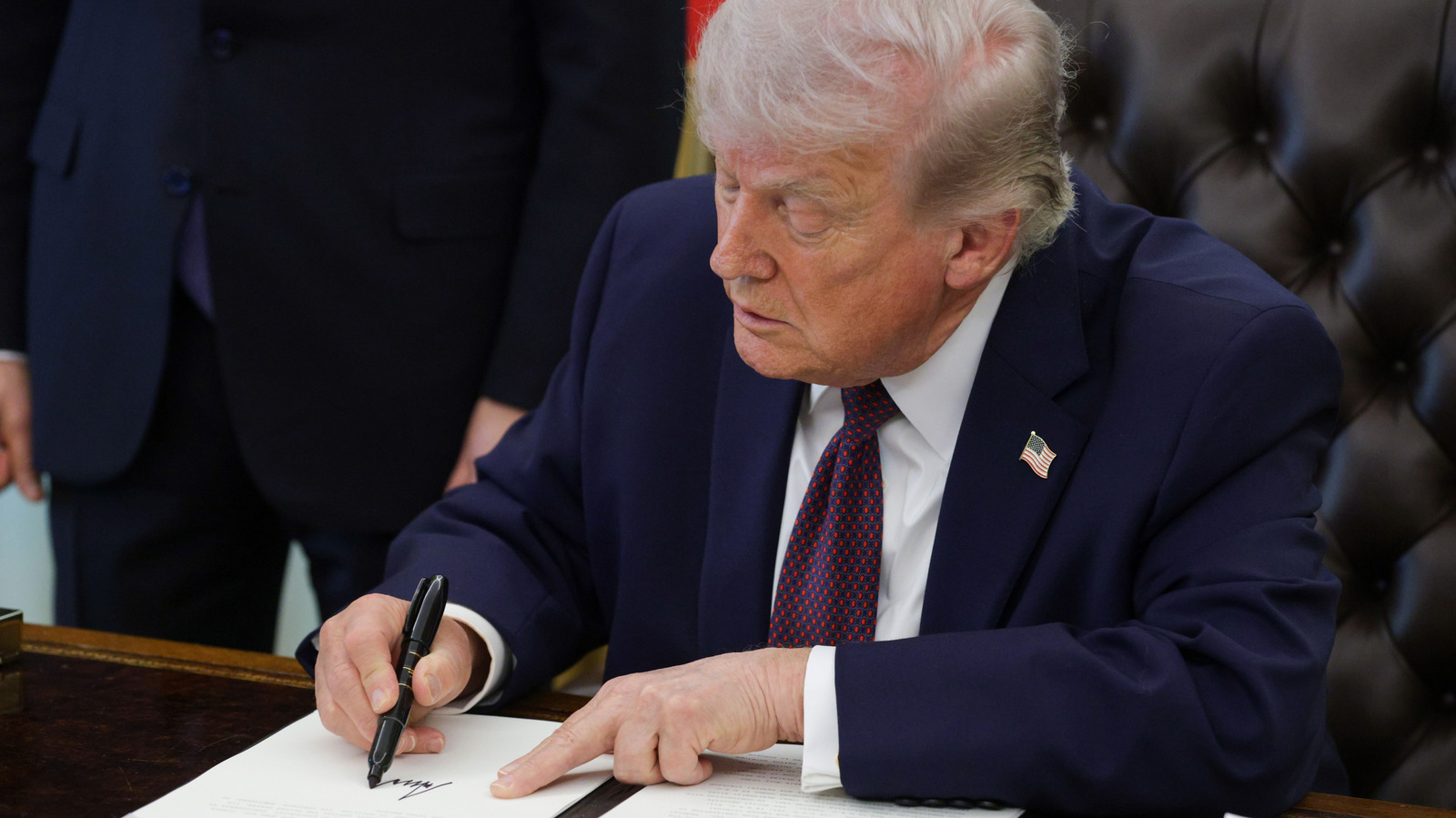
President Trump signed an executive order Tuesday establishing a voluntary framework for the federal government to test powerful artificial intelligence models before companies release them to the public. The order asks AI companies to submit their most advanced systems for government review up to 30 days before deployment, a reduction from an earlier draft that would have given the government up to 90 days to review models before their release.
The directive represents a shift from Trump's initial hands-off approach to AI regulation. Last month, Trump canceled a planned signing ceremony for a stricter version of the order, telling reporters he feared it would undermine American competitiveness against China. "We're leading China, we're leading everybody, and I don't want to do anything that's going to get in the way of that lead," Trump said at the time.
The final order explicitly prohibits the government from creating mandatory licensing or pre-clearance requirements for new AI models. The text states that "nothing in this section shall be construed to authorize the creation of a mandatory governmental licensing, preclearance, or permitting requirement for the development, publication, release, or distribution of new AI models."
What triggered the policy shift
Anthropic's announcement in April that it was limiting release of its Mythos Preview model prompted the policy reversal. The model demonstrated a superhuman ability to identify critical vulnerabilities in widely used operating systems, alarming federal officials and Silicon Valley executives who worried bad actors could exploit such capabilities.
In response, Anthropic launched Project Glasswing to provide advance access to the model to around 50 partners, including Cisco, Microsoft and Nvidia. The company announced Tuesday it would expand that access to 150 organizations across more than 15 countries. OpenAI launched a similar program in April.
Behind-the-scenes negotiations
Former White House AI czar David Sacks played a central role in shaping the final order's voluntary framework. According to sources familiar with the negotiations, Sacks secured the shorter 30-day window and prevented the creation of mandatory government licensing.
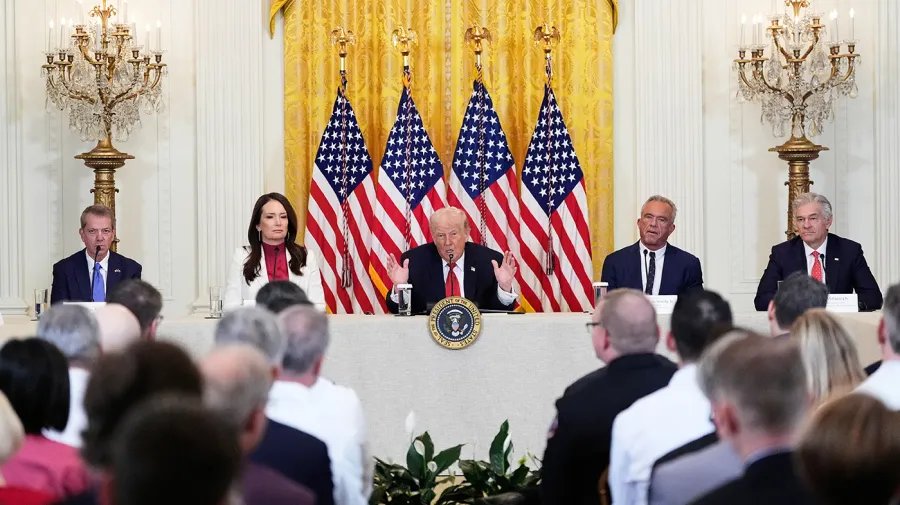
Sacks and other White House staff discussed the executive order with Trump on Monday, the day before signing. According to Axios, tech industry sources said negotiations were ongoing as of Tuesday morning.
Federal agencies and cybersecurity duties
The order directs federal agencies including the Pentagon, Treasury Department and the Cybersecurity and Infrastructure Security Agency to strengthen defenses against AI-enabled cyber attacks. Within 60 days, the Treasury Department, National Security Agency, Cybersecurity and Infrastructure Security Agency, National Institute of Standards and Technology and White House officials must develop a classified benchmarking process to assess advanced cyber capabilities of AI models and determine which systems qualify as "covered frontier models."
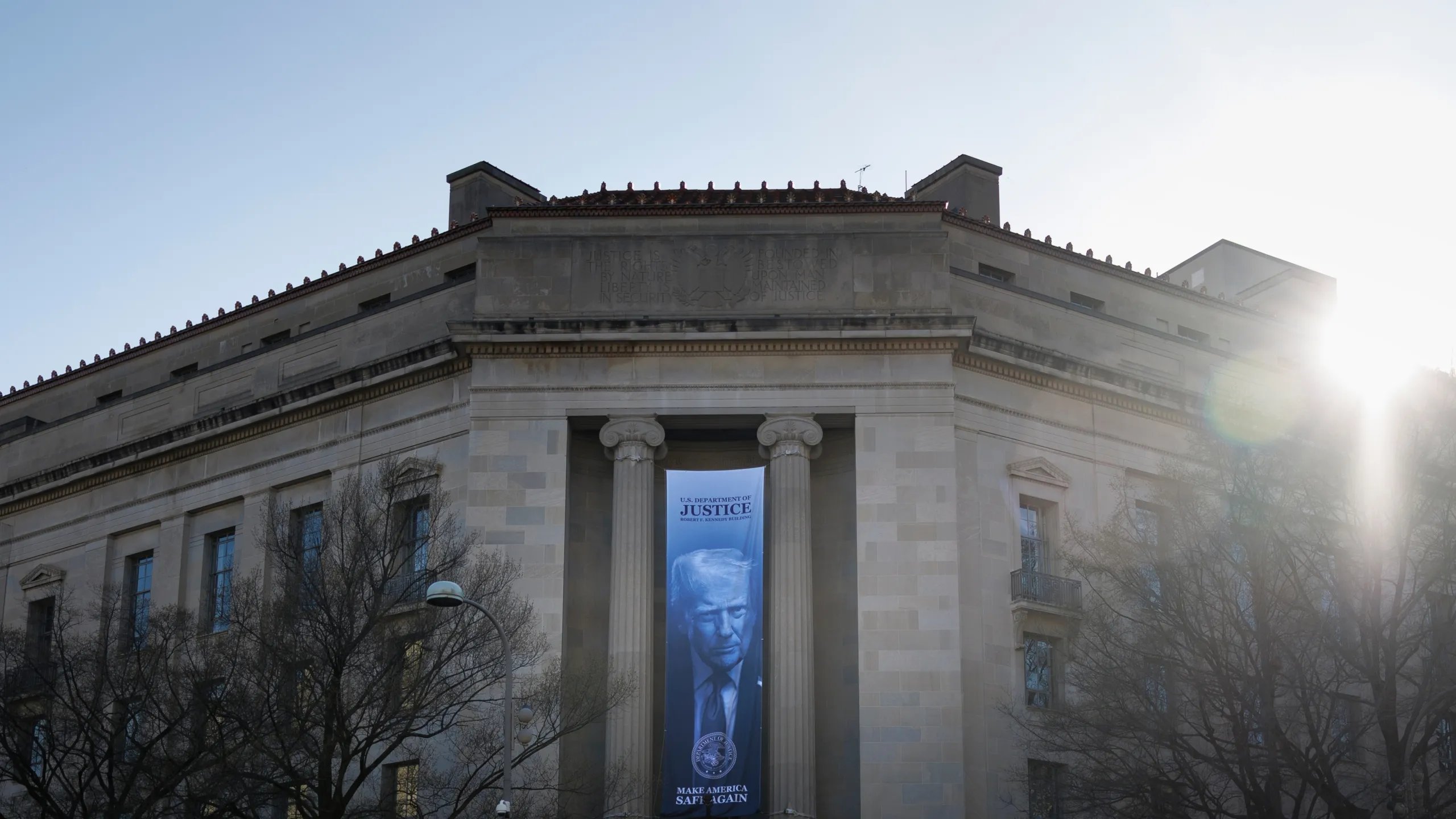
The order also establishes an AI cybersecurity clearinghouse to review and share information on software vulnerabilities and patches. The Attorney General must prioritize prosecution of crimes involving AI, with particular focus on cyber crimes and individuals using autonomous AI systems to unlawfully access data subsequently used for criminal or unlawful purposes.
Voluntary participation from major companies
The testing framework relies on voluntary cooperation from leading AI developers including OpenAI, Anthropic and Google. The government will work with these trusted partners to promote what the order calls "secure innovation and strengthen the cybersecurity of critical infrastructure."
The order quotes Trump's position that "advanced AI capabilities make our Nation stronger, but also introduce new national security considerations that require coordinated action across executive departments and agencies." It commits the administration to "work closely with industry to ensure that the best and most secure technology is deployed rapidly to confront any and all threats to our country."