Asia Faces Energy Shortages and Economic Instability
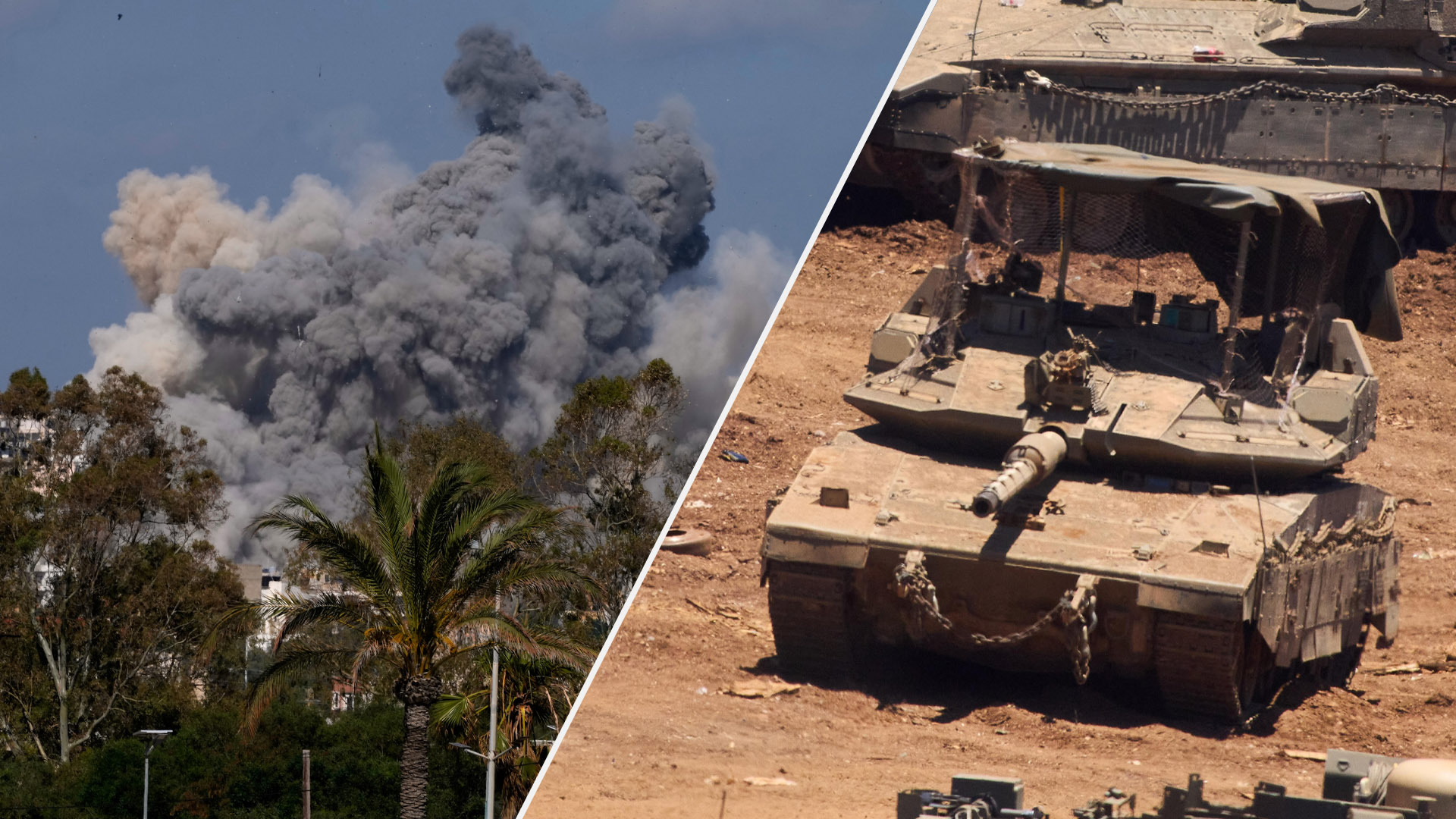
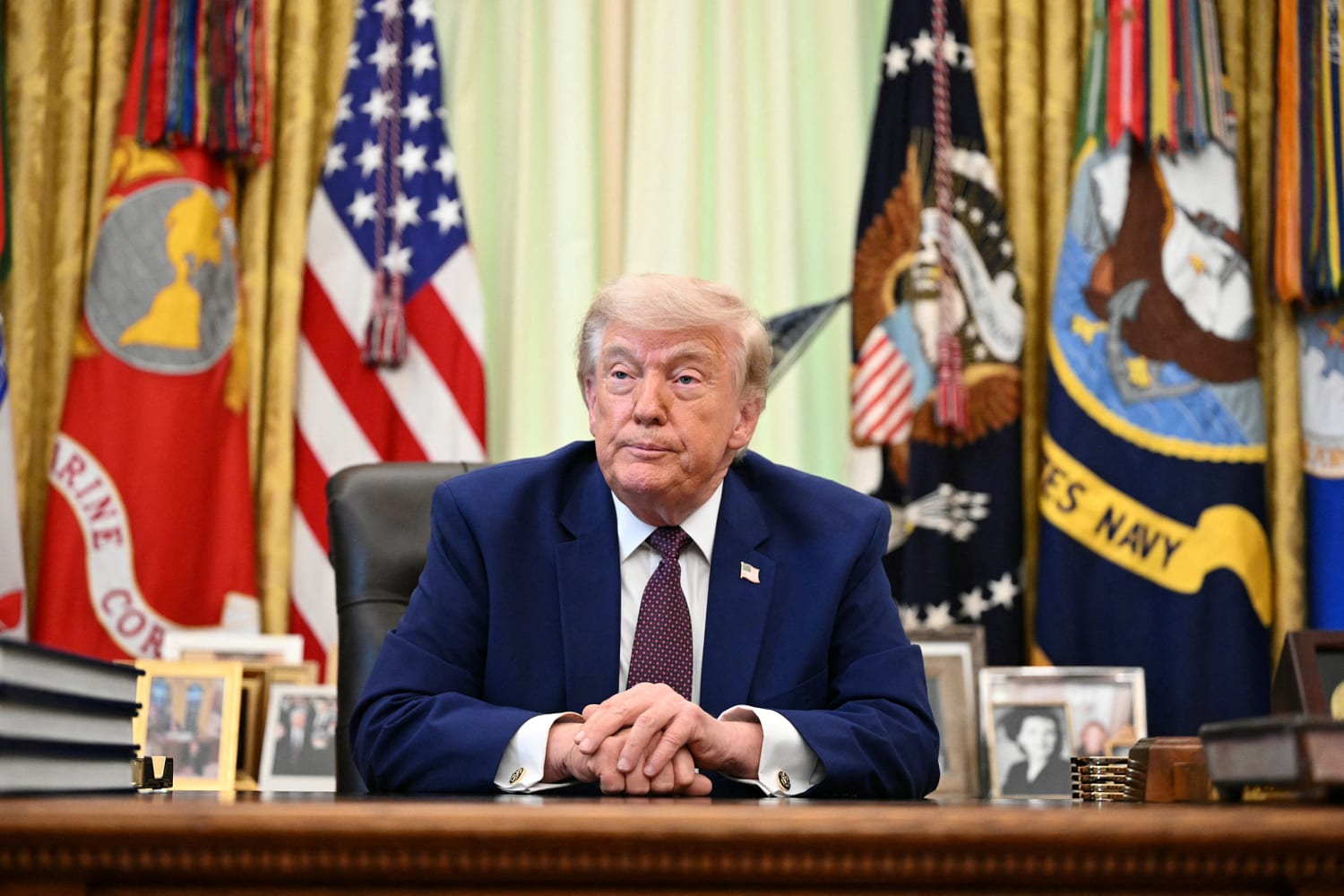
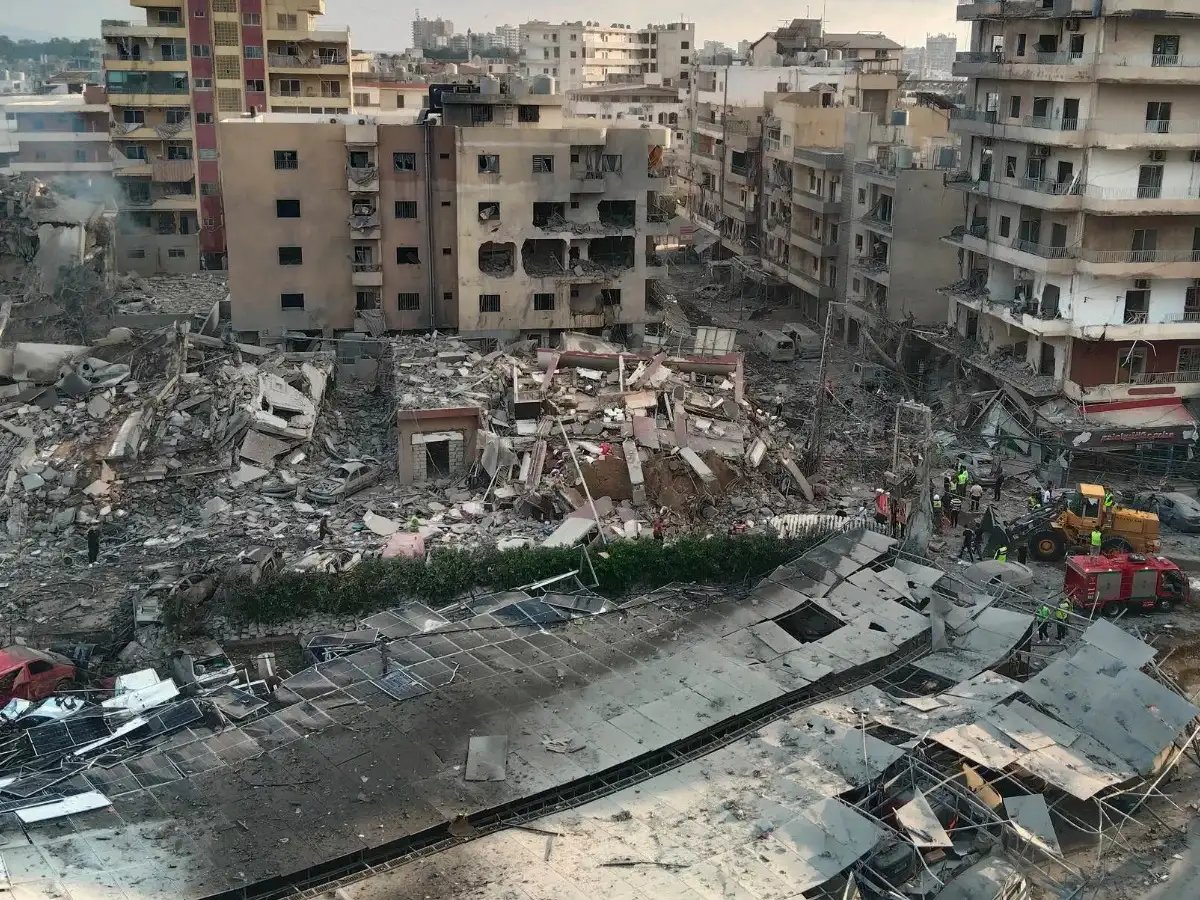
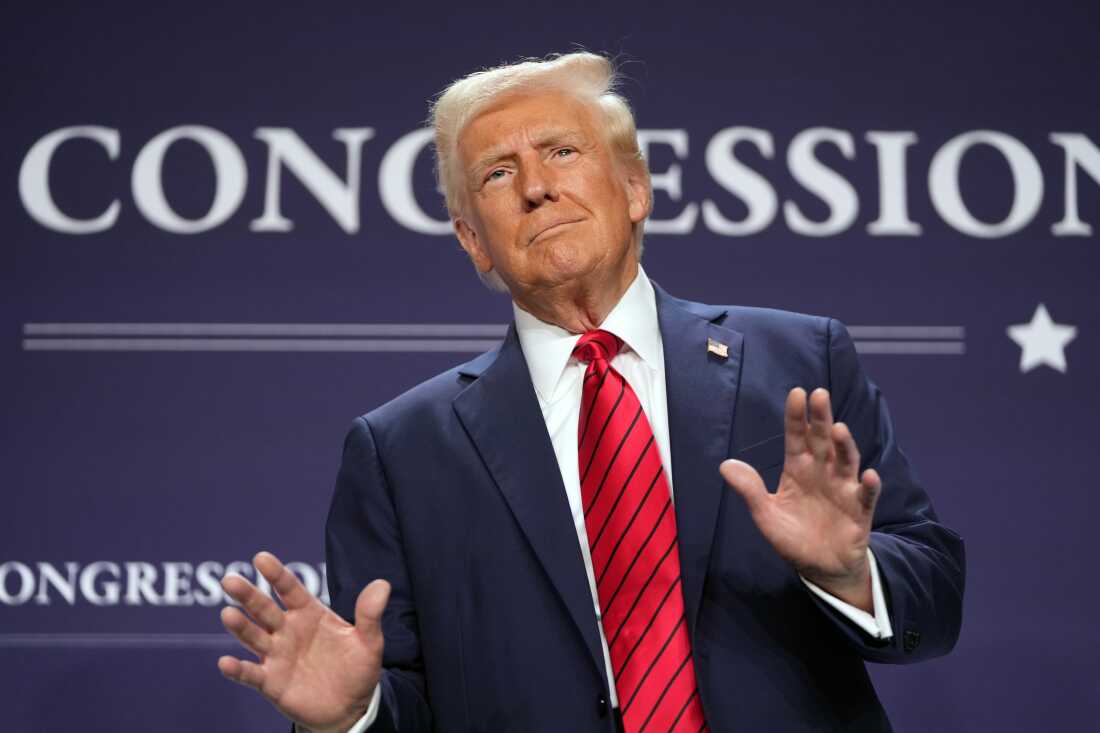
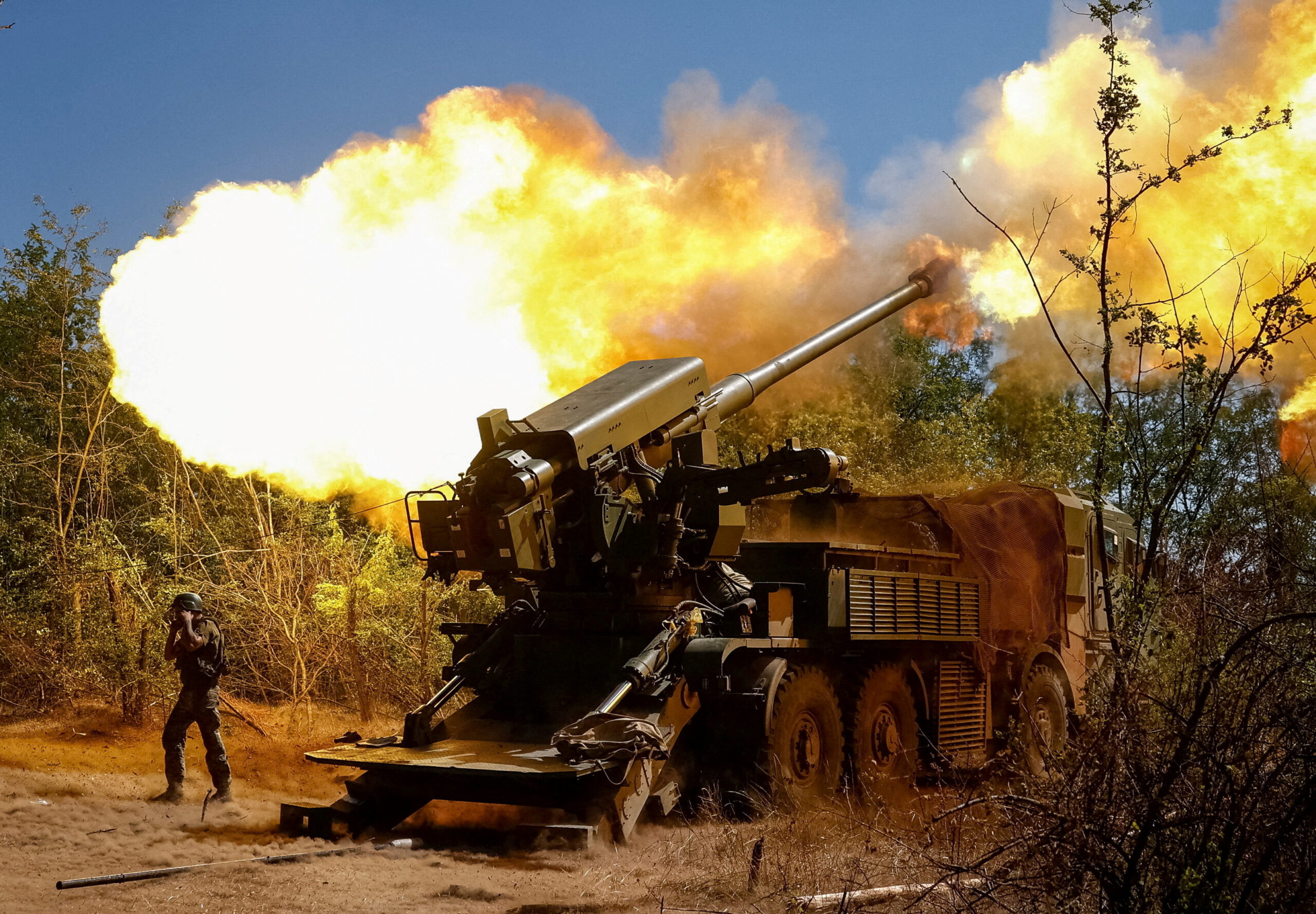
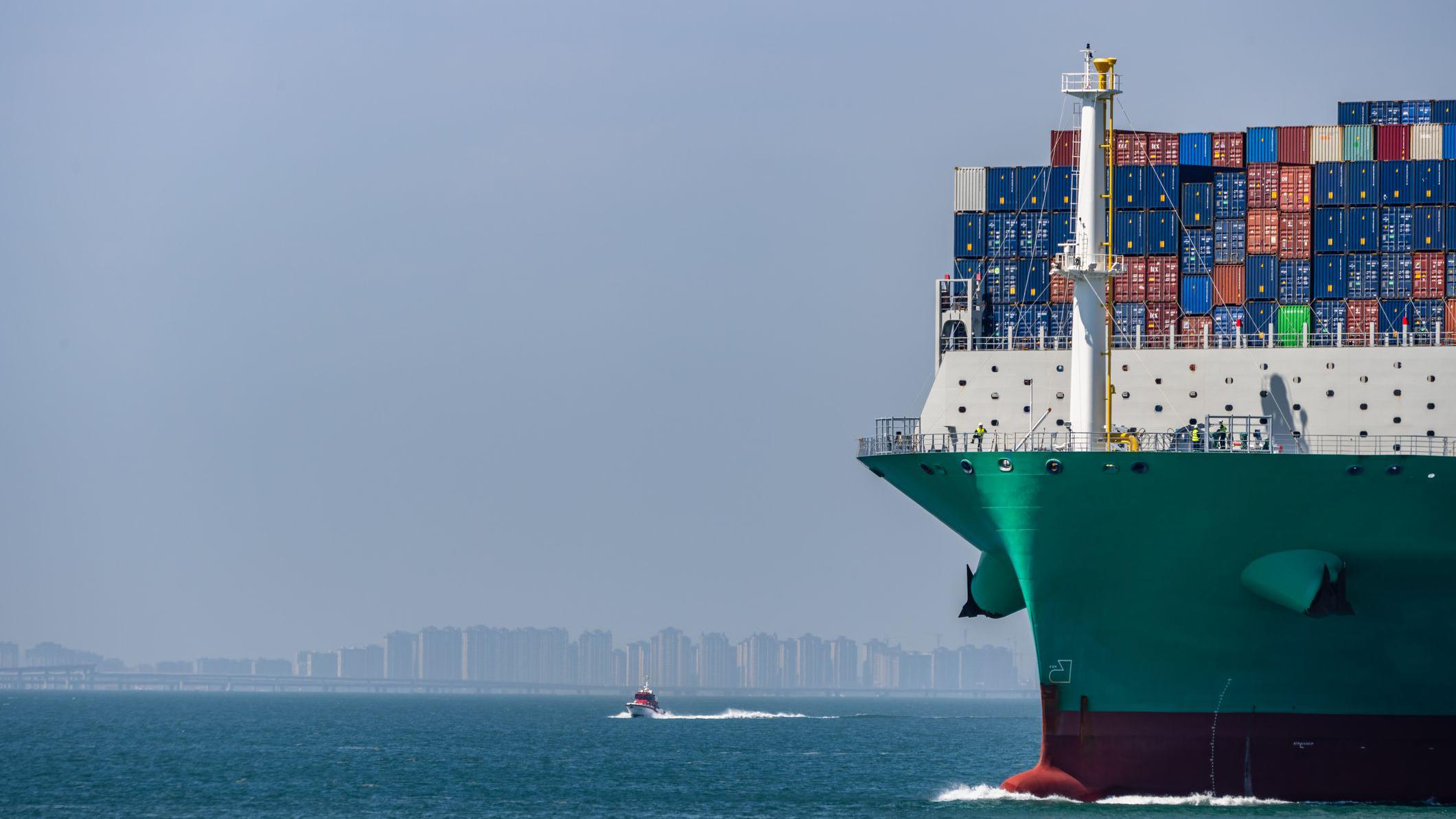
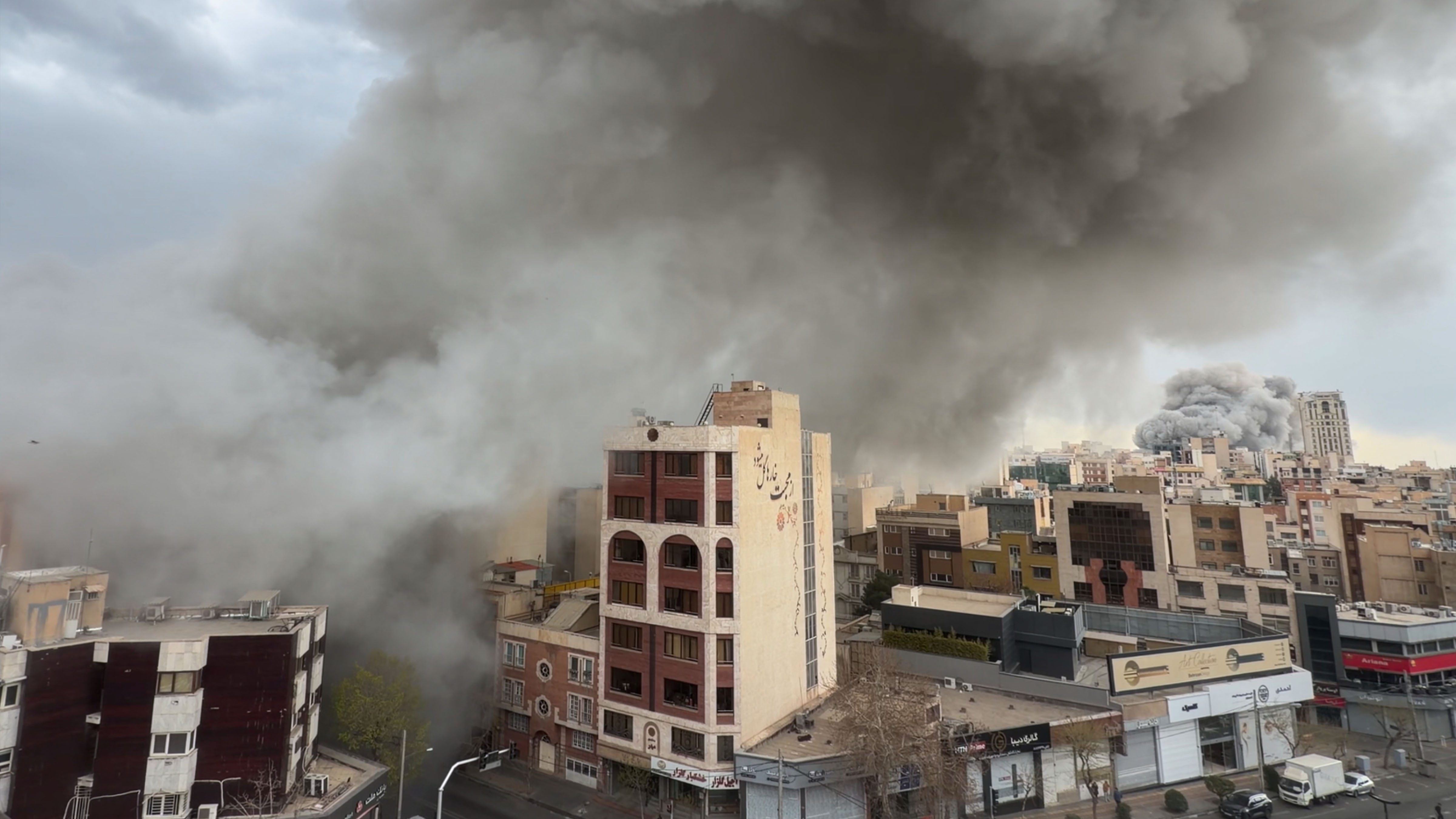
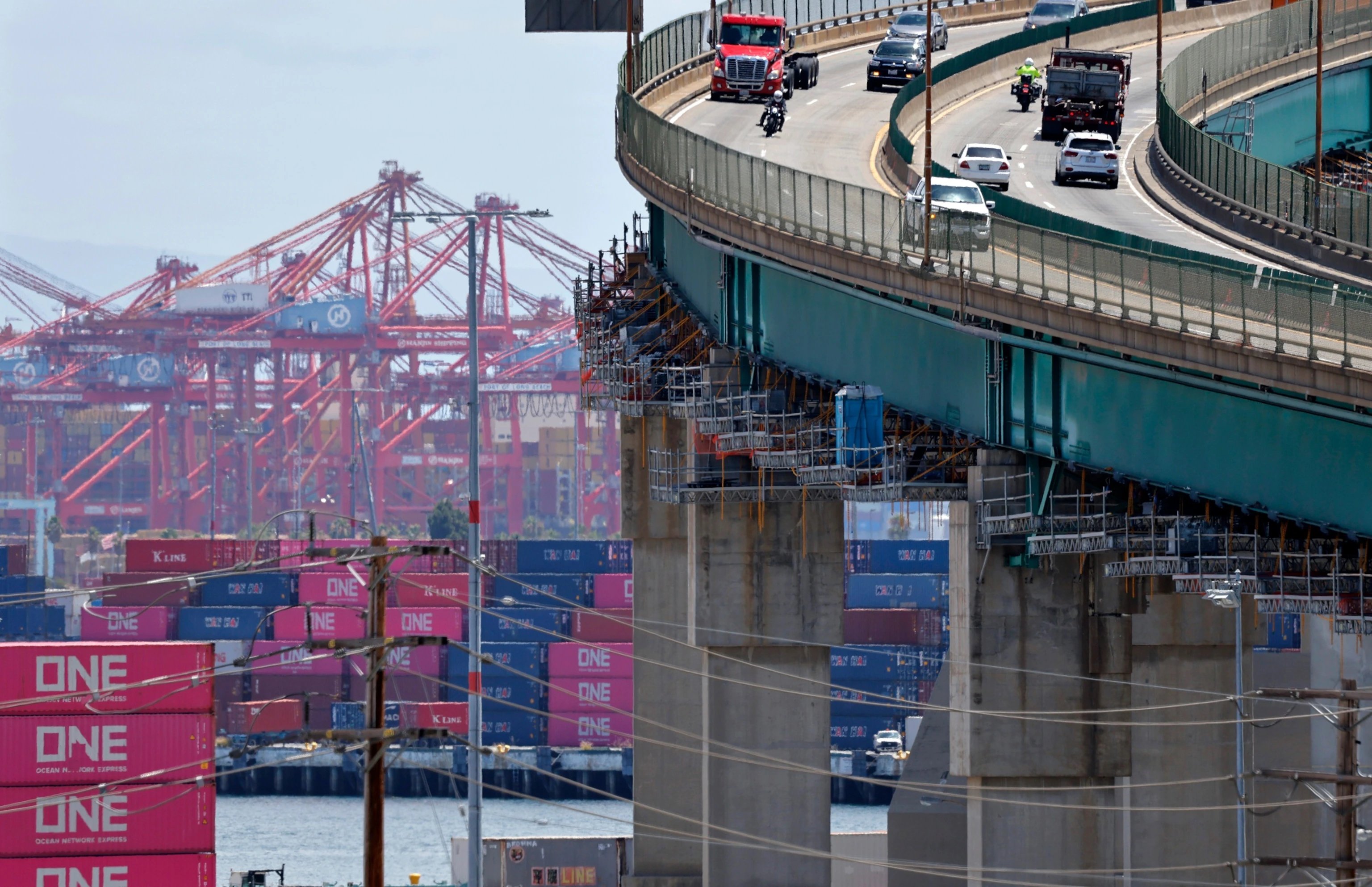
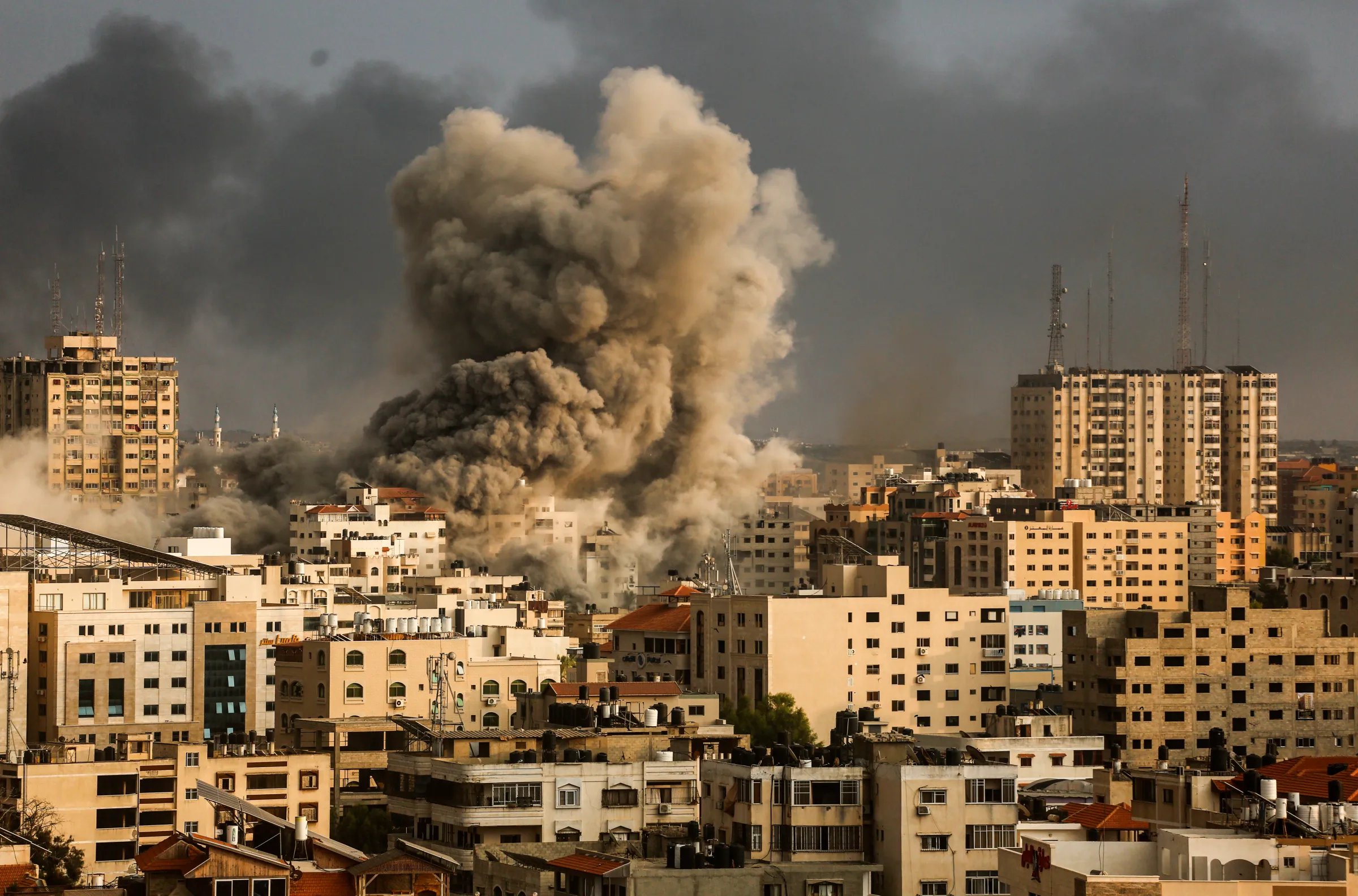
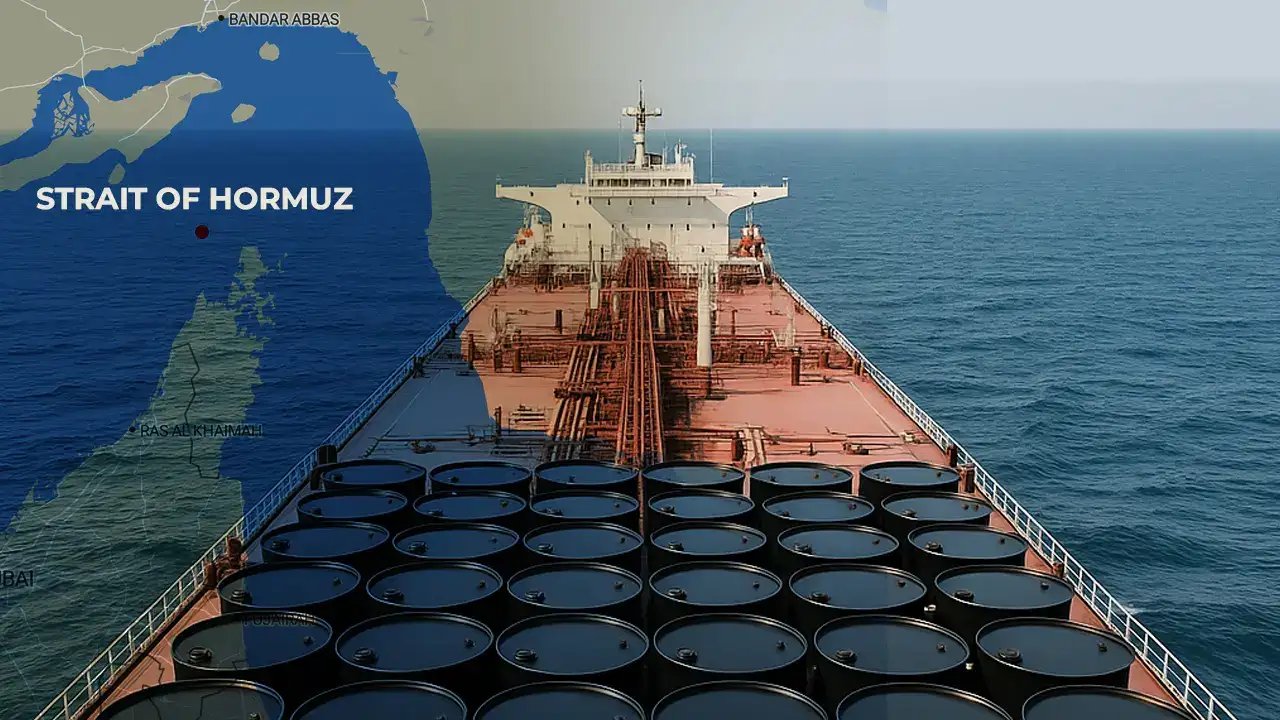
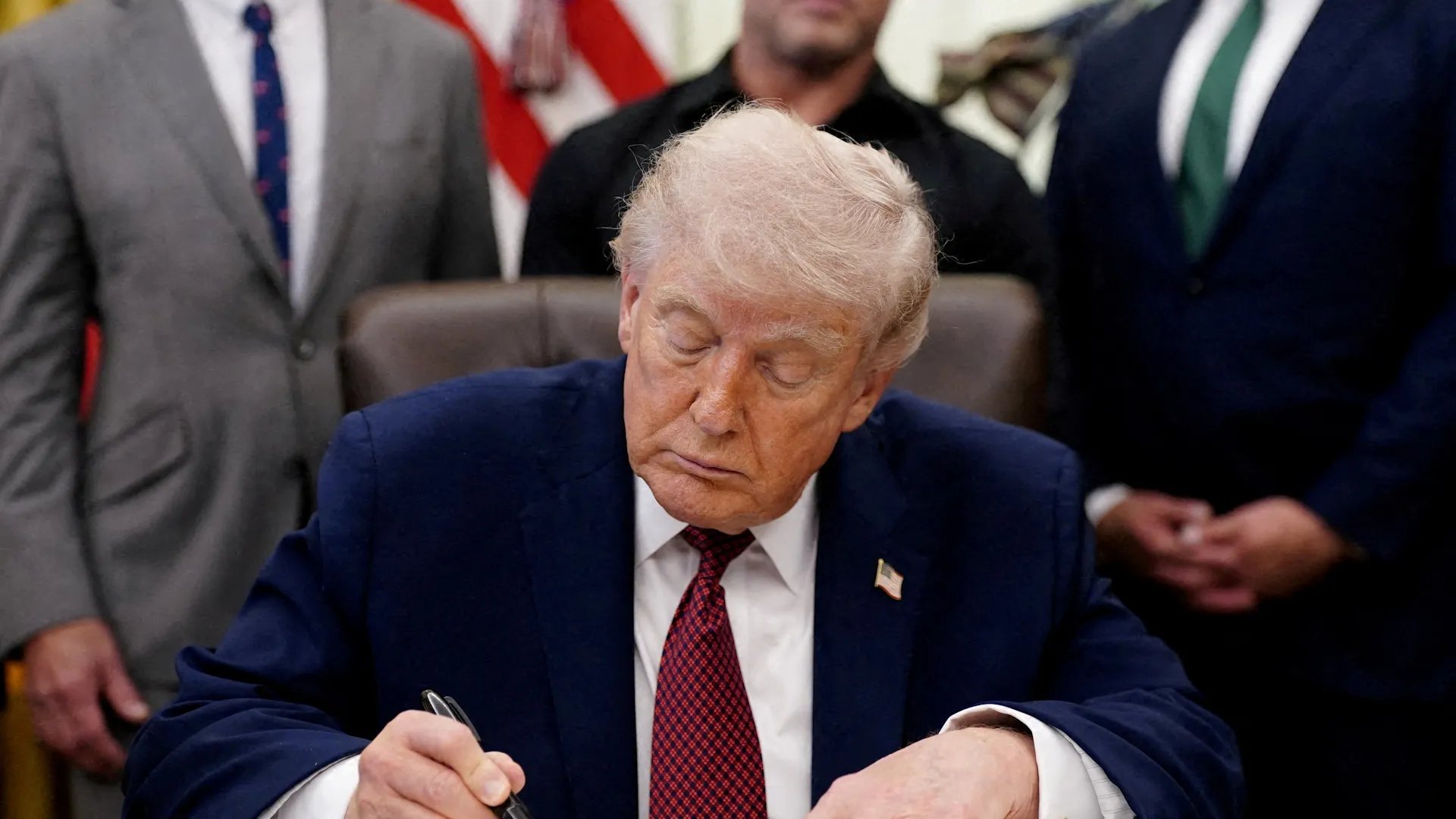
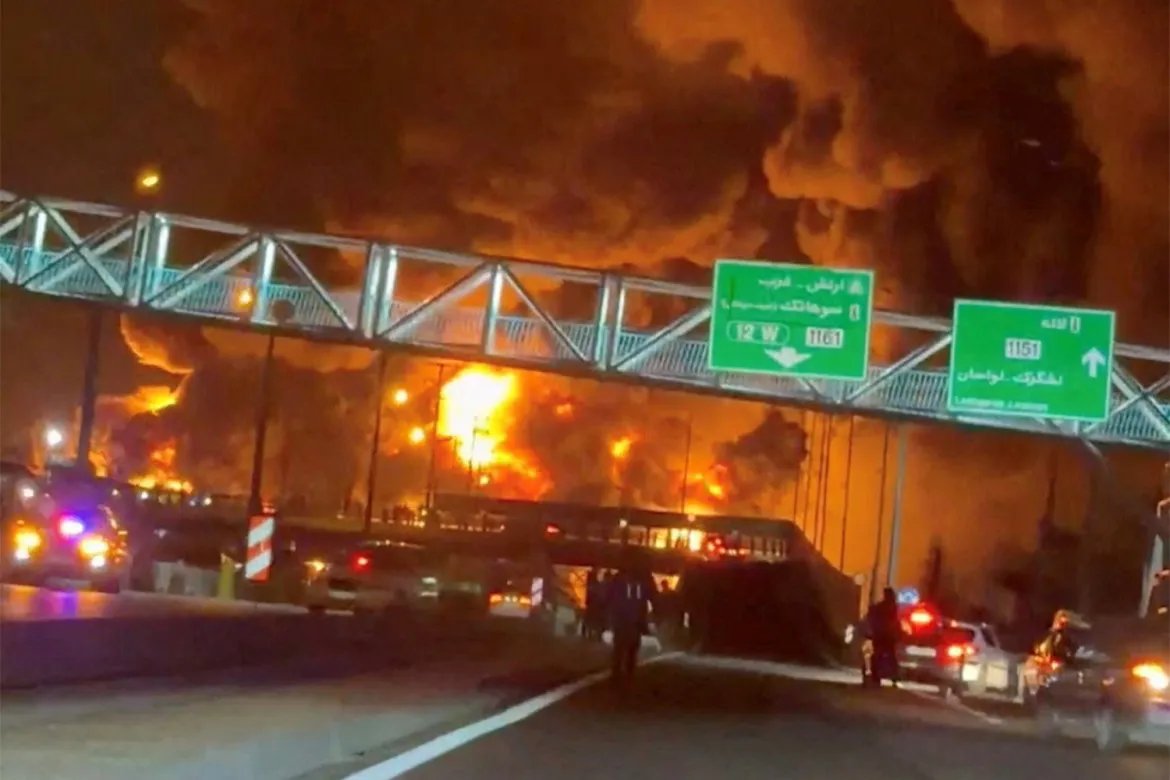
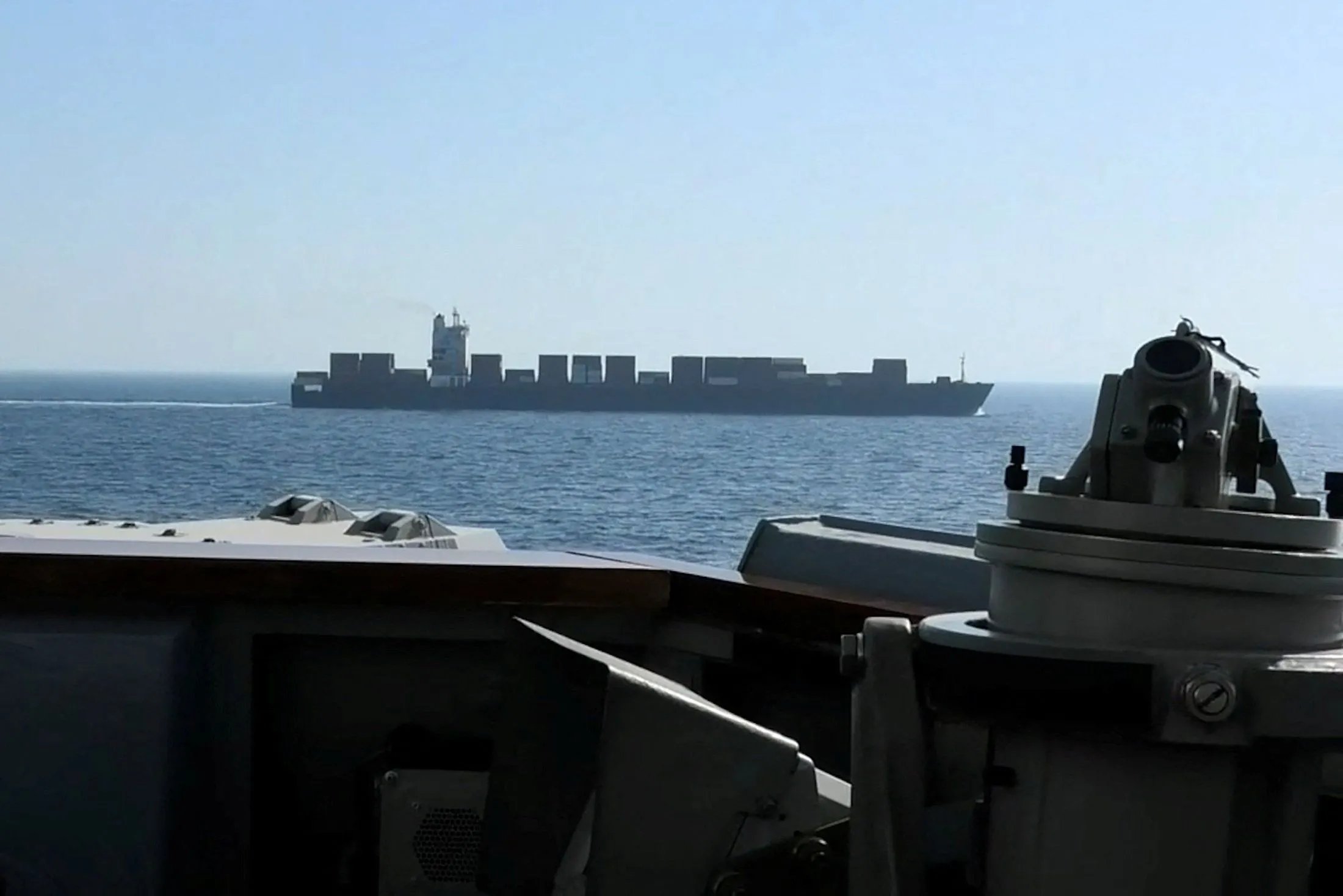
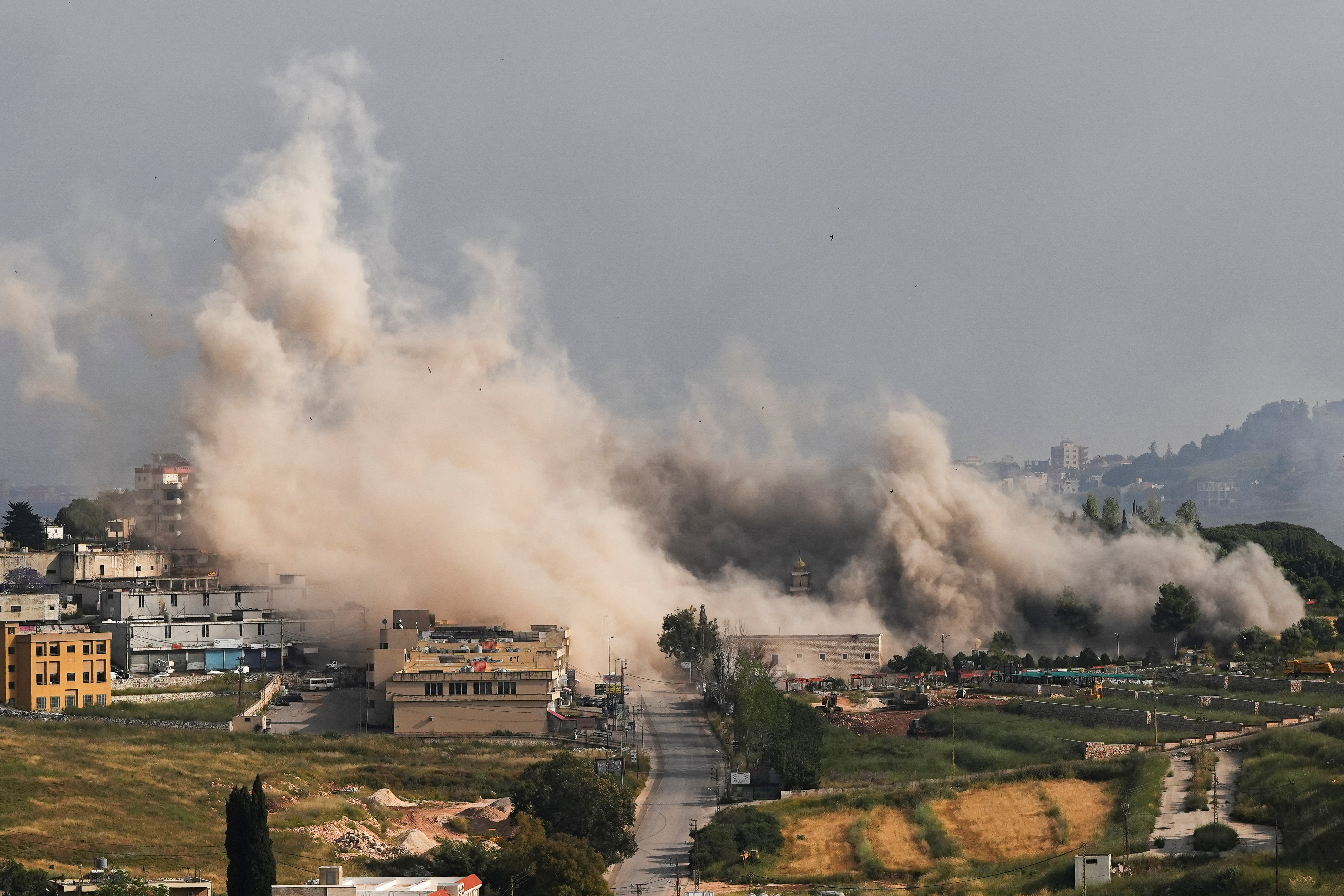
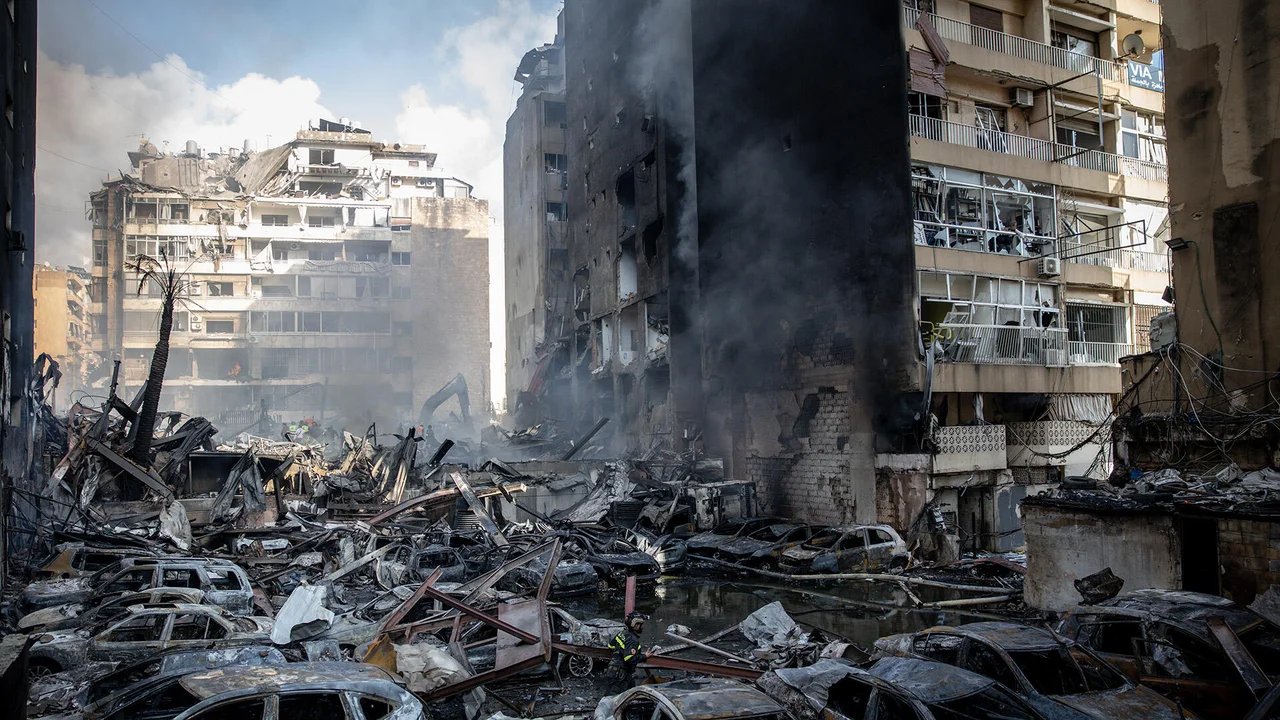
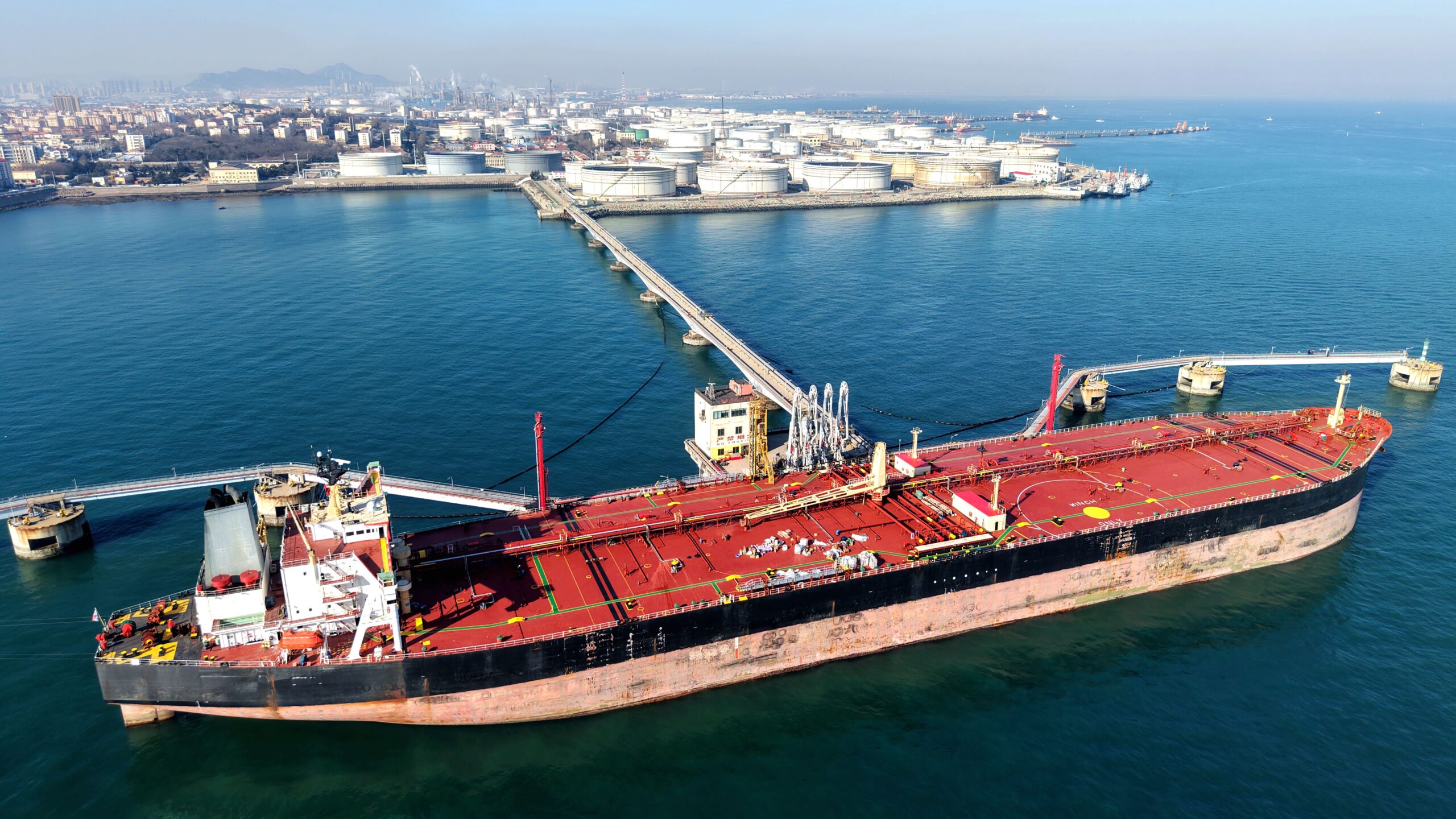
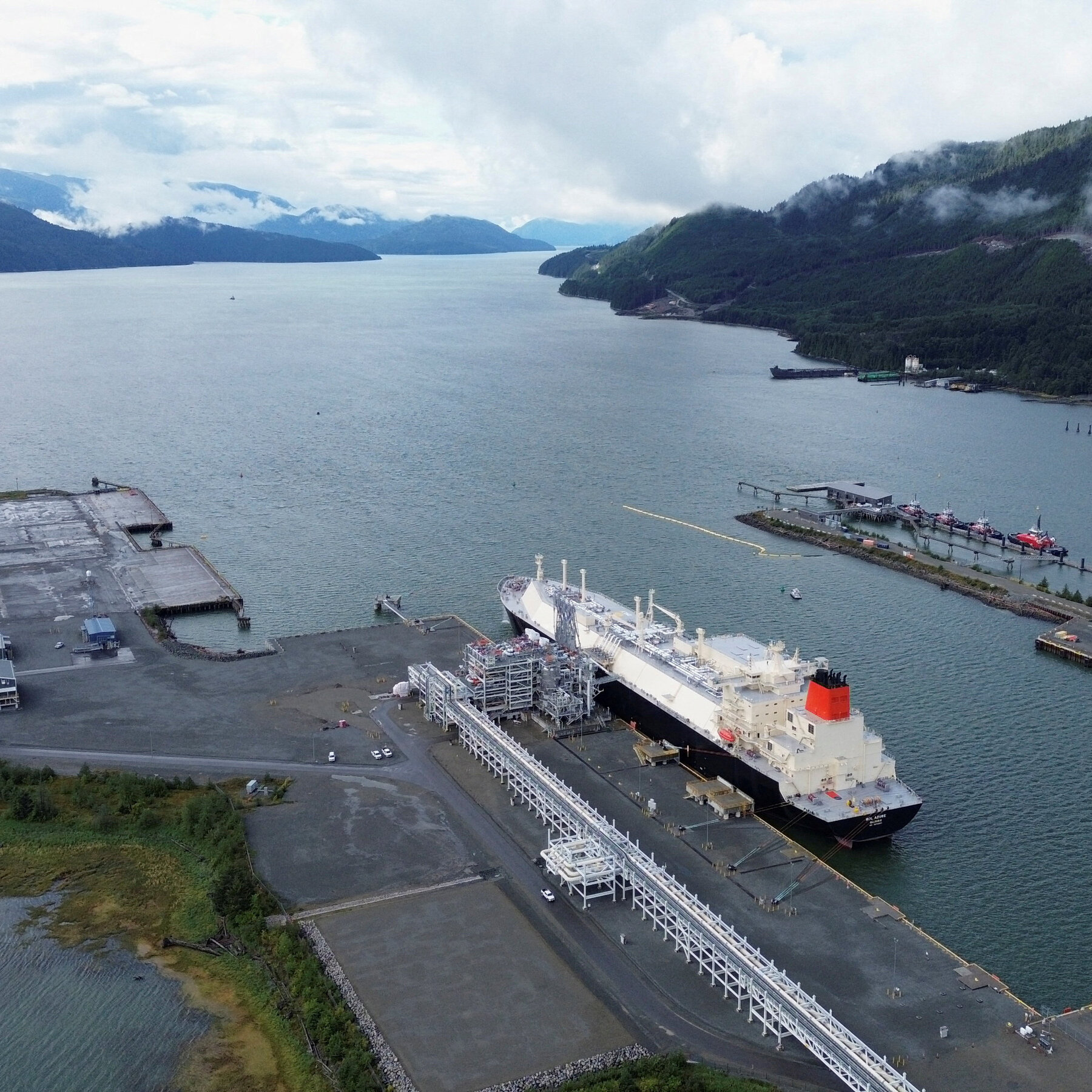
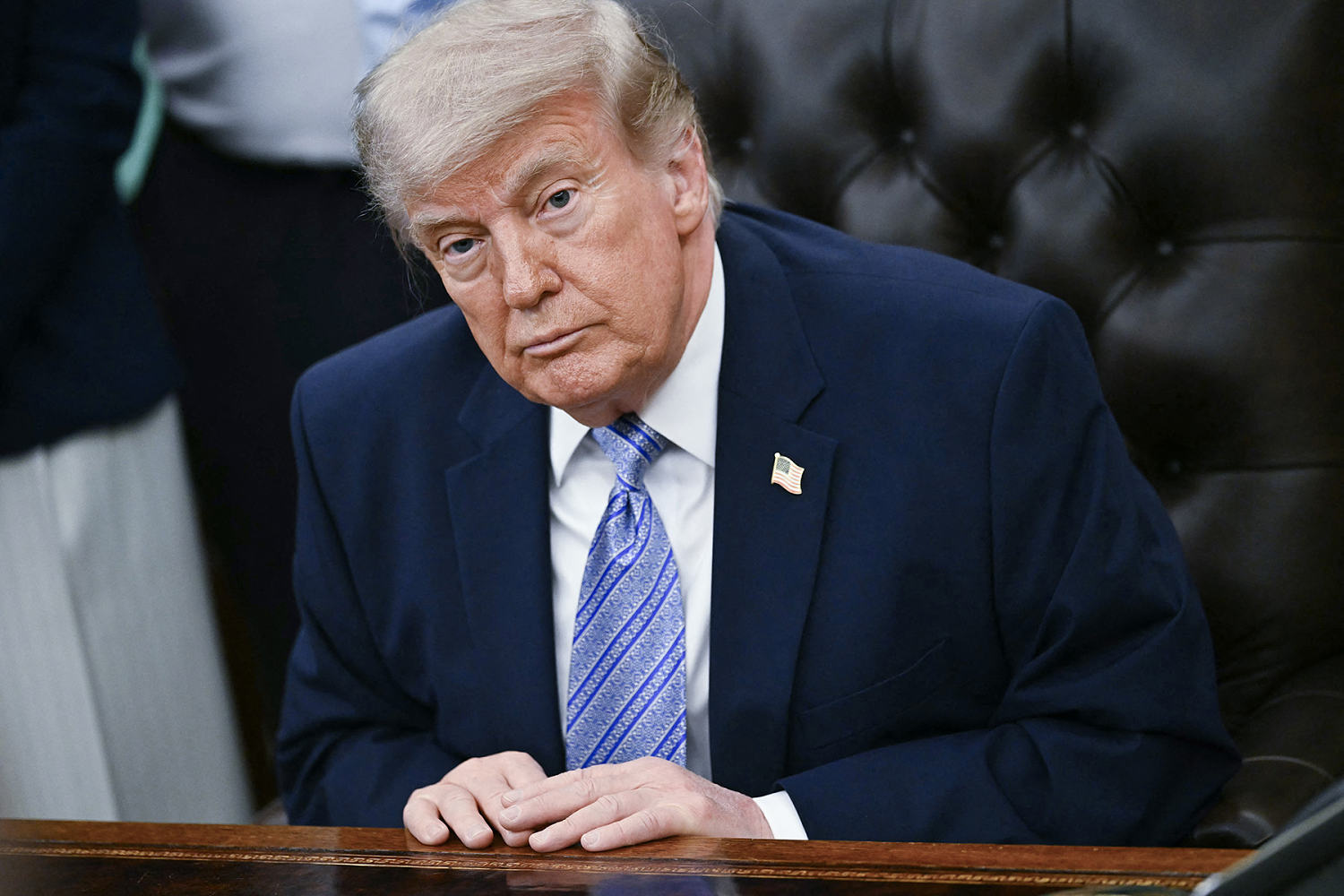
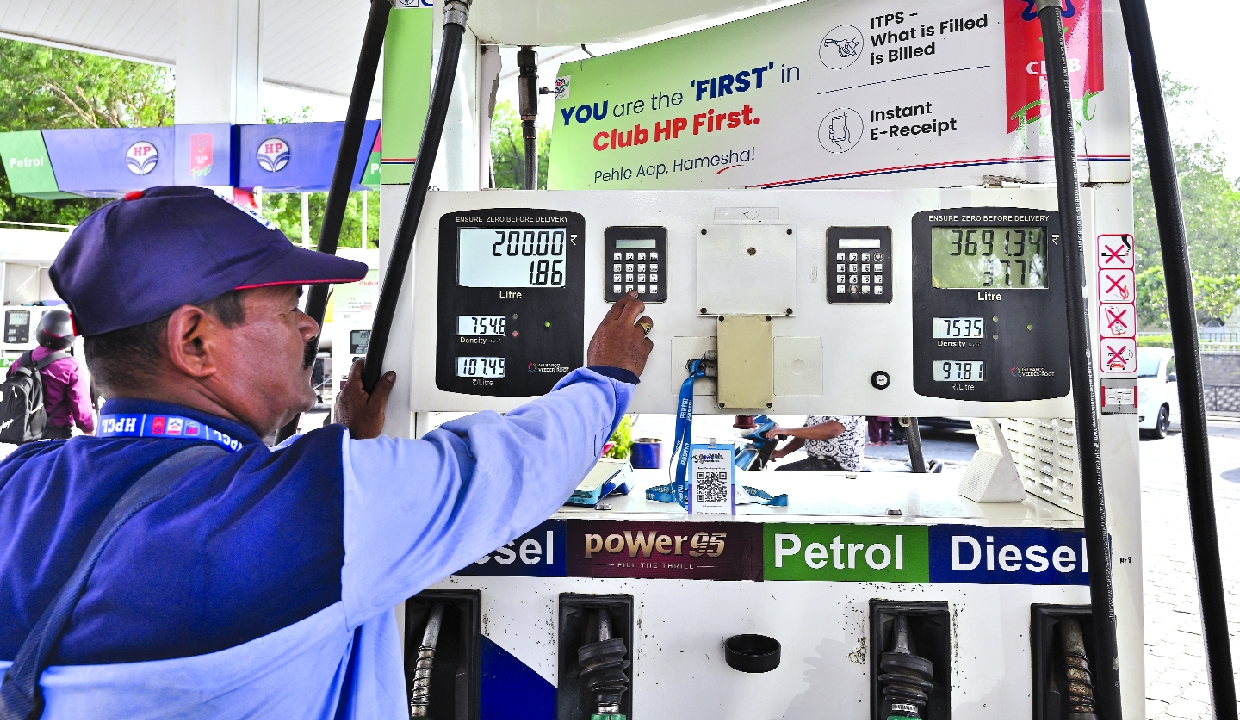
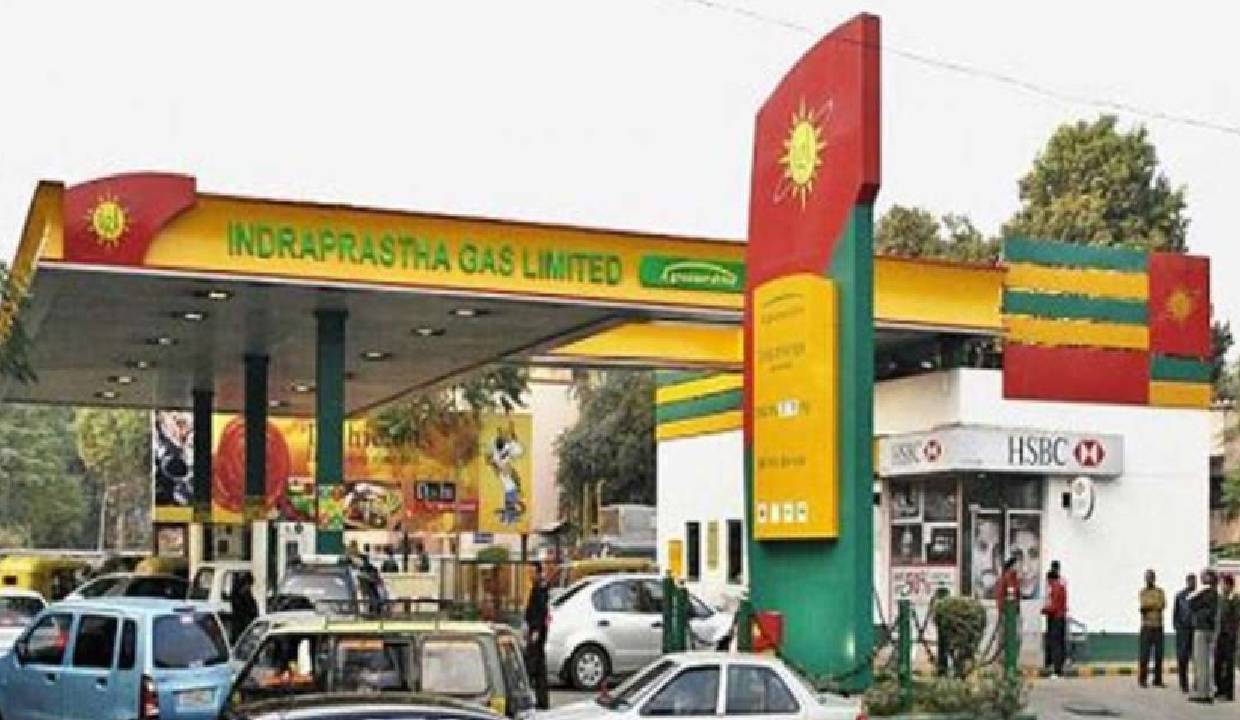
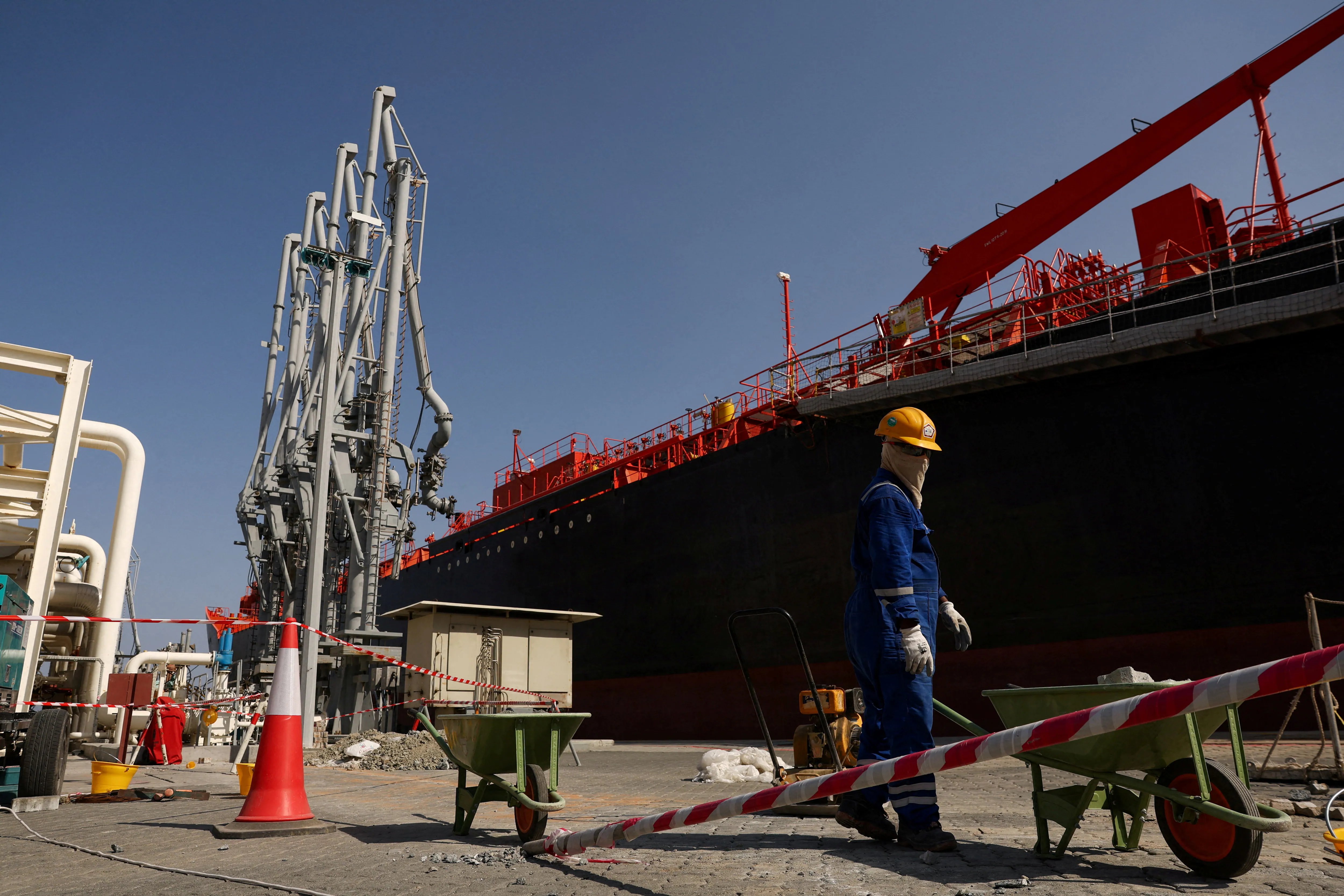
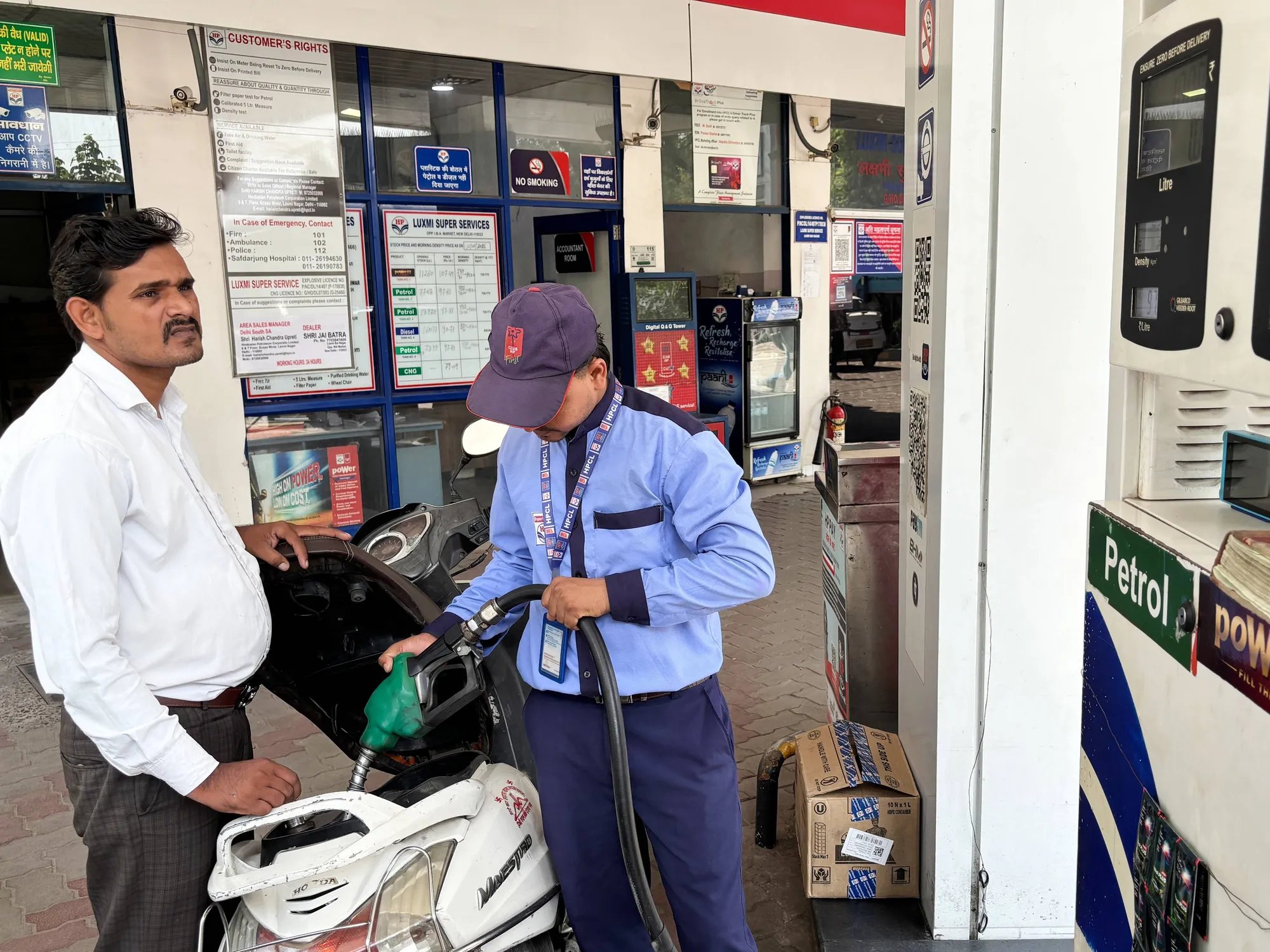
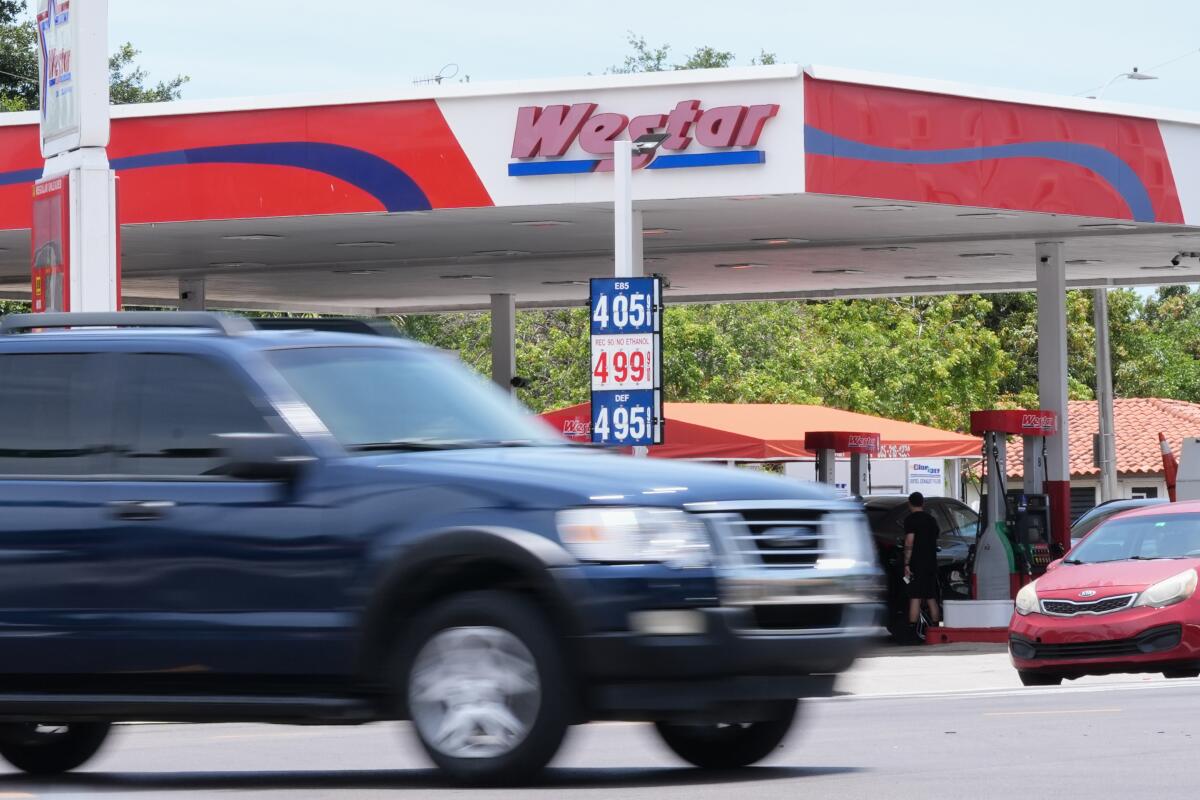
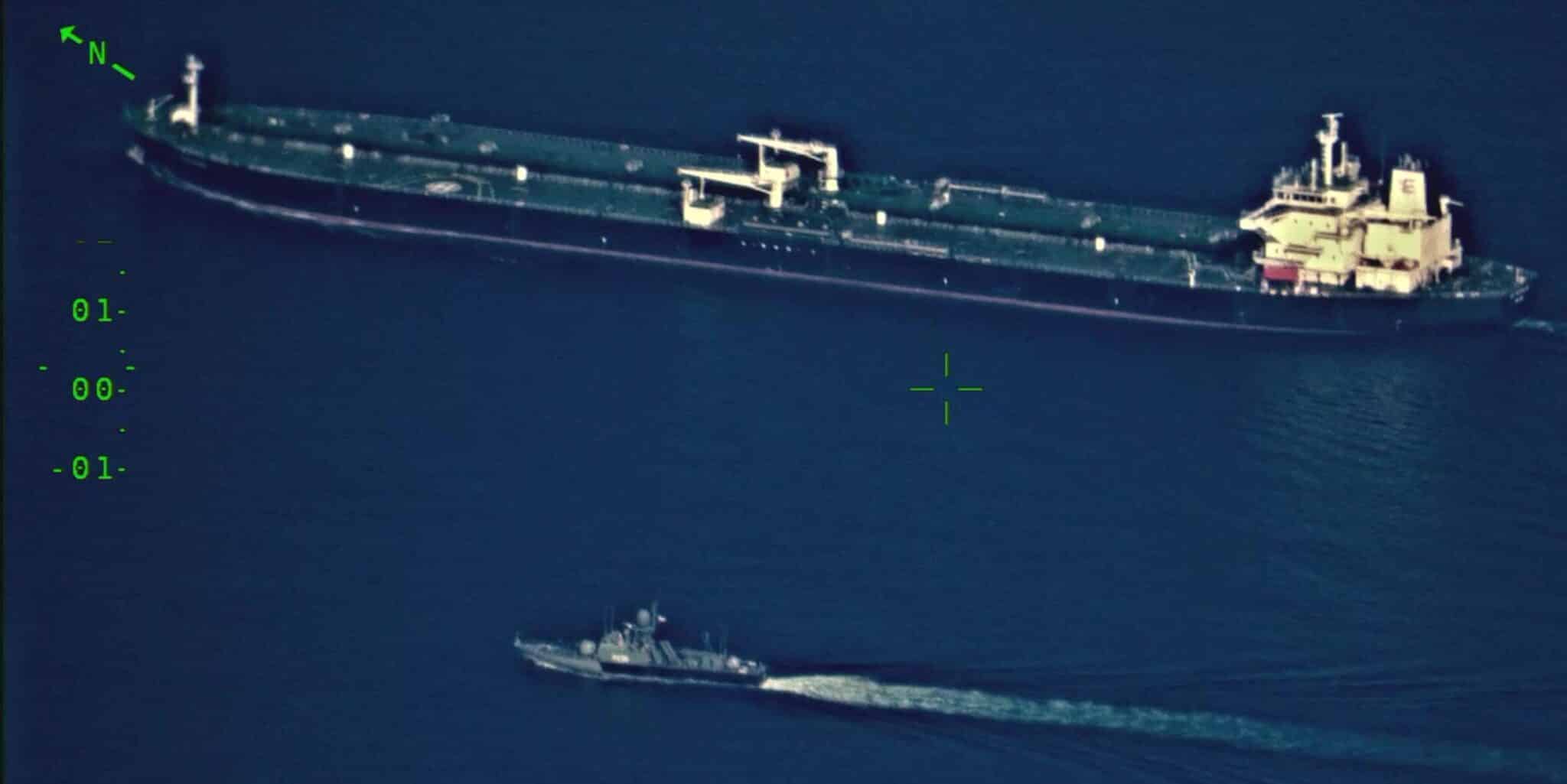
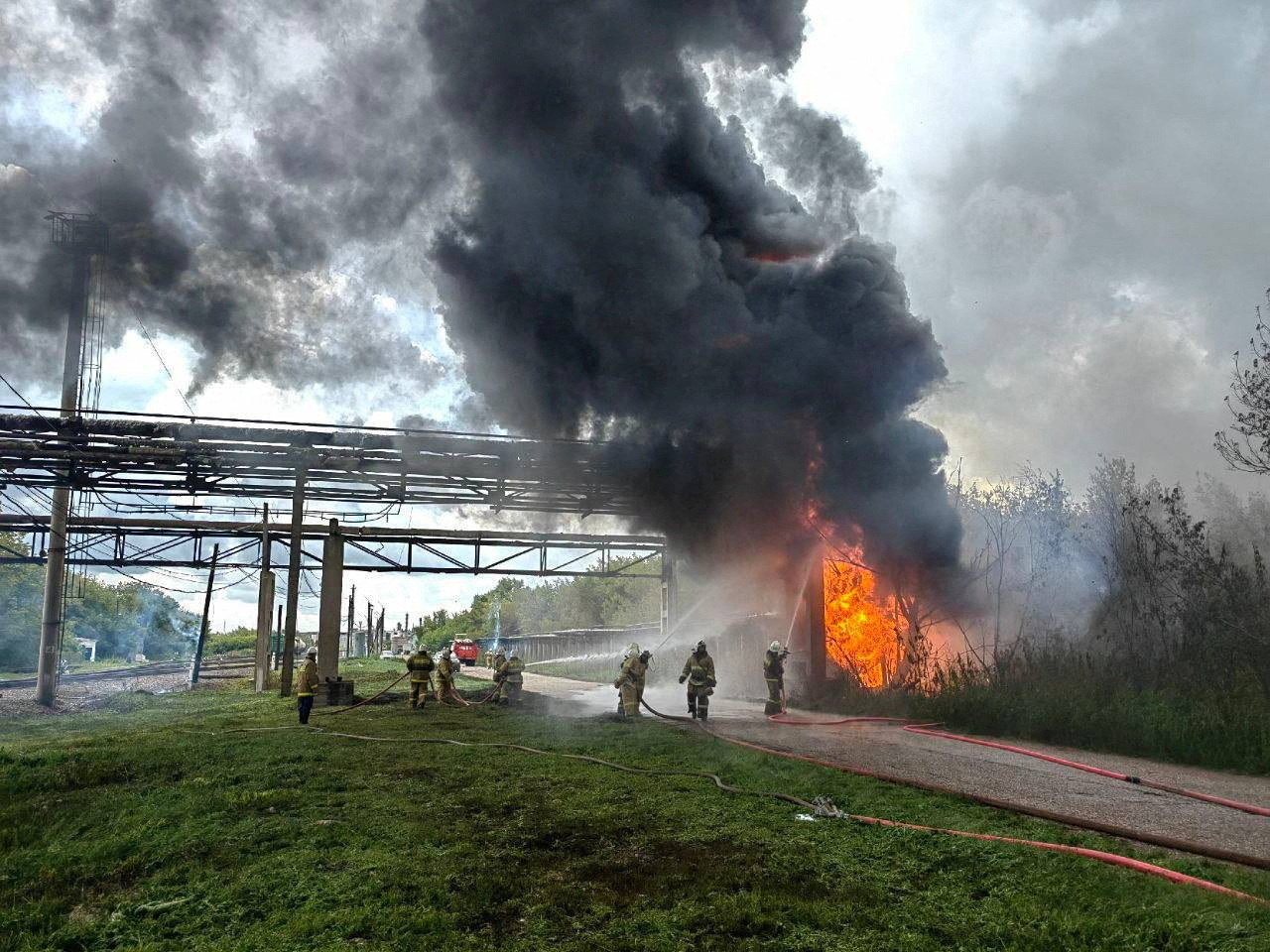
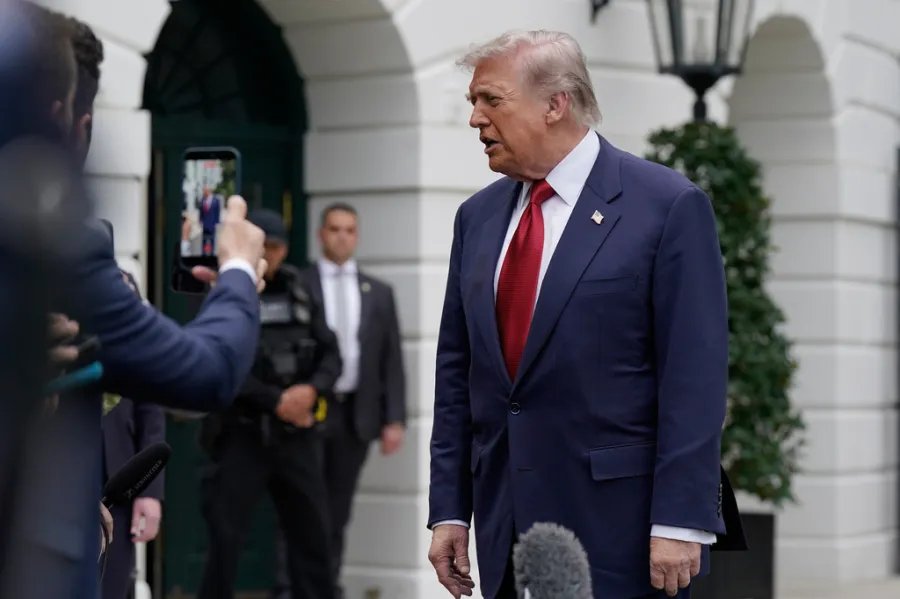
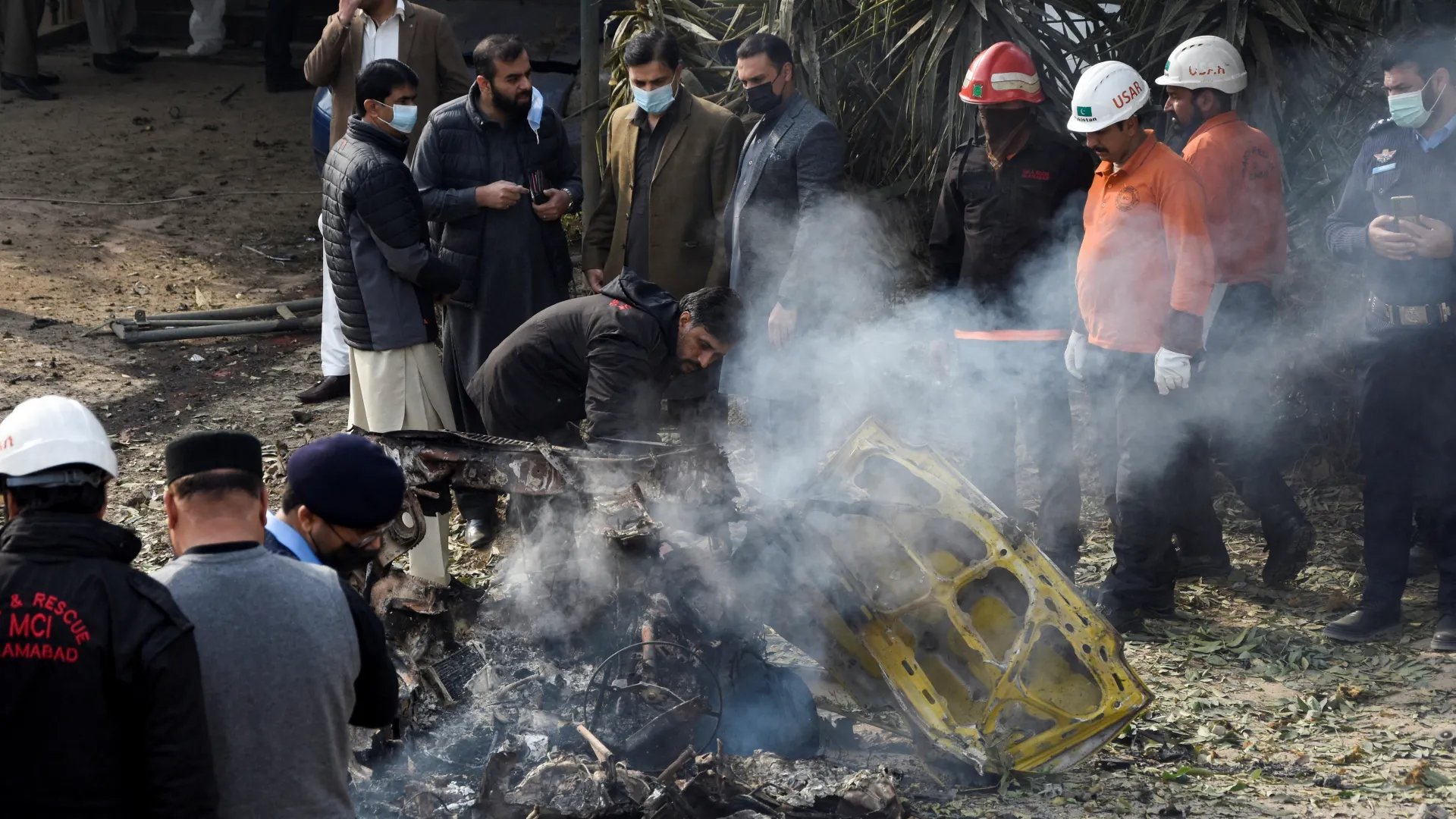
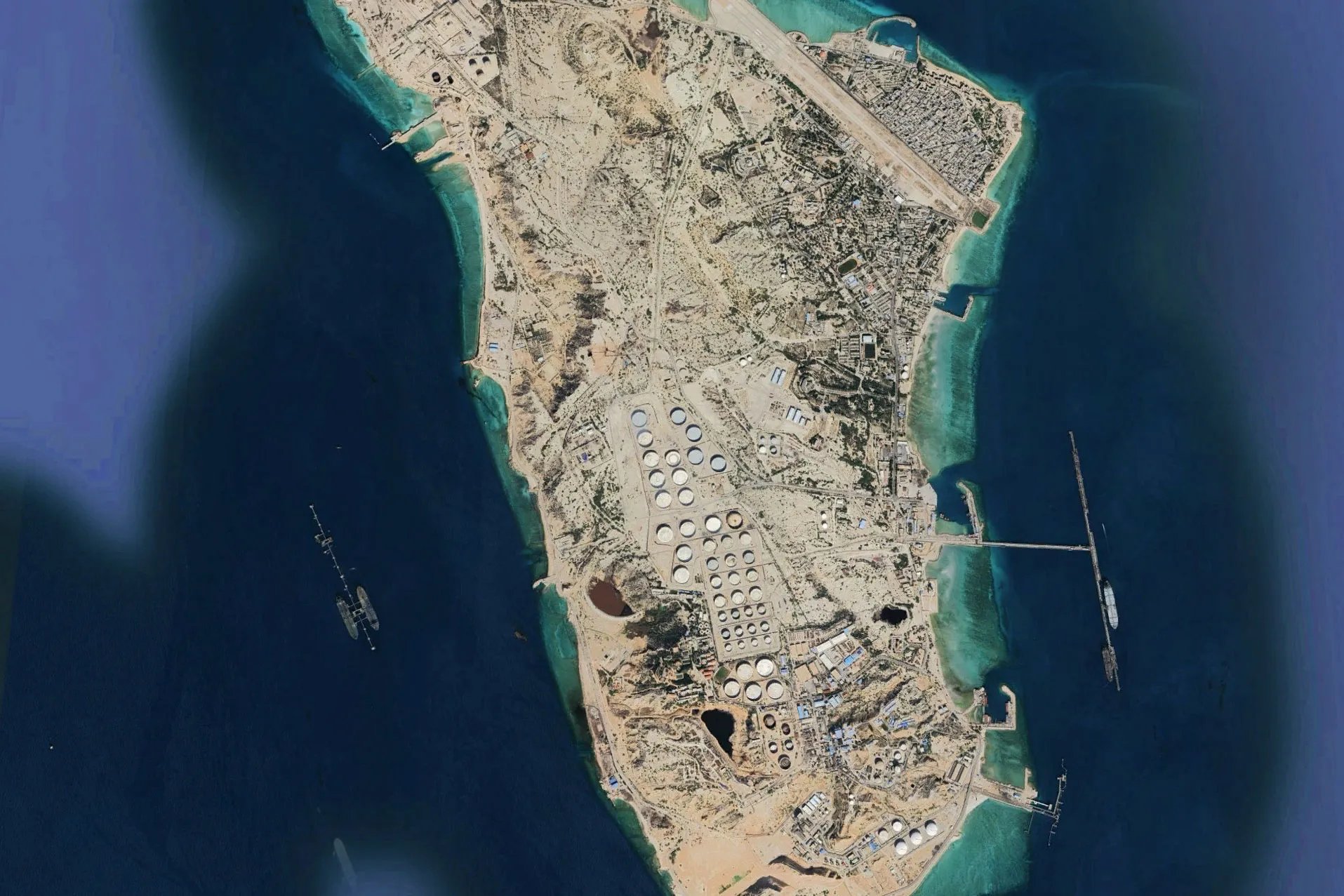
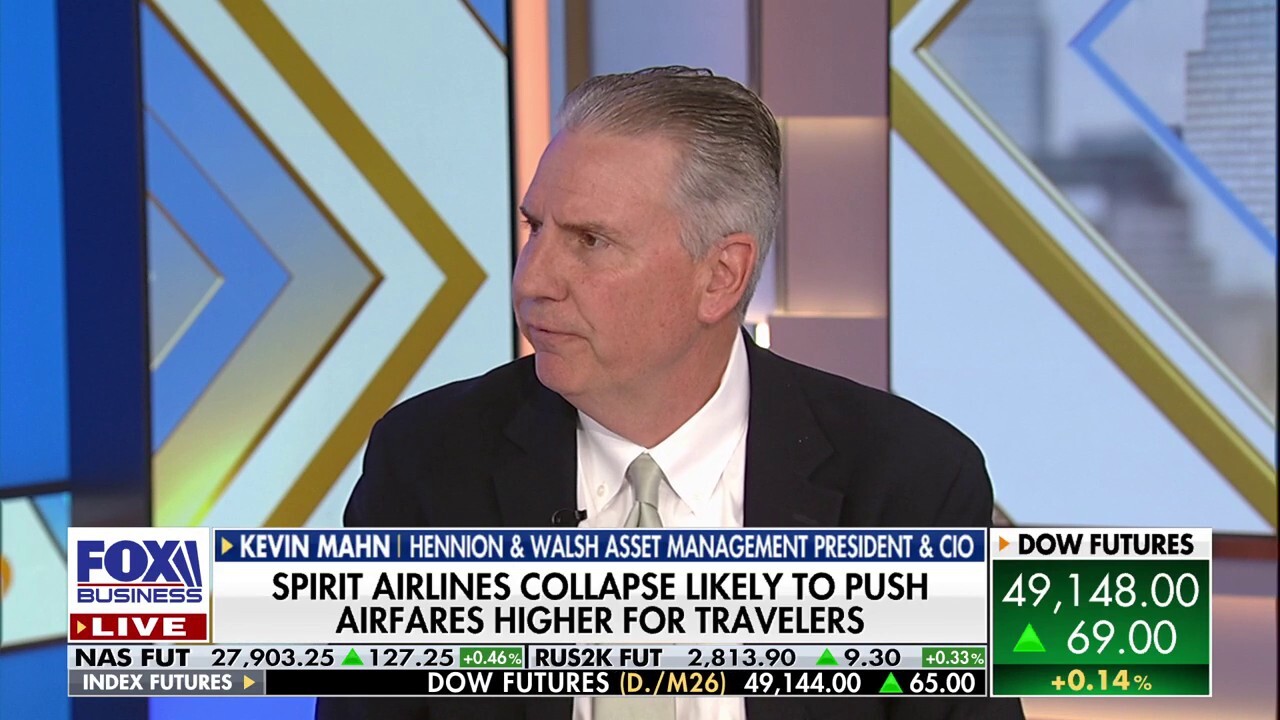
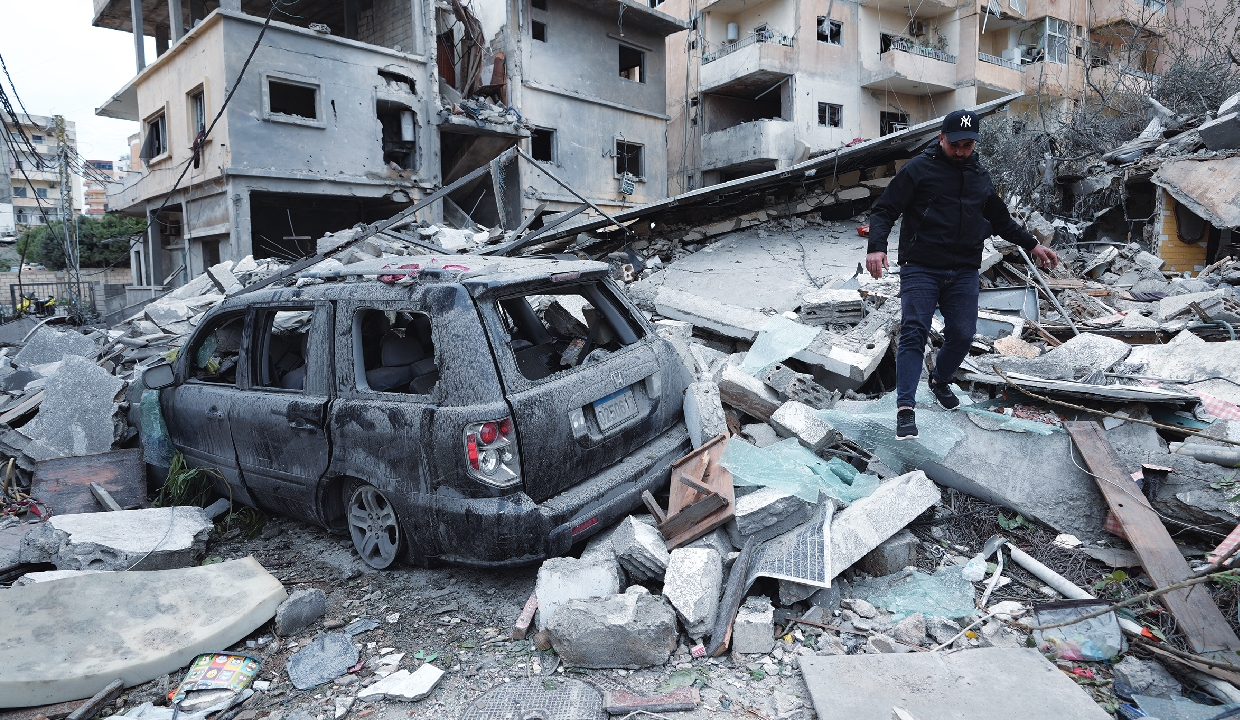
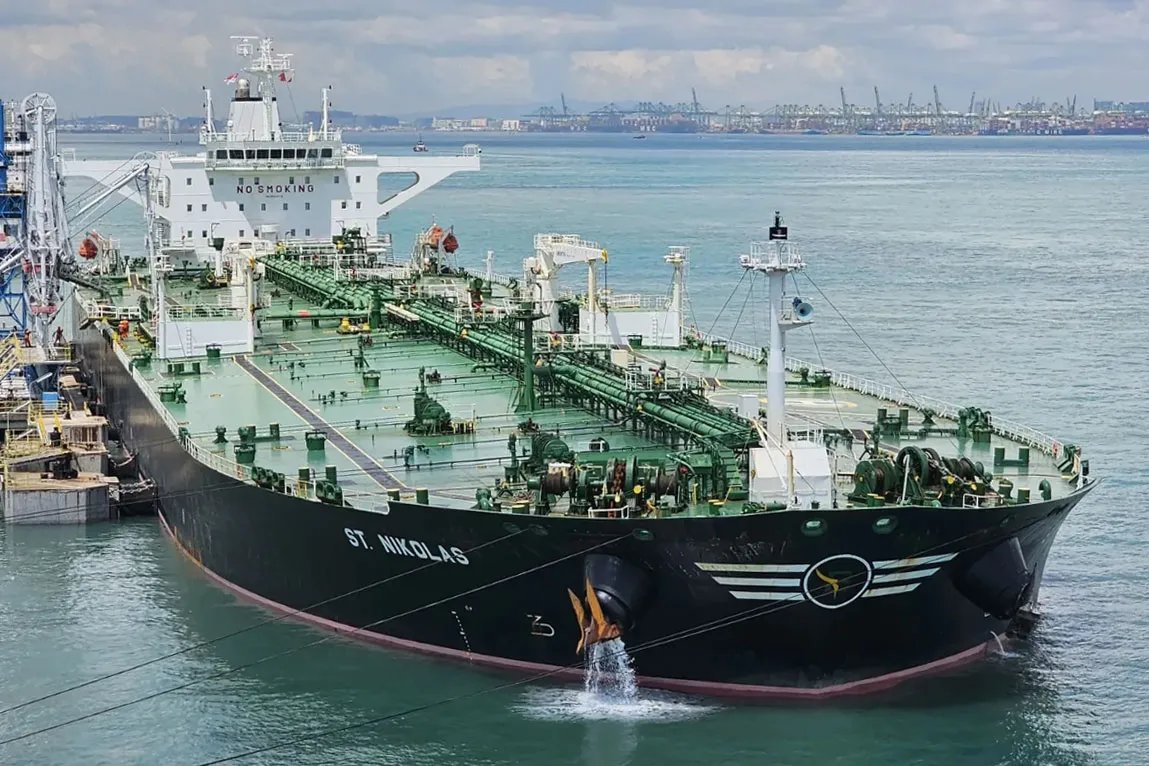
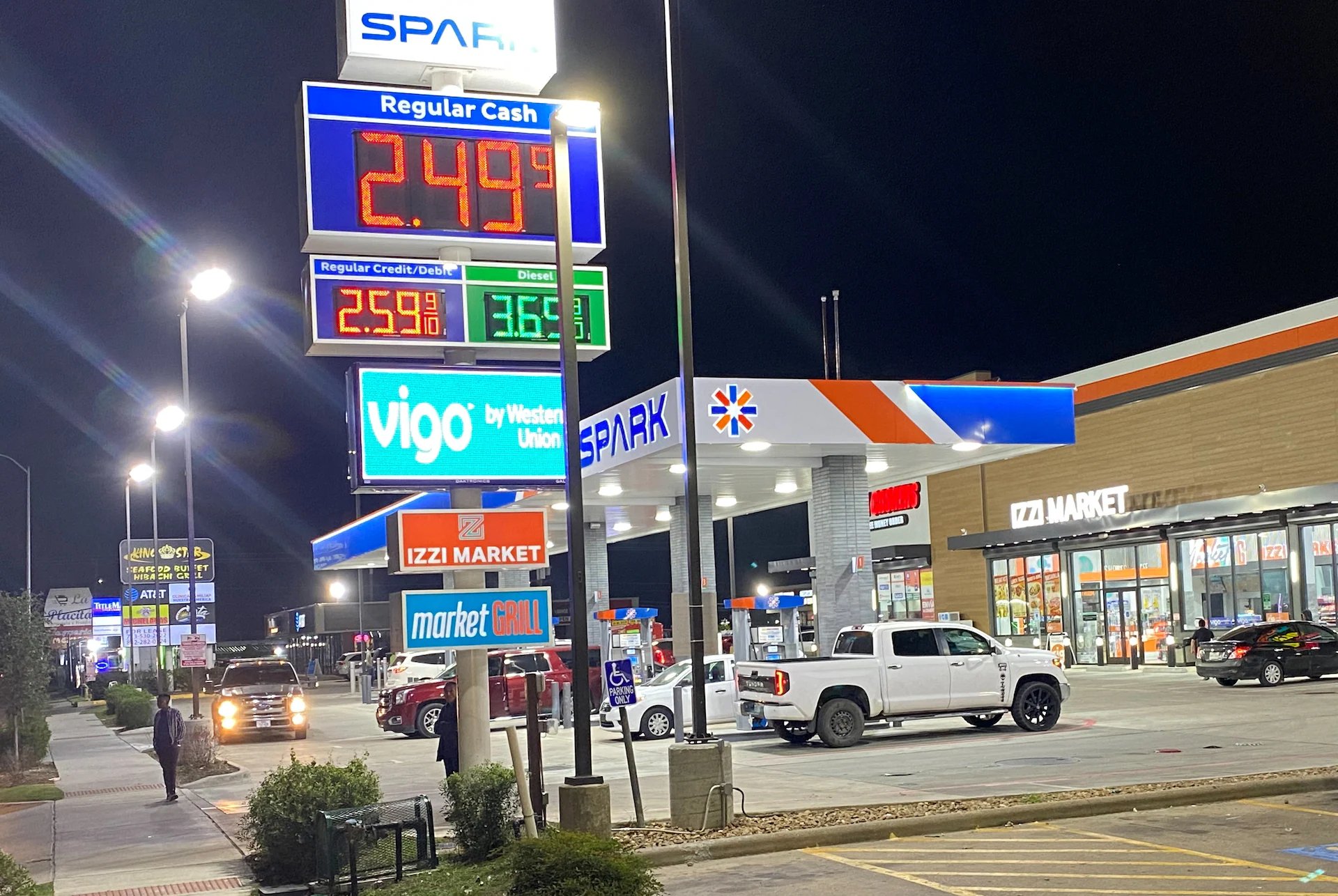
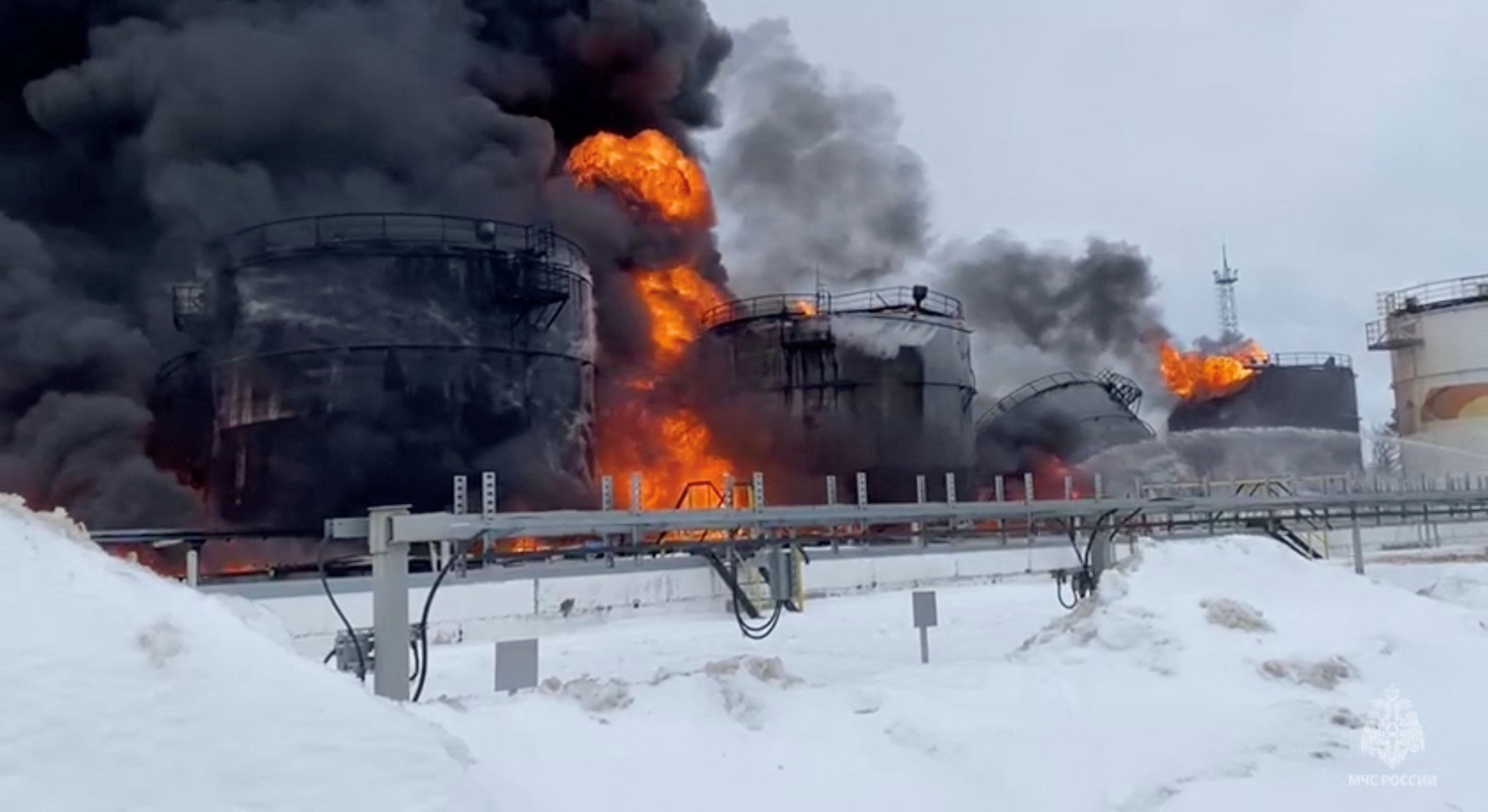
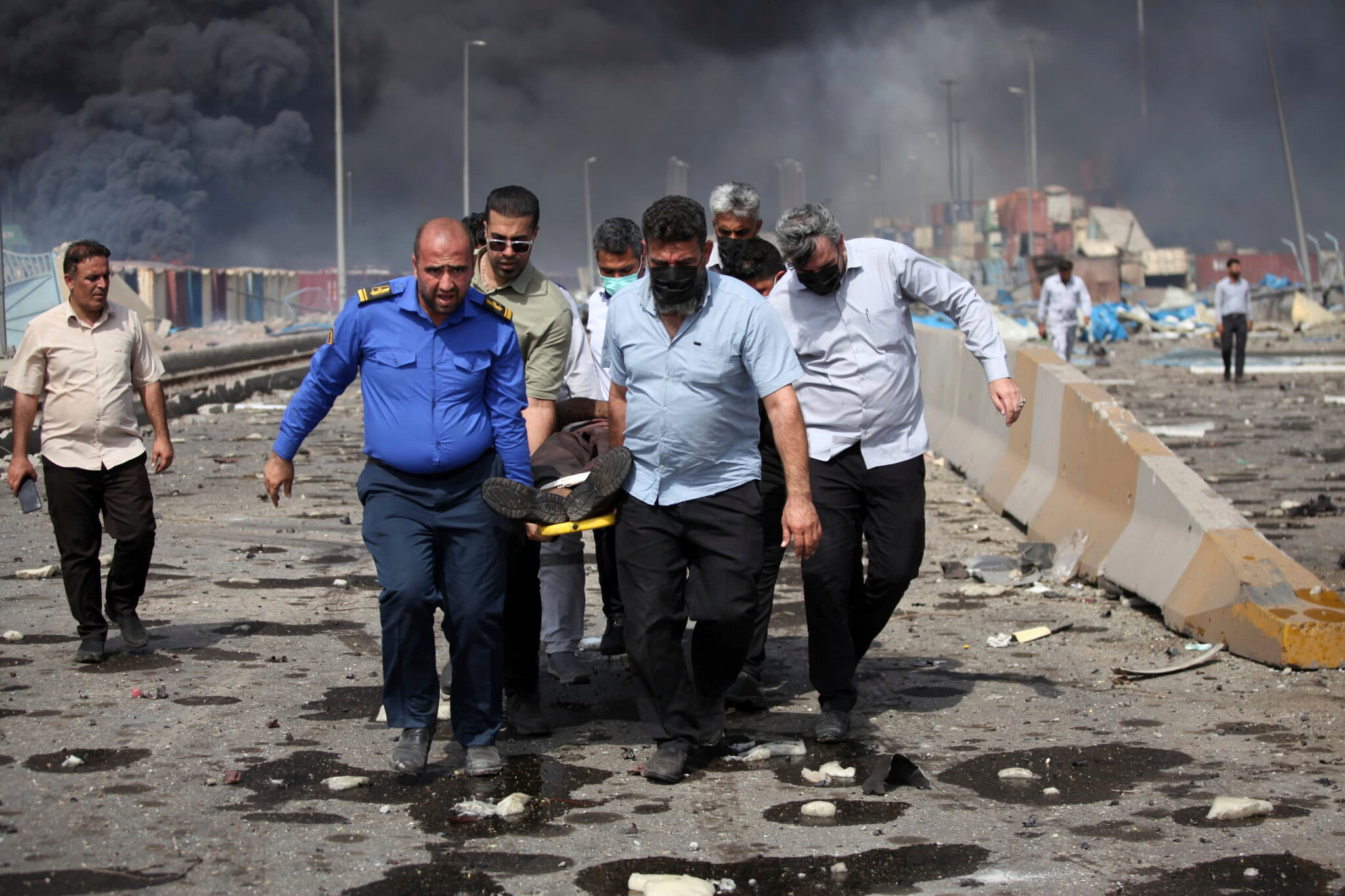
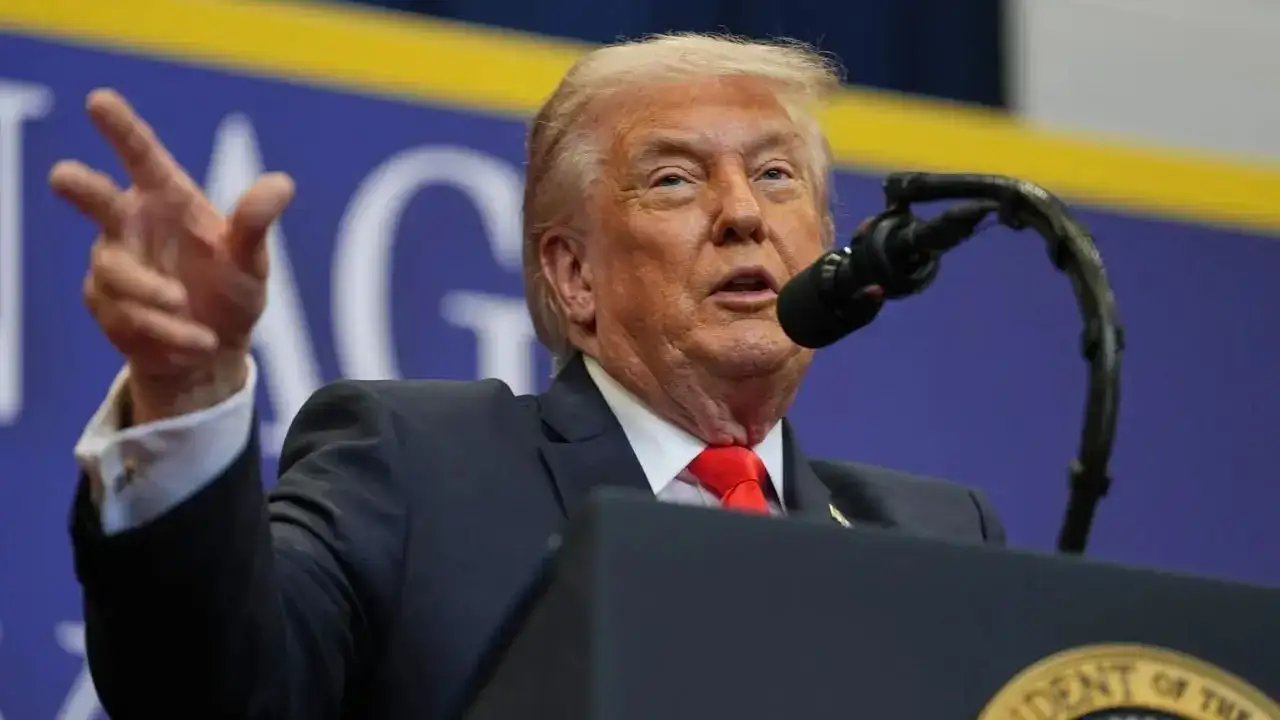
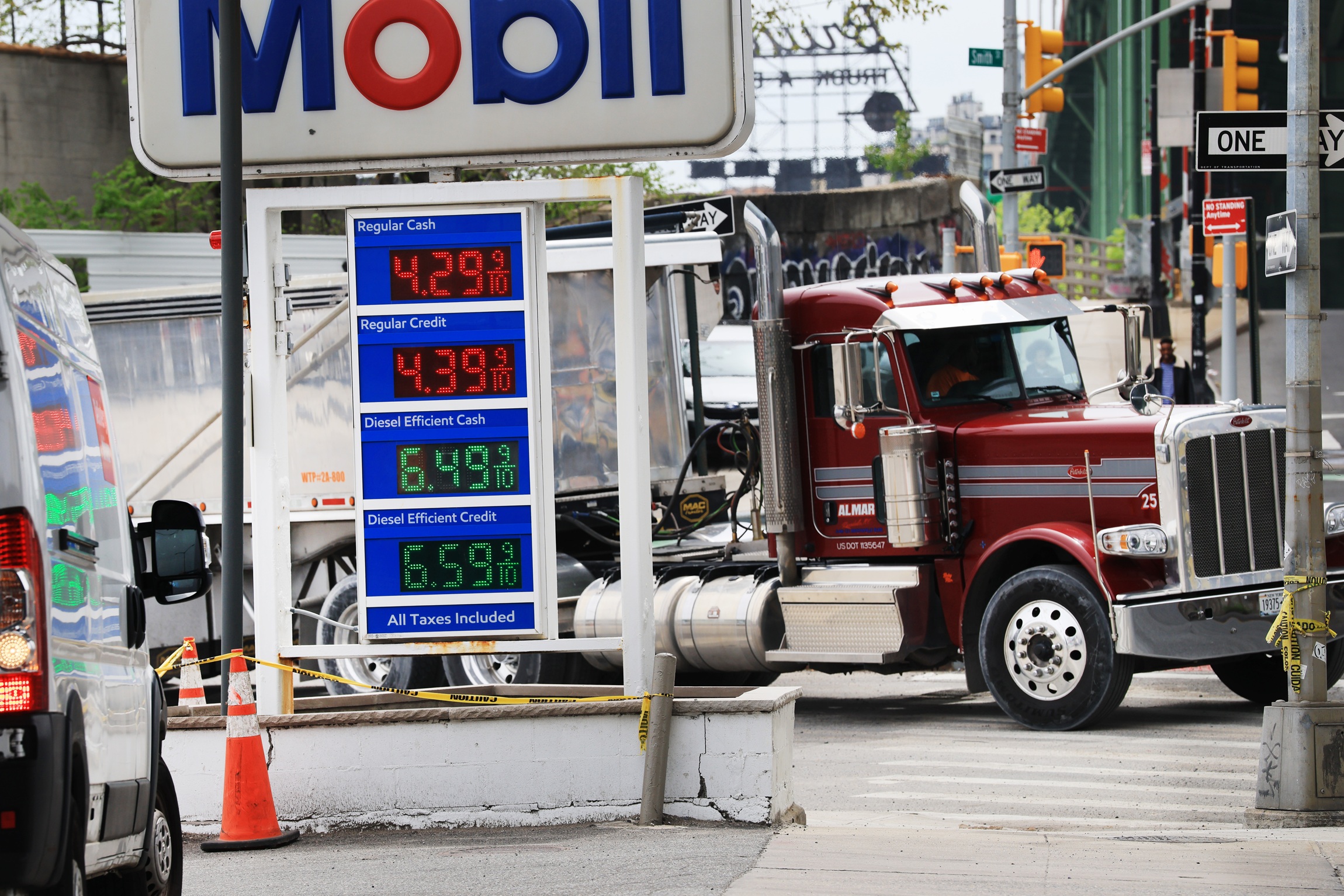
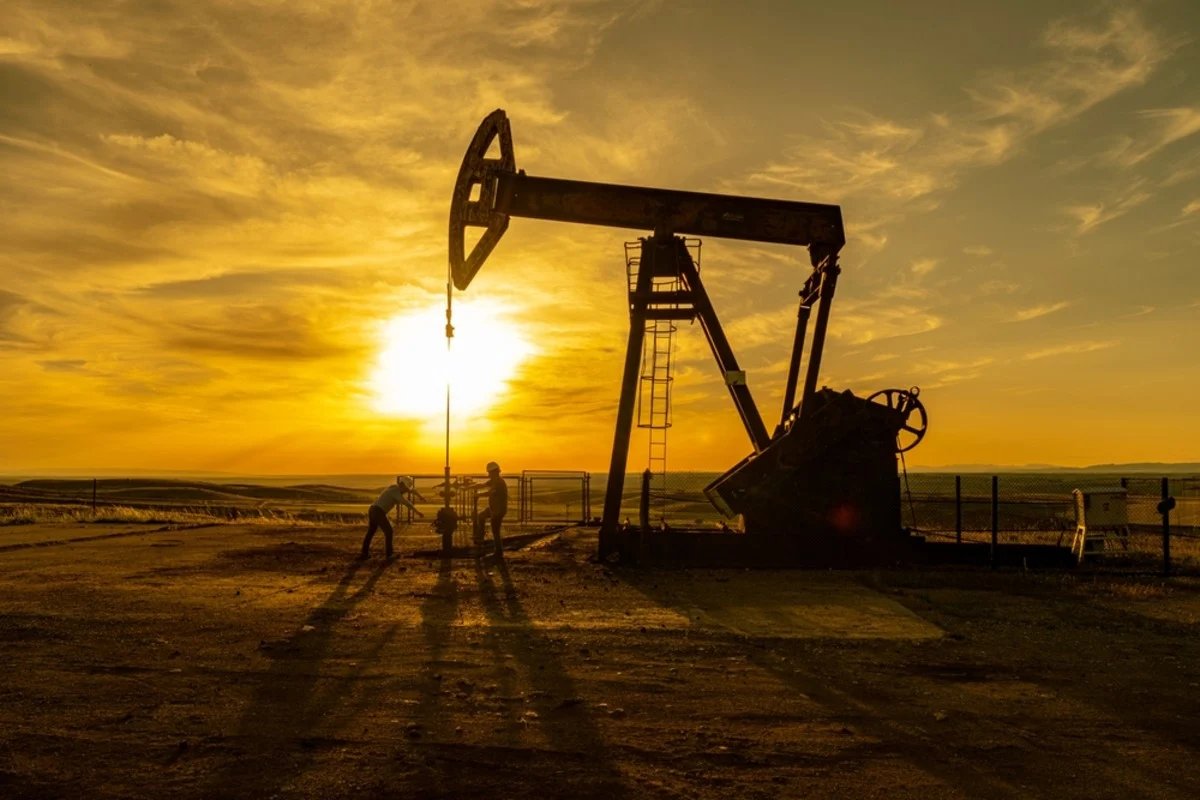
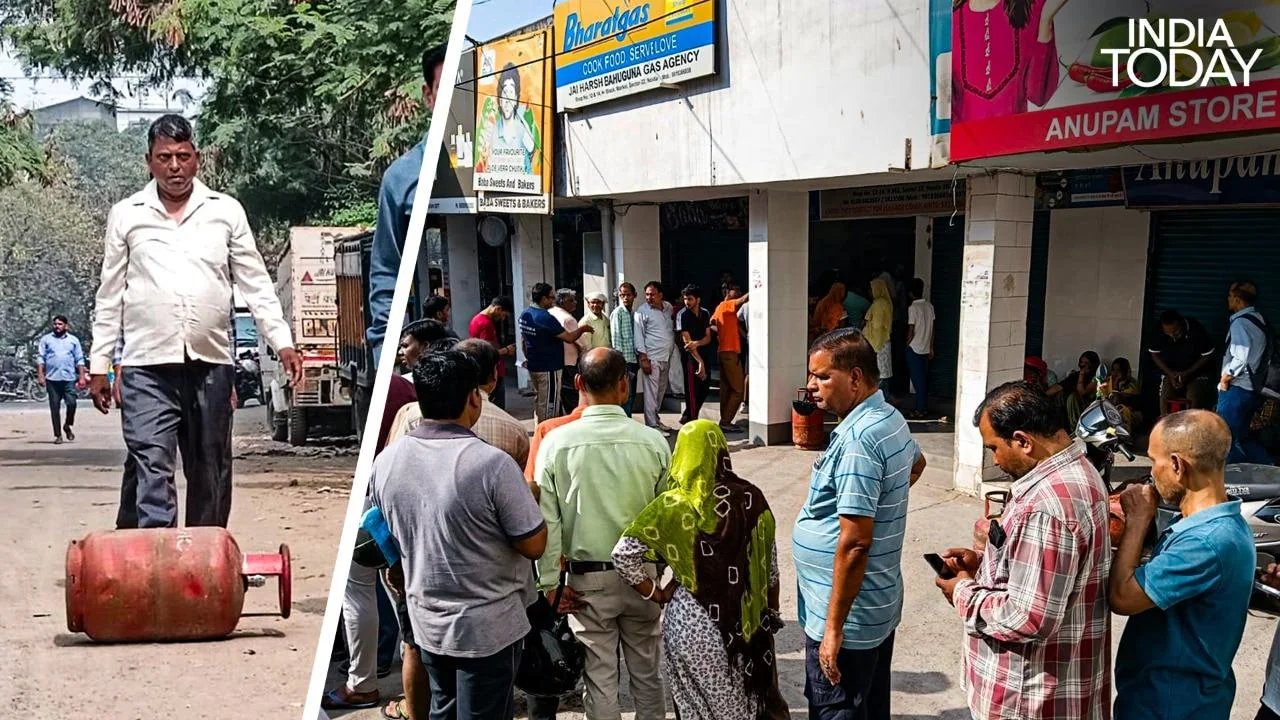
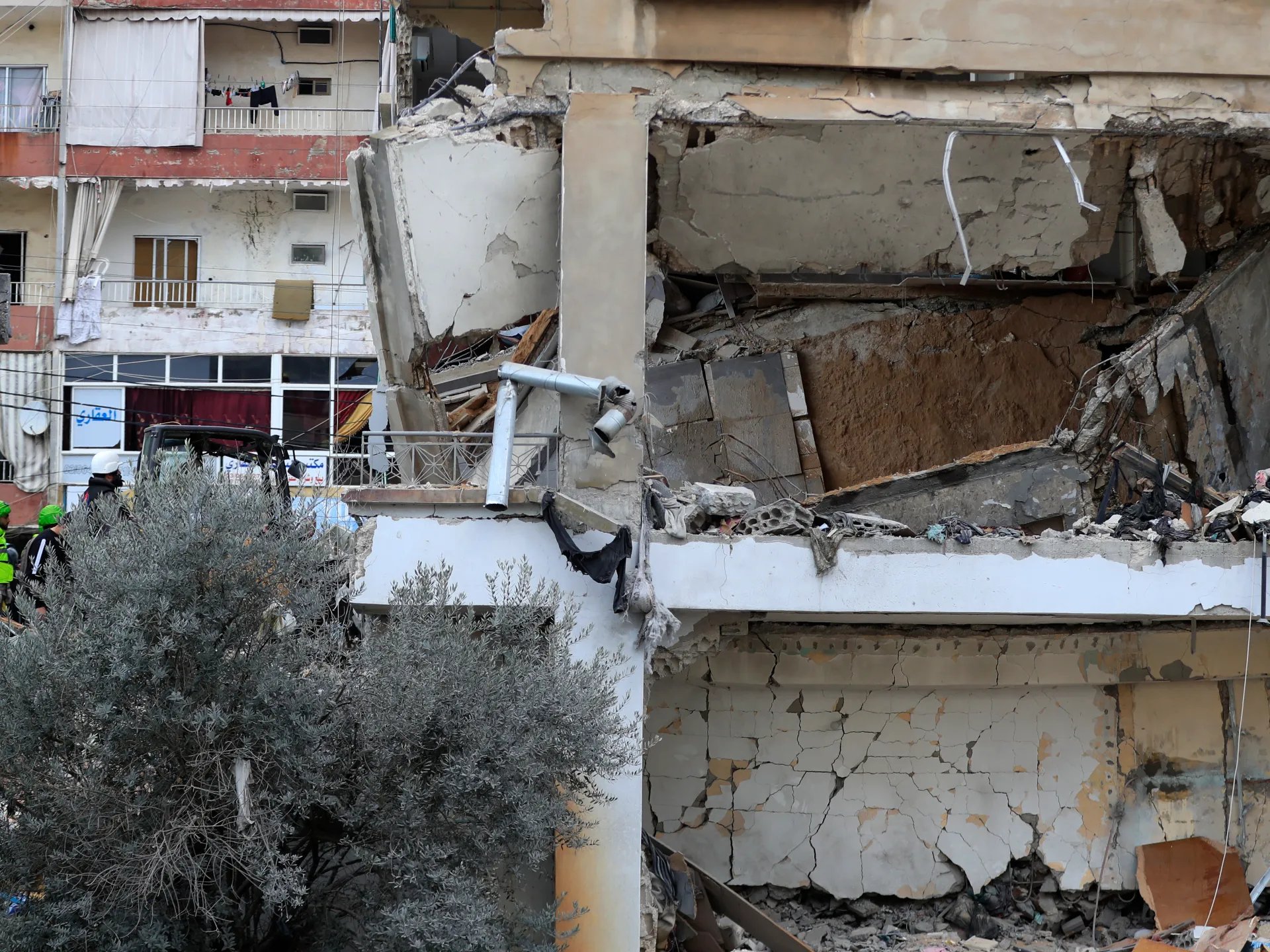
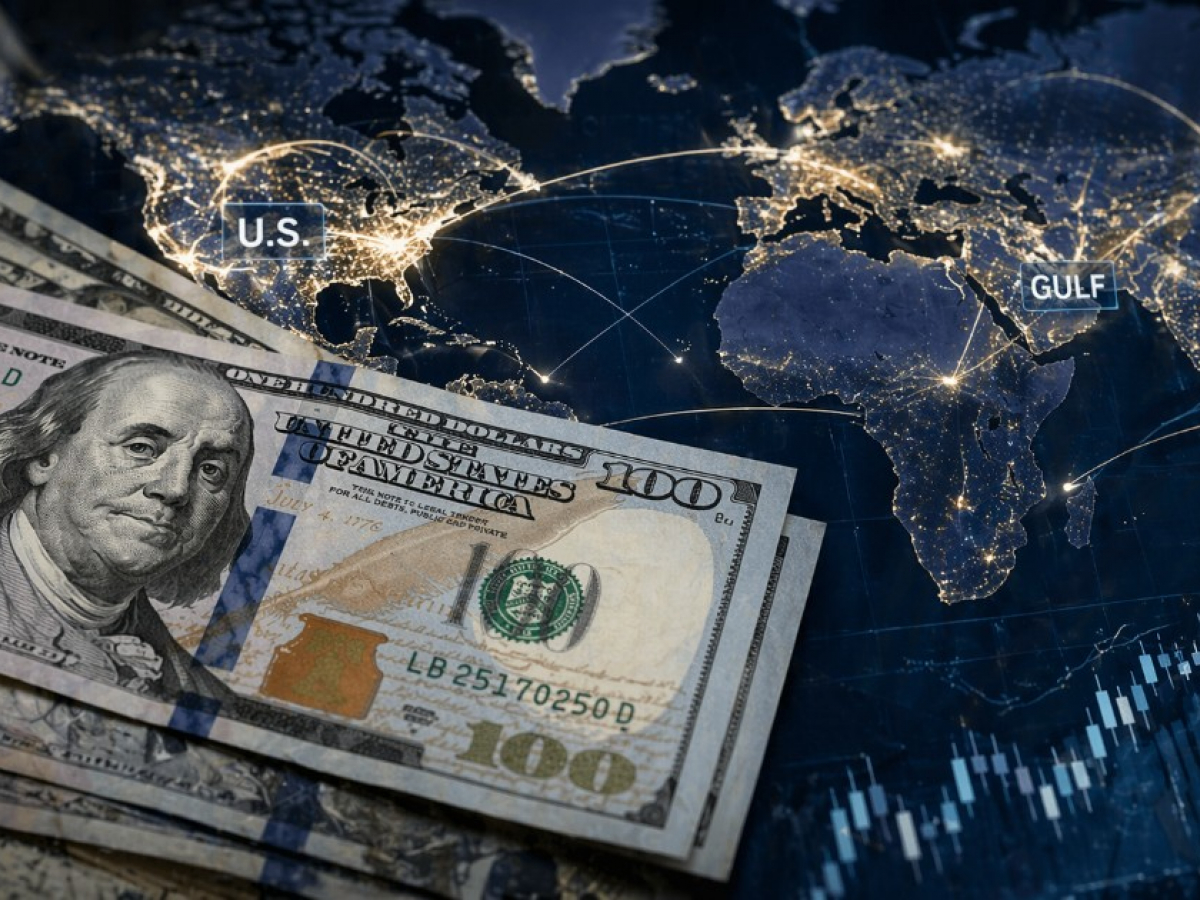
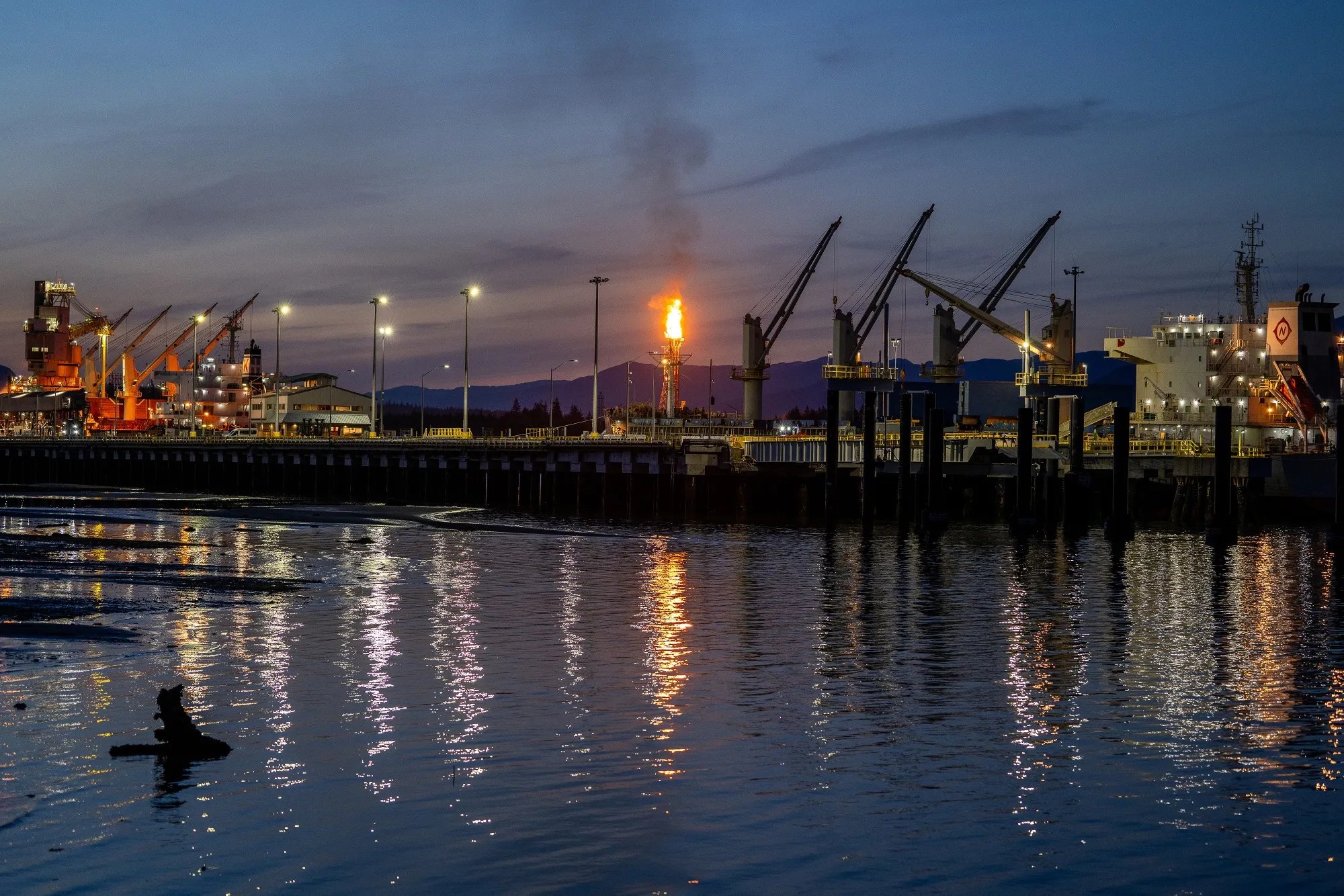
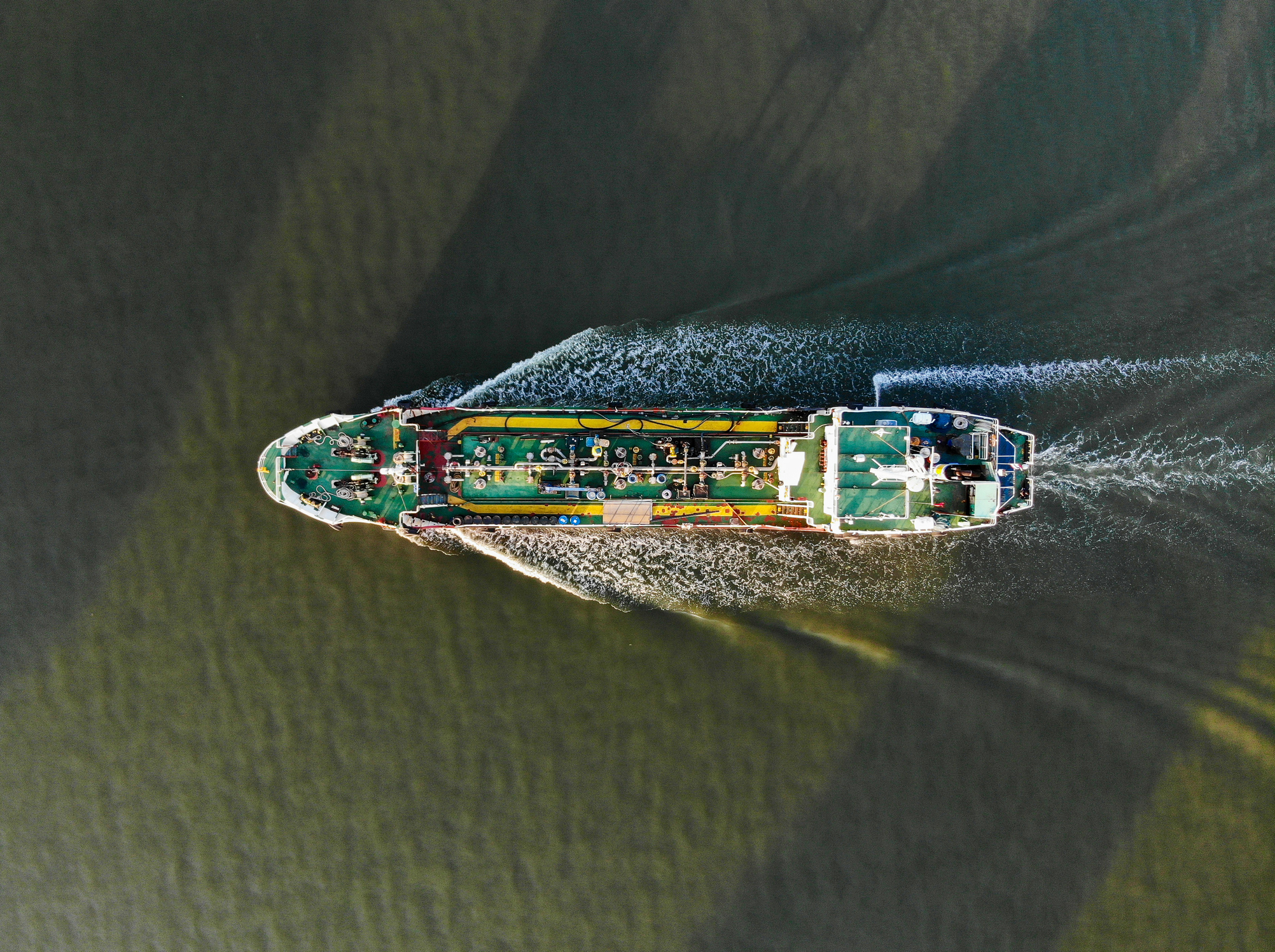
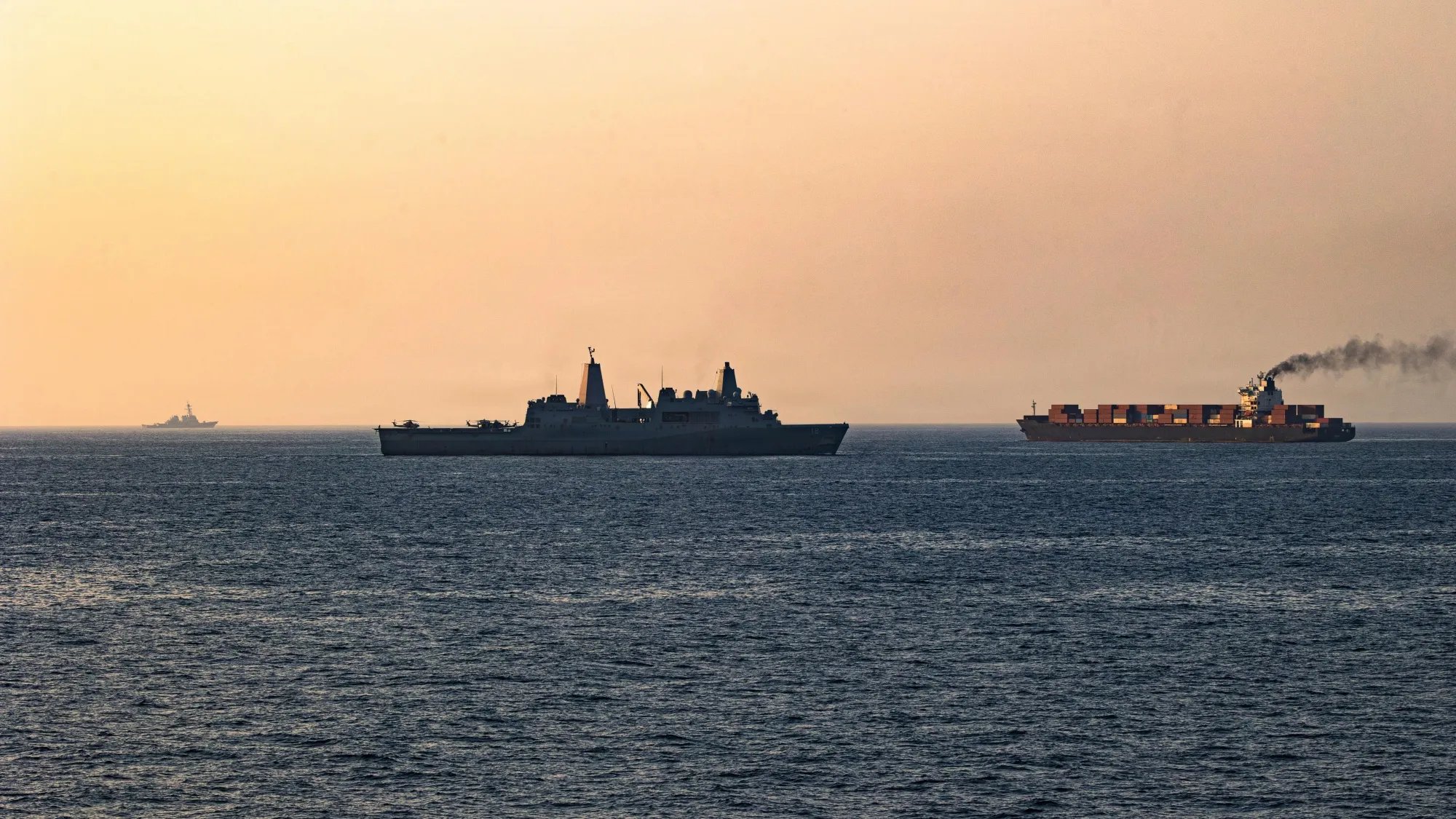
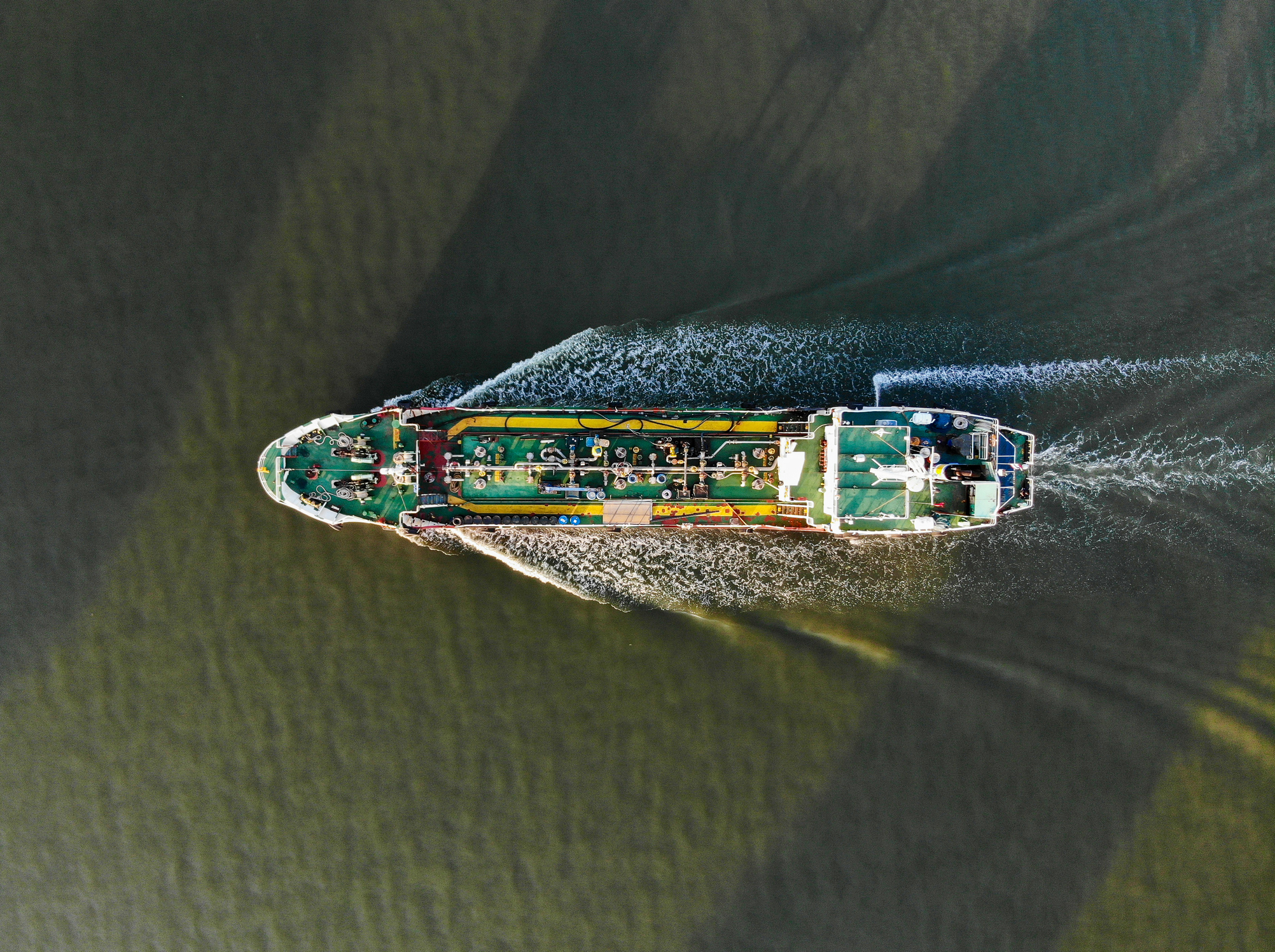
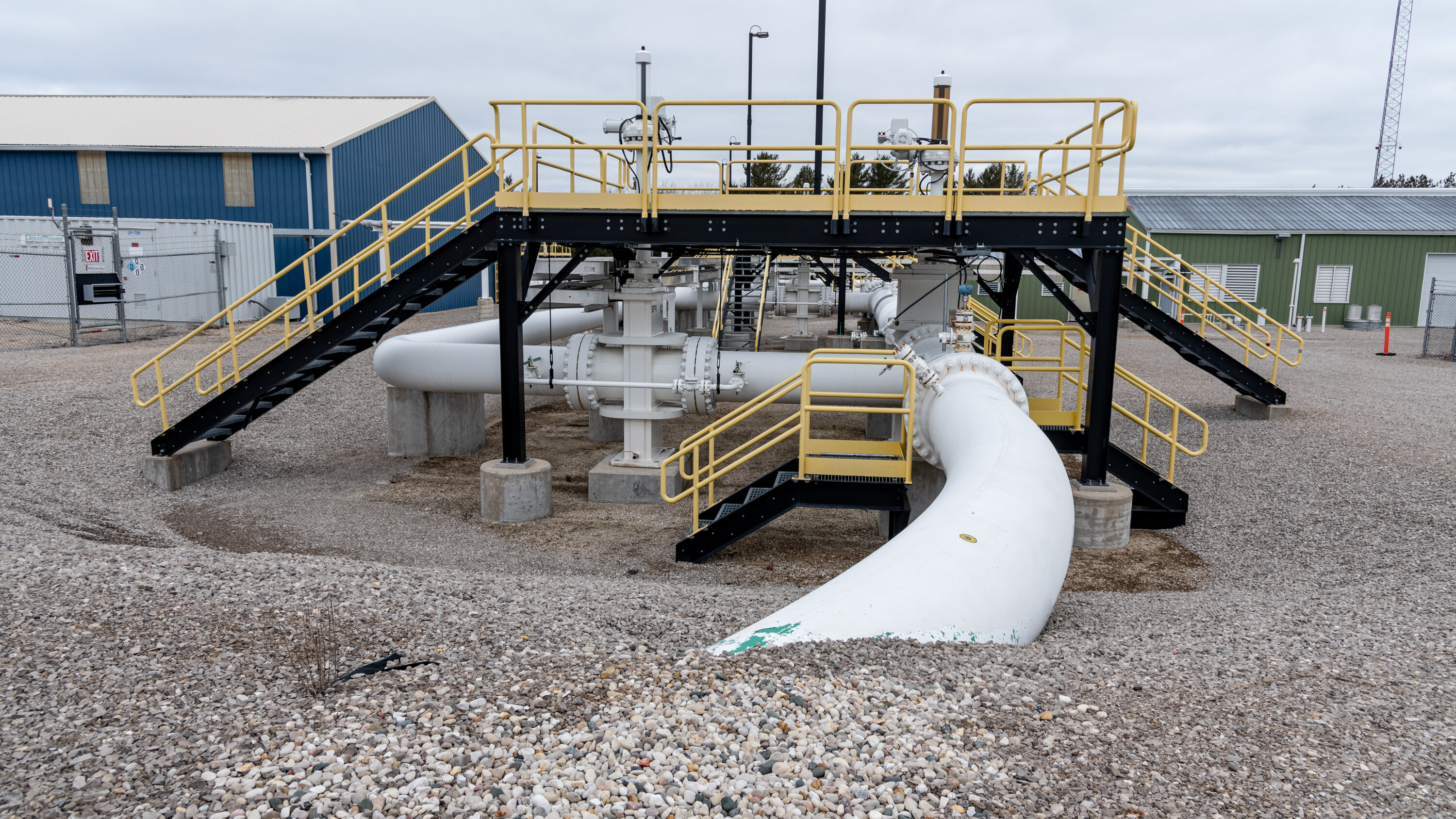
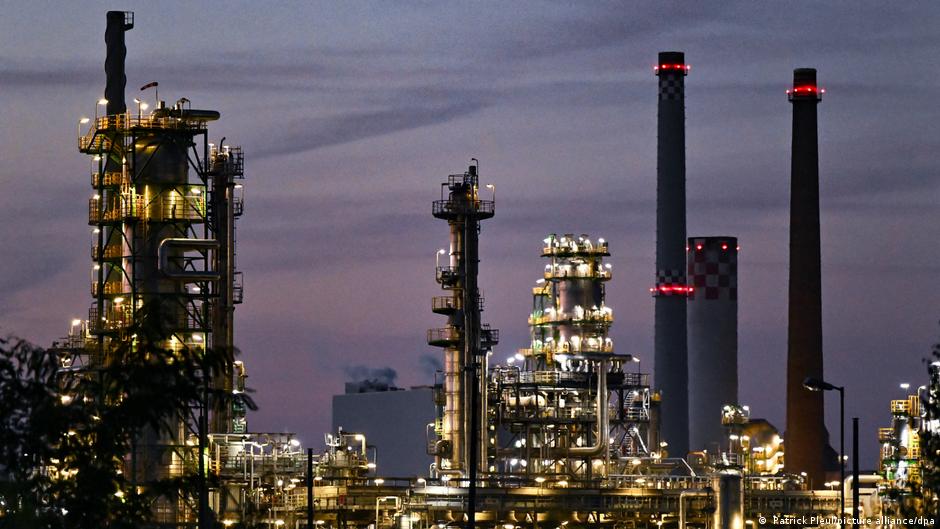
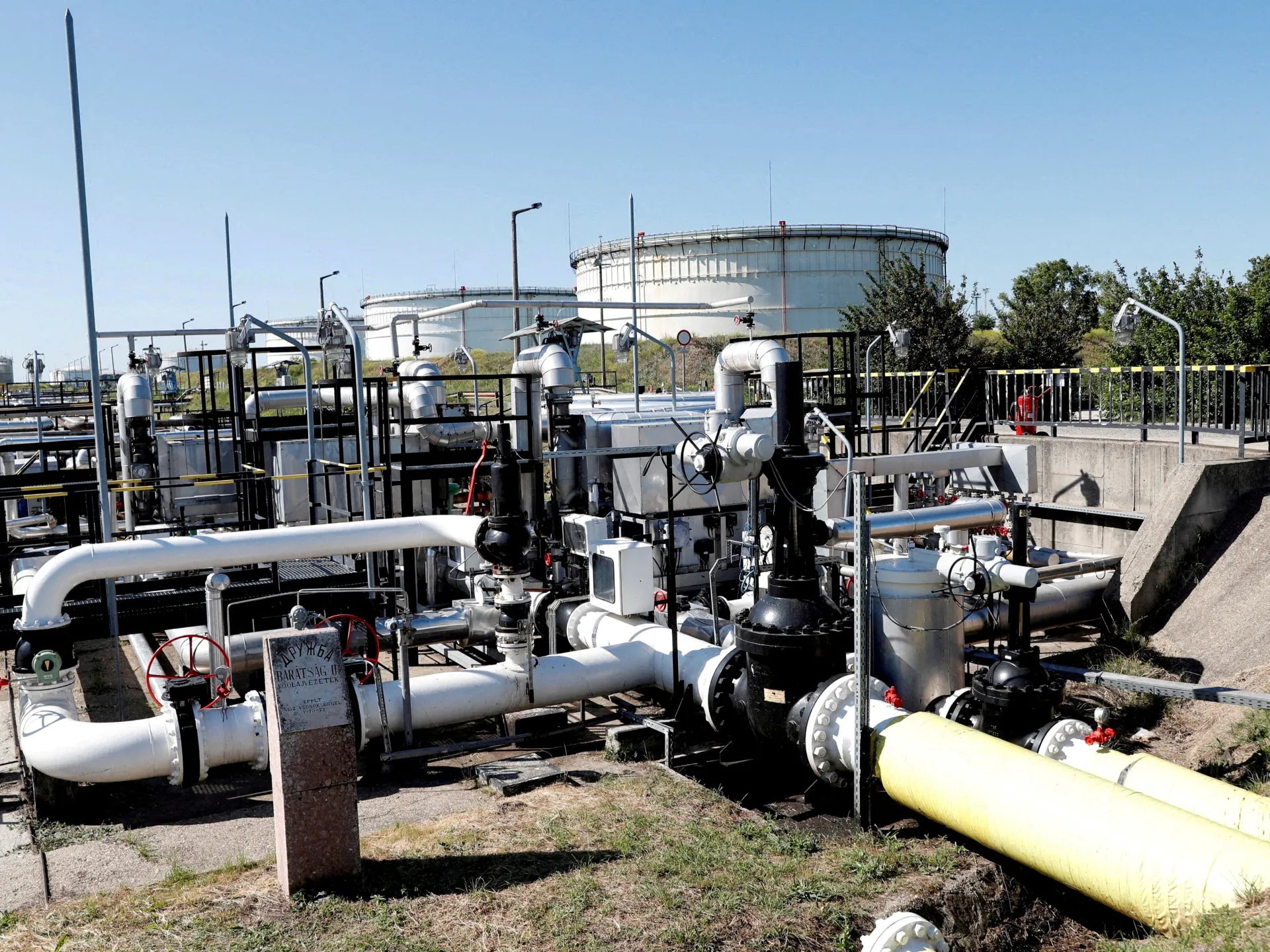
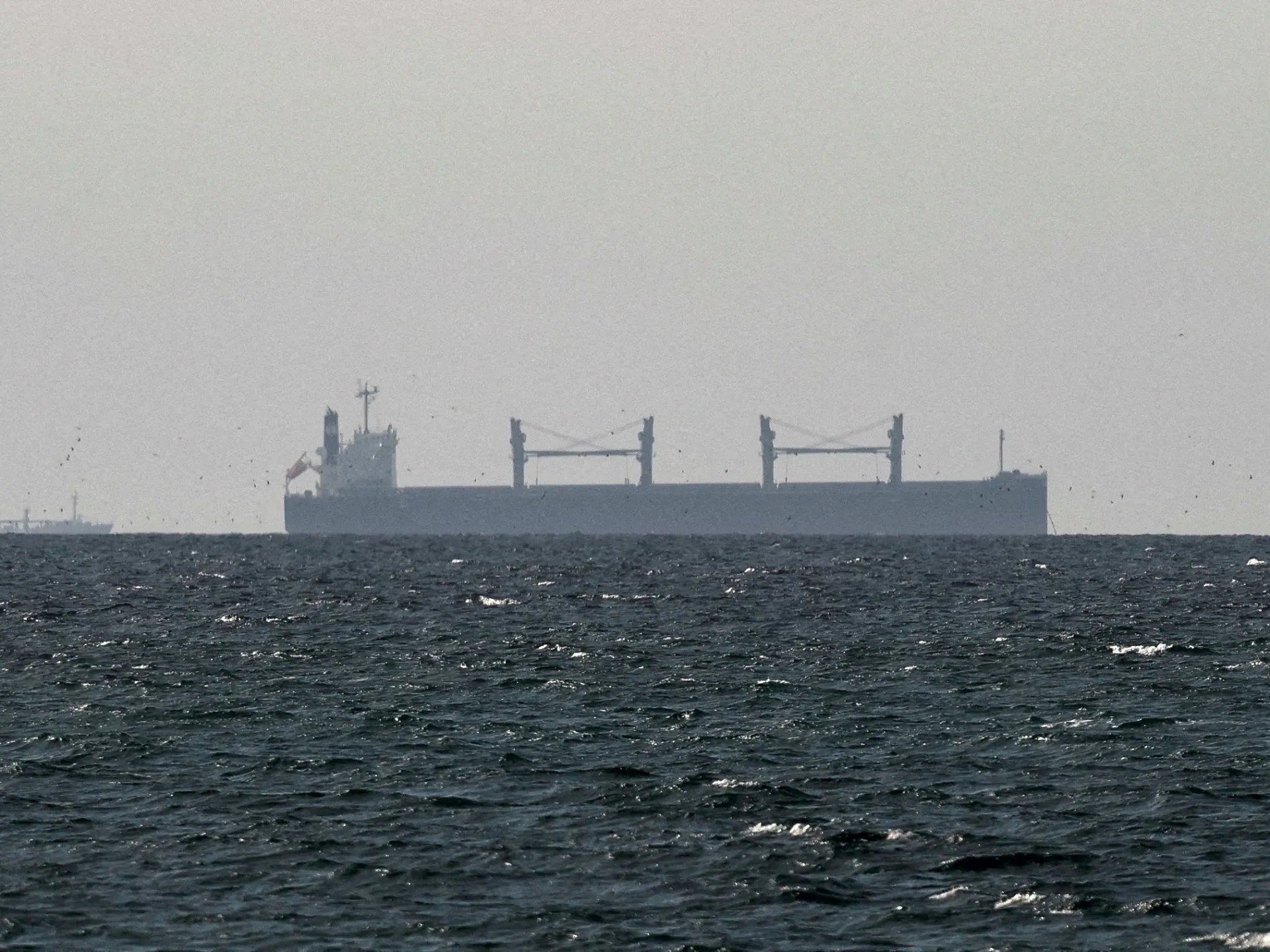
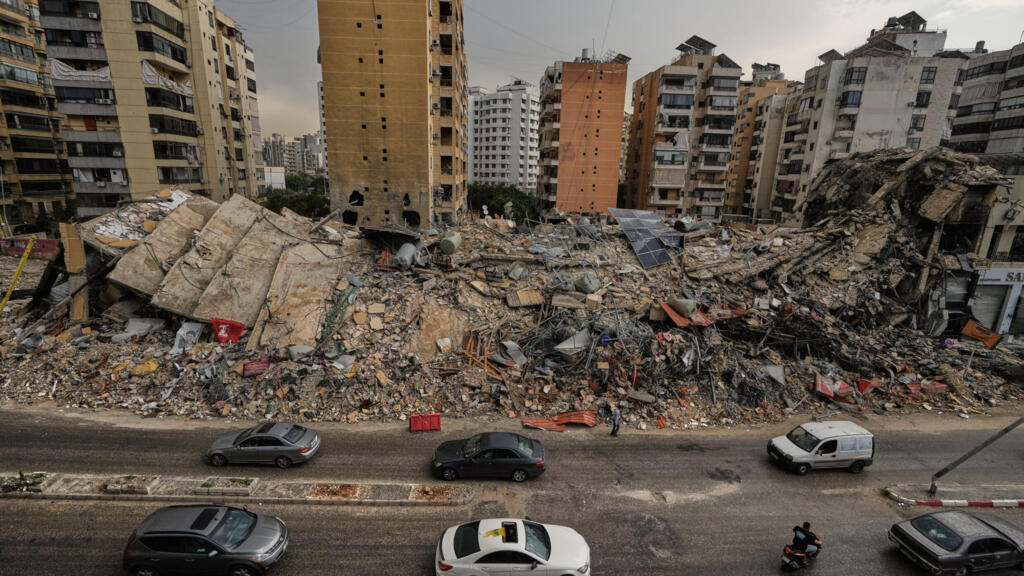
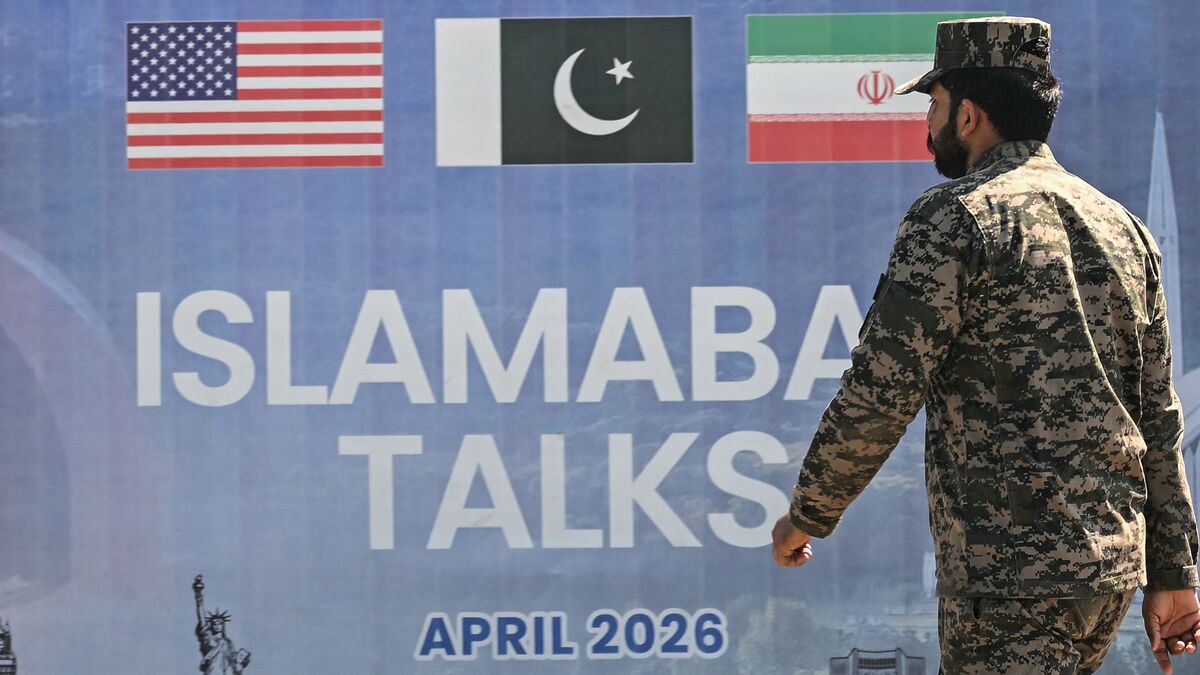
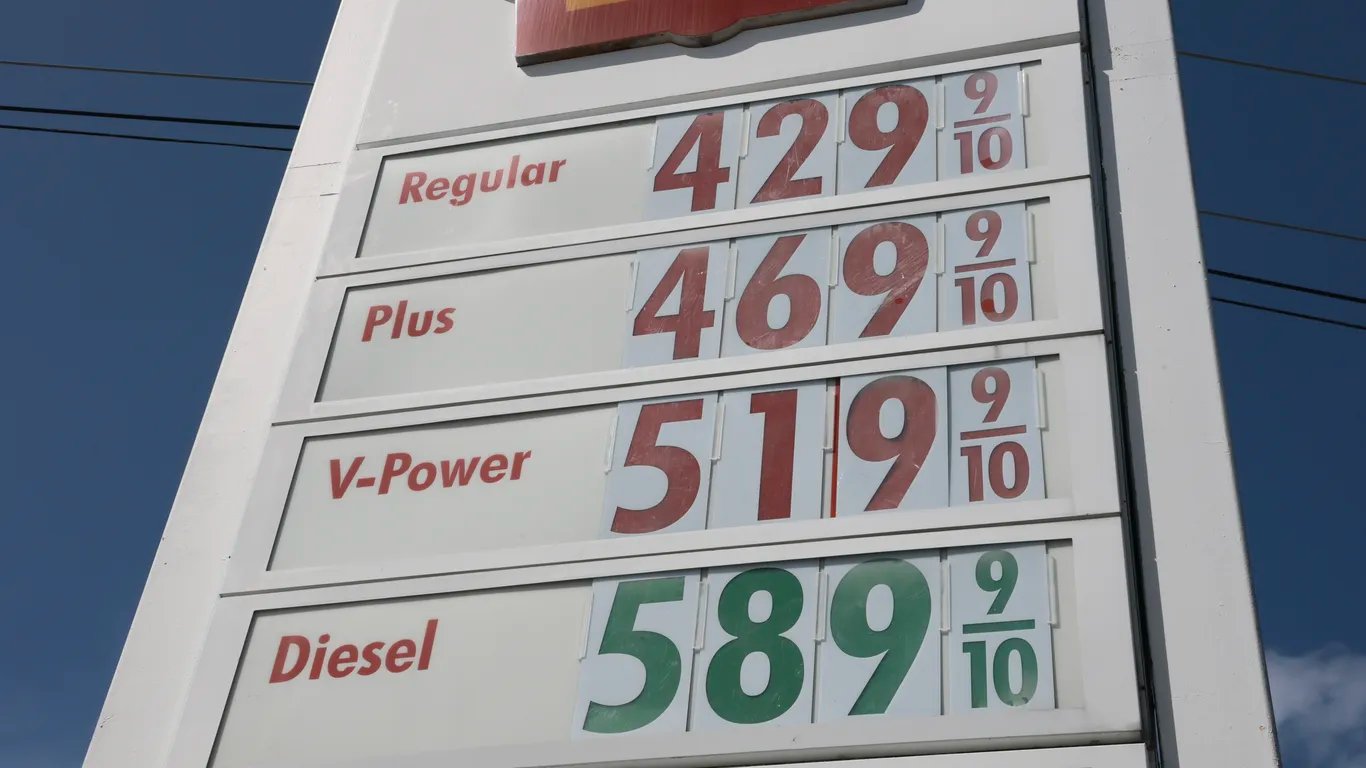
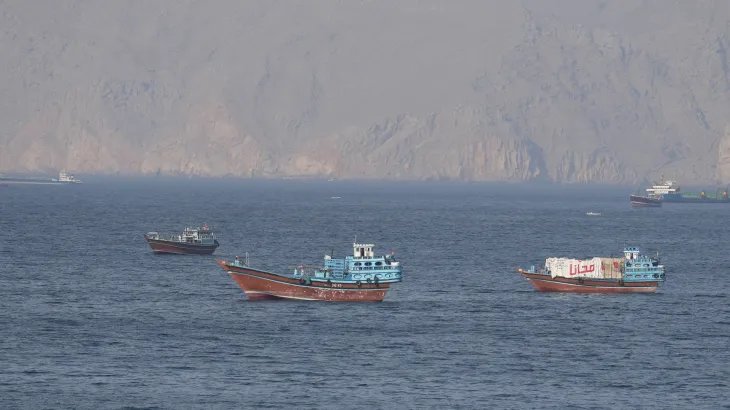
The ongoing war in Iran has sent shock waves throughout the Asia-Pacific region, causing significant disruptions in energy supplies and economic stability. The conflict has disrupted the Strait of Hormuz, a vital artery for global oil transport, leading to soaring oil prices. Gasoline costs in the United States have soared above $4.10 a gallon nationally, with Trump admitting the costs could be "a little bit higher" by November. As countries scramble to secure energy supplies, the potential closure of the Bab el-Mandeb Strait could sever Saudi Arabia's only remaining oil export route, exacerbating the crisis.
Political Responses to Rising Energy Costs
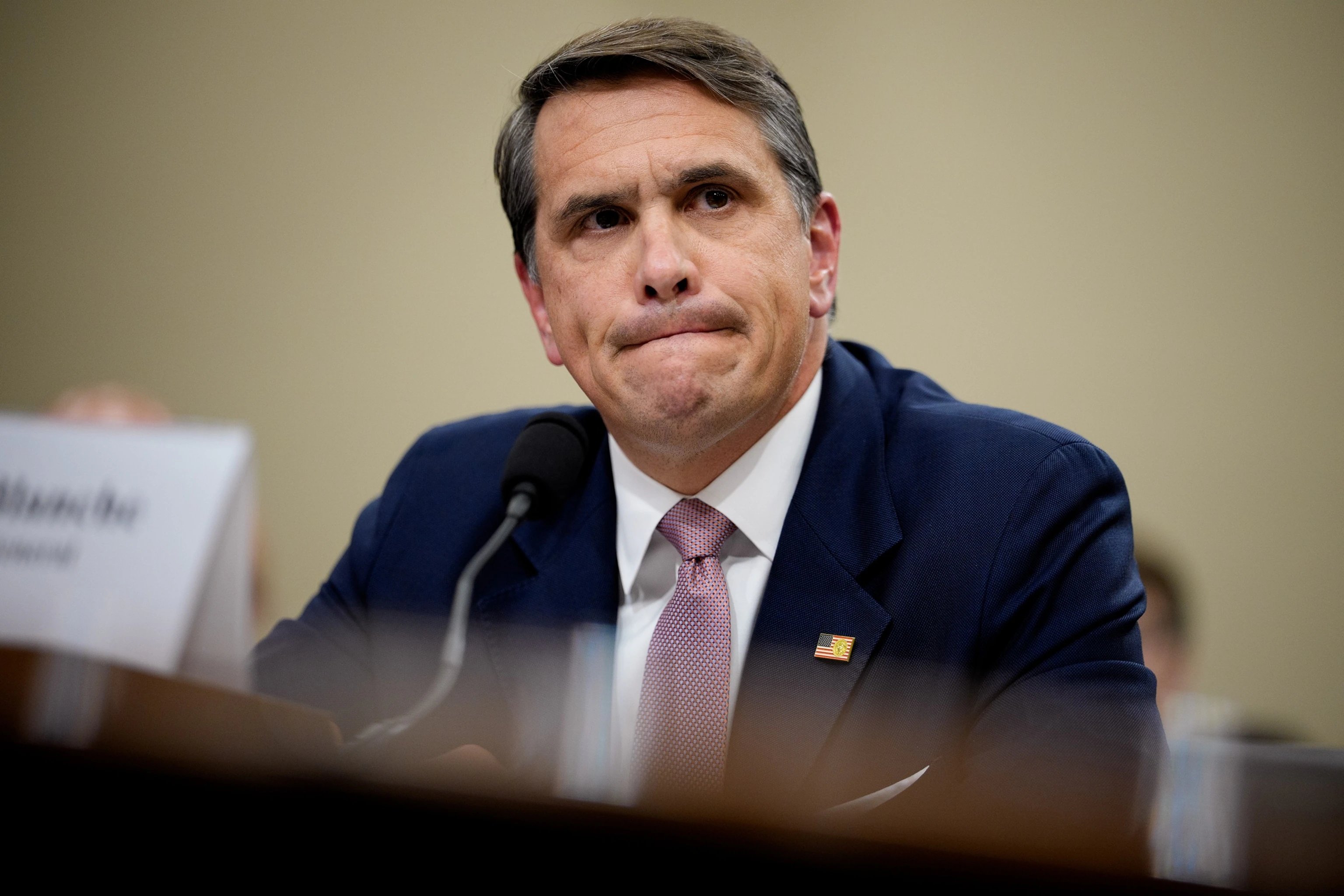
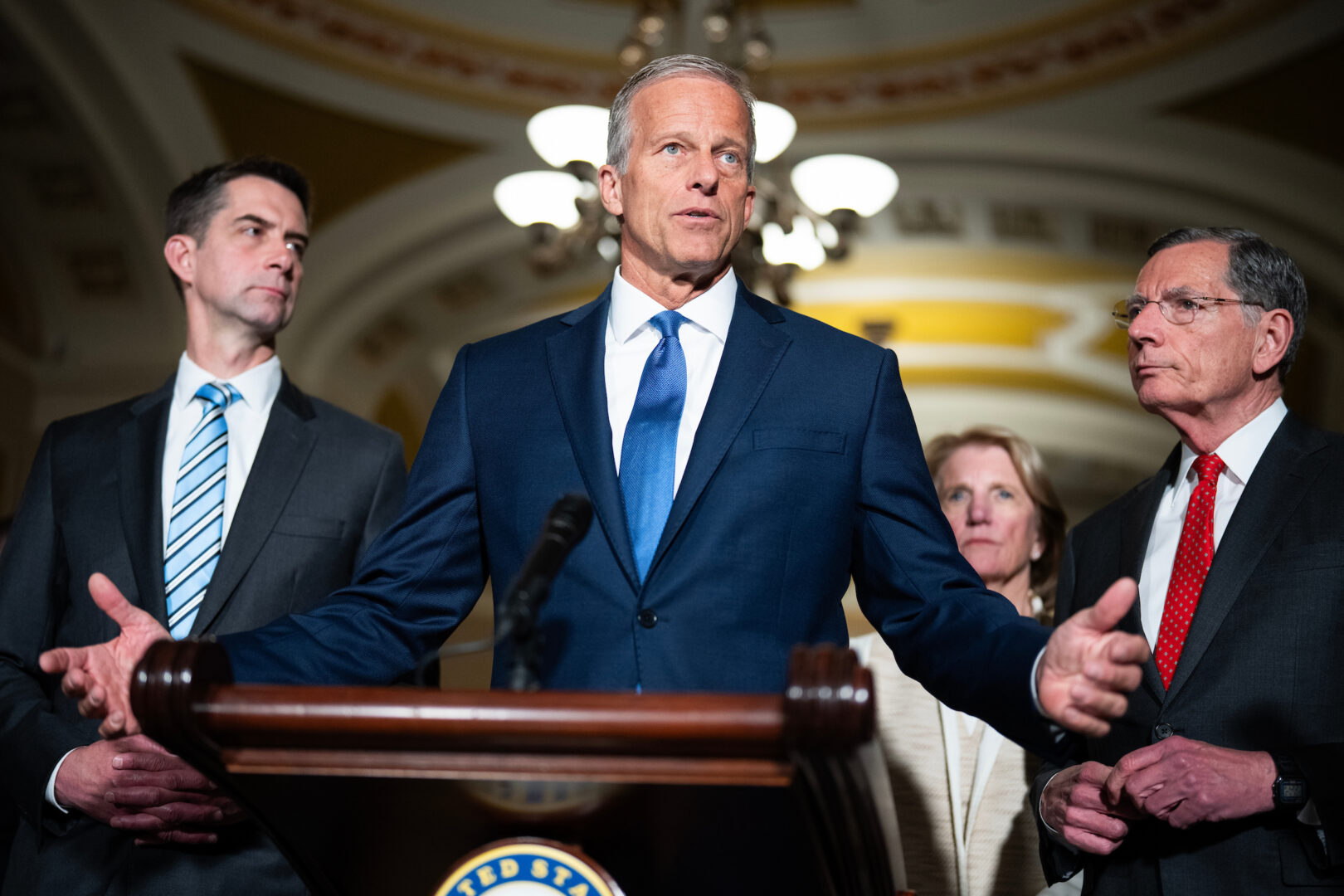
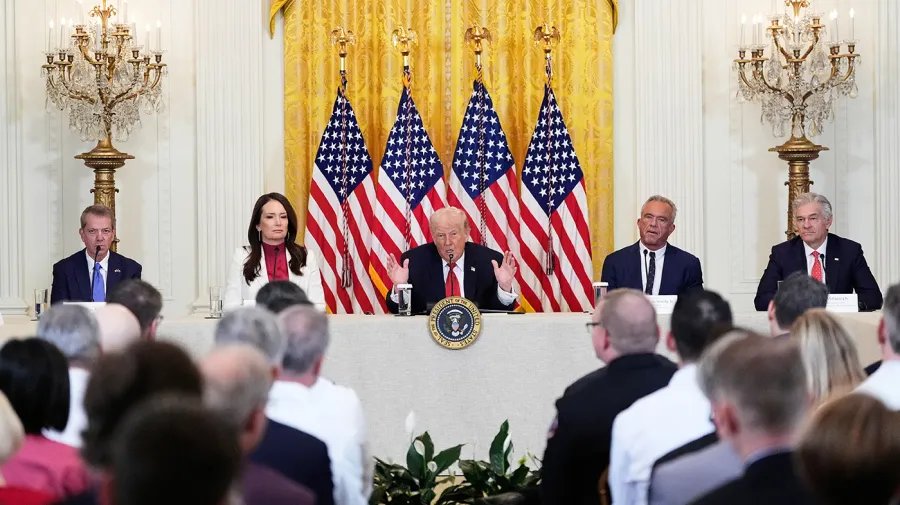
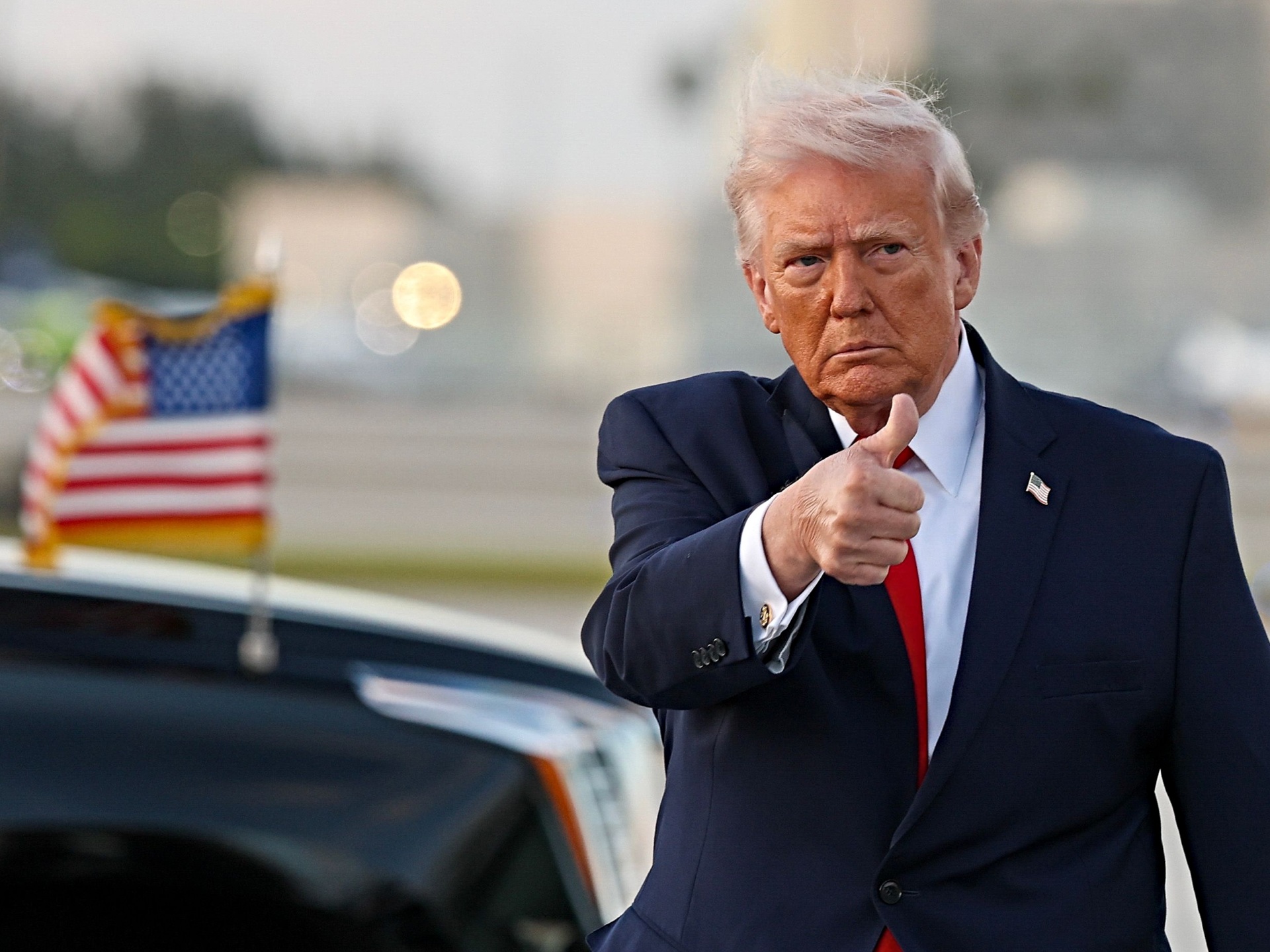
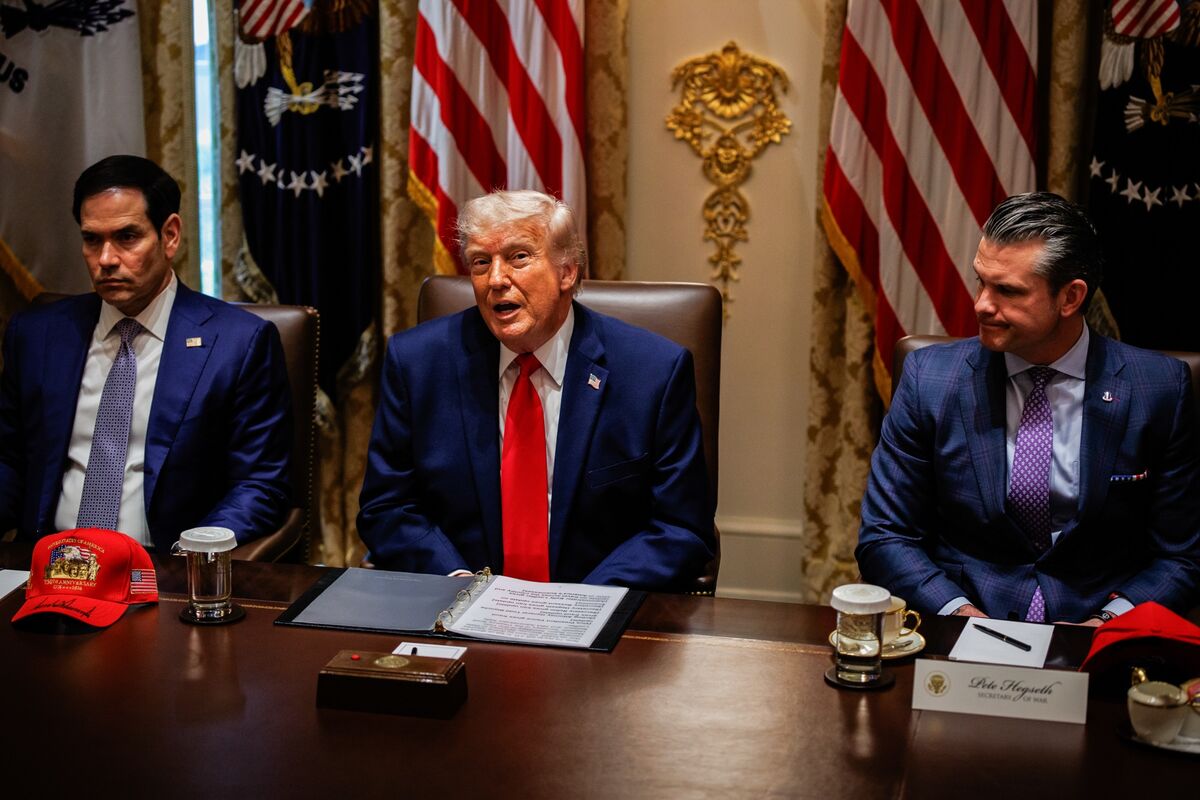
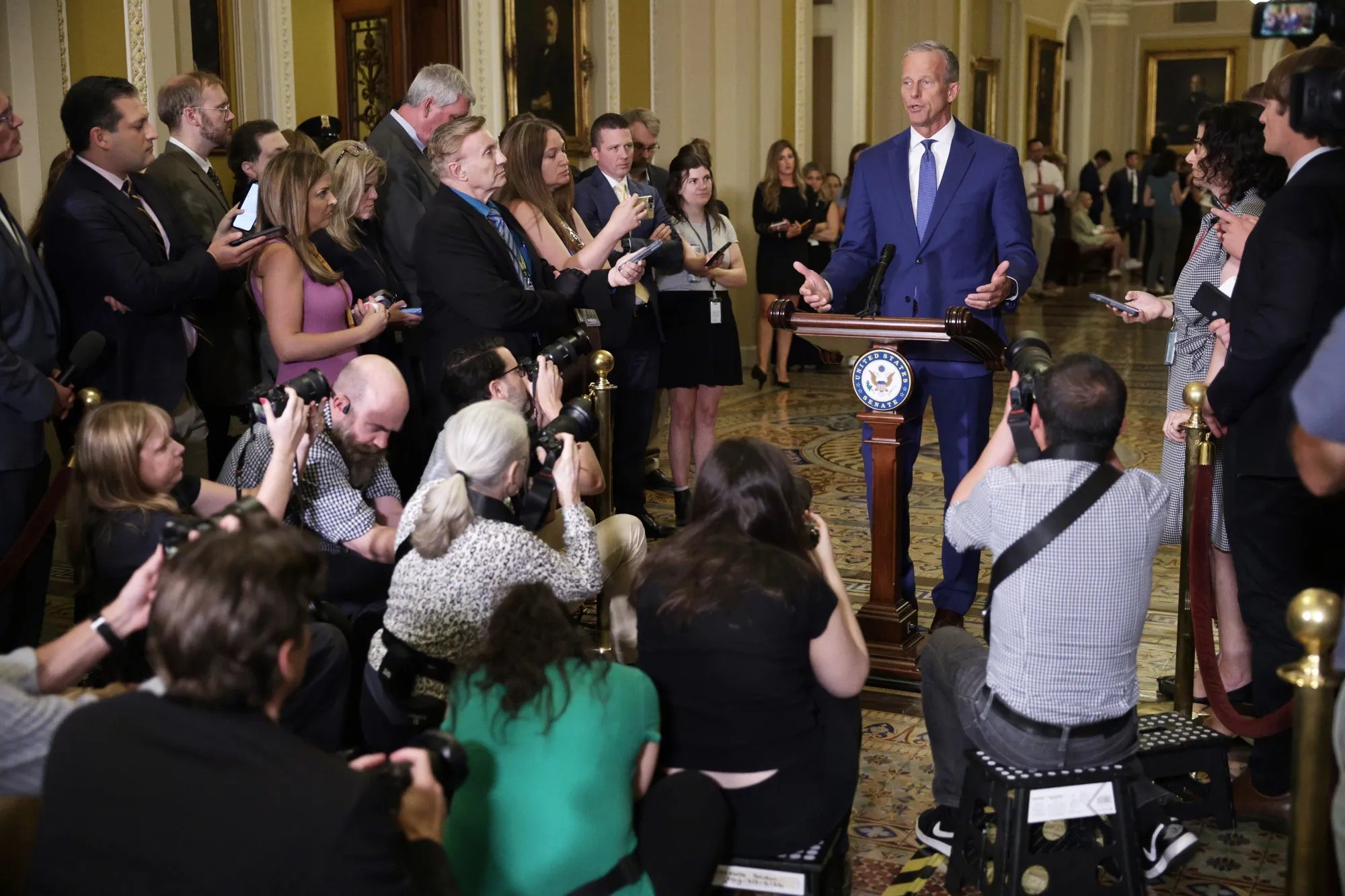
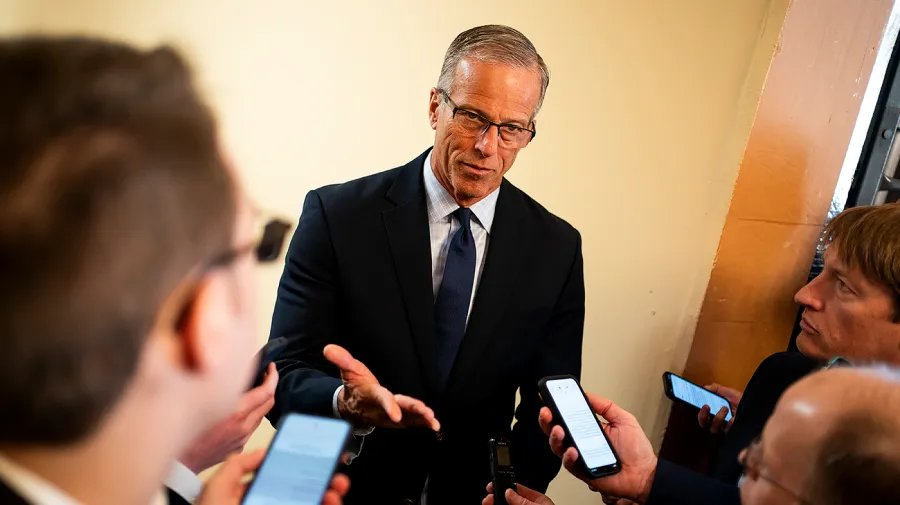
In response to the escalating crisis, Senator John Fetterman (D-Pa.) criticized the Democratic Party's reaction to the Iran war, labeling it "very disappointing." Fetterman expressed concern that some Democrats seem to oppose President Trump to the extent of appearing to support Iran, a sentiment that reflects broader frustrations within the party regarding the handling of the conflict. Meanwhile, climate leaders urge Democrats to highlight clean energy as a solution to rising oil prices, framing it as a path to economic resilience amidst global instability.
Insider Trading Raises Eyebrows
The conflict has also raised suspicions of insider trading, with reports indicating significant spikes in trading activity ahead of key announcements from President Trump. This scrutiny adds another layer of complexity to an already fraught situation, as the intersection of war and market manipulation comes under investigation.
Global Shift Towards Clean Energy
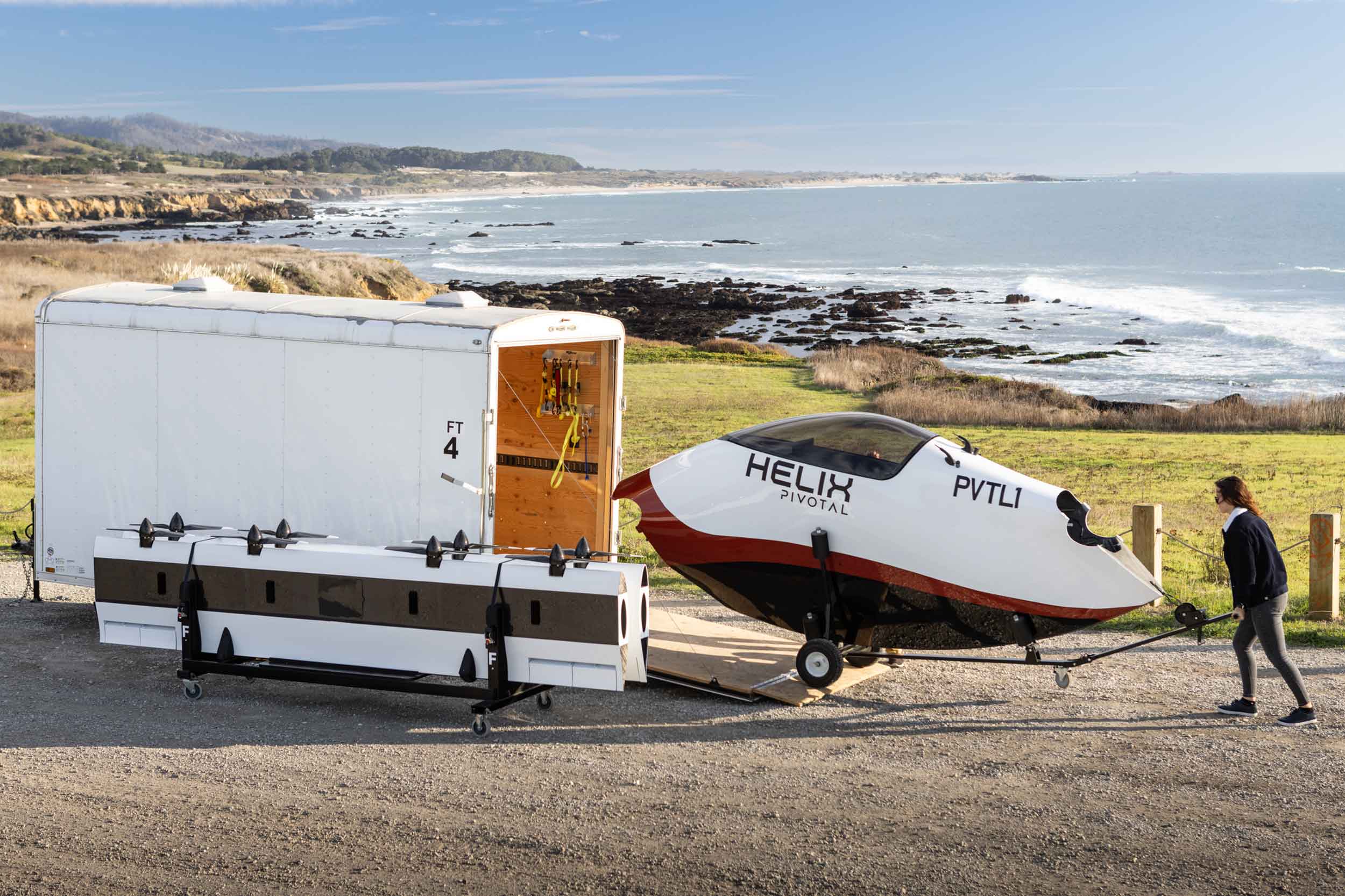
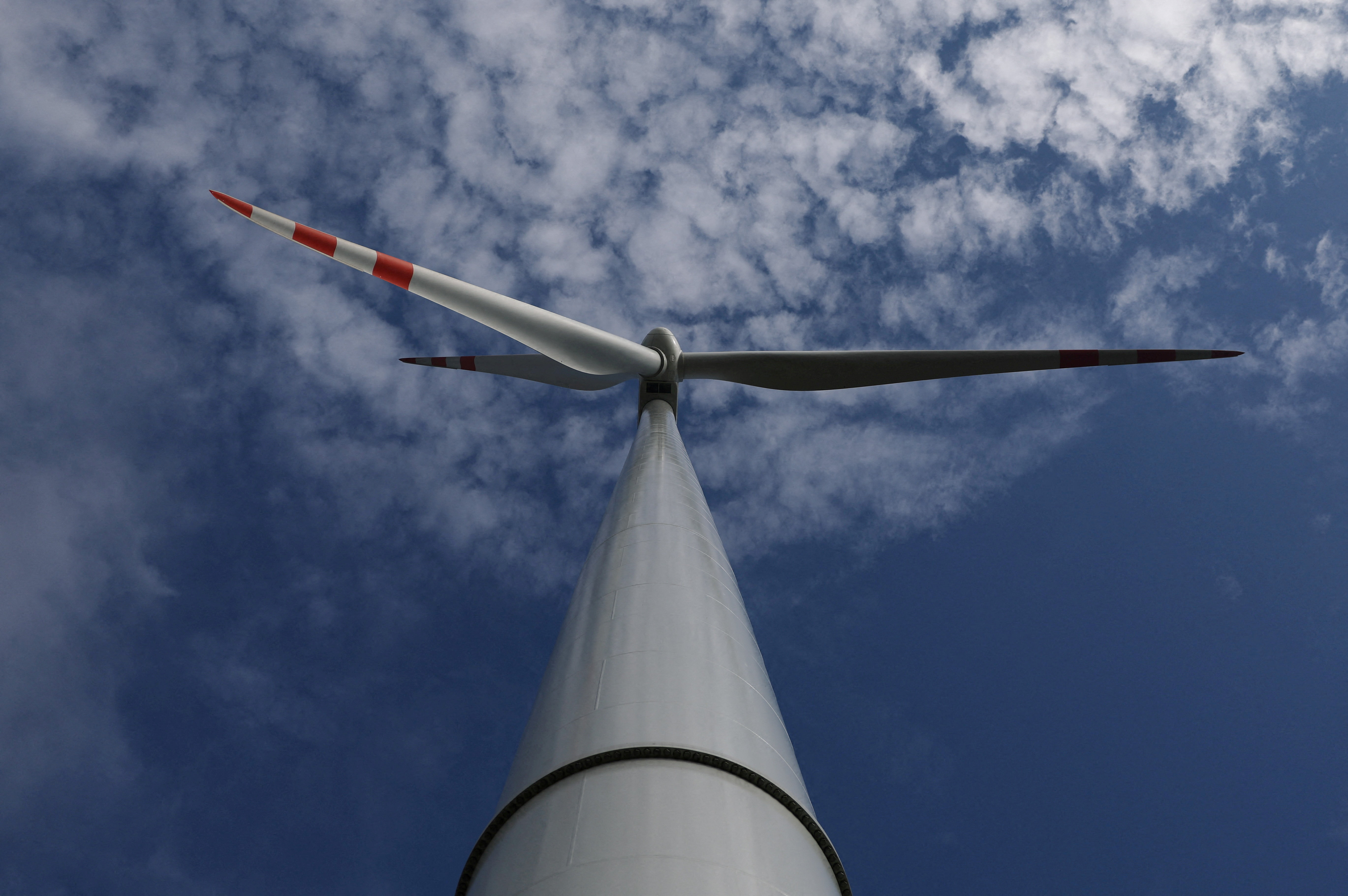
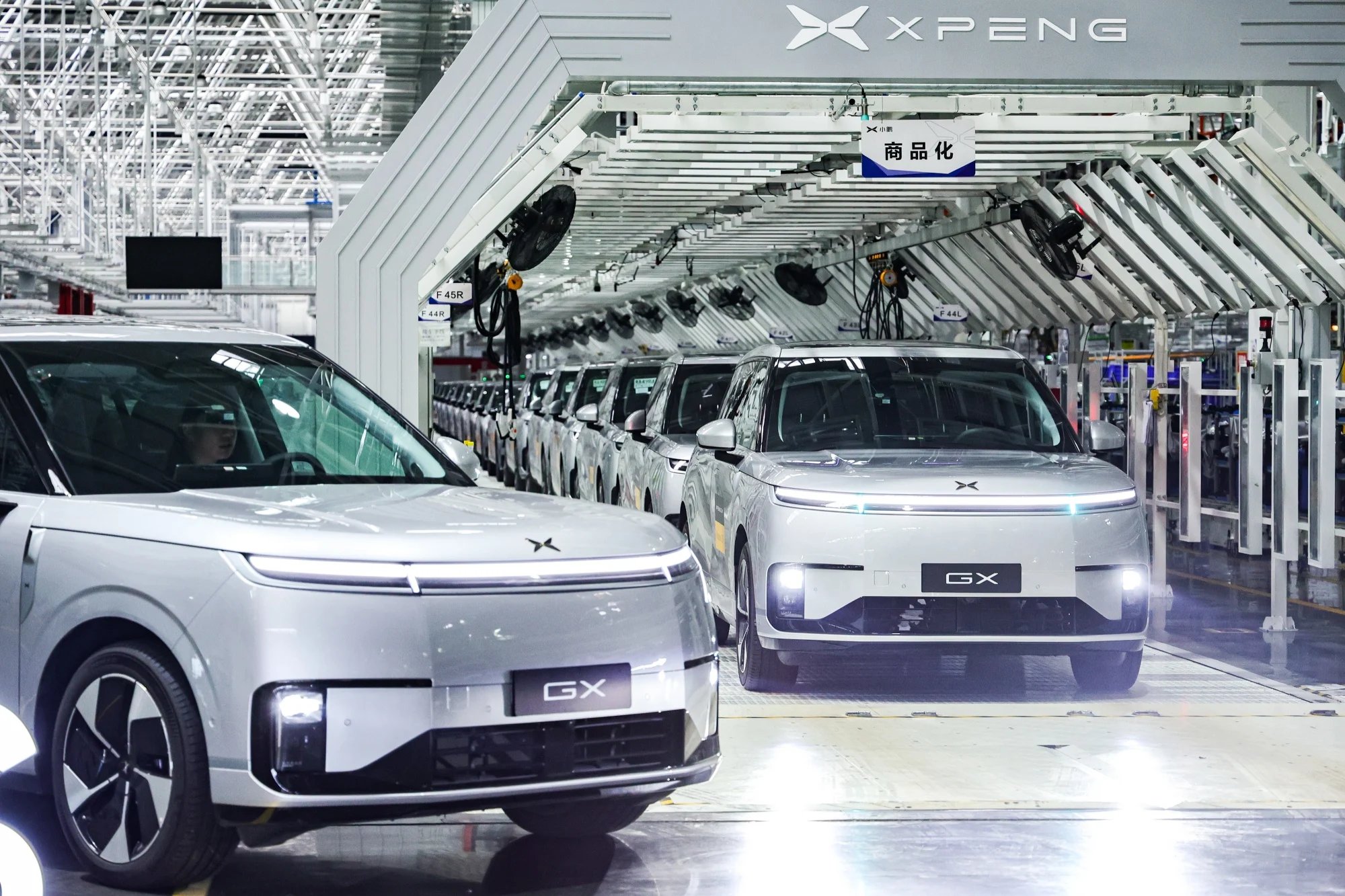
As the crisis unfolds, many countries are accelerating their transition to clean energy to mitigate dependence on fossil fuels. In stark contrast, the U.S. has seen a lack of decisive action in promoting renewable energy sources. Countries like South Korea and Malaysia report a boom in electric vehicle sales, while Indonesia plans to convert all motorcycles to electric models. In Europe, the European Union is pushing for a faster deployment of clean energy technologies to counteract rising electricity costs, demonstrating a collective recognition of the need for energy independence amidst geopolitical turmoil.
Economic Measures in Europe
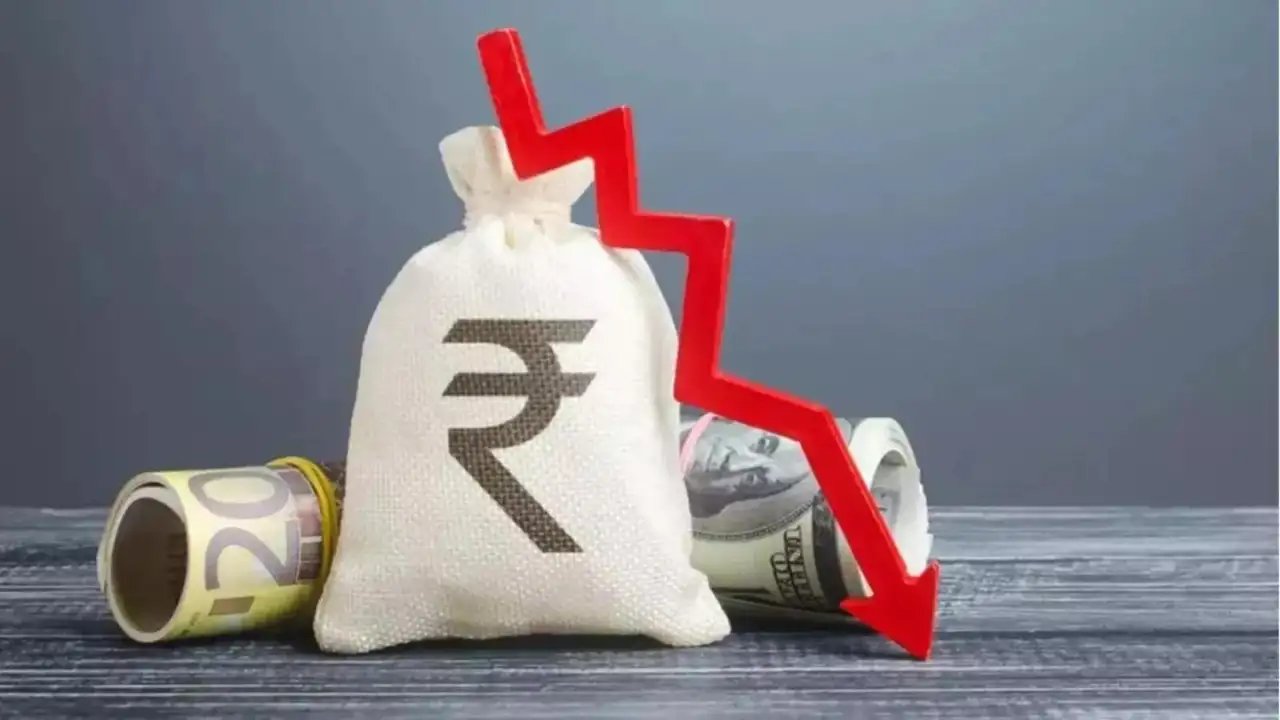
Faced with the economic fallout from the Iran war, the Netherlands has allocated more than €950 million ($1.1 billion) to blunt the Iran war's economic effects on Dutch households and businesses. This financial support aims to alleviate the burden of rising energy costs and prepare for potential fuel shortages. Similarly, Italy projects its budget deficit to fall below the EU limit, despite a downward revision of growth forecasts attributed to the ongoing conflict.
The Human Cost of Energy Crises
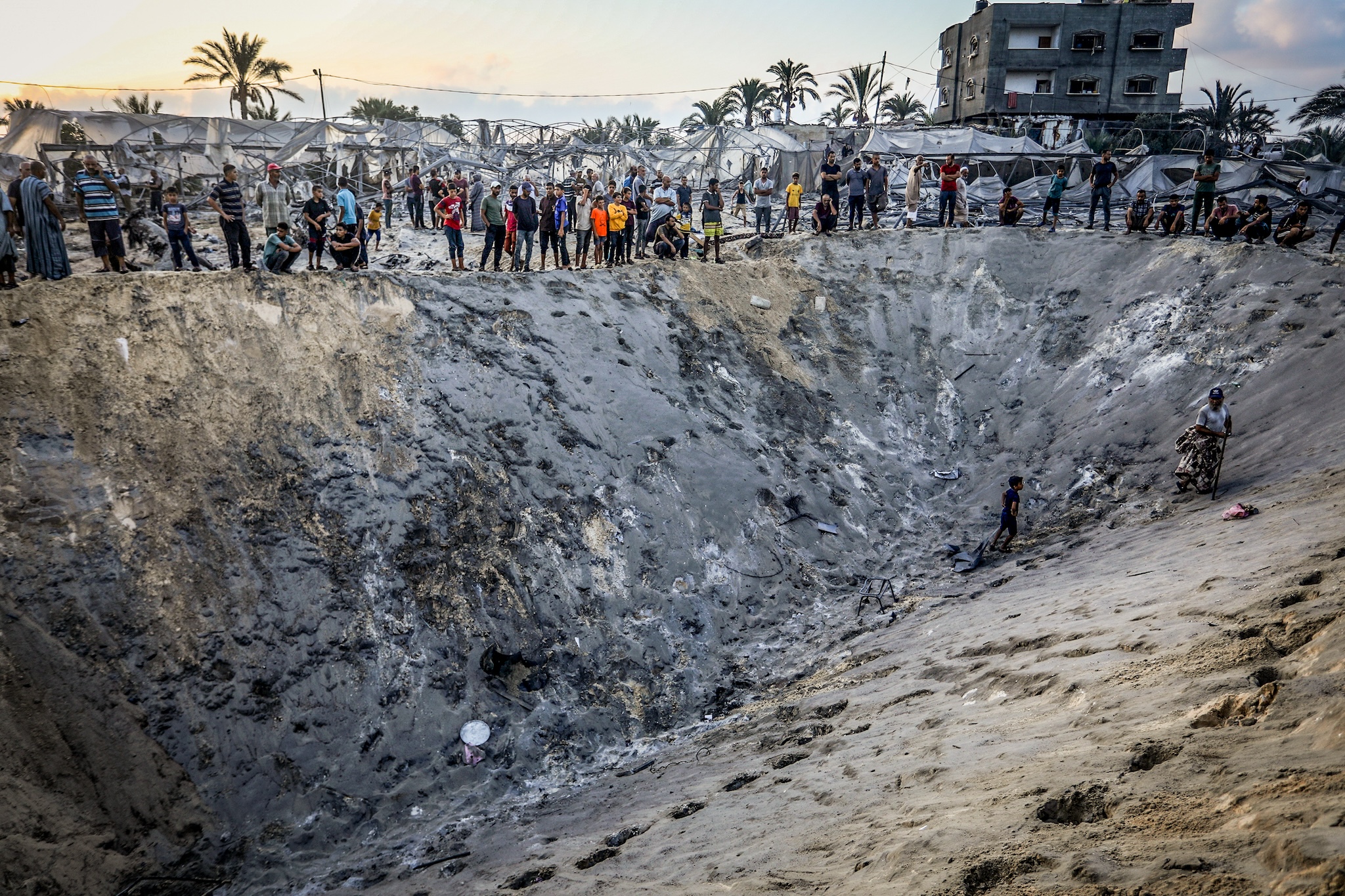
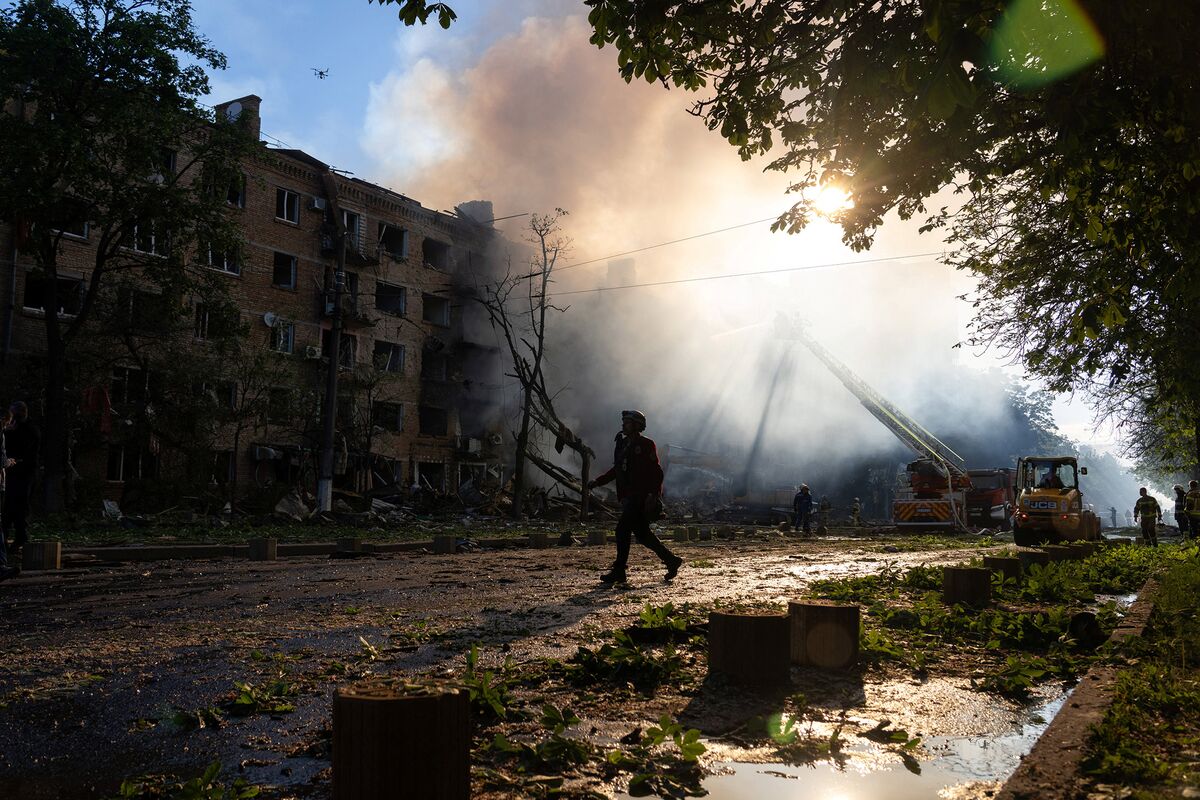
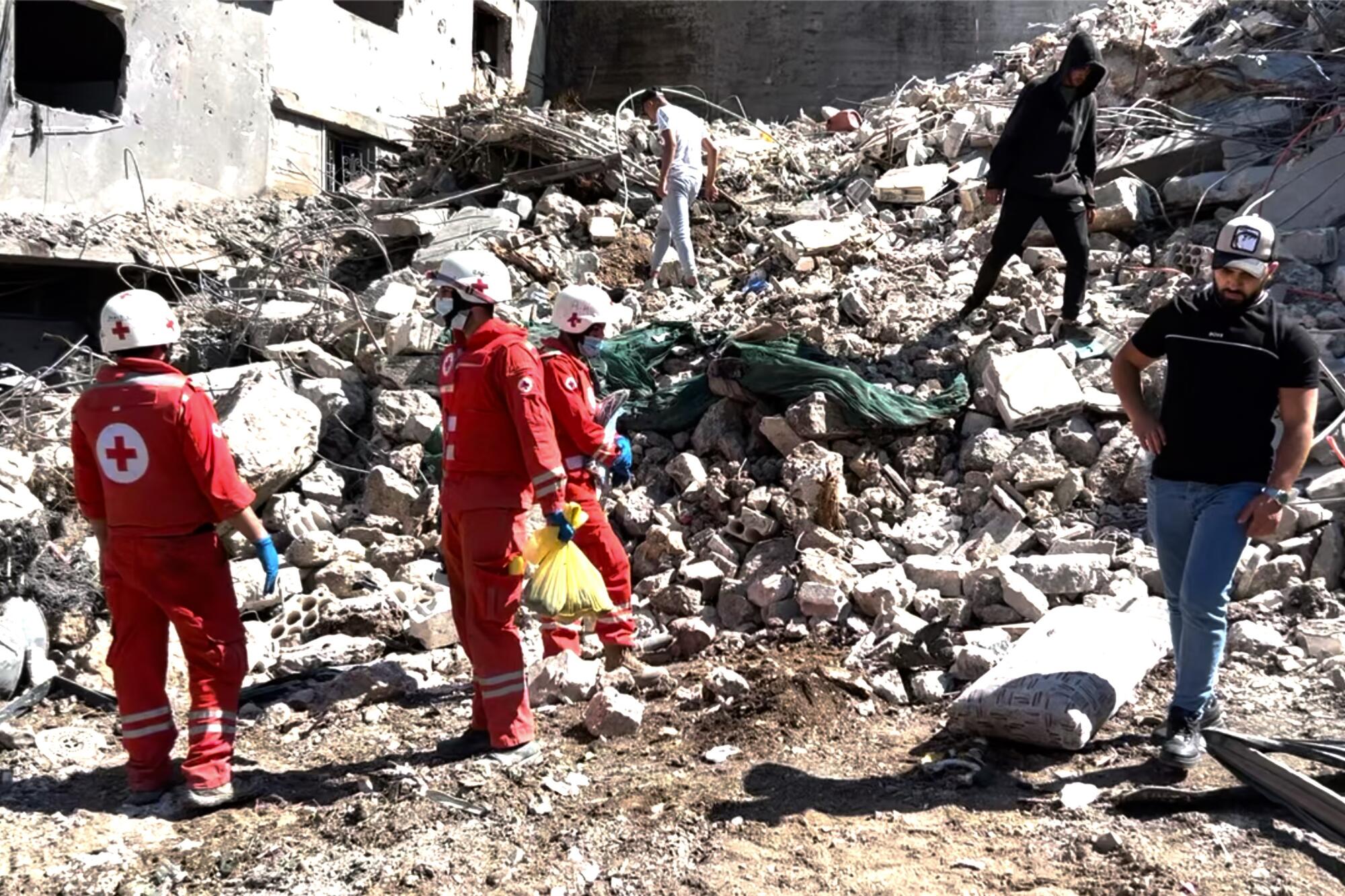
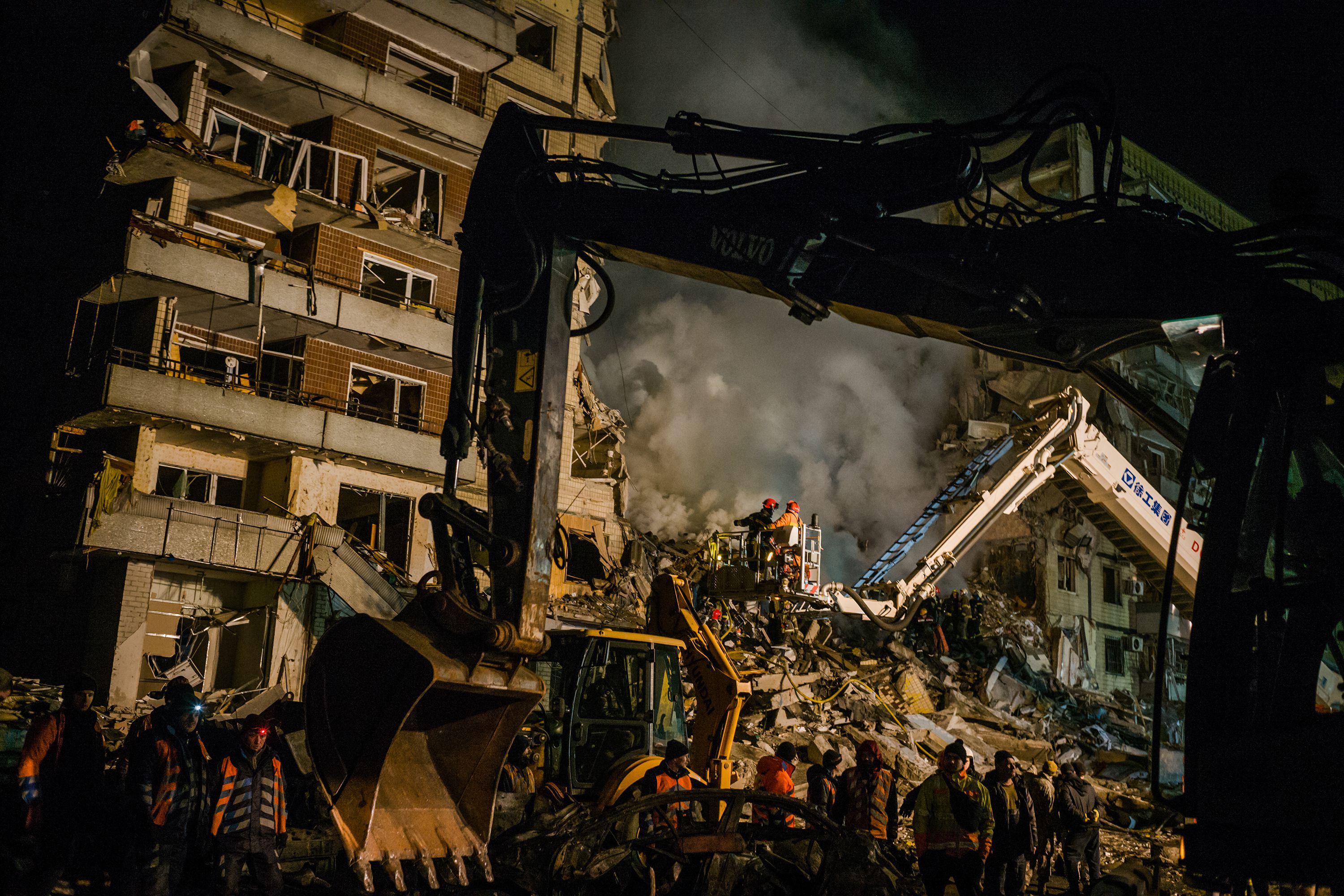
The ramifications of the Iran war extend beyond economics, affecting daily lives and global stability. The United Nations has emphasized the urgent need for a transition to clean energy, arguing that it offers a solution to the chaos associated with fossil fuel markets. Simon Stiell, the UN climate chief, stated that "wars don't disrupt the supply of sunlight for solar power," highlighting the potential for renewable energy to provide a stable and sustainable alternative to traditional fossil fuels.
Implications for U.S. Policy
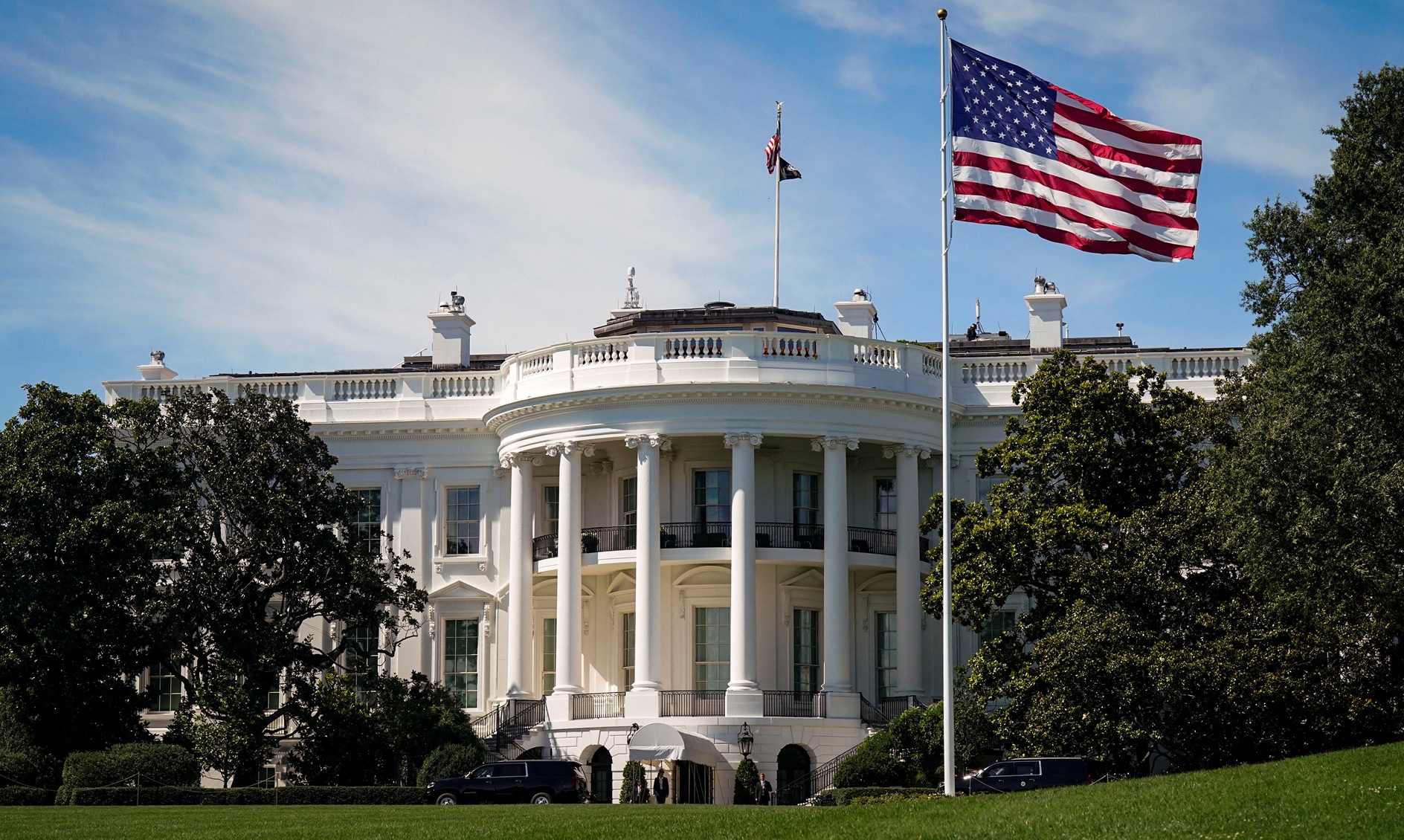
The ongoing crisis presents a critical moment for U.S. policymakers to reconsider their energy strategies. He argues that true energy independence can only be achieved through renewable sources, which are not subject to geopolitical conflicts. As the war continues to unfold, the pressure is mounting on U.S. leaders to pivot away from fossil fuel dependency and embrace a greener future.
Conclusion: A Call for Action
The Iran war not only disrupts energy markets but also serves as a wake-up call for nations to rethink their energy policies. The rising costs associated with the conflict underscore the need for a robust transition to clean energy solutions, which can provide both economic stability and environmental protection. As countries around the world adapt to these challenges, the U.S. must also respond decisively to ensure its economic security and resilience in the face of global crises.