The Earthquake and Immediate Impact
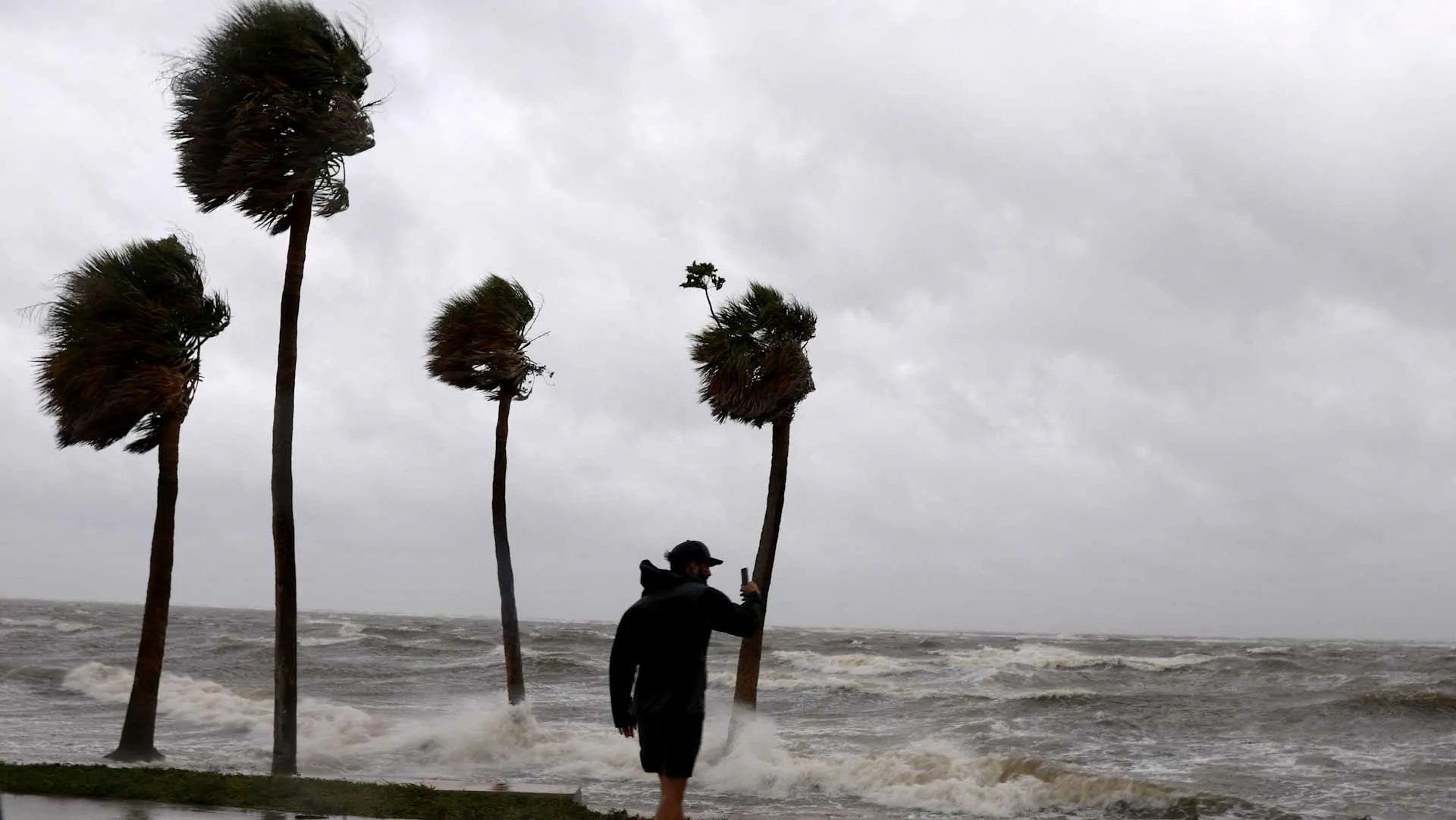
A 7.4-magnitude earthquake struck off Japan's northern coast on Monday, according to the Japan Meteorological Agency, prompting an official tsunami warning and evacuation orders across multiple prefectures. The Japan Meteorological Agency recorded an 80-centimeter tsunami near Kuji port in Iwate prefecture following the quake. Tidal waves of up to three meters could hit the country's northern coasts almost immediately, the agency warned.
Prime Minister Sanae Takaichi told reporters that the government was attempting to confirm whether there were any casualties or property damage.
Evacuation Orders and Infrastructure Disruption
Residents in coastal and riverside areas from Iwate prefecture extending as far north as Hokkaido have been ordered to evacuate to higher ground or evacuation buildings. The Japan Meteorological Agency stressed that people should "not leave safe ground until the warning is lifted."
Shinkansen bullet train services between Tokyo and Aomori, the northernmost city on Japan's largest island of Honshu, have been suspended for the time being. The disruption affects major transportation corridors connecting the capital to northern regions.
Japan's Earthquake History and Future Risks
Located on the Pacific Ring of Fire known for its volcanic and tectonic activity, Japan has experienced frequent earthquakes throughout its history. Fifteen years ago, the most powerful earthquake ever recorded in Japan struck the Tohoku region, killing approximately 20,000 people and triggering a nuclear disaster at the Fukushima Daichi power plant.
The Japan Meteorological Agency has twice issued warnings about possible megaquakes it believes could occur along the Nakai ocean trough. This 800-kilometer trench is where the Philippine Sea tectonic plate is slowly slipping underneath the continental plate that includes Japan. Officials estimate such a megaquake could kill hundreds of thousands of people and cause trillions of dollars in damage.