A Decades-Old Law Under Attack
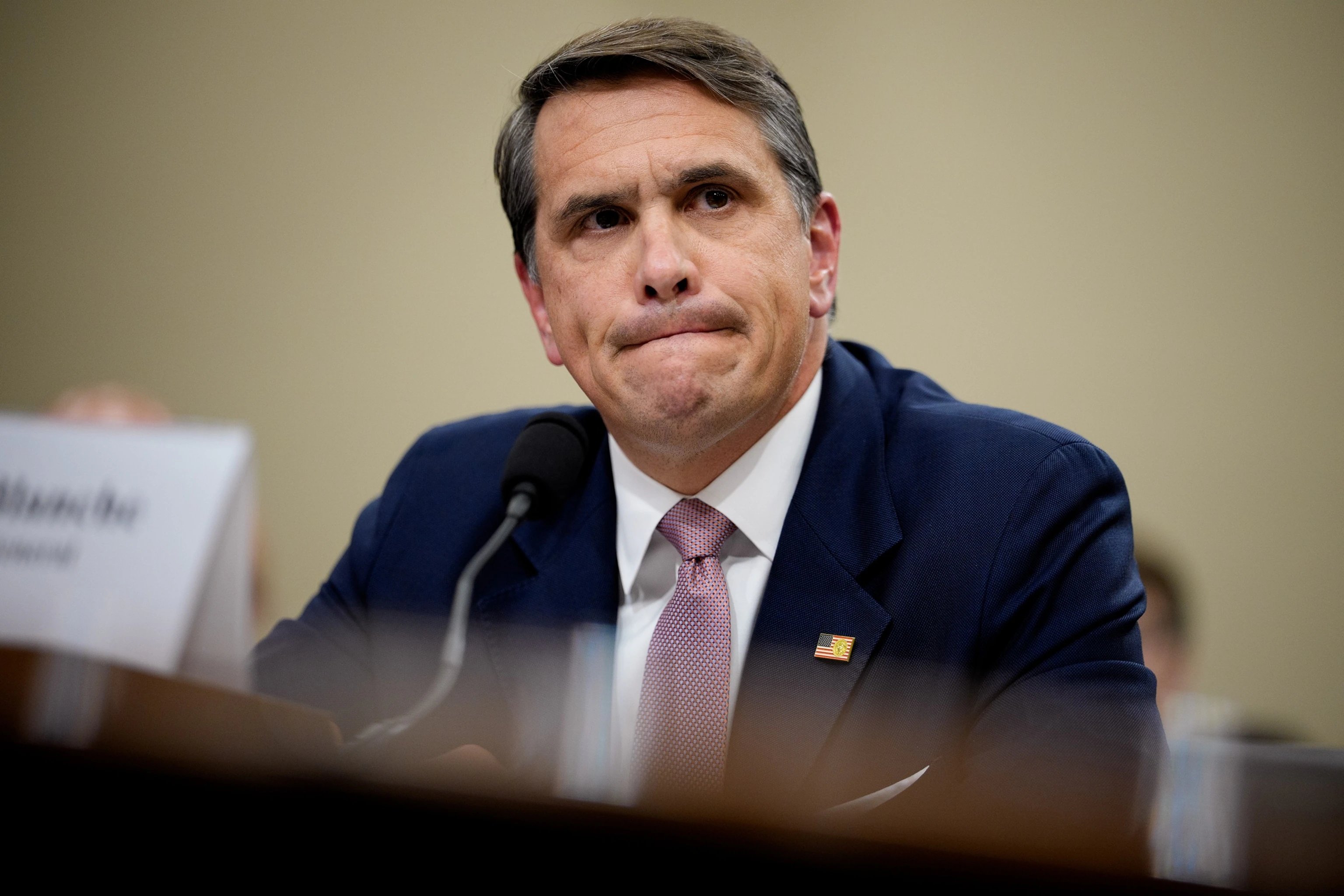
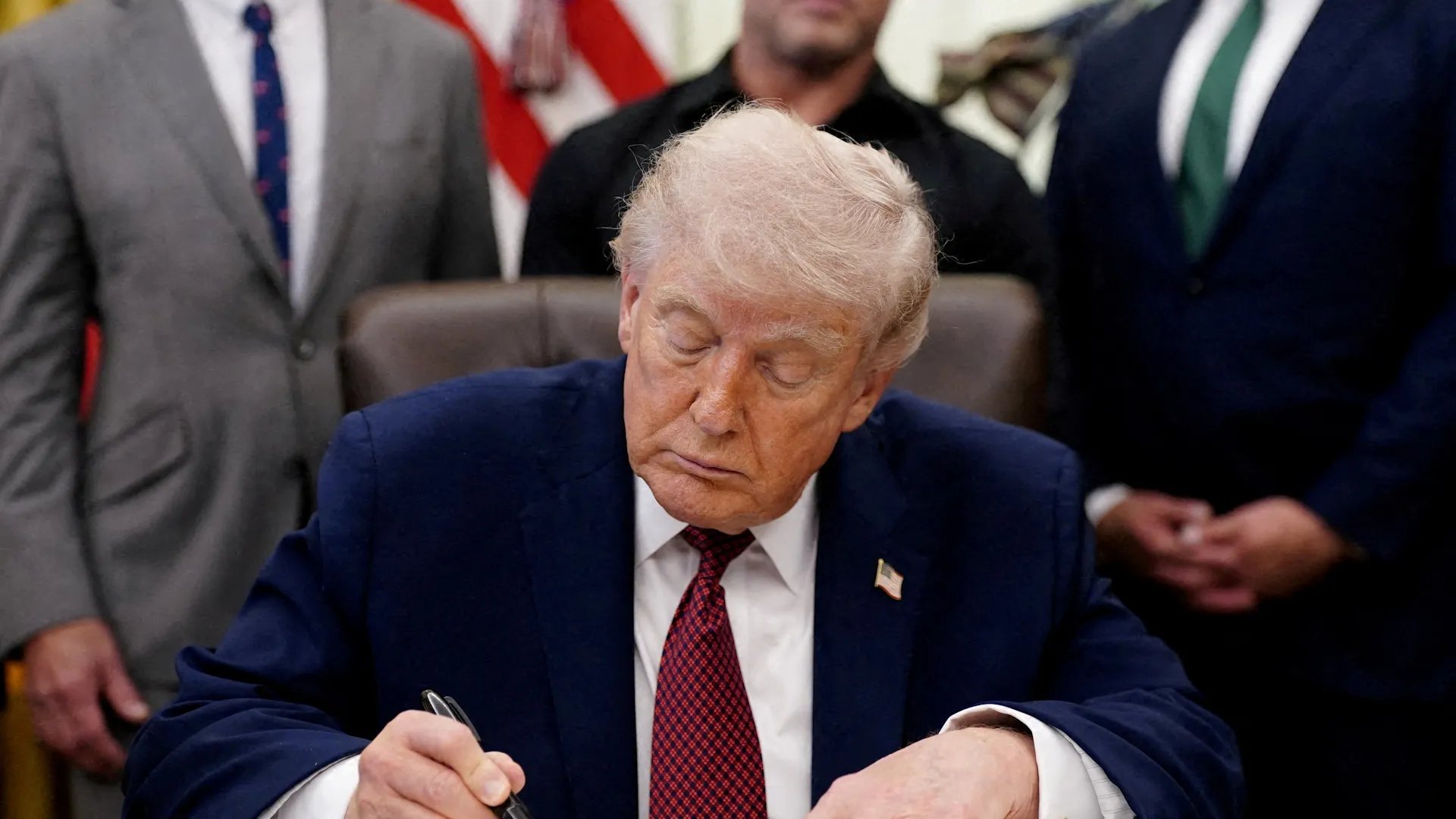
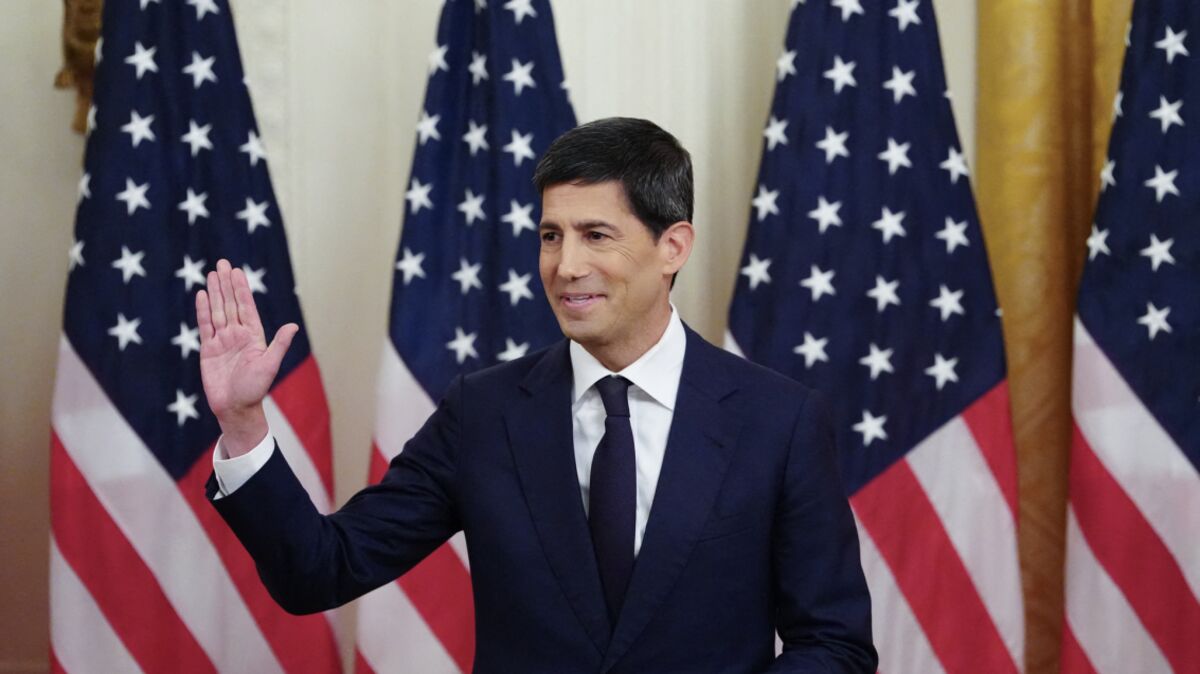
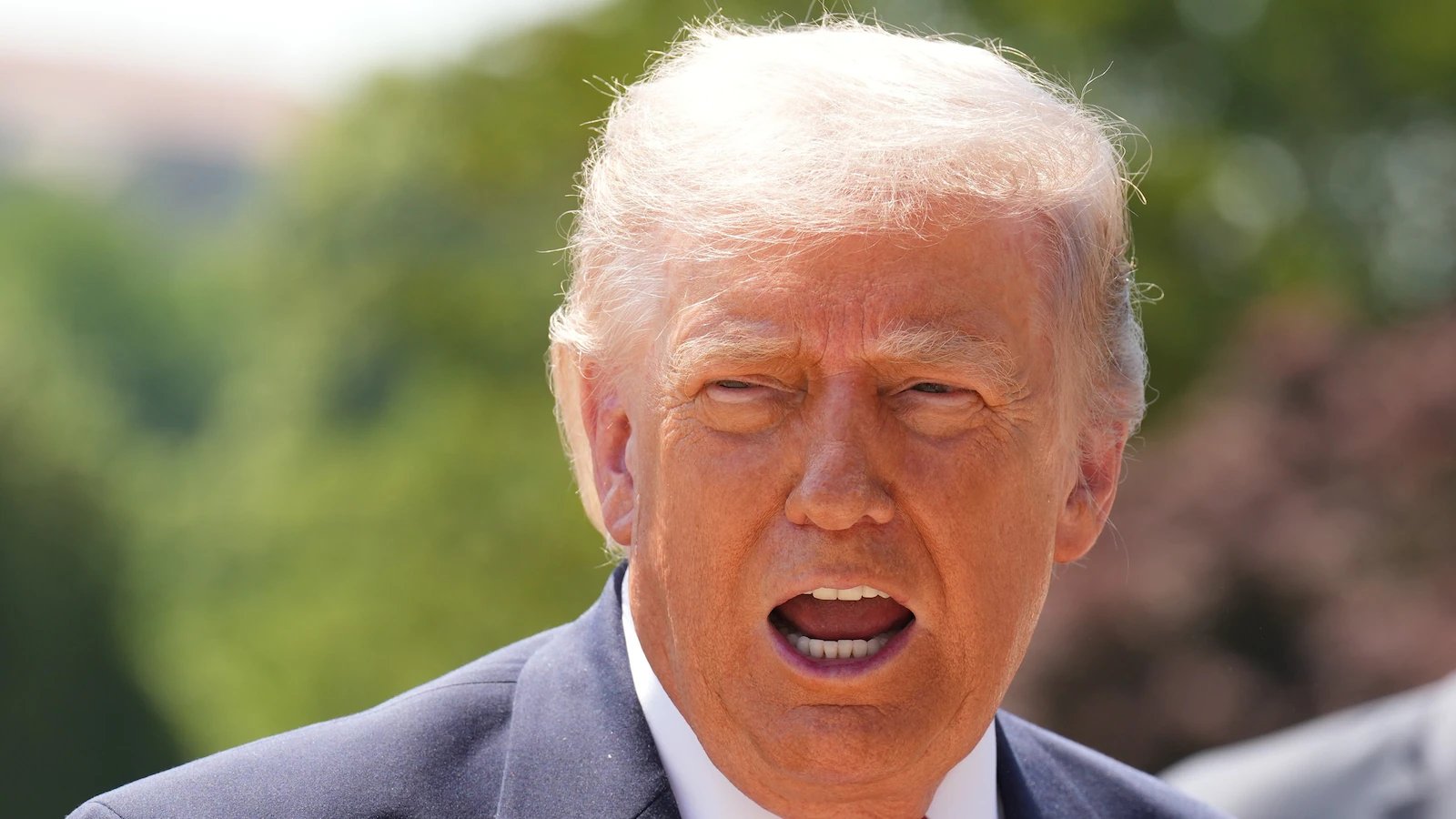
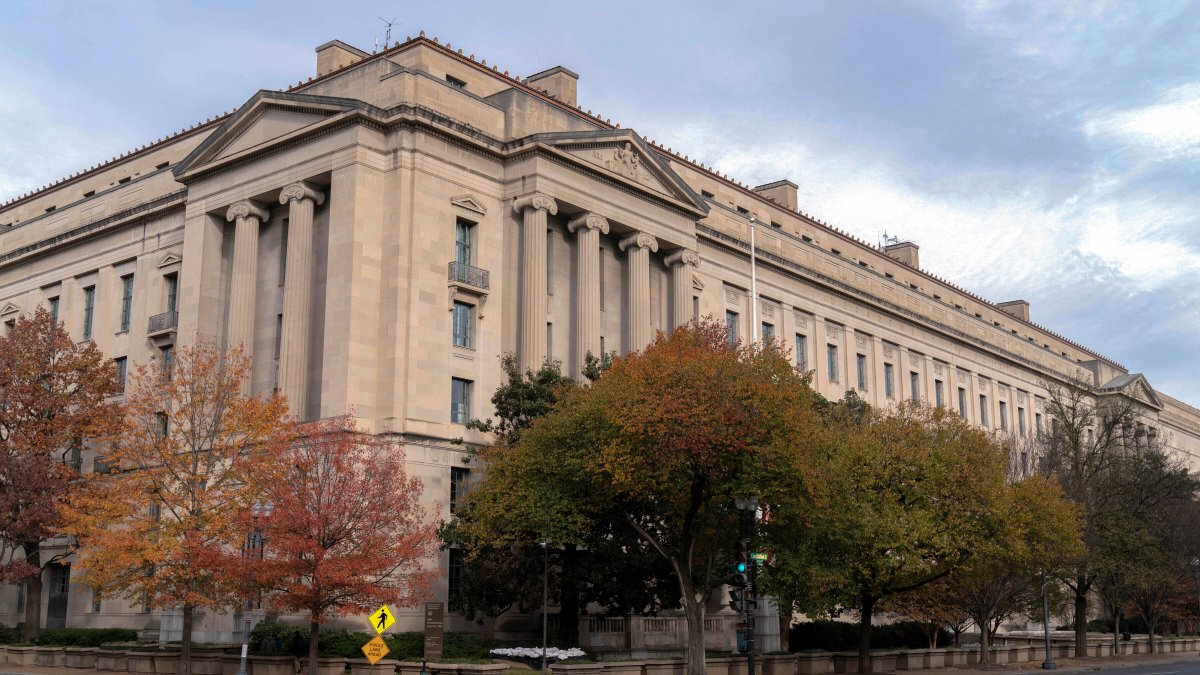
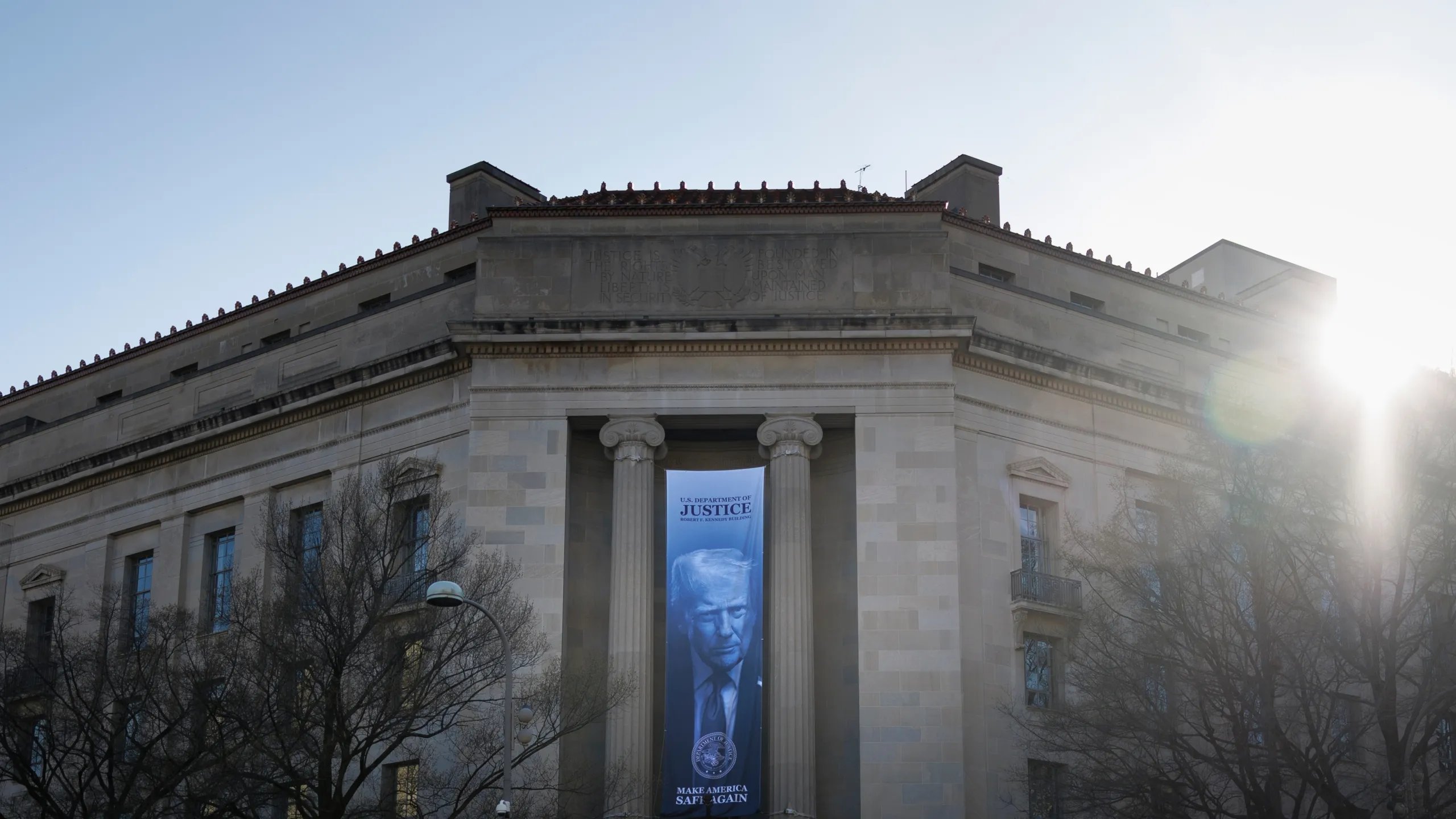
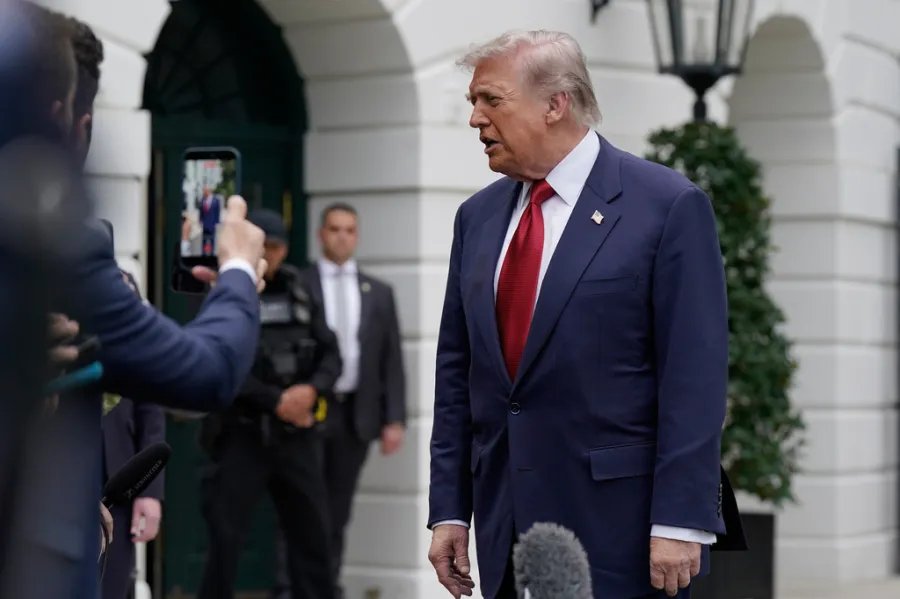
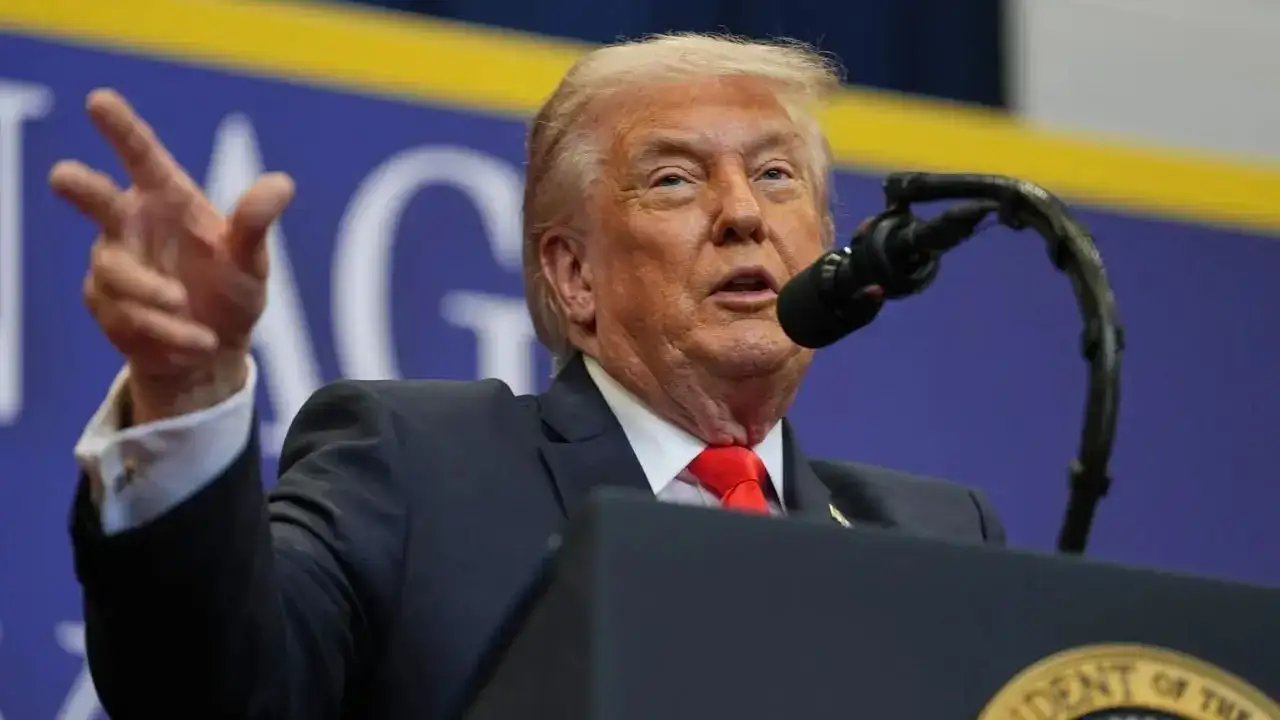
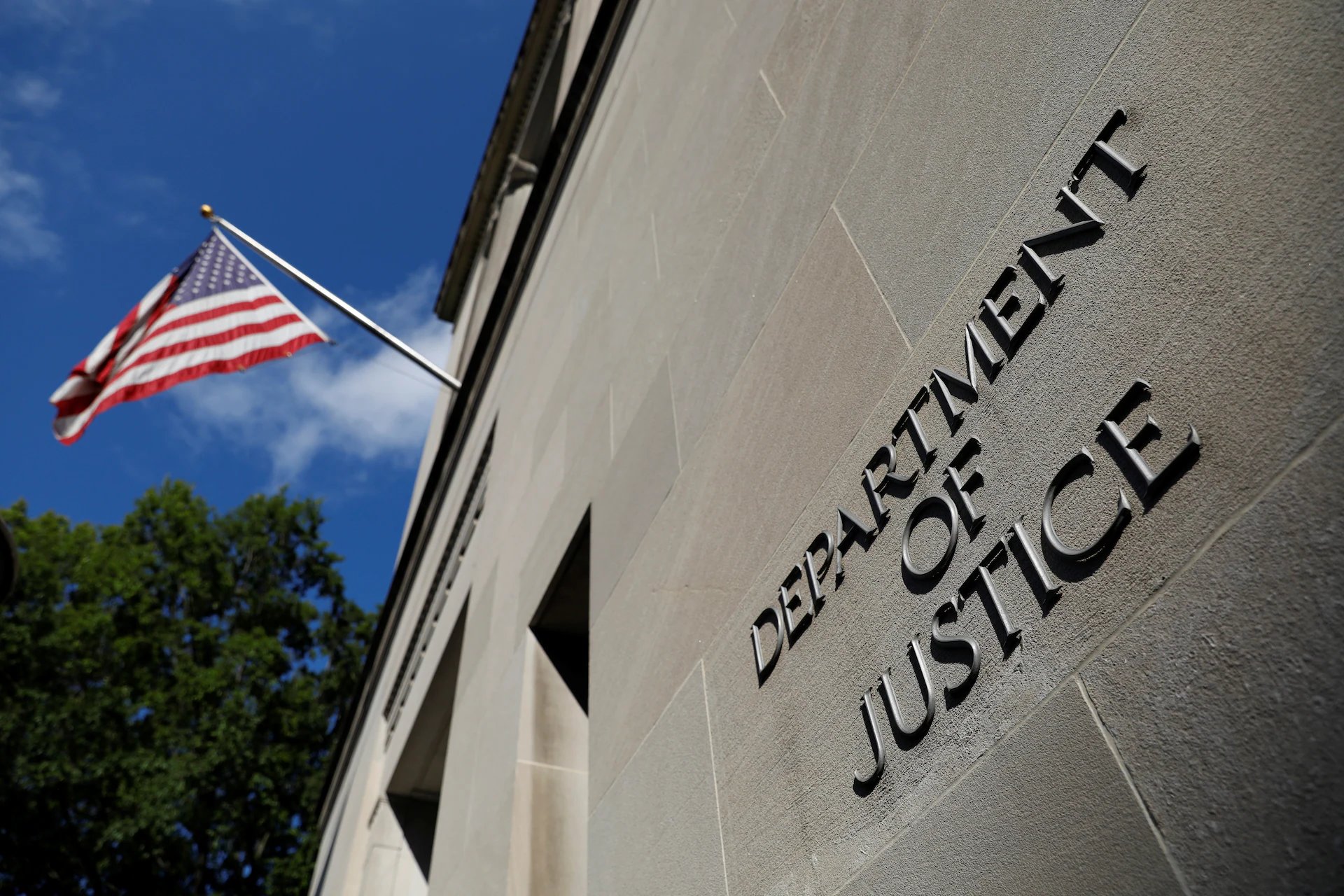
The Trump administration has declared that a nearly 50-year-old law requiring the preservation of presidential records is unconstitutional, marking a dramatic shift in how the executive branch views its authority over White House documents. T. Elliot Gaiser, head of the Justice Department's Office of Legal Counsel, wrote that the Presidential Records Act "unconstitutionally intrudes on the independence and autonomy of the President guaranteed by Article II" and establishes "a permanent and burdensome regime of congressional regulation of the Presidency untethered from any valid and identifiable legislative purpose."
The legal position represents the first time an administration has challenged the law since Congress passed it in 1978 to apply record-preservation requirements to all future presidents. Both Republican and Democratic administrations honored the law until now, according to the sources.
Gene Hamilton, who served as deputy White House counsel and now leads the nonprofit America First Legal, supports the administration's stance. "The notion that the United States Congress gets to tell the President of the United States what he gets to do with his paperwork is, from a constitutional perspective, insane," Hamilton said. America First Legal issued a white paper asserting that a president has unequivocal power over his records in 2023, months after Trump faced indictment on obstruction of justice charges for allegedly stockpiling classified documents in a bathroom, ballroom and office at his Mar-a-Lago resort. The Justice Department dropped that case after Trump won reelection.
Historians Take the Administration to Court
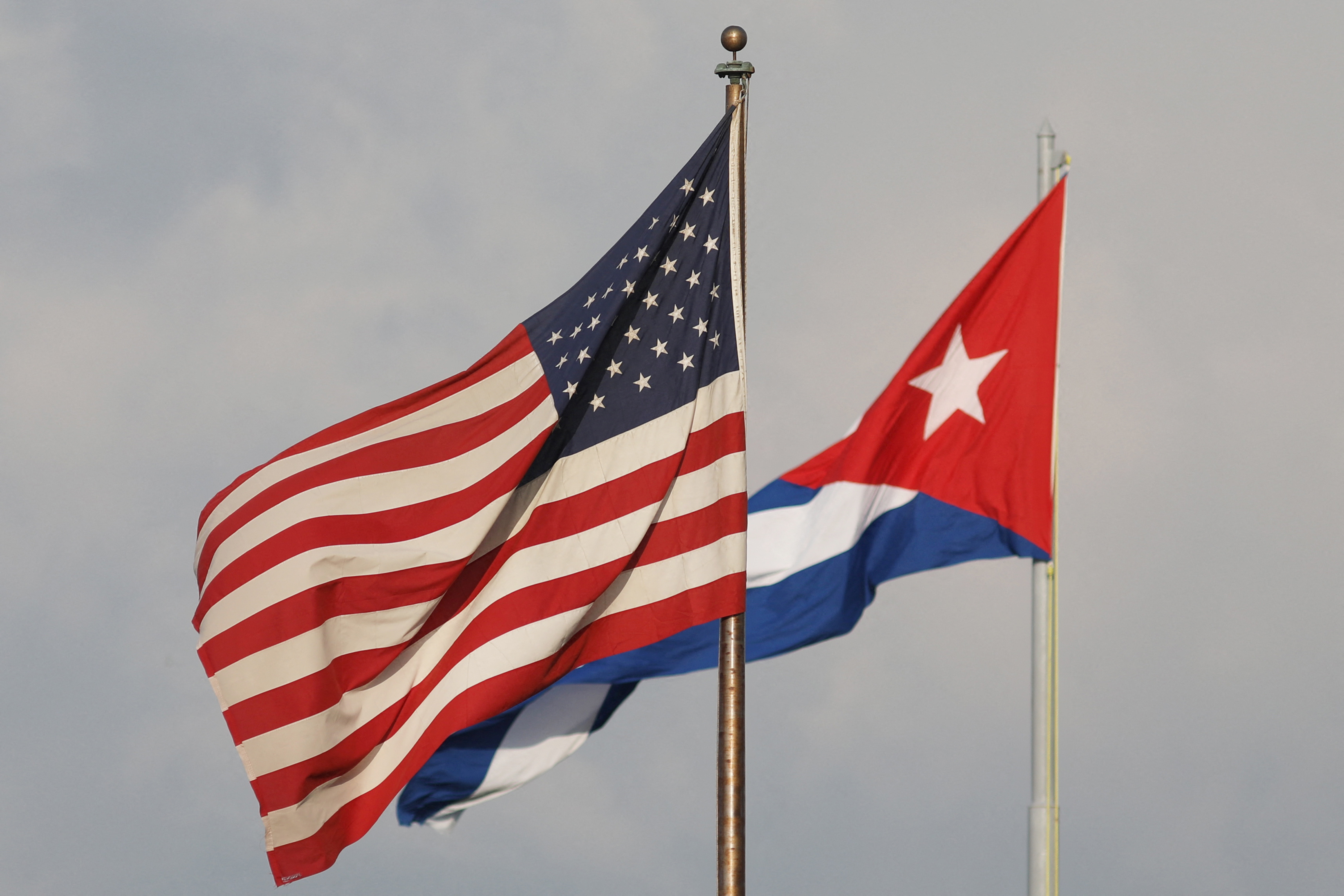
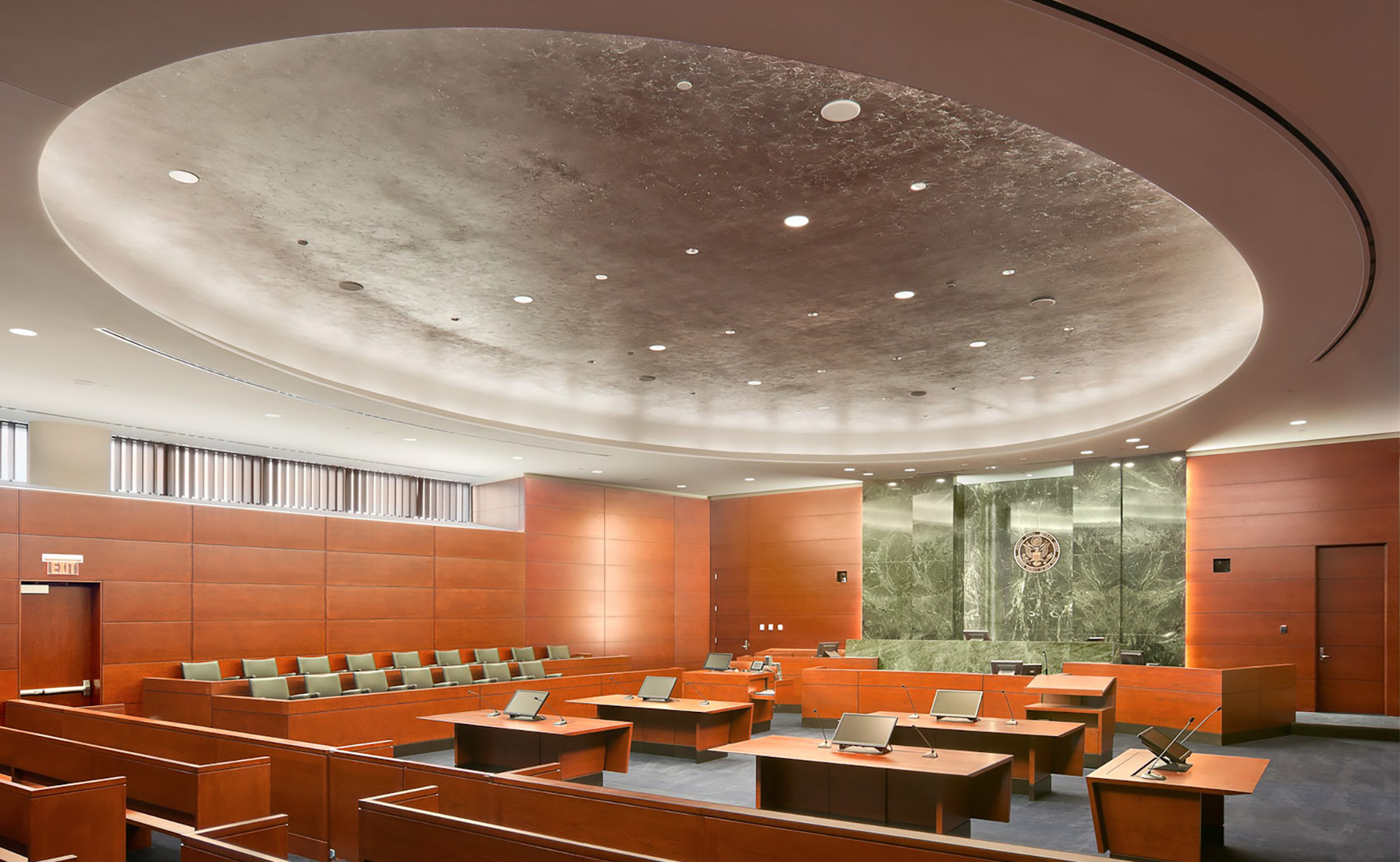
The American Historical Association has filed suit in federal court in Washington, D.C., seeking to block government officials from destroying presidential materials. Matthew Connelly, a history professor at Columbia University, said the move shows Trump is trying to ensure the presidency "is answerable to no one, not even the court of history." He warned that if the Trump interpretation prevails, targeting orders and other operations from critical moments like the Cuban missile crisis could remain secret forever.
Timothy Naftali, former director of the Nixon Presidential Library, said Trump's attack on the Presidential Records Act represents "an attempt at post facto vindication for having taken public property to Mar-a-Lago." He asked pointedly: "Do we want future presidents to be able to destroy at will documents that do not put them in the best light?"
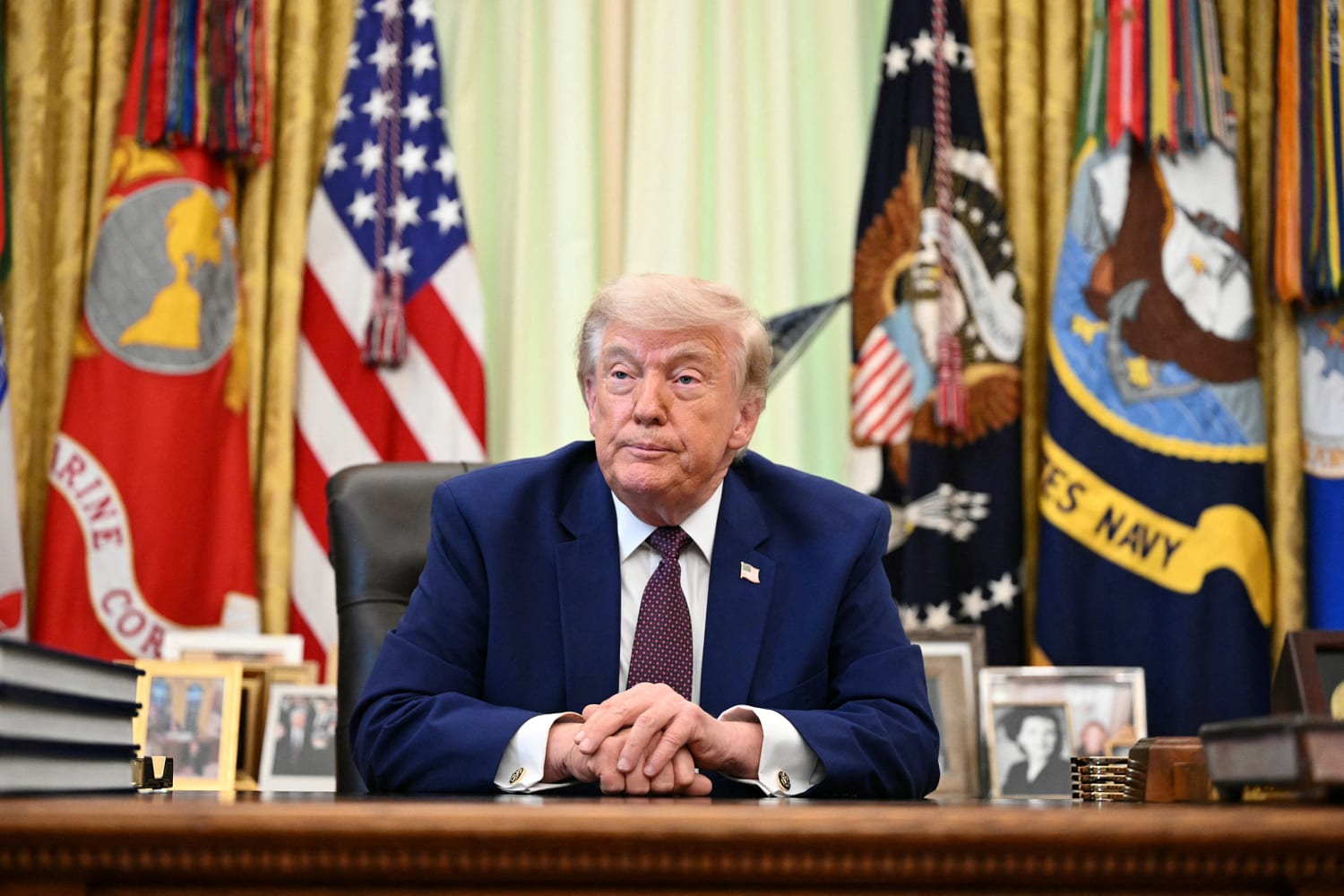
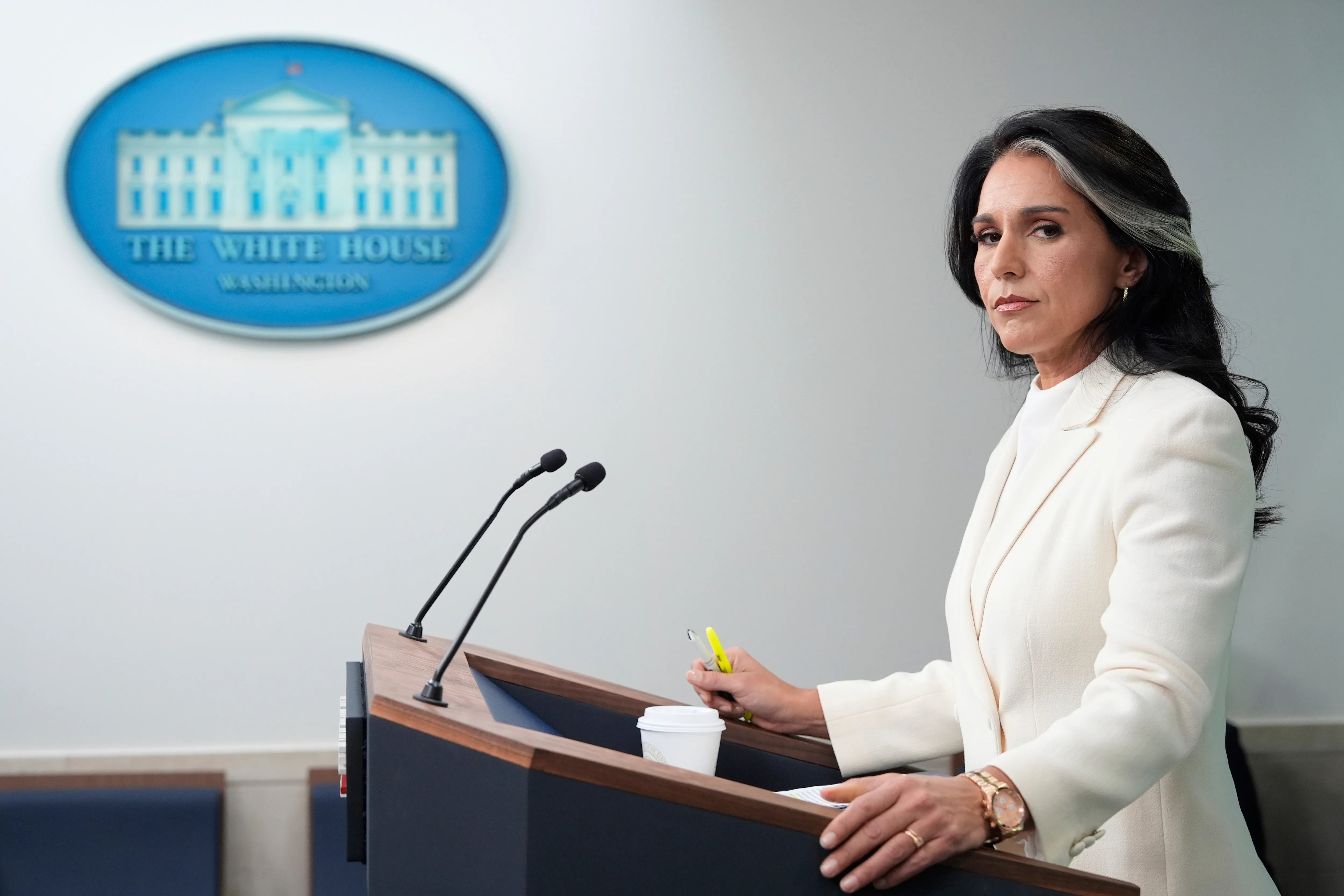
White House spokeswoman Abigail Jackson countered that "President Trump is committed to preserving records from his historic Administration and he will maintain a rigorous records retention program." She said staff members will undergo training on document preservation. However, lawyers for the historians and the watchdog group American Oversight noted that training does not appear to apply to Trump or Vice President Vance.
The Supreme Court Precedent Being Ignored
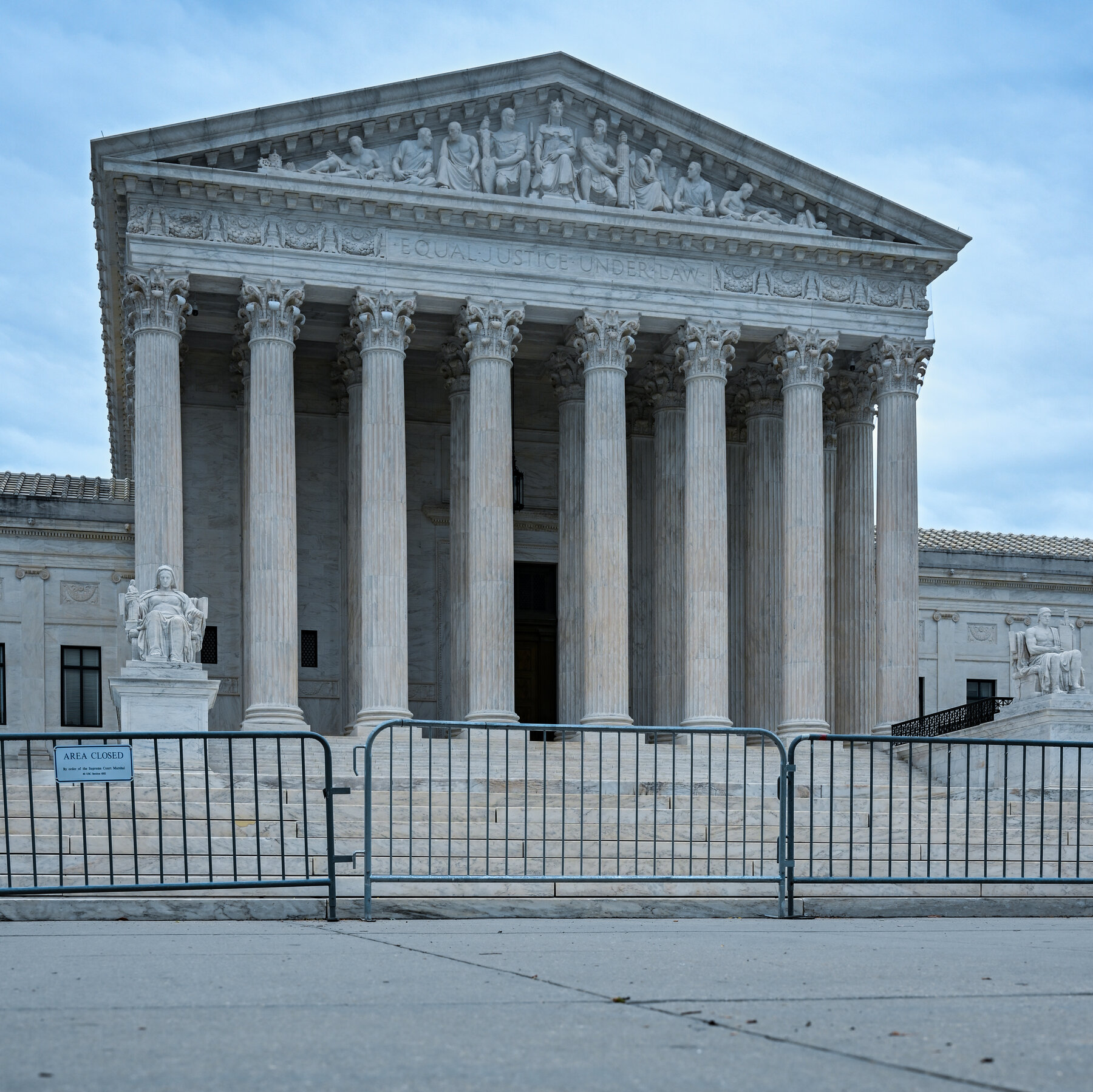
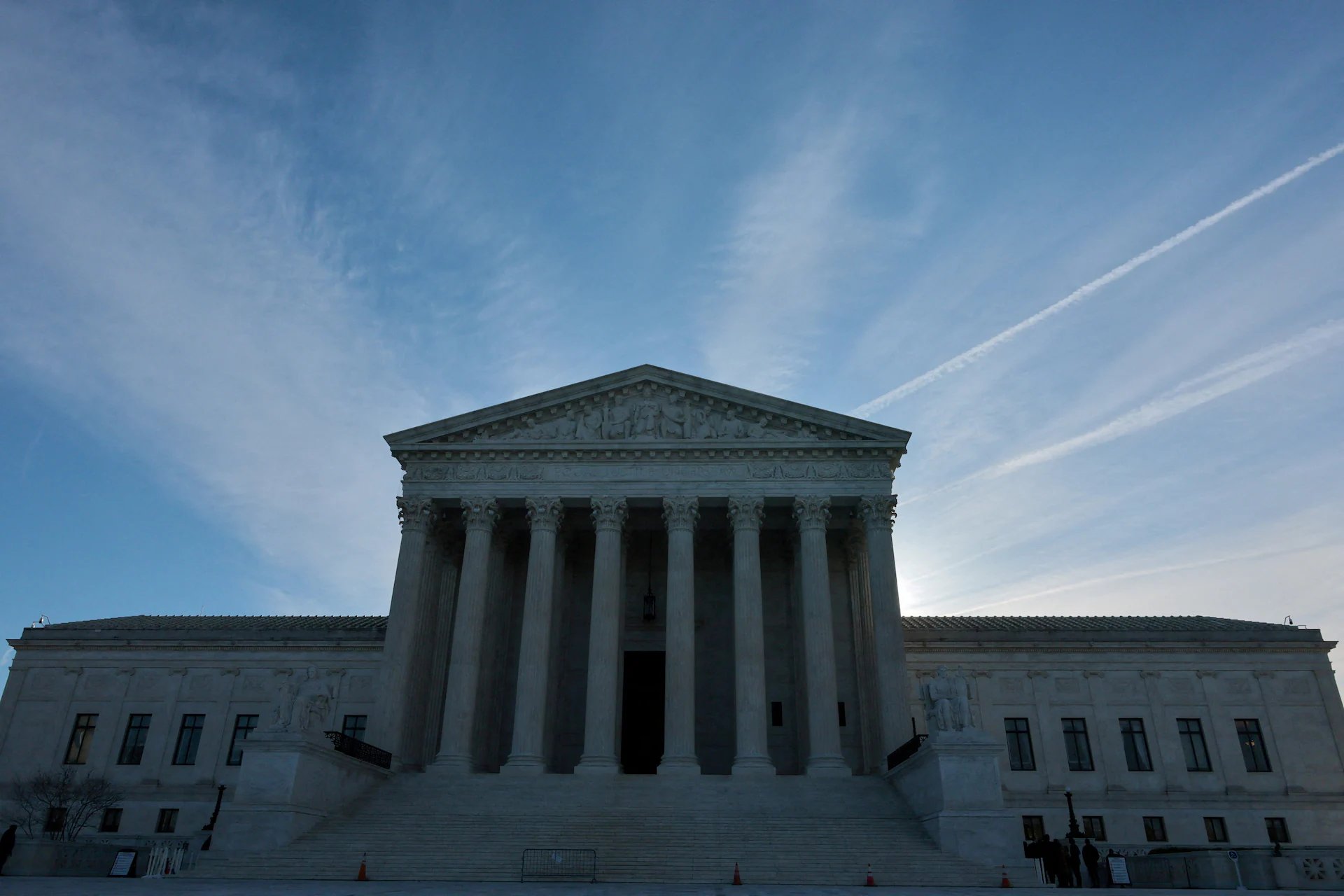
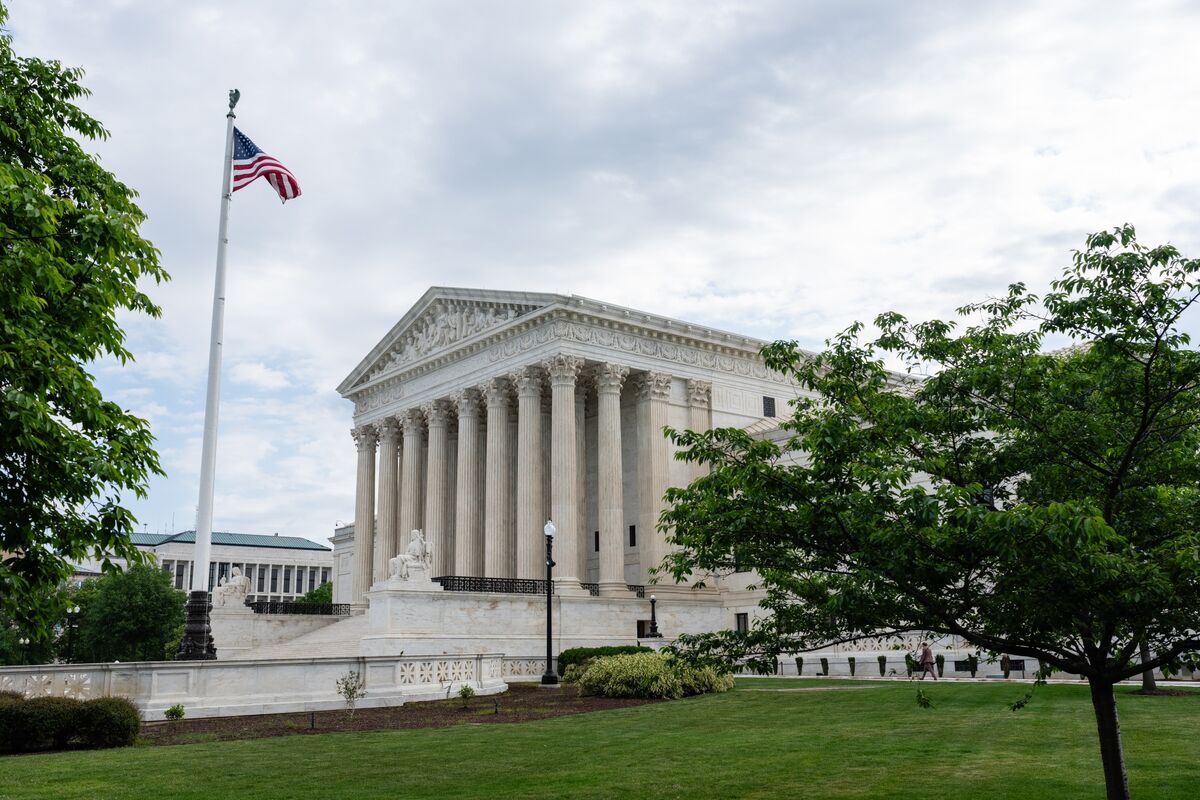
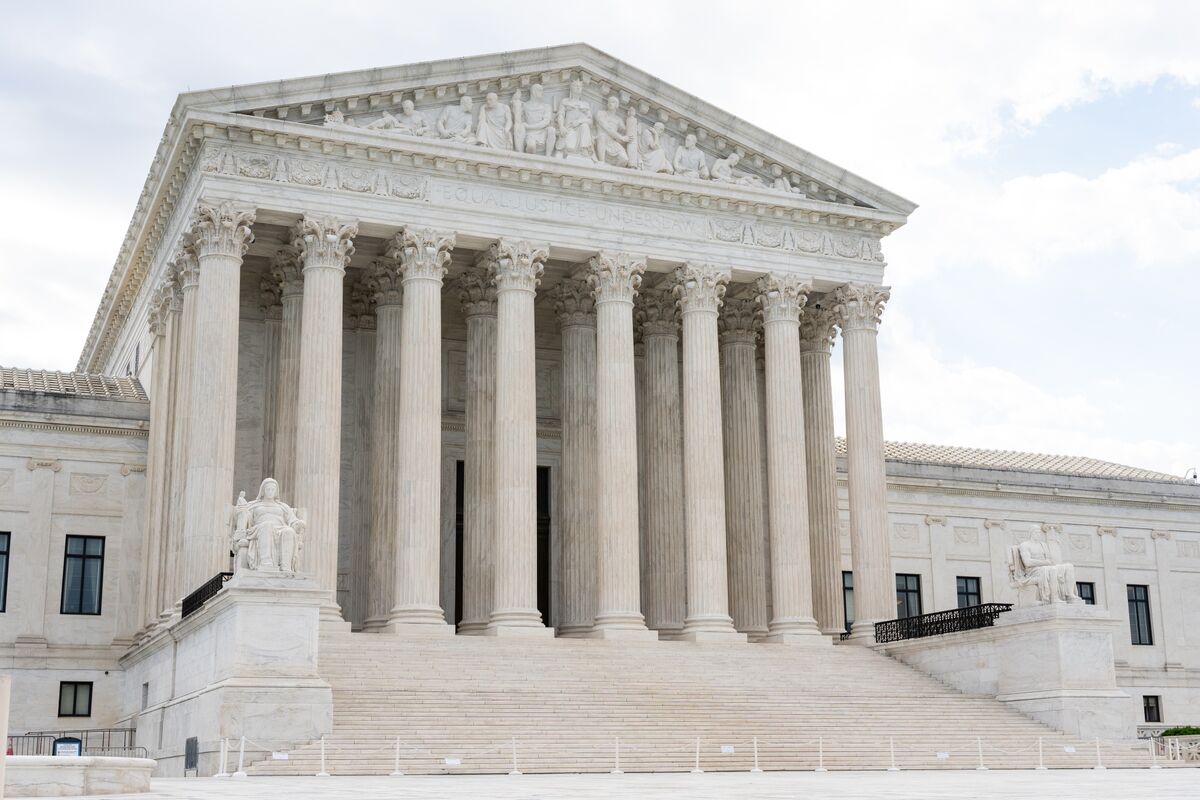
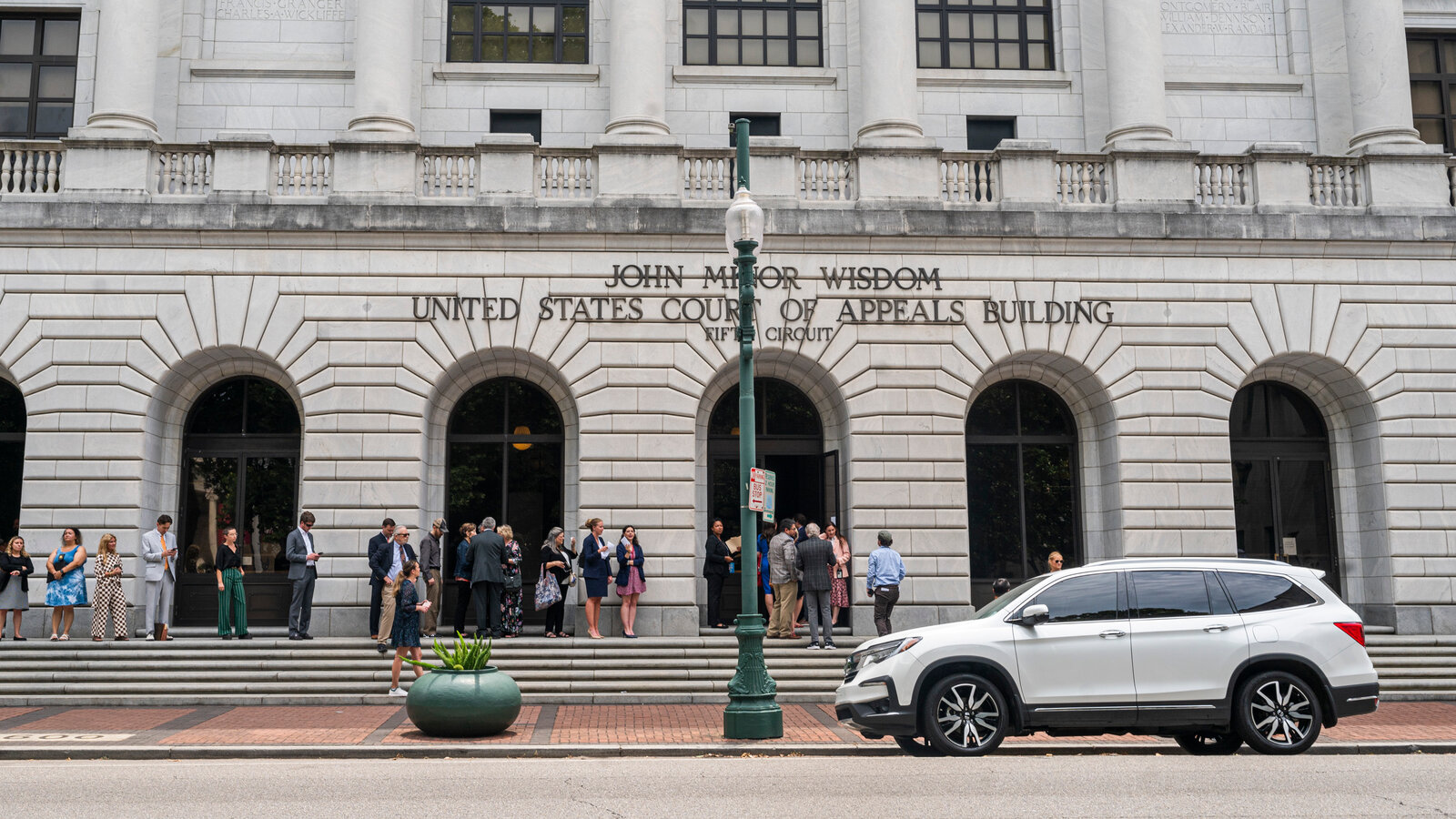
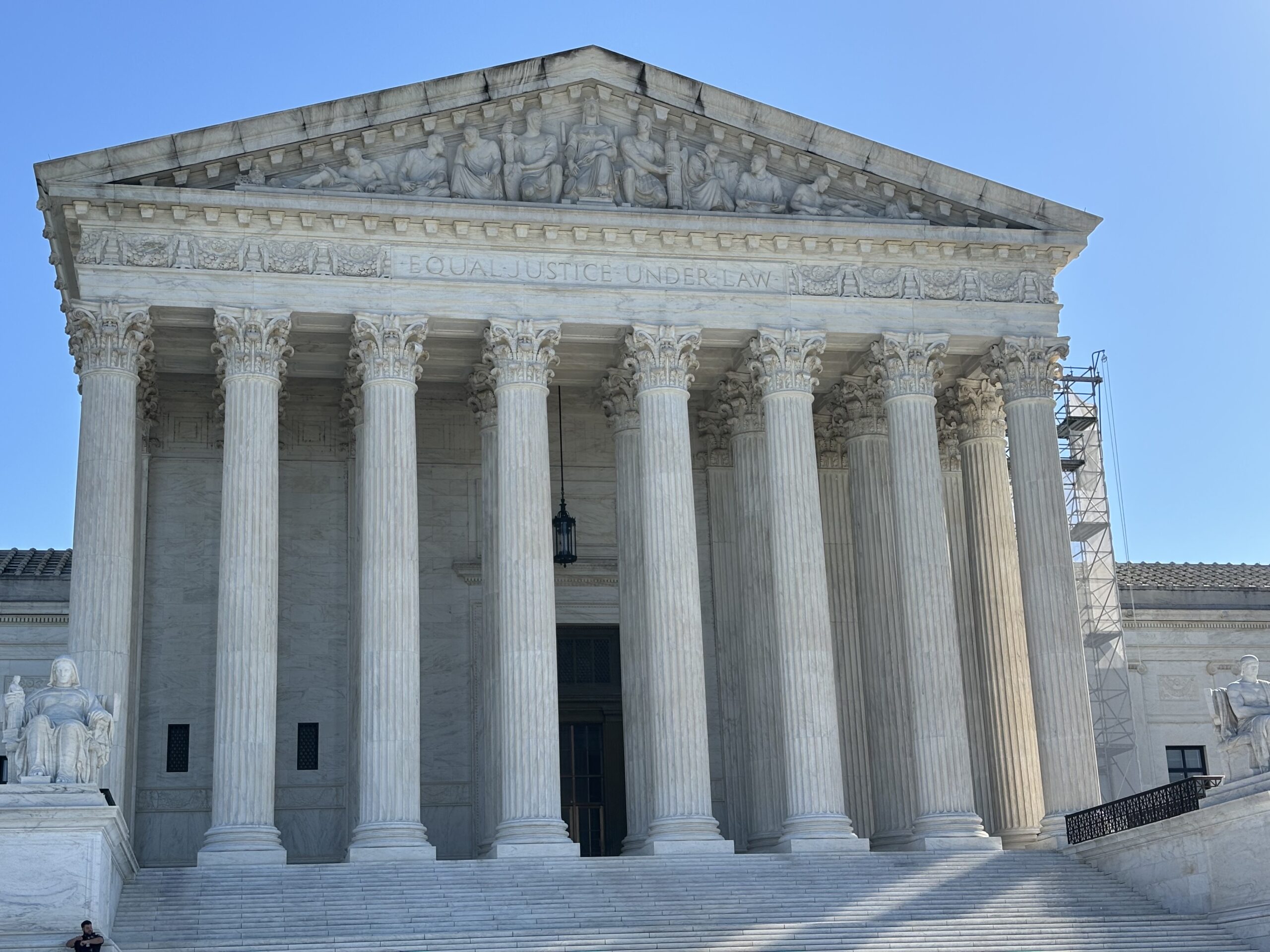
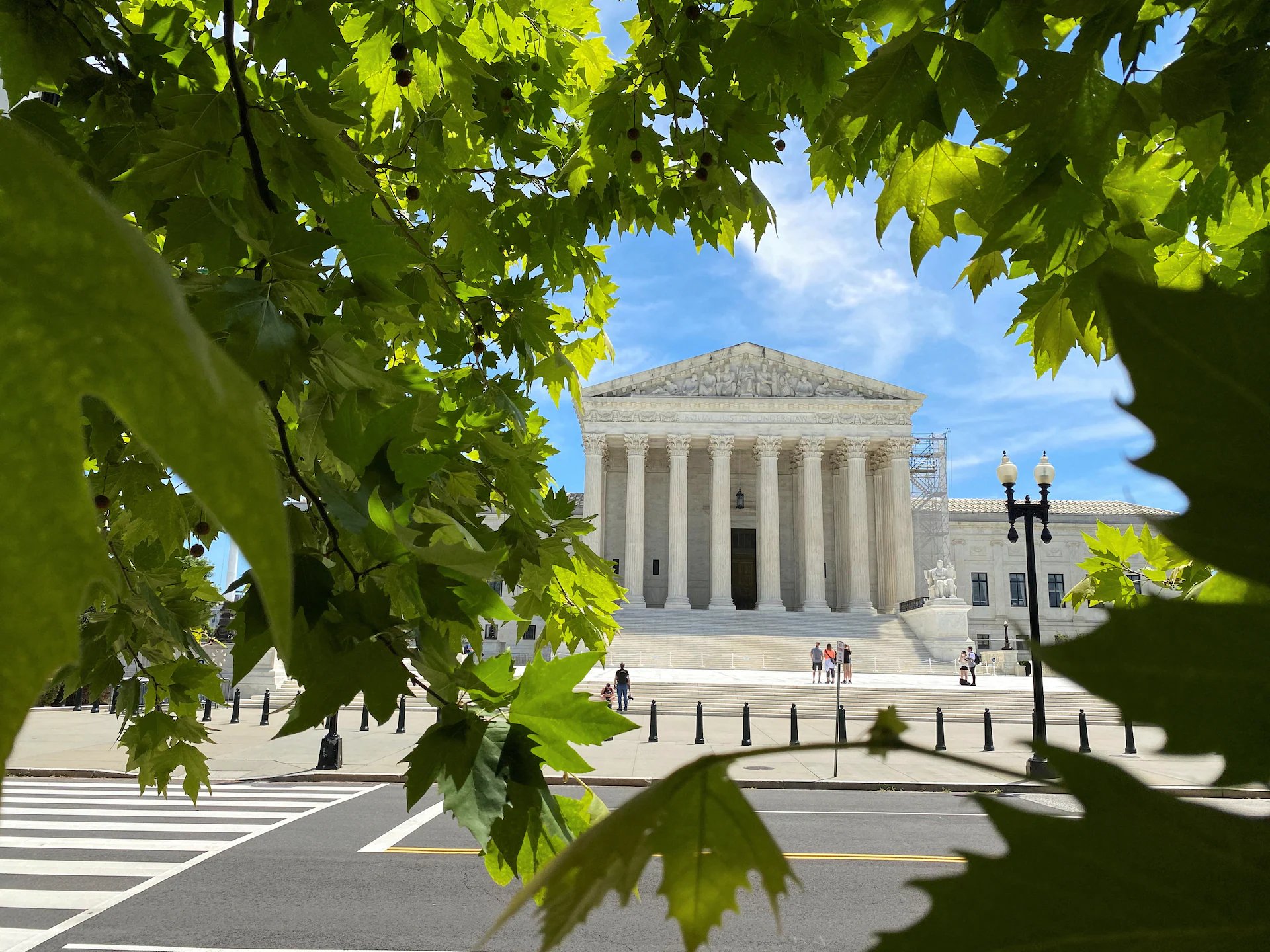
Dan Jacobson, a lawyer for the historians, pointed out that the Supreme Court found an earlier version of the records law constitutional in a case from the Nixon era. The Trump Justice Department memo disregards that precedent. "They just say we just think the Supreme Court is wrong and they use the word 'wrong' several times," Jacobson said. "So the executive branch is taking for itself the authority to declare the Supreme Court got it wrong and they can ignore a law based on that disagreement."
Christopher Fonzone, a former leader in the Justice Department office that issued the new records act memo, likened it to "a bolt of lightning unanticipated by any Executive Branch or Supreme Court opinion or even contemporary legal scholarship," in a recent essay. Both sides of the legal dispute are likely to appear in court early next month.
Naftali framed the stakes in terms of accountability itself: "This is about whether we can hold our most powerful leader accountable and I don't know how you hold them accountable if they can destroy the record of their actions in government."