Market Reactions to Iran Tensions
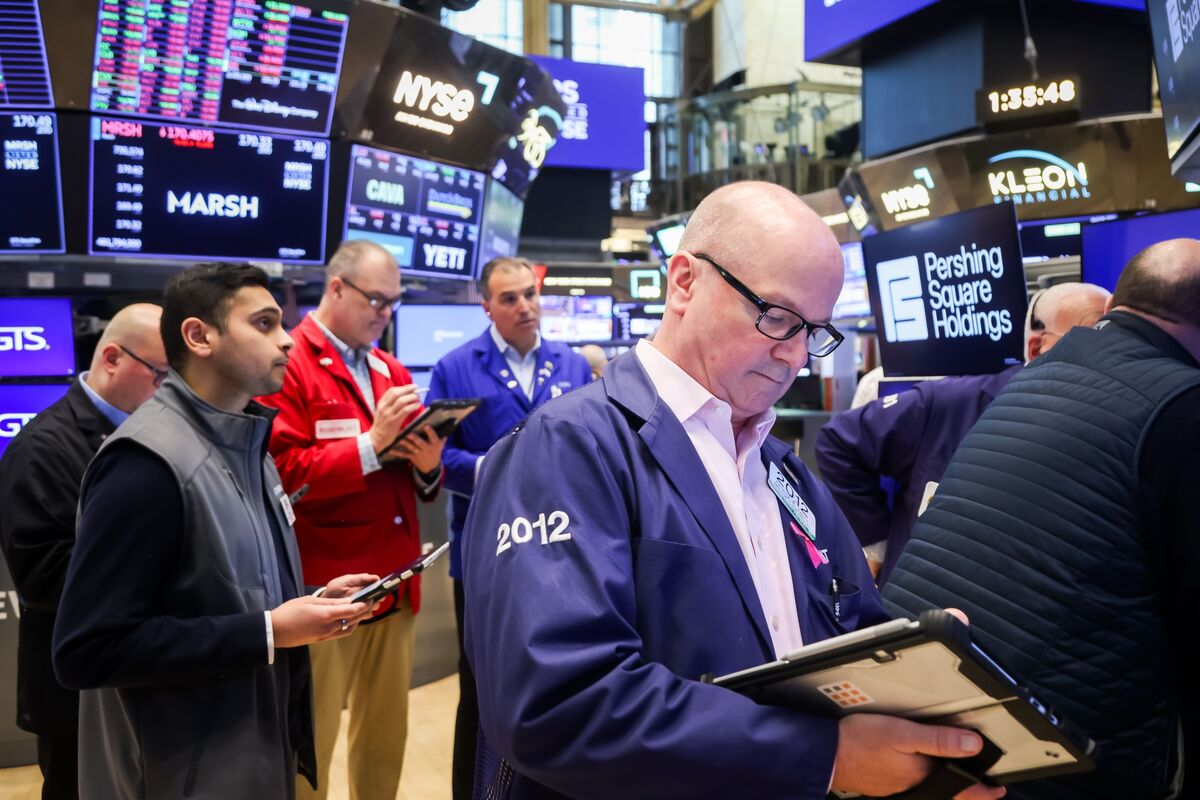
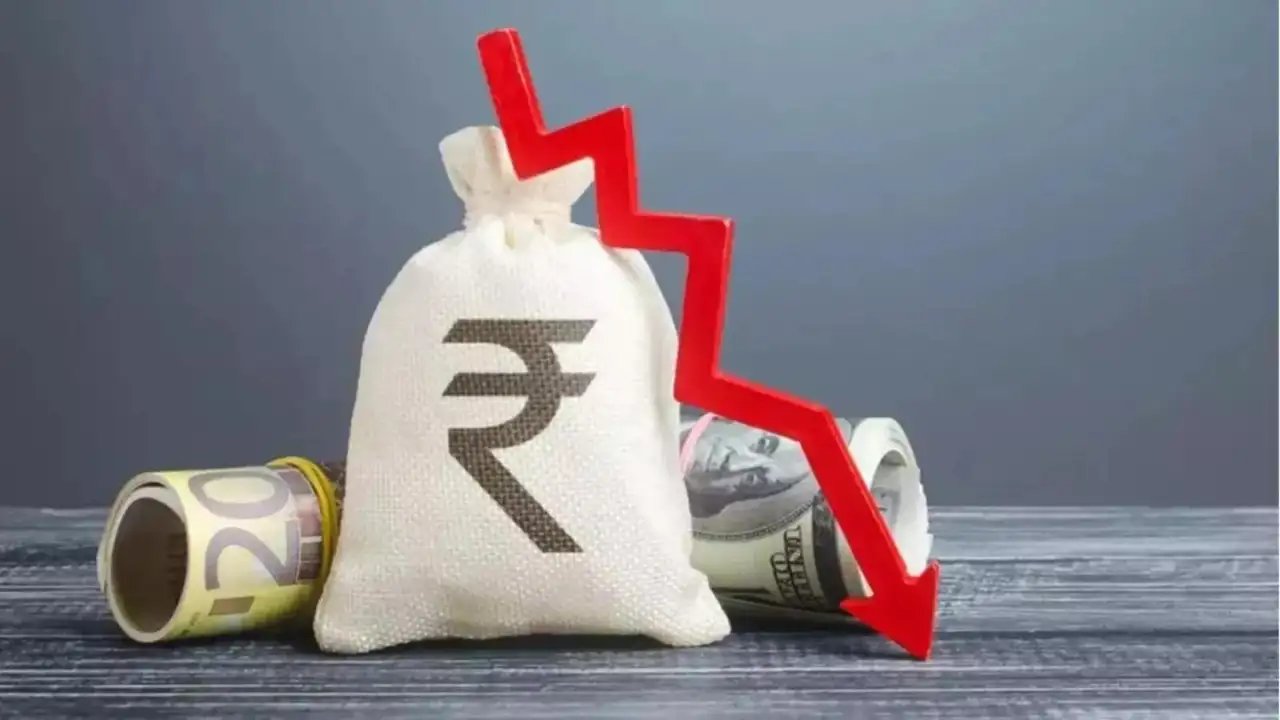
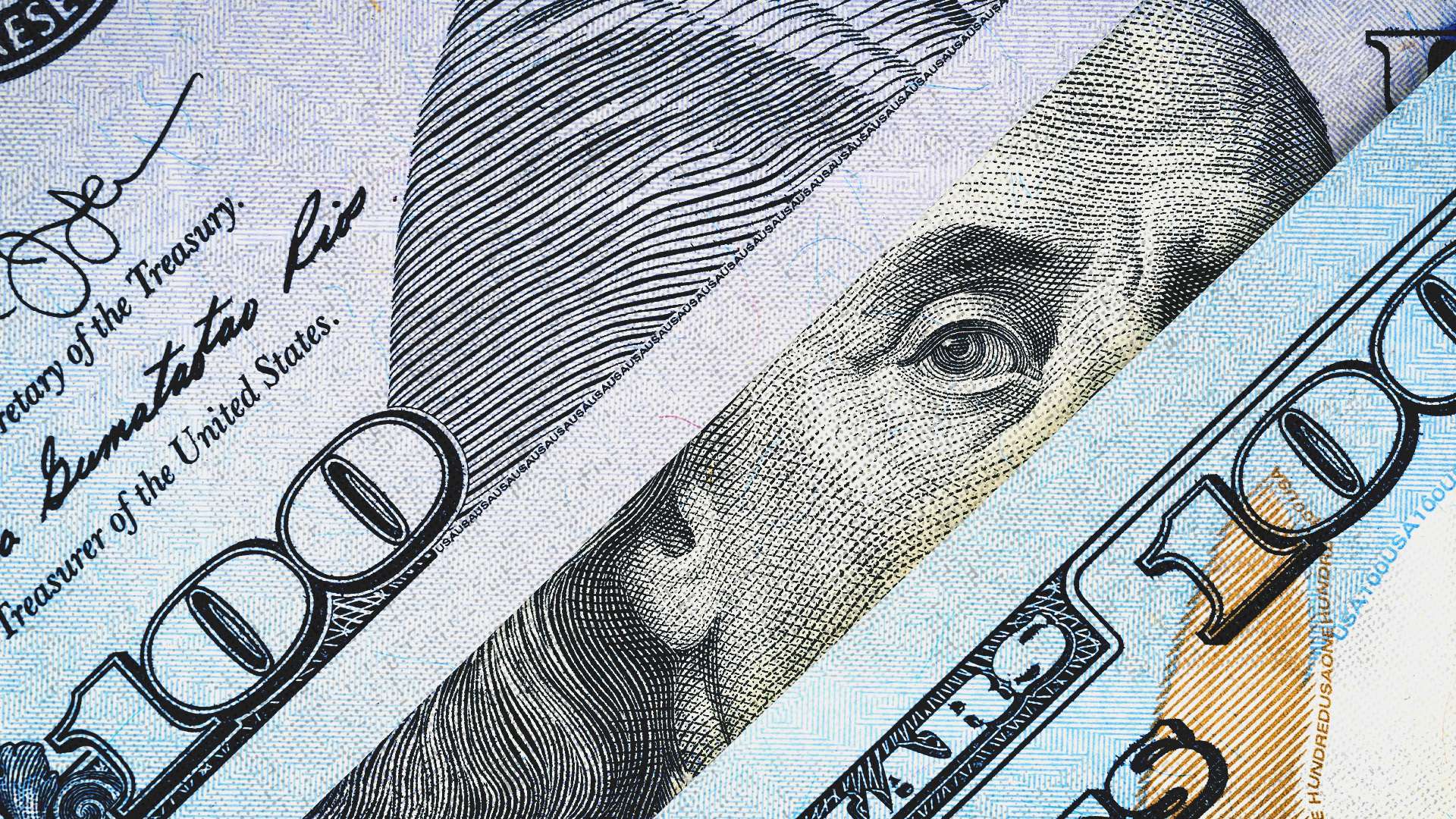
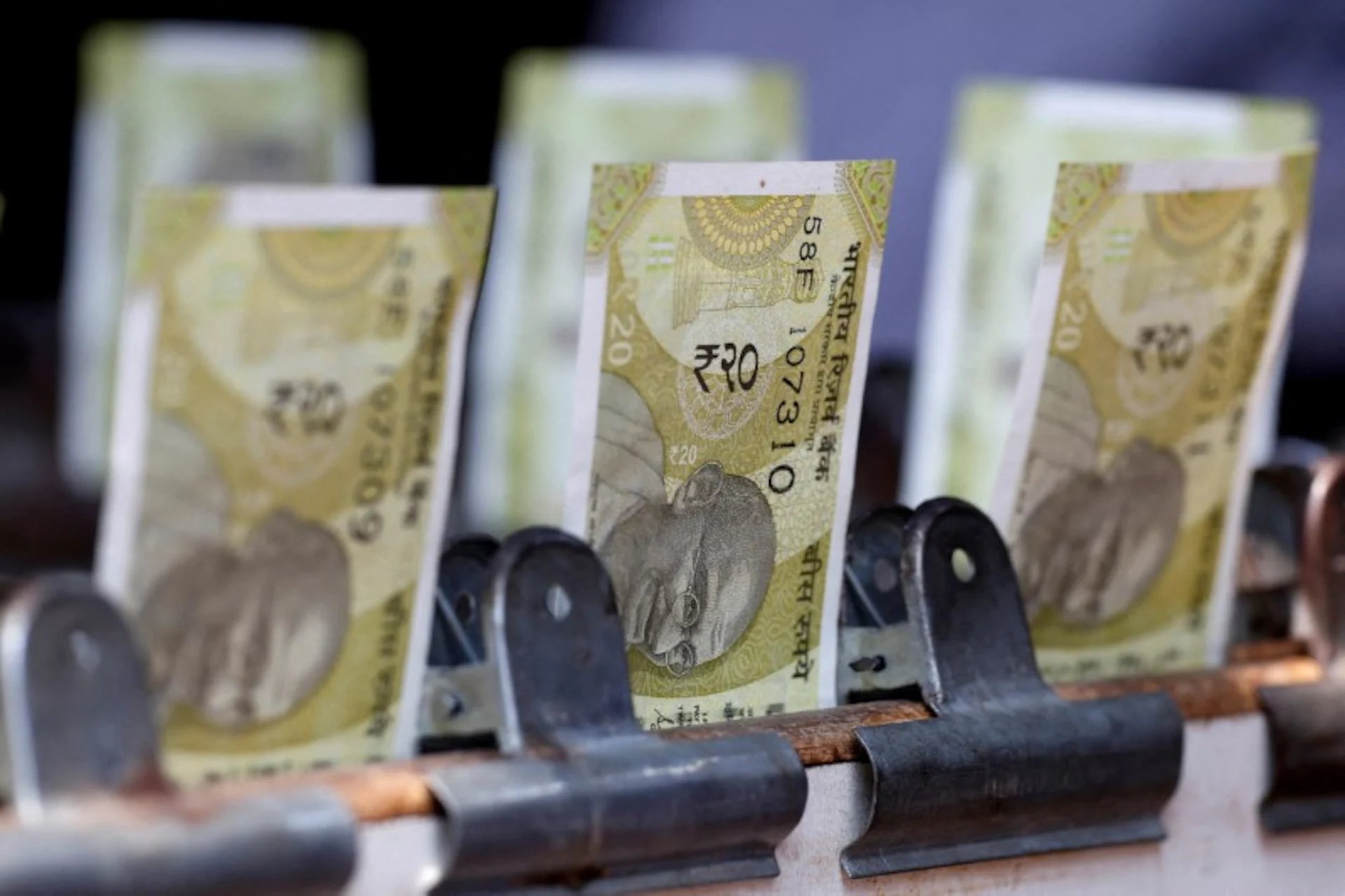
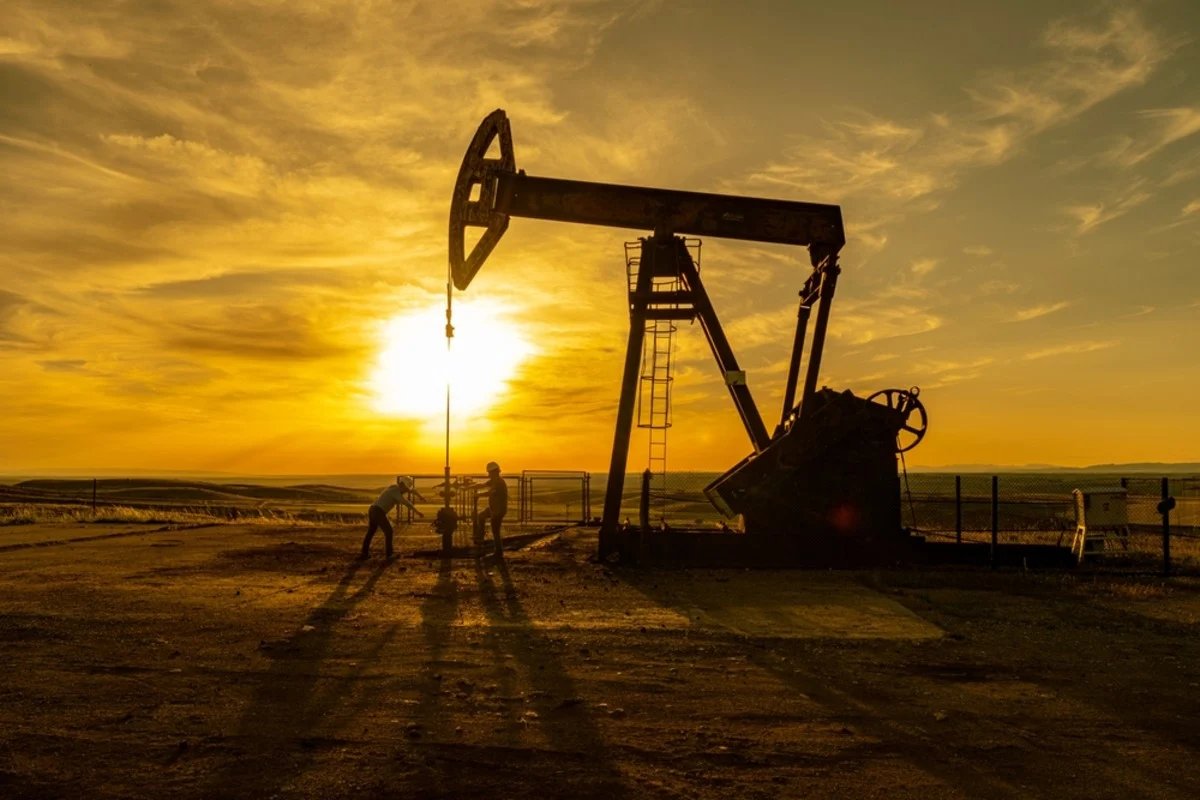
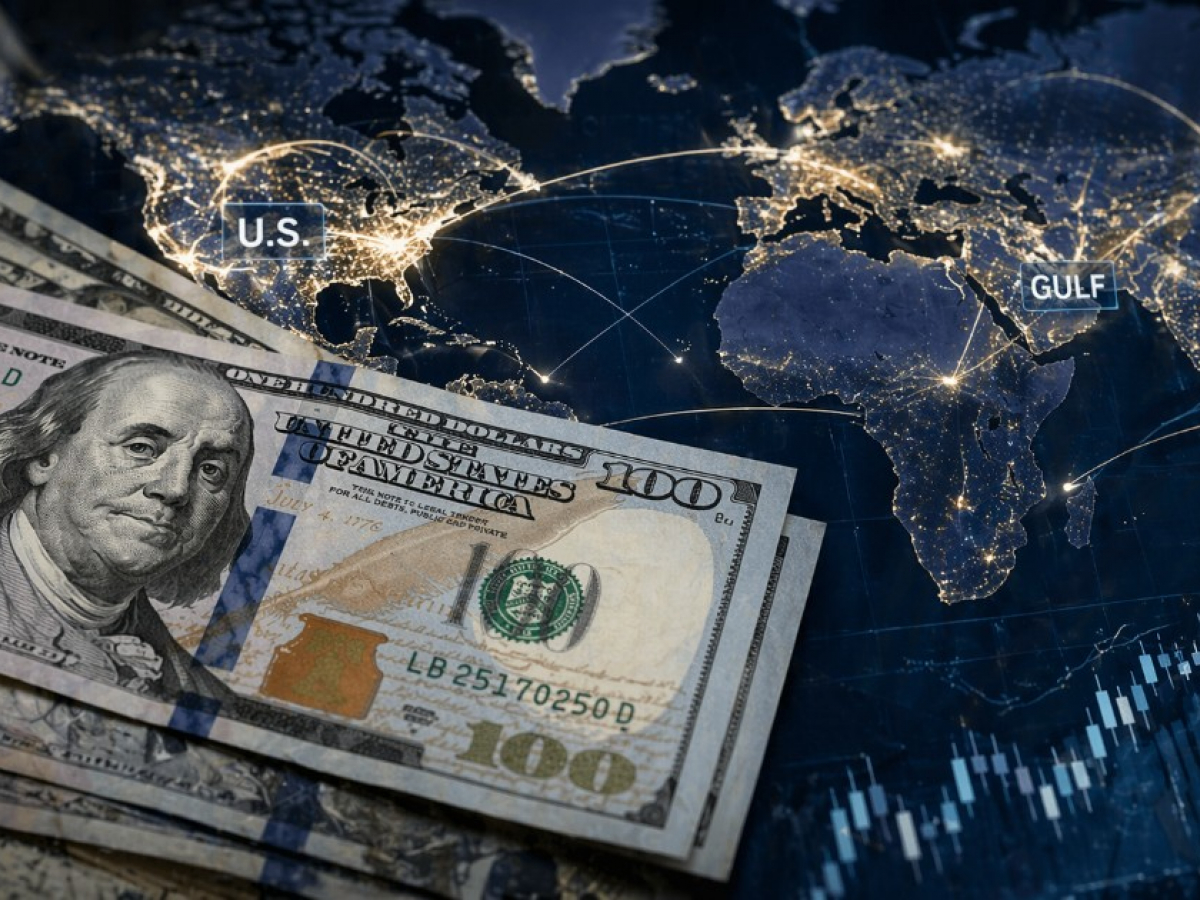
The US dollar fell sharply on Monday as traders reacted to growing uncertainty surrounding potential peace talks with Iran. The dollar lost 1.2% against a basket of major currencies, signaling a shift in market sentiment following the US seizure of an Iranian cargo ship. This incident has raised doubts about the viability of ongoing diplomatic efforts to stabilize relations between the US and Iran, particularly as the current ceasefire is set to expire on Wednesday. US benchmark crude oil rose 5.3% to $87.88 a barrel, while Brent crude, the international standard, rose 5.4% to $95.26 a barrel.
Seizure of Iranian Cargo Ship
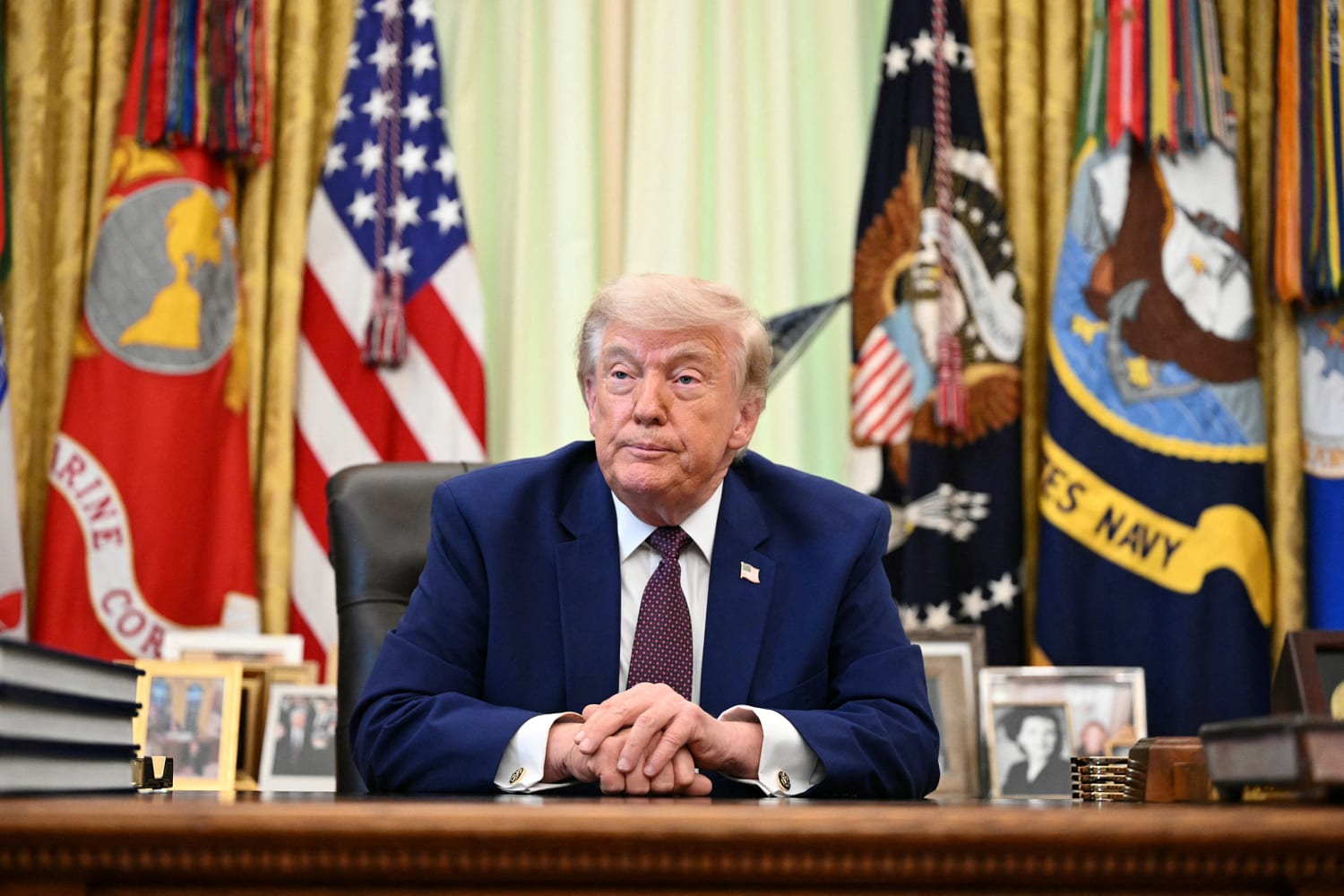
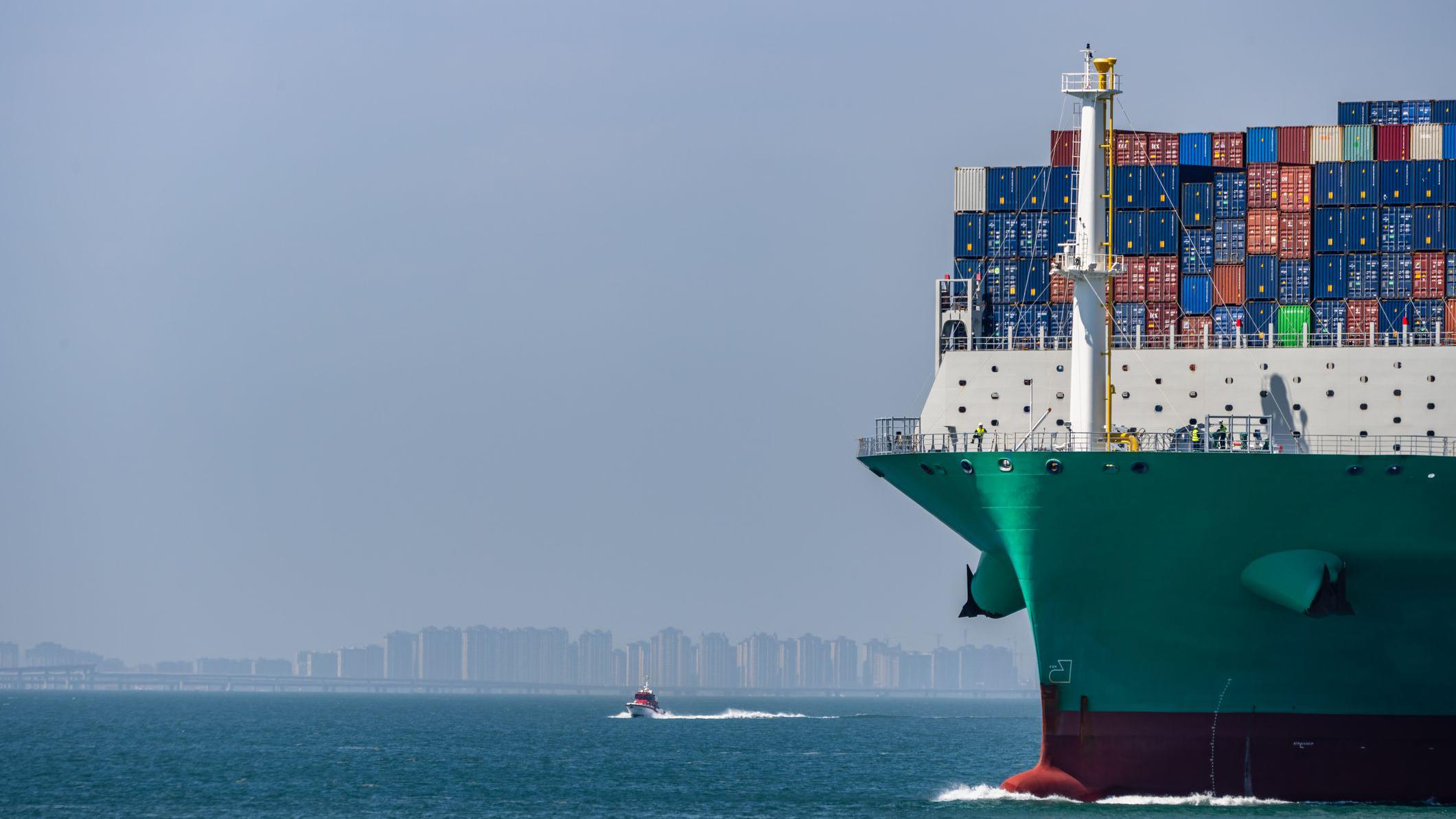
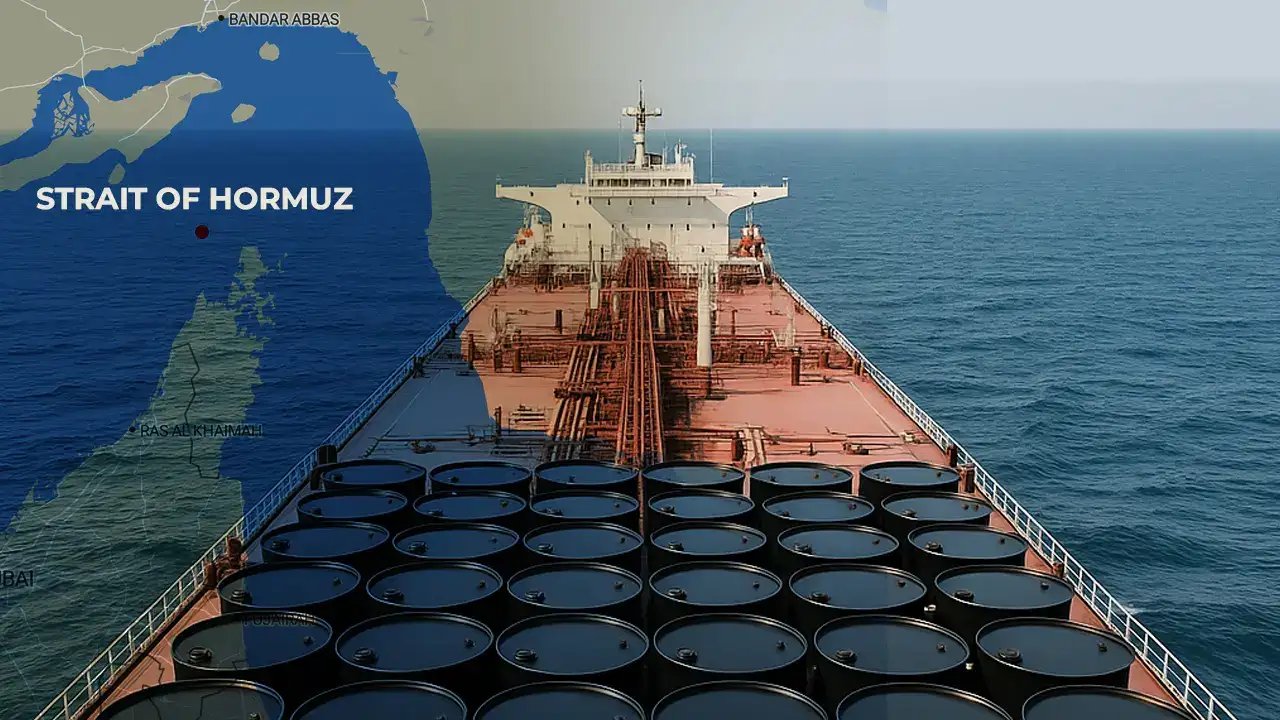
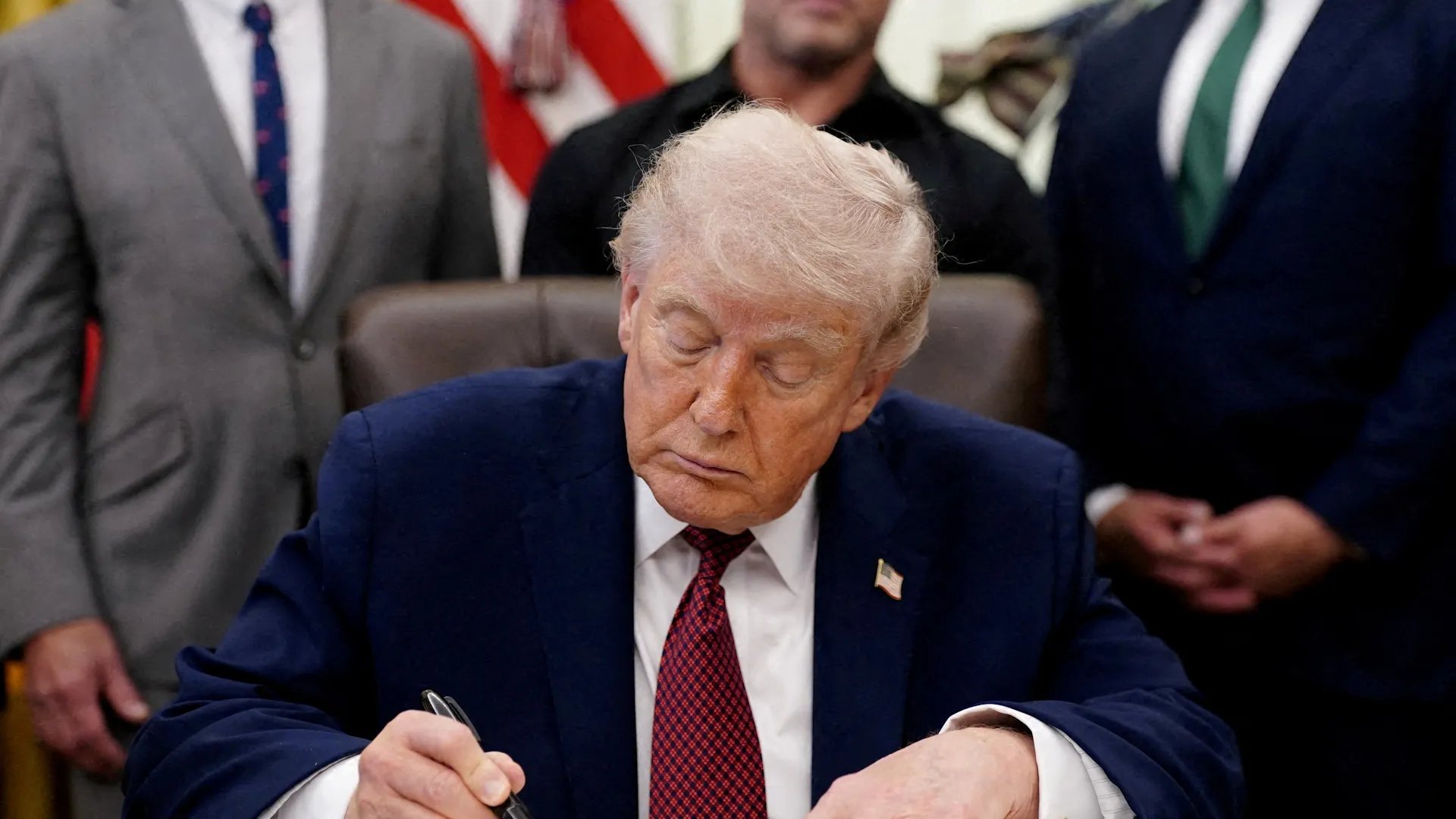
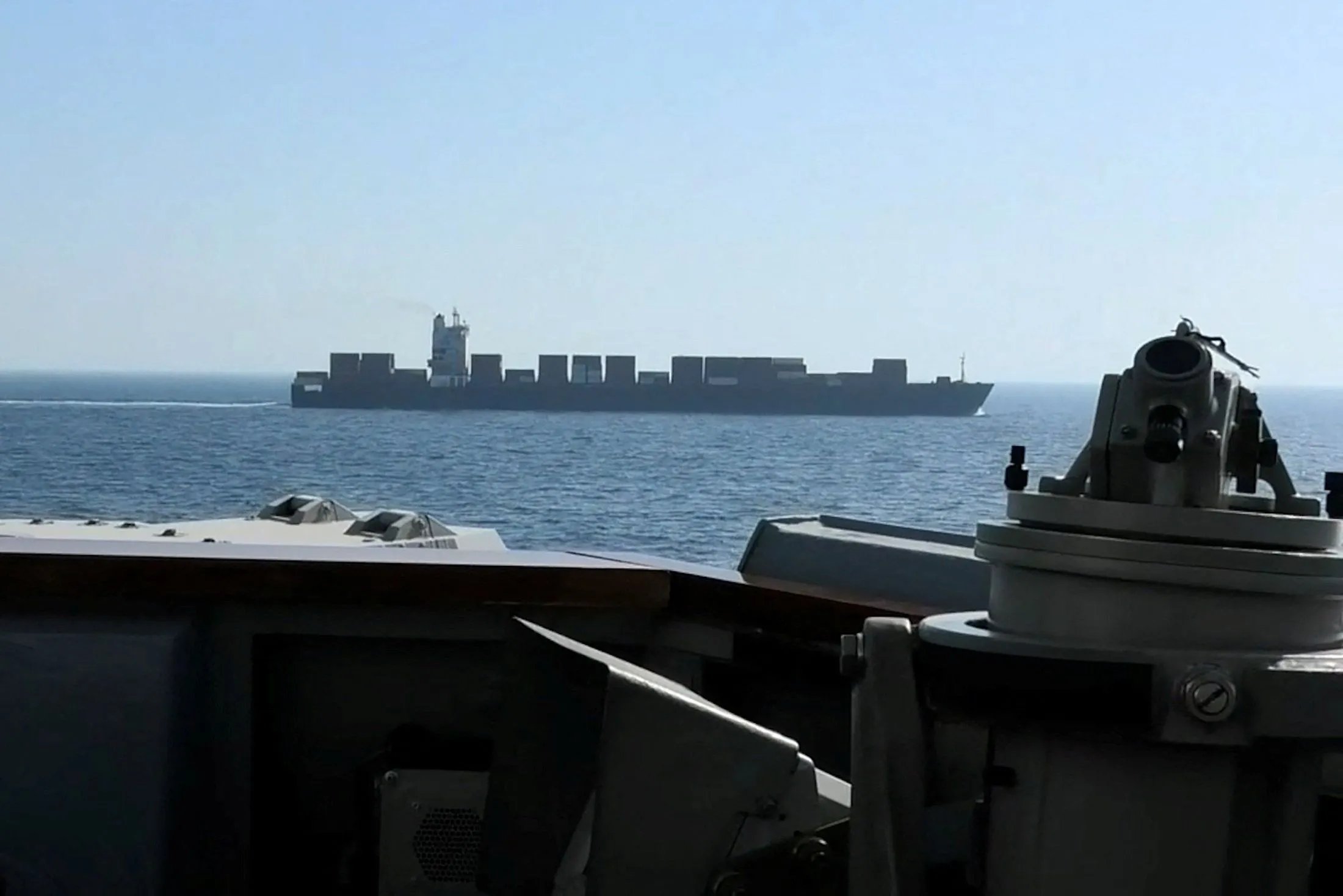
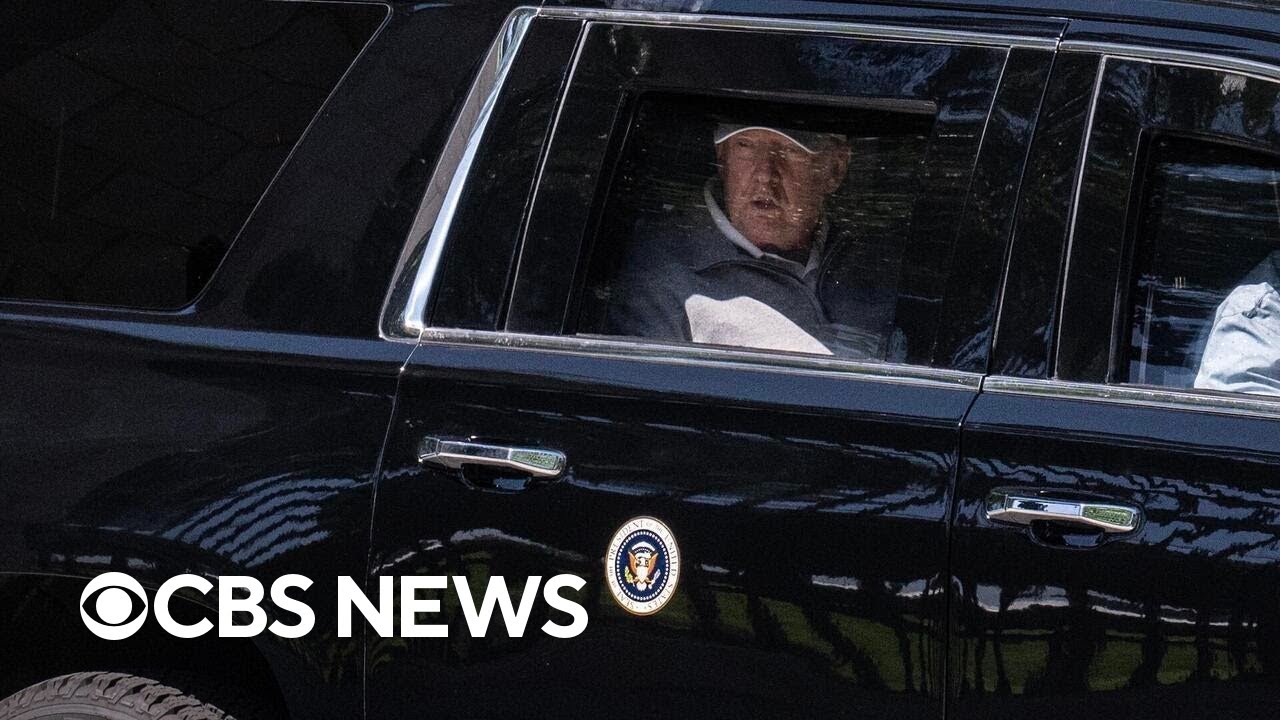
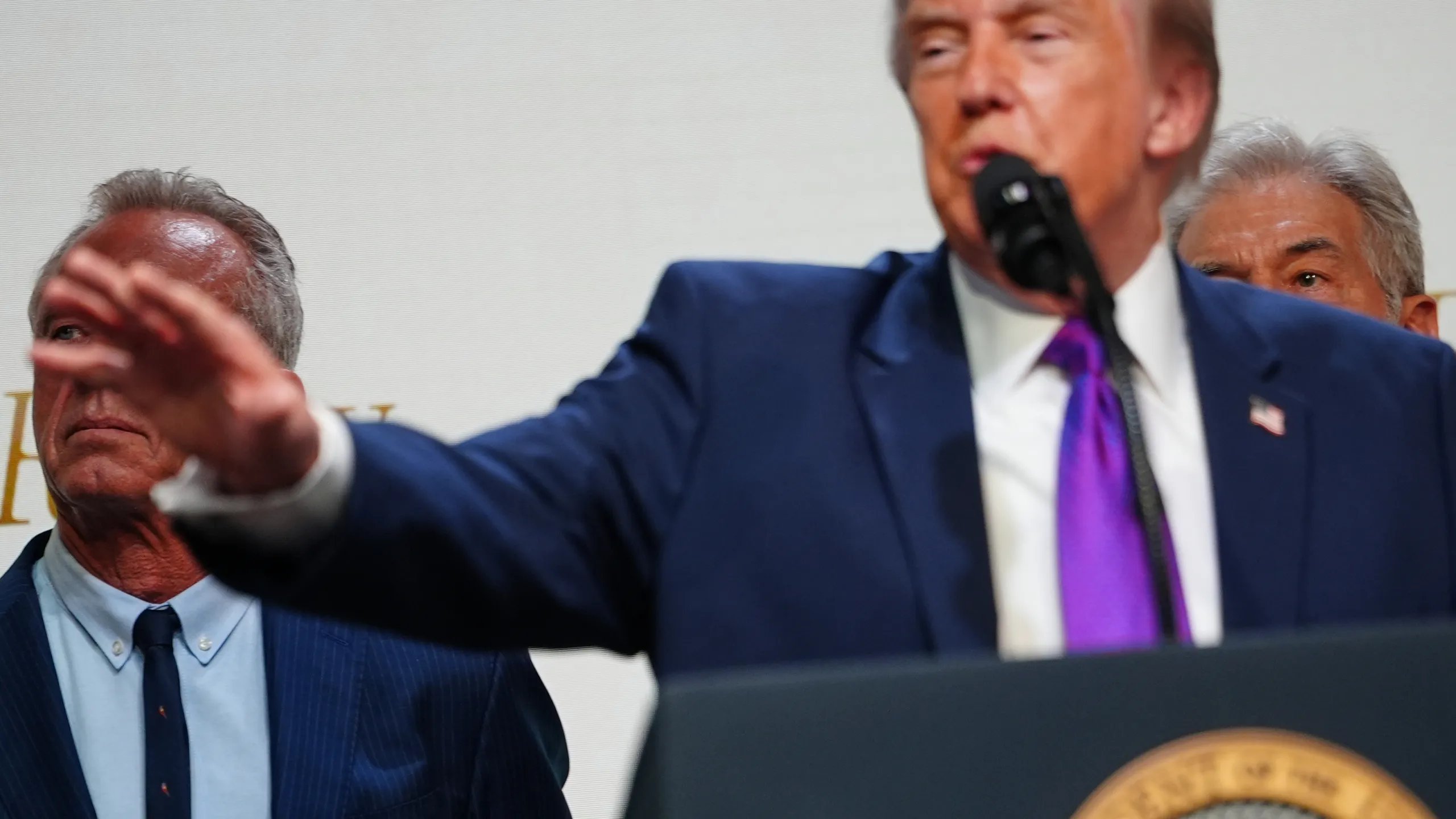
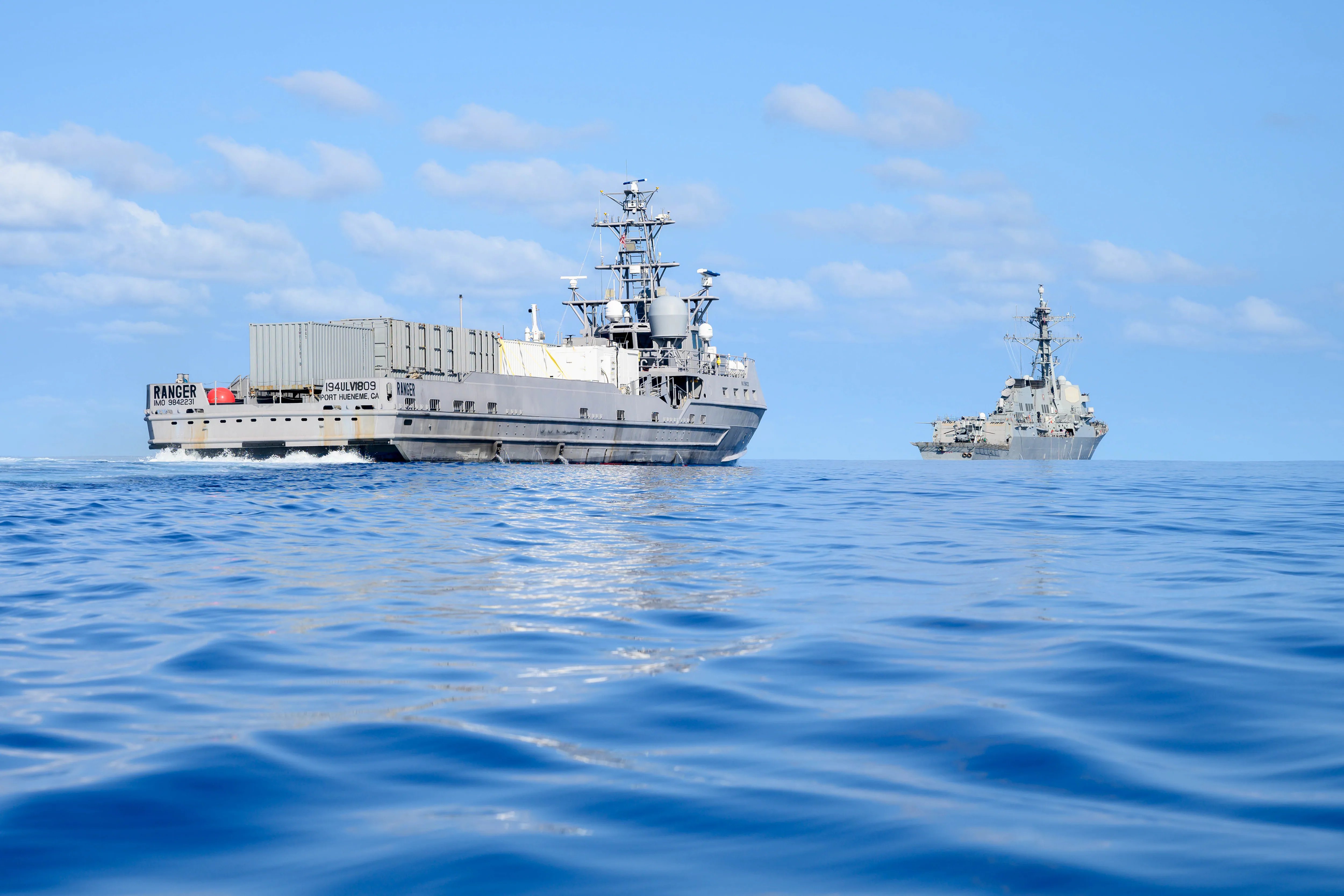
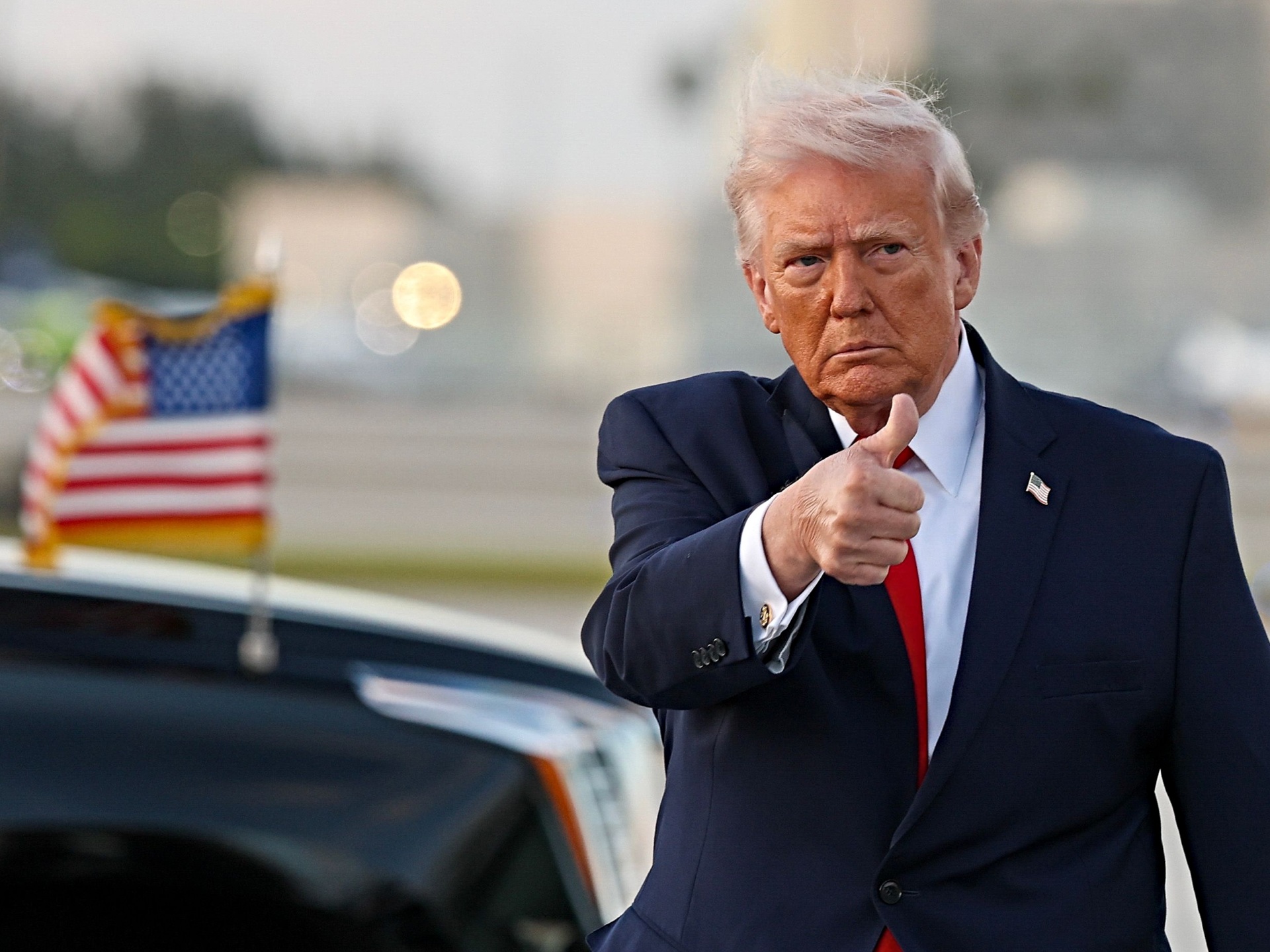
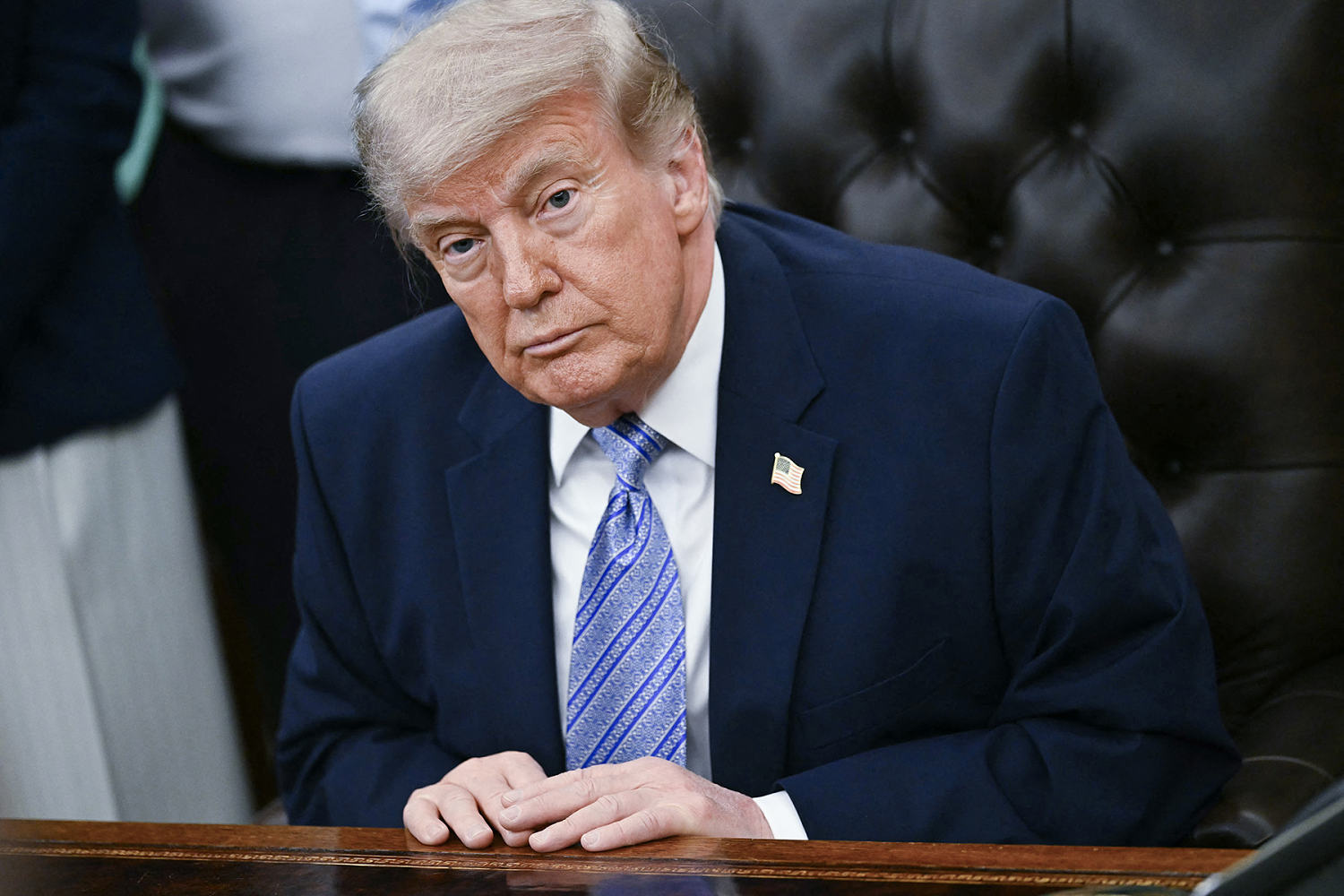
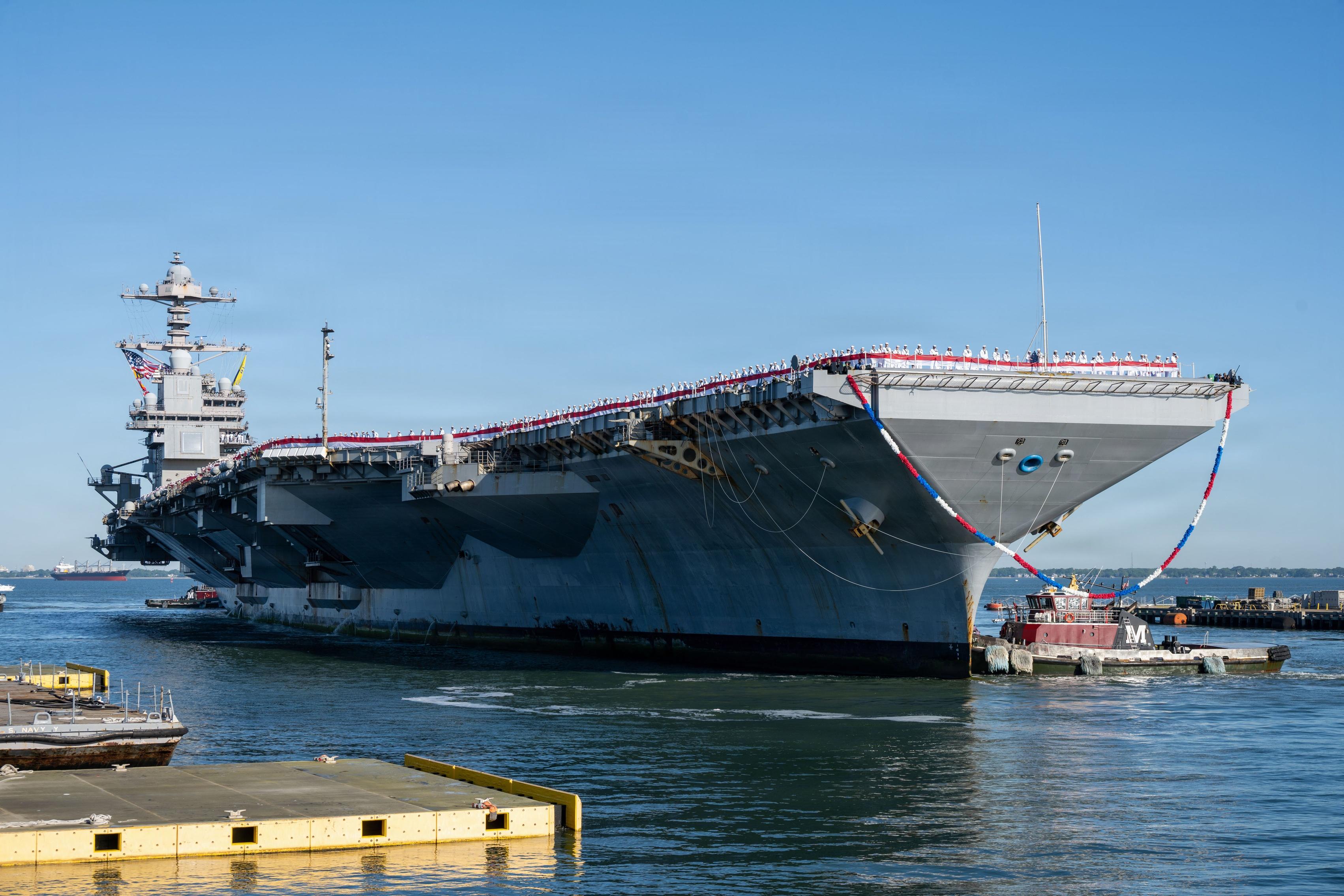
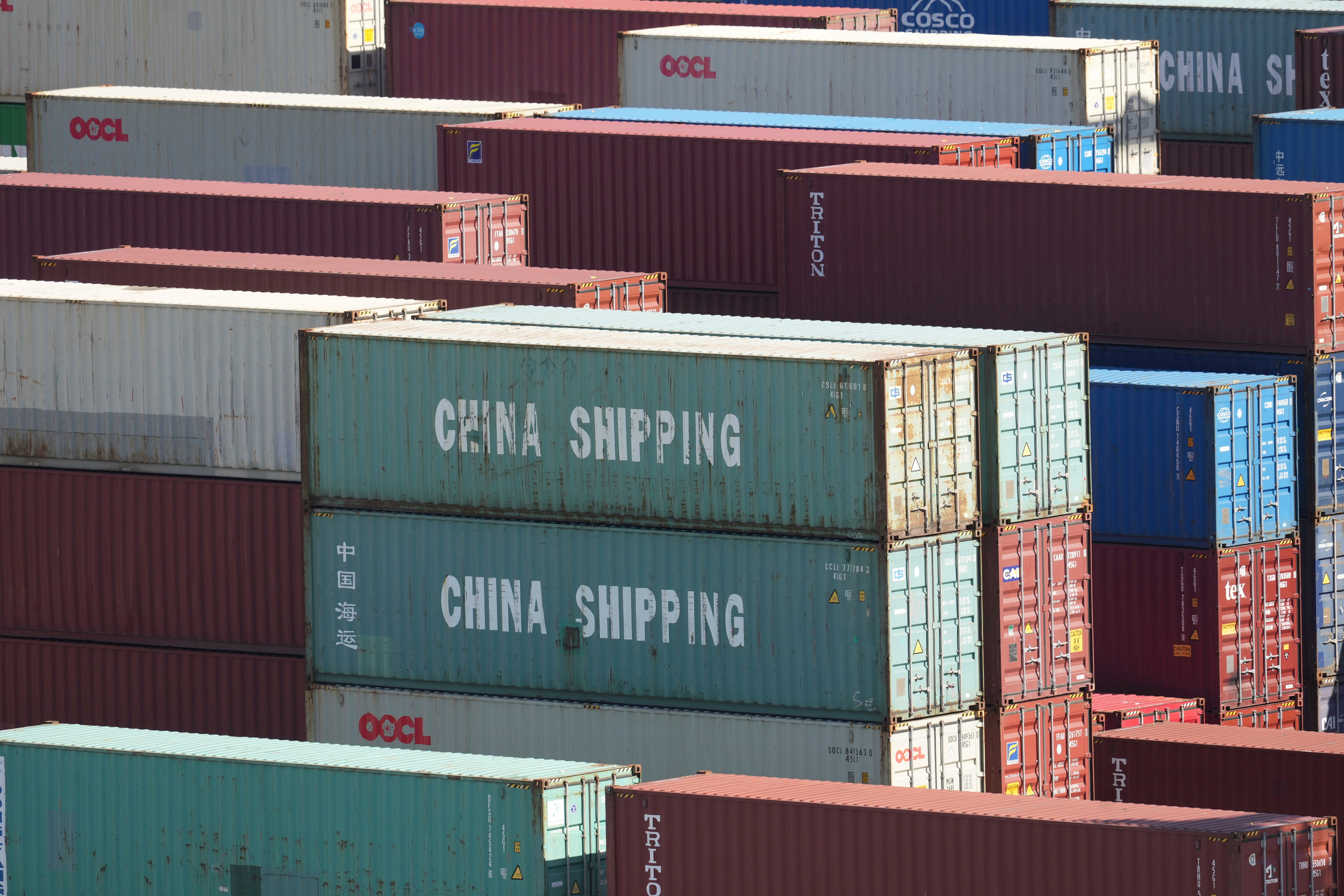
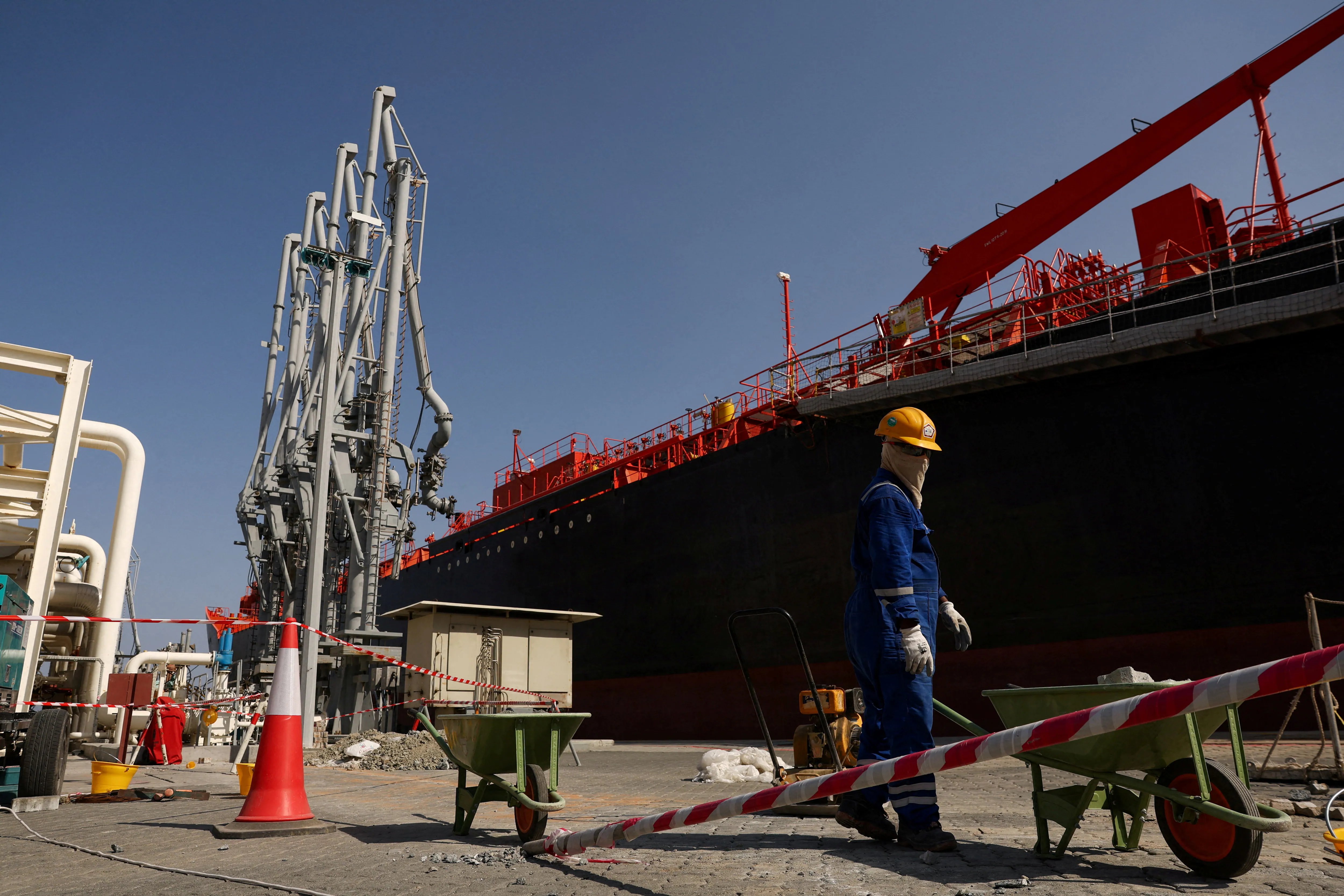
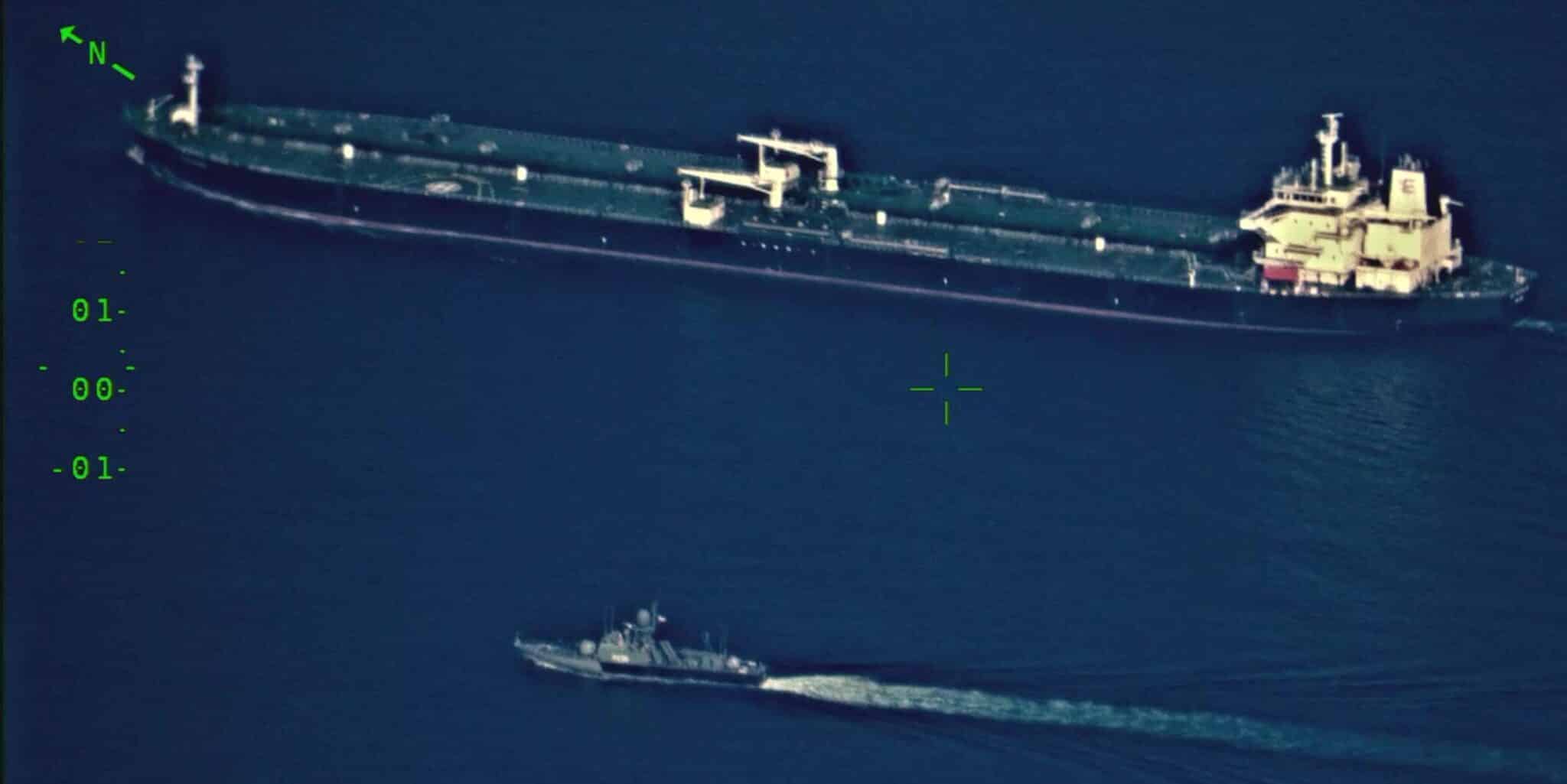
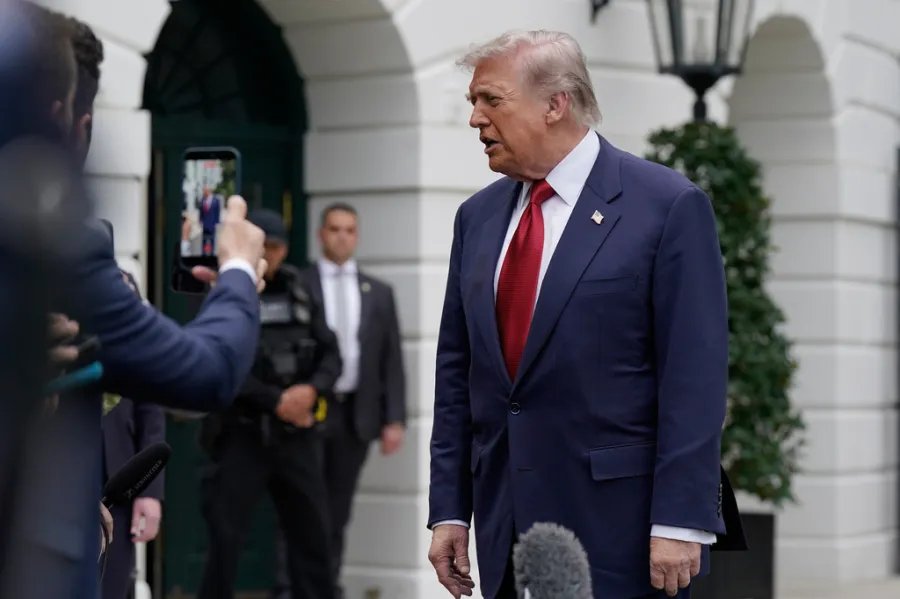
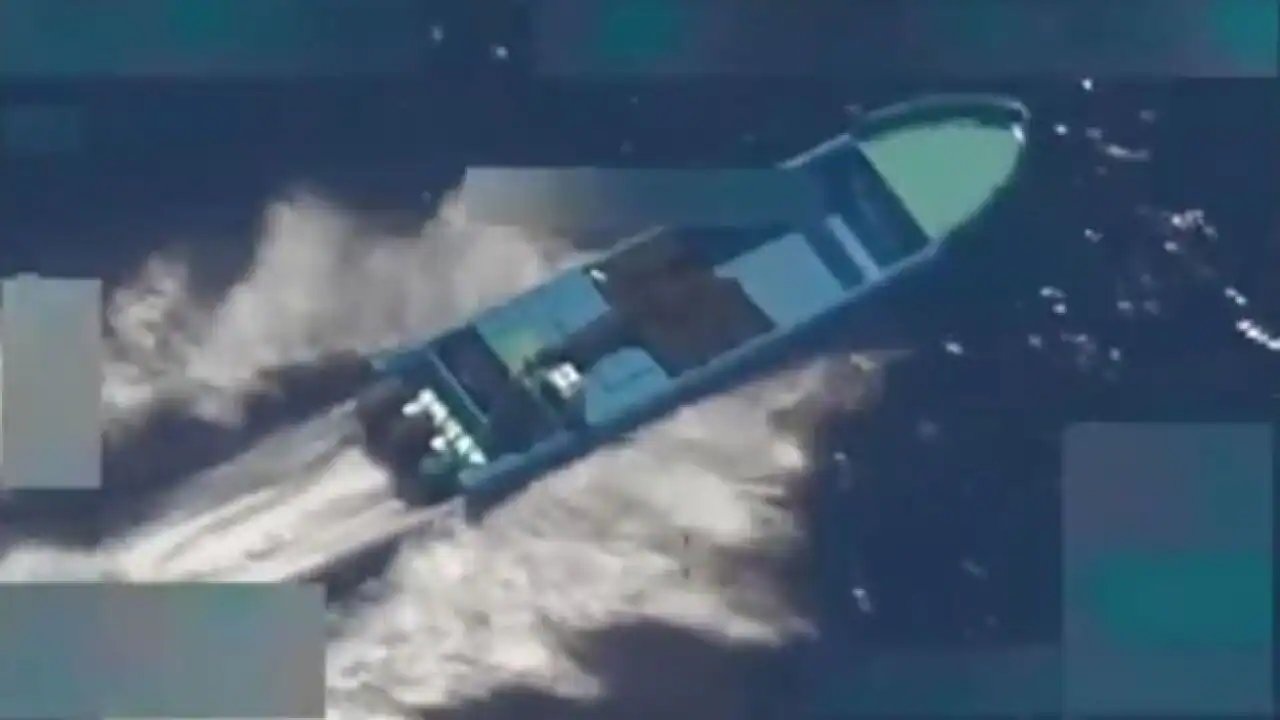
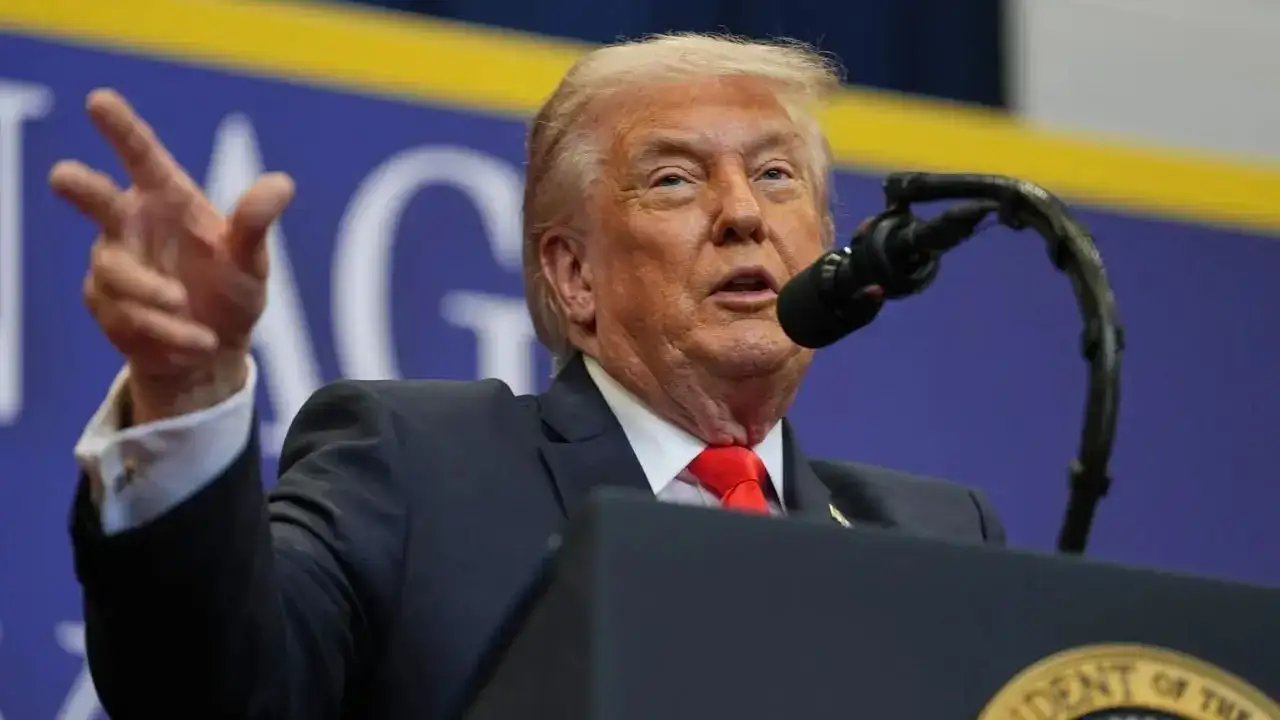
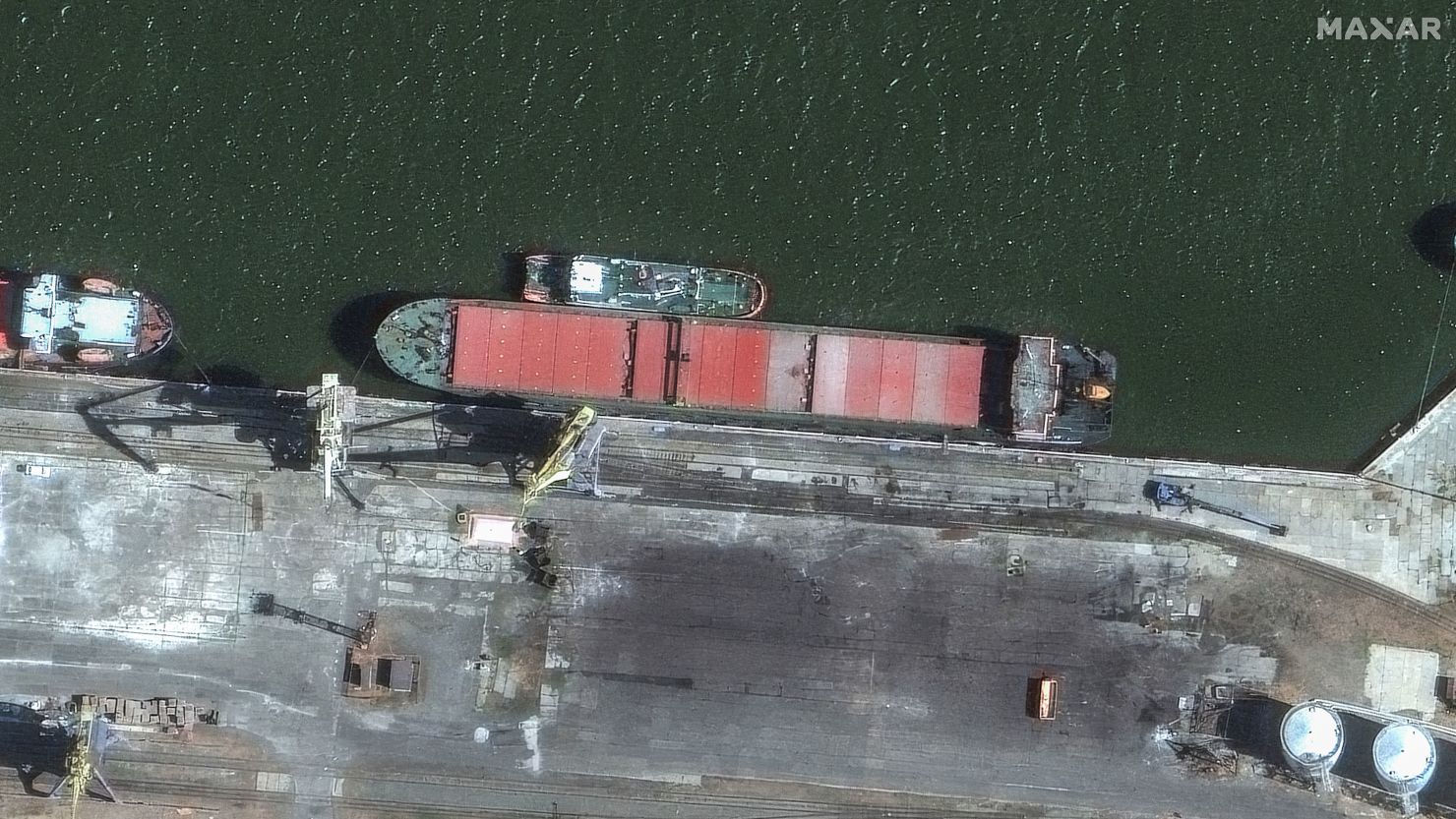
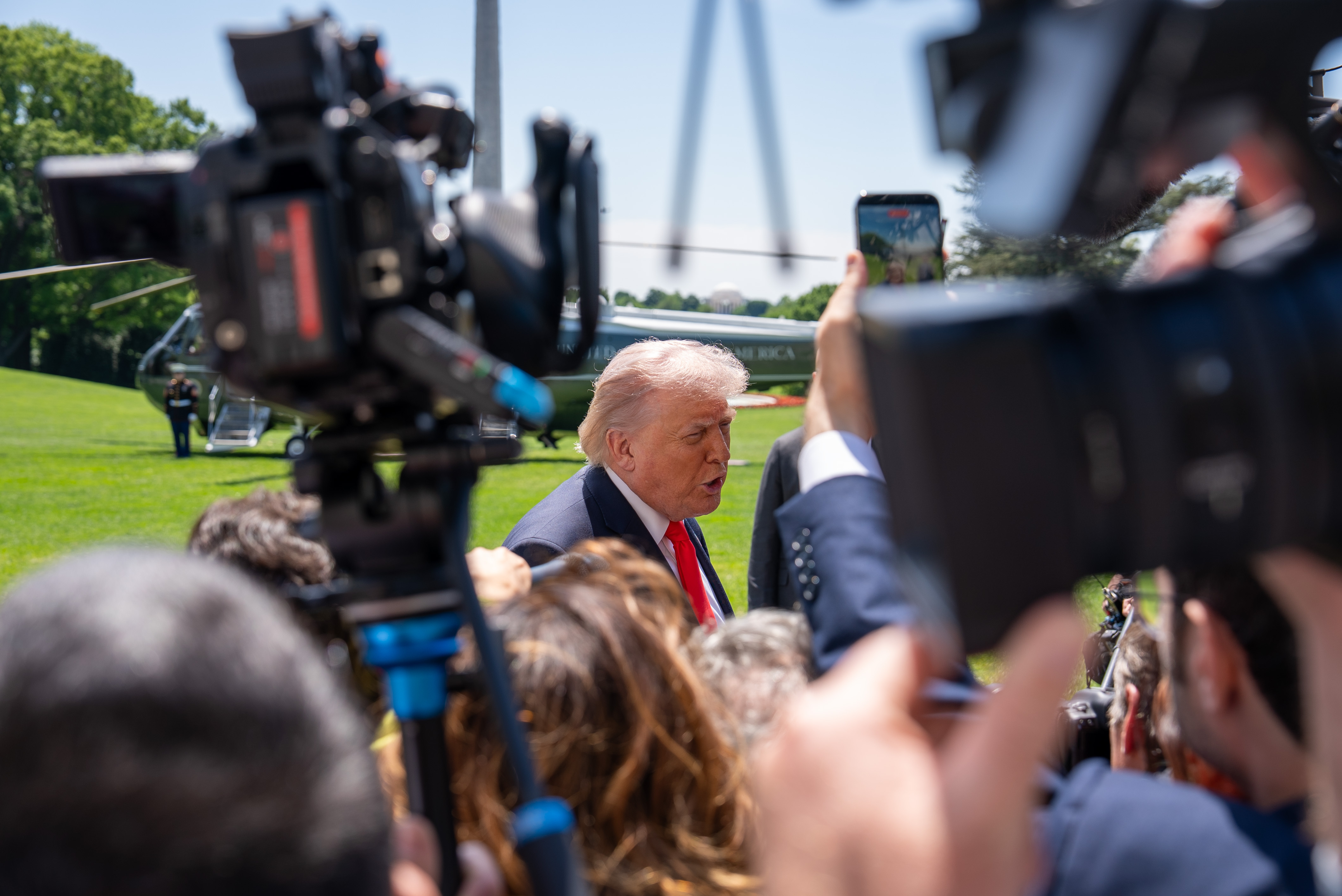
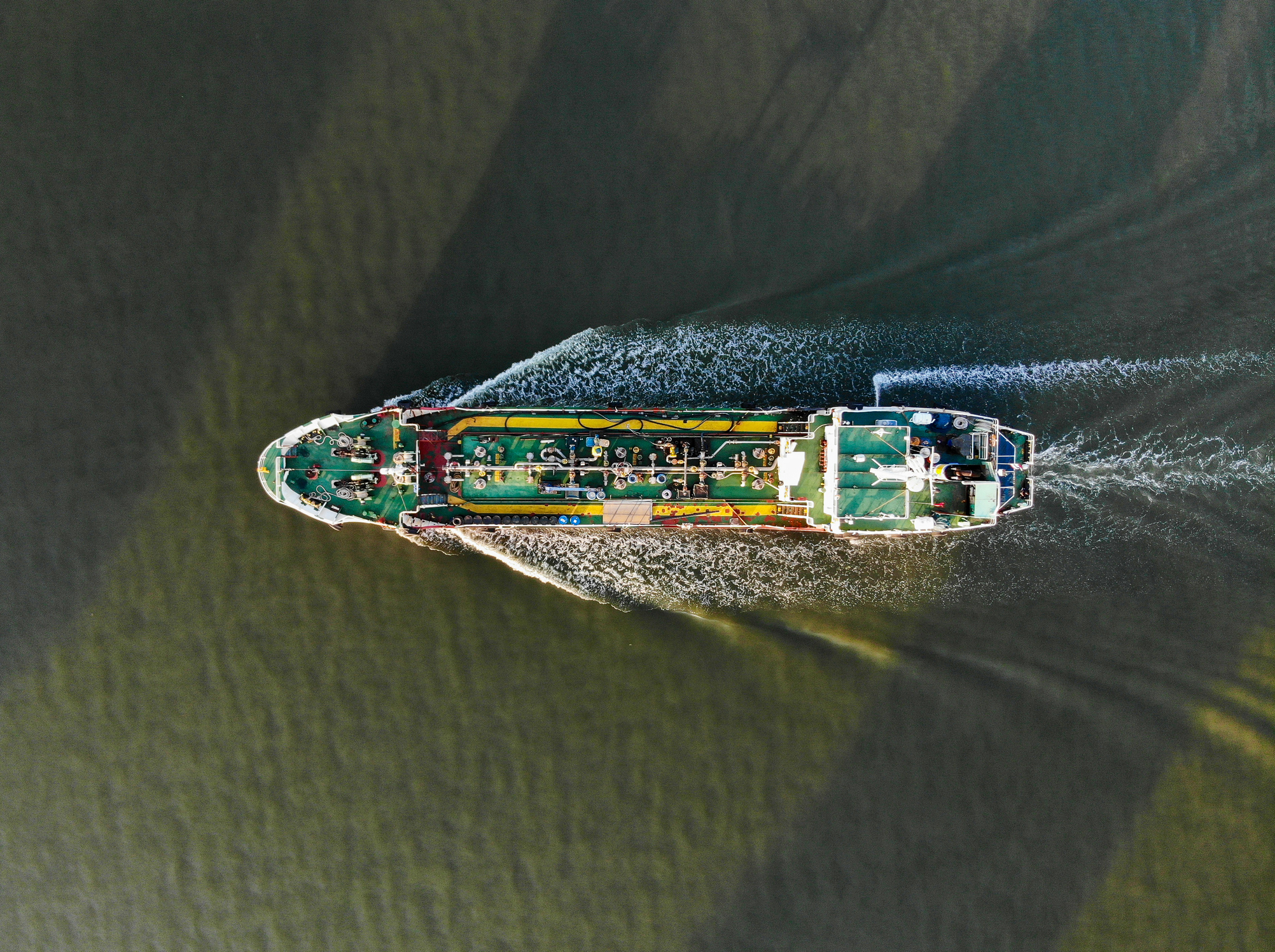
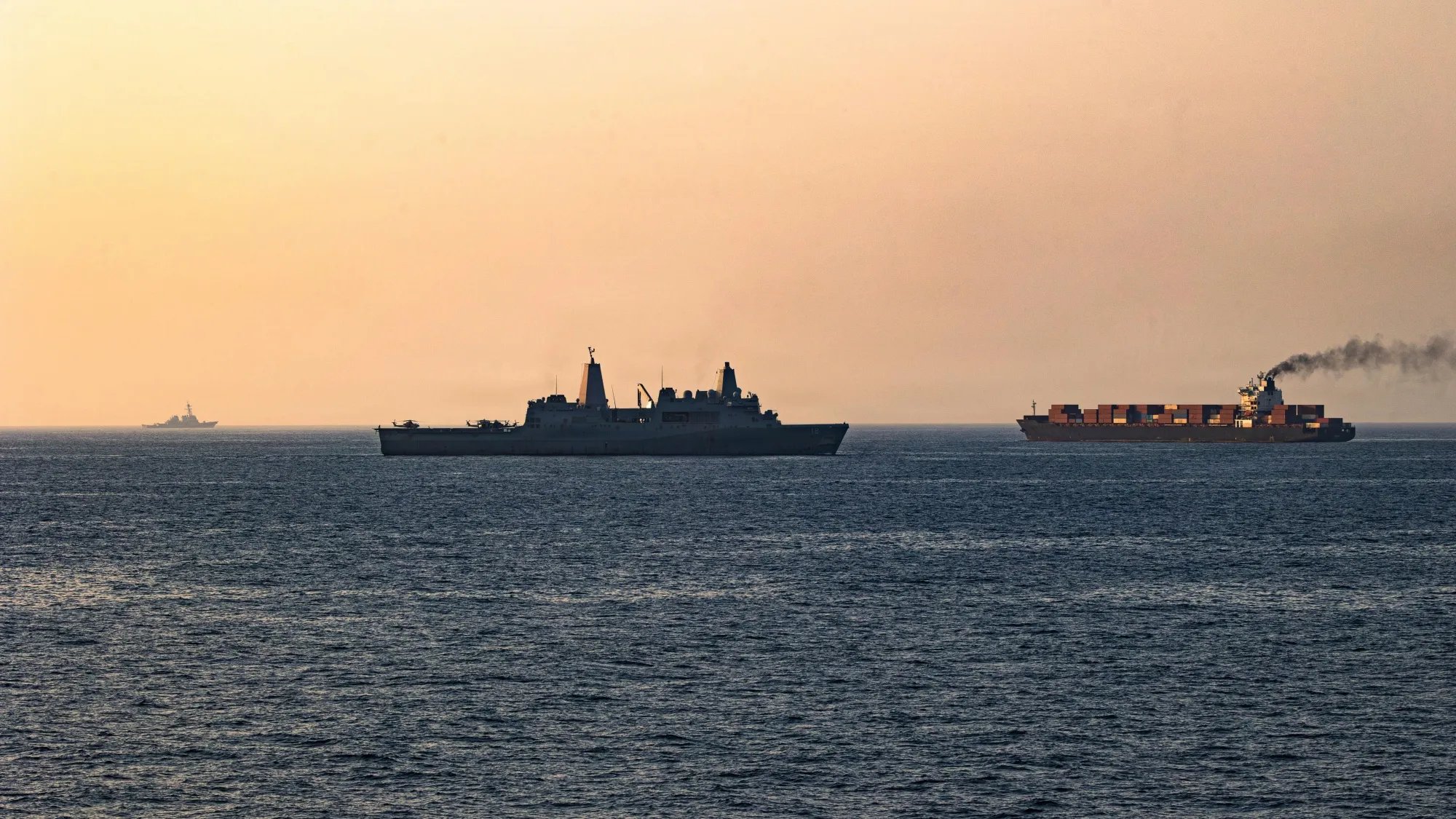
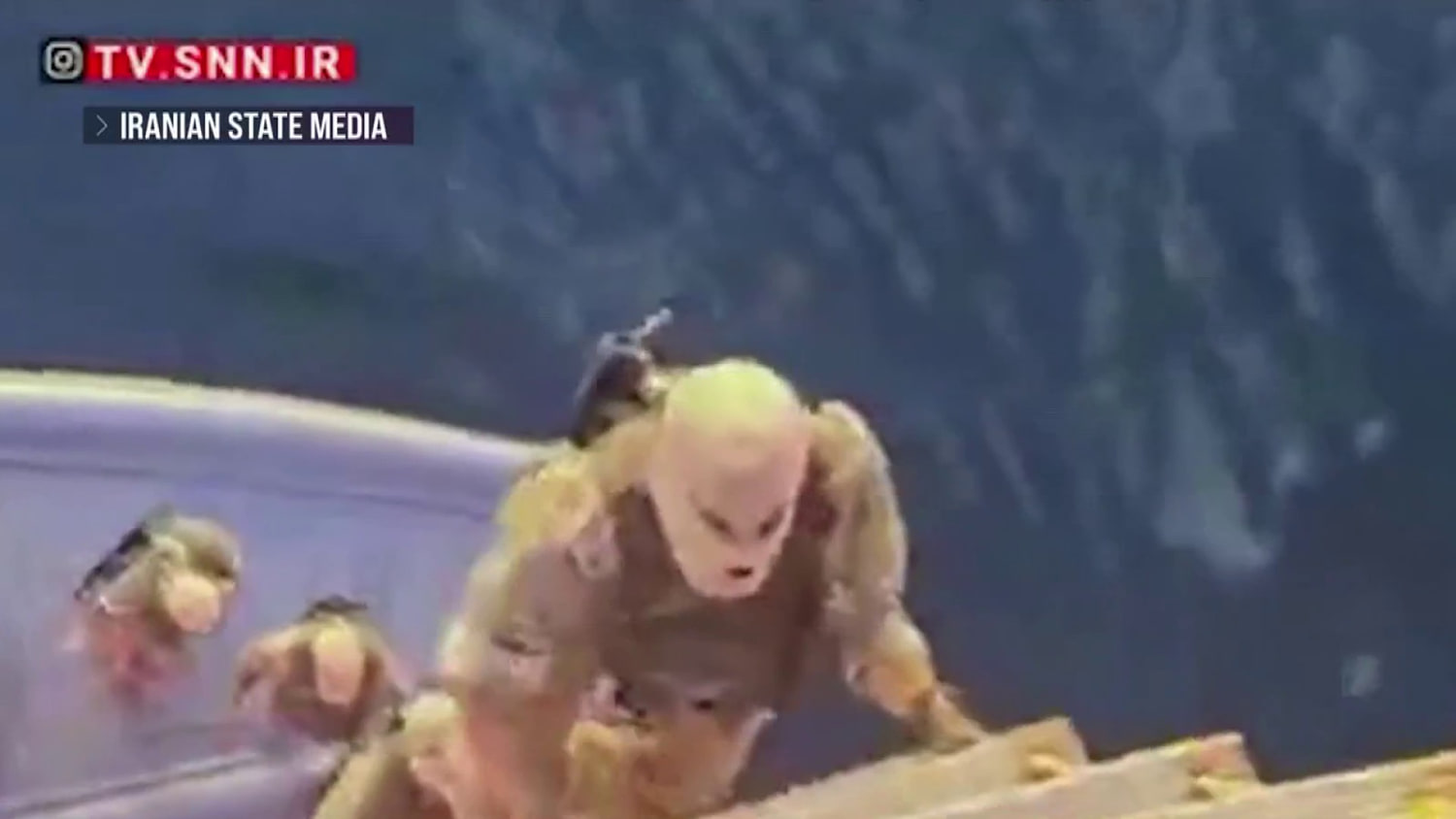
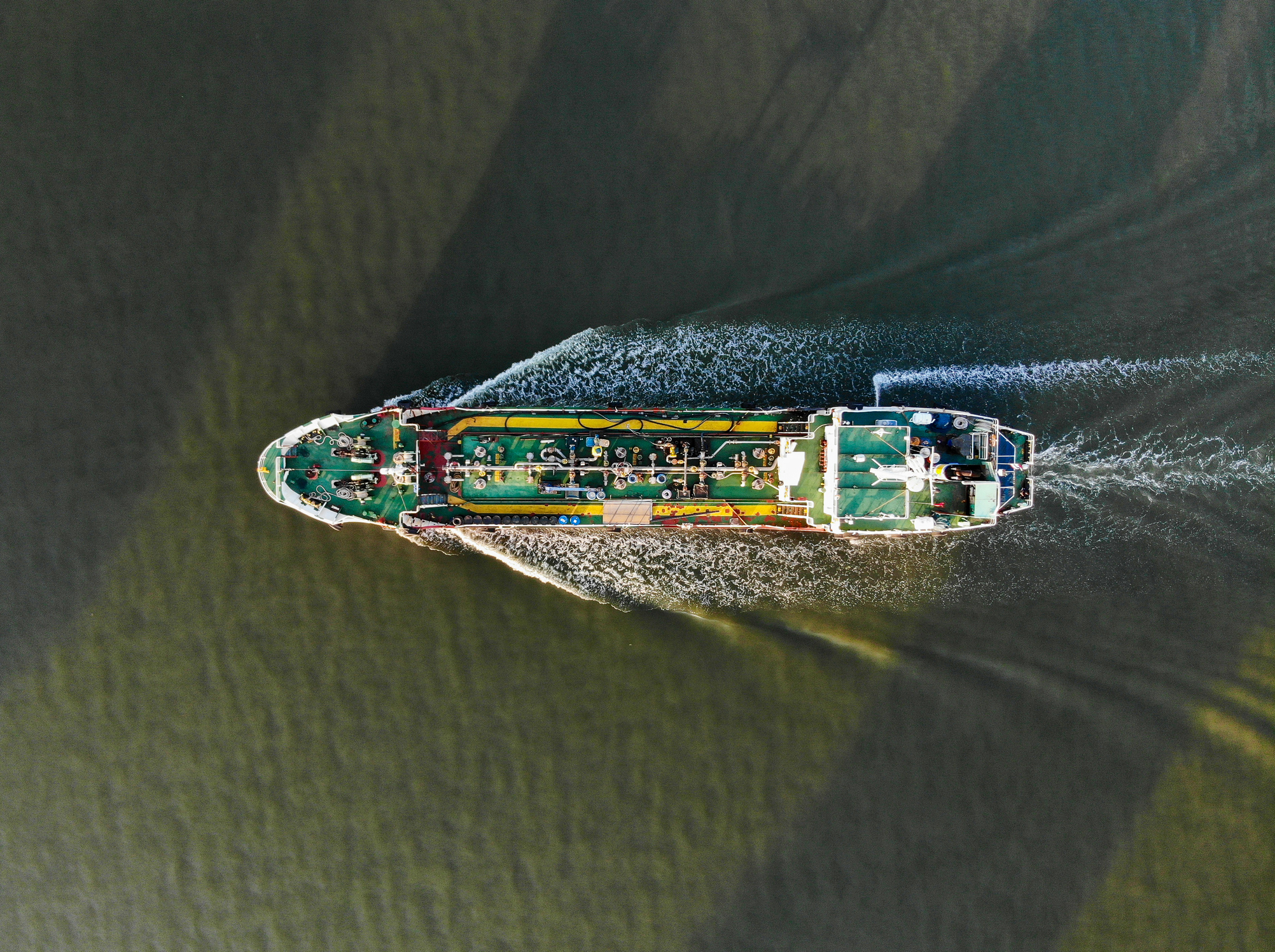
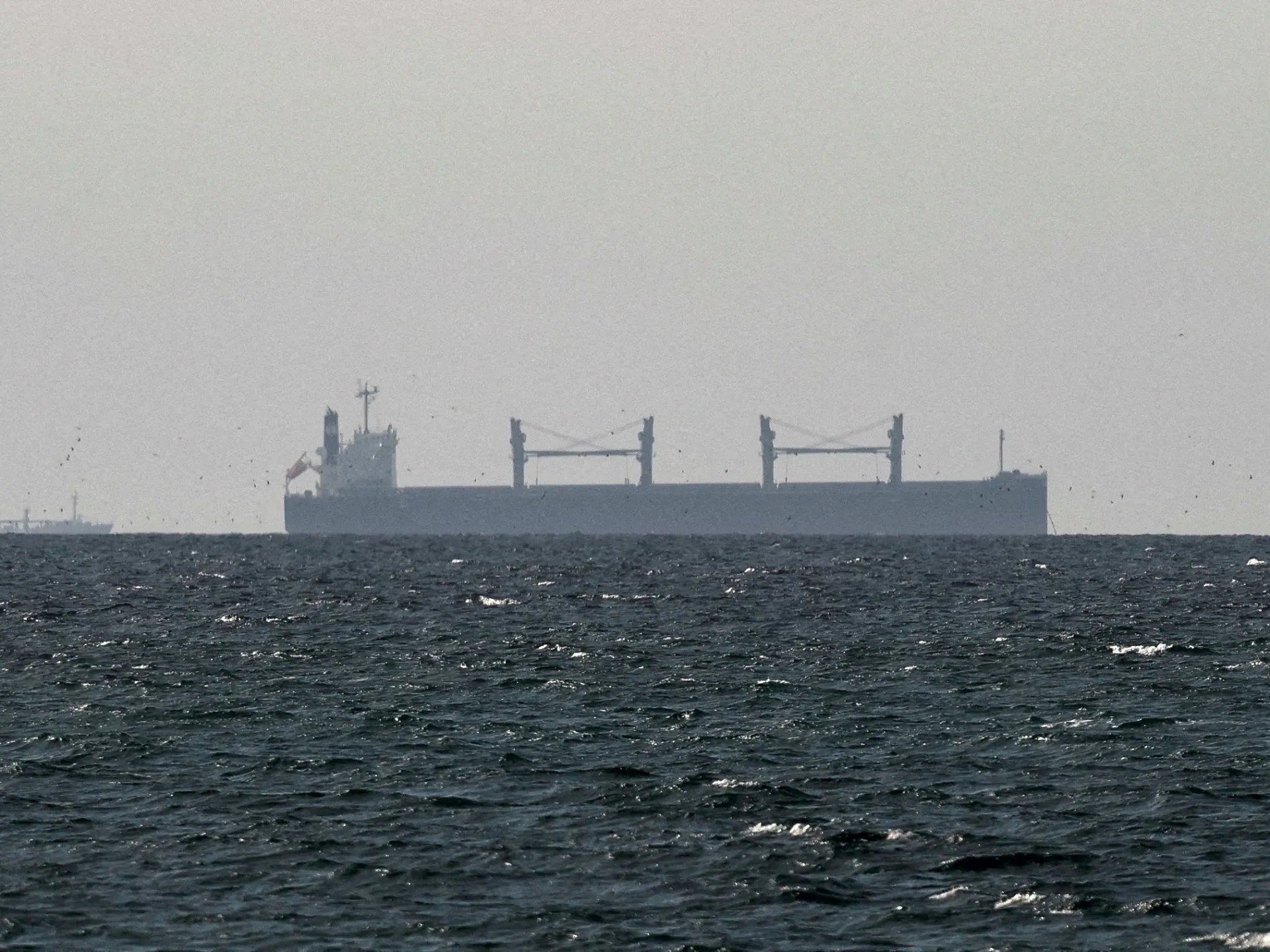
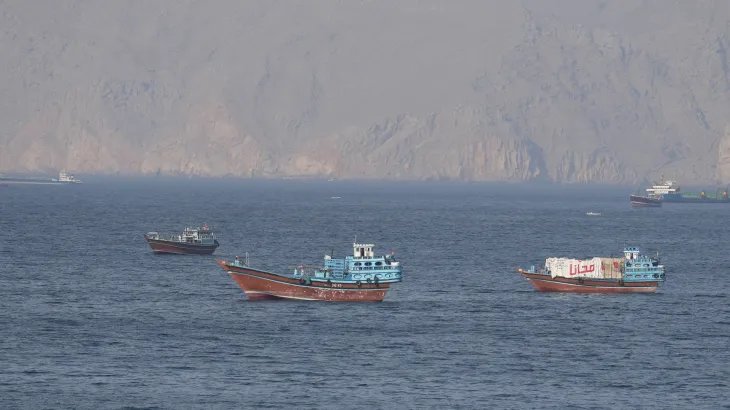
The US Navy seized the Iranian-flagged cargo ship Touska over the weekend, claiming it violated a blockade enforced in the Strait of Hormuz. President Trump confirmed the seizure, stating the ship was under US Treasury sanctions due to prior illegal activities. This move has been condemned by Iranian officials as "maritime piracy," further complicating the already fragile situation. Iran's Foreign Ministry spokesperson, Esmail Baqaei, indicated that Tehran would not participate in upcoming negotiations due to the blockade and excessive demands from the US.
Oil Prices Surge Amidst Uncertainty
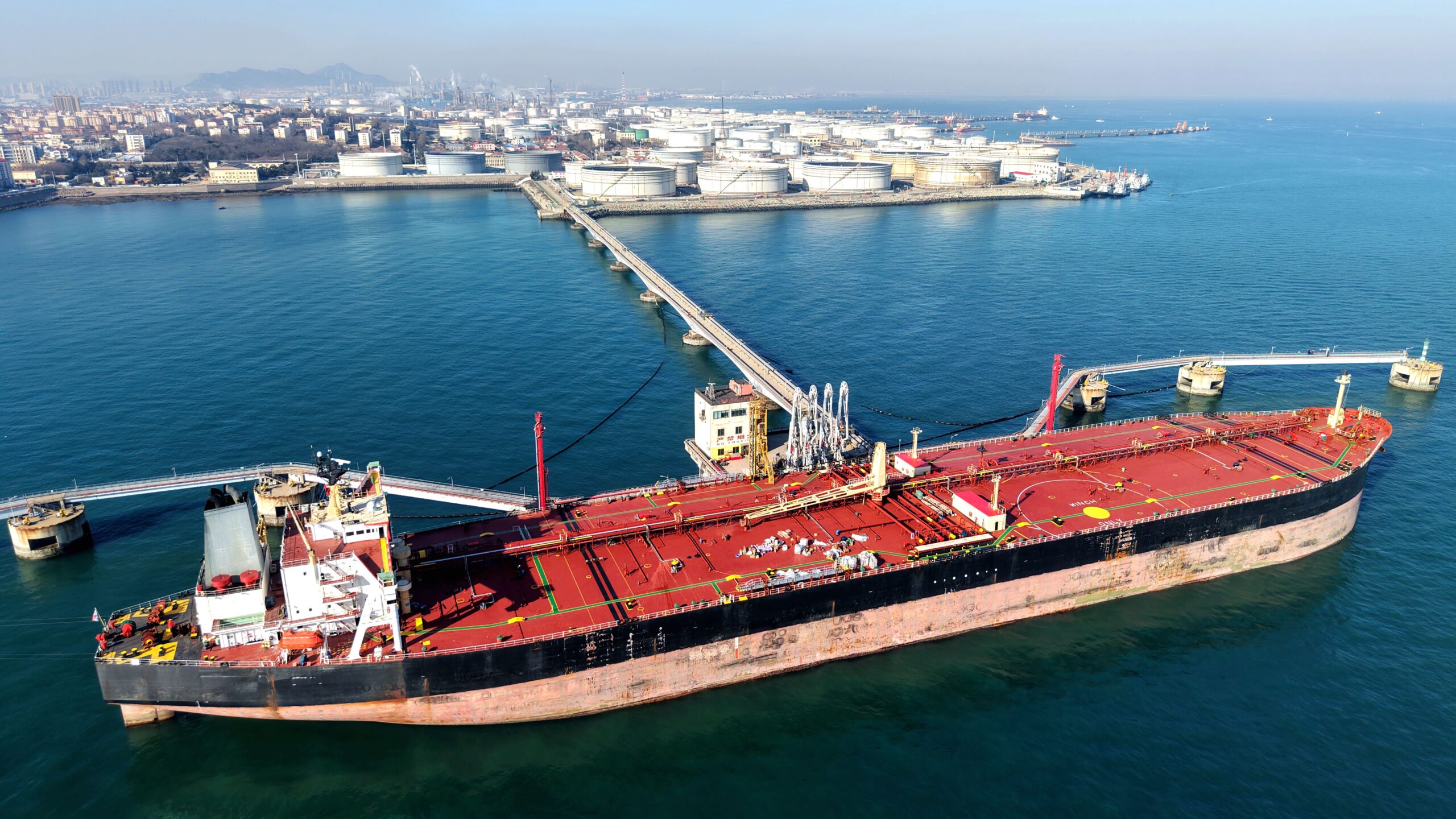
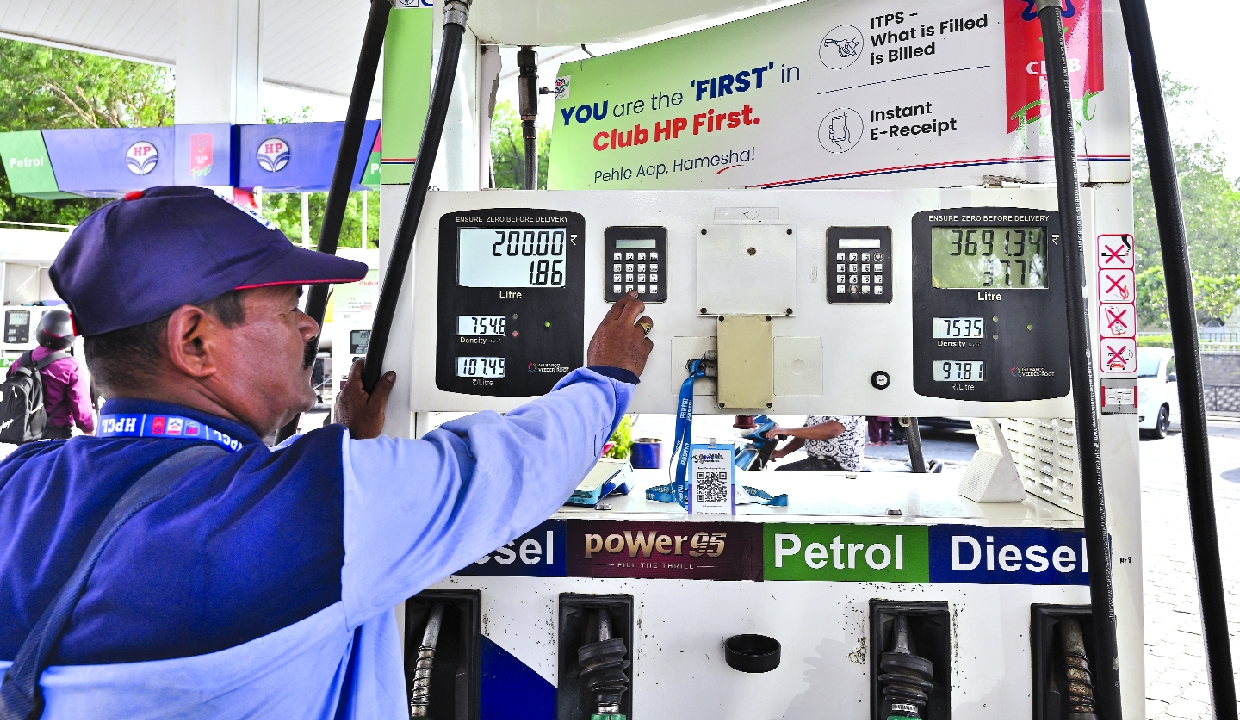
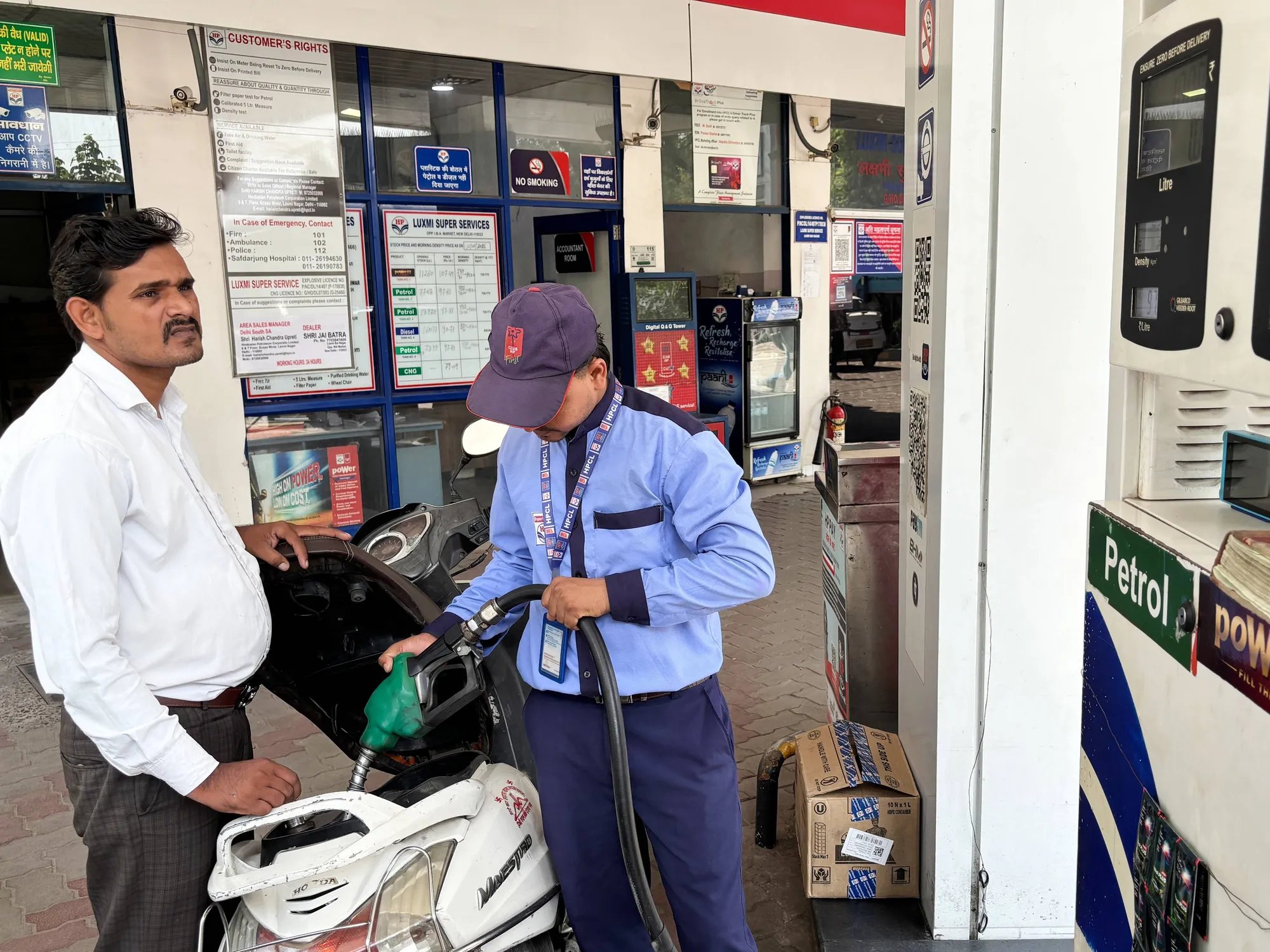
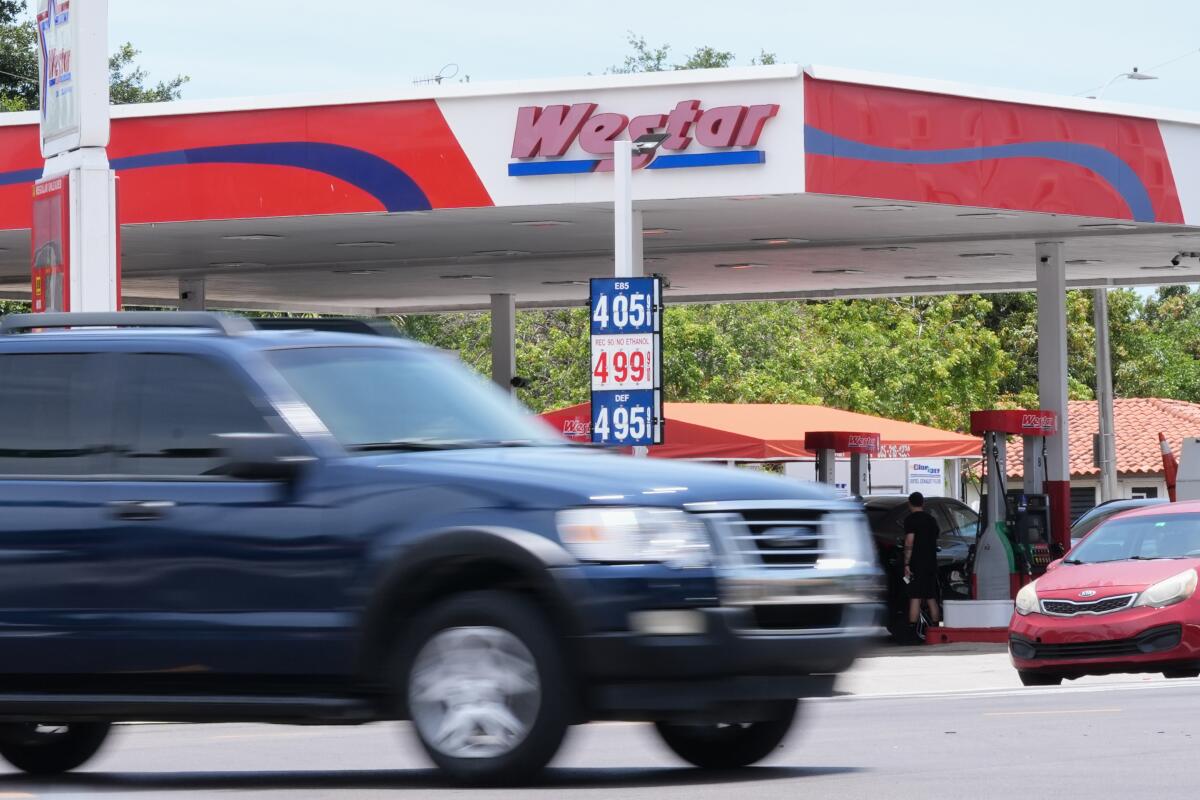
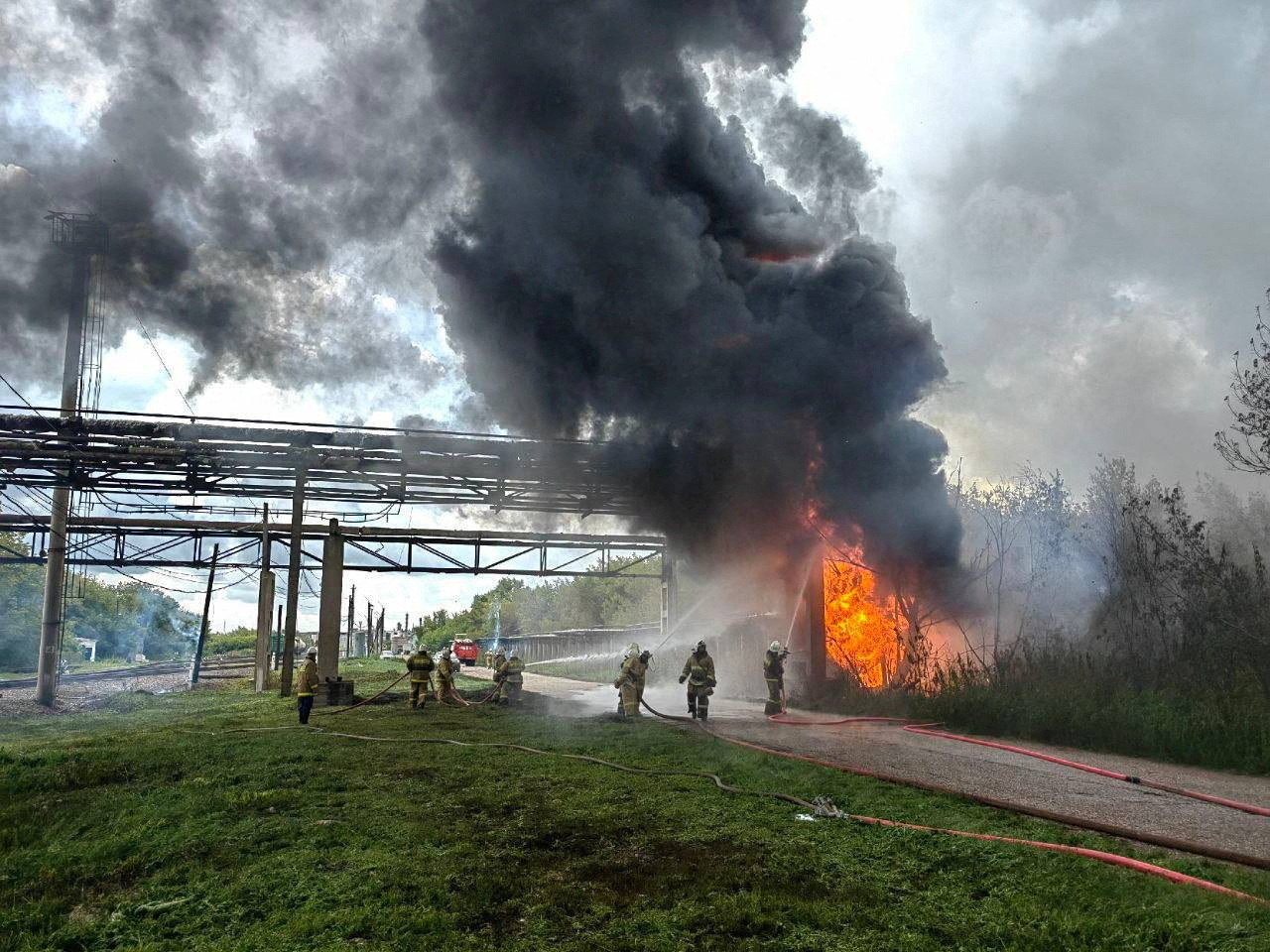
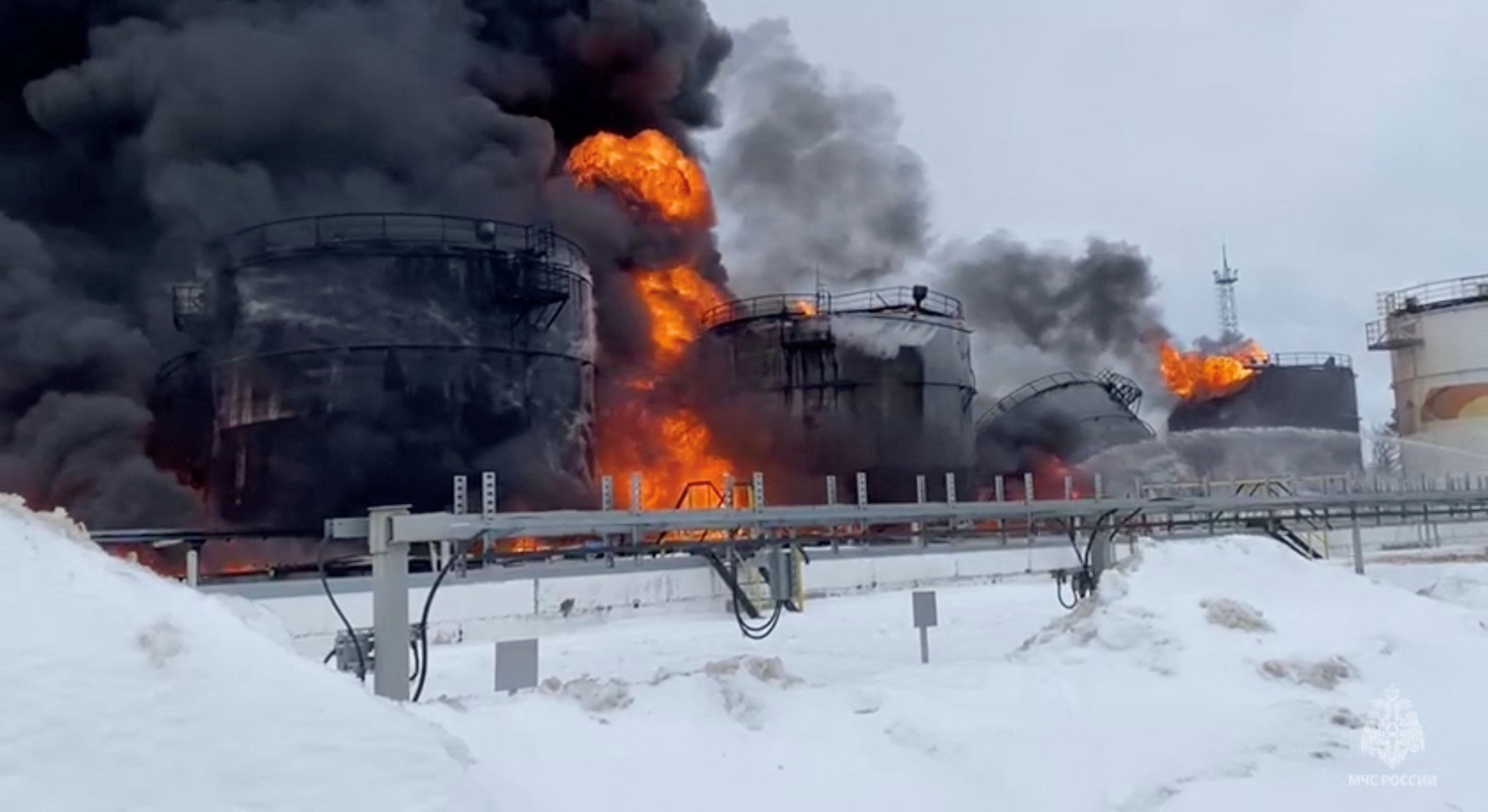
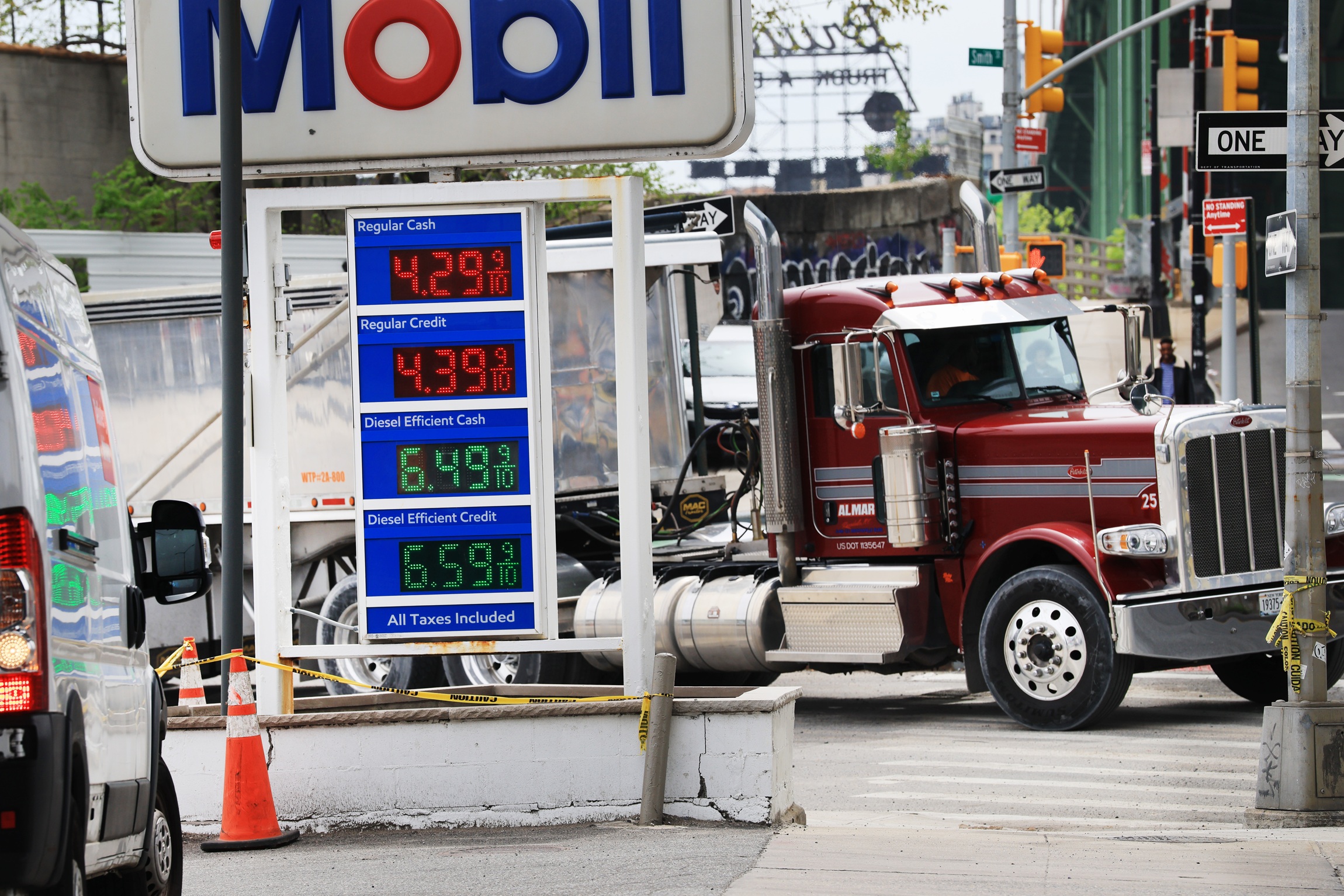
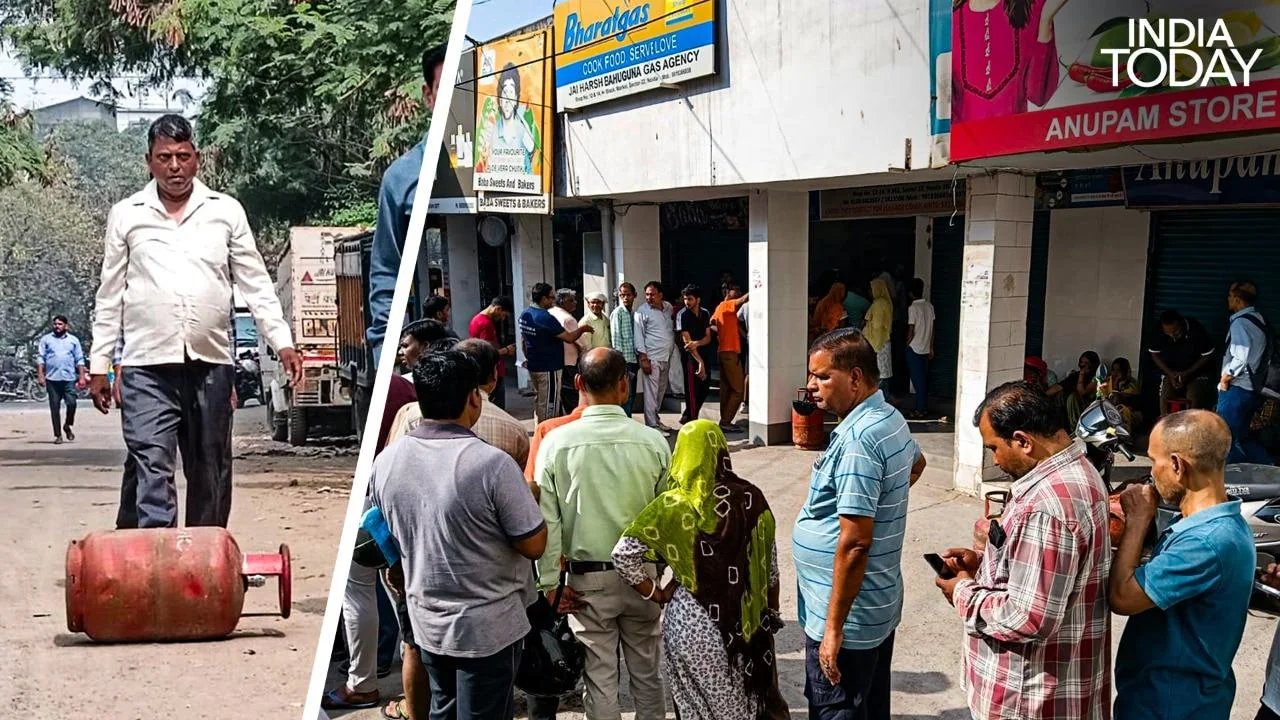
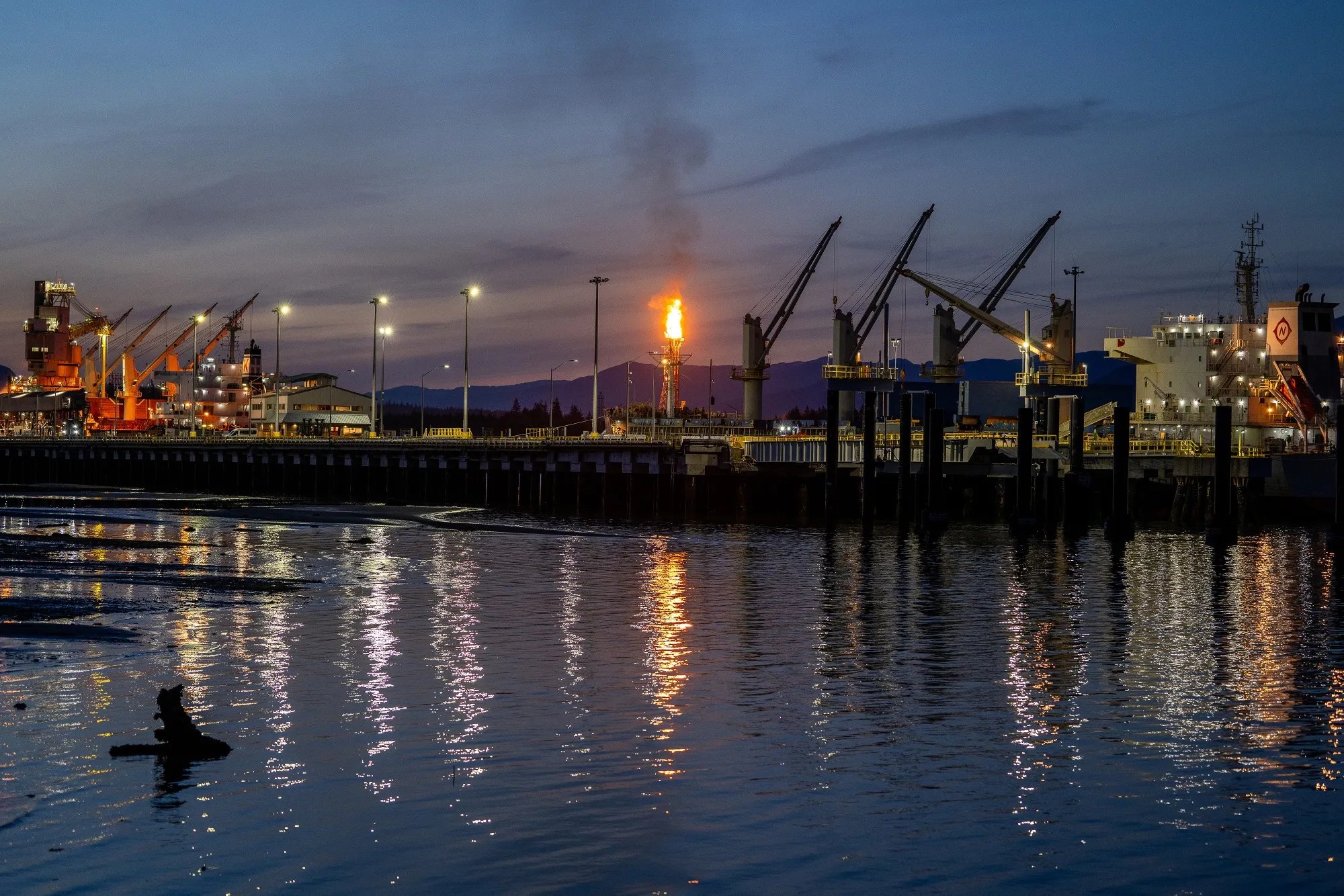
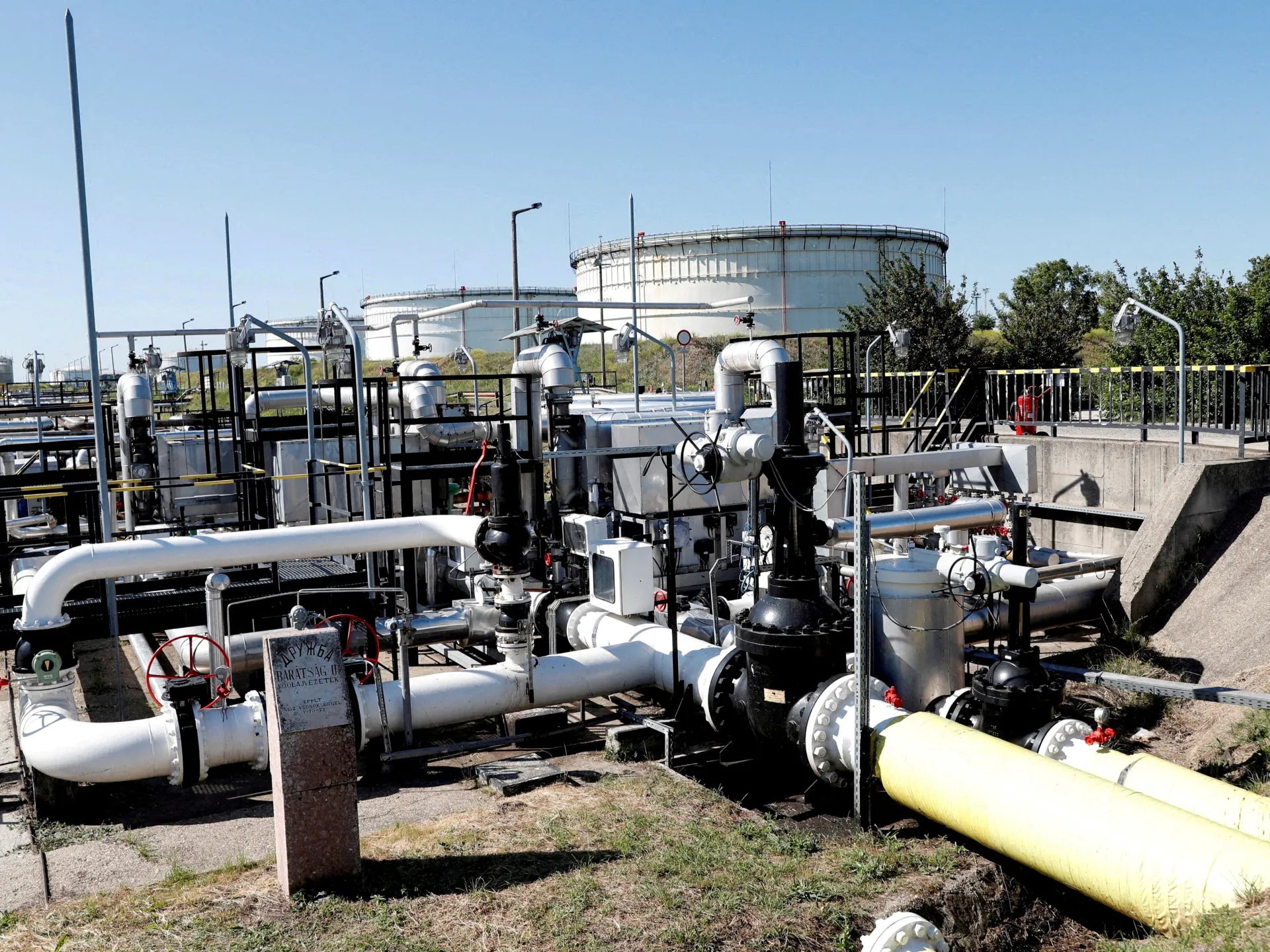
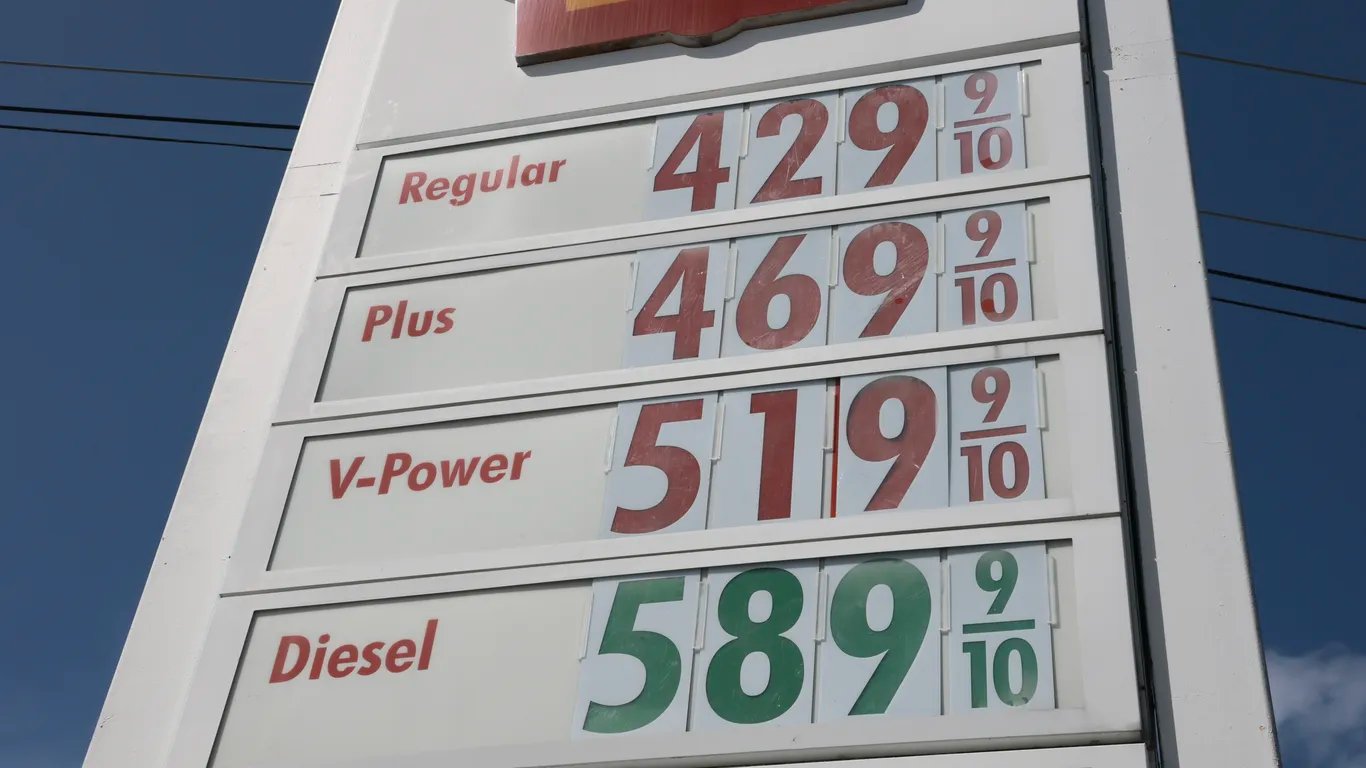
As tensions escalated, Brent crude oil prices rose 5.4% to $95.26 a barrel. Analysts noted that the closure of the Strait of Hormuz, a key transit route for approximately one-fifth of the world's oil, has led to significant market jitters. The ongoing blockade has also raised concerns about potential shortages, with UK gas prices increasing by 5.8%. Susannah Streeter, a chief investment strategist, warned that the energy crisis could lead to further economic strain, particularly for industries reliant on stable fuel supplies.
Diplomatic Efforts Stall
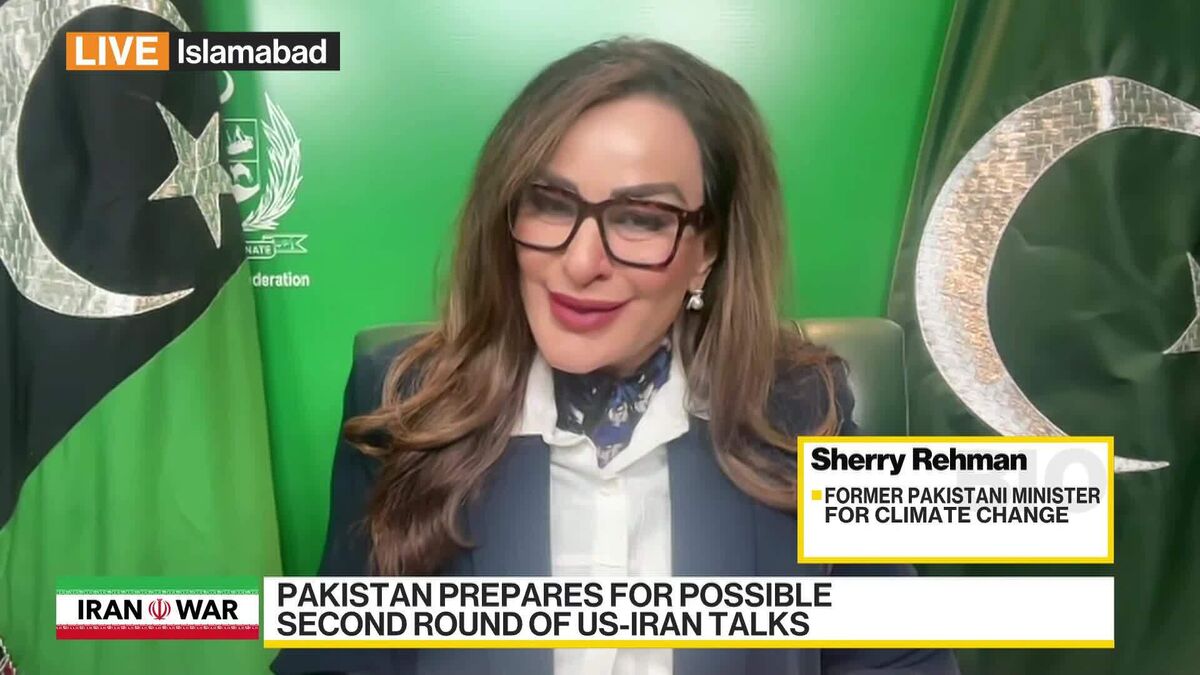
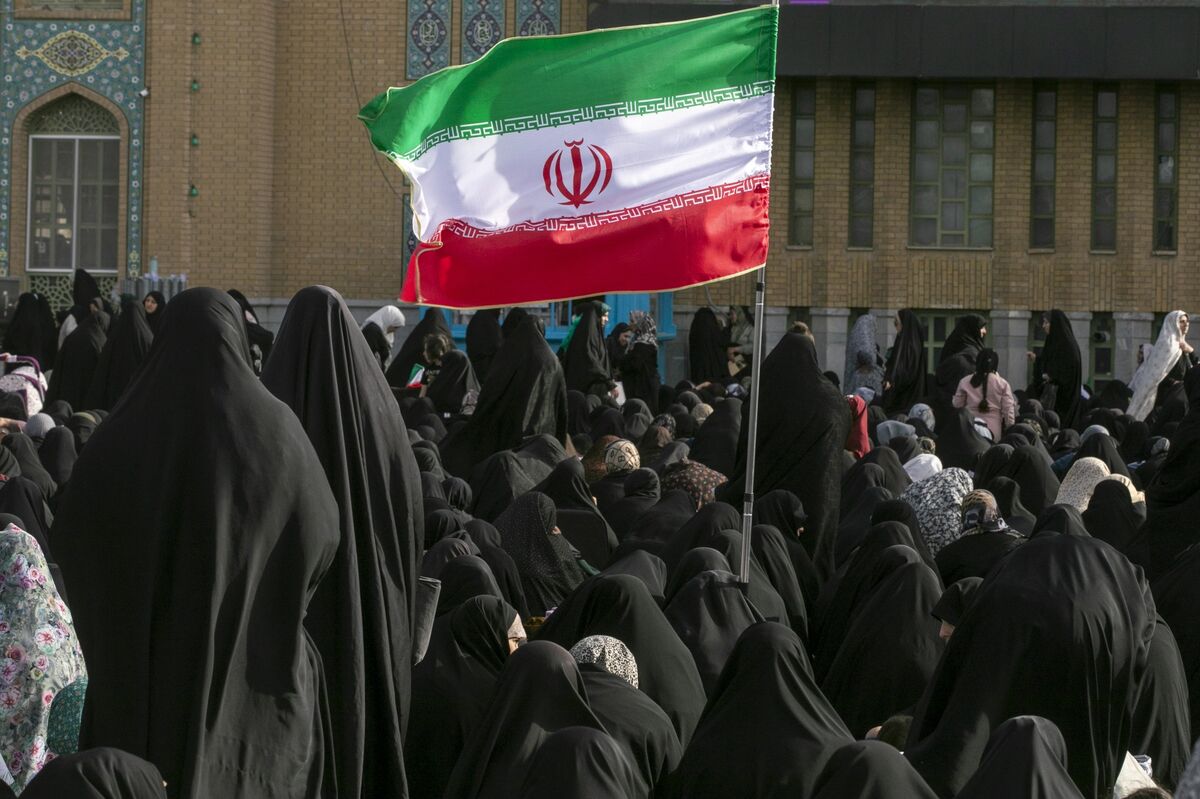
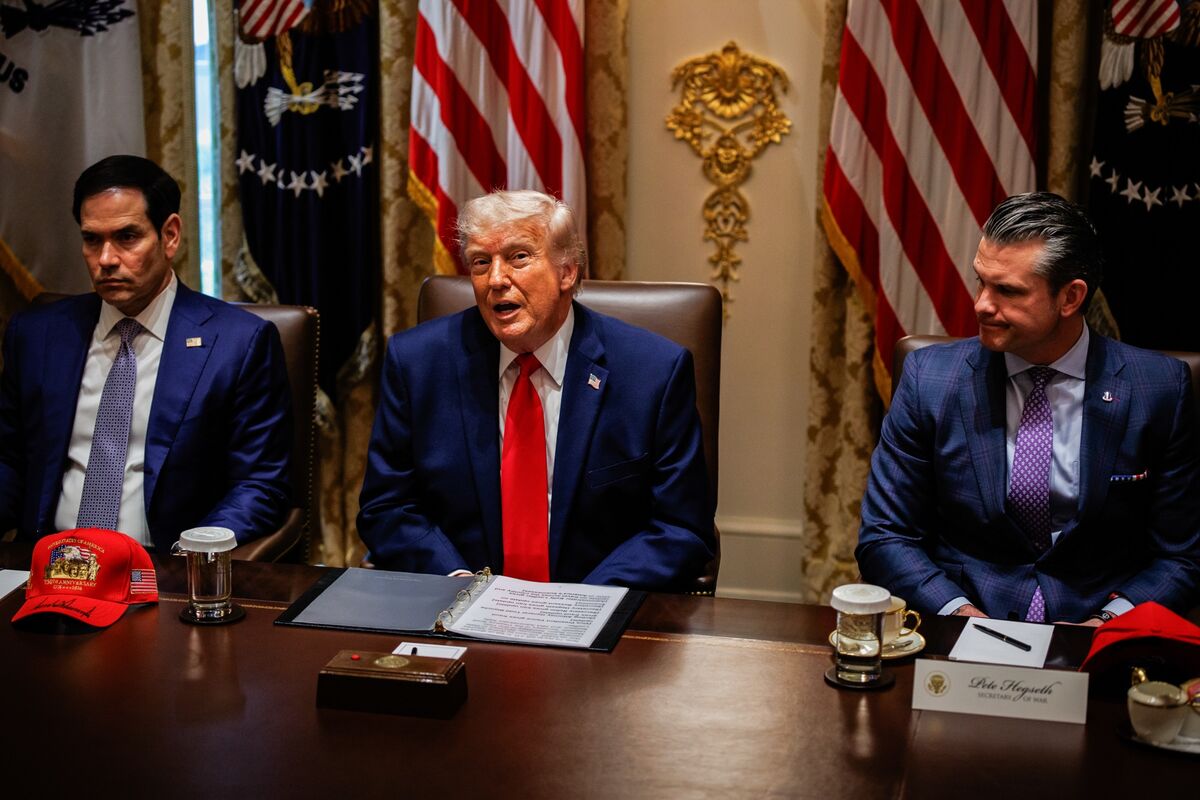
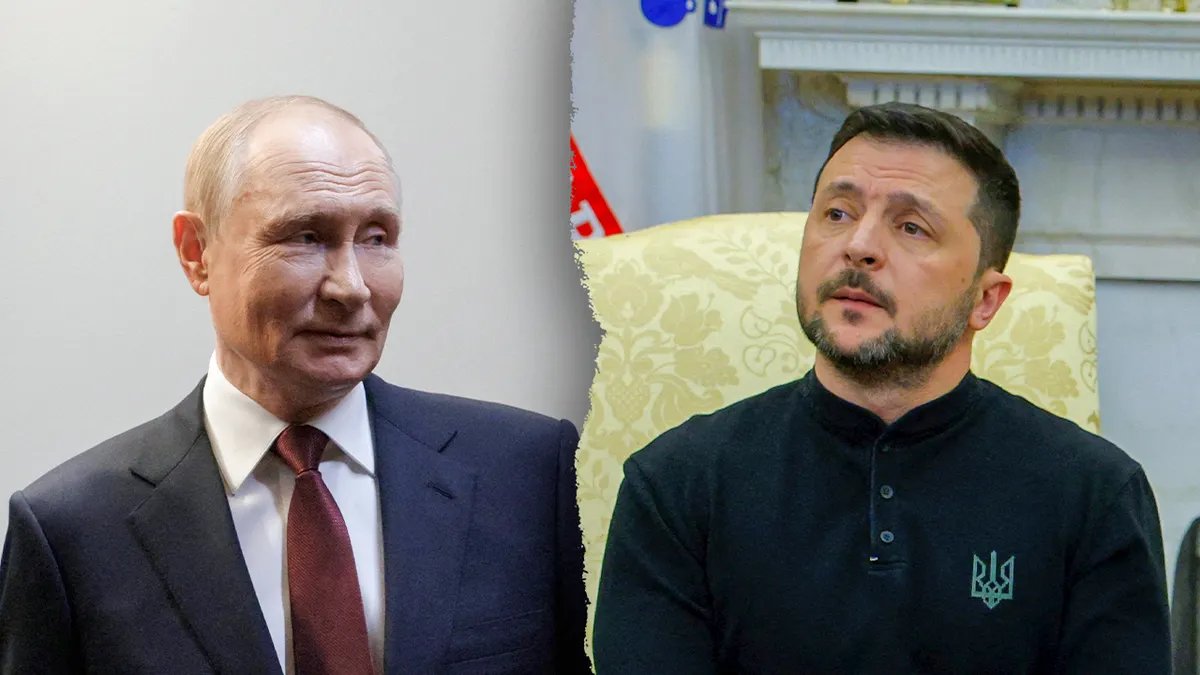
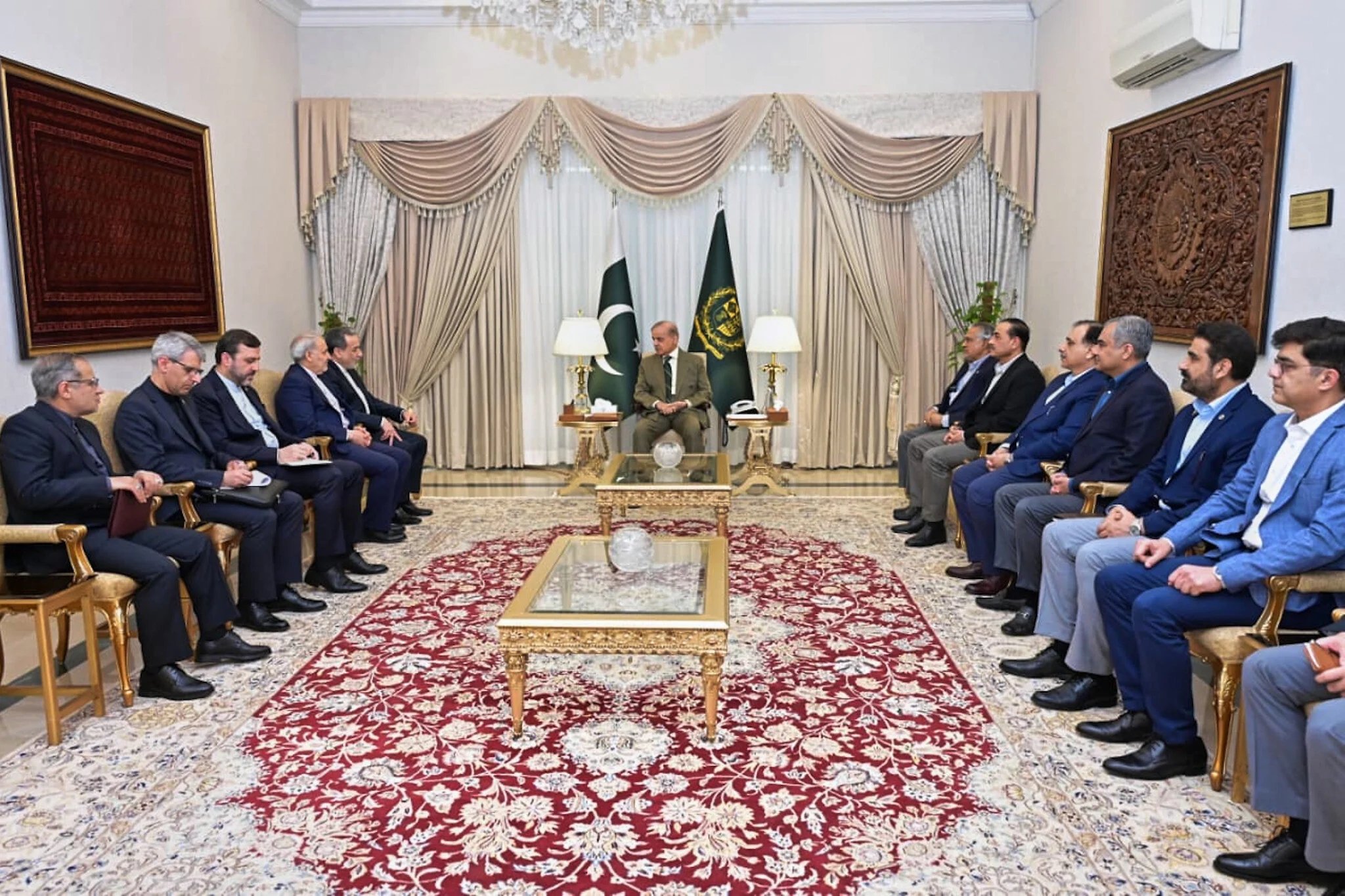
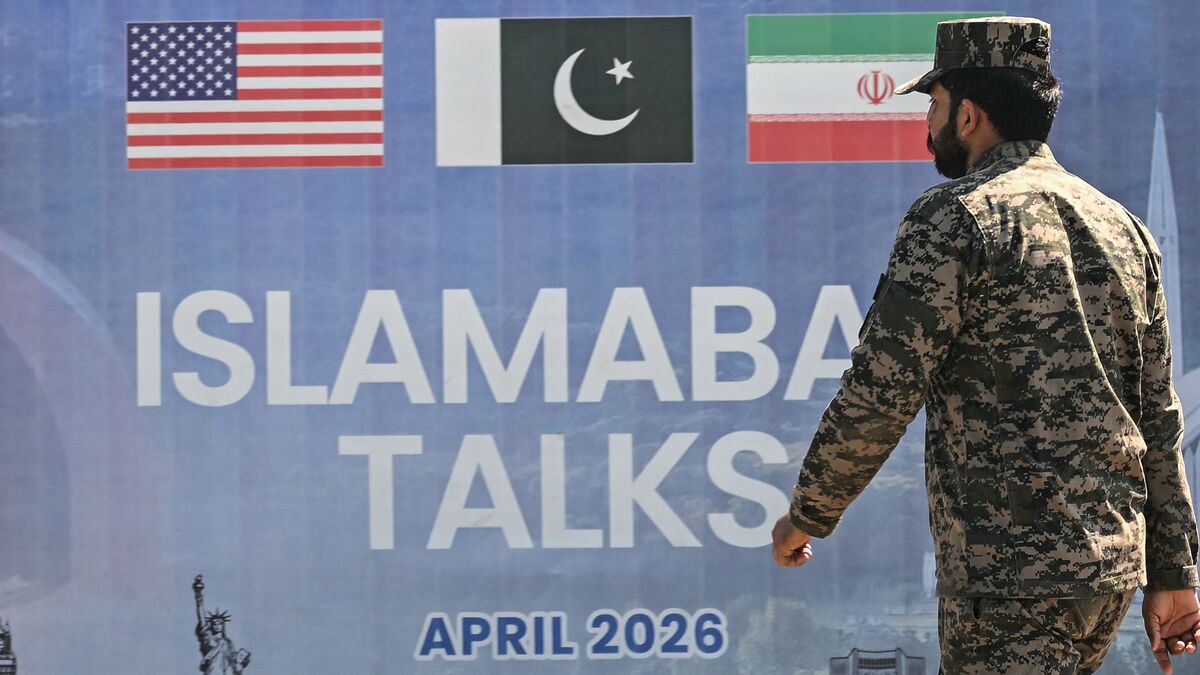
Despite attempts to initiate a second round of peace talks in Pakistan, Iranian officials have made it clear that they have no plans to engage with the US delegation led by Vice President JD Vance. The Iranian government has expressed frustration over the US's blockade and what they perceive as unreasonable demands. Iranian President Masoud Pezeshkian said "Honoring commitments is the basis of meaningful dialogue" and accused US officials of sending "unconstructive & contradictory signals."
Global Economic Implications
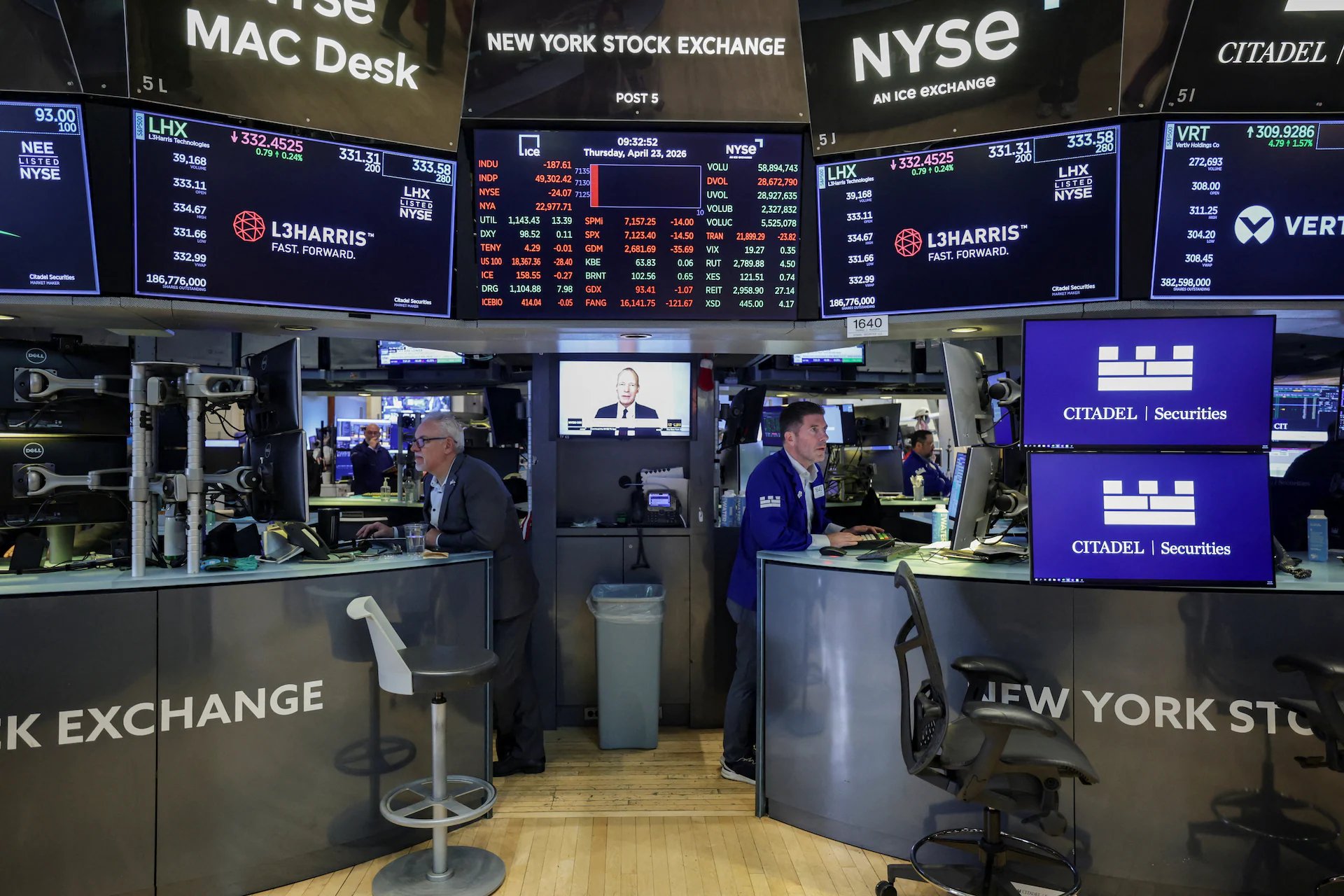
The ripple effects of the US-Iran tensions are being felt globally, with European stock markets also declining amid fears of prolonged instability in the region. The FTSE 100 dropped by 0.7%, while energy companies BP and Shell saw their shares rise more than 2%. The economic impact of the conflict continues to pose risks, with analysts warning that sustained high oil prices could lead to significant consumer cost increases, particularly for transportation.
Future of Peace Talks Uncertain
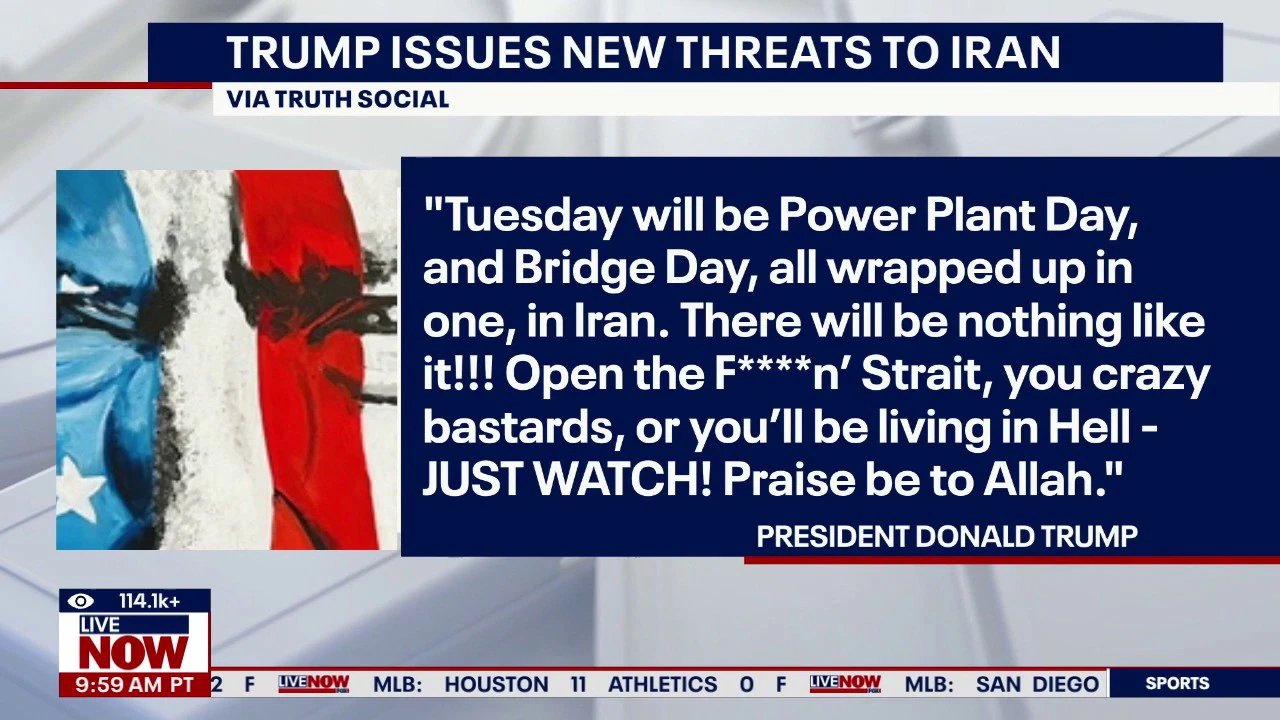
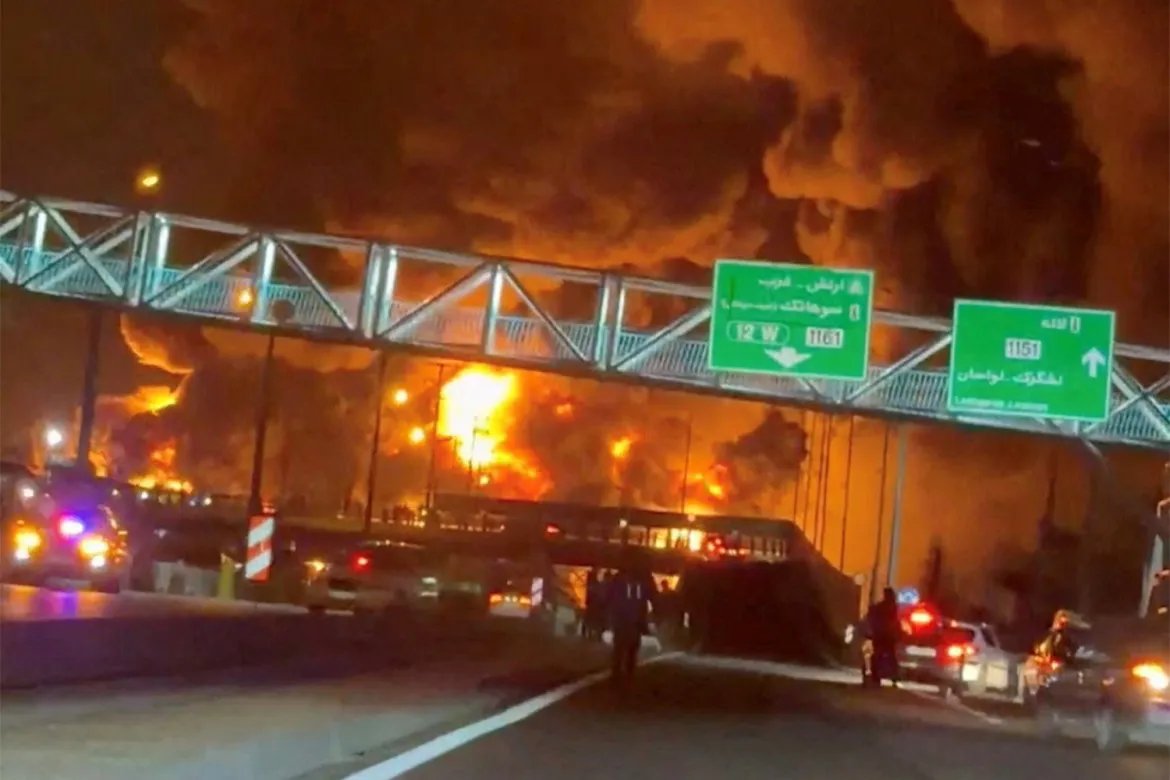
As the ceasefire deadline approaches, the outlook for peace talks remains bleak. President Trump has stated that if Iran does not accept the US's terms, he is prepared to escalate military action, including targeting Iranian infrastructure. Meanwhile, Iran's military has vowed to respond to the US's actions, further heightening tensions. The geopolitical landscape remains precarious, with both sides entrenched in their positions and little sign of compromise.
Conclusion: Navigating Economic Consequences
The current situation between the US and Iran highlights the interconnectedness of geopolitical events and economic stability. With the potential for further escalation looming, consumers and traders alike are left to navigate the uncertainties in currency and oil markets. As the world watches, the outcome of these negotiations may have lasting implications for global energy prices and international relations.