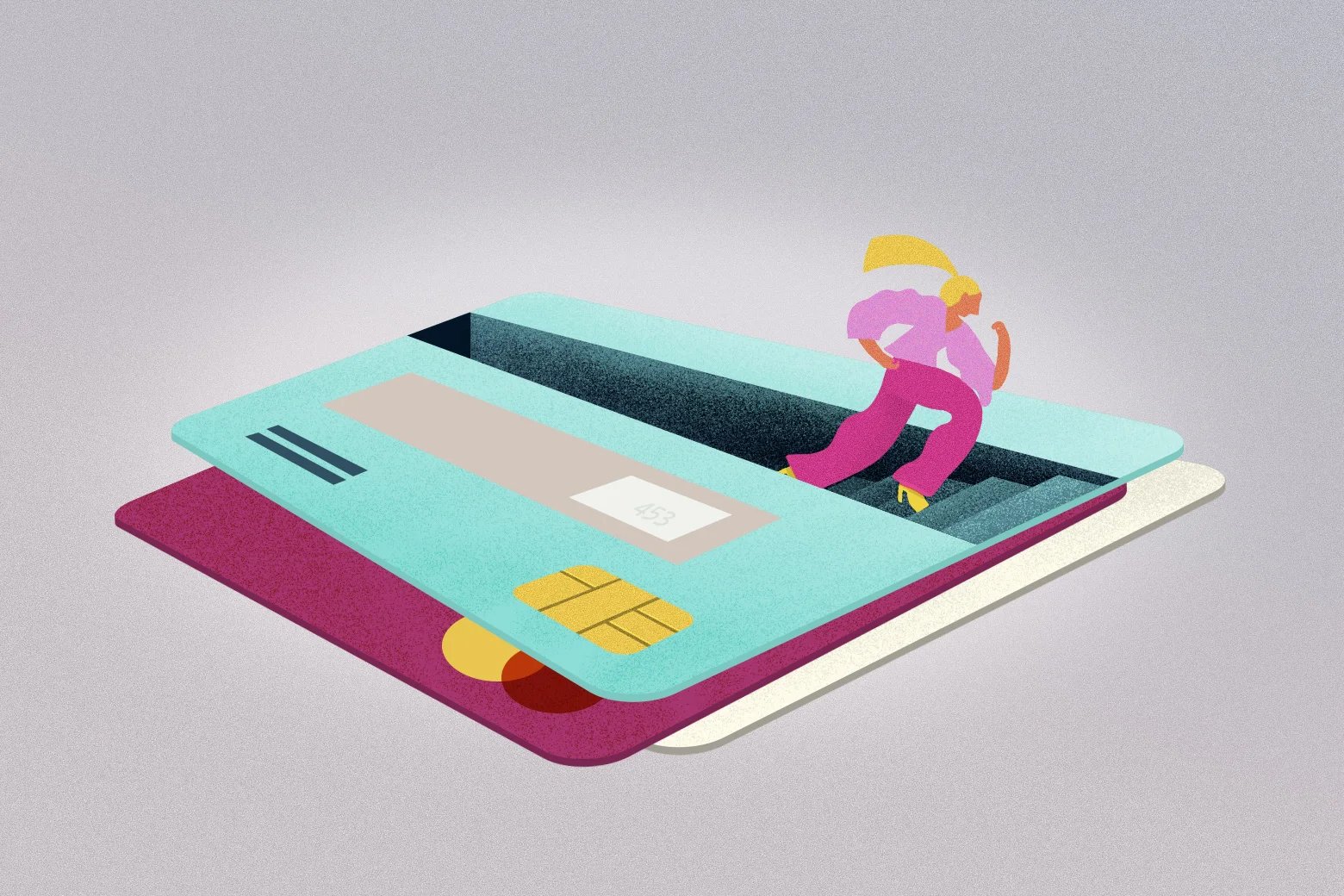
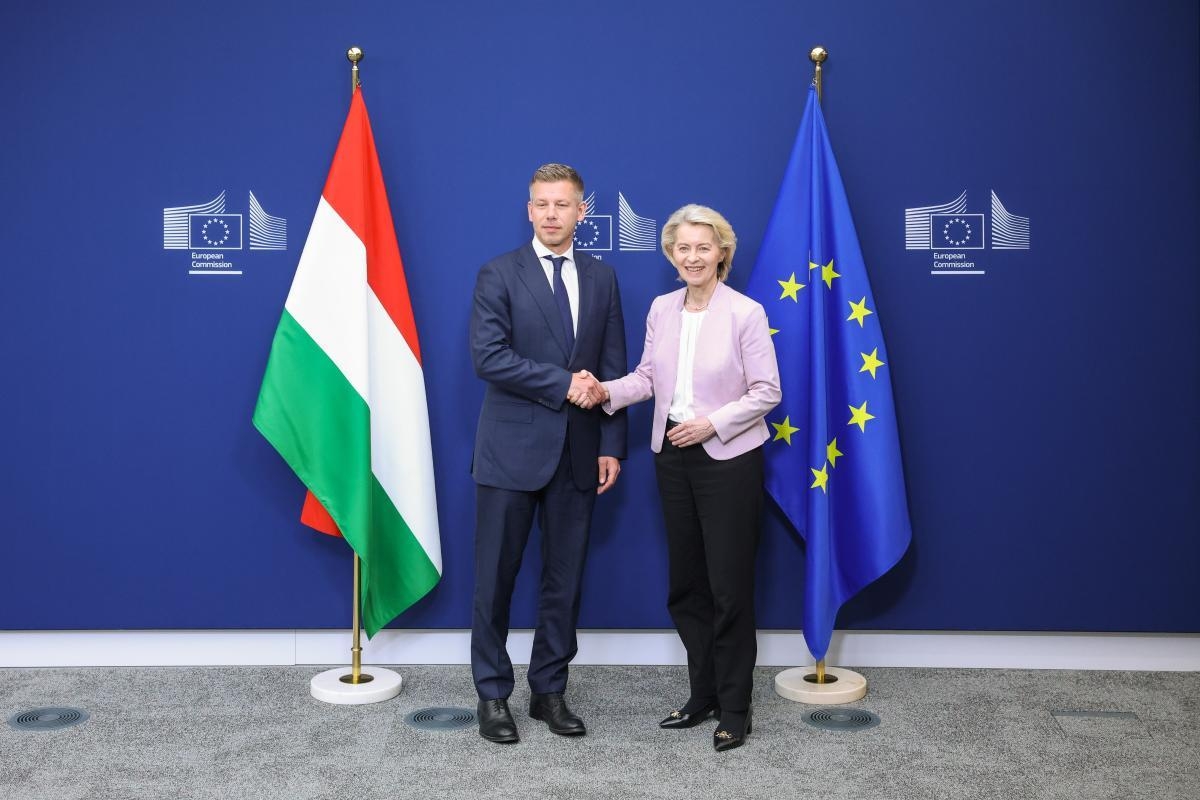
European Commission President Ursula von der Leyen announced on Wednesday that an EU-developed age-verification app is now technically ready. The app aims to let users prove their age for accessing restricted online content, such as sites with pornography or gambling, without sharing personal details.
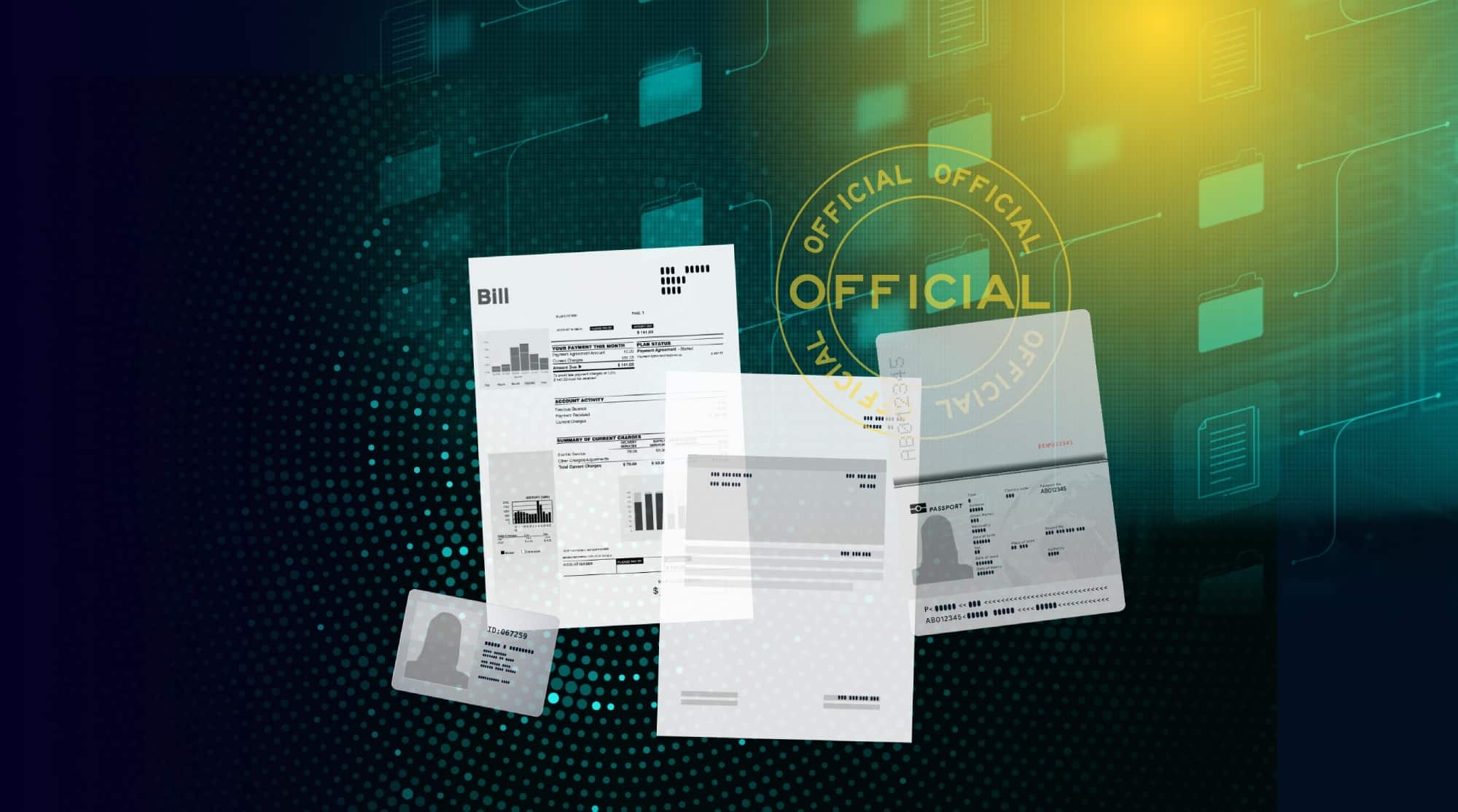
The app operates like the digital certificates used during the COVID-19 pandemic, allowing users to confirm their age anonymously through proof of identity like a passport. Users can download it from an app store, set it up once, and then use it to verify they meet age requirements on various platforms. This open-source technology ensures it aligns with the EU's Digital Services Act, which requires platforms to restrict access to certain content for minors.
Five EU countries, including France and Italy, began testing an age-check app last year to address online risks for children. These trials responded to plans in several EU capitals to ban social media for users under a certain age.
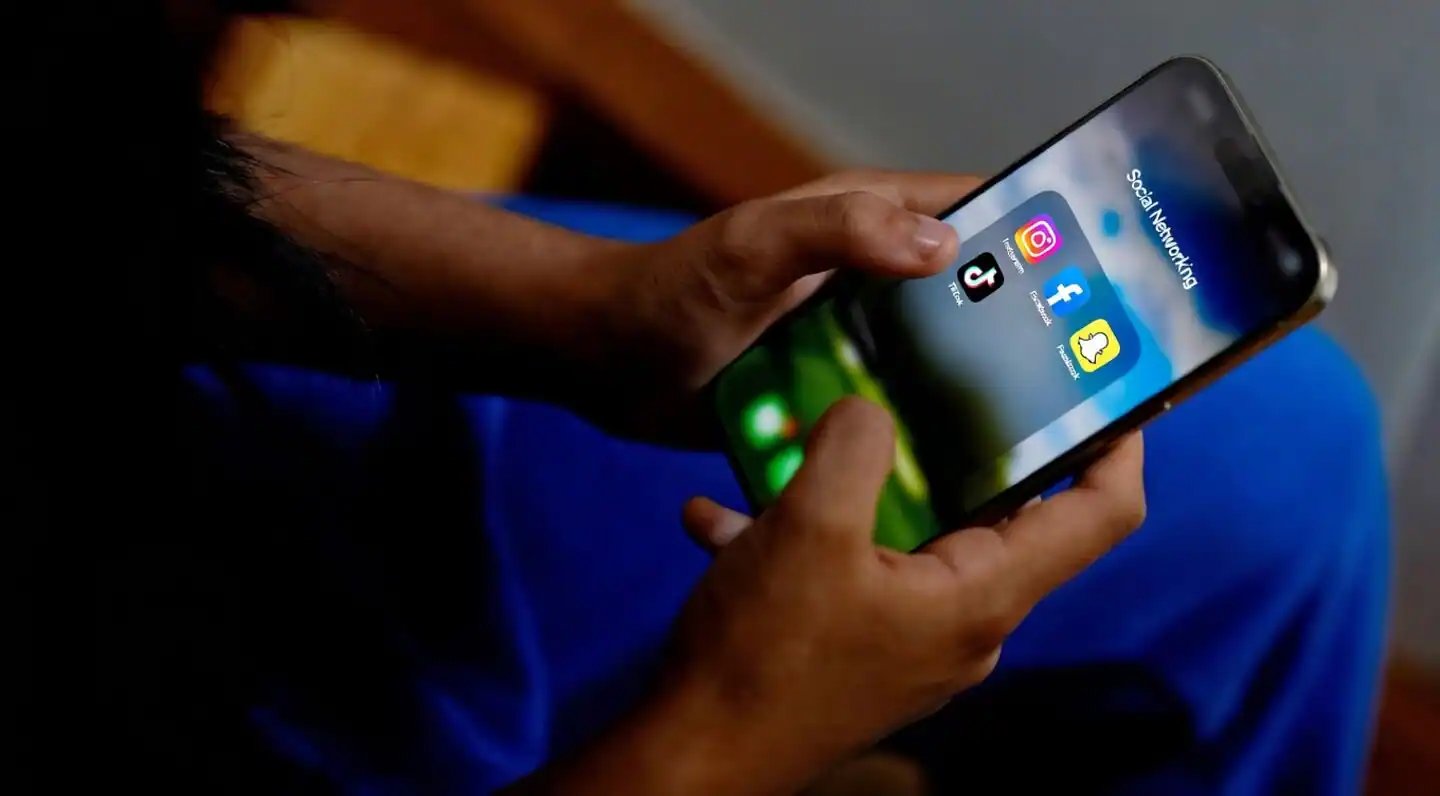
Ursula von der Leyen highlighted the "extremely worrying" situation for children's online safety, pointing to addictive elements such as personalized content and short-form videos. Pressure has mounted since Australia introduced a ban on social media for those under 16. Several EU countries are now considering introducing minimum age limits for social media use. The European Parliament has advocated for a minimum age of 16 for social media, though no binding EU-wide law exists yet.
The app will support enforcement of the Digital Services Act by enabling platforms to comply with rules on content access without compromising user privacy. Officials describe it as completely anonymous, meaning it could extend beyond the EU for global adoption.
European Commission President Ursula von der Leyen announced on Wednesday that an EU-developed age-verification app is now technically ready. The app aims to let users prove their age for accessing restricted online content, such as sites with pornography or gambling, without sharing personal details. This development could affect parents by giving them tools to monitor and protect their children's online exposure to harmful material.
The app operates like the digital certificates used during the COVID-19 pandemic, allowing users to confirm their age anonymously through proof of identity like a passport. Users can download it from an app store, set it up once, and then use it to verify they meet age requirements on various platforms. This open-source technology ensures it aligns with the EU's Digital Services Act, which requires platforms to restrict access to certain content for minors.
Five EU countries, including France and Italy, began testing an age-check app last year to address online risks for children. These trials responded to growing calls for stricter measures, as several EU capitals plan bans on social media for users under a certain age. The app's rollout could help these nations enforce national rules more effectively, reducing the spread of addictive features like infinite scrolling on social platforms.
Ursula von der Leyen highlighted the "extremely worrying" situation for children's online safety, pointing to addictive elements such as personalized content and short-form videos. Pressure has mounted since Australia imposed a ban on social media for those under 16, prompting several EU countries to consider similar age limits. The European Parliament has advocated for a minimum age of 16 for social media, though no binding EU-wide law exists yet.
The app will support enforcement of the Digital Services Act by enabling platforms to comply with rules on content access without compromising user privacy. Officials describe it as completely anonymous, meaning it could extend beyond the EU for global adoption. For families, this means a practical step toward shielding children from online harms, potentially altering how everyday internet use involves age checks at stores or sites.
Highlighted text was flagged by the council. Tap to see feedback.


























































































































































































































































































































The sources also report that the age-check app was tested last year by five EU countries, including France and Italy.