Regulatory Shift on Unproven Peptides
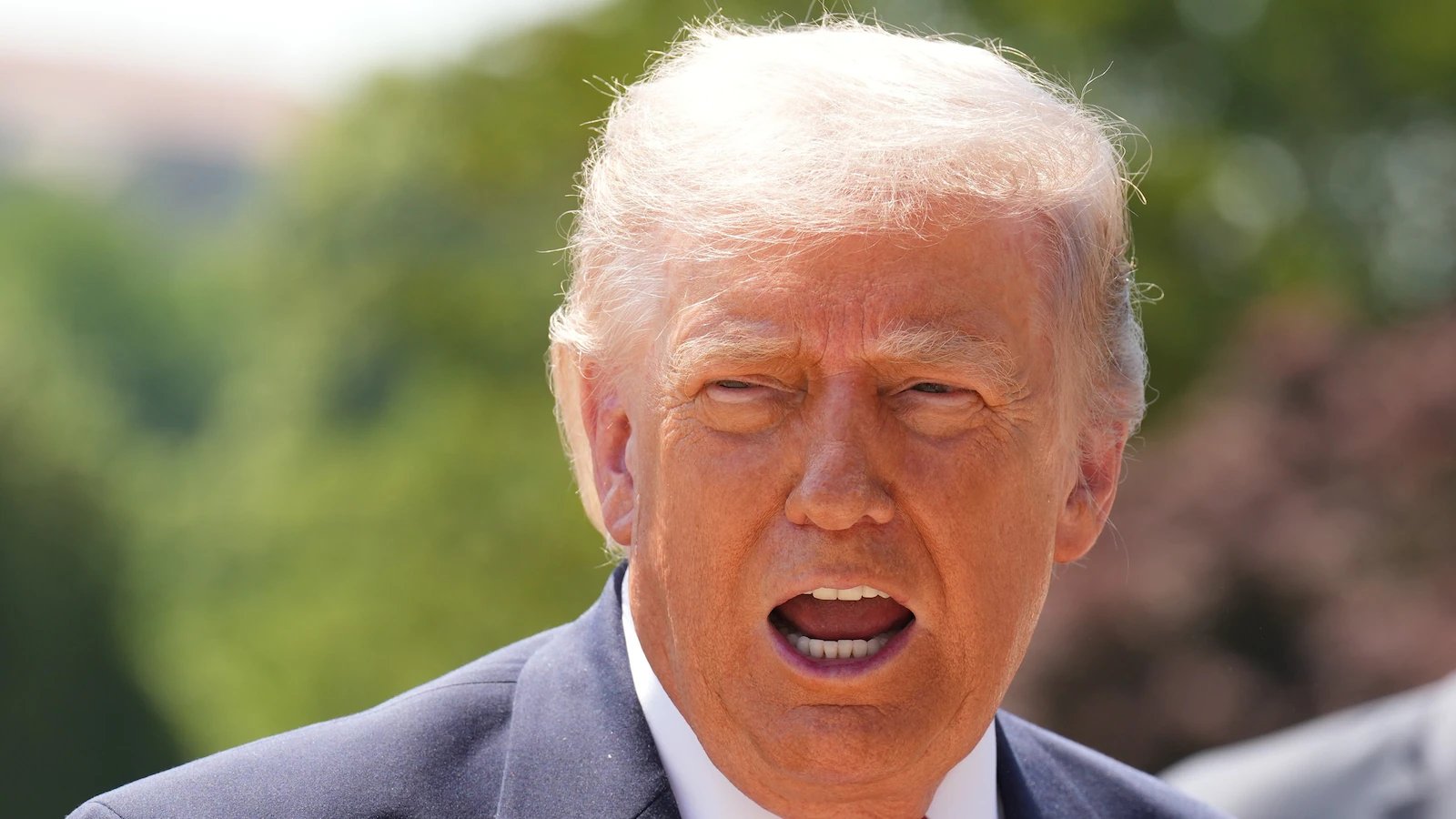
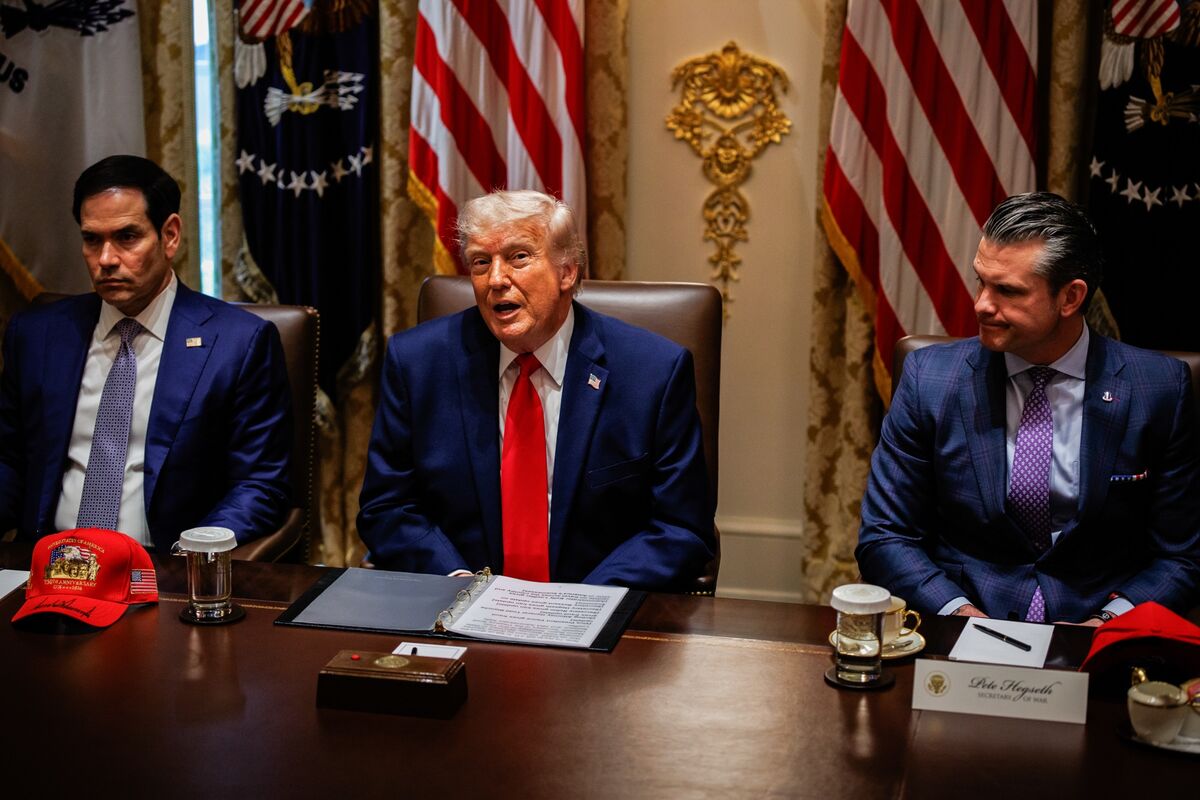
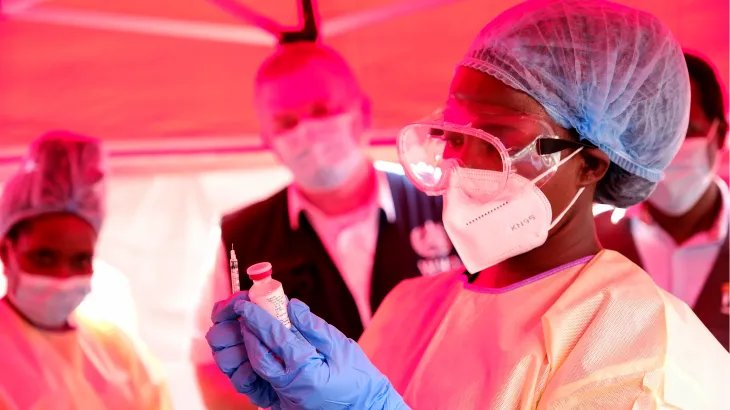
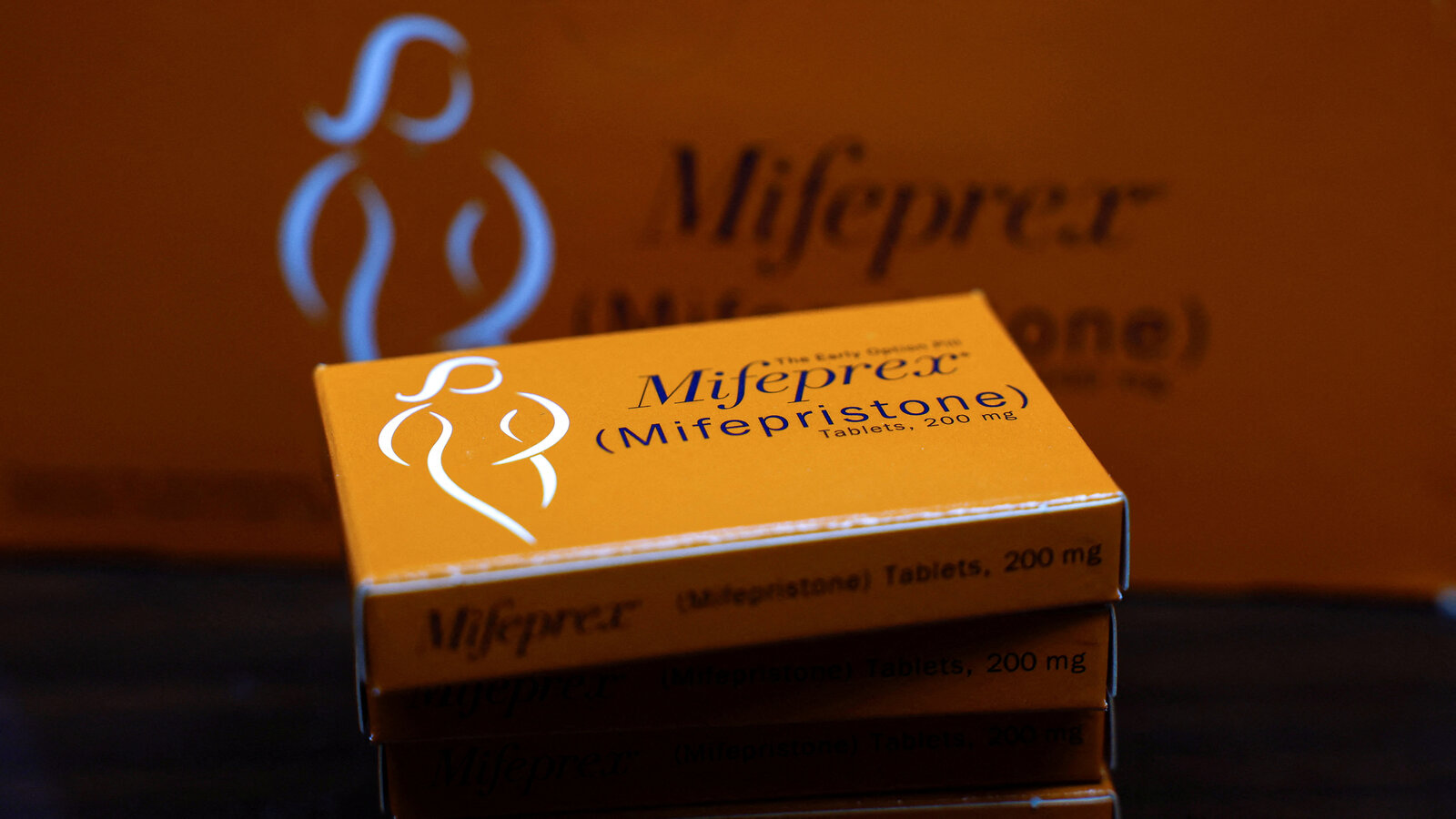
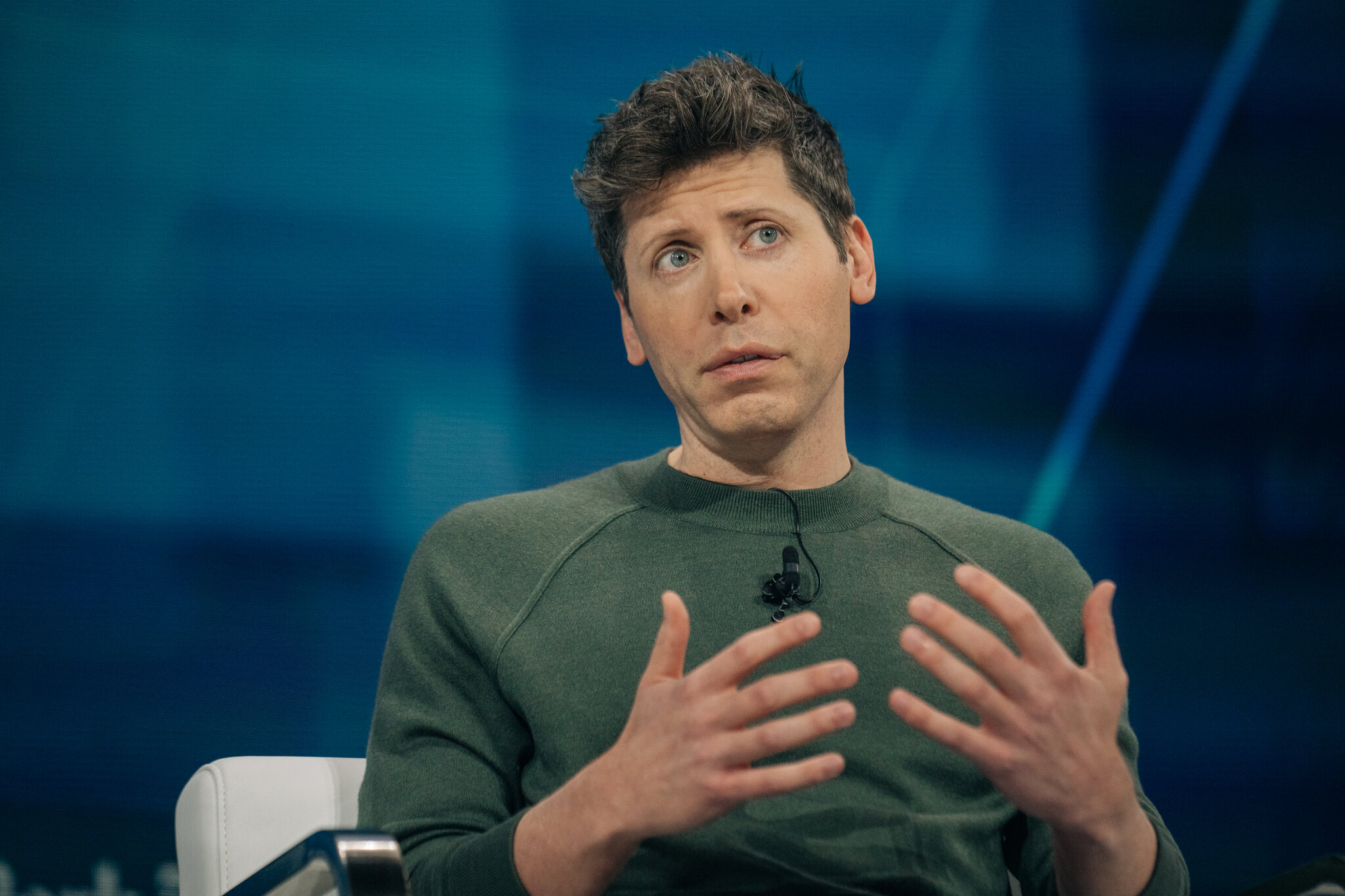
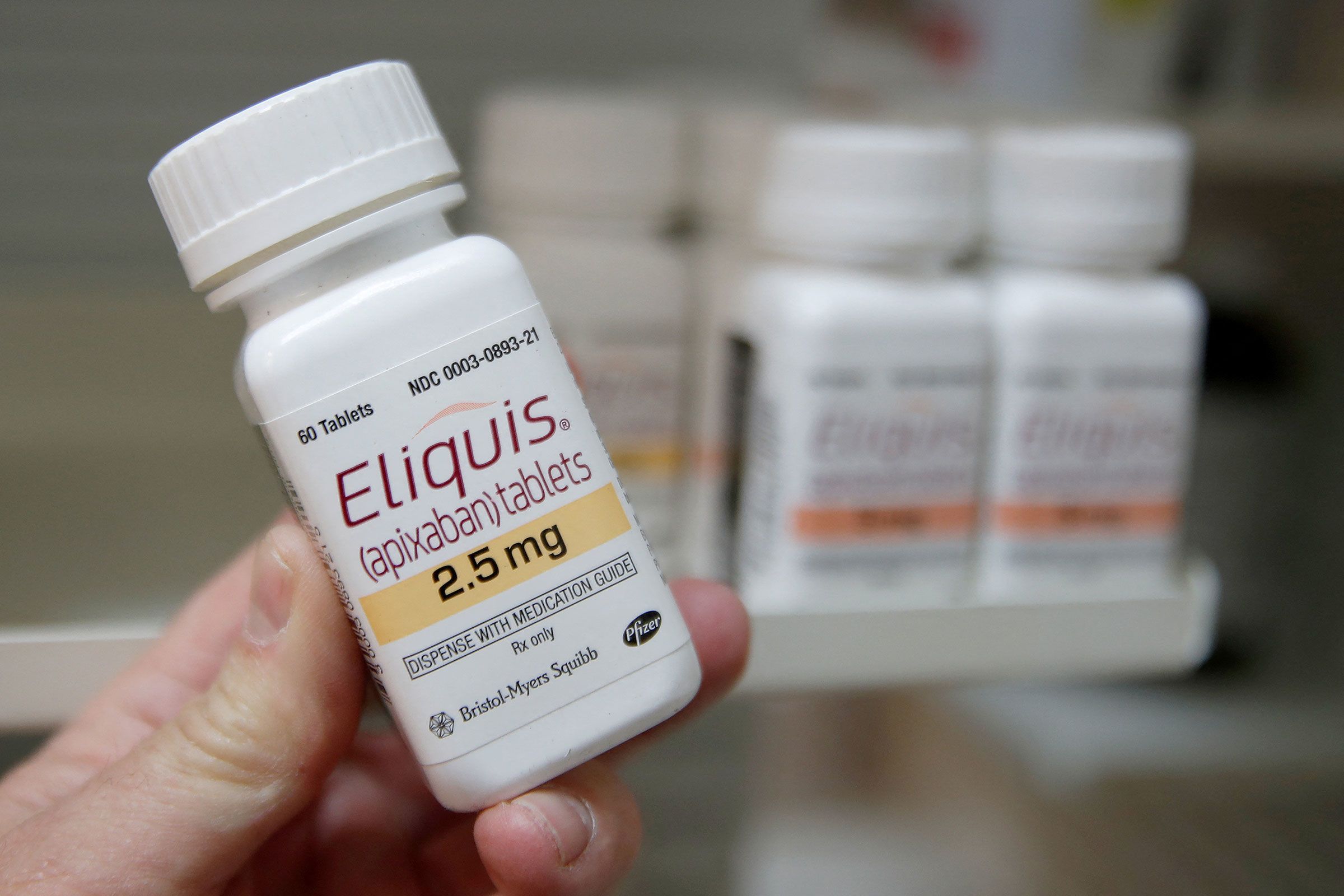
The Food and Drug Administration will hold meetings in July to consider easing restrictions on 12 unapproved peptide injections, a move prompted by Health Secretary Robert F. Kennedy Jr. These peptides, deemed to pose significant safety risks by the FDA in 2023, have gained popularity among wellness influencers and fitness enthusiasts, despite lacking rigorous scientific backing. Kennedy, who has described himself as a "big fan" of these unproven therapies, has publicly advocated for their use and availability.
Scheduled Meetings and Expert Concerns
The FDA's advisory panel, the Pharmacy Compounding Advisory Committee (PCAC), is set to review seven of the peptides on July 23 and 24, with the remaining five scheduled for February 2027. Among those under consideration are BPC-157 and TB-500, which are often marketed for their purported benefits in muscle recovery and injury healing. Robert Steinbrook, director of the Health Research Group at Public Citizen, stated: "There is no credible reason to believe that peptides that were deemed unproven or unsafe in 2023 are miraculously safe and effective in 2026." Dr. Peter Lurie, a former FDA official now leading the Center for Science in the Public Interest, warned that allowing peptides without clinical testing poses a "profound threat" to the FDA's drug vetting system.
Kennedy's Influence and Industry Players
Kennedy's push to reconsider these peptides aligns with his broader "Make America Healthy Again" movement, which has garnered support from figures like Gary Brecka, a self-proclaimed "longevity expert." Brecka sells peptide formulas through his website, reflecting the growing commercial interest in these substances. In 2025, Republican Senator Tommy Tuberville of Alabama, among other members of Congress, sent letters to Kennedy asking him to lift limits on peptide production.
Safety Risks and Market Implications
The FDA previously categorized these peptides as high-risk due to potential safety concerns, including links to cancer and organ damage. Yet, as the agency prepares for the upcoming meetings, many of its advisory positions remain unfilled, raising questions about the thoroughness of the review process. Dr. Lurie warned that allowing these peptides to enter the market without proper testing could undermine the integrity of the FDA's drug approval system. He stated, "I don't see why one would take the path of a proper drug approval if there is now this less rigorous, alternative path to market."
Potential for Illicit Markets
Kennedy has highlighted the risks associated with the current gray market for peptides, arguing that consumers are often unaware of the quality of products available. He suggested that easing regulations could help mitigate the risks associated with substandard products imported from other countries. However, Dr. Eric Topol of Scripps Research cautions that without adequate data supporting safety and efficacy, the FDA's potential decision could lead to a "disaster in the works."
Next Steps for the FDA
The FDA's upcoming advisory meetings represent a critical juncture for the future of these unproven peptides. If the committee recommends easing restrictions, the FDA will need to draft new regulations for compounding pharmacies, which could significantly alter the landscape for peptide availability in the U.S. The FDA's decision will determine whether unproven peptides can be legally compounded and sold, despite the agency's 2023 finding that they pose significant safety risks and lack adequate human testing.