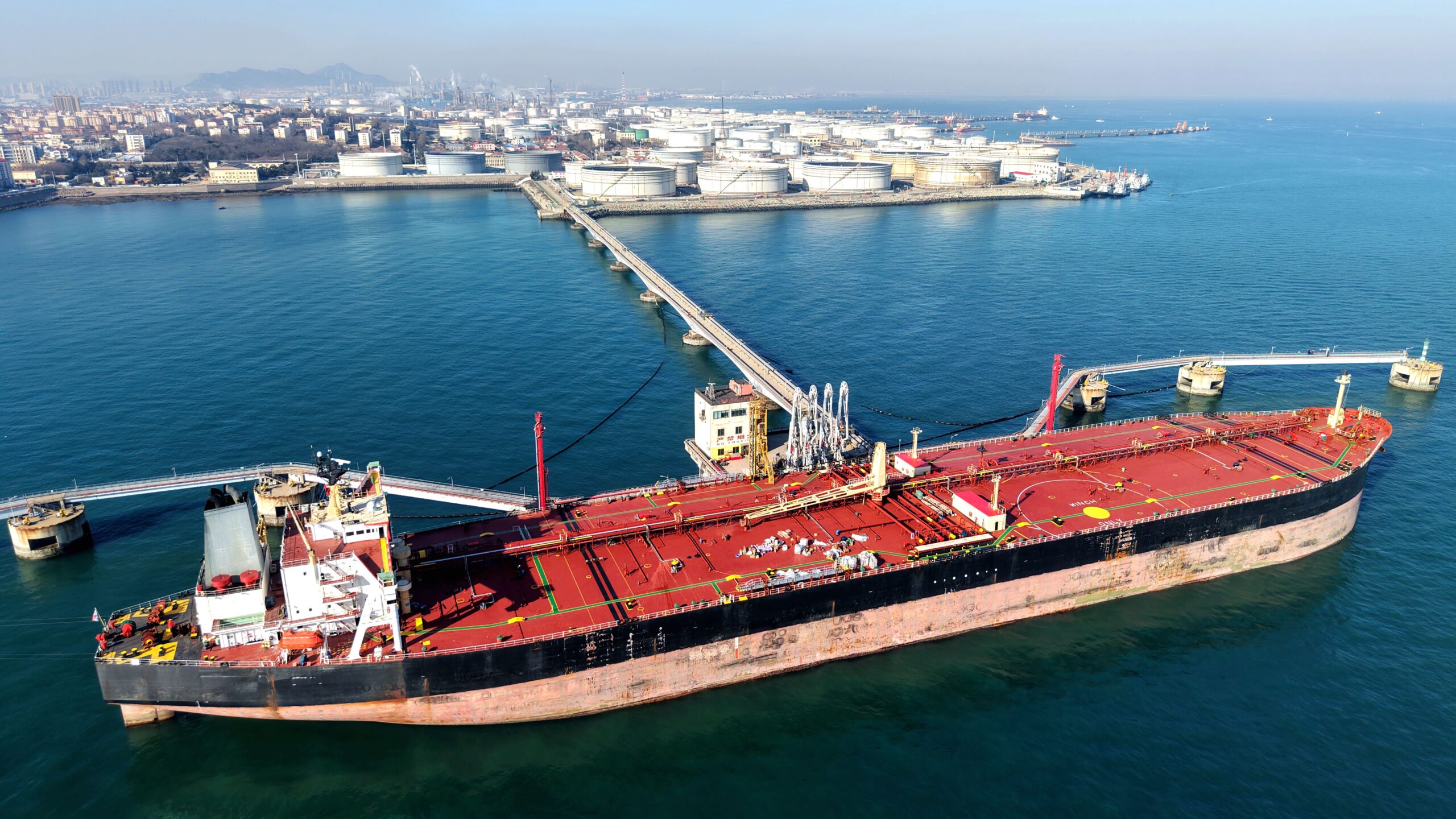
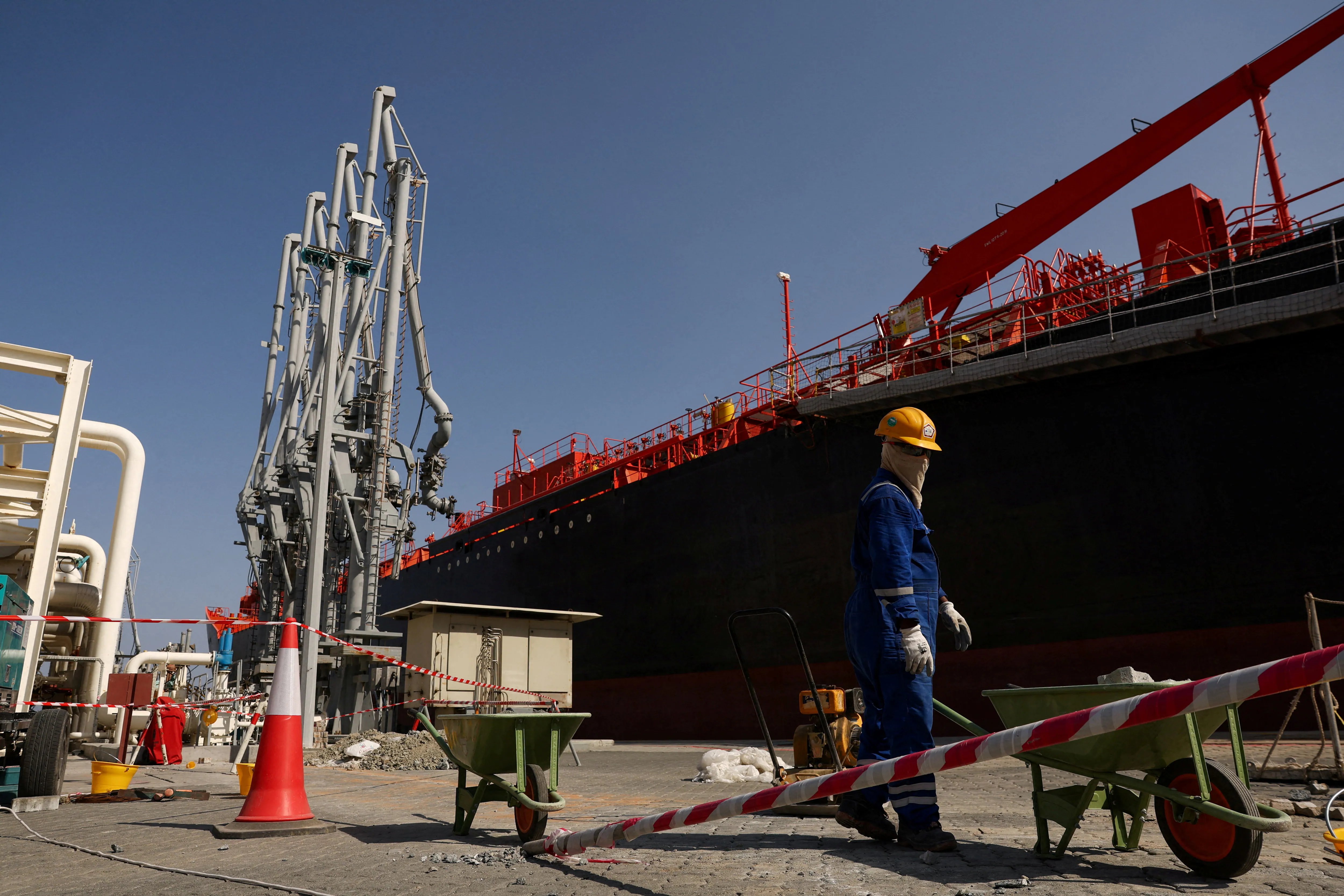
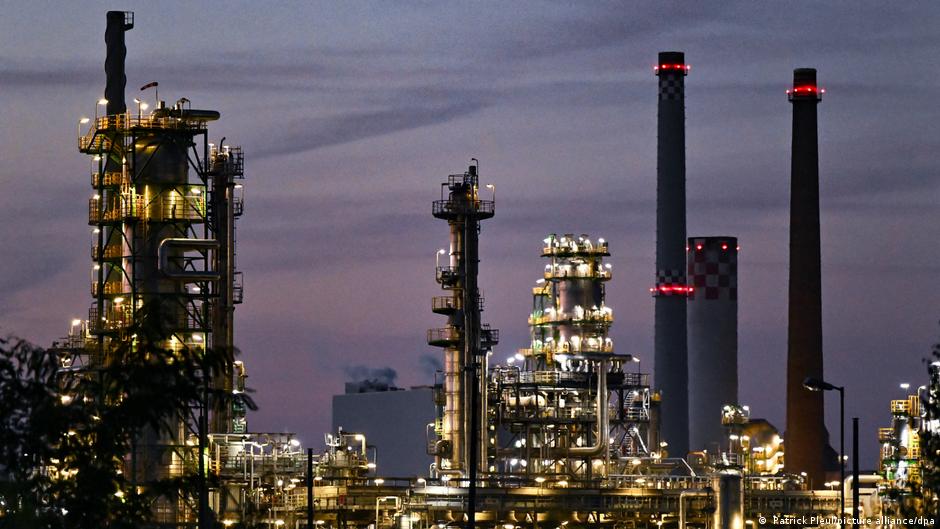
Spain's Repsol has successfully regained control over its oil operations in Venezuela, a significant development for both the company and global oil markets.
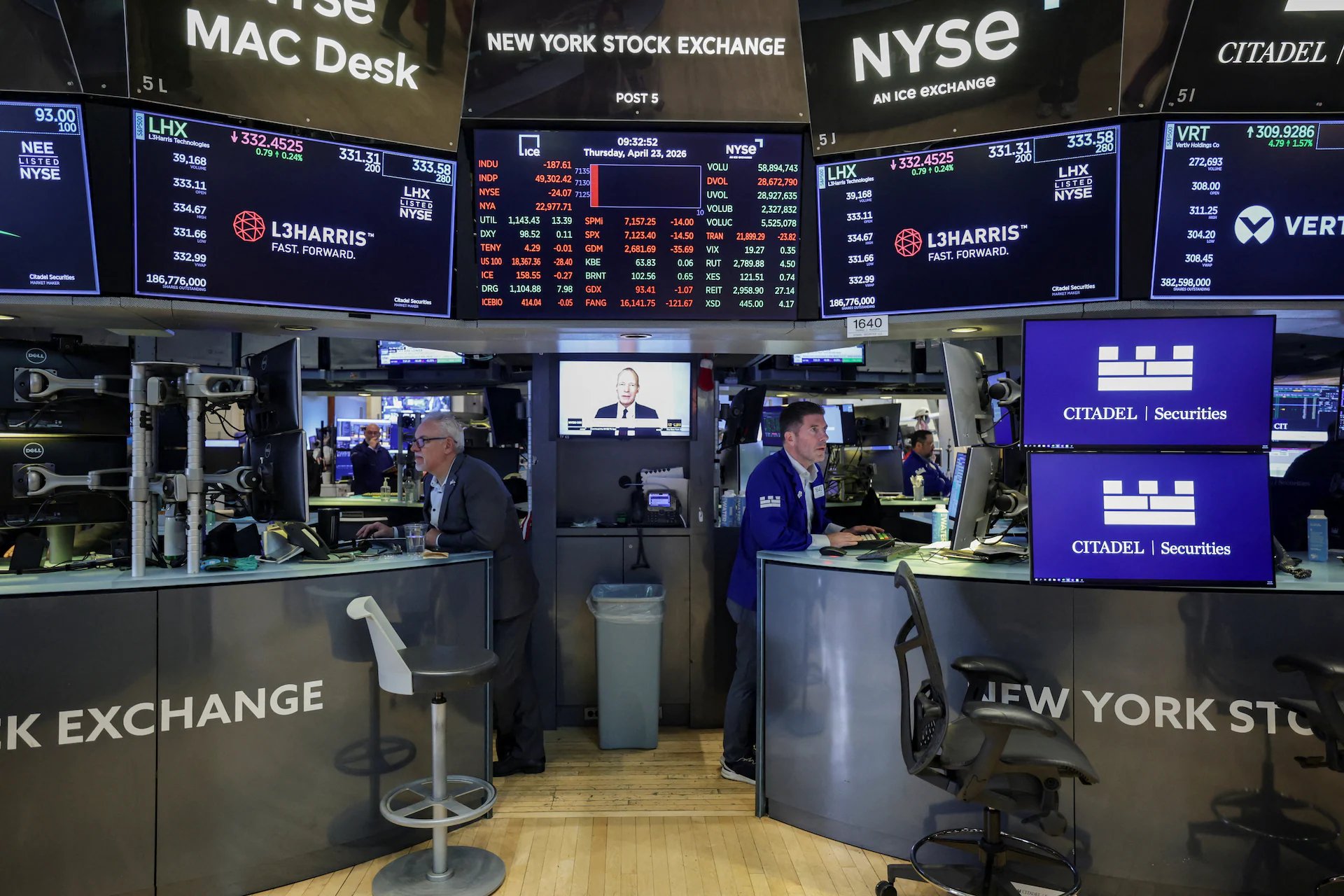
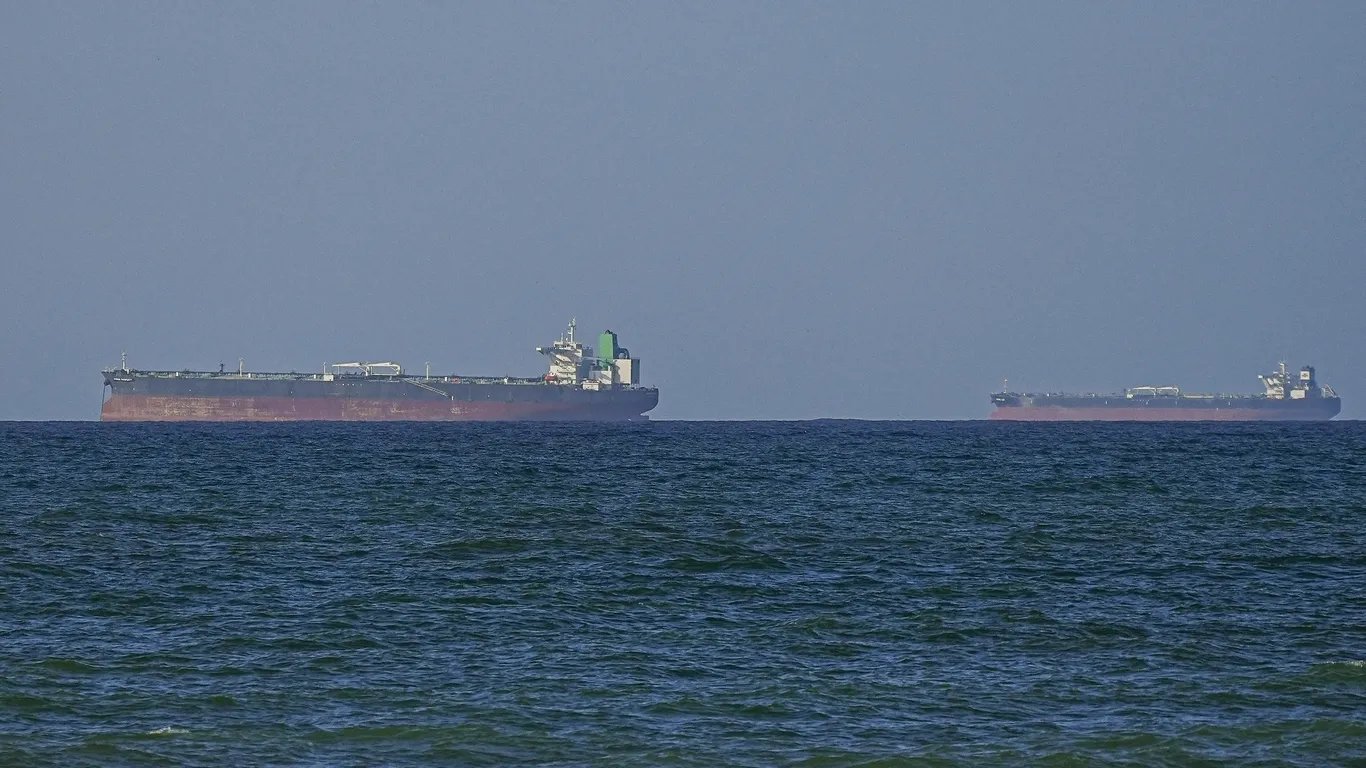
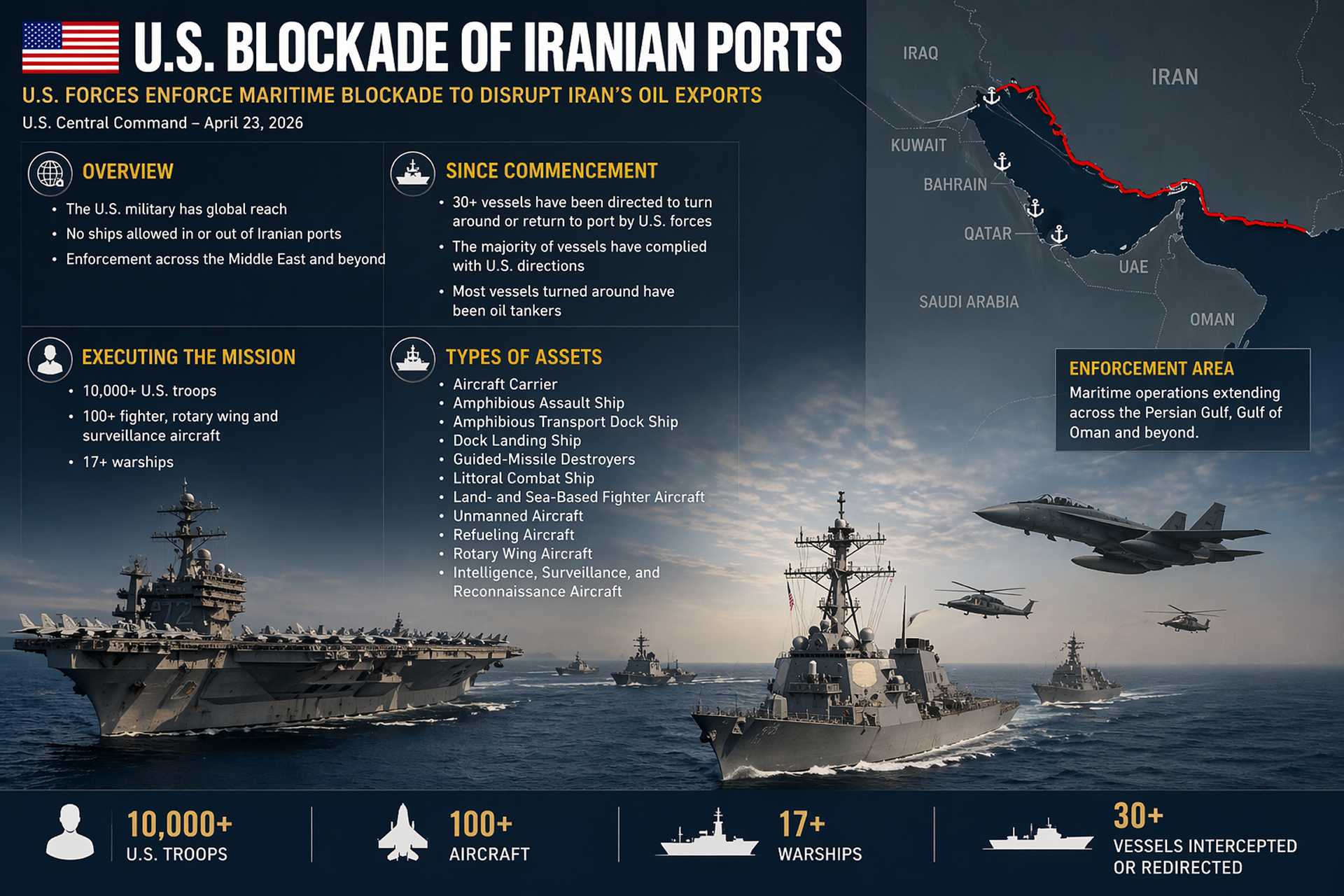
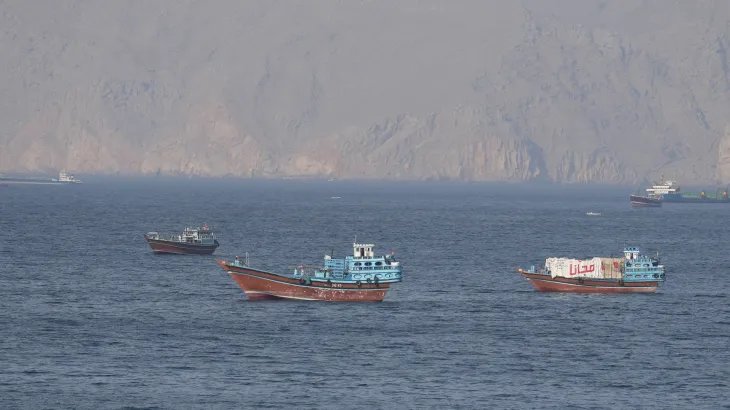
The return of Repsol to its Venezuelan operations comes at a time when oil prices are showing signs of volatility. Sanctions on Iranian oil have affected global oil prices, according to Reuters reporting.
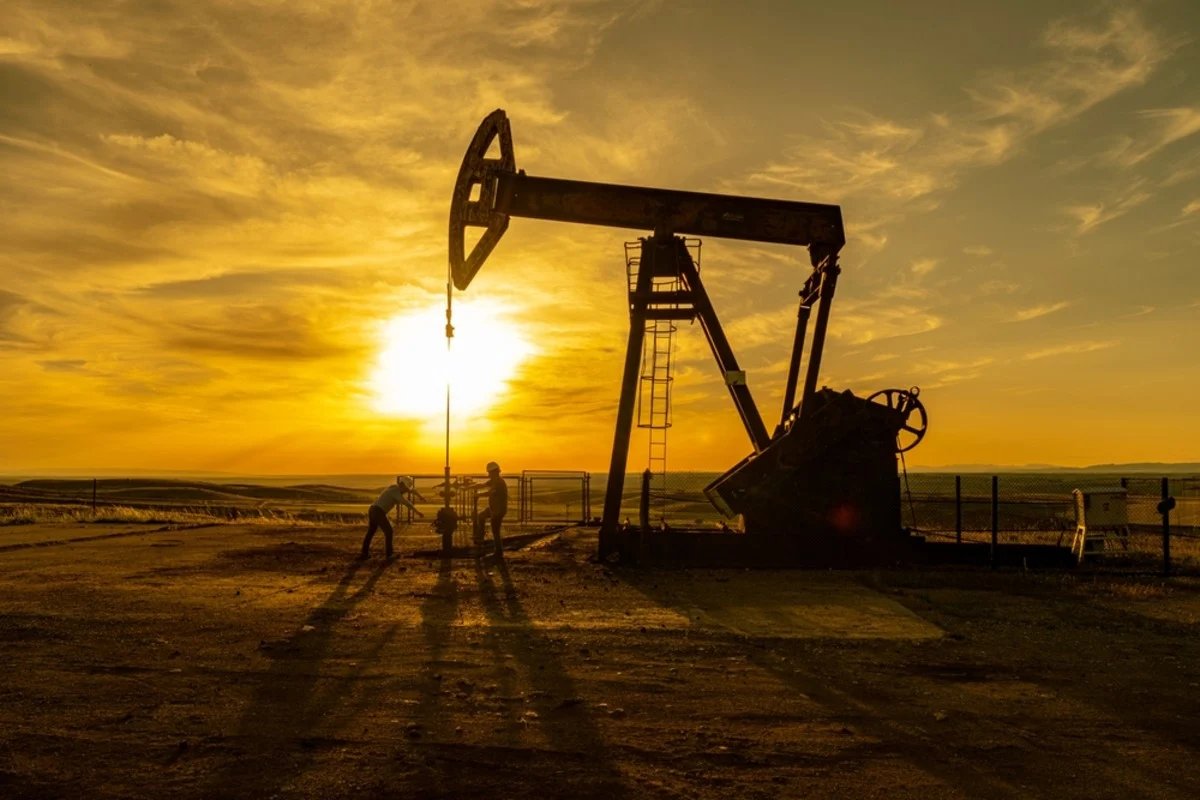
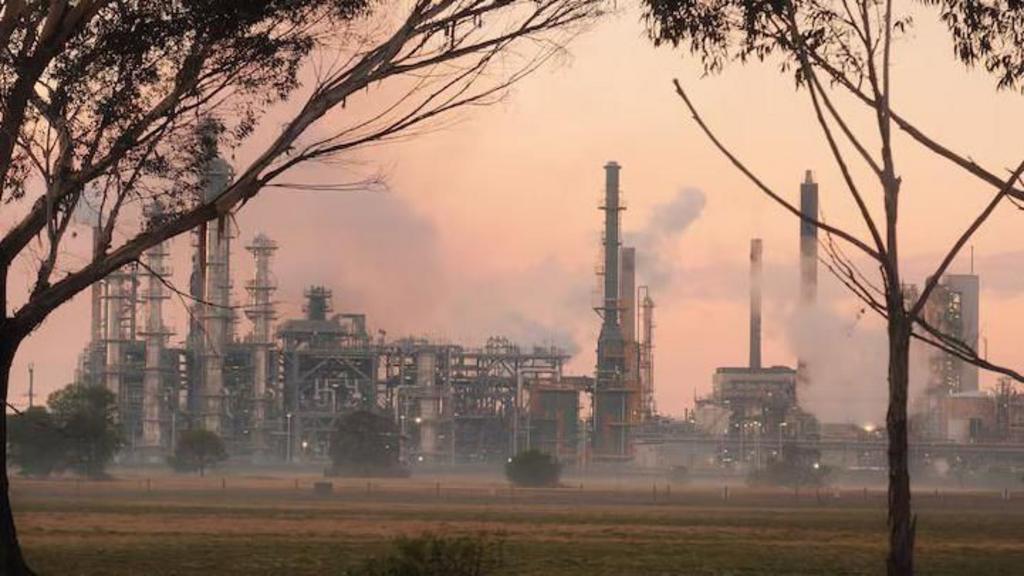
Repsol's regained control is not just a corporate victory; it represents a strategic repositioning in a country rich in oil reserves. By resuming operations, Repsol may play a crucial role in helping Venezuela increase its production capacity, which could rise significantly from its current output levels.
The political backdrop in Venezuela remains complicated, with ongoing tensions between the government and opposition groups. Repsol's engagement in the country could be seen as a double-edged sword, as it may draw scrutiny from various factions within Venezuela. Furthermore, the company must navigate the risks associated with operating in a country facing economic sanctions and political instability, which could impact operational efficiency and profitability.
Industry experts have expressed mixed views regarding the implications of Repsol's control over Venezuelan oil. Some analysts argue that this move could signal a recovery for the Venezuelan oil industry and a potential easing of global oil prices. Others caution that the political climate and ongoing sanctions may hinder Repsol's ability to fully capitalize on the opportunity. "While this is a positive step for Repsol, the broader geopolitical context remains a significant concern," said energy analyst Maria Gonzalez.
As Repsol resumes operations, the company faces the challenge of rebuilding its relationship with the Venezuelan government and ensuring compliance with international regulations. The outcome of these efforts will be closely monitored by industry stakeholders and could set the tone for future foreign investments in the Venezuelan oil sector. The success of Repsol's operations may also influence discussions around energy independence and supply stability in the global market.
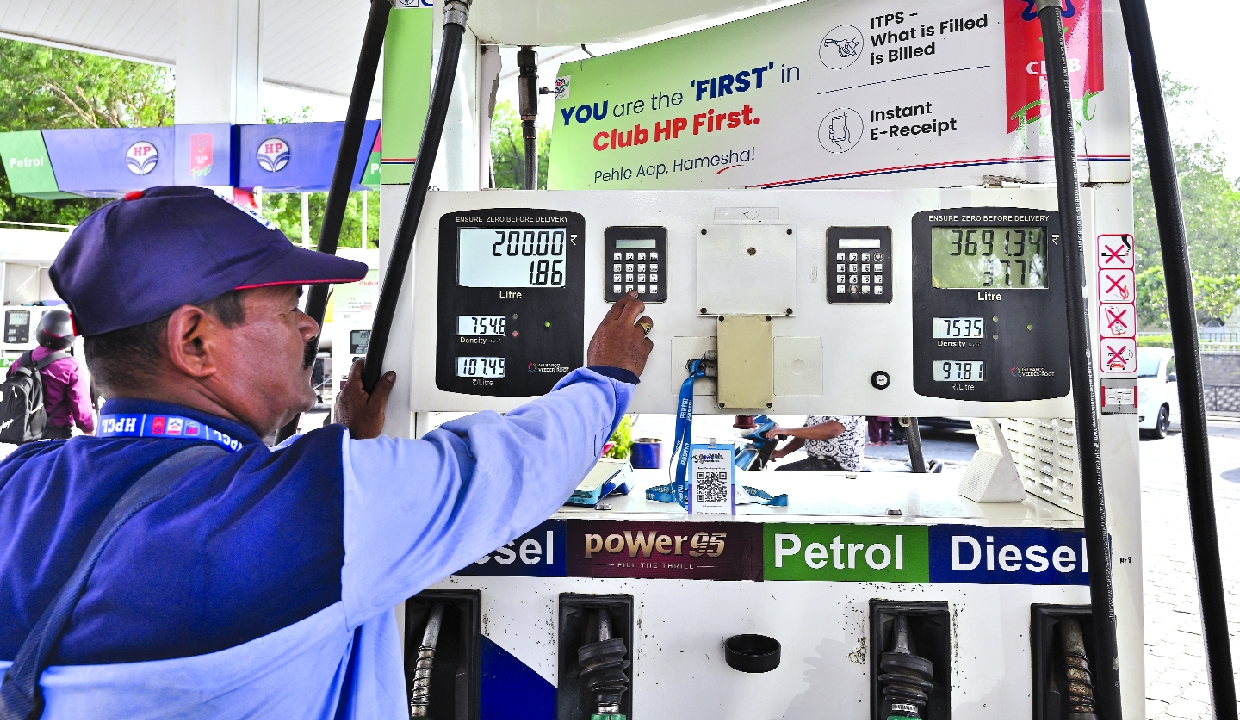
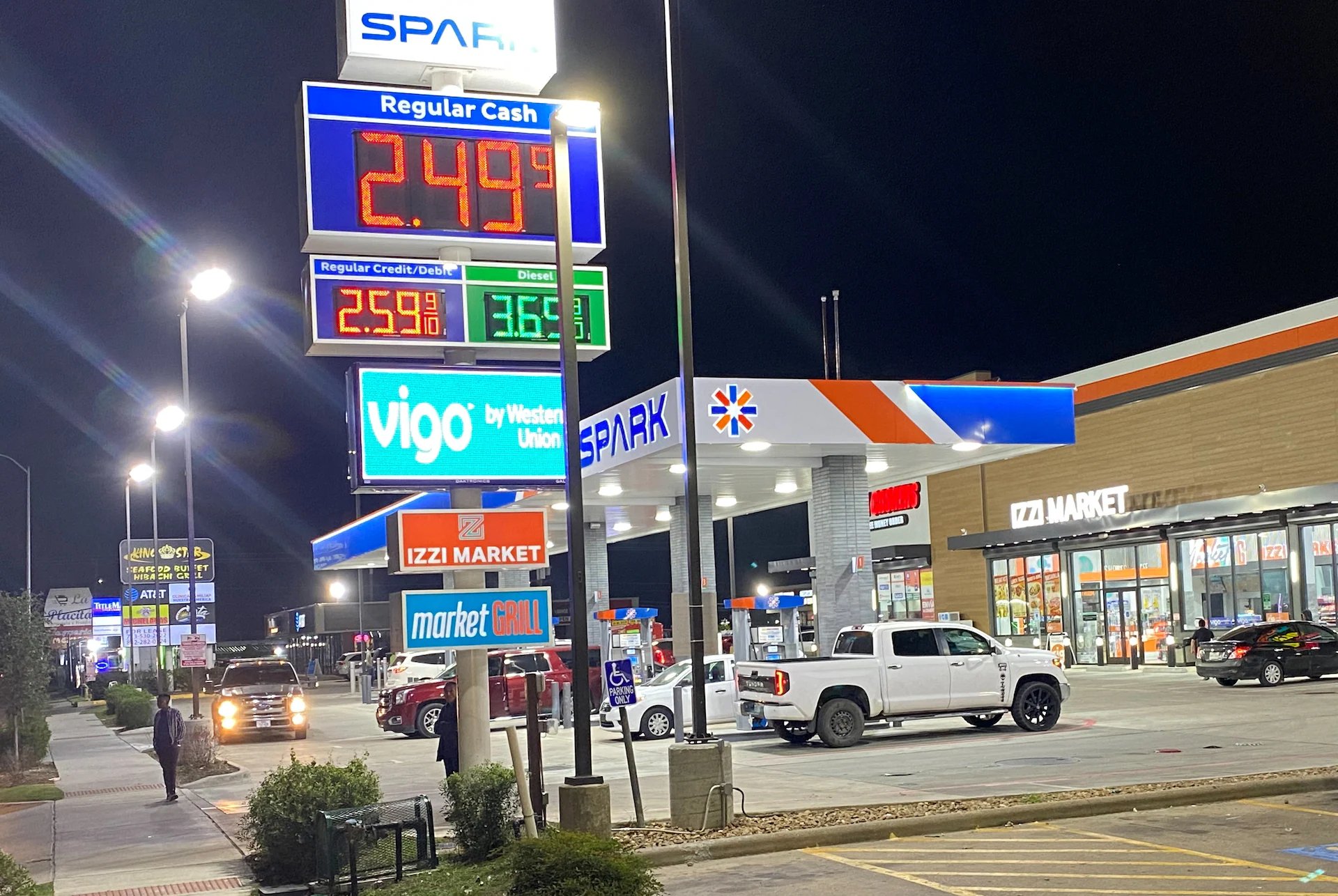
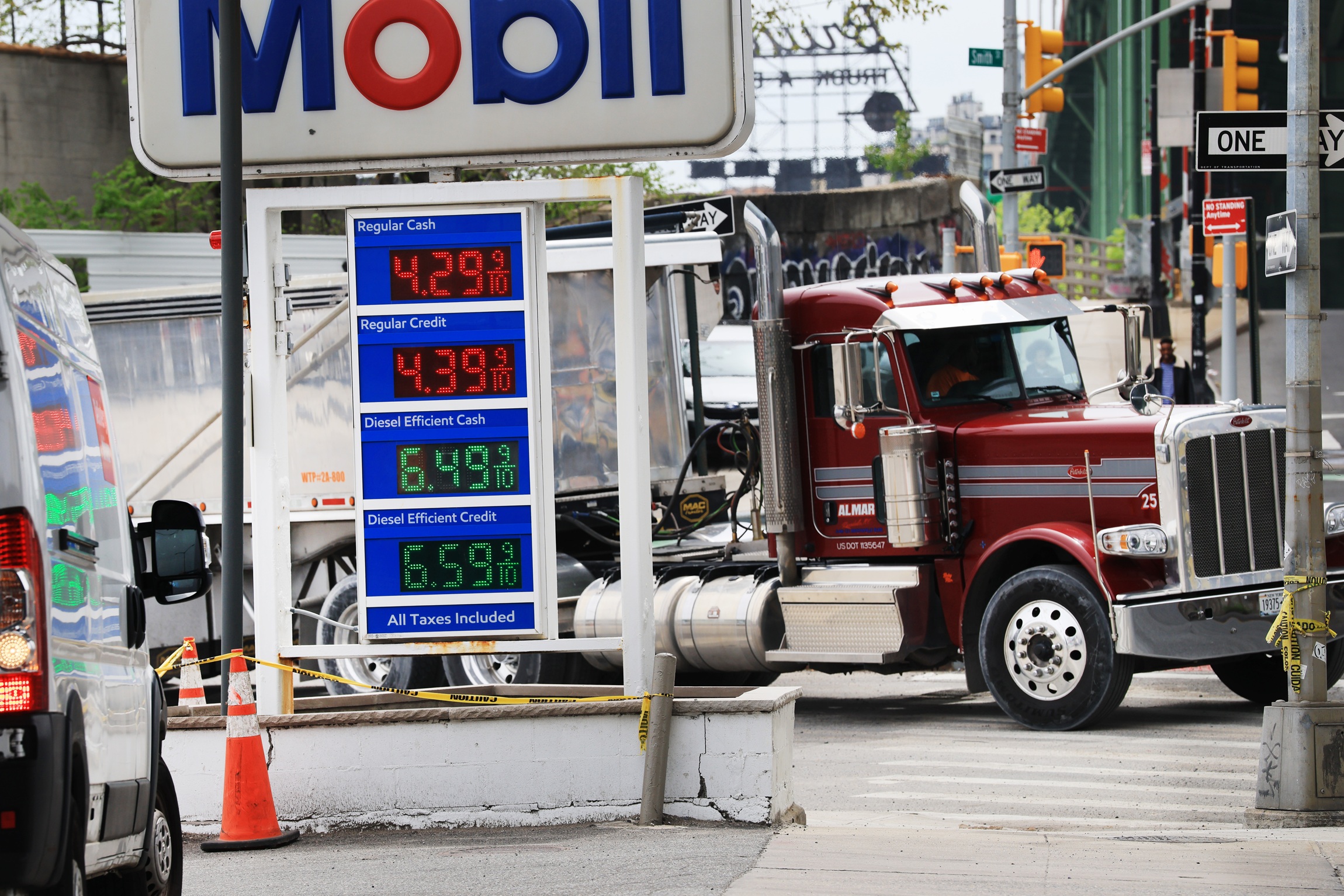
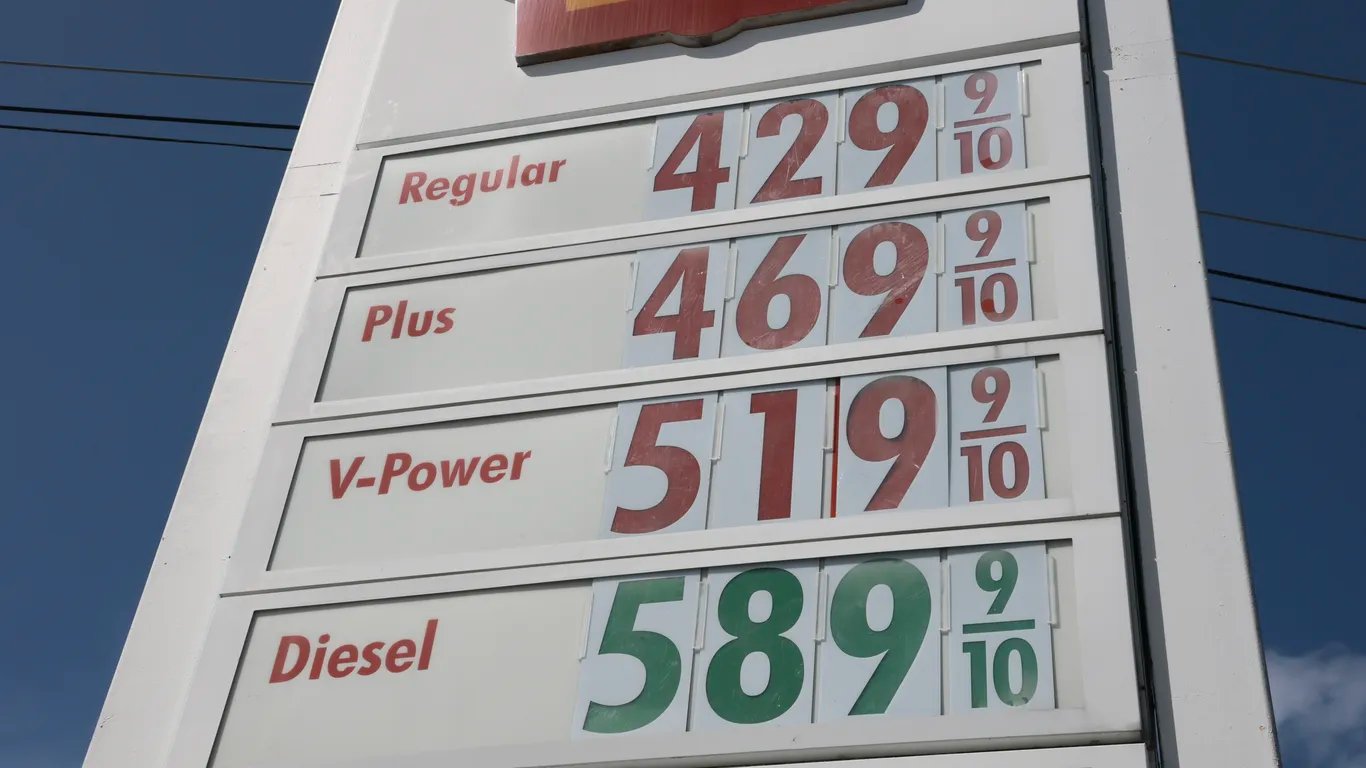
For consumers, the implications of Repsol's regained control over Venezuelan oil operations could be significant. An increase in oil supply from Venezuela may lead to more stable prices at the pump and reduce reliance on more expensive oil sources. As the global oil market continues to adjust to these changes, consumers should remain informed about how these geopolitical shifts may affect their energy costs in the coming months.
Spain's Repsol has successfully regained control over its oil operations in Venezuela, a significant development for both the company and global oil markets. The move follows a lengthy negotiation process that has seen Repsol navigating complex political and economic landscapes in the country. This shift is expected to influence not only Repsol's financial standing but also the broader dynamics of oil supply, which could impact prices for consumers worldwide.
The return of Repsol to its Venezuelan operations comes at a time when oil prices are showing signs of volatility. Analysts suggest that increased production from Venezuela could help stabilize global oil prices, which have been affected by various geopolitical tensions, including sanctions on Iranian oil. The International Energy Agency noted that any significant increase in Venezuelan oil output could alleviate some of the pressures on the market, which has seen prices fluctuate due to concerns over supply disruptions.
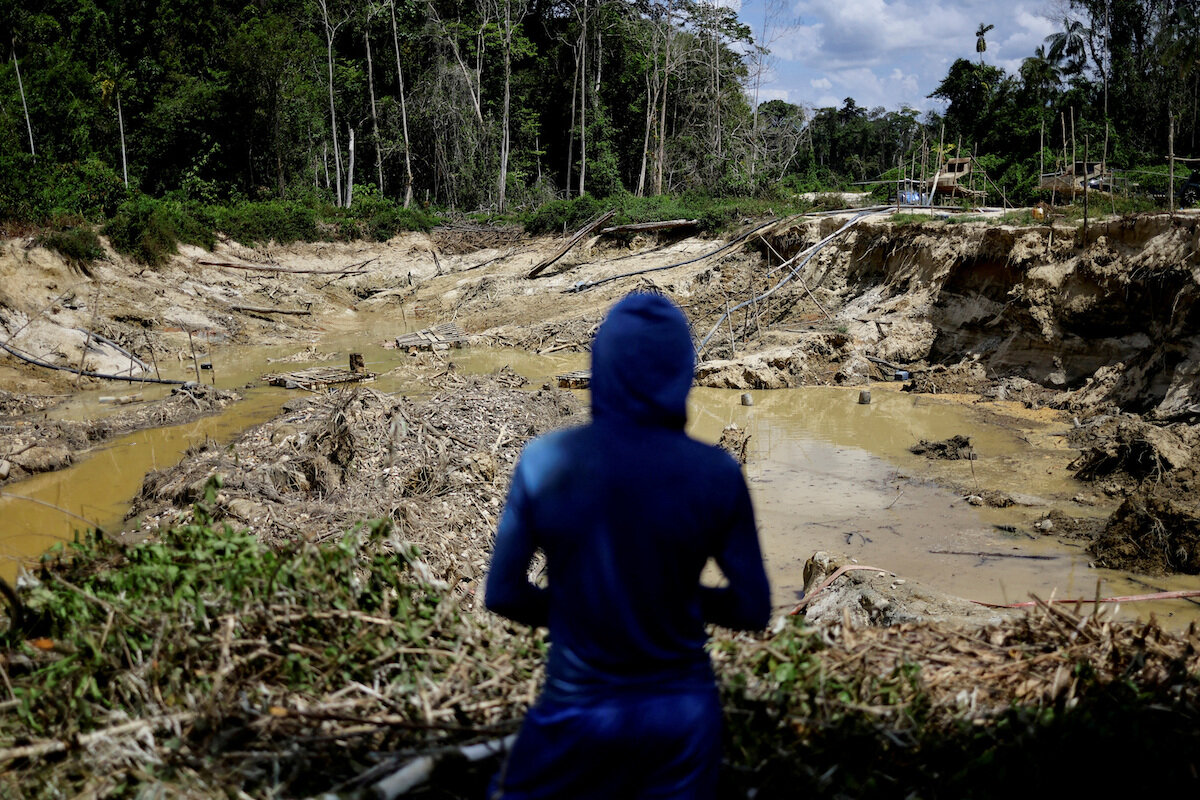
Repsol's regained control is not just a corporate victory; it represents a strategic repositioning in a country rich in oil reserves. The Venezuelan government has been seeking to attract foreign investment to revitalize its oil sector, which has suffered from years of mismanagement and sanctions. By resuming operations, Repsol may play a crucial role in helping Venezuela increase its production capacity, which could rise significantly from its current output levels.
The political backdrop in Venezuela remains complicated, with ongoing tensions between the government and opposition groups. Repsol's engagement in the country could be seen as a double-edged sword, as it may draw scrutiny from various factions within Venezuela. Furthermore, the company must navigate the risks associated with operating in a country facing economic sanctions and political instability, which could impact operational efficiency and profitability.
Industry experts have expressed mixed views regarding the implications of Repsol's control over Venezuelan oil. Some analysts argue that this move could signal a recovery for the Venezuelan oil industry and a potential easing of global oil prices. Others caution that the political climate and ongoing sanctions may hinder Repsol's ability to fully capitalize on the opportunity. "While this is a positive step for Repsol, the broader geopolitical context remains a significant concern," said energy analyst Maria Gonzalez.
As Repsol resumes operations, the company faces the challenge of rebuilding its relationship with the Venezuelan government and ensuring compliance with international regulations. The outcome of these efforts will be closely monitored by industry stakeholders and could set the tone for future foreign investments in the Venezuelan oil sector. The success of Repsol's operations may also influence discussions around energy independence and supply stability in the global market.
For consumers, the implications of Repsol's regained control over Venezuelan oil operations could be significant. An increase in oil supply from Venezuela may lead to more stable prices at the pump and reduce reliance on more expensive oil sources. As the global oil market continues to adjust to these changes, consumers should remain informed about how these geopolitical shifts may affect their energy costs in the coming months.
Highlighted text was flagged by the council. Tap to see feedback.