Production drops across the sector
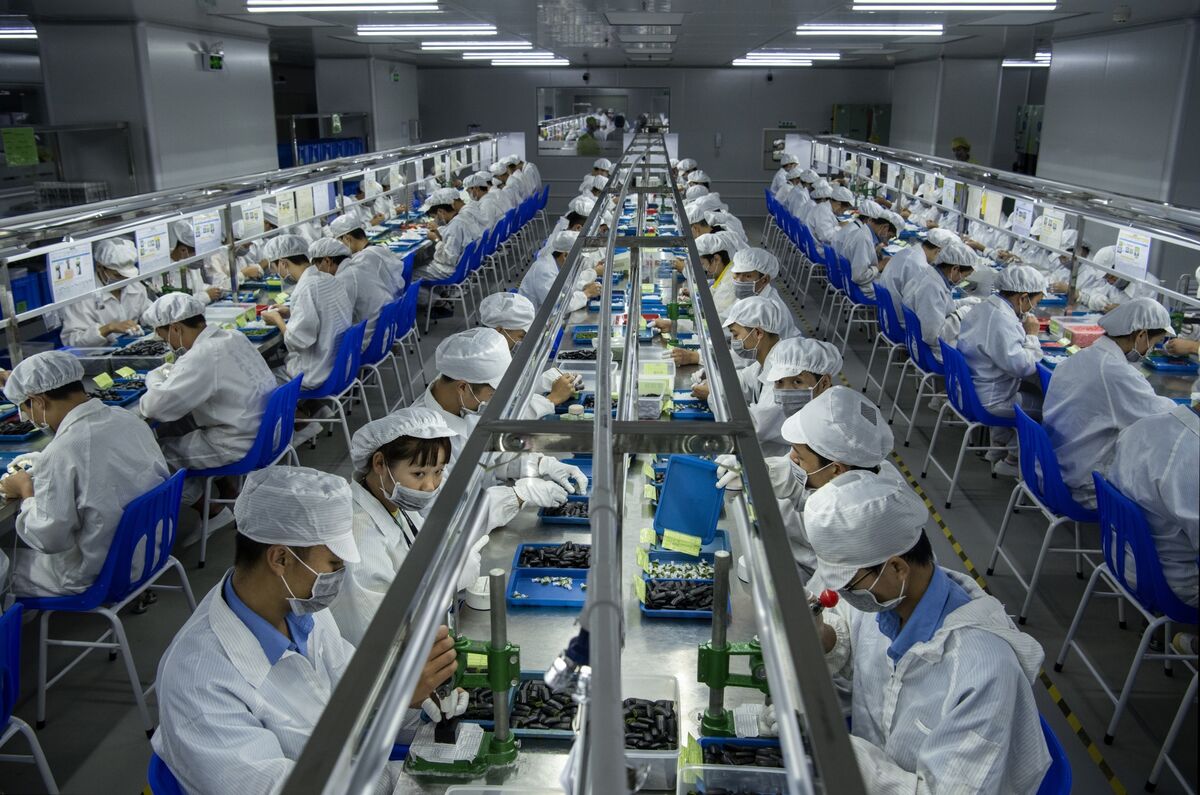
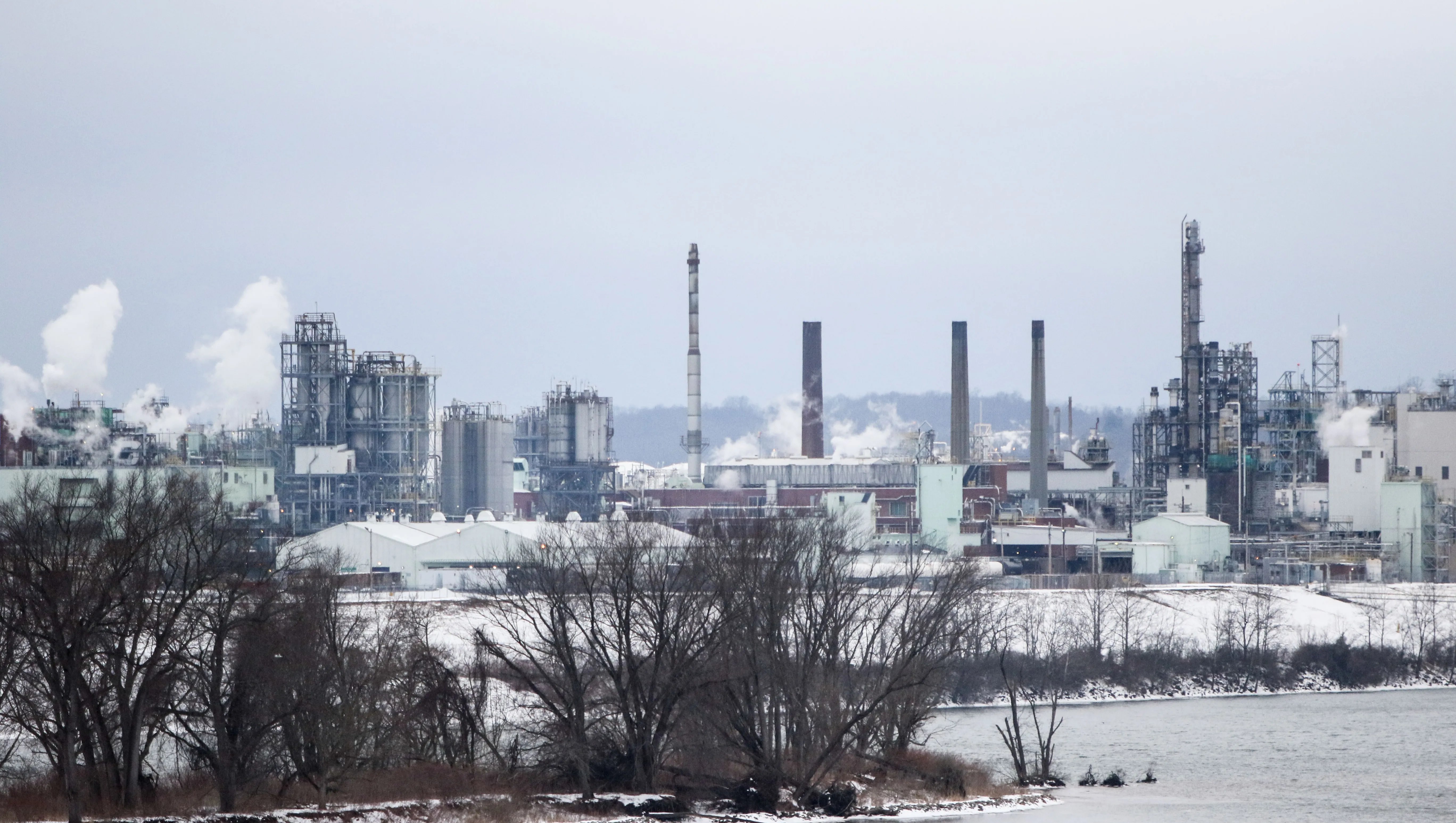
U.S. manufacturing output fell in March, marking a measurable contraction in industrial production across the economy. The decline signals a slowdown in the nation's productive capacity at a time when factories have faced shifting demand and supply chain pressures. Manufacturing represents a critical engine of employment and economic growth, so declines in output can ripple through labor markets and consumer spending.
Labor market shows resilience despite factory slowdown
While manufacturing production retreated, weekly jobless claims fell during the same period, suggesting the broader labor market remains relatively stable. The disconnect between manufacturing weakness and employment strength indicates that job losses in factories have not yet triggered widespread layoffs across other sectors. Workers in construction, services, and other industries continue to find opportunities even as manufacturers reduce output.
What the data means for workers and consumers
A contraction in manufacturing output typically precedes changes in hiring decisions. Factory workers may face reduced hours or delayed wage growth as companies adjust production schedules downward. Consumers could experience longer wait times for certain goods or price adjustments as manufacturers work through inventory and adjust capacity. The combination of falling production and steady jobless claims suggests the economy is in a transition period rather than entering a sharp downturn.