Sugar prices have recently rebounded from five-year lows, influenced by escalating tensions in Iran. The market saw a notable increase. Ample supply is limiting further gains.
Despite the recent price rise, the sugar market remains well-supplied, which is limiting further gains. This ample supply is a critical factor in preventing sugar prices from skyrocketing despite heightened geopolitical tensions.
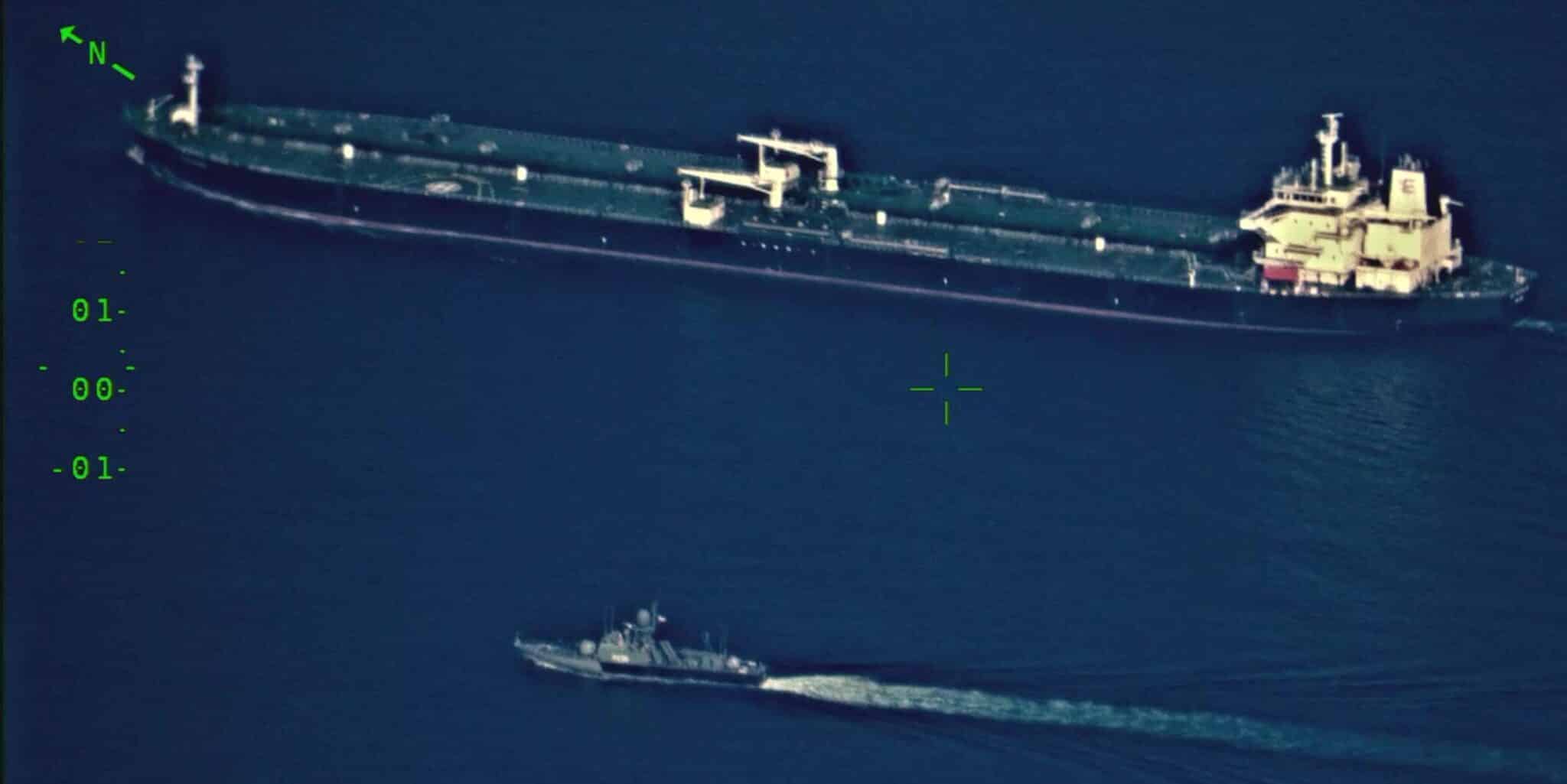
The situation has prompted traders to reassess risk and supply chain stability, which has historically affected prices. As the U.S. and Iran remain at odds over several issues, including nuclear negotiations and control of strategic waterways, market observers are closely monitoring the potential for further escalation and its impact on global commodities.
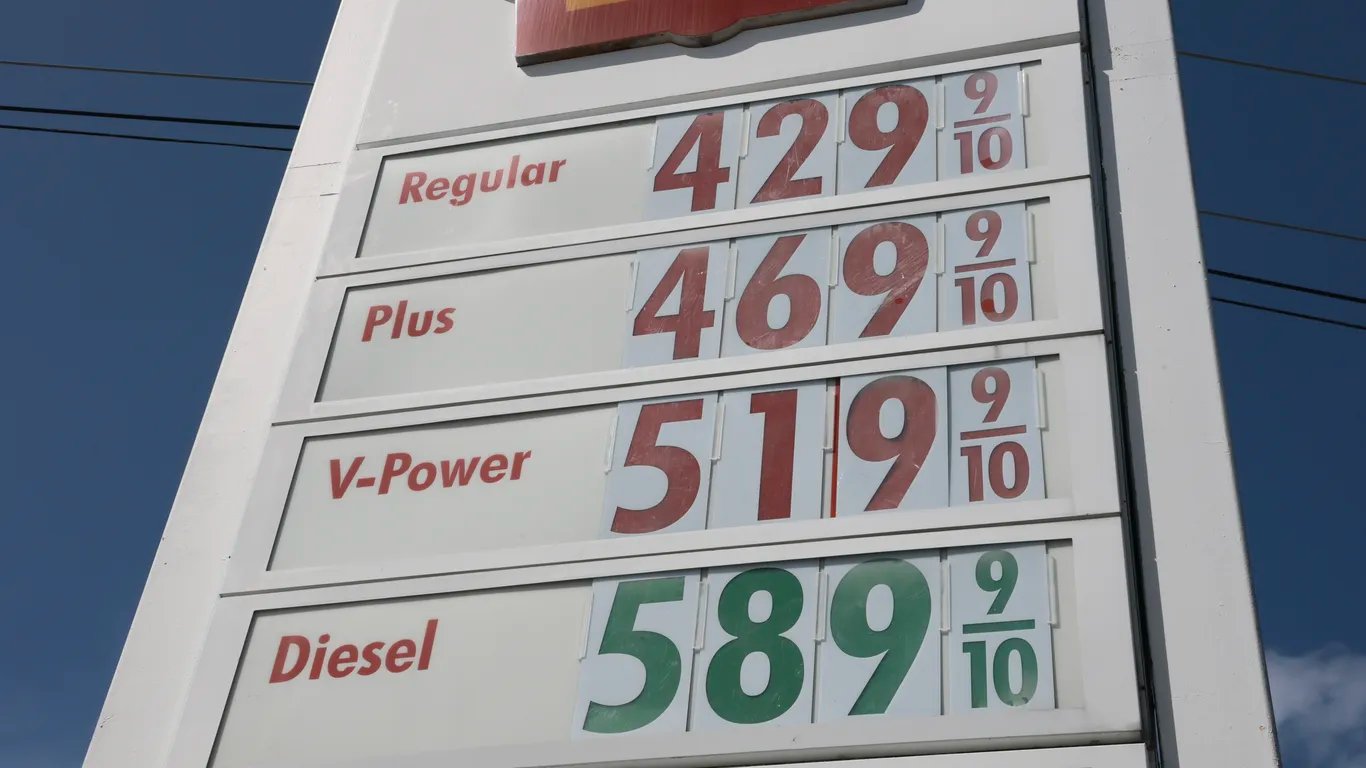
The fluctuations in sugar prices directly affect consumers, particularly in the food and beverage industries. Increased sugar costs can lead to higher prices for everyday products, including soft drinks, baked goods, and confectioneries.
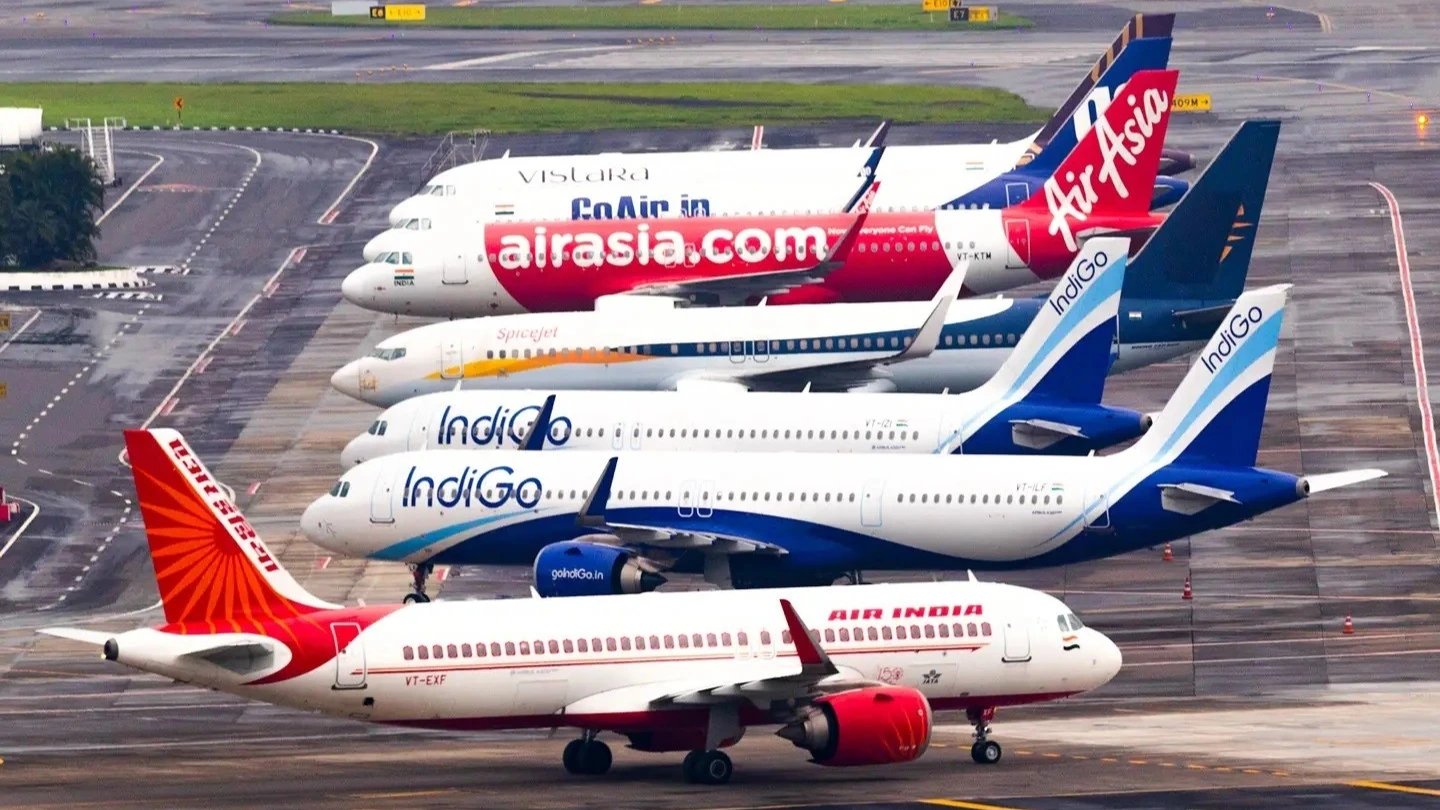
Countries reliant on sugar imports are strategically maneuvering to secure their supplies amid the uncertainty. For instance, India, a significant sugar producer, has ramped up its exports to maintain competitive pricing in the global market. Indian sugar exports are projected to reach 6 million tons this year, providing a buffer against price spikes caused by international tensions.
Looking ahead, market analysts suggest that while sugar prices may experience short-term volatility due to geopolitical events, the overall supply outlook remains stable. Experts anticipate that any sustained increase in prices will be contingent upon significant disruptions in production or transportation, particularly through critical regions like the Strait of Hormuz. Stakeholders are advised to monitor developments closely as they could influence both pricing and availability in the months to come.
As the situation evolves, consumers and businesses alike should prepare for potential shifts in market dynamics, which could affect everything from grocery bills to manufacturing costs.
Sugar prices have recently rebounded from five-year lows, influenced by escalating tensions in Iran. The market saw a notable increase, with sugar futures rising to $0.24 per pound, up from a low of $0.22 earlier this year. Analysts attribute this price movement to geopolitical uncertainties that have disrupted supply chains and raised concerns about global commodity availability.
Despite the recent price rise, the sugar market remains well-supplied, which is limiting further gains. The International Sugar Organization reported that global production is expected to exceed consumption this year, with a surplus estimated at 6.4 million tons. This ample supply is a critical factor in preventing sugar prices from skyrocketing despite heightened geopolitical tensions.
The ongoing conflicts involving Iran have created ripples across various markets, including sugar. The situation has prompted traders to reassess risk and supply chain stability, which has historically affected prices. As the U.S. and Iran remain at odds over several issues, including nuclear negotiations and control of strategic waterways, market observers are closely monitoring the potential for further escalation and its impact on global commodities.
The fluctuations in sugar prices directly affect consumers, particularly in the food and beverage industries. Increased sugar costs can lead to higher prices for everyday products, including soft drinks, baked goods, and confectioneries. Industry experts warn that consumers may soon feel the pinch as manufacturers adjust pricing strategies in response to rising input costs.
Countries reliant on sugar imports are strategically maneuvering to secure their supplies amid the uncertainty. For instance, India, a significant sugar producer, has ramped up its exports to maintain competitive pricing in the global market. Indian sugar exports are projected to reach 6 million tons this year, providing a buffer against price spikes caused by international tensions.
Looking ahead, market analysts suggest that while sugar prices may experience short-term volatility due to geopolitical events, the overall supply outlook remains stable. Experts anticipate that any sustained increase in prices will be contingent upon significant disruptions in production or transportation, particularly through critical regions like the Strait of Hormuz. Stakeholders are advised to monitor developments closely as they could influence both pricing and availability in the months to come.
As the situation evolves, consumers and businesses alike should prepare for potential shifts in market dynamics, which could affect everything from grocery bills to manufacturing costs.
Highlighted text was flagged by the council. Tap to see feedback.