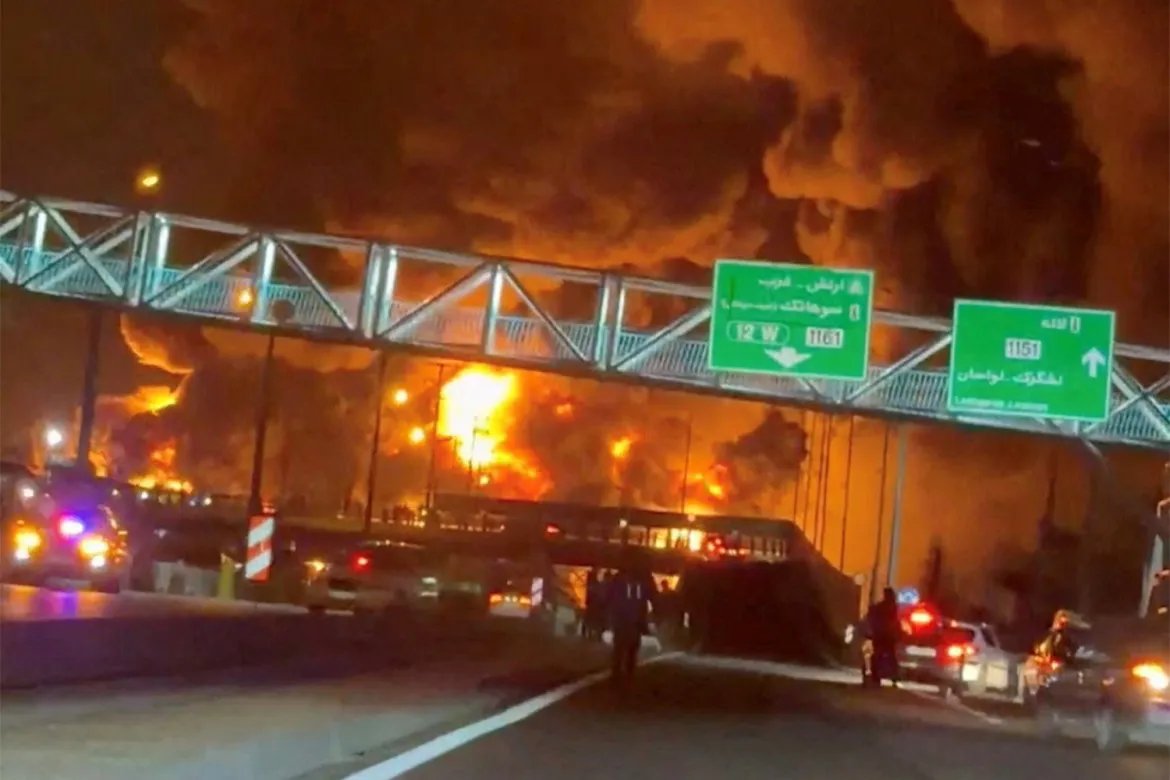
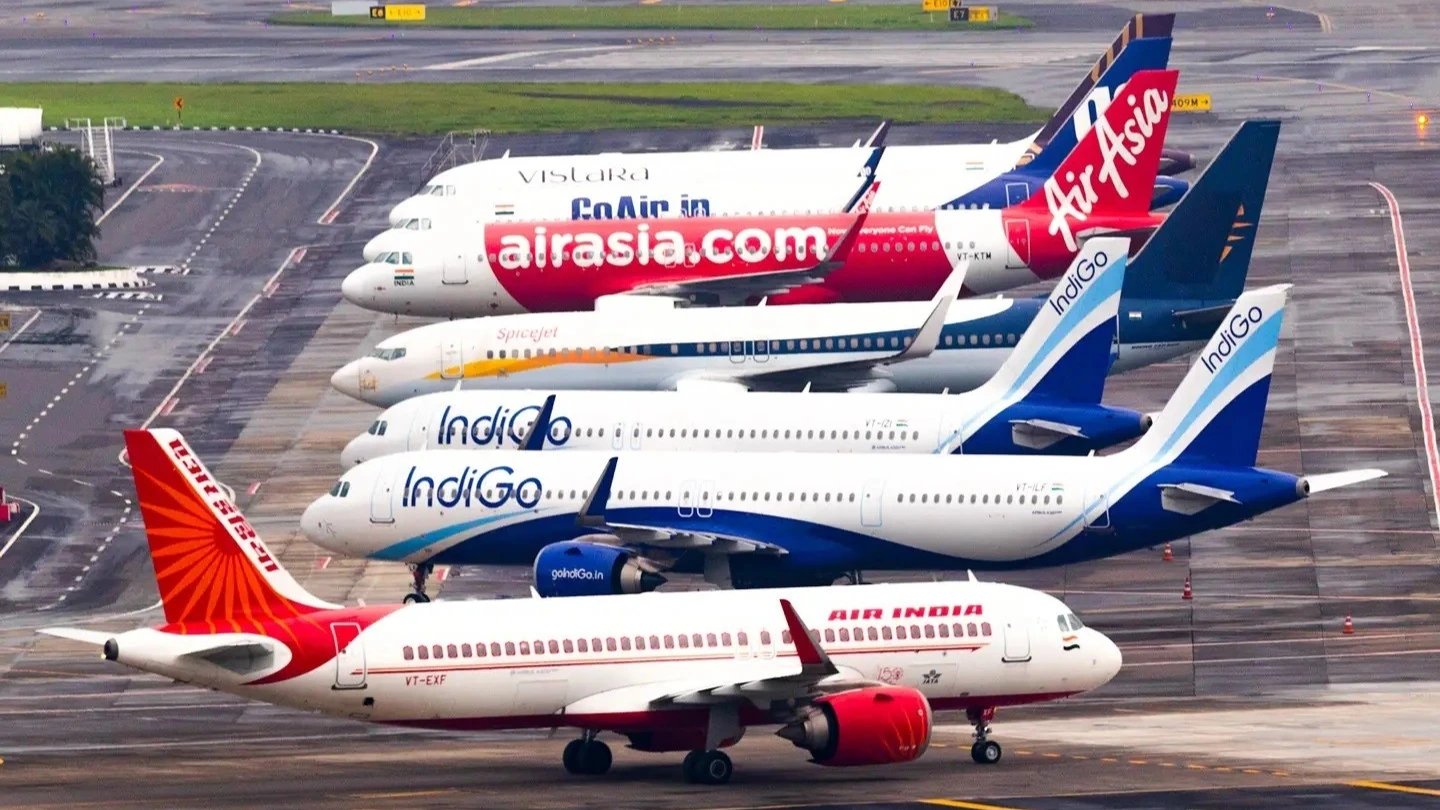
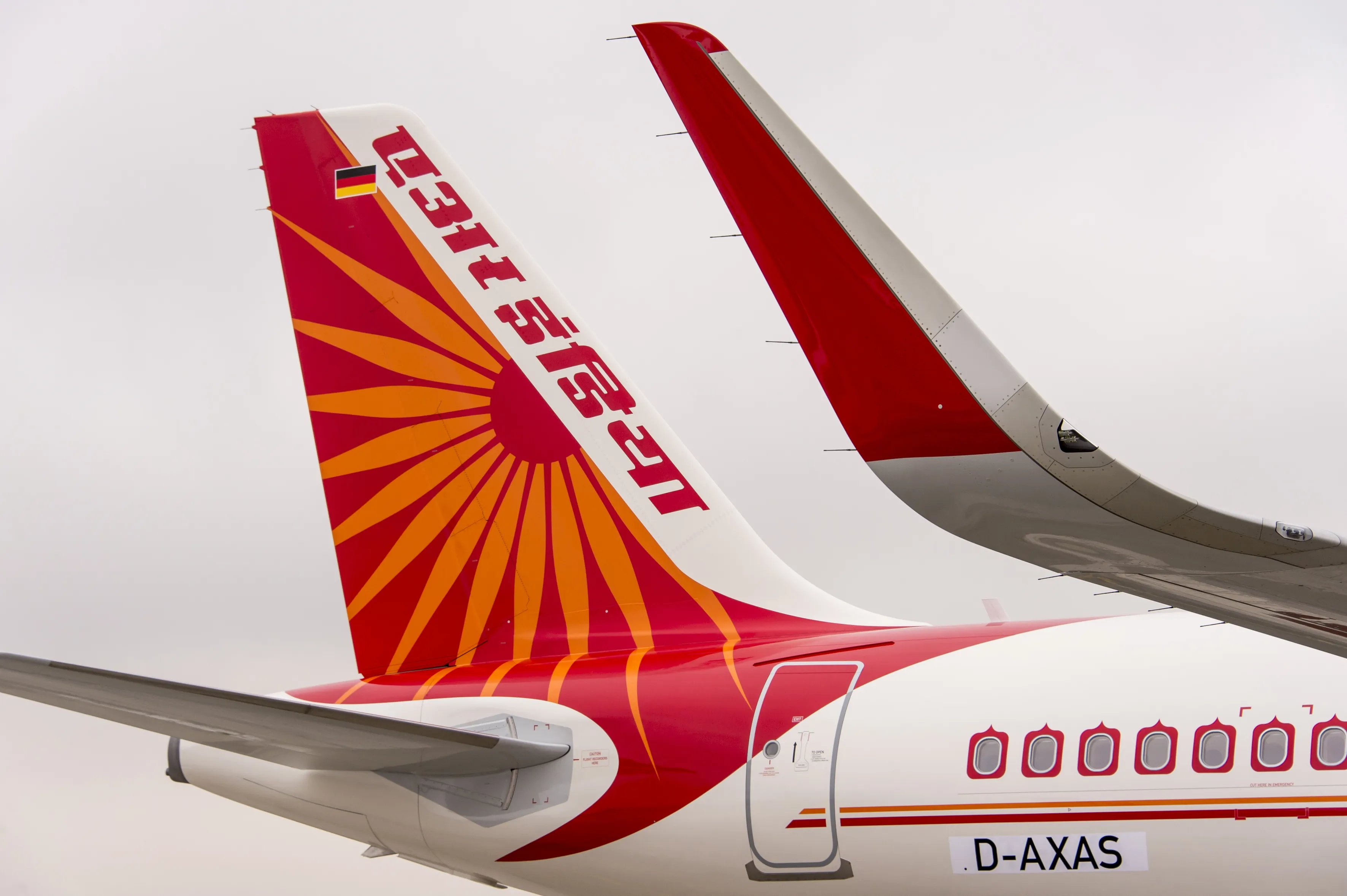
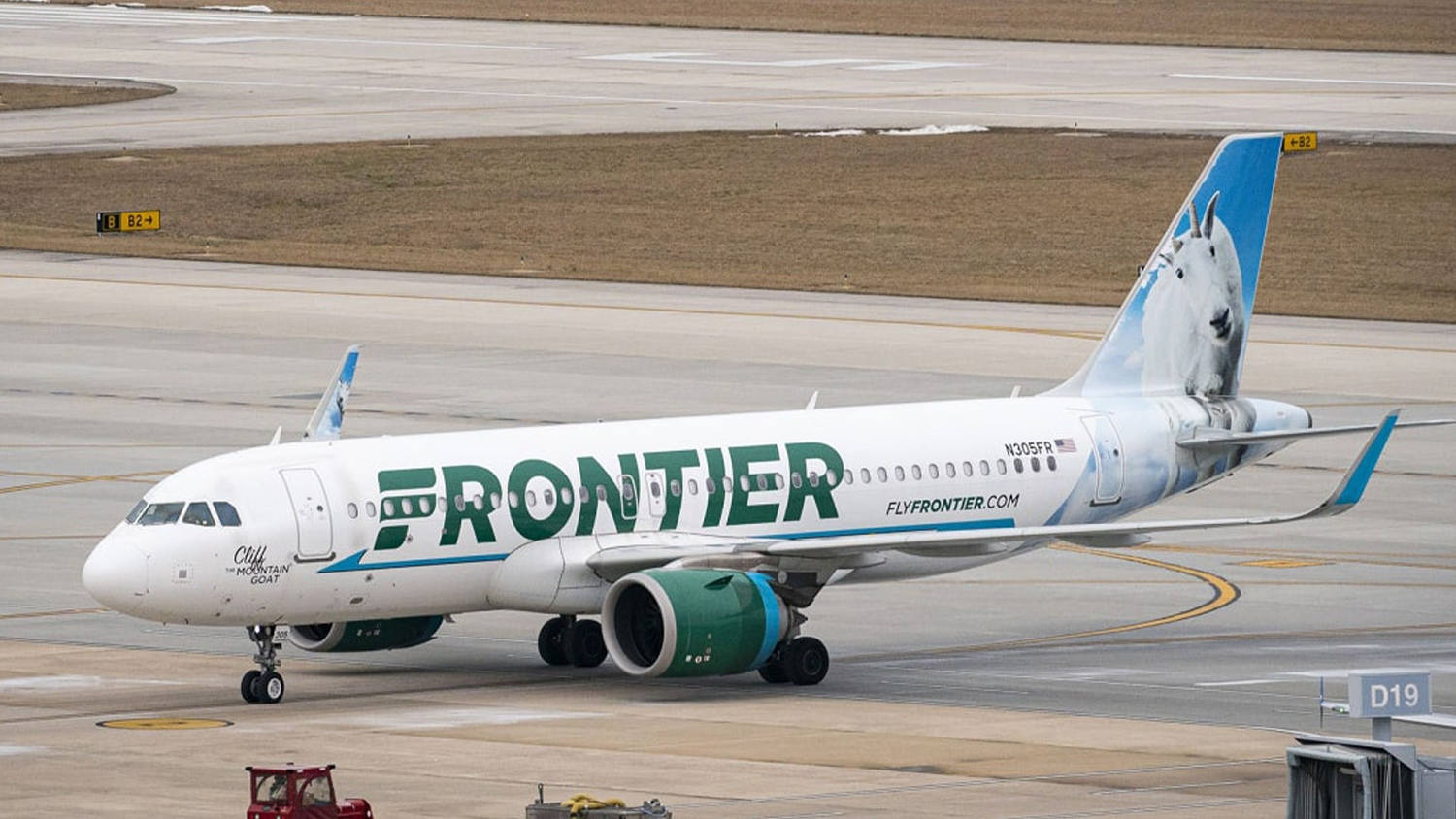
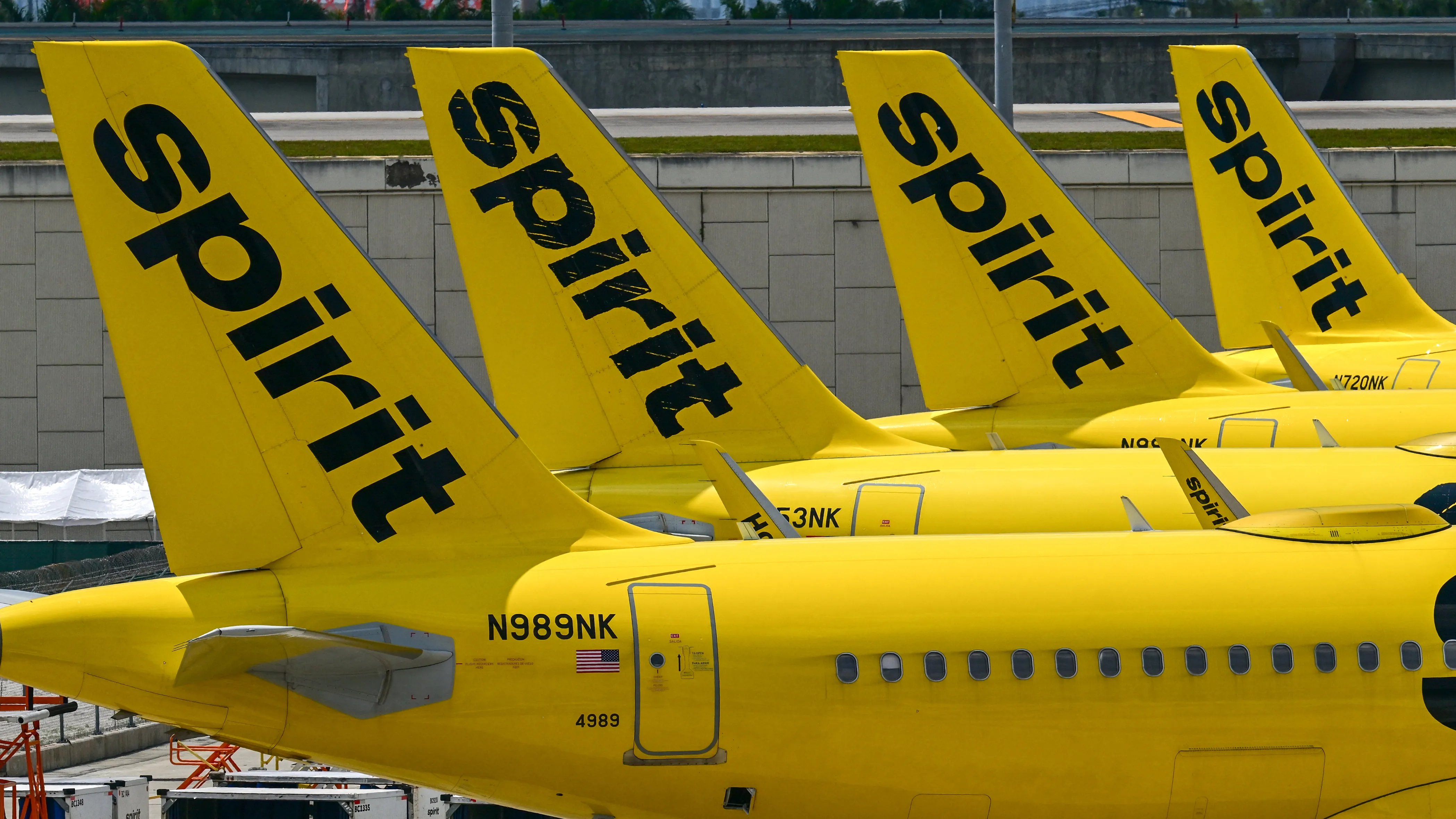
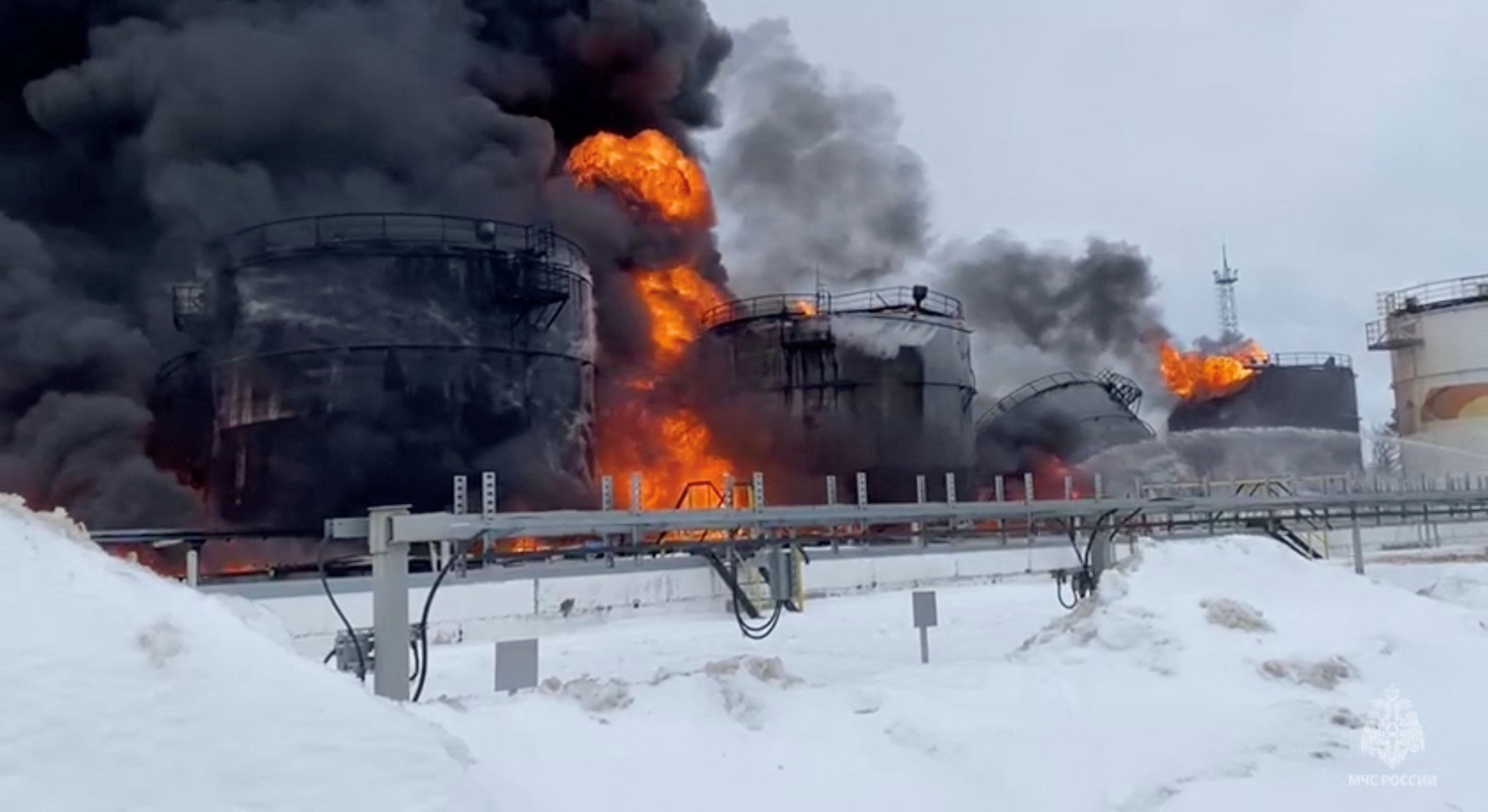
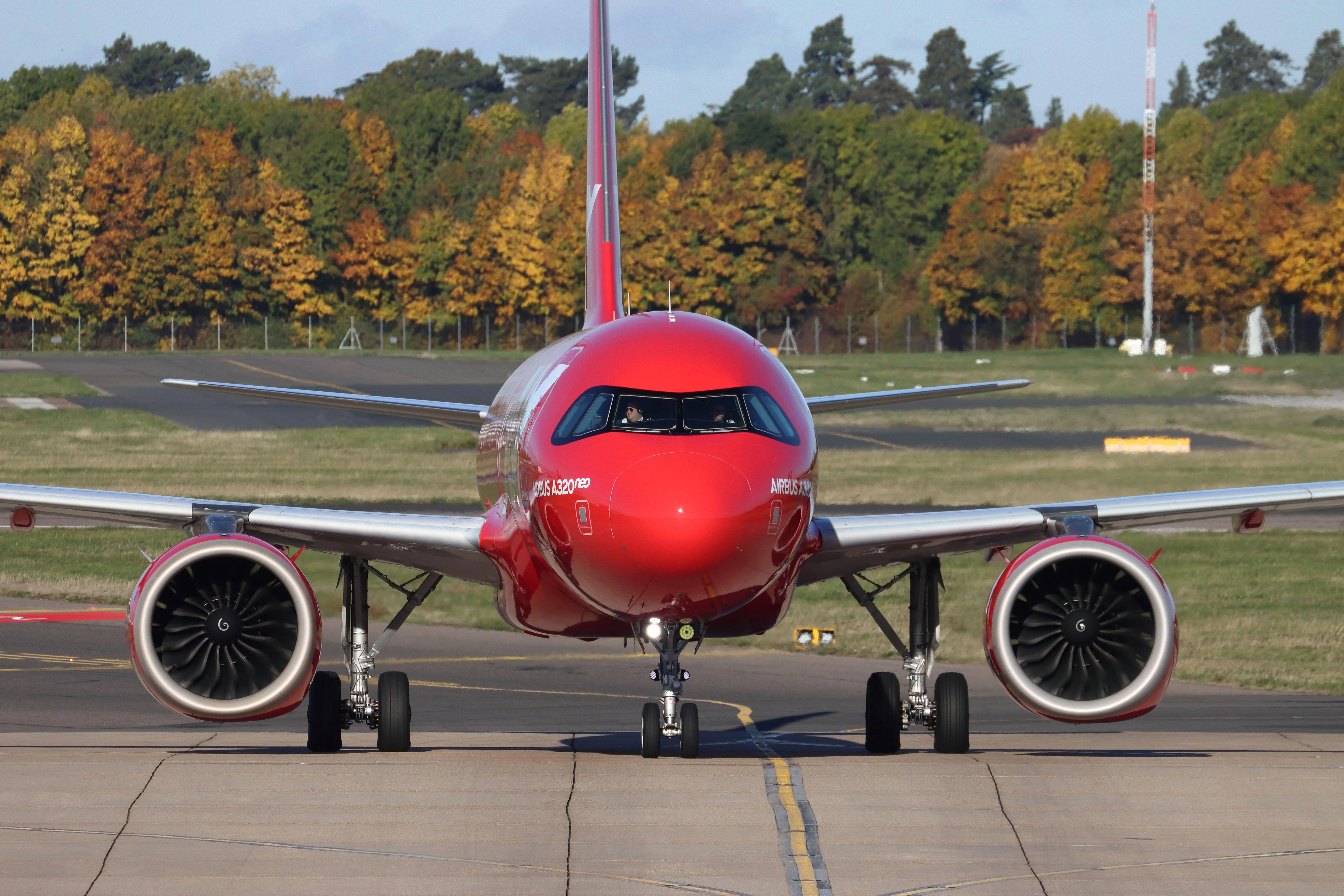
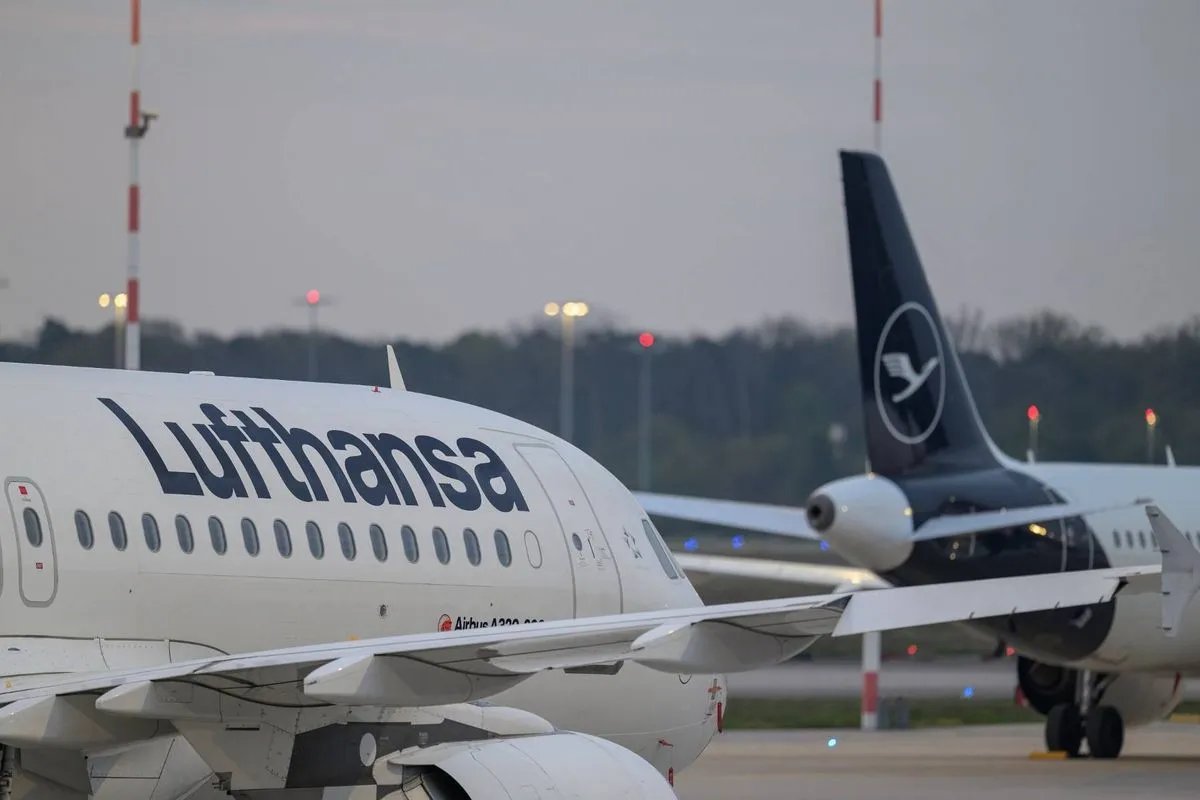
Alaska Air Group has withdrawn its financial forecast due to surging fuel costs linked to tensions in Iran. The airline cited that rising fuel expenses have significantly impacted its profit margins, leading to uncertainty about its financial performance.
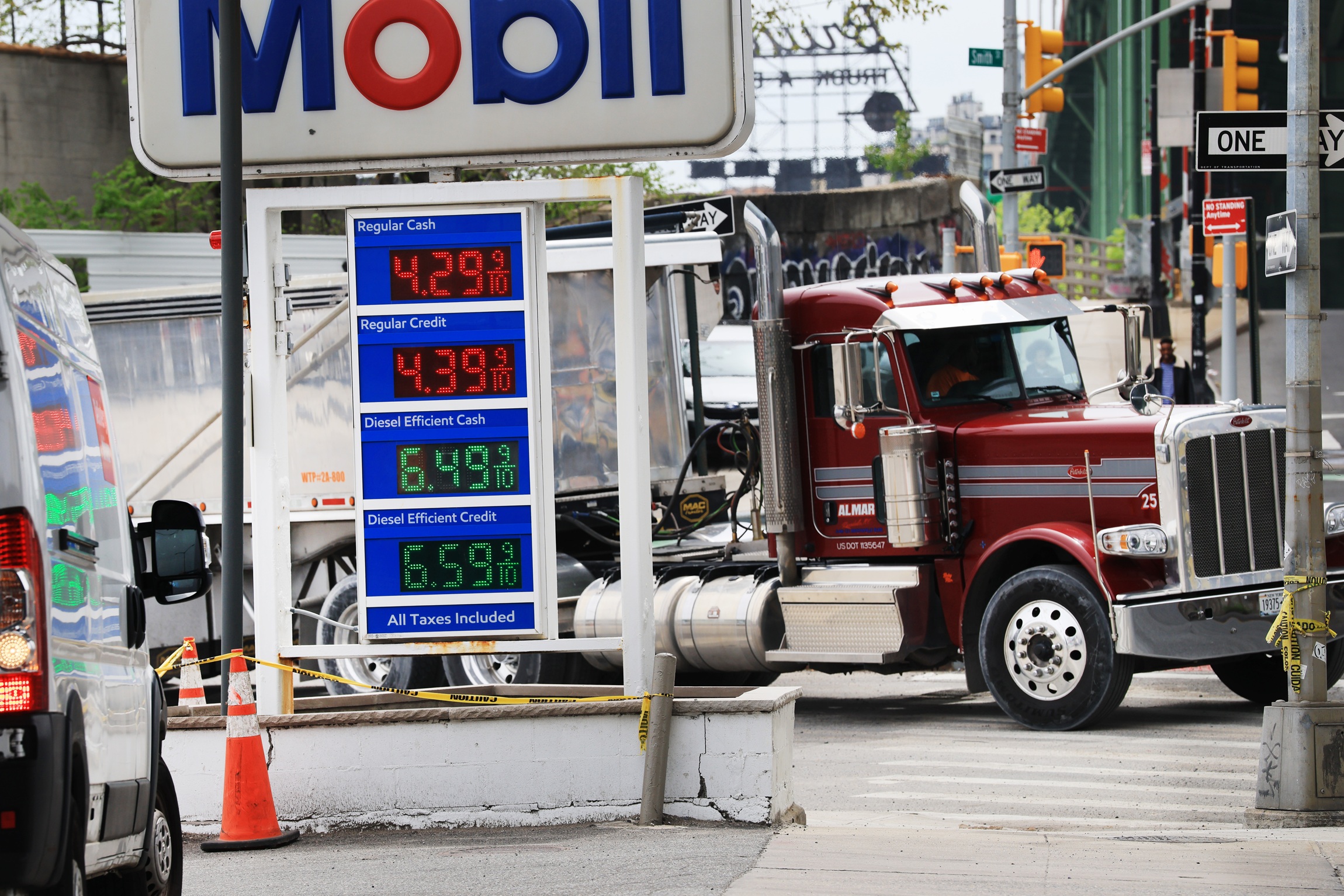
The increase in fuel costs is not isolated to Alaska Air; it is affecting airlines across the United States. The Air Transport Association reported that U.S. airlines are seeking temporary tax relief to mitigate the financial strain caused by soaring fuel prices. The organization highlighted that the fuel cost increases have put additional pressure on operational budgets, prompting calls for government intervention.
The uncertainty surrounding fuel supply, particularly due to geopolitical tensions, is a primary concern for the airline's profitability moving forward.
While Alaska Air has pulled its forecast, other airlines are also adjusting their expectations. JetBlue's CEO confirmed that despite rising fuel costs, the airline does not anticipate bankruptcy this year. However, he acknowledged that the current market conditions are challenging, with fuel prices directly influencing operational strategies and customer fares.
The rise in fuel costs is expected to trickle down to consumers, potentially leading to higher ticket prices across the industry. Airlines may adjust their fare structures to accommodate the increased operational costs, which could affect travel plans for many passengers. As airlines navigate these turbulent financial waters, travelers may need to brace for more expensive flights in the coming months.
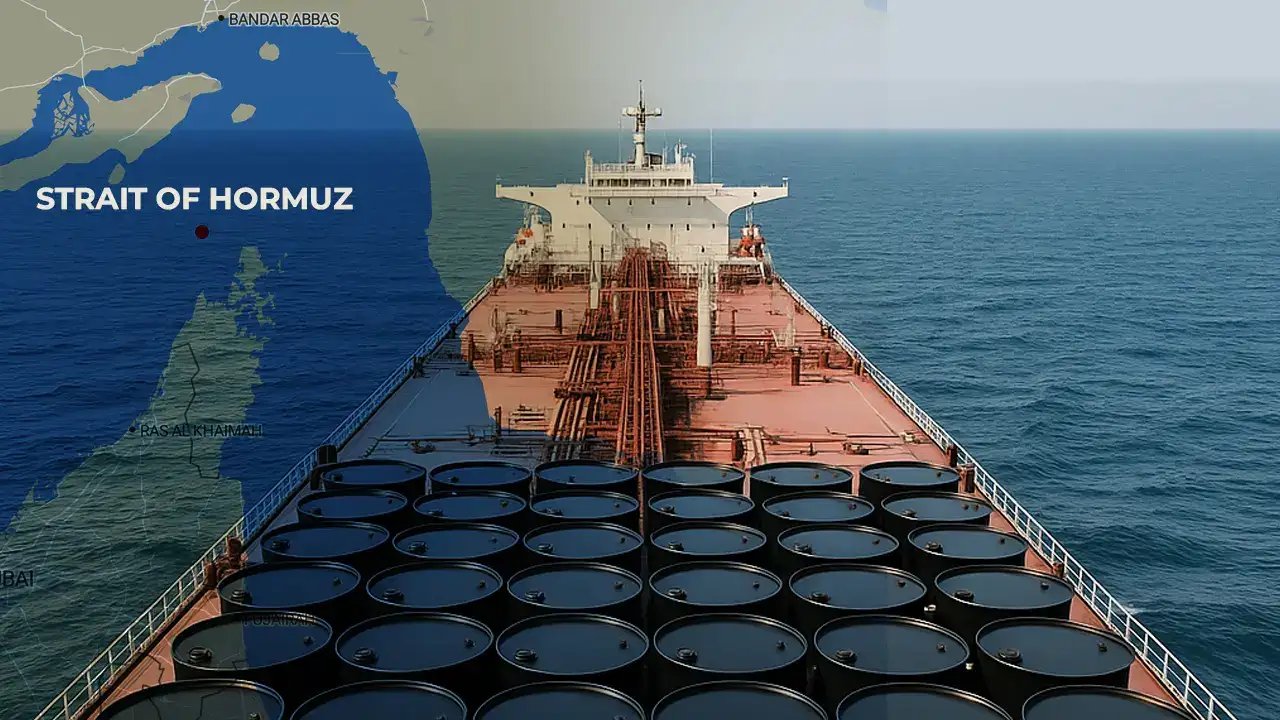
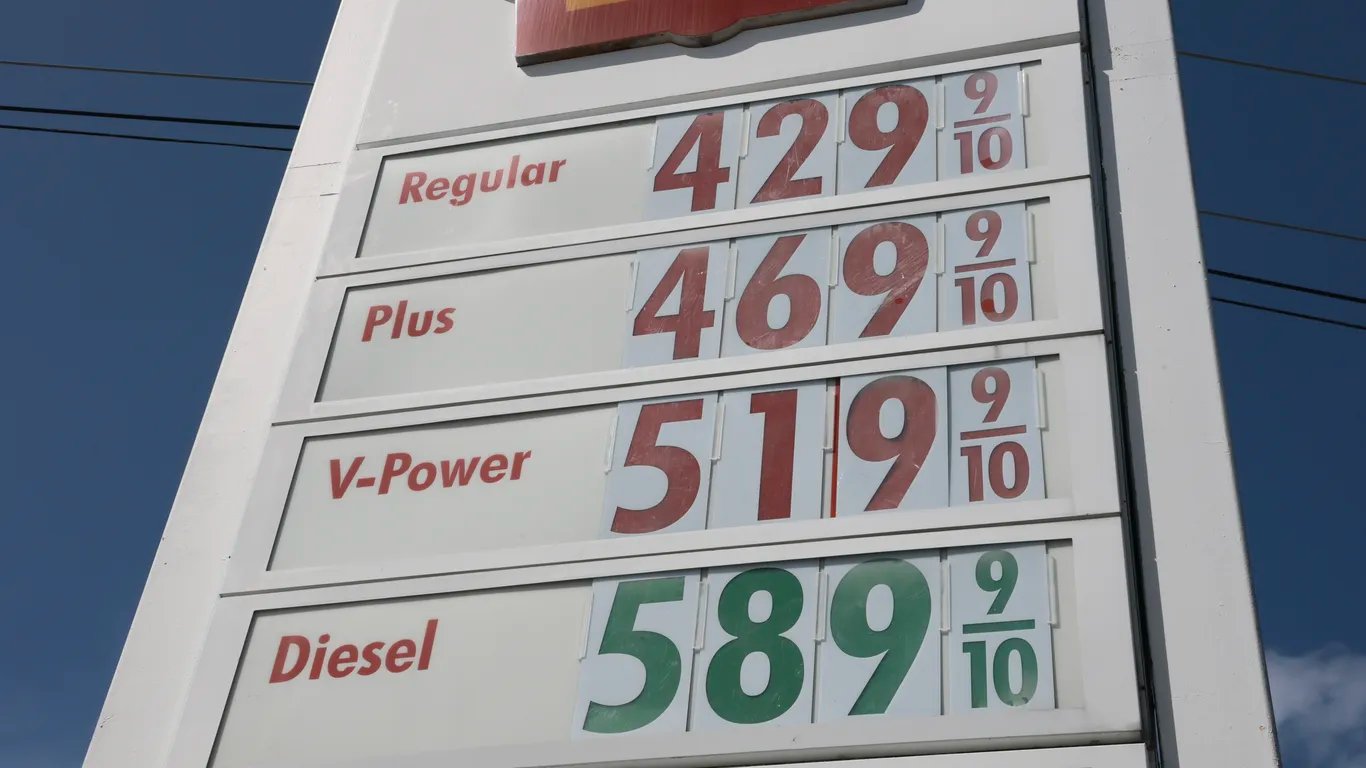
Alaska Air Group has withdrawn its financial forecast due to surging fuel costs linked to tensions in Iran. The airline cited that rising fuel expenses have significantly impacted its profit margins, leading to uncertainty about its financial performance. This decision comes as the airline industry grapples with a volatile market where fuel prices have surged by 40% since the beginning of the year.
The increase in fuel costs is not isolated to Alaska Air; it is affecting airlines across the United States. The Air Transport Association reported that U.S. airlines are seeking temporary tax relief to mitigate the financial strain caused by soaring fuel prices. The organization highlighted that the fuel cost increases have put additional pressure on operational budgets, prompting calls for government intervention.
In a statement, Alaska Air's Chief Financial Officer, Shane Tacke, emphasized the unpredictable nature of fuel pricing, which has made it difficult for the airline to provide accurate financial guidance. Tacke noted that the uncertainty surrounding fuel supply, particularly due to geopolitical tensions, is a primary concern for the airline’s profitability moving forward.
While Alaska Air has pulled its forecast, other airlines are also adjusting their expectations. JetBlue's CEO, Robin Hayes, confirmed that despite rising fuel costs, the airline does not anticipate bankruptcy this year. However, he acknowledged that the current market conditions are challenging, with fuel prices directly influencing operational strategies and customer fares.
The rise in fuel costs is expected to trickle down to consumers, potentially leading to higher ticket prices across the industry. Airlines may adjust their fare structures to accommodate the increased operational costs, which could affect travel plans for many passengers. As airlines navigate these turbulent financial waters, travelers may need to brace for more expensive flights in the coming months.
As Alaska Air and its competitors face the dual challenge of rising fuel prices and geopolitical instability, the future of air travel remains uncertain. Stakeholders in the airline industry are closely monitoring these developments, with many advocating for governmental support to alleviate financial pressures. For consumers, staying informed about potential fare increases is essential as airlines adapt to the current economic landscape.
Highlighted text was flagged by the council. Tap to see feedback.